Blog
Single Post
A Simple Snoring Self Assessment at Home
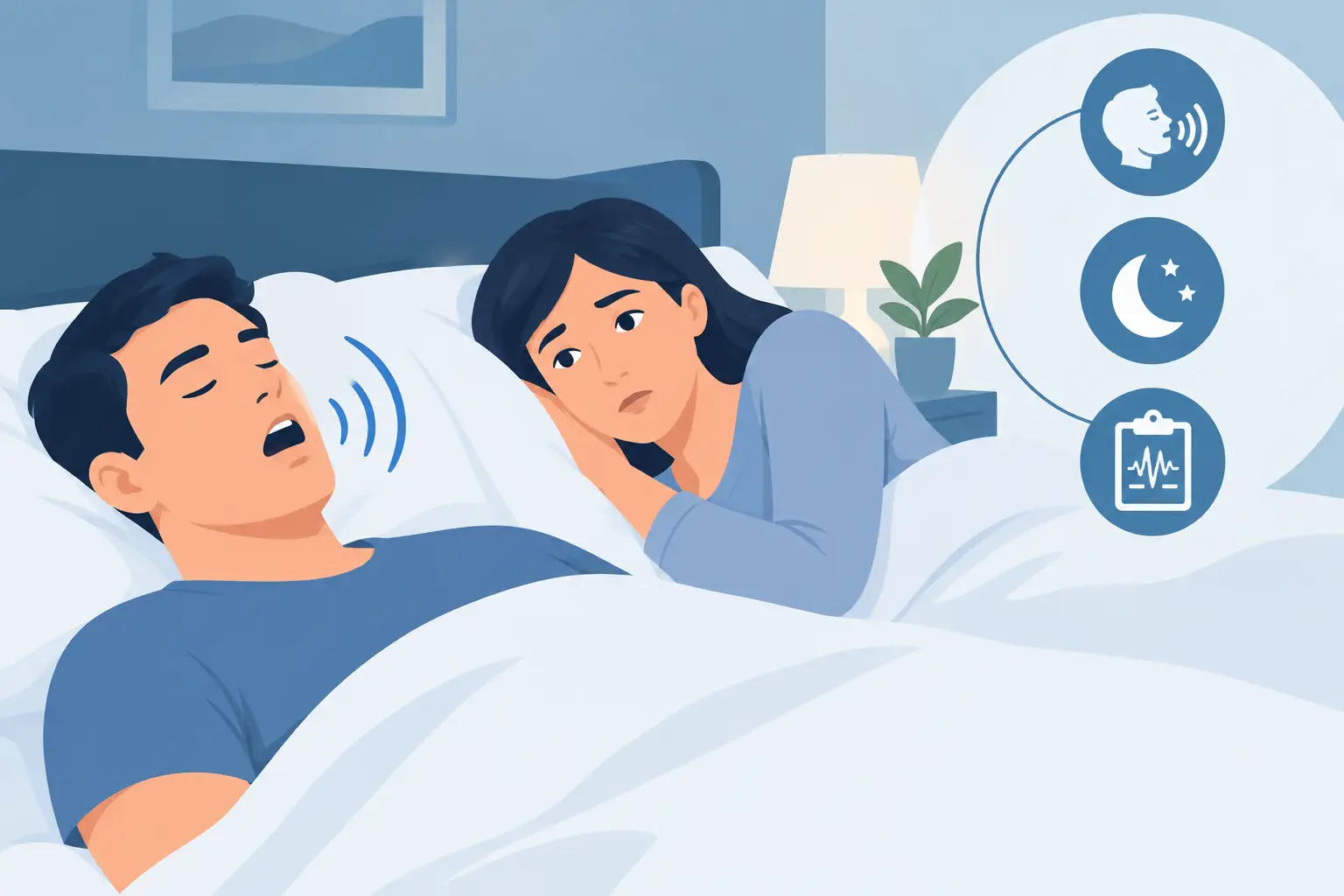
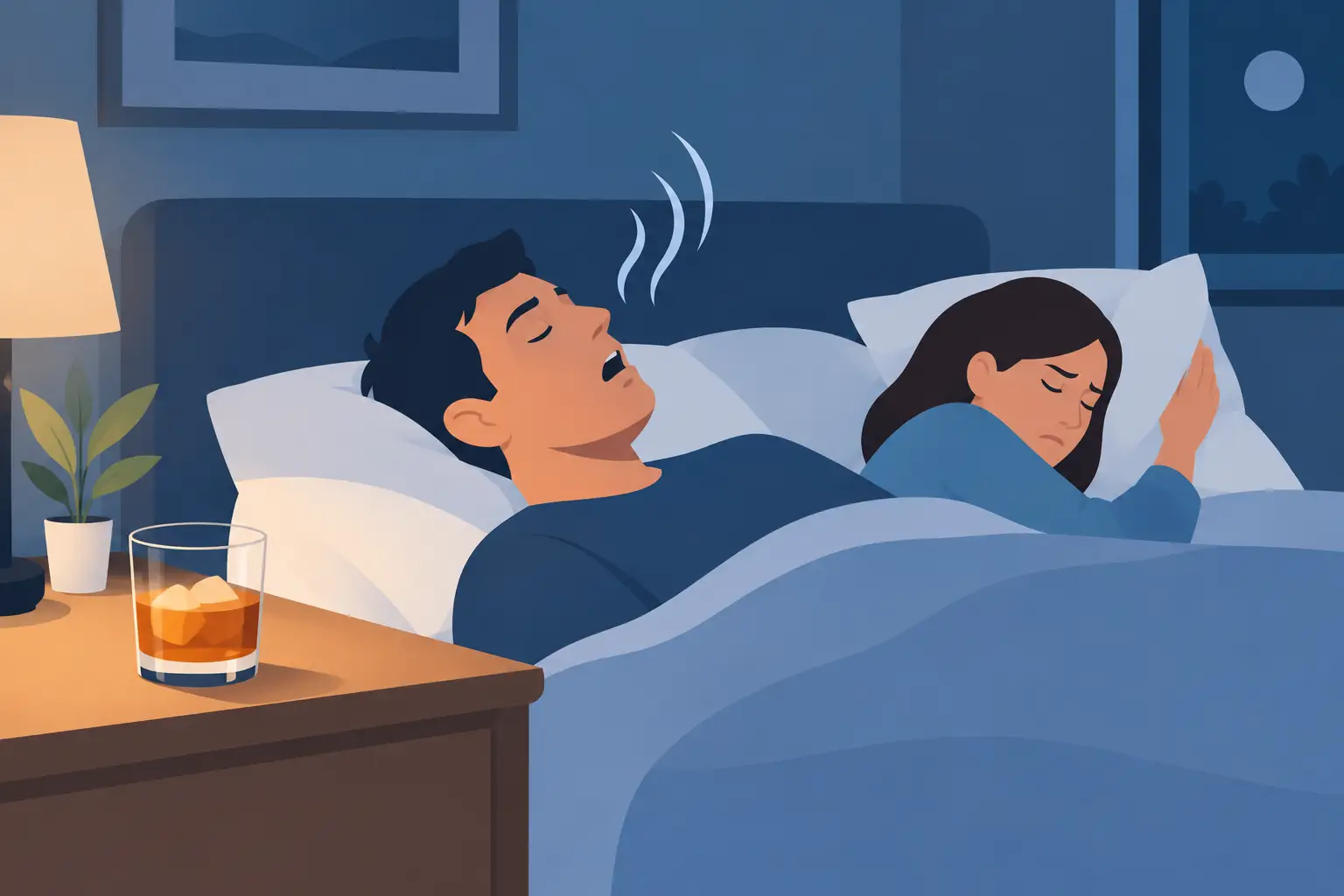
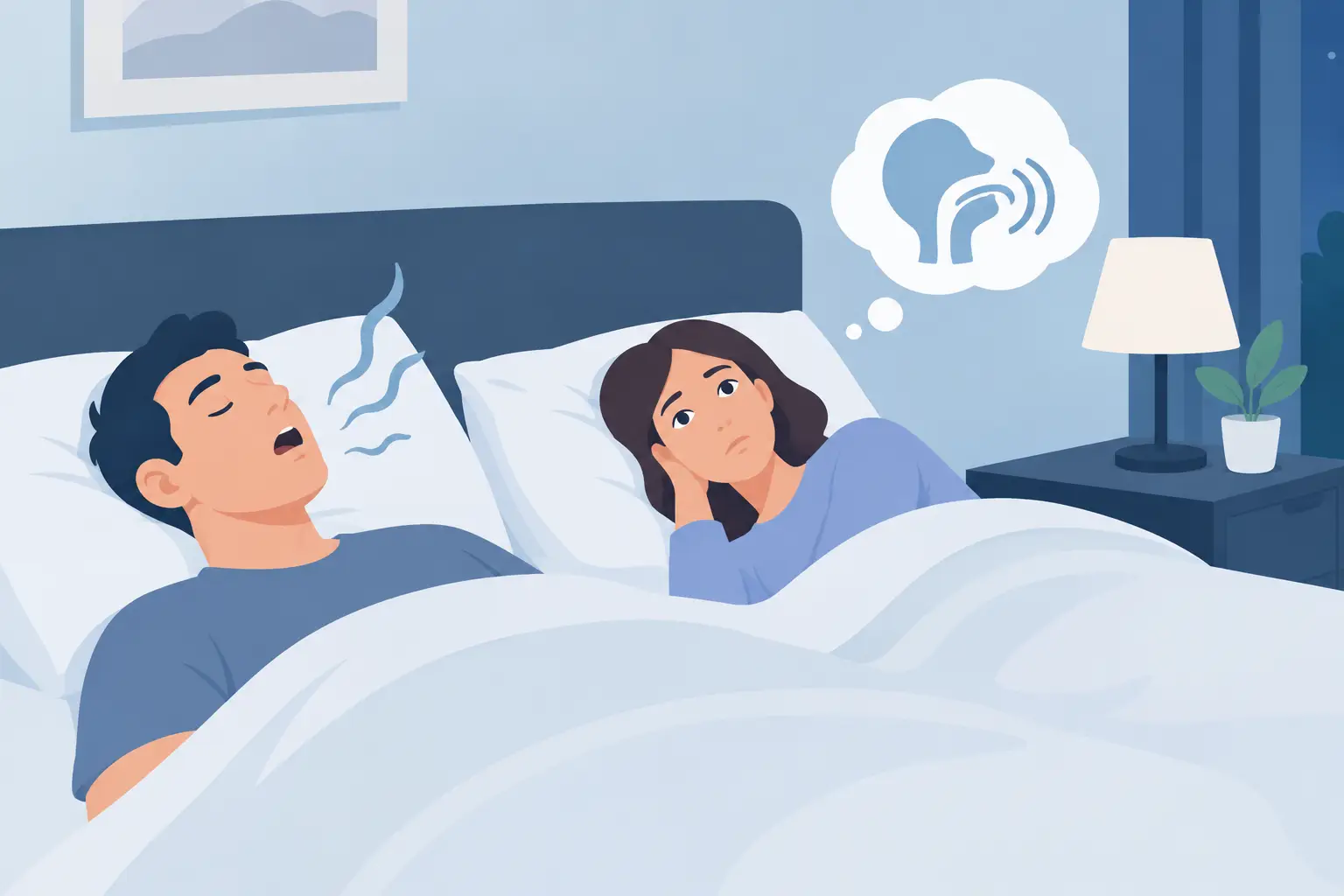
Snoring has a way of becoming normal in a household long before it becomes acceptable. One person lies awake, nudging, retreating to the spare room or reaching for earplugs. The other wakes up tired without understanding why. A simple snoring self-assessment can help you work out whether you are dealing with ordinary, position-related snoring or whether the pattern deserves a proper conversation with a GP.
The aim is not to diagnose yourself. It is to notice what is happening, what may be making it worse and what a sensible next step looks like. For many adults, simple snoring is linked to relaxed throat tissues, sleep position or lifestyle factors. It can often be improved with a non-invasive approach. But some signs should never be brushed off.
What counts as simple snoring?
Snoring happens when air moves through a narrowed airway during sleep and makes surrounding soft tissues vibrate. That narrowing can be temporary and fairly straightforward. Sleeping on your back, having a blocked nose, drinking alcohol in the evening or simply being overtired can all make the sound louder.
Simple snoring is generally regular snoring without repeated breathing pauses, gasping or serious daytime symptoms. It may be frustrating, particularly for a partner, but it is not automatically a sign of a major health problem.
The distinction matters because not every anti-snoring product is appropriate for every kind of snoring. A discreet, non-drug option may be a sensible first choice for straightforward snoring. If there are warning signs of obstructive sleep apnoea, however, a medical assessment comes first.
A simple snoring self-assessment: what to notice
Start by looking at the pattern over one or two weeks rather than judging a single noisy night. Your partner’s observations are useful here, as they may notice changes you cannot hear yourself.
Consider when the snoring occurs. Is it worse after alcohol, a late meal or a particularly exhausting day? Does it happen mainly when you are lying on your back? Does a cold, hay fever or a blocked nose make it noticeably louder? A clear connection to one of these triggers points more towards simple snoring.
Also consider the impact. Mild snoring that occasionally disturbs a partner is different from snoring that sends one of you to another room most nights. Sleep disruption can affect patience, concentration, mood and closeness in a relationship. It is reasonable to want a solution before the problem becomes the centre of your evenings.
Ask yourself these questions honestly:
- Is the snoring fairly steady, rather than interrupted by silence and sudden choking or gasping?
- Do you feel reasonably refreshed most mornings, rather than overwhelmingly sleepy during the day?
- Is the snoring worse on your back, after a drink, or when you have nasal congestion?
- Has your partner noticed pauses in your breathing, or only noise?
If your answers suggest a predictable pattern with no breathing pauses or daytime exhaustion, simple snoring is more likely. That does not make it any less disruptive, but it gives you a clearer starting point.
Keep a short sleep record
A quick note on your phone can reveal more than guesswork. Record your bedtime, whether you drank alcohol, how congested you felt, your sleeping position where known and how rested you felt the next day. If your partner is willing, ask them to note whether the snoring was light, loud, constant or broken by pauses.
Do not try to make the record perfect. The point is to identify trends. Perhaps the snoring is dramatically worse after two drinks, or only appears during allergy season. Perhaps it remains loud whatever you change. That information is useful whether you decide to try a simple remedy or speak to a clinician.
Red flags that mean you should speak to a GP
Snoring can sometimes be linked to obstructive sleep apnoea, where the airway repeatedly narrows or closes during sleep. It is not something a home check can confirm or rule out. If any of the following are happening, arrange medical advice rather than relying on a self-assessment alone:
- Your partner sees repeated pauses in breathing, followed by snorting, choking or gasping.
- You regularly wake feeling short of breath or with a dry mouth and headache.
- You are very sleepy in the daytime, doze off unintentionally or struggle to stay alert when driving.
- Your snoring is severe and persistent, particularly if it has changed suddenly.
- You have high blood pressure, significant weight changes or other health concerns alongside disturbed sleep.
These signs do not guarantee sleep apnoea, and there can be other explanations. Still, they are worth taking seriously. A GP can discuss your symptoms and decide whether further sleep testing is needed. A partner who has been worried by breathing pauses should be listened to, even if the snorer feels they sleep through the night.
Practical changes worth trying first
When the signs point to simple snoring, small changes can be revealing. Try sleeping on your side for several nights, as back sleeping can allow the tongue and soft tissues to fall backwards and narrow the airway. Raising the head slightly may help some people, though an overly high pillow can strain the neck, so comfort matters.
If alcohol appears to be a trigger, leave a longer gap between your last drink and bedtime or take a break from evening drinking to compare the difference. Treating temporary congestion and managing allergies can also make breathing easier at night. Maintaining a healthy weight may reduce snoring for some people, but it is not a quick fix and it is not the only cause of snoring.
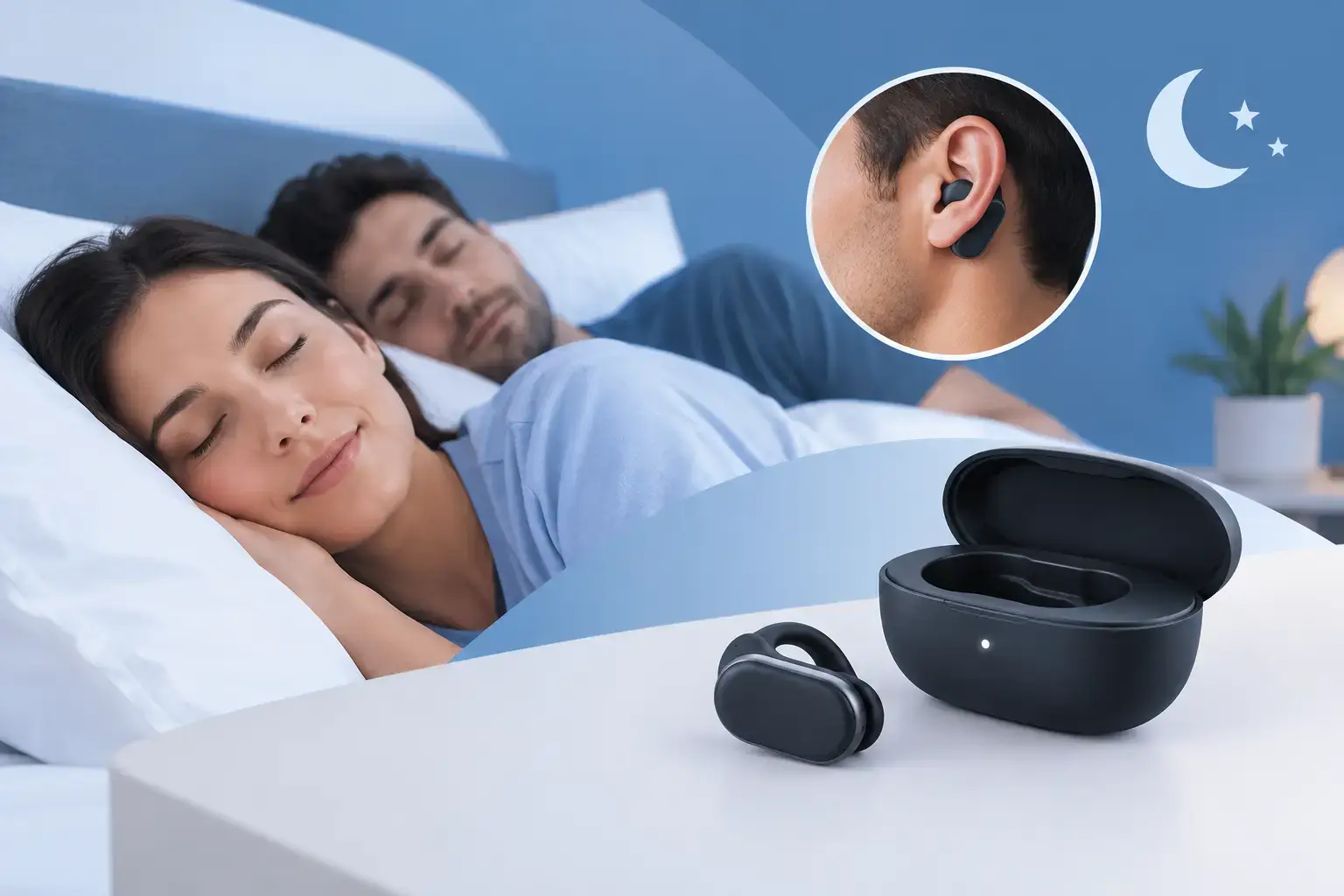
The best approach is usually the one you can actually live with. Bulky mouthpieces, taped mouths and medication can feel like a lot to take on for ordinary snoring. They may also be unsuitable or uncomfortable for some people. A simple wearable alternative can be more appealing when it does not interfere with speaking, breathing or settling down to sleep.
Choosing a low-risk anti-snoring option
Be wary of dramatic promises, especially from products that look interchangeable online. Snoring is common, which means the market attracts plenty of copycat devices and vague claims. Look for clear instructions, credible evidence, a stated mechanism and a meaningful returns policy.
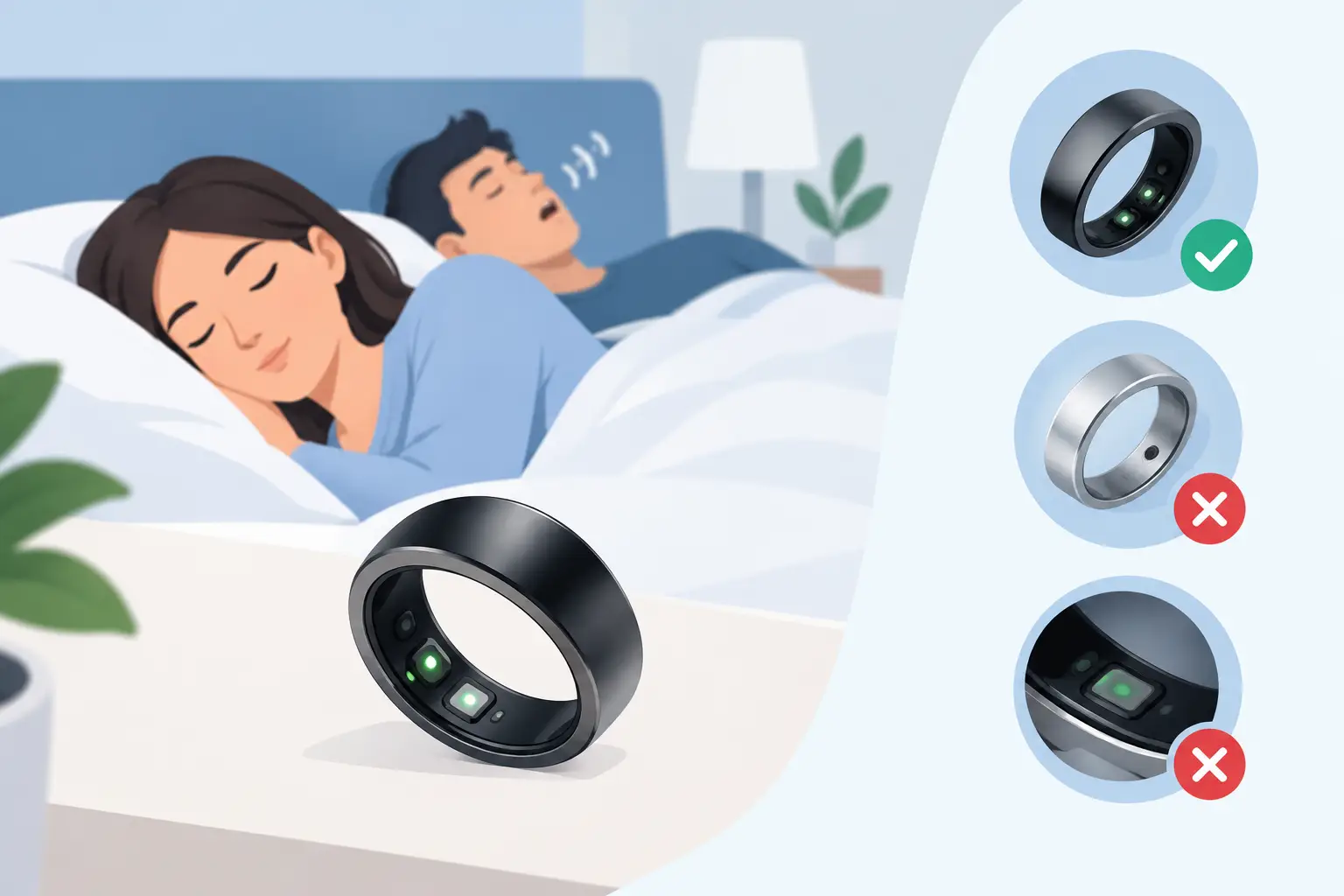
The Good Night Anti-Snoring Ring is the original clinically trialled stop-snoring ring, designed to apply acupressure to specific points on the little finger while you sleep. It is a non-invasive option for adults whose self-assessment suggests simple snoring, not a substitute for medical care where sleep apnoea is suspected. The full refund guarantee gives you room to see whether it works for you, because honest snoring solutions should acknowledge that no single option suits everyone.
Give any reasonable change enough time to judge it fairly. A few nights can be affected by a cold, stress, a different bedtime or your partner being more alert to the sound because they are expecting a result. Track the same measures you used in your sleep record and ask your partner whether the volume, frequency or disruption has changed.
Make the conversation easier at home
Snoring is easy to turn into a joke, but the person losing sleep rarely finds it funny by 3 am. Keep the conversation practical rather than blaming. Talk about the shared goal: both of you getting a better night’s rest.
Agree on a short trial period for the changes you choose. That could mean side sleeping and reducing alcohol for two weeks, or trying a discreet anti-snoring aid while keeping notes. If the noise improves, you have useful evidence. If it does not, or if worrying symptoms emerge, you have a clear reason to seek advice rather than carrying on with disrupted nights.
Better sleep often starts with paying attention to the pattern rather than accepting it as part of life. A calm assessment, an honest conversation and one sensible next step can make bedtime feel like a place to rest again.