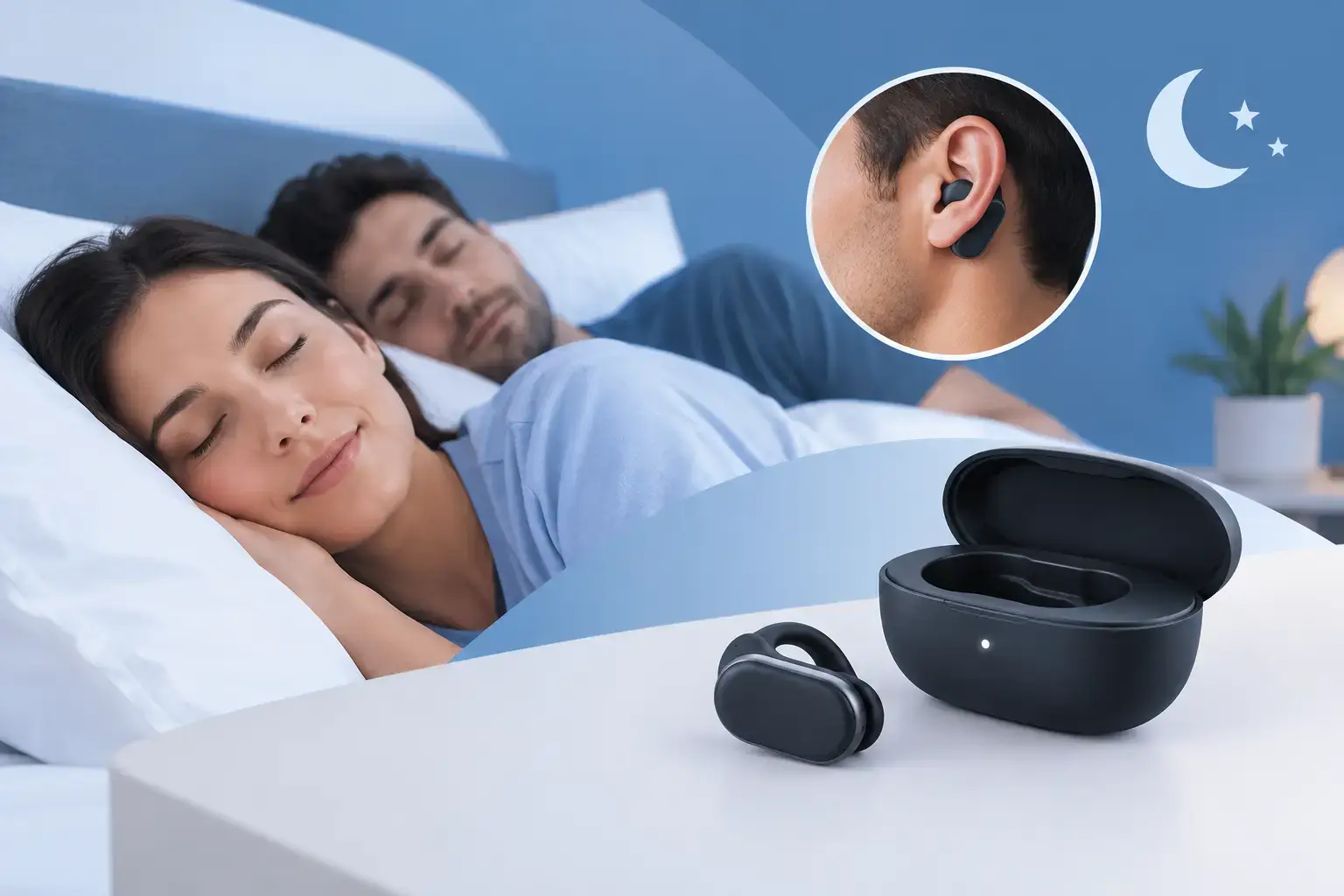
The most meaningful couples snoring outcomes are rarely just about noise. They show up at 6am, when neither person has spent the night nudging, turning away or retreating to the spare room. They show up in a calmer morning, more patience over small things, and the simple comfort of going to bed together without wondering who will be awake first.
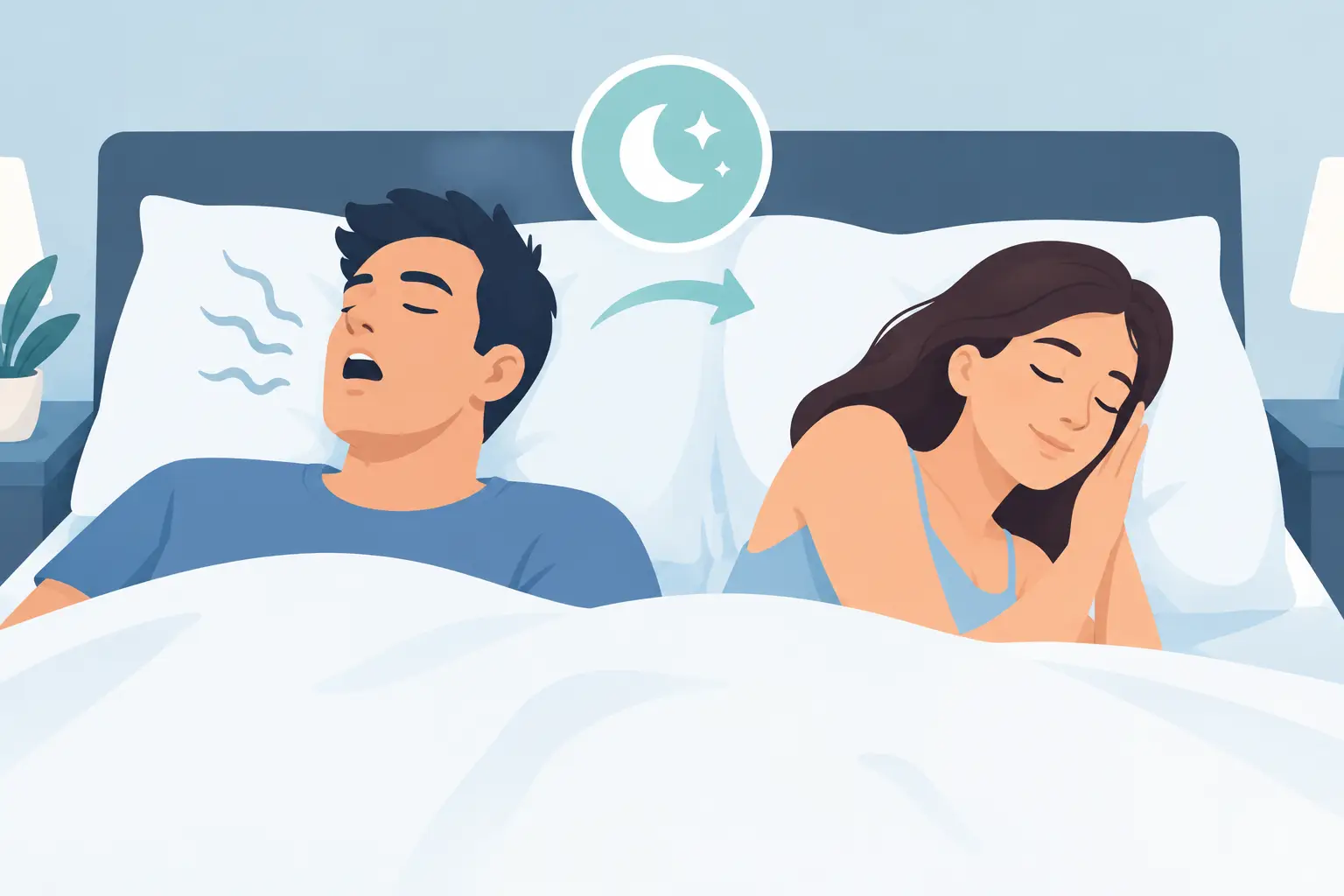
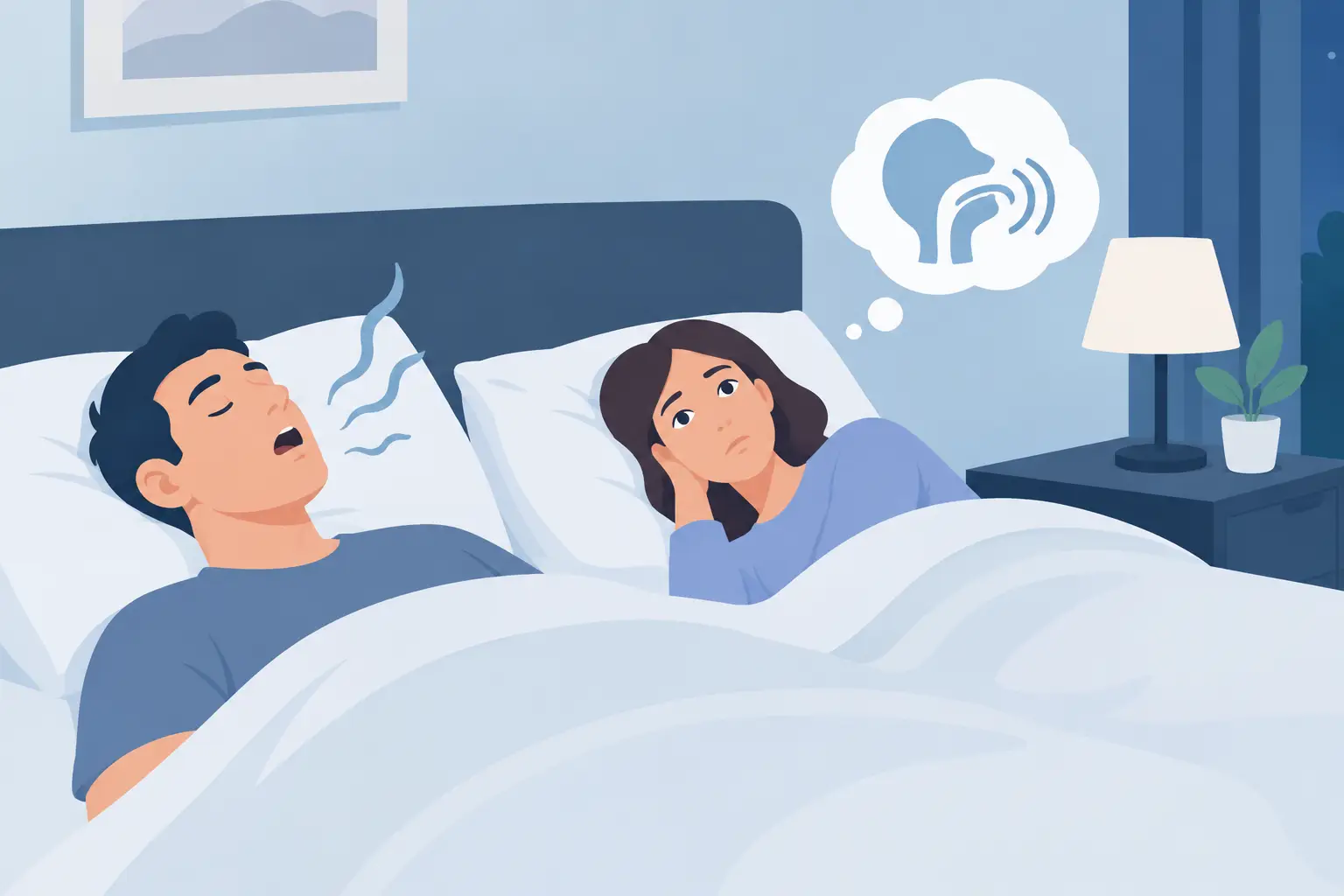
Snoring is often treated as the snorer’s problem. In a shared bed, it is a shared sleep problem. One partner may be woken repeatedly without remembering every interruption, while the other feels embarrassed, defensive or powerless. Over time, both people can become tired in different ways.
Couples snoring outcomes start with interrupted sleep
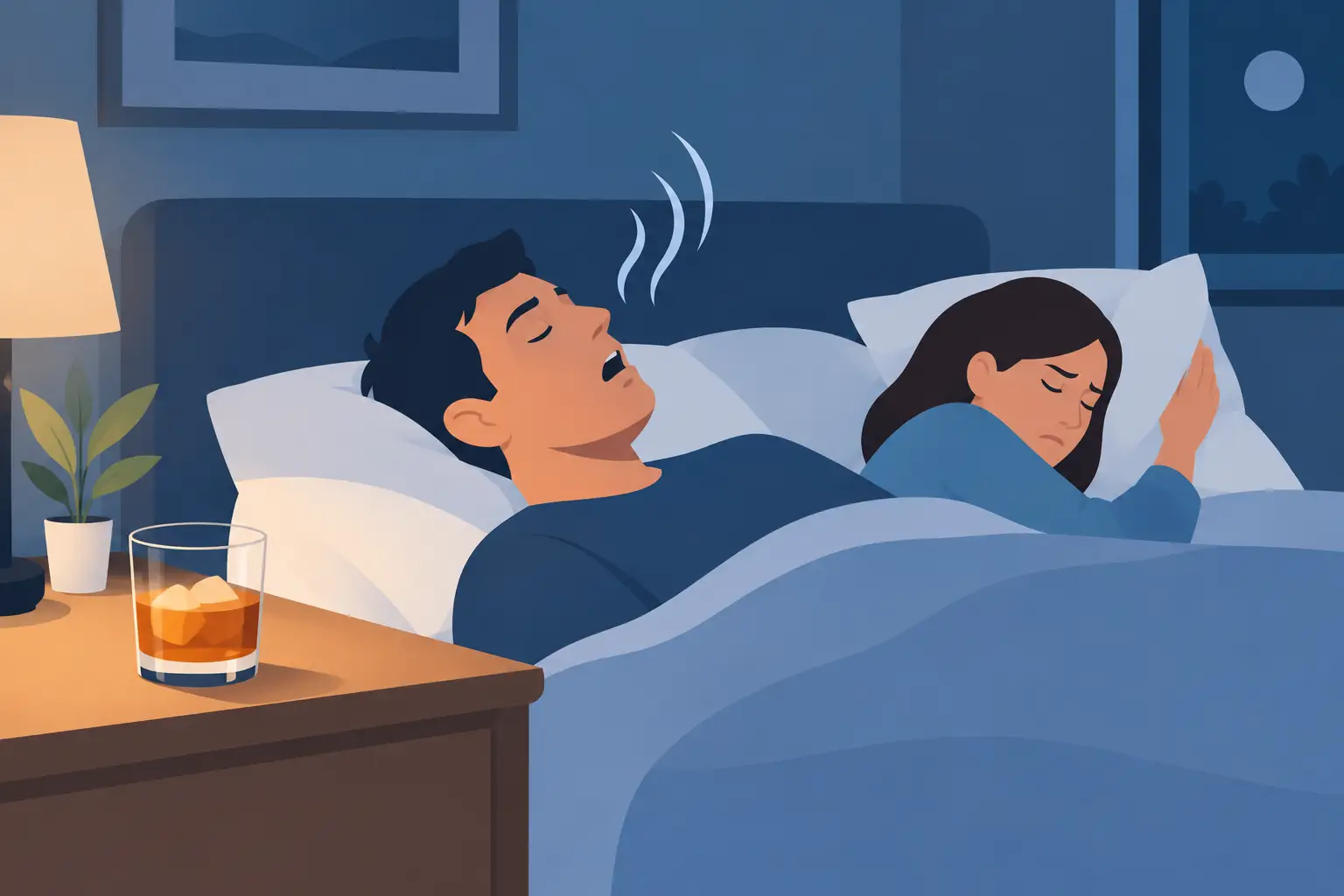
A snore does not need to wake someone fully to affect their rest. Even brief noise-related awakenings can pull a partner out of deeper sleep. They may roll over, put in earplugs, move to the sofa or lie awake waiting for the next burst of noise. By morning, they can feel as if they have barely slept, even when they were in bed for eight hours.
The snorer may also wake feeling unrefreshed. Simple snoring can be linked to disrupted breathing and restless nights, and the person making the noise may have little idea how loud or frequent it is. This creates a frustrating mismatch: one partner feels exhausted and unheard; the other feels blamed for something they cannot control while asleep.
When a couple starts addressing simple snoring, the first positive change is often less broken sleep. That does not mean every night becomes silent immediately. Snoring can vary with alcohol, nasal congestion, sleeping position, weight changes and fatigue. But reducing the frequency or volume of snoring can give both people more uninterrupted rest, which is the outcome that makes all the others possible.
Better sleep changes the mood of a relationship
Sleep deprivation lowers the threshold for irritation. A forgotten chore, a late reply or a bit of mess around the house can feel far bigger after another disturbed night. Couples may not connect their tension to sleep, particularly when snoring has been normalised for years. Yet the pattern is common: poor sleep makes it harder to regulate emotions, listen properly and give one another the benefit of the doubt.
A quieter night does not magically solve relationship problems. It can, however, remove a daily source of strain. When both partners wake with more energy, conversations tend to be less sharp and disagreements less likely to escalate. There is more room for humour, affection and ordinary kindness.
This matters because snoring arguments often become personal. The non-snoring partner may feel that their need for rest is being dismissed. The snorer may hear every complaint as criticism. The most useful shift is to treat the issue as a practical problem the couple can solve together, rather than a fault belonging to one person.
Separate bedrooms can help, but they are not the only answer
For some couples, sleeping separately is a sensible temporary arrangement. If one person is severely sleep deprived, protecting their rest is not selfish. Separate rooms can also be the right long-term choice for couples who are happy with that arrangement.
For others, it feels like a loss. Bedtime may be their only quiet time together, especially with children, demanding jobs or different schedules. They may miss the closeness of falling asleep side by side, even if they continue to feel close in every other way. There is no universal rule, only the question of whether the arrangement gives both people the rest and connection they need.
Trying to reduce simple snoring first gives couples another option. A discreet, comfortable approach can be particularly appealing to people who dislike bulky mouthpieces, masks or medication-based solutions.
Confidence matters as much as quiet
Snoring can make people self-conscious. Some avoid staying with friends, travelling with family or sharing a hotel room because they worry about disturbing others. Others delay bedtime or wait for their partner to fall asleep first. That anxiety can make the bedroom feel less like a place to rest.
When snoring becomes more manageable, the result can be a return of confidence. Couples may feel more comfortable planning a weekend away, visiting relatives or simply going to bed at the same time. These sound like small changes, but they restore spontaneity that snoring can quietly take away.
The partner of a snorer benefits too. They no longer have to become the night-time monitor, deciding whether to wake someone, move rooms or endure another poor night. That reduction in vigilance can be a real relief.
Choosing a solution both people can live with
The best anti-snoring approach is the one a person will actually use consistently. A solution might be effective in theory, but if it feels uncomfortable, awkward or embarrassing, it is likely to end up in a drawer. This is why many people who have tried several remedies become sceptical. They have bought sprays, strips or mouthguards that did not suit them, or did not produce a meaningful change.
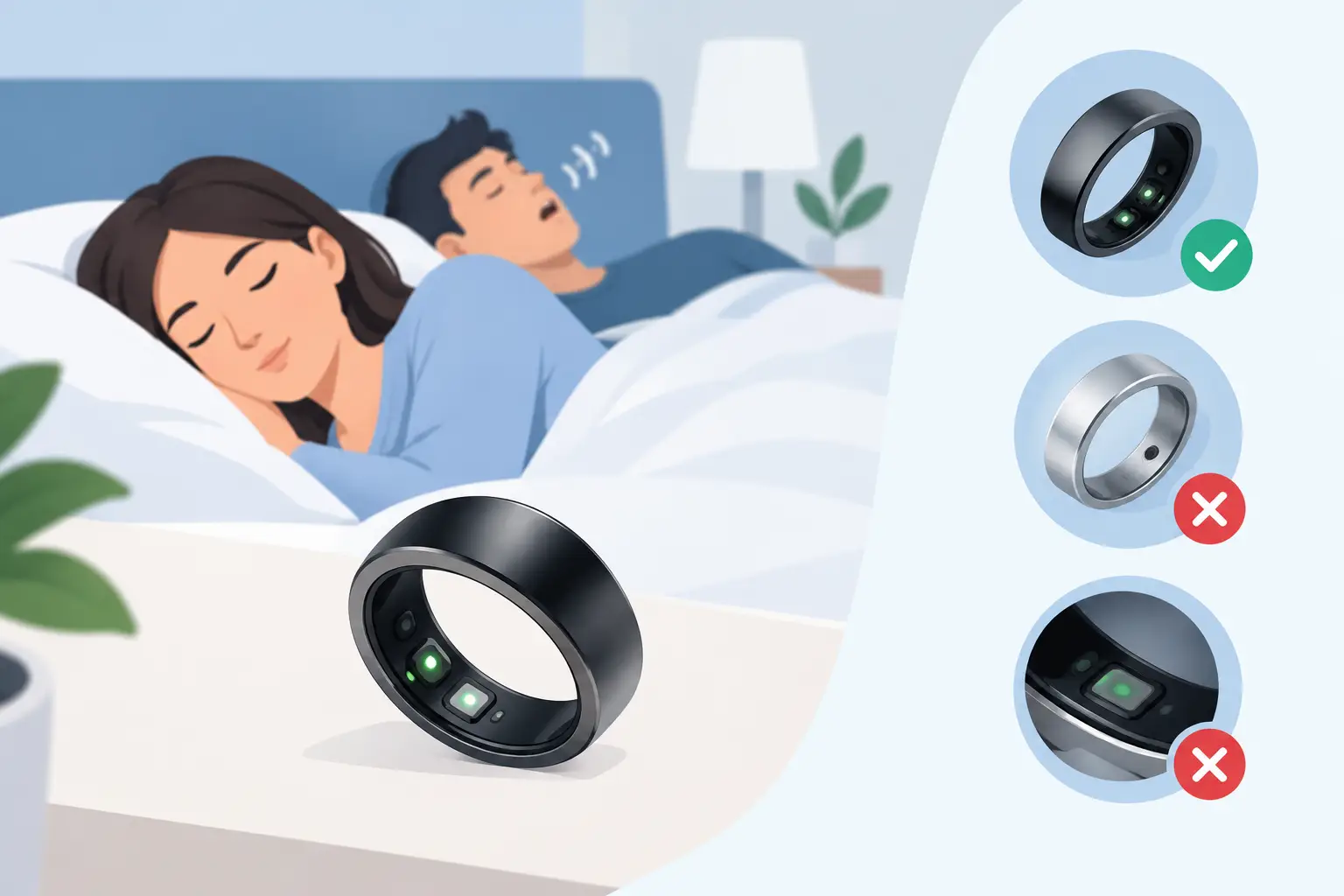
For simple snoring, it can be worth considering a non-invasive option that fits easily into a nightly routine. The Good Night Anti-Snoring Ring is the original stop snoring ring: a clinically trialled acupressure wearable designed to apply pressure to specific points on the little finger while you sleep. It avoids medication and cumbersome equipment, and its 30-day money-back guarantee gives couples a chance to judge the difference in their own bedroom.
Honesty matters here. No snoring product works for everyone, and a ring is not a substitute for medical assessment. The point is not to promise a perfect outcome on the first night. It is to choose a credible, low-effort option and assess it properly over several nights, ideally with feedback from the person who usually hears the snoring.
Give any change a fair test
Snoring naturally fluctuates, so one quiet night is encouraging but not definitive. Look for patterns over a couple of weeks. Is the partner waking less often? Is there less need for earplugs or sleeping apart? Does the snorer feel more rested? Are mornings easier?
It also helps to avoid turning the test into a nightly performance review. A simple, kind check-in works better than frustration: “How was your sleep?” is more productive than “Were you snoring again?” The goal is shared rest, not keeping score.
Know when snoring needs medical attention
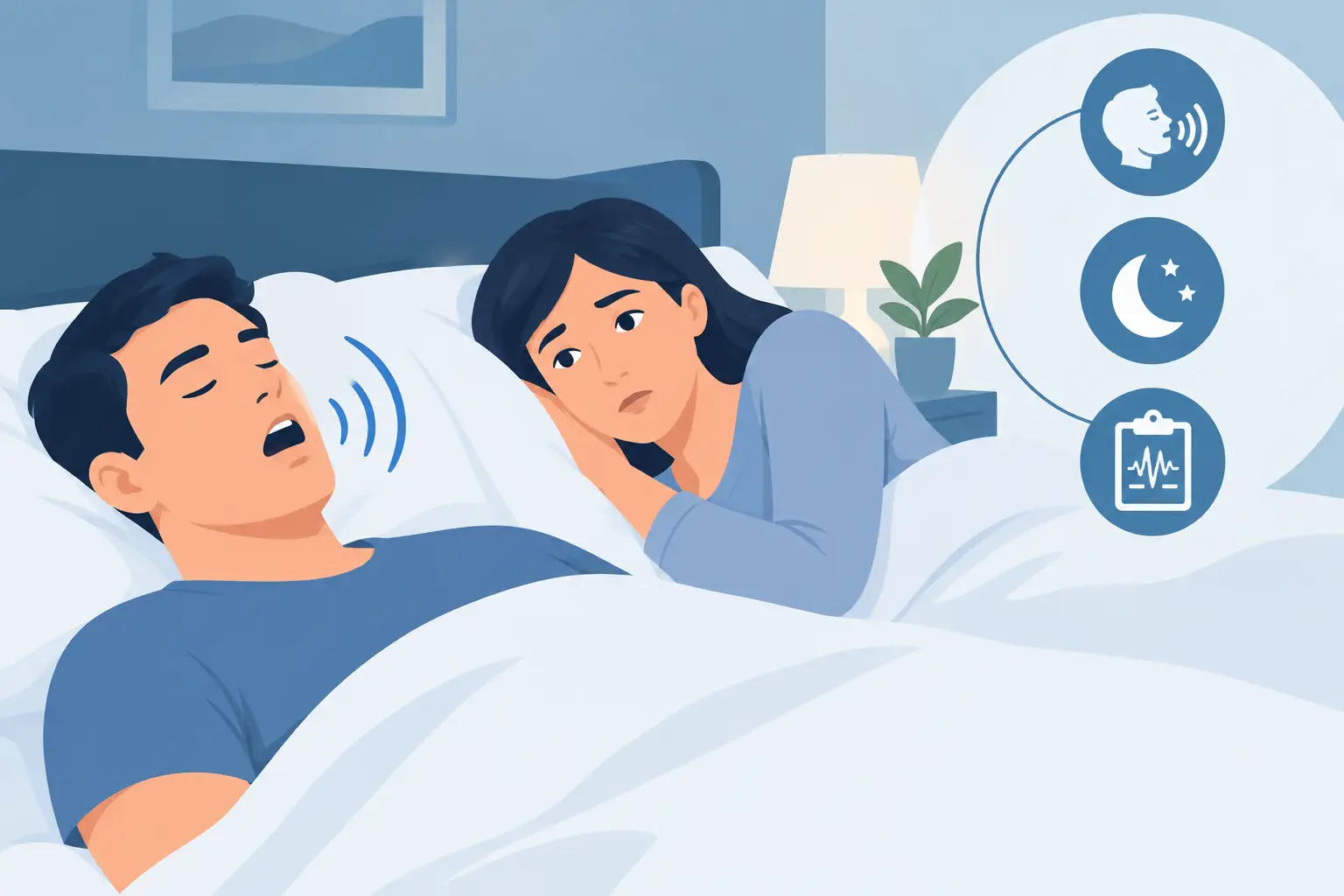
Not all snoring is simple snoring. Loud, persistent snoring accompanied by pauses in breathing, gasping, choking, severe daytime sleepiness, morning headaches or difficulty concentrating may point to obstructive sleep apnoea or another health concern. In that situation, speak to a GP rather than relying on an over-the-counter solution alone.
This is not cause for panic, but it is a reason to take the signs seriously. A partner is often the first person to notice breathing pauses, which makes open conversation especially valuable. Seeking advice can protect health as well as sleep.
For couples dealing with ordinary snoring, progress can be more personal than a decibel reading. It may be waking up without resentment, keeping the spare room for guests, or feeling comfortable booking that long-postponed holiday. A better night can give a relationship back some of its easiest, most restorative moments: two people resting properly, together.