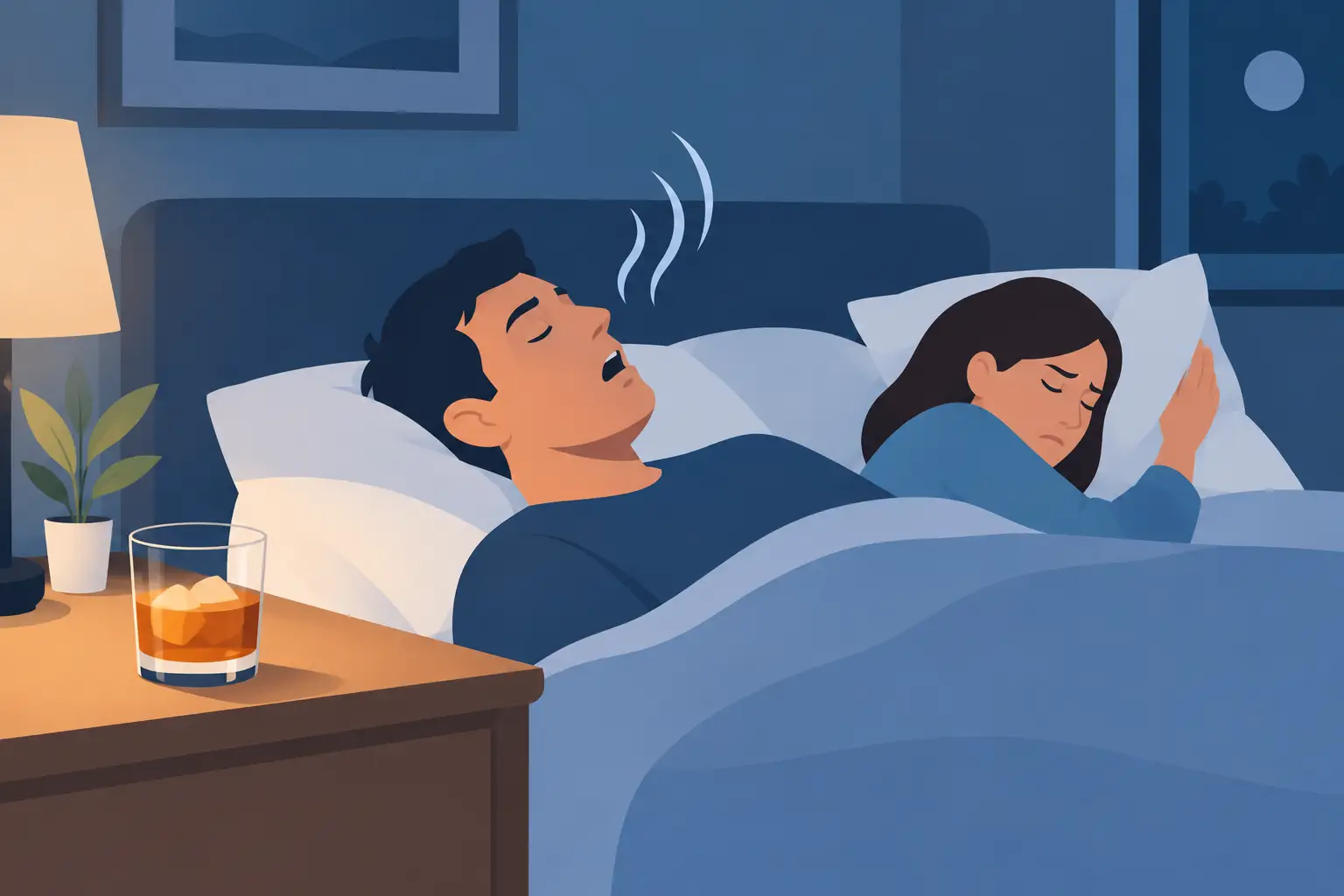
That glass of wine may help you feel sleepy, but alcohol and snoring are closely connected. For many couples, the pattern is familiar: a quiet bedtime after little or no alcohol, followed by louder, more frequent snoring after an evening at the pub, a dinner party or a few drinks at home. It is not imagined, and it is not simply bad luck.
Alcohol changes the way your body behaves during sleep. It can relax the tissues in your throat, make your airway narrower and make it harder for your body to respond when breathing becomes restricted. The result can be a noisier night for your partner and less restorative sleep for you.
Why alcohol makes snoring worse
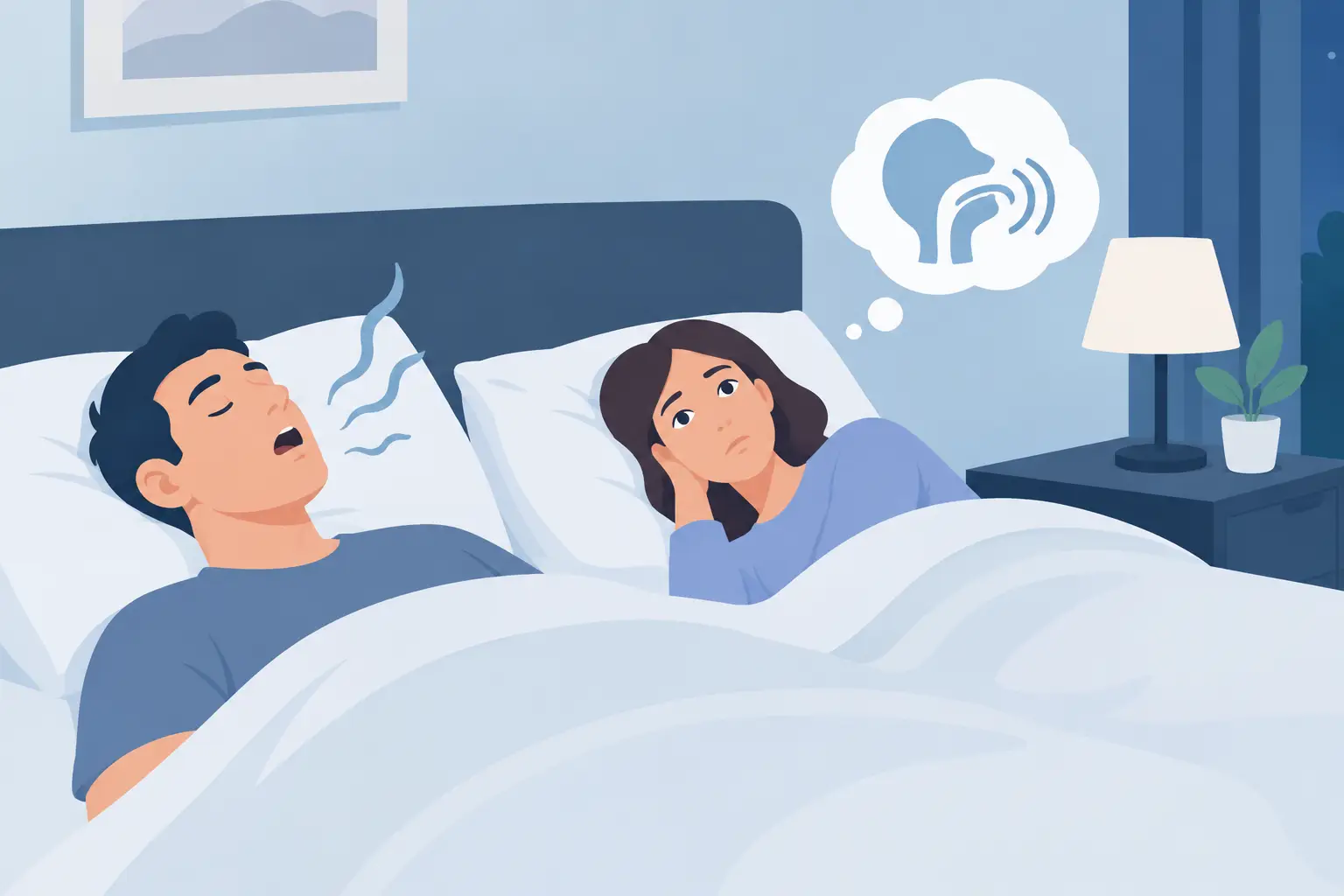
Snoring happens when air struggles to move freely through the upper airway. As you breathe, relaxed tissues in the nose, mouth and throat vibrate. That vibration creates the familiar sound – from a soft rumble to something loud enough to wake the whole household.
Alcohol is a muscle relaxant. After drinking, the muscles that normally help hold your tongue and airway in a stable position can become more relaxed than usual. The soft palate and throat tissues are then more likely to narrow the airway as you sleep, especially when you lie on your back.
This matters even if you do not usually consider yourself a heavy snorer. Someone with a naturally narrow airway, nasal congestion, excess weight around the neck or a tendency to sleep on their back may find that alcohol pushes mild snoring into a much louder problem.
Alcohol also affects sleep quality in less obvious ways. It may make you fall asleep quickly, but it can fragment sleep later in the night. You may wake more often, spend less time in restorative sleep stages and feel tired despite spending enough hours in bed. Add snoring to that picture and neither person in the bed is likely to wake feeling their best.
Timing matters as much as the amount
There is no single number of drinks that guarantees a quiet night. Your response depends on your body, the type and amount of alcohol, your usual snoring pattern, medication and how close to bedtime you drink.
A large amount of alcohol shortly before bed is most likely to cause trouble, but some people notice a difference after just one or two drinks. Spirits, wine and beer can all have the same effect because it is the alcohol, rather than the specific drink, that relaxes the airway.
As a practical rule, finish drinking well before you plan to sleep. Giving your body several hours to process alcohol may reduce its effect at bedtime. Drinking water alongside alcohol can help you avoid dehydration, although water does not cancel out alcohol’s effect on the throat muscles.
If you are trying to work out whether alcohol is contributing to your snoring, do not guess. Keep a simple note for two weeks: when you drank, roughly how much, when you went to bed and whether your partner noticed a change. A pattern often becomes clear surprisingly quickly.
Why late-night drinking is particularly disruptive
A nightcap can feel like a shortcut to sleep, especially after a stressful day. The trade-off is that the sedating effect may arrive before your head hits the pillow, while the disrupted sleep and louder breathing arrive when you and your partner most need rest.
Alcohol can also reduce your natural tendency to wake briefly when your breathing is obstructed. These tiny arousals are not pleasant, but they are part of the body’s response to a restricted airway. When that response is blunted, breathing disturbances may last longer.
Simple changes that can make a real difference
Cutting out alcohol completely is not the only option. Many people find that changing the timing, amount or frequency of evening drinks gives them a quieter night without making social occasions feel off limits.
Start by choosing several alcohol-free nights each week and avoiding drinks close to bedtime. If you do drink, consider having less than usual and finishing earlier in the evening. This is particularly worthwhile before an important day, when you are already overtired or when you have a cold and blocked nose.
Your sleep position matters too. Back sleeping allows the tongue and soft tissues to fall backwards more easily, so side sleeping can reduce simple snoring for many people. Raising your head slightly may help some sleepers, but it is not a cure for every cause of snoring.
Address nasal blockage where you can. Seasonal allergies, a cold or dry air can all make airflow noisier. Keeping your bedroom comfortably cool, treating known allergies with advice from a pharmacist or clinician, and avoiding cigarette smoke can support easier breathing at night.
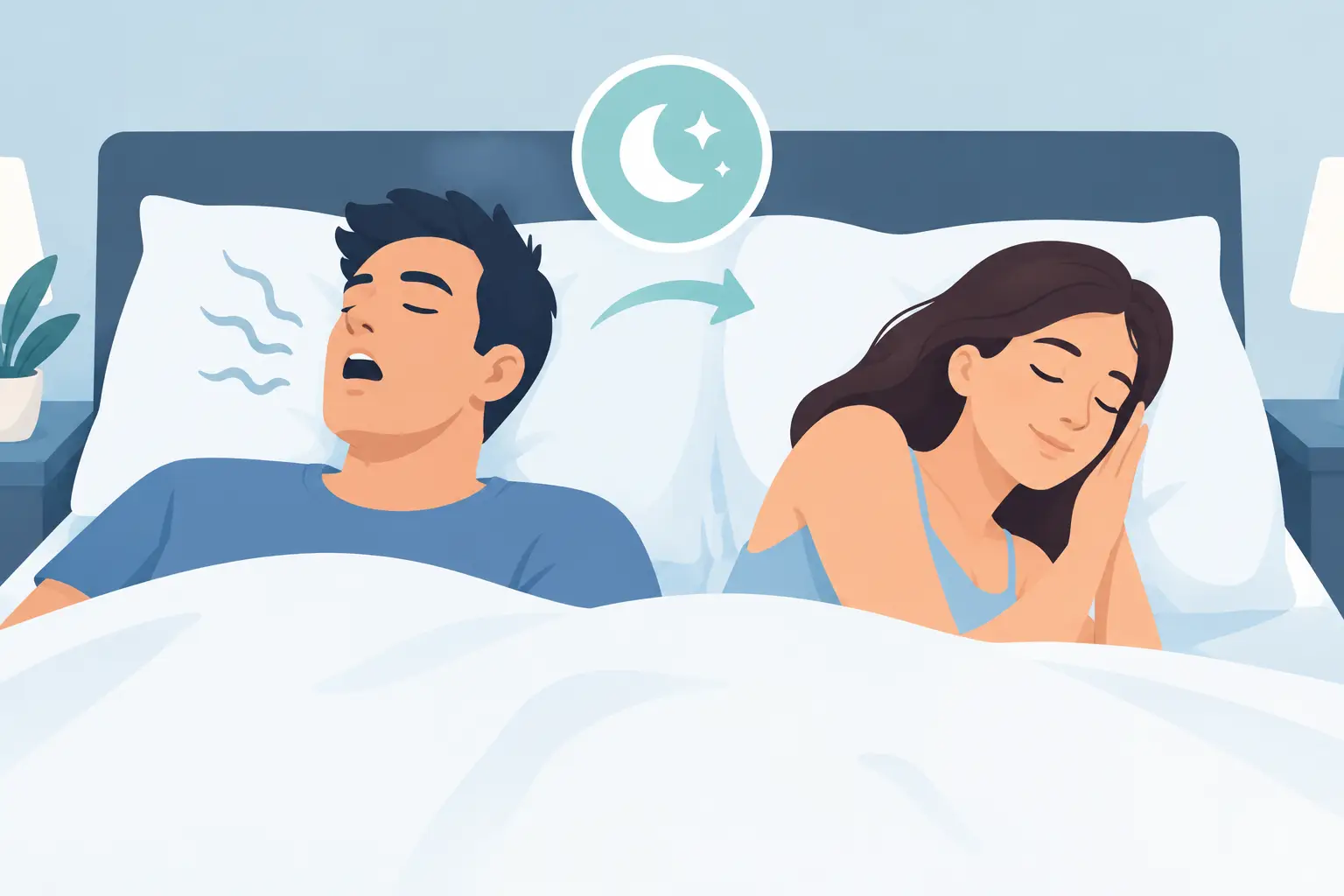
It also helps to be honest about the effect on your partner. Snoring is often treated as a joke until someone is regularly sleeping in another room, relying on earplugs or starting the day exhausted. A calm conversation makes it easier to test changes together instead of placing blame on the person who snores.
A discreet option for simple snoring
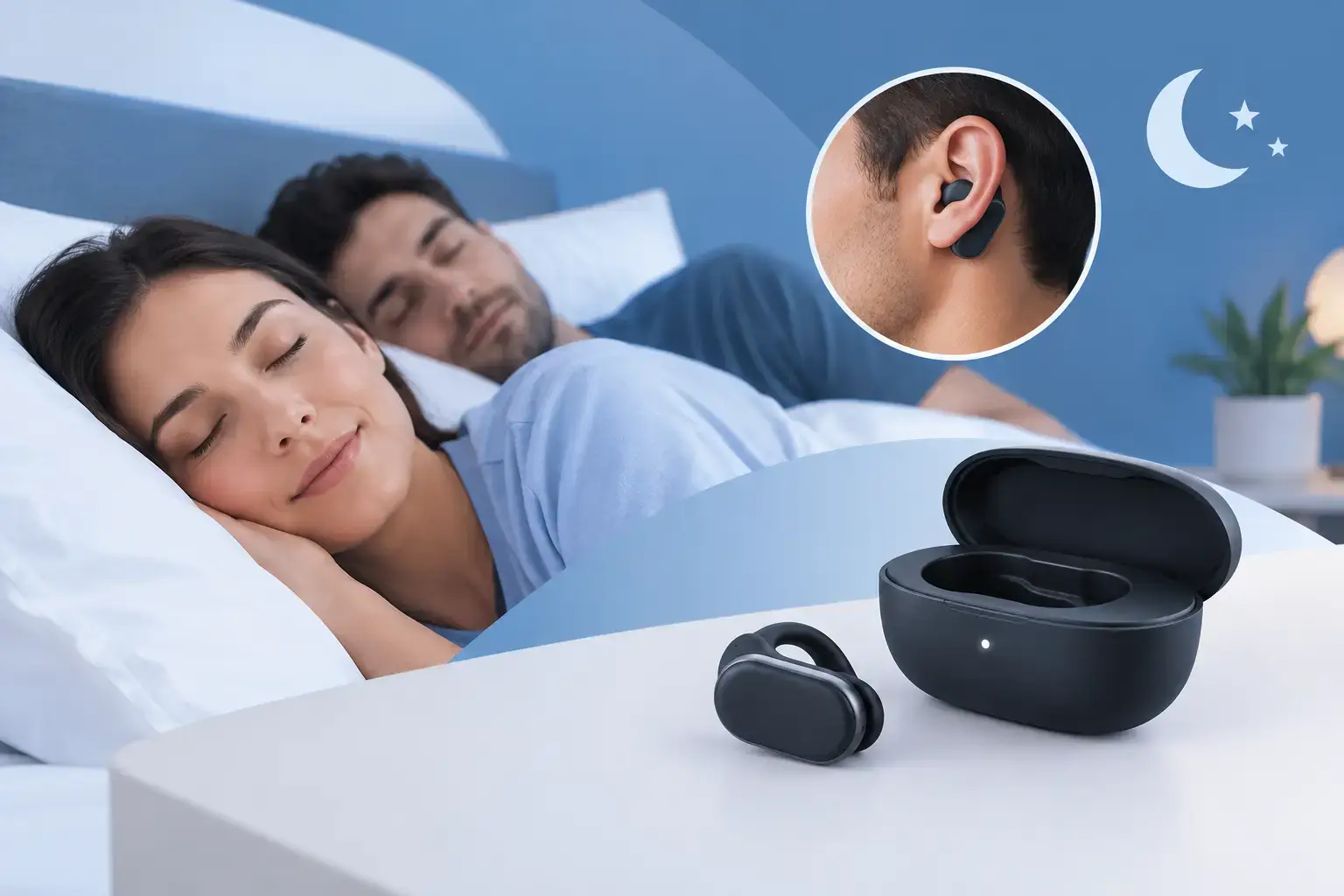
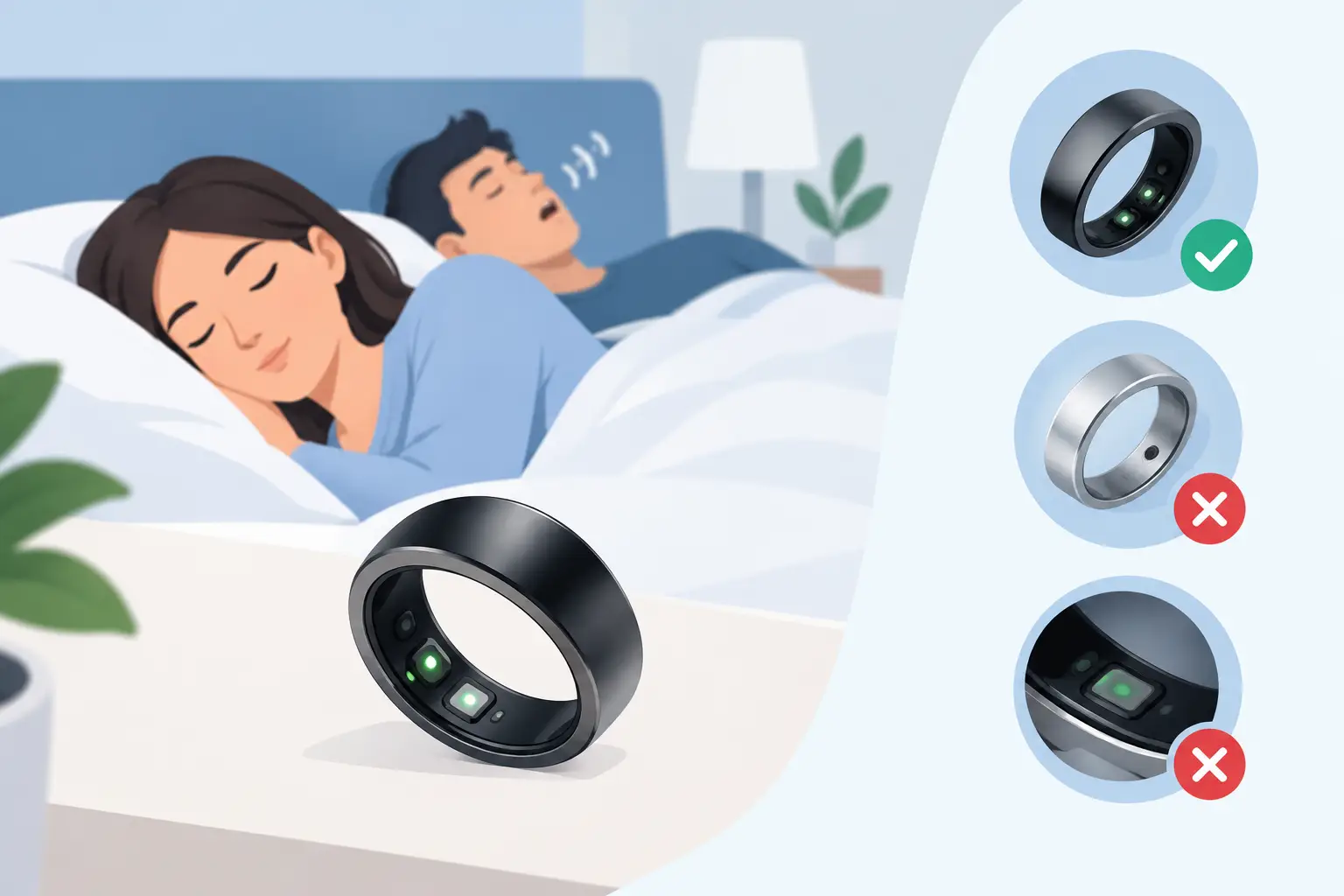
If alcohol is only part of the issue, a comfortable anti-snoring approach may be worth considering alongside changes to your evening routine. The Good Night Anti-Snoring Ring is the original, clinically trialled stop-snoring ring. It uses gentle acupressure points on the little finger and is designed for people who want a non-invasive alternative to bulky mouthpieces, medication or intrusive nighttime equipment.
It will not work for everyone, because snoring has different causes. That honesty matters. A ring is intended for simple snoring, not as a treatment for a medical breathing disorder. However, for people whose snoring is aggravated by relaxed throat tissues, back sleeping or the occasional evening drink, a small wearable can be an appealing option to try without turning bedtime into a complicated routine.
When snoring needs medical attention
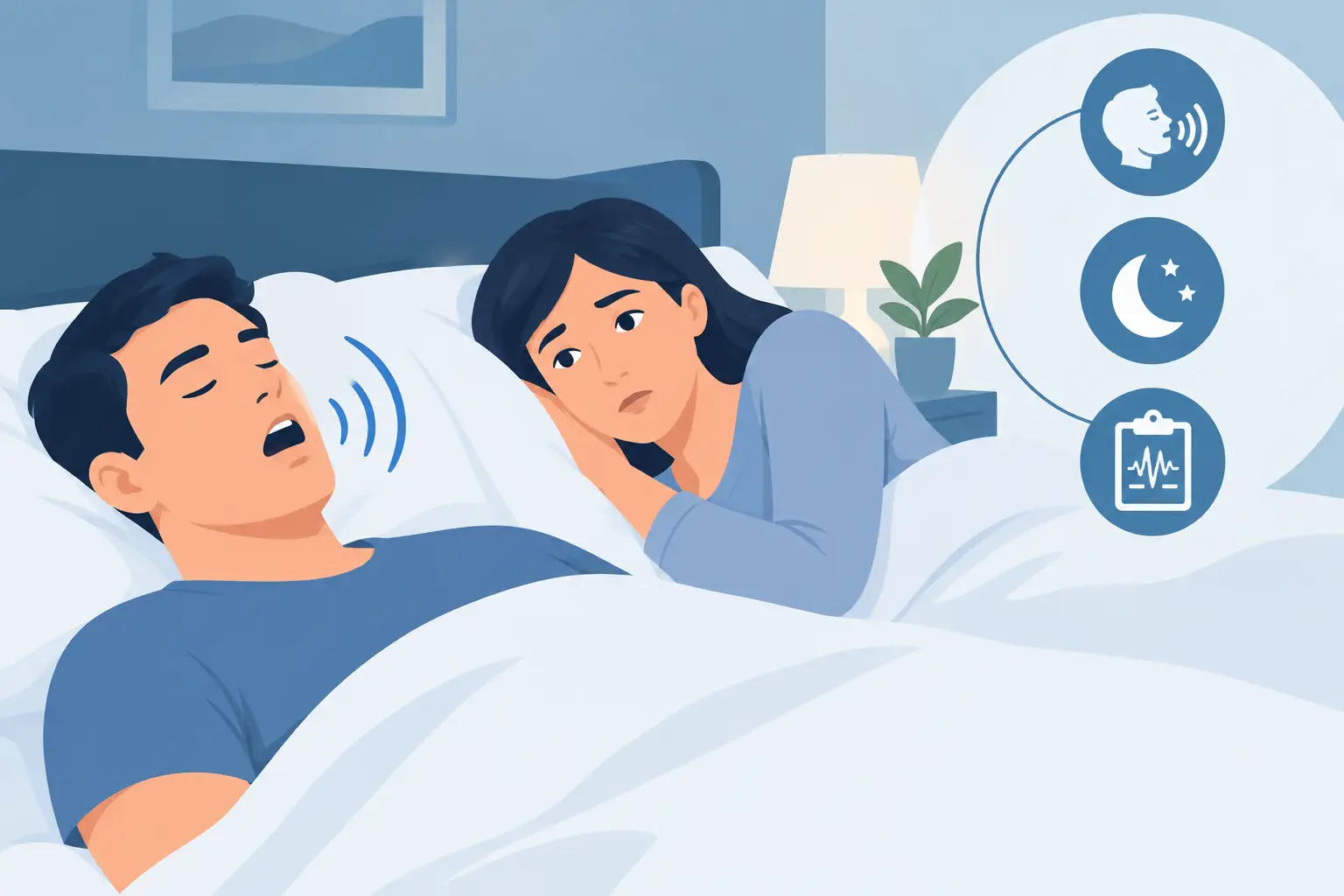
Not all snoring is simple snoring. Alcohol can make obstructive sleep apnoea worse, and it is especially important not to dismiss warning signs as merely the result of a few drinks.
Speak to a GP if you or your partner notice pauses in breathing, choking or gasping during sleep, severe daytime sleepiness, morning headaches, difficulty concentrating or high blood pressure. These symptoms may point to obstructive sleep apnoea, a condition that needs proper assessment. A snoring ring, a positional change or an earlier last drink should not replace medical care in that situation.
Be particularly cautious if you take sleeping tablets, sedatives, strong pain relief or medicines that cause drowsiness. Combining these with alcohol can further relax the airway and affect breathing. Ask a pharmacist or prescriber for individual advice rather than assuming a usual routine is safe.
The goal is better sleep, not perfection
For some people, avoiding alcohol near bedtime produces a dramatic improvement. For others, it reduces the volume without stopping snoring completely. That does not mean the effort has failed. Snoring is often influenced by several factors at once, including sleep position, congestion, weight, age and the shape of the airway.
The useful question is not whether you can guarantee a silent night after every social occasion. It is whether a few realistic adjustments help you and your partner sleep better more often. Try an earlier final drink, sleep on your side and pay attention to the difference. A quieter night can begin with a small change made well before bedtime.