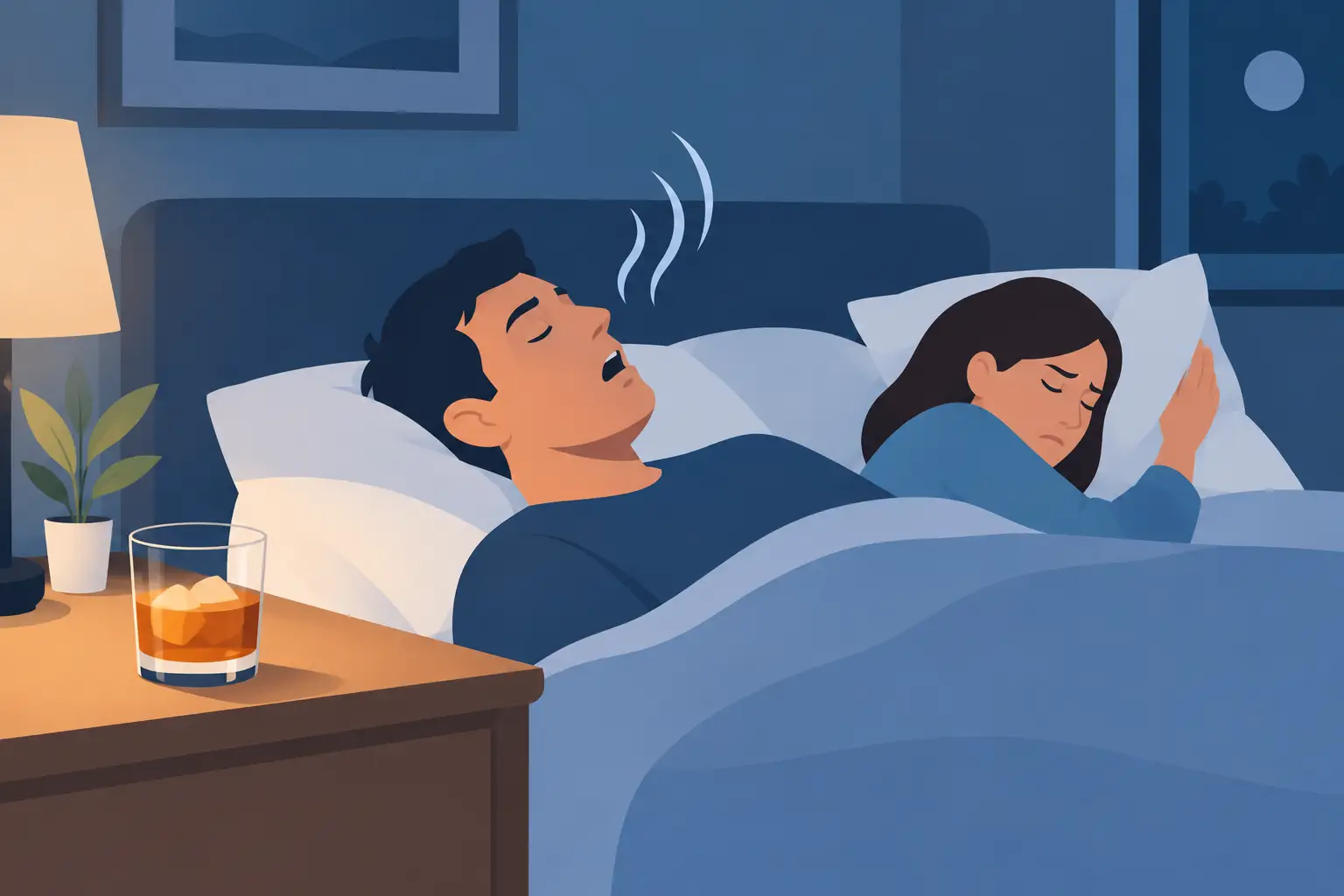
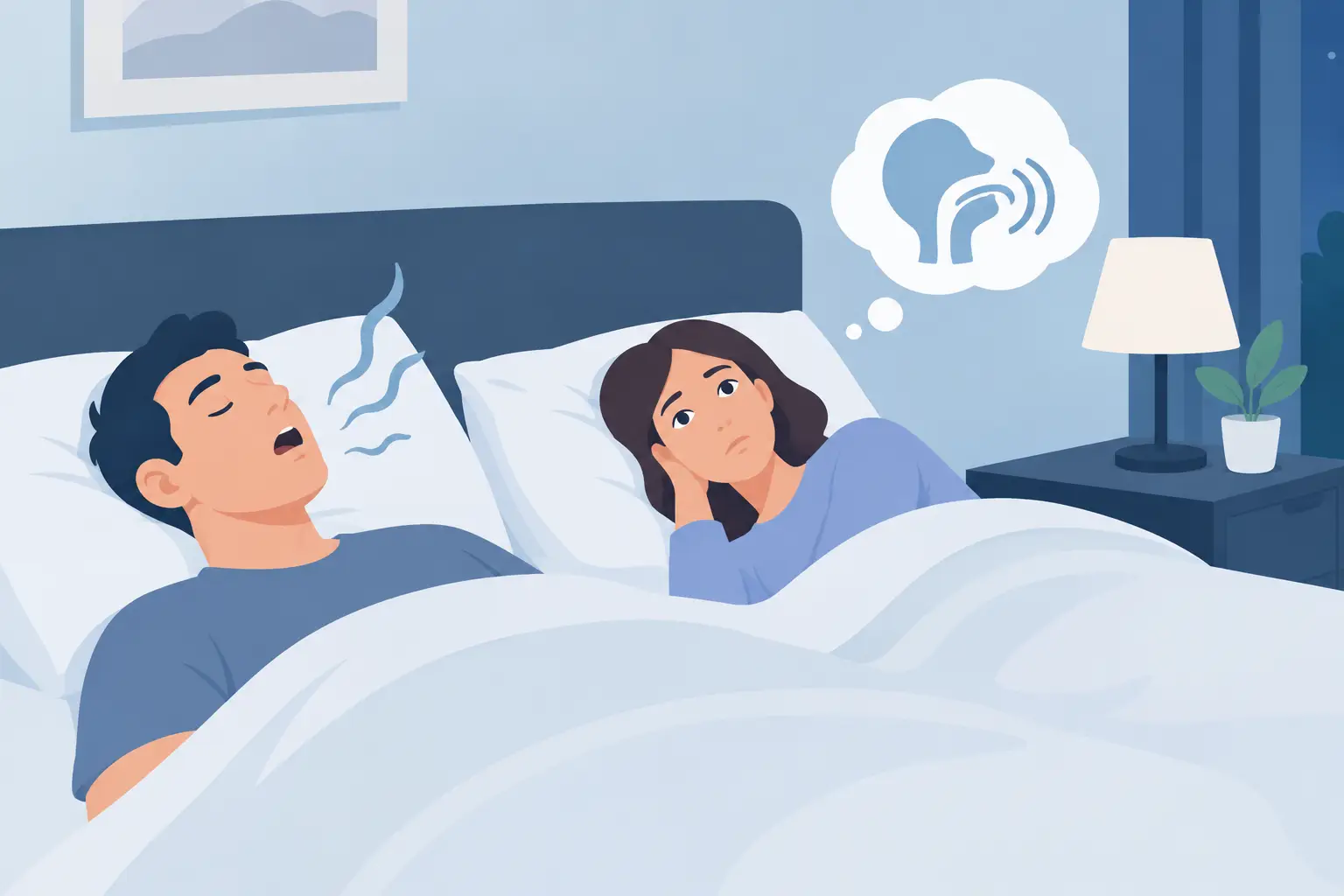
A partner’s snoring can turn a quiet bedroom into a nightly negotiation: who gets to sleep, who moves to the spare room, and who wakes up exhausted yet again. The top remedies for bedtime noise are not all equally effective because the cause matters. A blocked nose needs a different approach from throat-based snoring, and loud breathing with pauses needs proper medical attention rather than another gadget.
The good news is that many cases of simple snoring can improve with practical, non-invasive changes. Start by identifying the sound, the pattern and the triggers. Then choose a remedy that is comfortable enough to use every night.
First, identify what is making the noise
Not every bedtime noise is snoring. Nasal congestion can cause whistling or heavy breathing. Teeth grinding often sounds like a repetitive scraping or clicking. Restless movement, a noisy fan, traffic or a partner’s late-night mobile phone habit can also keep a light sleeper awake.
Snoring itself happens when relaxed tissues in the upper airway vibrate as air passes through. It is often worse after alcohol, during a cold, when sleeping on the back, or when someone is overtired. Weight gain, smoking and some sedative medicines can contribute too.
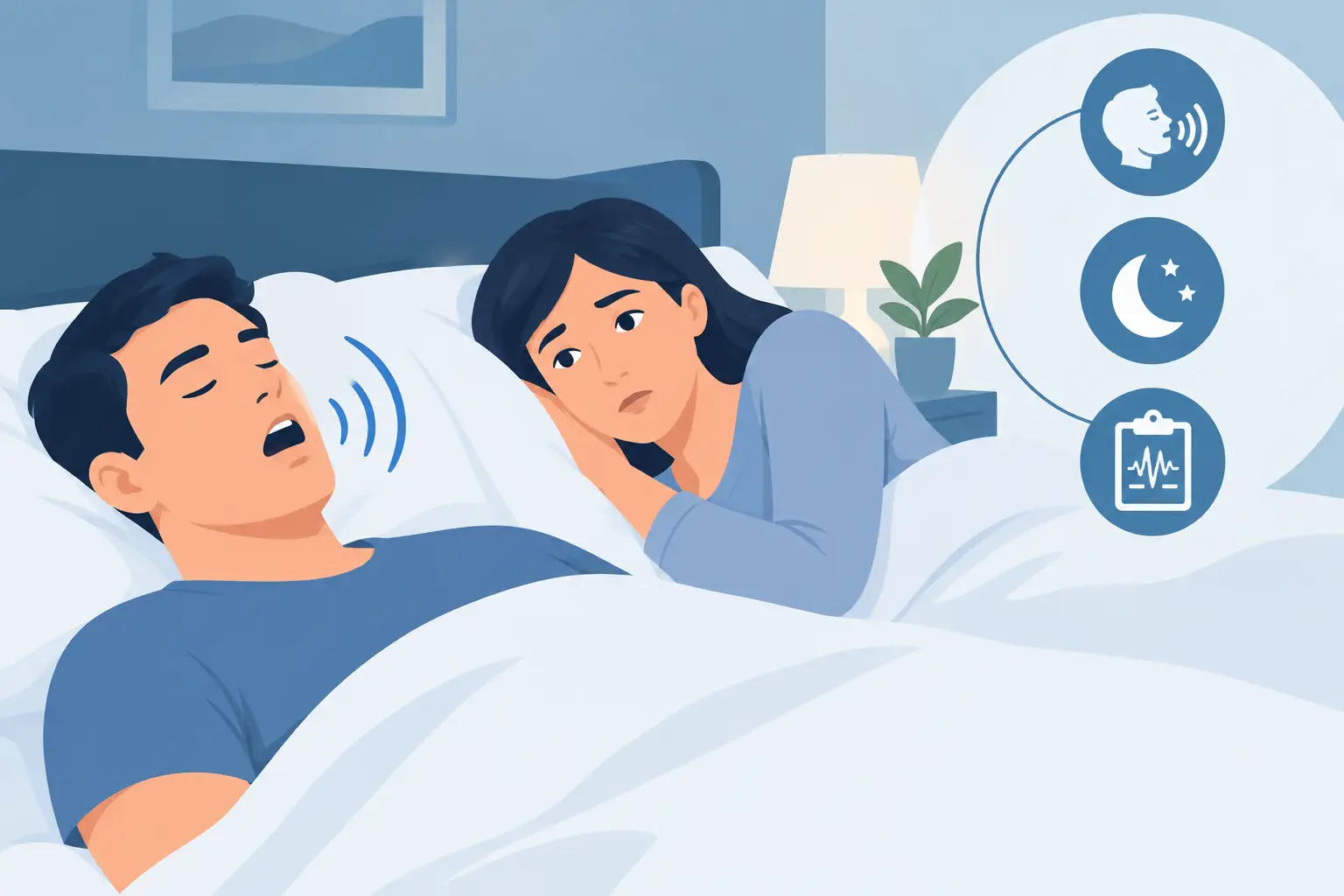
Ask a partner to notice whether the noise is steady or whether it includes gasping, choking or clear pauses in breathing. Those details help separate ordinary snoring from a problem that should be assessed by a clinician.
Top remedies for bedtime noise caused by snoring
Change the sleeping position
Back sleeping allows the tongue and soft tissues to fall backwards, narrowing the airway. For many people, moving to their side is the simplest place to begin. A supportive pillow that keeps the neck in a neutral position may also help, particularly if a very high or very flat pillow leaves the head tilted awkwardly.
Position training is not a miracle cure, and some people naturally roll on to their back during the night. Still, it is low cost and worth testing for a week or two before investing in more involved options.
Clear nasal blockage before bed
When the nose is blocked, people tend to breathe through the mouth, which can make snoring louder. A warm shower, saline nasal rinse or spray, and treatment for allergies may reduce congestion. Keep the bedroom reasonably dust-free and consider whether seasonal hay fever is part of the pattern.
Decongestant nasal sprays can offer short-term relief, but they are not designed for prolonged daily use. If congestion is persistent, painful or affecting daytime breathing, speak to a pharmacist or GP rather than relying on a temporary fix night after night.
Review alcohol, smoking and late evenings
Alcohol relaxes the muscles around the throat and can make snoring more likely, especially in the few hours before bed. Sedatives may have a similar effect. Reducing alcohol in the evening is one of the clearest experiments a snorer can make, even if it is only on work nights at first.
Smoking irritates and inflames the airway. Stopping can benefit sleep as well as wider health, though it is fair to say that this is not an overnight answer. A consistent bedtime and enough sleep can also help, as extreme tiredness tends to deepen muscle relaxation and worsen the noise.
Consider a discreet acupressure option
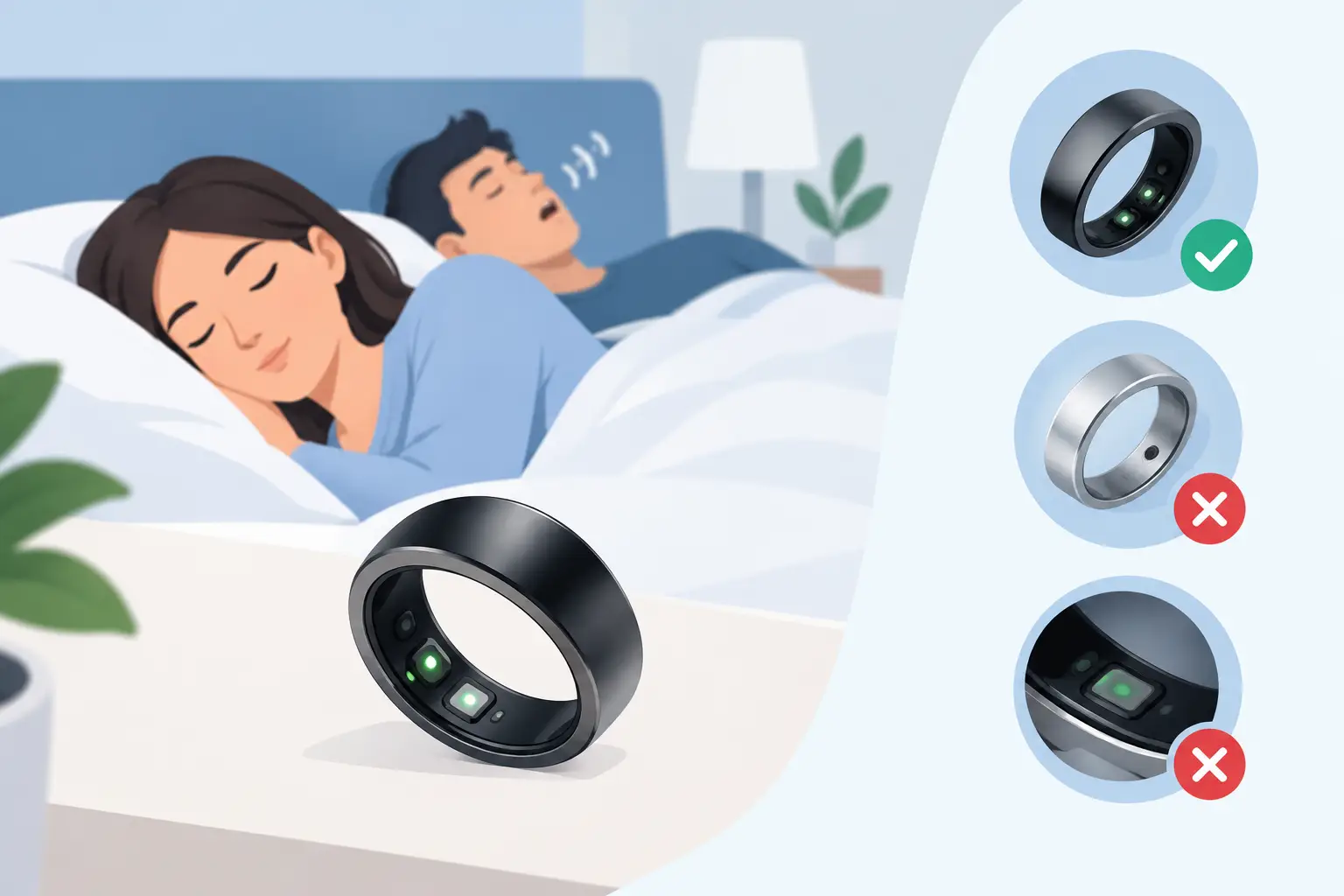
For adults with simple snoring who do not want a bulky mouthguard, adhesive strip or medication, an acupressure wearable can be a practical option. The Good Night Anti-Snoring Ring is the original stop snoring ring, designed to apply pressure to specific points on the little finger during sleep.
Its appeal is straightforward: no batteries, no mask and no device inside the mouth. It has been clinically trialled and is FDA-cleared in the US, but honest advice matters here – no anti-snoring remedy works for every person or every cause. A full refund guarantee gives couples a fair chance to see whether it suits their own situation without taking a bigger risk.
Treat dry air and bedroom irritants
A dry throat can make breathing sound harsher and leave the snorer waking with a parched mouth. Staying hydrated through the day and avoiding an overheated bedroom may help. Some households find that a humidifier is useful during colder months, although it must be cleaned carefully to avoid mould.
Also look at irritants close to the bed: scented sprays, dusty bedding, pet dander and strong cleaning products can aggravate sensitive airways. This will not solve every case of snoring, but it can remove factors that make an already noisy night worse.
When the noise is not snoring
If the sound is grinding, jaw tension and tooth wear may point to bruxism. A dentist can assess this and advise on a suitable night guard. Do not assume a generic guard will be comfortable or appropriate, especially if there is jaw pain.
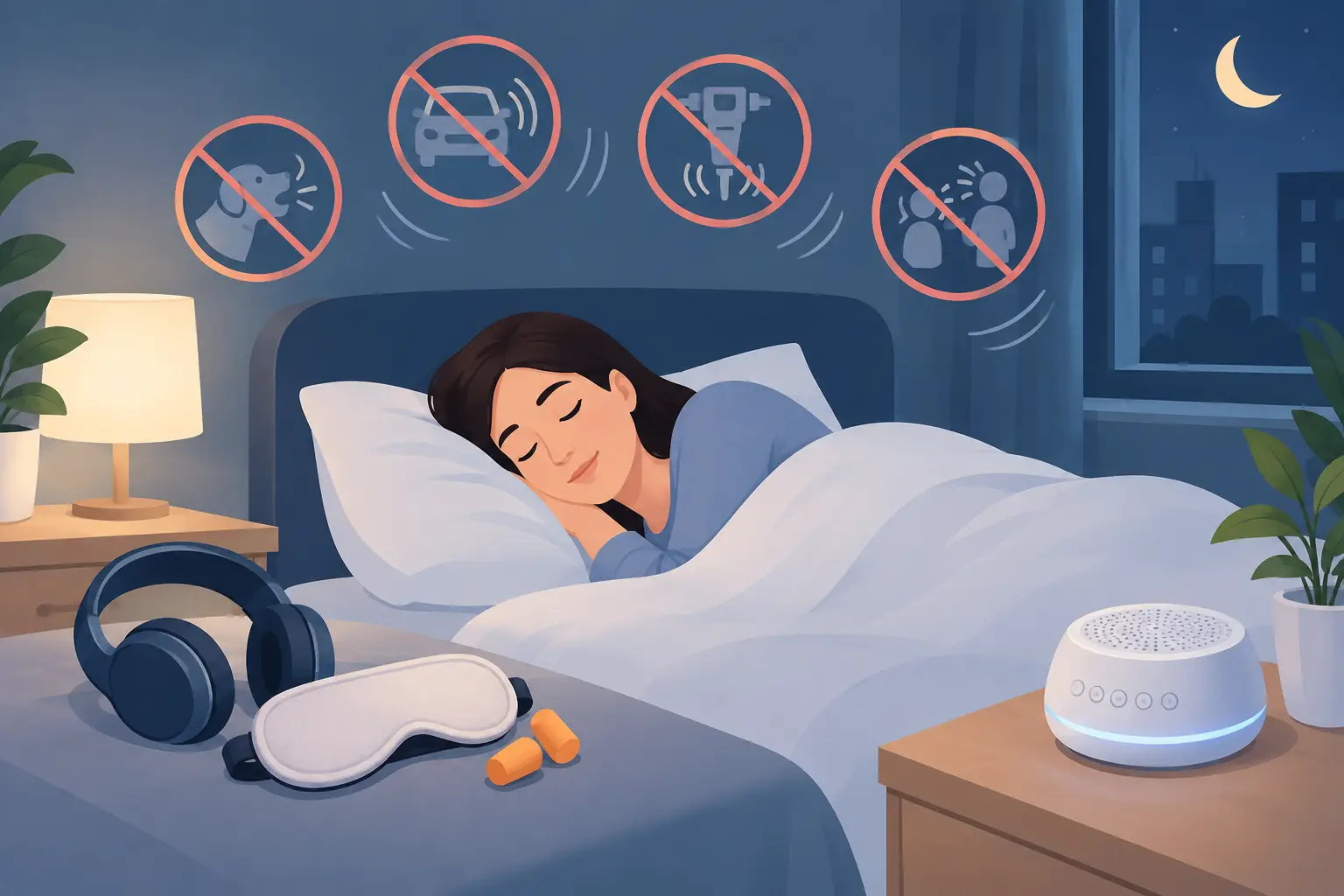
If the problem is environmental, focus on the source before asking the sleeper to change everything. Soft earplugs can be useful for some partners, while white noise may mask irregular sounds such as passing traffic. However, white noise can be frustrating when the issue is very loud snoring beside you, and earplugs may not be suitable if you need to hear children, alarms or medical alerts.
Separate duvets are another surprisingly effective option for couples disturbed by movement and duvet-tugging rather than breathing noise. It is not a relationship failure to create a sleep set-up that protects both people’s rest.
Know the signs that need medical advice
Simple snoring is common, but loud habitual snoring can sometimes be linked with obstructive sleep apnoea. This is a condition in which breathing repeatedly narrows or stops during sleep. It deserves assessment because it can affect daytime alertness and long-term health.
Book an appointment with your GP if snoring comes with witnessed pauses in breathing, gasping or choking, severe daytime sleepiness, morning headaches, difficulty concentrating, or high blood pressure. Children who snore regularly should also be assessed rather than treated with adult remedies.
A clinician may ask about your sleep, examine the nose and throat, review medicines, or arrange a sleep study. This is not overreacting. It is the sensible next step when the pattern suggests more than ordinary bedtime noise.
Make changes one at a time
When sleep has been poor for months, it is tempting to try five remedies at once. That makes it difficult to tell what has helped. Begin with one manageable change, such as side sleeping or avoiding alcohol before bed, and give it several nights. Keep a brief note of snoring volume, wake-ups and how rested both partners feel in the morning.
If a remedy is uncomfortable, complicated or humiliating, it is unlikely to become a lasting habit. The best solution is usually the one that addresses the likely cause while fitting naturally into bedtime. Better sleep should not require turning your bedroom into a clinic – it should feel like getting your evenings, energy and peace back.