Blog
Single Post
Best Discreet Snoring Wearables for Better Sleep
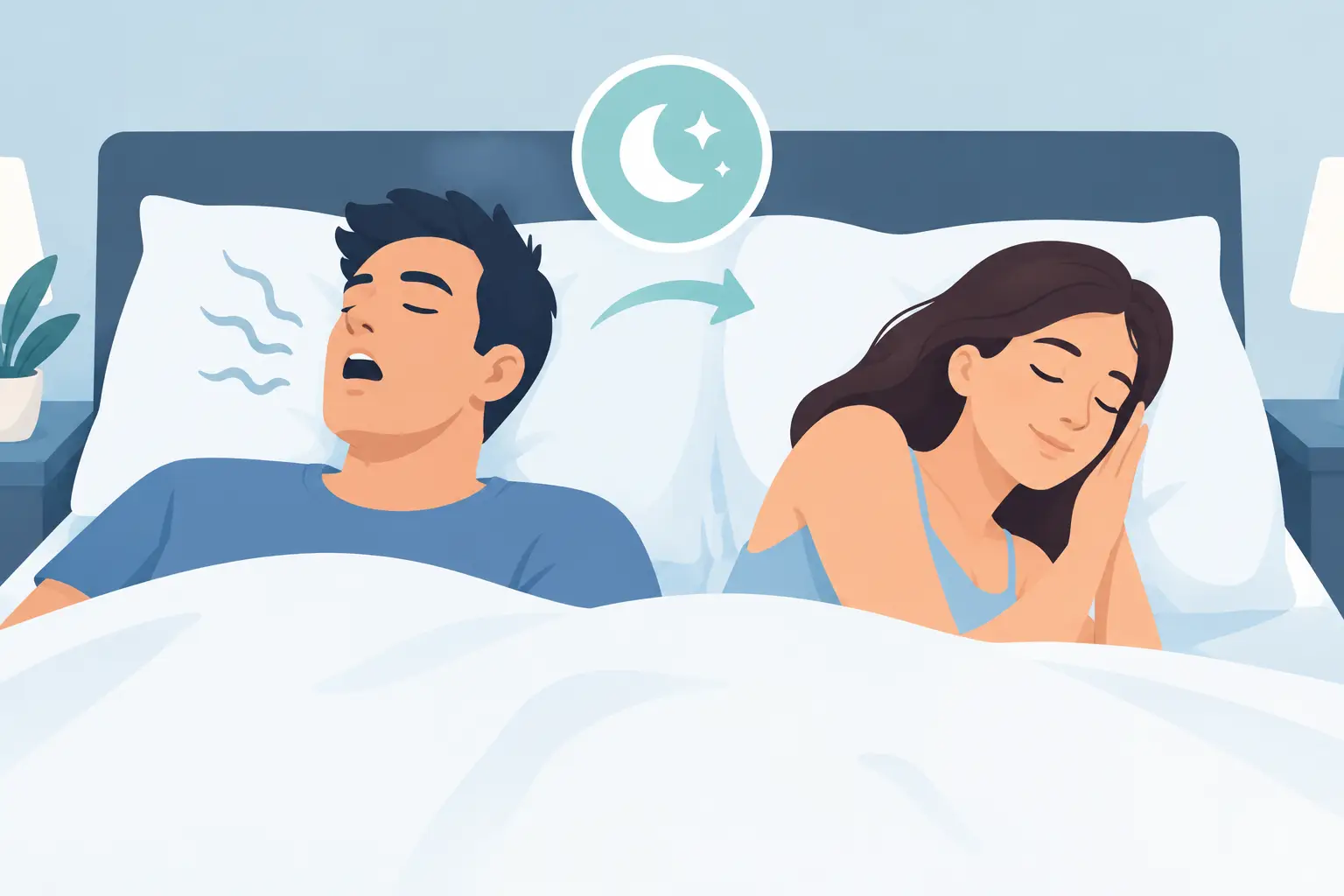
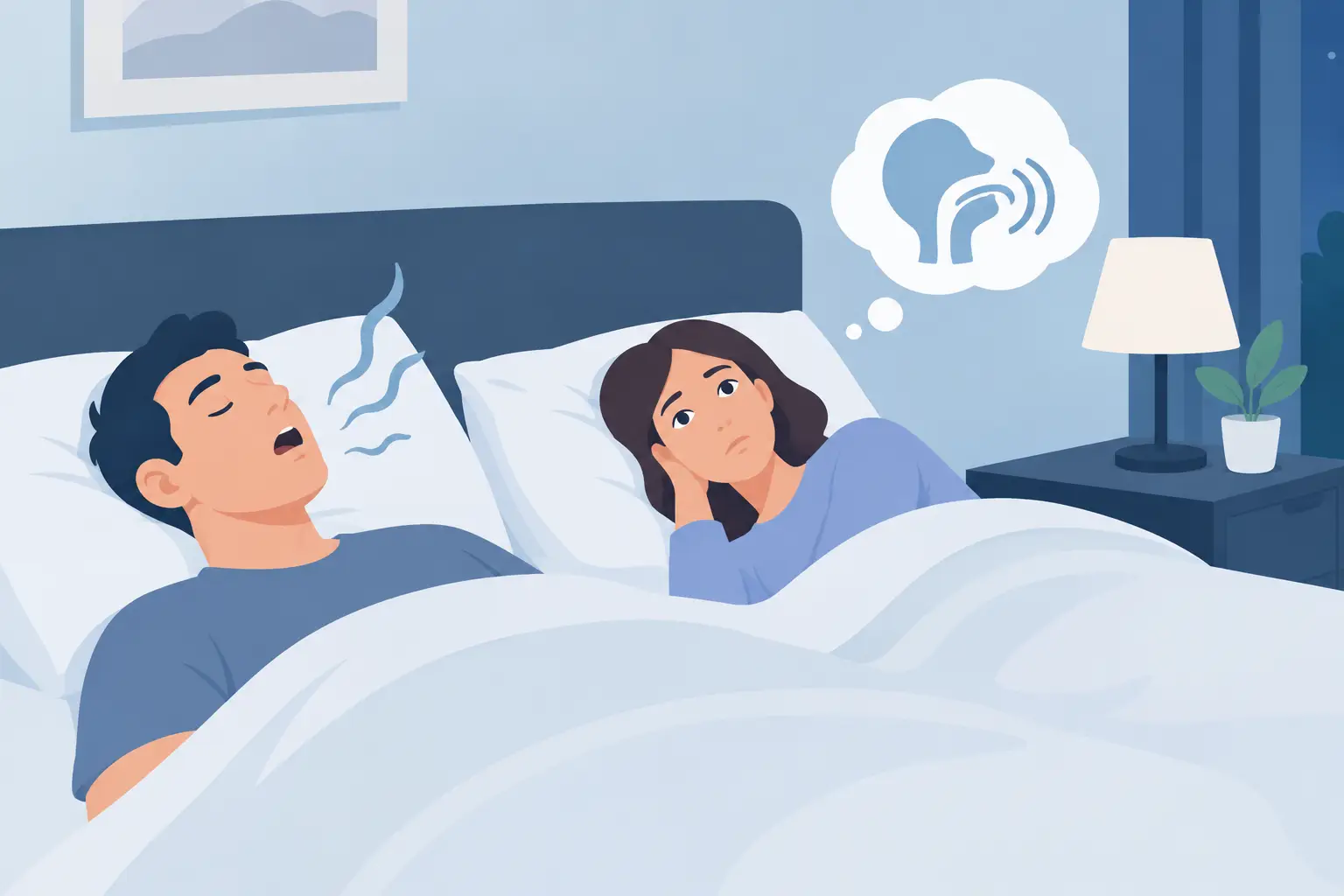
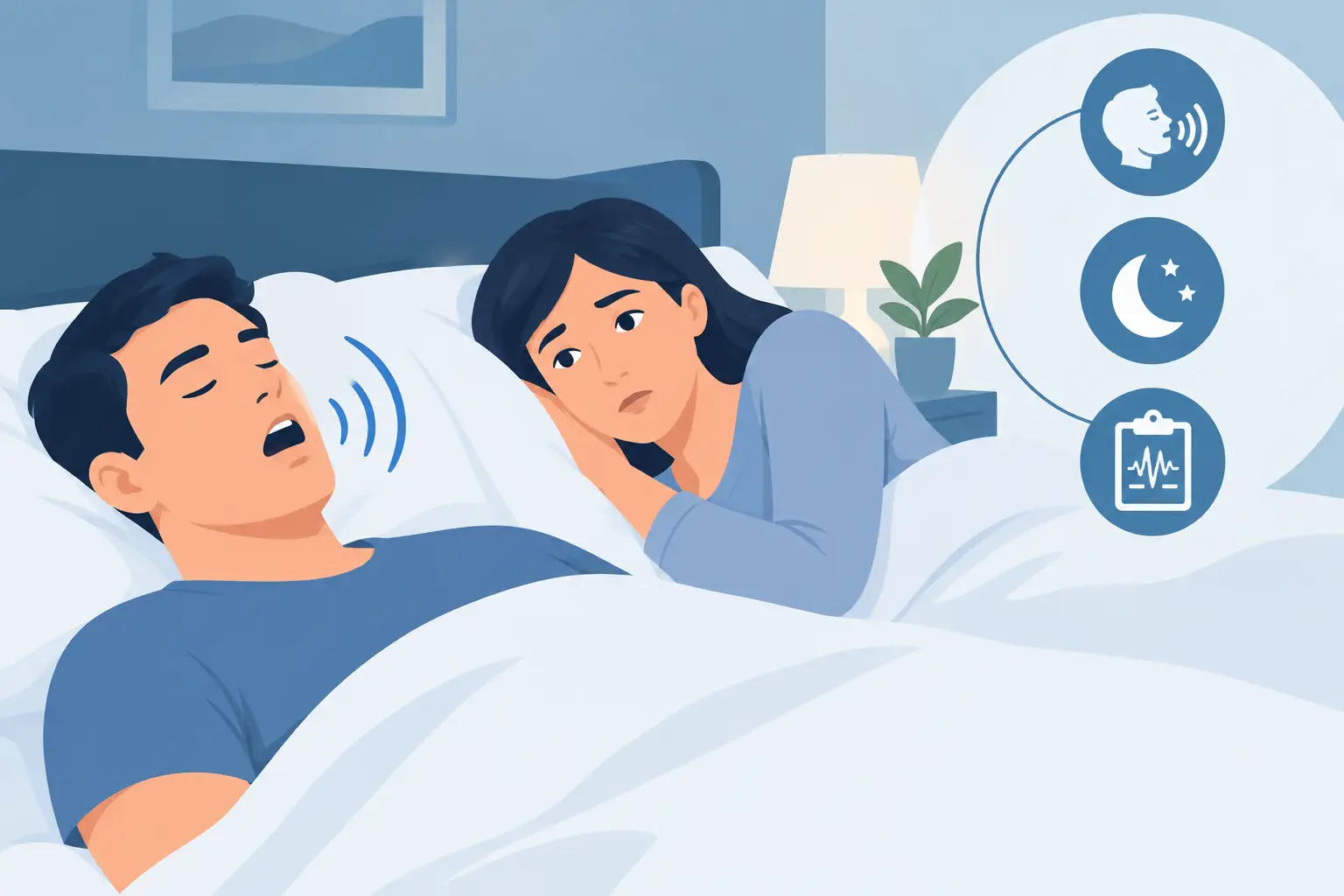
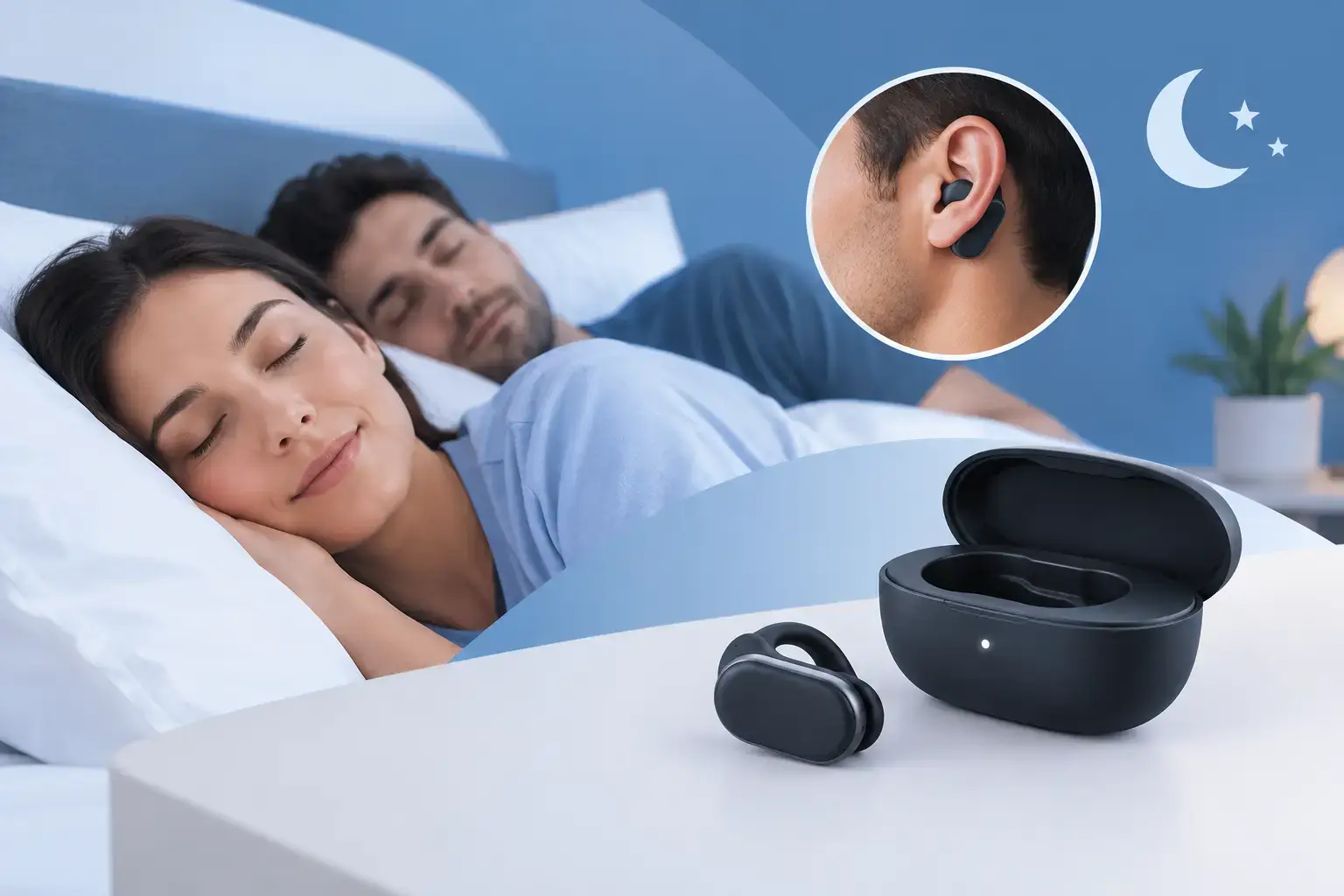
A loud night can make even a loving couple feel like they are sleeping in separate time zones. The best discreet snoring wearables aim to solve that problem without turning bedtime into a medical procedure. They are designed for people who want something small, comfortable and easy to use – and for partners who would simply like a quieter night.
The right choice depends on why you snore, how you sleep and what you can realistically wear every night. A device that is effective but ends up in the bedside drawer is not much help. Here is what separates a genuinely discreet option from another disappointing anti-snoring purchase.
What makes a snoring wearable truly discreet?
Discreet does not only mean small. It should be simple to put on, comfortable enough to forget about and quiet in its own right. It should not require charging, make noise, cover most of your face or leave you feeling self-conscious when you travel or share a room.
For many people, comfort is the deciding factor. Mouthpieces can work for some forms of snoring, but they are more noticeable and may take time to get used to. Chin straps can feel restrictive. Electronic devices may suit people who enjoy tracking data, yet their sensors, vibration alerts and charging routines are not everyone’s idea of a restful bedtime ritual.
A subtle wearable should also fit into ordinary life. If you can pack it for a weekend away, put it on in seconds and sleep in your preferred position, you are much more likely to use it consistently.
The best discreet snoring wearables compared
Anti-snoring rings
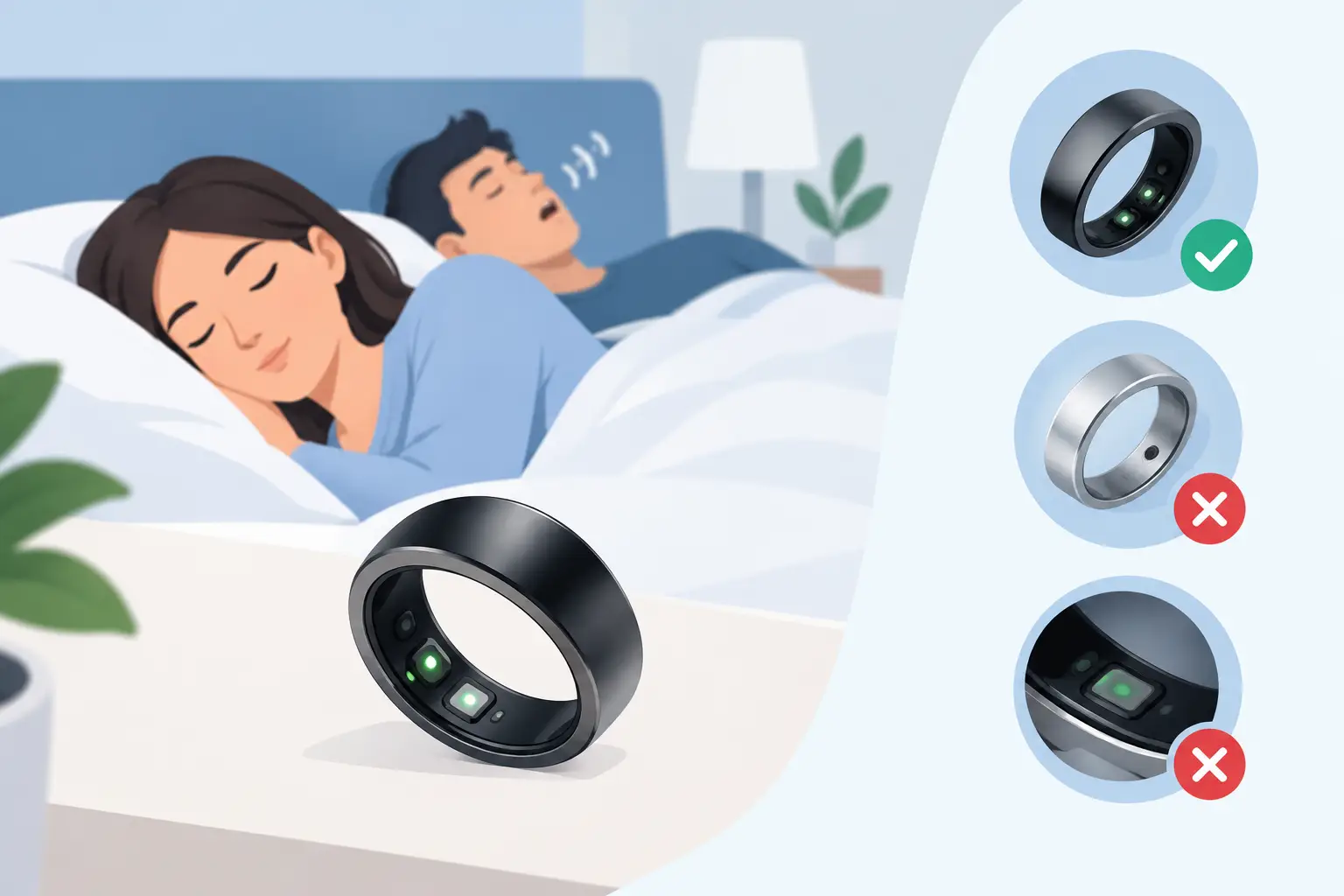
An anti-snoring ring is one of the least intrusive options available. Rather than sitting in the mouth or around the head, it is worn on the little finger while you sleep. Acupressure-style rings are designed to apply gentle pressure to specific points on the finger, offering a natural, drug-free approach to simple snoring.
The appeal is obvious: no batteries, no mask, no mouthguard and no complicated setup. A well-made ring is also easy to take on holiday and does not interfere with side sleeping in the way some larger devices can.
There is a trade-off. Results are not universal, because snoring has different causes. Ring-based wearables are best considered for uncomplicated snoring, particularly when you want a non-invasive first step. They are not a replacement for clinical assessment where sleep apnoea may be involved.
The Good Night Anti-Snoring Ring is positioned as the original stop snoring ring and has been clinically trialled as an acupressure-based option. It is intended for people who value a small, elegant wearable and want the reassurance of a 30-day money-back guarantee rather than taking a gamble on a cheap copycat.
Mandibular advancement mouthpieces
These mouthpieces hold the lower jaw slightly forward to help keep the airway more open. They can be effective when snoring is linked to the jaw and tongue falling back during sleep. For some people, this is the most direct mechanical solution.
They are not, however, especially discreet in the practical sense. A mouthpiece is visible when inserted, takes up space in a wash bag and can cause jaw soreness, dry mouth or tooth discomfort while you adjust. People with dental work, jaw pain or a history of teeth grinding should be especially careful and seek professional guidance where appropriate.
A mouthpiece may make sense if you have tried simpler options without success and know you can tolerate something in your mouth overnight. If the thought of sleeping with one makes you tense before lights-out, it is unlikely to be your best long-term choice.
Chin straps and soft supports
Chin straps are worn around the head to encourage the mouth to remain closed. They are usually lightweight and less expensive than customised mouthpieces, but they are still more conspicuous than a ring. They can also feel warm, slip during the night and may not address snoring that comes from nasal congestion or airway narrowing.
They may help a habitual open-mouth sleeper, particularly when used alongside efforts to improve nasal breathing. But do not assume that keeping the mouth closed solves every form of snoring. If you struggle to breathe through your nose, a chin strap can simply make sleep less comfortable.
Smart bands, patches and vibrating devices
Some electronic wearables monitor sleep sounds or body position, then vibrate when they detect snoring. These can be useful for people whose snoring is strongly linked to sleeping on their back. The vibration prompts a change of position without requiring a partner to intervene.
The downside is that a vibration at night is still a disturbance. Some people find it helpful; others find it irritating or wake more often. These products also tend to involve charging, apps and varying degrees of data sharing. They are worth considering if you specifically want sleep information and are happy with technology at bedtime, rather than if your priority is the simplest possible solution.
How to choose without wasting money
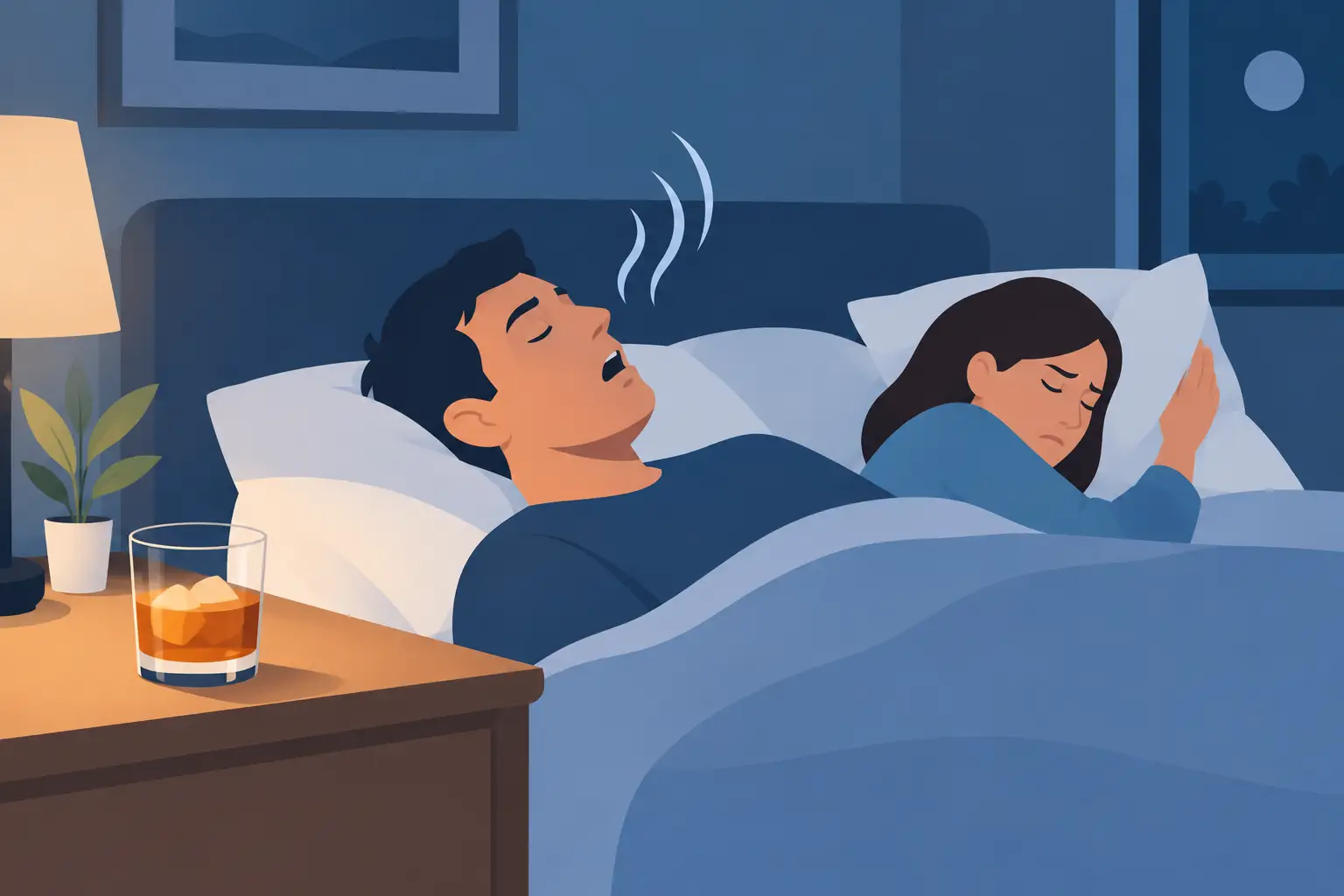
Start by being honest about the problem. Does your partner notice snoring only when you are on your back? Is it worse after alcohol, a late meal or a blocked nose? Have you always snored, or has it become louder and more frequent? These details point towards the right kind of wearable.
Next, decide what you will actually wear. If you dislike anything on your face or in your mouth, do not buy a device that depends on either. A discreet ring is often the logical place to begin for those who want a non-invasive approach. If positional snoring is clearly the issue, a vibration-based wearable may be more relevant. If a dentist has identified jaw positioning as a factor, a properly fitted mouthpiece could be worth exploring.
Look beyond dramatic promises. The anti-snoring market is full of products that look similar but vary sharply in materials, fit, evidence and after-sales support. A low price is not always a saving if there is no meaningful returns policy, no guidance on sizing and no clarity about how the product is meant to work.
The most reassuring purchase is one that gives you time to assess it properly. Snoring can vary from night to night, so a single good or bad evening tells you very little. Use a wearable consistently for a reasonable trial period and ask your partner what they notice. Their experience matters as much as your own, because they are usually the person losing sleep.
When a wearable is not enough
Simple snoring and obstructive sleep apnoea are not the same thing. Snoring can be harmless, but loud and persistent snoring paired with breathing pauses, gasping, choking, morning headaches, excessive daytime sleepiness or trouble concentrating needs medical attention.
Do not try to mask these warning signs with a wearable. Speak to your GP or a qualified sleep professional, especially if high blood pressure, heart concerns or severe fatigue are also in the picture. A wearable may have a place in a wider plan, but it should not delay diagnosis or treatment.
It is also sensible to support any wearable with a few realistic sleep habits. Avoiding alcohol close to bedtime, treating nasal congestion, keeping to a healthy weight where relevant and trying side sleeping can all reduce the factors that make snoring worse. Small changes are not glamorous, but they can make a chosen device work more effectively.
A quieter night should not feel complicated
The best option is rarely the device with the most features. It is the one that addresses your likely snoring pattern, feels comfortable enough for nightly use and gives you a fair chance to decide whether it is helping. For many couples, that means starting with a discreet, non-invasive wearable before moving on to bulkier alternatives.
Give any sensible option a consistent trial, listen to your partner’s feedback and take persistent symptoms seriously. Better sleep often begins with a simple change you are genuinely happy to repeat tomorrow night.