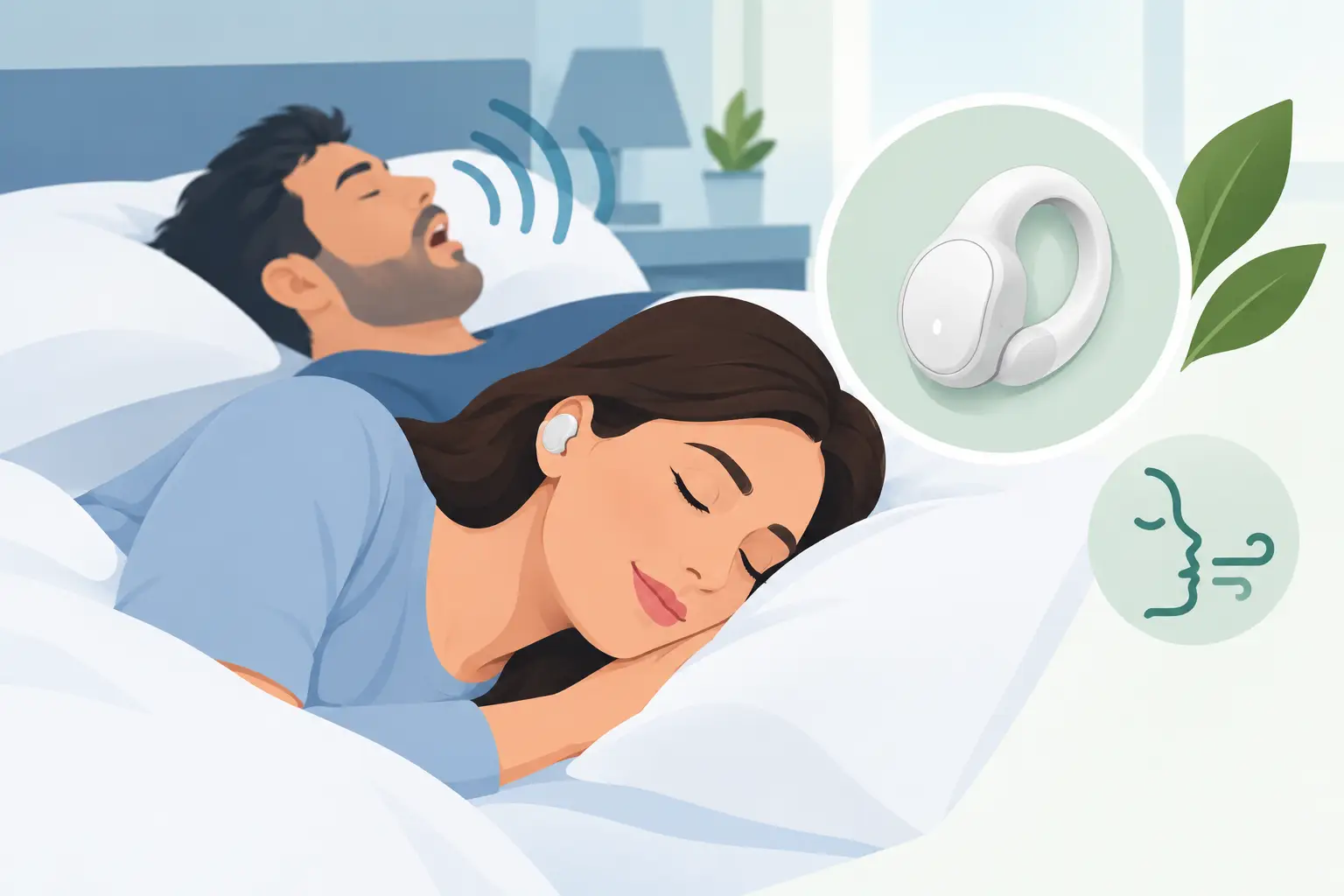
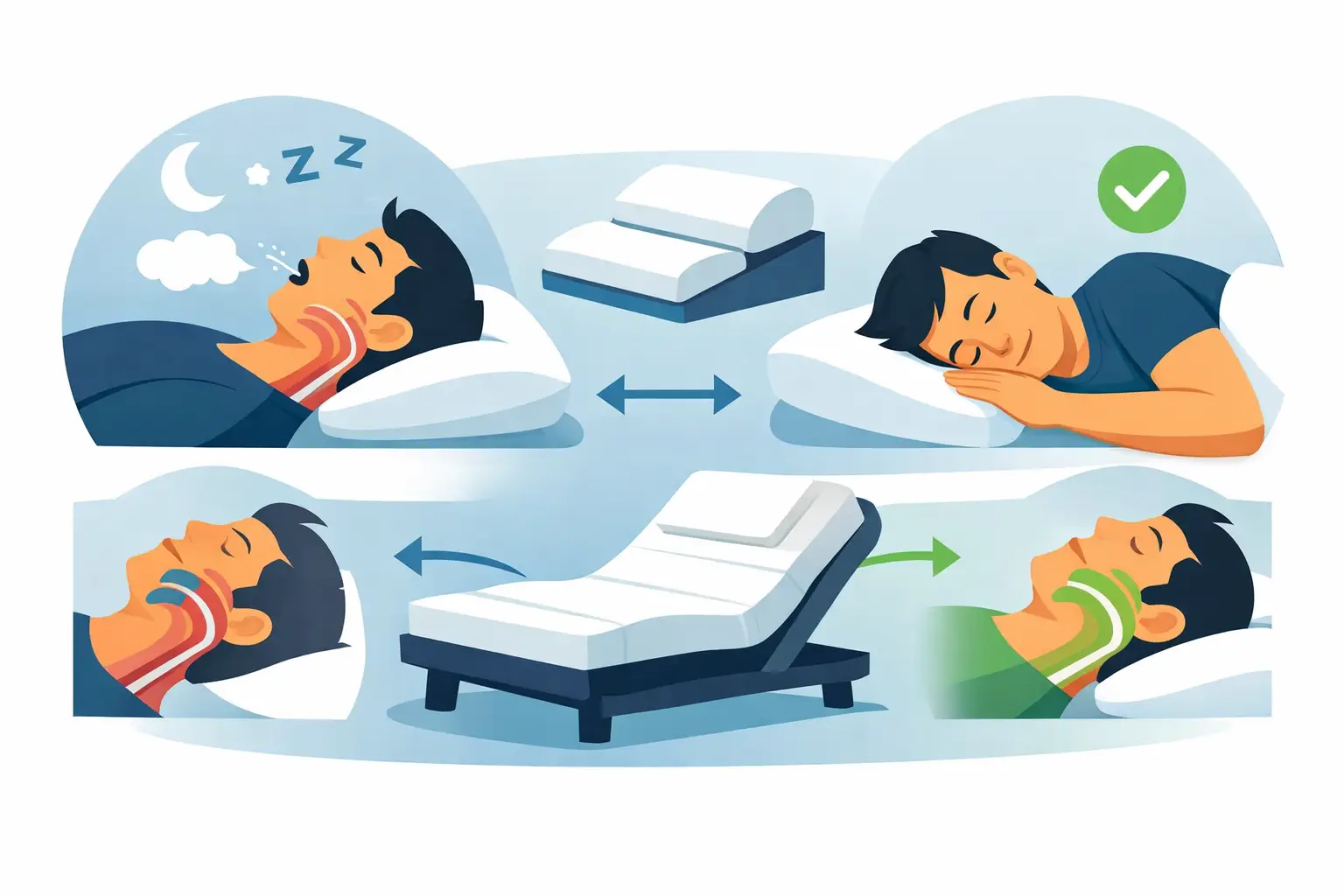
A snoring solution should not ask you to sleep in a bulky mask, clamp your jaw into an uncomfortable position or take medication you do not need. Acupressure trial findings matter because they give couples a better way to judge whether a small, non-invasive ring could make nights quieter – without relying on hype, guesswork or cheap imitations.
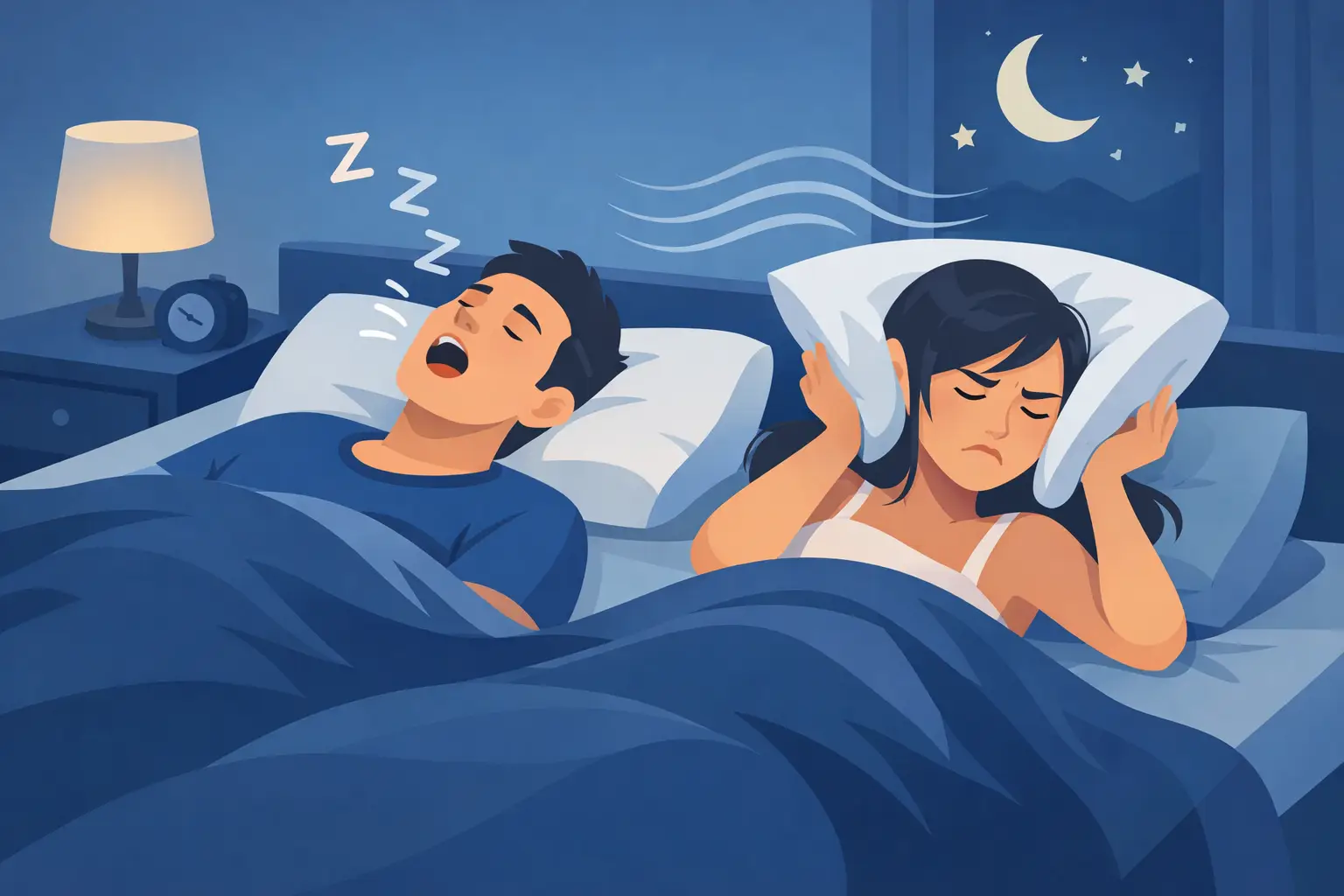
For anyone lying awake beside a snorer, the promise is simple: less noise, less resentment and a better chance of both people waking up rested. But good evidence also means being clear about the limits. An acupressure ring is designed for simple snoring. It will not be the right answer for every type of snoring or every person.
Why acupressure trial findings deserve a closer look
Snoring has no shortage of supposed cures. Nasal strips, mouthguards, sprays, pillows and apps all make bold claims, often with very little explanation of how well they perform in ordinary bedrooms. That can leave people spending money repeatedly, only to find another drawer full of remedies they do not use.
Clinical trial findings are valuable because they move the conversation beyond a single review or a dramatic promise. A properly conducted trial looks at whether people using an intervention experienced a meaningful change, rather than simply assuming that a product sounds plausible.
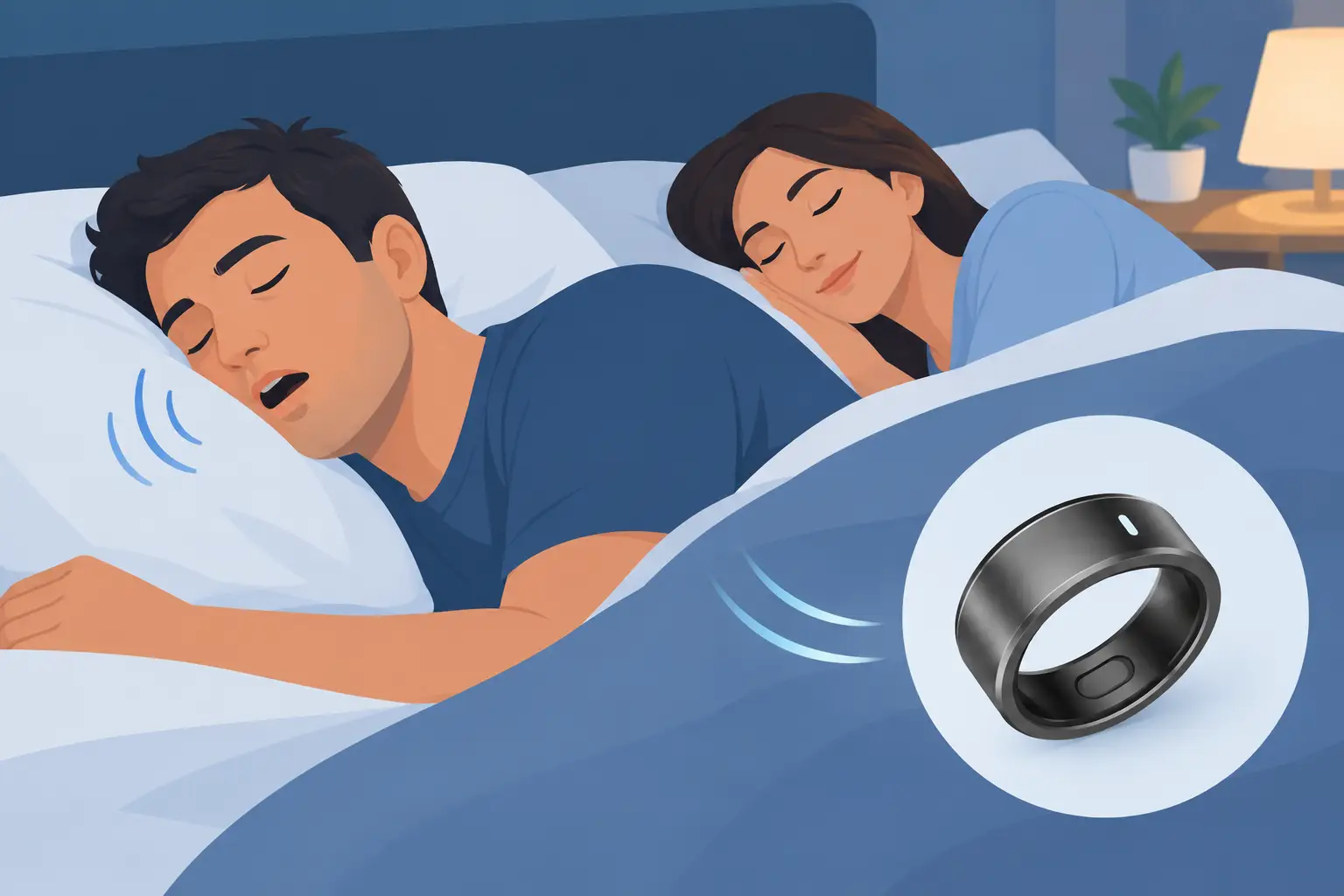
With acupressure-based snoring support, the principle is refreshingly straightforward. A correctly fitted ring applies gentle, consistent pressure to specific points on the little finger while you sleep. There is no medication, no battery to charge and no equipment strapped to your face. The intention is to offer a comfortable nightly alternative for people whose snoring is simple rather than medically complex.
That simplicity is part of the appeal, but it is also why the quality of the product matters. Pressure needs to be applied in the intended place and maintained through the night. A poorly made copy can be uncomfortable, lose its shape or fail to provide consistent contact. Price alone is not proof that two rings do the same job.
What trial results can and cannot tell you
The most useful trial findings do not claim that one solution works identically for everyone. People snore for different reasons. Congestion, sleep position, alcohol, weight changes, anatomy and tiredness can all play a part. A ring that helps one person may have little effect for another.
A sensible reading of acupressure trial findings is this: the approach has been assessed as a potential way to reduce simple snoring, and it may be worth trying when you want a discreet, drug-free option. It is not a promise of a perfect silent night from the first use.
Look for evidence that relates to the outcome you actually care about. For most couples, that is not technical jargon. It is whether snoring is quieter, less frequent or no longer regularly waking a partner. It is also whether the person wearing the ring can comfortably keep it on overnight. A solution only helps if it is practical enough to use consistently.
Trial data should be one part of a decision, alongside fit, comfort, product provenance and a fair opportunity to see how it works for you. A money-back guarantee is particularly useful here. It acknowledges the honest reality that individual results vary, while giving you the confidence to test a simple solution in your own routine.
The difference between simple snoring and a health concern
Before choosing any anti-snoring product, take a moment to consider the type of snoring involved. Simple snoring is common and can be hugely disruptive, especially to a partner, but it is not always a sign of a serious condition.
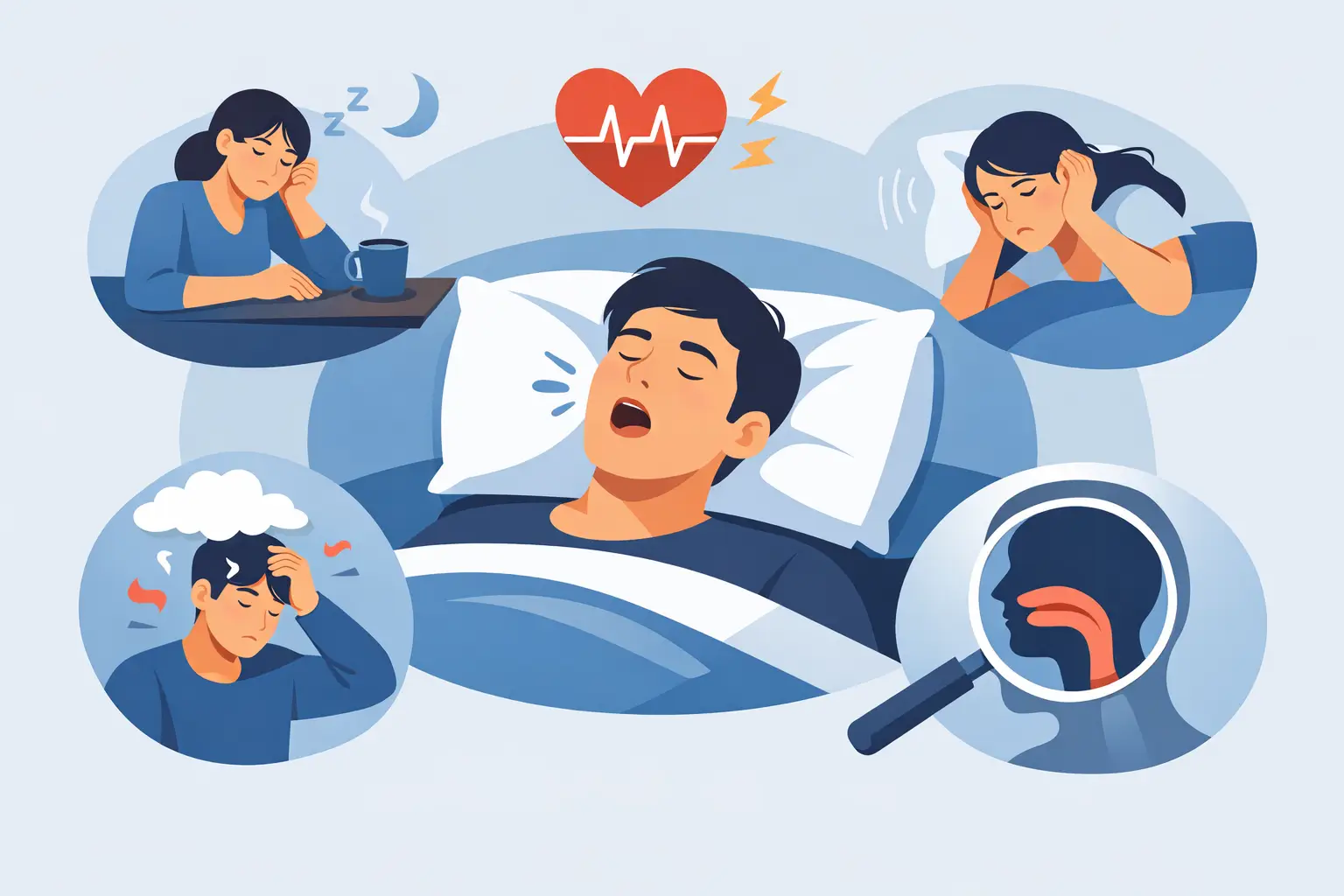
There are situations where a ring should not be treated as a substitute for medical advice. Loud snoring accompanied by pauses in breathing, choking or gasping during sleep, severe daytime tiredness, morning headaches or difficulty concentrating may point to obstructive sleep apnoea. In that case, speak to a GP or qualified healthcare professional. Getting the right assessment matters more than trying another over-the-counter remedy.
This distinction protects customers. A responsible brand should never suggest that a non-invasive wearable can diagnose, treat or replace care for sleep apnoea. The Good Night Anti-Snoring Ring is intended to support people with simple snoring who want an elegant alternative to more intrusive night-time devices.
Why comfort affects real-world results
A trial may show potential, but real life happens at 2am. If a device makes your mouth ache, irritates your skin or feels impossible to sleep in, it is unlikely to stay in your routine long enough to help. This is where a small acupressure ring has a practical advantage over many traditional approaches.
Worn on the little finger, it does not obstruct breathing, alter the position of your teeth or require a bedside plug socket. For many people, the routine is as easy as putting the ring on before bed and removing it in the morning. That does not mean every wearer will find it equally comfortable, particularly if they have sensitive hands or dislike wearing jewellery at night. But the form factor is discreet and uncomplicated.
Consistency also gives you a fairer view of whether it is helping. Snoring can fluctuate from night to night. A late meal, a glass of wine, seasonal congestion or sleeping on your back can make one evening noticeably worse than another. Rather than judging a ring on one night alone, use it as directed over a reasonable trial period and ask your partner what they notice.
How to assess an acupressure ring at home
You do not need specialist equipment to make a practical assessment. Start by ensuring the ring is the right fit. It should sit securely on the little finger and provide gentle pressure without pinching, numbness or pain. If it is uncomfortable, remove it.
Then pay attention to patterns over several nights. Is your partner being woken less often? Is the snoring lower in volume? Are you both feeling less tired and irritable in the morning? These are the outcomes that matter in a shared bedroom.
It helps to keep the test reasonably fair. Try to use the ring under normal sleeping conditions rather than only on an unusually quiet night. At the same time, recognise that heavy drinking, a cold or extreme exhaustion may affect the result. The goal is not to prove perfection. It is to decide whether the ring makes a worthwhile difference to your sleep.
Choosing proof over promises
The anti-snoring market is crowded, and that makes scepticism sensible. Be wary of products that offer instant certainty, conceal how they work or copy the look of established designs without comparable evidence or quality control. A low price can become expensive when the product does nothing, feels uncomfortable or gives you no meaningful way to judge it.
The original stop snoring ring offers a different proposition: a clinically trialled, non-invasive approach backed by a 30-day money-back guarantee. That guarantee matters because it puts the decision where it belongs – in your bedroom, with your own sleep experience, not in a sales pitch.
If simple snoring is disturbing your nights, an acupressure ring is a reasonable option to try with realistic expectations. Give it a fair chance, listen to your partner’s feedback and seek medical advice if your symptoms suggest something more serious. A quieter night may start with a small change, but the difference to your sleep and relationship can feel anything but small.