The demand for discreet sleep aids is not about following a wellness trend. It is about the moment a partner moves to the spare room, a traveller worries about disturbing a hotel room, or someone wakes up embarrassed by another night of loud snoring. People want relief, but they do not want to turn bedtime into a medical procedure.
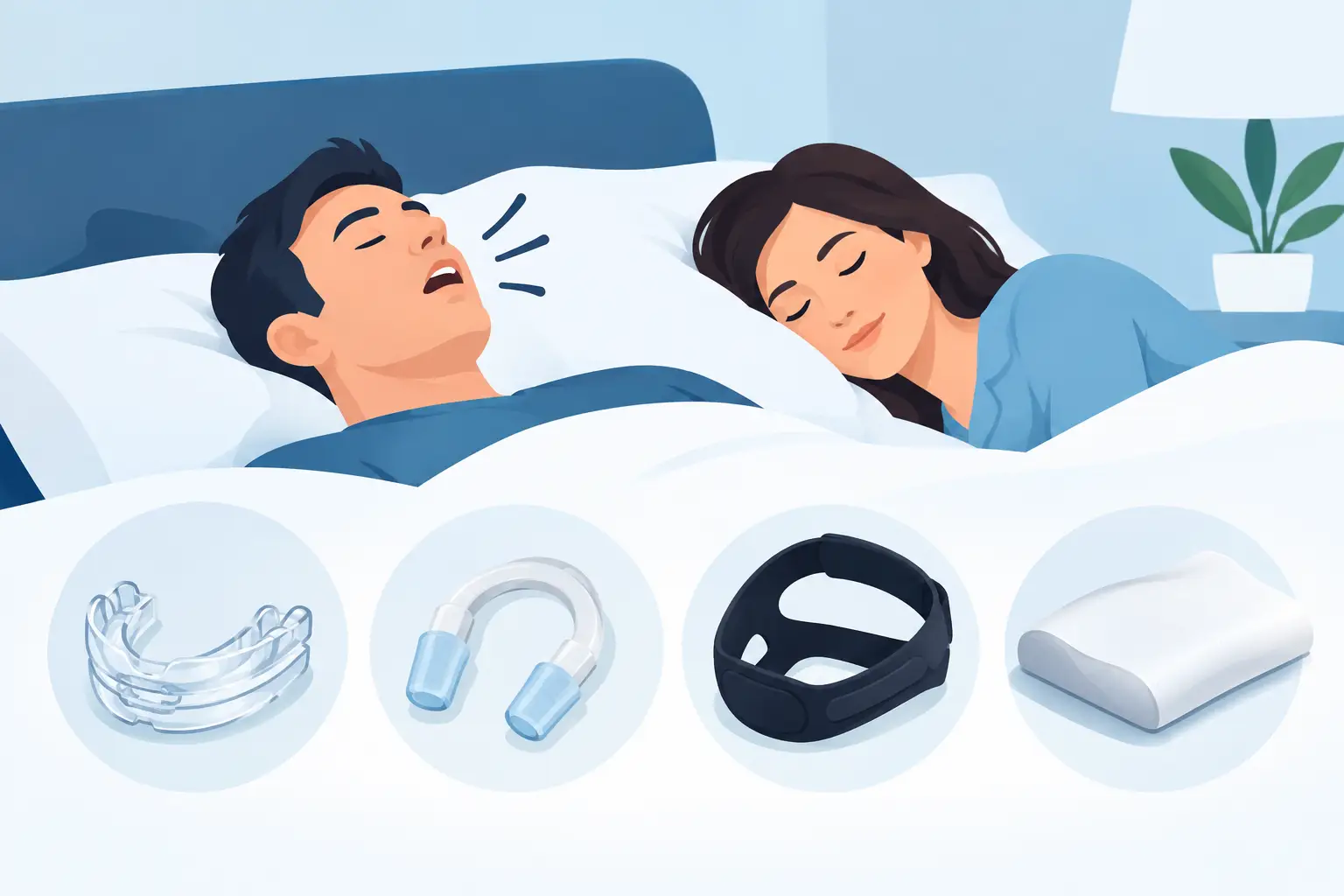
For many adults, the old choices feel equally unappealing: a bulky mouthguard, nasal strips that do not stay put, sedating products, or a device that makes sleep feel less natural. That is why smaller, quieter and less intrusive options are getting more attention. The best discreet sleep aids fit into real life, rather than asking people to reorganise their life around a bedtime routine.
Why demand for discreet sleep aids is growing
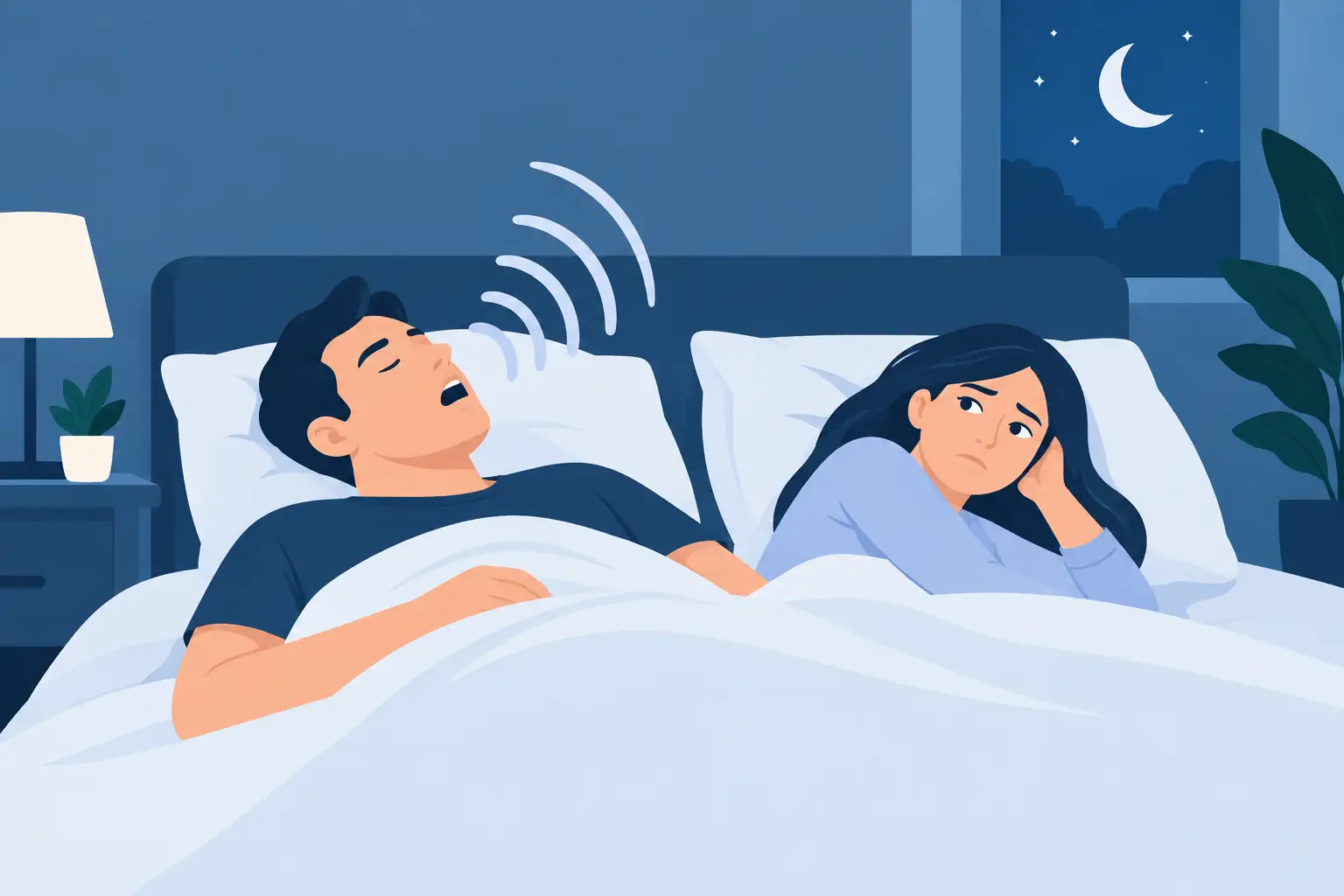
Sleep is personal, and so is the frustration that comes with disturbed sleep. Snoring does not only affect the person making the noise. It affects the person lying awake beside them, counting the hours until morning. Over time, that can lead to short tempers, separate bedrooms and a relationship that feels needlessly strained by a problem neither person can simply switch off.
Many people have already tried the obvious remedies. They may have changed pillows, bought nasal strips, avoided late-night drinks or tested a mouthpiece that sat unused in a drawer after two uncomfortable nights. A product can be technically simple and still be difficult to live with. If it feels awkward, looks conspicuous or causes discomfort, it is unlikely to become a lasting habit.
Discretion matters because it removes another barrier to trying something new. A small wearable is easier to take on holiday, easier to keep by the bedside and easier to use without feeling self-conscious. For couples, that matters too. The goal is not to create more fuss at bedtime. It is to make quieter nights feel possible again.
People want comfort without compromise
There is a clear difference between a sleep aid that is merely compact and one that is genuinely comfortable enough for nightly use. Some products may seem convenient at first, but create pressure, dryness, jaw discomfort or irritation. Others need charging, cleaning, refitting or frequent replacement.
A discreet option should not ask much of the user. Ideally, it is quick to use, easy to keep clean and comfortable enough to forget about once the lights are out. That is particularly relevant for snorers who are already tired of experimenting with products that promise a lot and deliver little.
The trade-off is that no single approach suits every type of snoring. A solution designed for simple snoring is not a substitute for assessment and treatment where there may be an underlying sleep disorder. Honest sleep support starts with recognising that distinction.
What makes a sleep aid worth trying?
The strongest products do not rely on novelty alone. They give people a clear reason to believe the product may suit their problem, explain how it is used and set realistic expectations. Vague claims and exaggerated before-and-after stories can make a buyer more sceptical, not less.
For adults considering a discreet anti-snoring option, a few practical questions matter. Is it non-invasive? Can it be used every night without a difficult adjustment period? Is there credible evidence behind it? And, crucially, is there a fair way to try it without being left with an expensive product that does not suit them?
This is where a refund guarantee has real value. Sleep is individual. A product that helps one person may not work for another, because snoring can have several causes. A company that acknowledges this while offering a genuine trial period gives customers more confidence than one making absolute promises.
Small form factor, serious expectations
A discreet product should not be mistaken for a trivial one. People want small solutions because they want less disruption, not because they care less about results. The expectation is still straightforward: less snoring, better sleep and a happier partner.
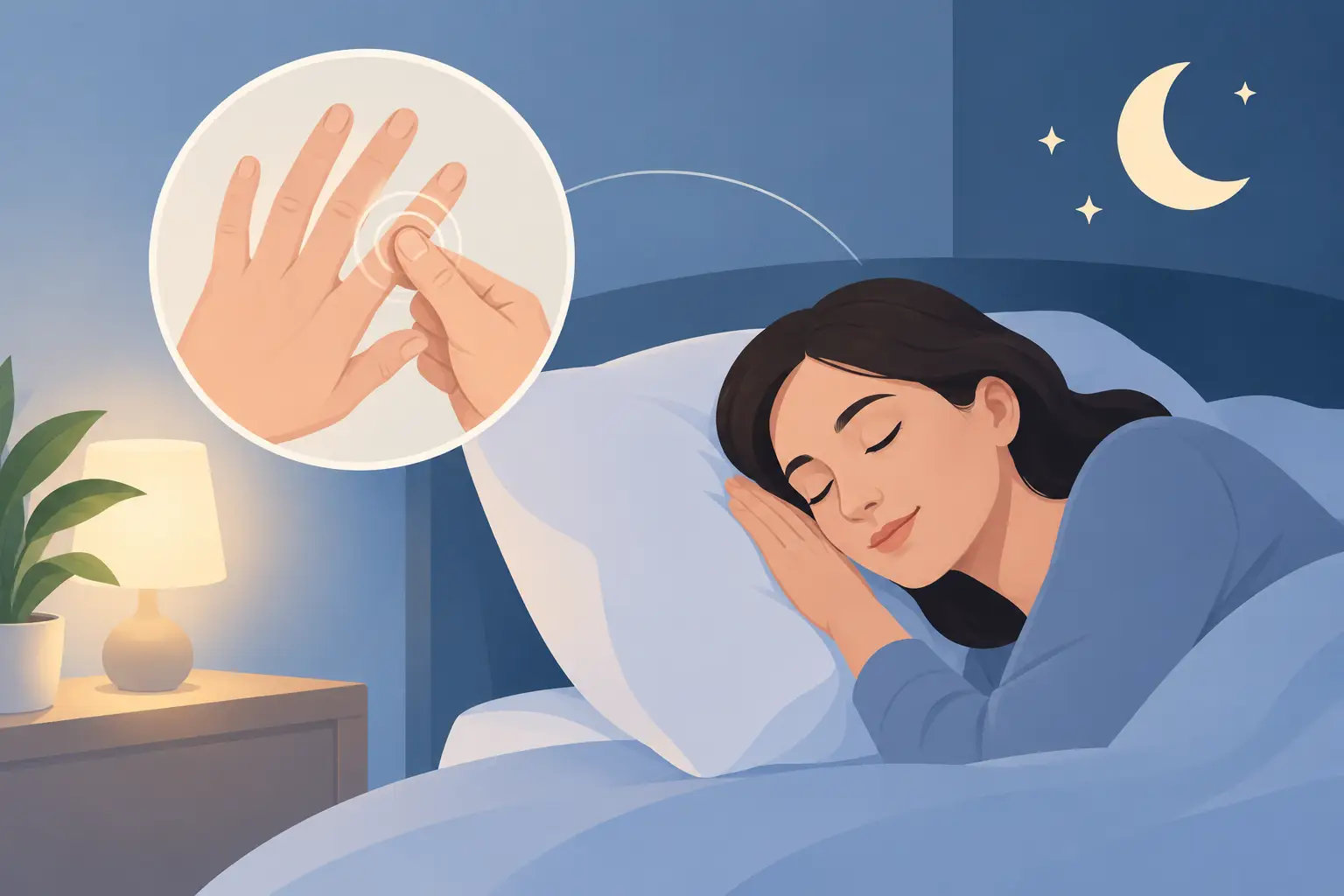
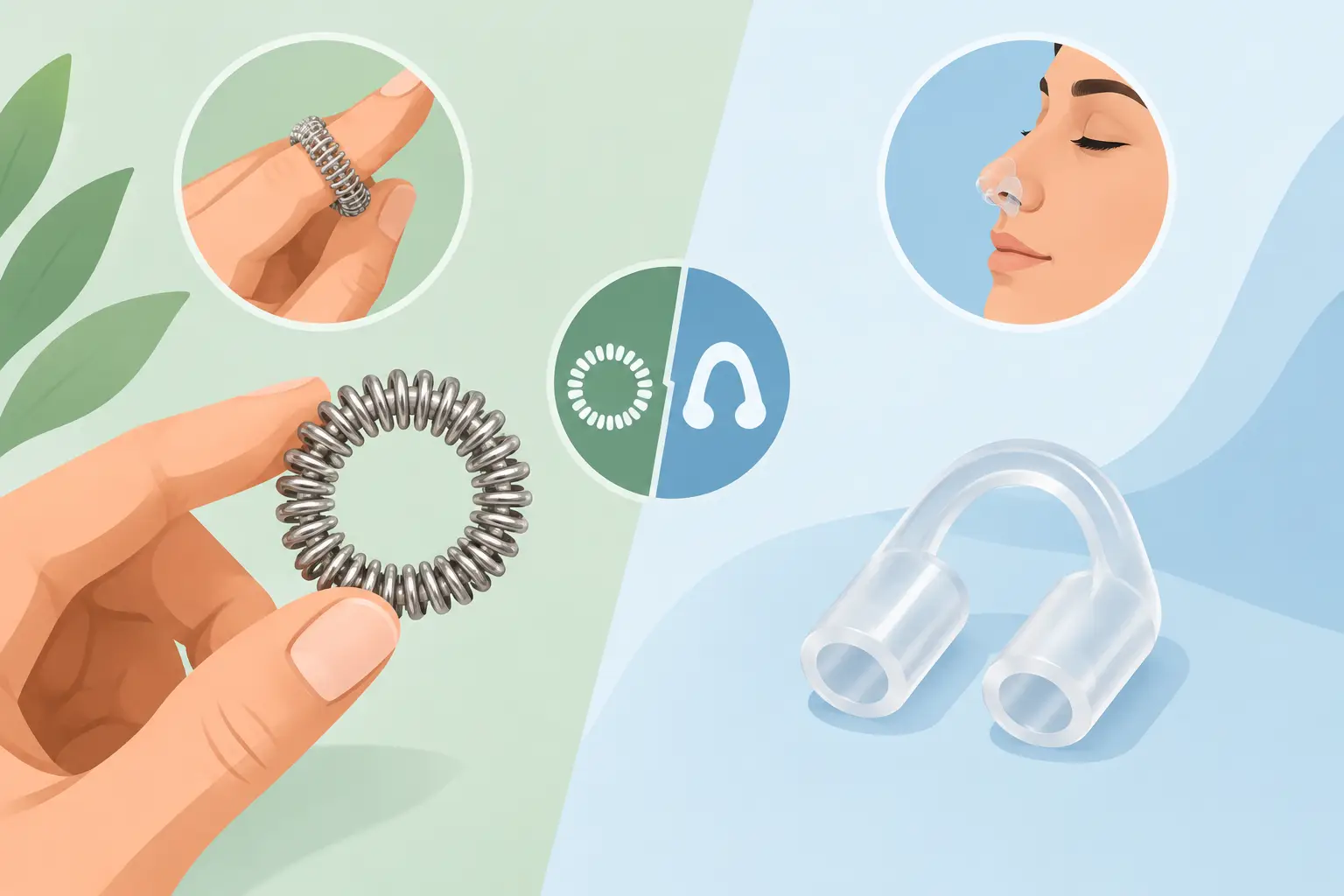
Acupressure-based wearables are one example of this shift. Rather than holding the jaw in a fixed position or introducing medication, they apply pressure to specific points during sleep. The Good Night Anti-Snoring Ring is designed around this principle, worn on the little finger as a simple, non-invasive option for simple snoring.
Its appeal is easy to understand. There is no mouthpiece to mould, no drug-based ingredient and no large device on the bedside table. As the original stop snoring ring, it has been clinically trialled and is designed for people who want a practical nightly routine rather than another cumbersome intervention. Still, it will not work for everyone, and that is exactly why a 30-day money-back guarantee matters.
Discreet does not mean ignoring warning signs
For some people, snoring is more than an annoyance. Loud, persistent snoring combined with pauses in breathing, choking or gasping during sleep, morning headaches, severe daytime tiredness or difficulty concentrating may need medical attention. These can be signs of obstructive sleep apnoea or another condition that should not be self-treated with a consumer sleep aid alone.
Partners are often the first to notice these patterns. If someone repeatedly seems to stop breathing and then start again, it is sensible to encourage them to speak to a GP. That conversation may feel uncomfortable, but it can be far more valuable than trying product after product in silence.
It also helps to consider everyday contributors to simple snoring. Congestion, sleeping position, alcohol close to bedtime and excess tiredness can all play a part. A discreet aid may work best alongside sensible changes, such as keeping a regular sleep schedule and reducing alcohol in the evening. It depends on the person, their habits and the reason they snore.
The difference between a solution and a gimmick
As demand rises, so do cheap imitations. That puts more responsibility on customers to look beyond a polished product image. A ring, strip or wearable may look similar to another product online, but materials, fit, design, customer support and evidence can vary greatly.
Before buying, look for clear information about what the product is intended to help with. Be wary of claims that suggest a small device can cure every kind of snoring, sleep apnoea or poor sleep. Trustworthy brands explain the limits as well as the benefits. They also make returns straightforward rather than hiding the process in small print.
The same applies to comfort. A wearable must be well made and correctly sized if it is going to be used night after night. The cheapest choice can become the most expensive if it is ineffective, uncomfortable or discarded within a week.
Better sleep should not demand a bigger bedtime routine
The appeal of discreet sleep aids comes down to something very human: people want to solve an awkward problem without adding another awkward object to their lives. They want to feel comfortable in bed, travel without concern and share a room without dread of another interrupted night.
For simple snoring, a non-invasive wearable can be a sensible option to try, especially for people who have had enough of mouthpieces and complicated devices. Choose carefully, stay alert to possible medical warning signs and favour products that are honest about who they can help. A quieter night is not a luxury for the snorer or their partner. It is a fair thing to work towards.