Blog
Single Post
Why Snoring Changes Nightly and What to Do
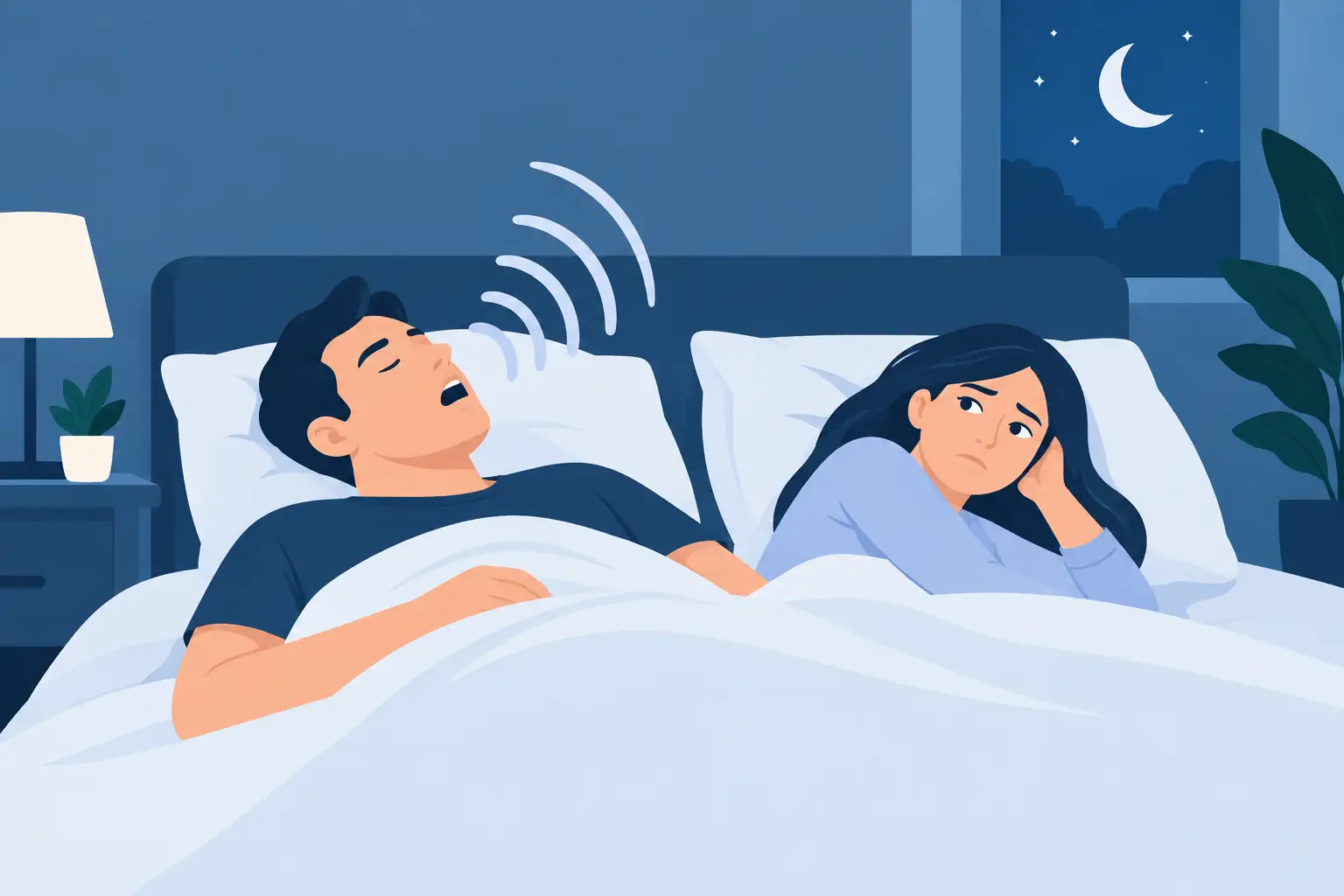
One night it is a gentle rumble. The next, it is loud enough to send your partner to the spare room. If you have wondered why snoring changes nightly, you are not imagining it. Snoring is not a fixed sound or a fixed problem. It can rise and fall according to what happens to your breathing, muscles and airways on any given evening.
That variation can be frustrating, especially when you think you have finally worked out what helps. But it also gives you useful clues. By noticing when your snoring is worse, you can identify practical changes that may make quieter nights more likely.
Why snoring changes nightly
Snoring happens when air moves through a narrowed airway and makes the soft tissues in your nose, mouth or throat vibrate. The amount of narrowing is not the same every night. Small changes in sleep position, nasal congestion, bedtime habits and tiredness can alter the way air flows while you sleep.
For some people, the difference is dramatic. You may sleep quietly after an ordinary weekday but snore heavily after a late dinner, a few drinks or a particularly exhausting day. That does not necessarily mean something has suddenly gone wrong. Often, it means one or more familiar snoring triggers were stronger that night.
Your sleeping position can change everything
Back sleeping is one of the most common reasons for louder snoring. When you lie on your back, gravity allows the tongue and soft tissues at the back of the throat to fall backwards more easily. This reduces the space available for air to pass through.
On your side, the airway may stay more open, which is why some people snore far less in that position. Yet even regular side sleepers can turn onto their backs during the night without realising it. A partner may notice that the snoring begins only after you roll over, or that it becomes louder towards the early hours when sleep is deeper.
Pillows, a different mattress, sleeping on a sofa, or even an unfamiliar hotel bed can affect your usual position. If the snoring is consistently worse on your back, encouraging side sleeping is a sensible first step.
Congestion narrows the route through your nose
A cold, hay fever, dust sensitivity or dry bedroom air can make nasal breathing more difficult. When the nose is blocked, you are more likely to breathe through your mouth. That can make throat vibration and snoring more noticeable.
This is why snoring can flare up in certain seasons, after a change in weather or when your bedroom needs a more thorough clean. It can also explain why someone who rarely snores suddenly becomes noisy during a cold.
Simple measures may help, depending on the cause. Keeping bedding clean, managing known allergies and avoiding an overly dry room can all support easier nasal breathing. Persistent blockage, especially on one side of the nose, is worth discussing with a healthcare professional.
Alcohol and sedatives relax the throat
Alcohol can make snoring more likely because it relaxes the muscles that help keep the airway open. The effect varies from person to person, and it often depends on timing and quantity. A drink with an early evening meal may affect you differently from several drinks close to bedtime.
Sleeping tablets, sedating antihistamines and some other medicines can have a similar muscle-relaxing effect. Never stop prescribed medication without medical advice. However, it is useful to notice whether your worst nights follow alcohol or a new medicine, then raise the pattern with a pharmacist or GP if needed.
For many couples, this is one of the clearest patterns: the snoring is manageable most nights but becomes much louder after a social evening. Choosing alcohol-free nights, or finishing drinks well before bed, may bring a noticeable improvement.
Exhaustion changes muscle control
Being overtired can lead to deeper sleep, with greater relaxation in the muscles around the airway. That can make snoring louder or more frequent. Shift work, long journeys, stressful weeks, poor sleep the night before and jet lag can all play a part.
There is a frustrating cycle here. Snoring disturbs sleep, poor sleep can make the next night worse, and partners can end up both feeling worn down. A consistent bedtime, enough opportunity for sleep and a calmer wind-down routine will not solve every case of snoring, but they can reduce the pressure that fatigue puts on the airway.
Weight, meals and reflux may contribute
Weight changes can influence snoring, particularly where extra tissue around the neck affects the airway. This is not an overnight shift, but even gradual changes can explain why an old problem becomes more frequent over time.
A very large or late meal can also leave some people feeling more uncomfortable when lying down. If reflux is part of the picture, throat irritation and disrupted sleep can make nights noisier. Try to notice the full pattern rather than blaming one meal or one bad night. A short record of bedtime, food, alcohol, congestion, position and snoring can be surprisingly revealing.
What your snoring pattern may be telling you
The fact that your snoring varies is usually useful information, not a reason to panic. If it is worse only with colds or after alcohol, the trigger may be relatively clear. If it has become steadily louder over months, happens in every position or leaves you exhausted in the morning, it deserves closer attention.
Ask your partner what they notice. They may be able to identify whether the sound begins when you roll onto your back, whether there are quiet stretches between snores, or whether your breathing seems to pause. It is not the most romantic bedtime conversation, but it is valuable information.
A simple two-week diary can help you separate coincidence from a genuine pattern. Make a note of your sleep position, alcohol, nasal symptoms, sleep duration and whether you woke feeling refreshed. There is no need to obsess over every detail. The aim is to spot repeat triggers that give you a practical place to start.
Practical ways to make nights quieter
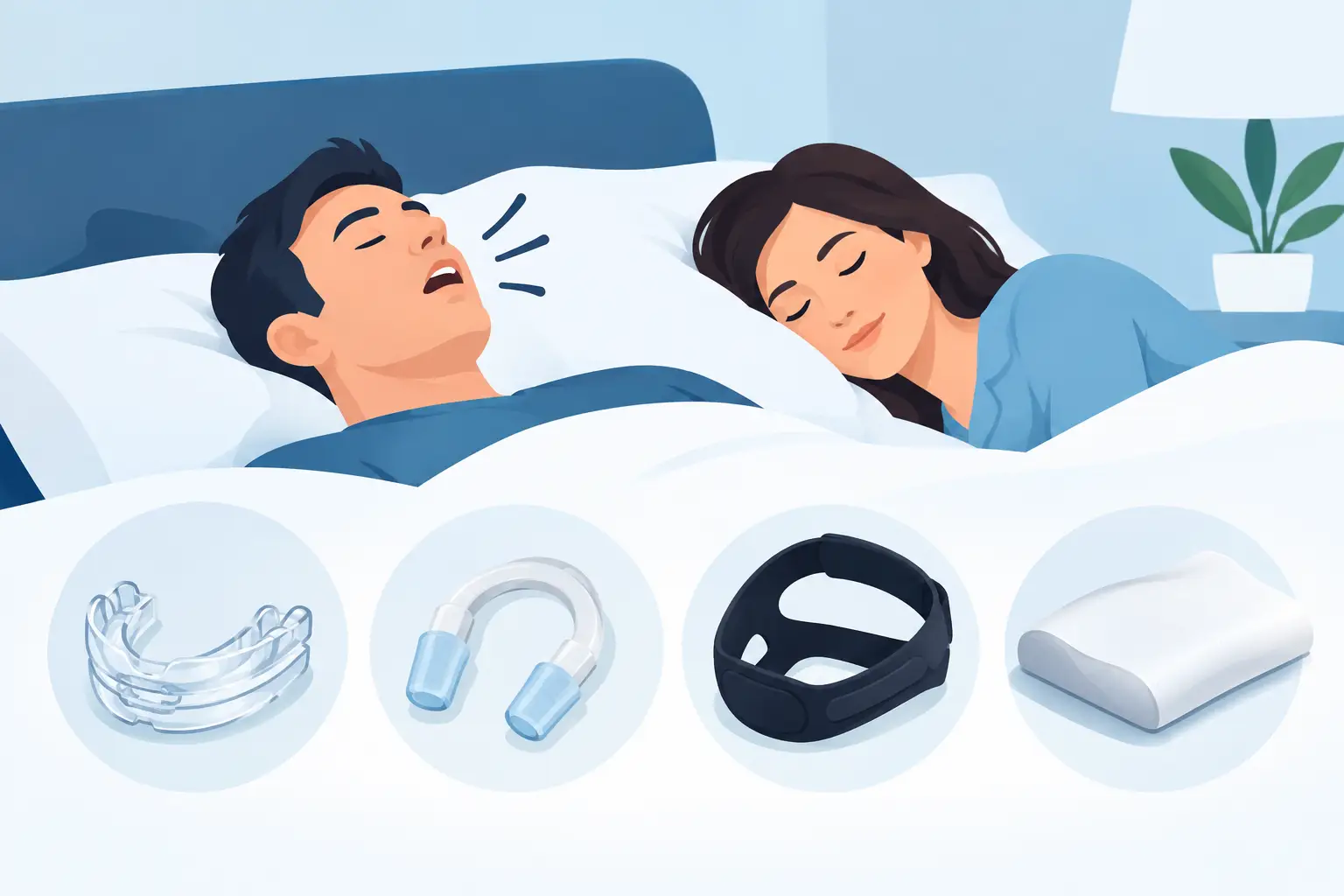
Start with the factors you can test safely and consistently. Try side sleeping for a week, especially if snoring is louder on your back. Deal with temporary congestion, keep alcohol away from bedtime where possible, and give yourself enough sleep after demanding days.
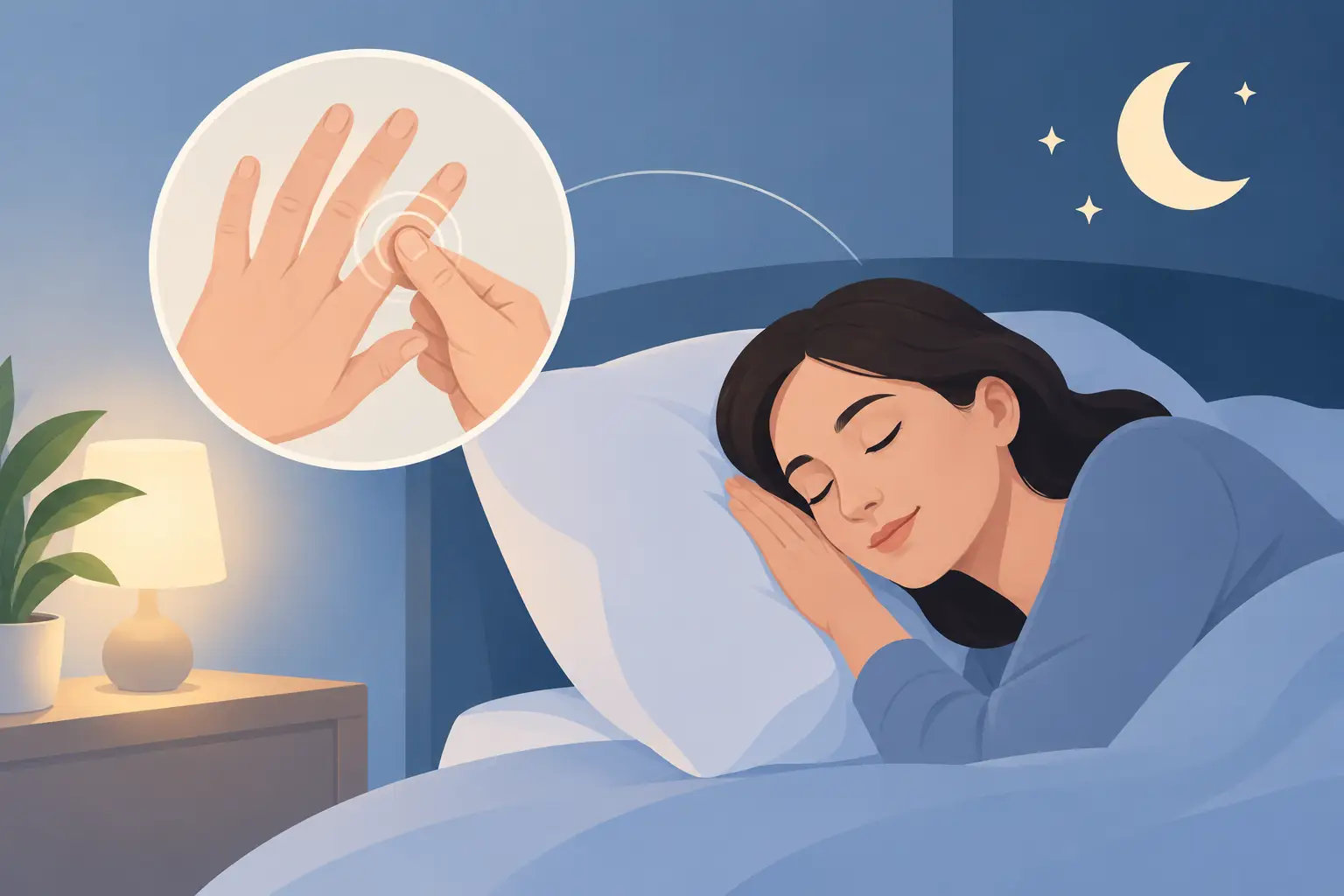
If you want a non-invasive option for simple snoring, the Good Night Anti-Snoring Ring is designed to apply acupressure to specific points on the little finger while you sleep. It is a discreet alternative for people who do not want a bulky mouthpiece or medication. Like any snoring aid, it will not be right for everyone, and honest expectations matter. A solution should be comfortable enough to use consistently, because an anti-snoring device left in the bedside drawer cannot help anyone.
Avoid assuming that a louder night means you need a more extreme solution. The best approach is often a combination: reduce obvious triggers, support a better sleep position and choose a comfortable aid you are willing to use night after night.
When snoring needs medical advice
Simple snoring is common, but not all snoring is simple. Speak to a GP if snoring is very loud and regular, if someone notices pauses in your breathing, or if you wake choking, gasping or short of breath. Morning headaches, excessive daytime sleepiness, poor concentration and irritability can also be signs that your sleep quality needs proper assessment.
These symptoms may be linked with obstructive sleep apnoea, a condition in which breathing repeatedly stops and starts during sleep. It is not something an over-the-counter snoring remedy should be expected to diagnose or treat. Getting checked is the sensible choice, particularly if the symptoms are affecting driving, work, mood or your relationship.
Your partner’s observations matter here. People are often unaware of breathing pauses themselves, while the person beside them may be losing sleep and worrying about what they hear.
A quieter night rarely comes from one perfect trick. It comes from paying attention to the nights that are worse, making realistic changes and seeking medical advice when the signs point beyond ordinary snoring. Both you and the person sharing your bed deserve sleep that feels restorative, not something to brace for.