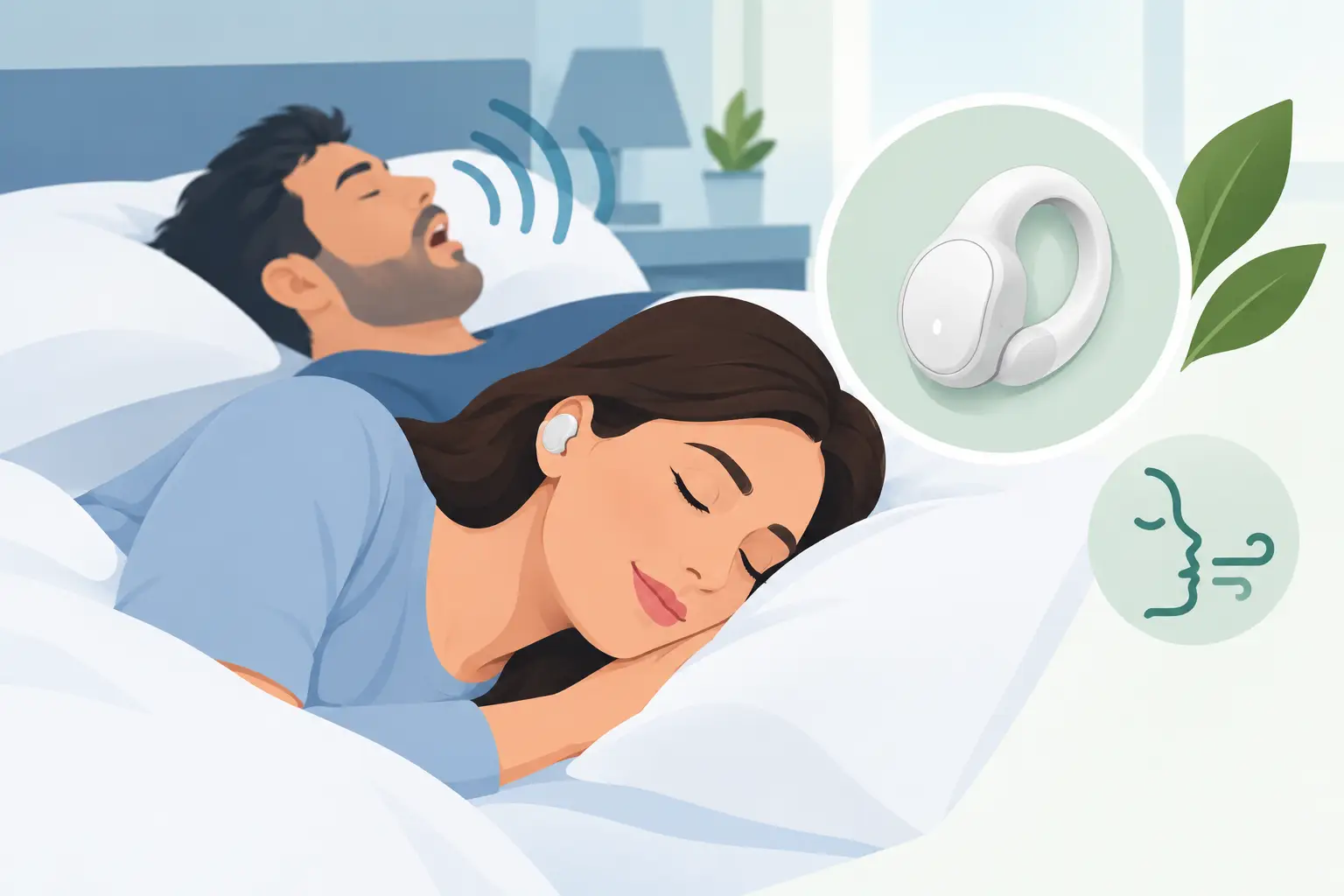
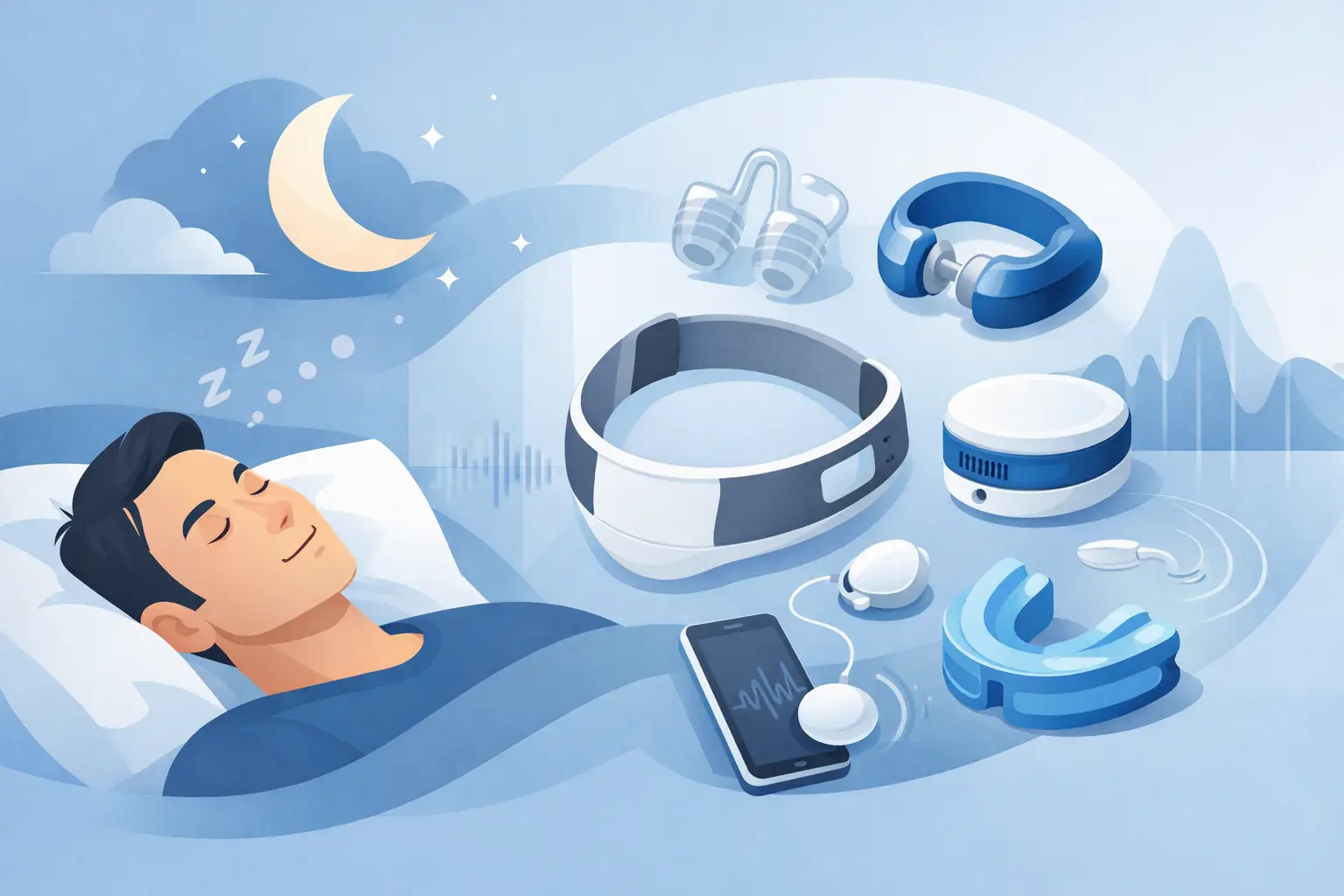
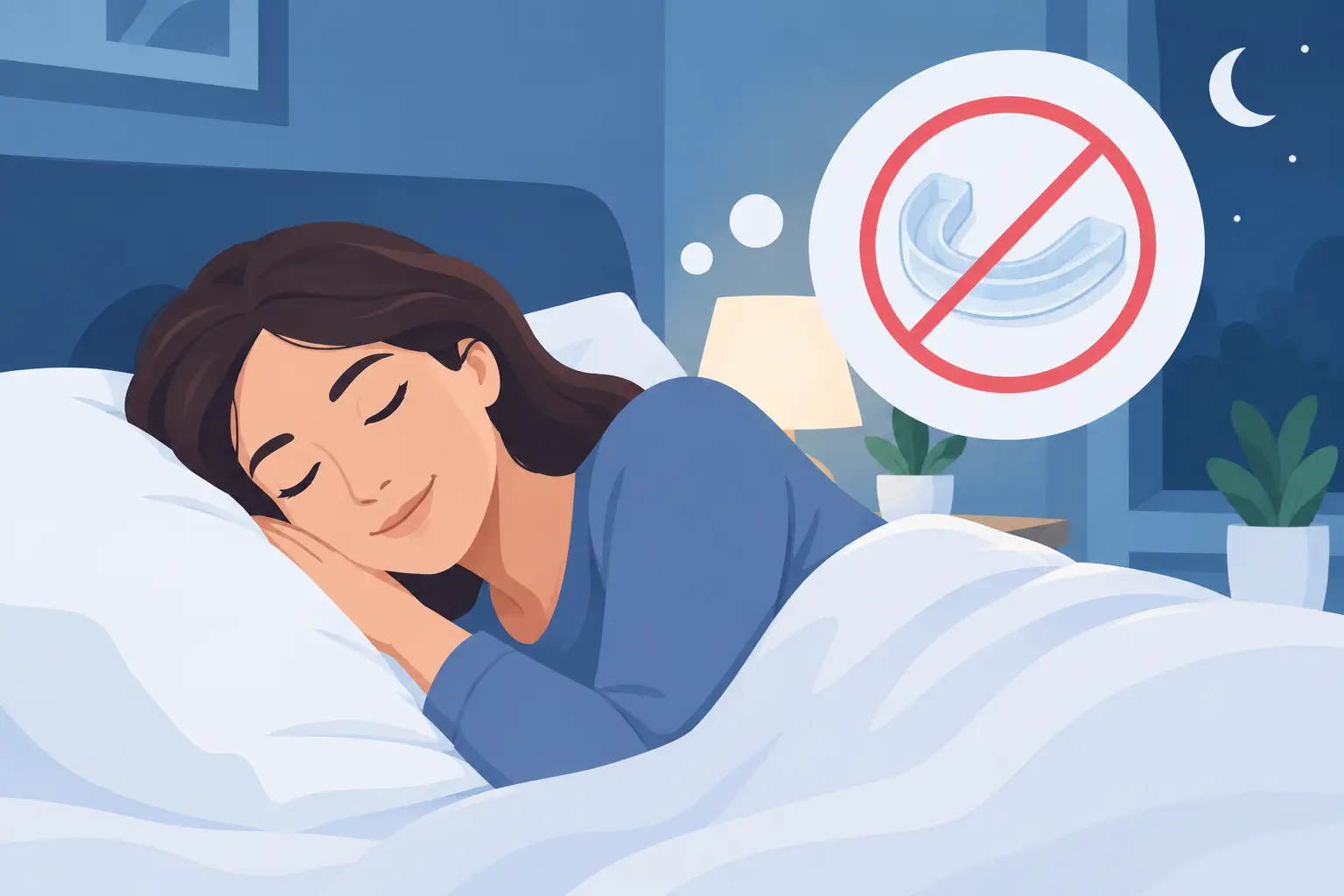
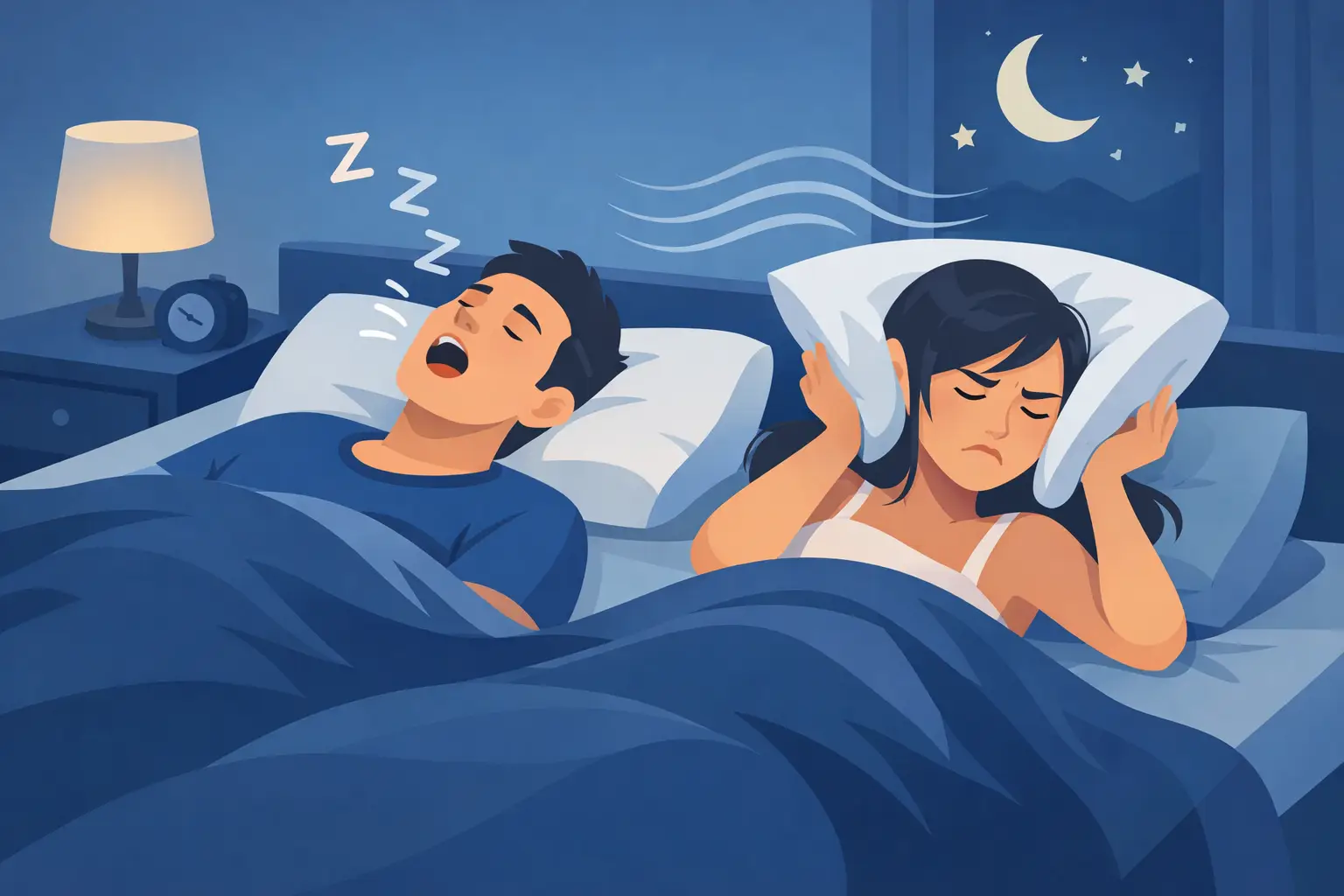
Your partner should not have to nudge you awake, move to the spare room, or start every morning exhausted. The best non-invasive snoring products aim to make nights quieter without asking you to sleep in a bulky mask, take medication, or tolerate an uncomfortable device in your mouth.
That matters because a product only helps if you can actually wear it night after night. Snoring has different causes, so there is no single answer for everyone. But for simple snoring, a comfortable, low-effort option is often the sensible place to begin.
What makes a snoring product worth trying?
The first question is not which product has the loudest promise. It is what may be causing your snoring. Simple snoring can happen when relaxed tissues in the throat vibrate as air passes through. Nasal congestion, sleeping on your back, alcohol in the evening and excess weight can all make it worse.
A good non-invasive product should suit the likely cause, feel manageable at bedtime and be easy to use consistently. It should also be honest about its limits. No responsible product can promise to treat every type of snoring, and none should be used as a reason to ignore signs of sleep apnoea.
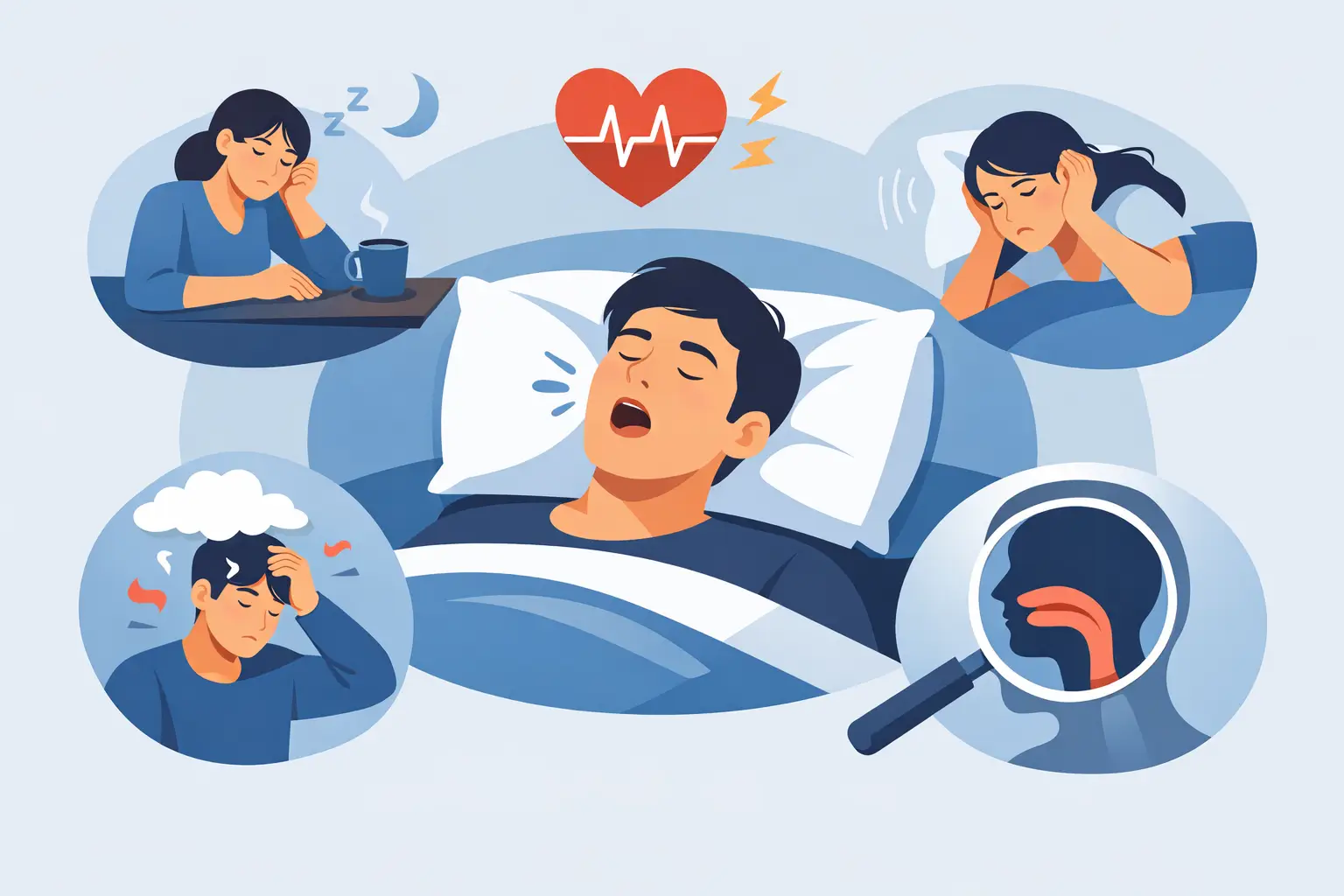
If your snoring comes with breathing pauses, choking or gasping in sleep, severe daytime tiredness, morning headaches or high blood pressure, speak to your GP. These can be signs of obstructive sleep apnoea, which needs proper assessment rather than a quick retail fix.
Best non-invasive snoring products for different needs
Acupressure snoring rings
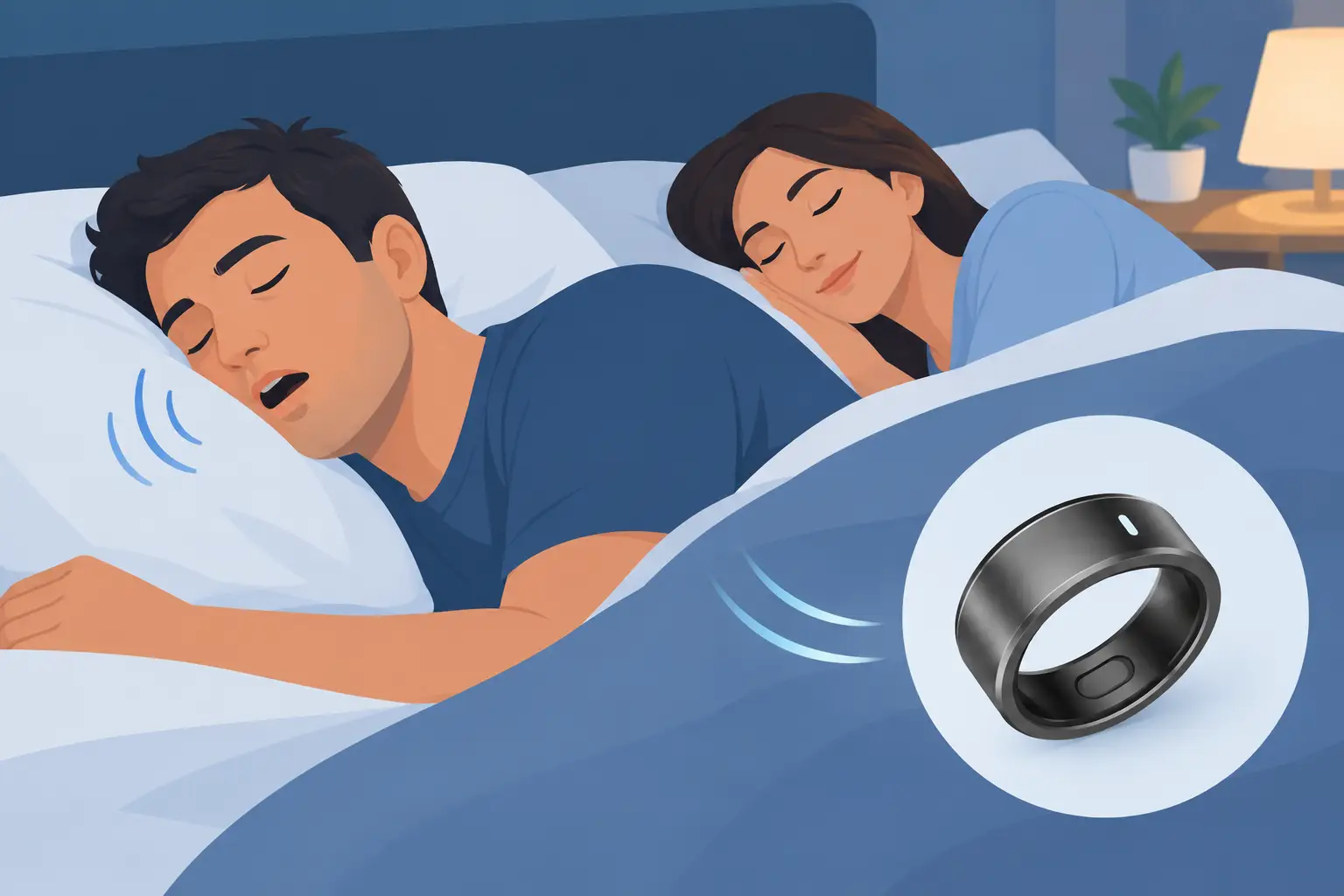
An anti-snoring ring is designed to be worn on the little finger at night, applying gentle pressure to acupressure points. Its appeal is obvious: no straps, no batteries, no mouthpiece and no drugs. For people who have rejected more intrusive remedies, that simplicity can be the difference between trying a solution once and making it part of their routine.
The Good Night Anti-Snoring Ring is the original stop snoring ring, clinically trialled and designed for people with simple snoring who want a discreet wearable alternative. It is not presented as a cure for sleep apnoea, and it will not work for everybody. That honesty matters. A 30-day money-back guarantee gives couples the chance to see whether it makes a meaningful difference in their own bedroom without taking a gamble on another drawer-bound gadget.
The trade-off is that acupressure is not the right approach for every cause of snoring. If congestion is the clear problem, improving nasal airflow may be a more direct starting point. Yet for many people, a ring is one of the least disruptive options to test because it does not alter how you breathe or hold your jaw in place.
Nasal strips and nasal dilators
Nasal strips sit across the outside of the nose and gently pull the nostrils open. Internal nasal dilators work from inside the nostrils. Both can be useful when airflow through the nose is restricted by a cold, allergies or naturally narrow nasal passages.
They are inexpensive and easy to understand, but they have a limitation: they mainly address nasal snoring. If the sound is coming from the throat or is worse when the jaw relaxes, a strip may make little difference. Adhesive strips can also irritate sensitive skin, and internal dilators are not everyone’s idea of comfortable.
These products are best treated as a targeted trial, particularly if you notice that you snore more when congested. They are not automatically among the best choices simply because they are widely available.
Positional sleep aids
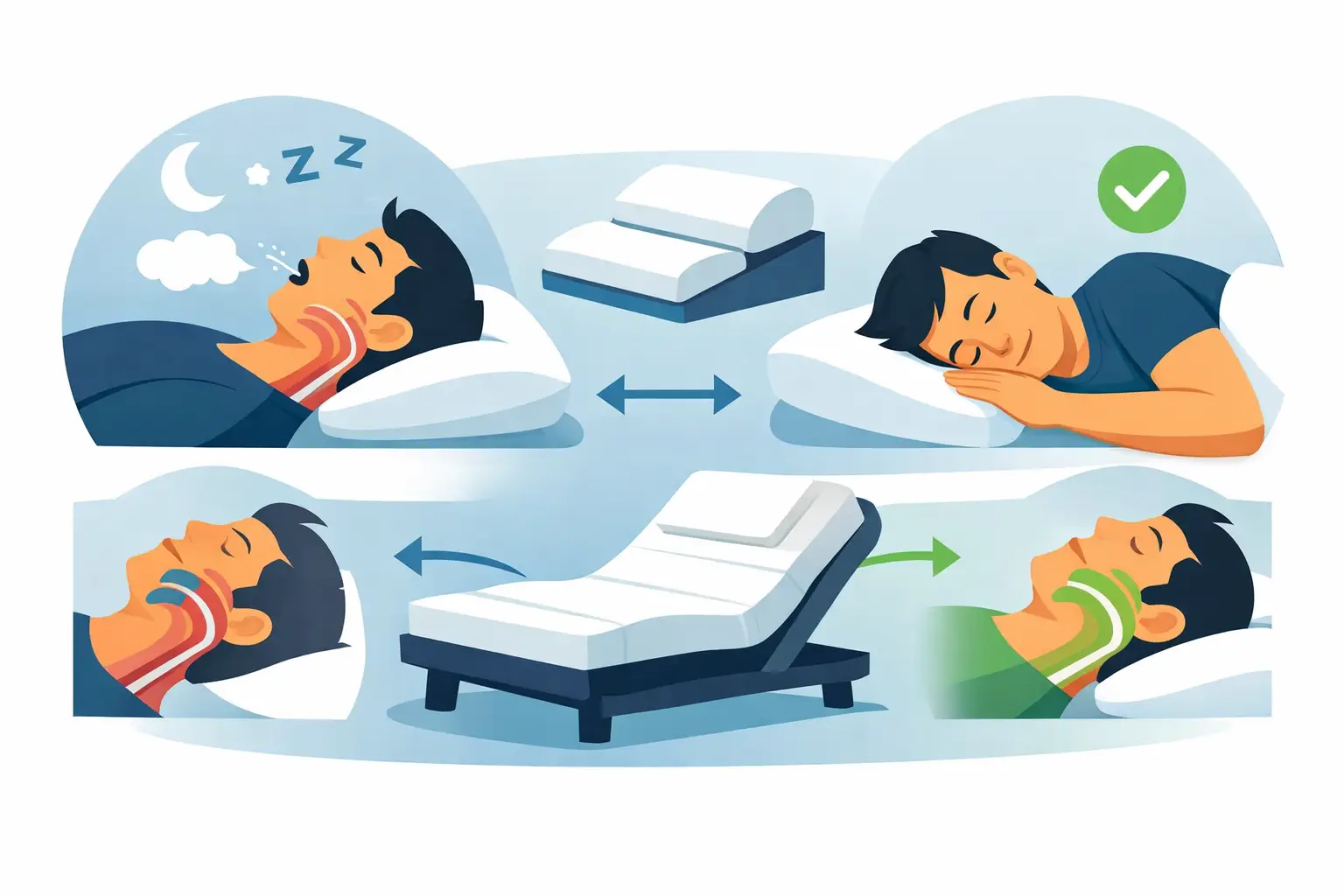
Back sleeping can make snoring louder because the tongue and soft tissues are more likely to fall backwards and narrow the airway. Positional aids encourage side sleeping. They range from shaped pillows to wearable devices that prompt you to change position when you roll onto your back.
A side-sleeping pillow may be a gentle first step, especially if your partner has noticed a clear pattern. Wearable position trainers can be more consistent, but they cost more and some people find the vibration or garment disruptive. The aim is better sleep, not a nightly battle with another piece of equipment.
Positional products make most sense when snoring is noticeably worse on your back and quieter on your side. If there is no difference, look elsewhere rather than persisting with something that is not addressing the problem.
Chin straps
Chin straps are intended to support the jaw and reduce mouth opening during sleep. They may help some people who snore mainly because their mouth falls open, particularly if nasal breathing is otherwise clear.
Comfort is the major objection. A strap around the head can feel restrictive, leave marks and become warm overnight. It also does not solve a blocked nose. If you are tempted by a chin strap, choose one that can be adjusted gently and stop using it if it causes jaw pain, headaches or discomfort.
Mouthguards and mandibular advancement devices
These devices hold the lower jaw slightly forward to help keep the airway open. They can be effective for some snorers, particularly when the jaw and throat are involved, but they are more intrusive than rings, strips or positional aids. They can also cause tooth soreness, jaw ache, excess saliva or bite changes, especially when poorly fitted.
A professionally fitted device may be appropriate if simpler measures have not helped, but it is worth discussing with a dentist or sleep professional. Cheap boil-and-bite versions are not automatically harmless just because they are sold over the counter. They are a more serious commitment than their packaging often suggests.
How to choose without wasting money
Before buying, give yourself a clear way to judge whether a product is helping. Ask your partner what they hear, note how rested you both feel after a week or two, and consider using a snoring-recording app only as a rough comparison tool. The goal is not perfect data. It is a quieter room and better-quality sleep.
Look for five things:
- A product that matches your likely snoring trigger.
- A design you can wear or use comfortably every night.
- Clear instructions and realistic claims rather than miracle language.
- A reputable seller that explains who should not use the product.
- A fair return policy, because personal comfort and results cannot be guaranteed in advance.
Be cautious with copycat products that mimic the appearance of a proven design while offering little information about materials, testing or refunds. A bargain is poor value if it is uncomfortable, unsupported or impossible to return. With sleep products, credibility is part of the product.
Small changes that can strengthen results
A non-invasive product does not have to do all the work alone. Avoiding alcohol close to bedtime may reduce throat relaxation and make a noticeable difference for some people. Treating allergies, keeping the bedroom air comfortable and establishing a side-sleeping habit can also help.
Try not to change everything at once. If you buy a new product, alter one or two supporting habits and give the approach enough time to judge fairly. That makes it easier to know what is helping and prevents another cycle of spending money on remedies that never get a proper trial.
The right choice is the one that feels realistic at 11 pm, not the one that looks most dramatic on a screen. Start with the least intrusive option that fits your snoring pattern, take persistent symptoms seriously, and give both you and your partner the chance to wake up feeling like yourselves again.