Blog
Single Post
Snoring Ring vs Mouthguard: Which Works Better?
If you are weighing up a snoring ring vs mouthguard, you are probably past the stage of curiosity. Someone is losing sleep, patience is wearing thin, and the promise of a quieter night suddenly feels far more valuable than another gadget in the bedside drawer.
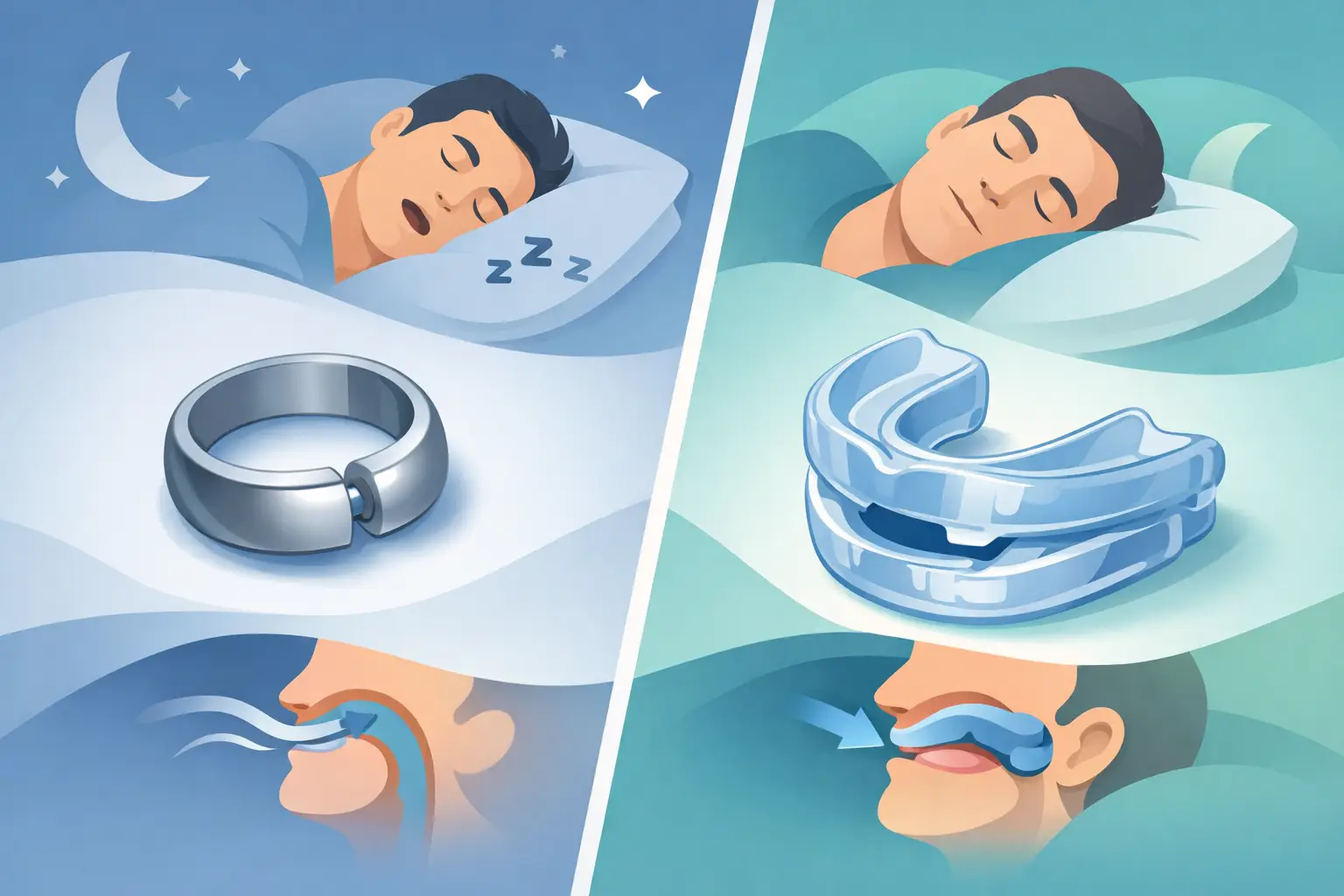
That is exactly why this comparison matters. Both products are sold as simple answers to snoring, but they solve the problem in very different ways. One sits on the finger and works through pressure points. The other sits in the mouth and physically changes jaw or tongue position while you sleep. For some people, that distinction is the difference between using a product every night and giving up after two attempts.
Snoring ring vs mouthguard: the basic difference
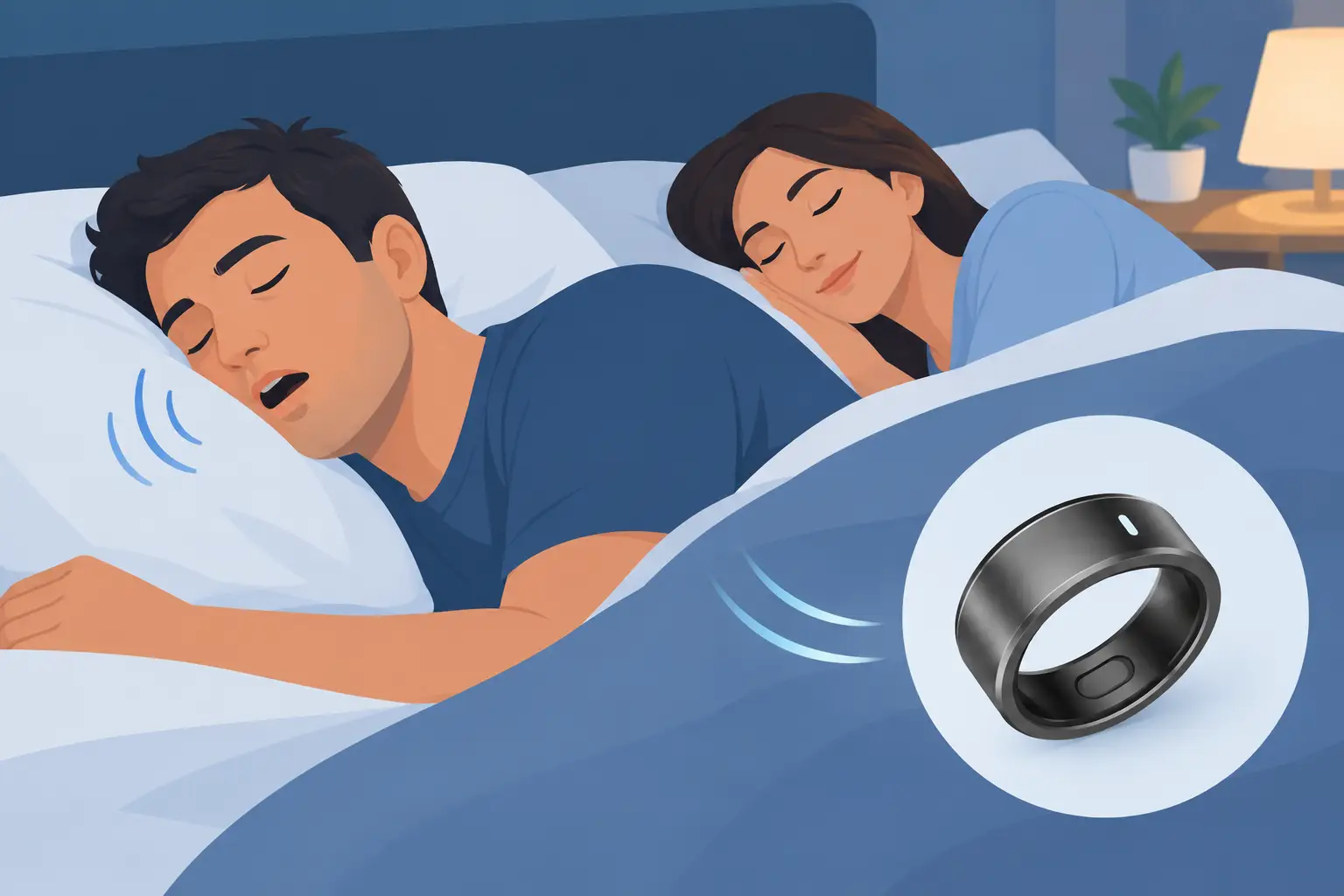
A snoring ring is a small wearable placed on the little finger before bed. The idea is straightforward: it applies pressure to specific points associated with reducing simple snoring. It is non-invasive, discreet, and does not interfere with breathing through the mouth or nose.
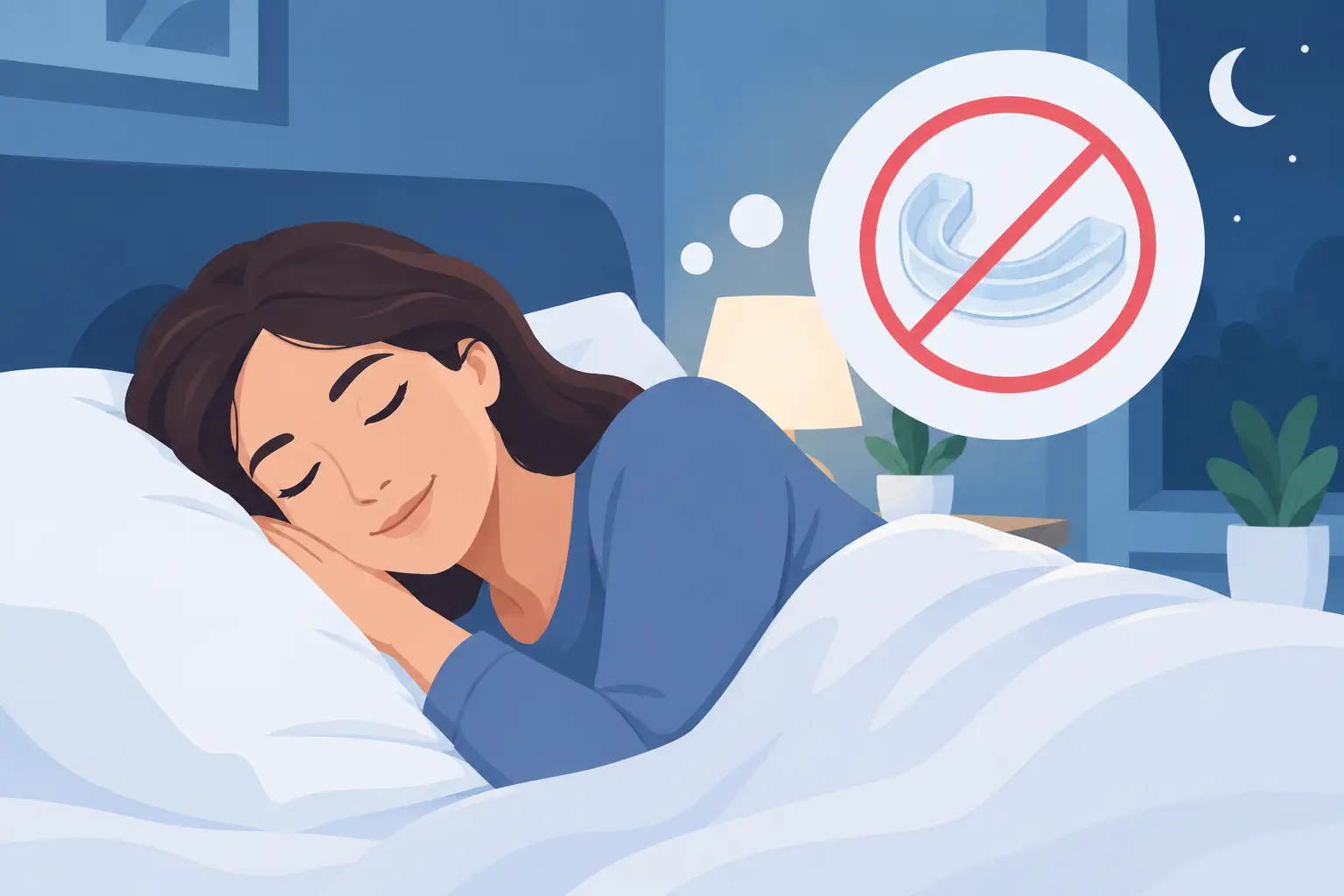
A mouthguard, by contrast, is worn inside the mouth during sleep. Most anti-snoring mouthguards work by moving the lower jaw slightly forward to help keep the airway more open. Some focus on tongue position instead. They can be effective for the right person, but they are a much more intrusive type of product.
If you have never used either before, think of it this way. A snoring ring aims to be low-fuss and easy to live with. A mouthguard asks you to tolerate something bulky in your mouth for hours every night.
Why comfort decides whether a product gets used
Plenty of anti-snoring products fail for a very simple reason: people stop wearing them.
This is where the ring often has a clear advantage. A well-made snoring ring is lightweight, easy to put on, and usually forgotten once you are asleep. There is no moulding process, no saliva build-up, and no sense that your bedtime routine has turned into dental equipment management.
Mouthguards are different. Some people get on with them quickly, but many do not. Common complaints include jaw soreness, gum irritation, dry mouth, drooling, teeth pressure, and difficulty settling off to sleep. If you already clench your jaw, have dental work, or simply dislike anything in your mouth, that discomfort can become the whole story.
That does not mean mouthguards never work. It means comfort is not a minor detail. It is often the deciding factor between a product that helps and a product that ends up in a drawer.
How results can differ from person to person
The honest answer in any snoring ring vs mouthguard comparison is that neither option works for everyone.
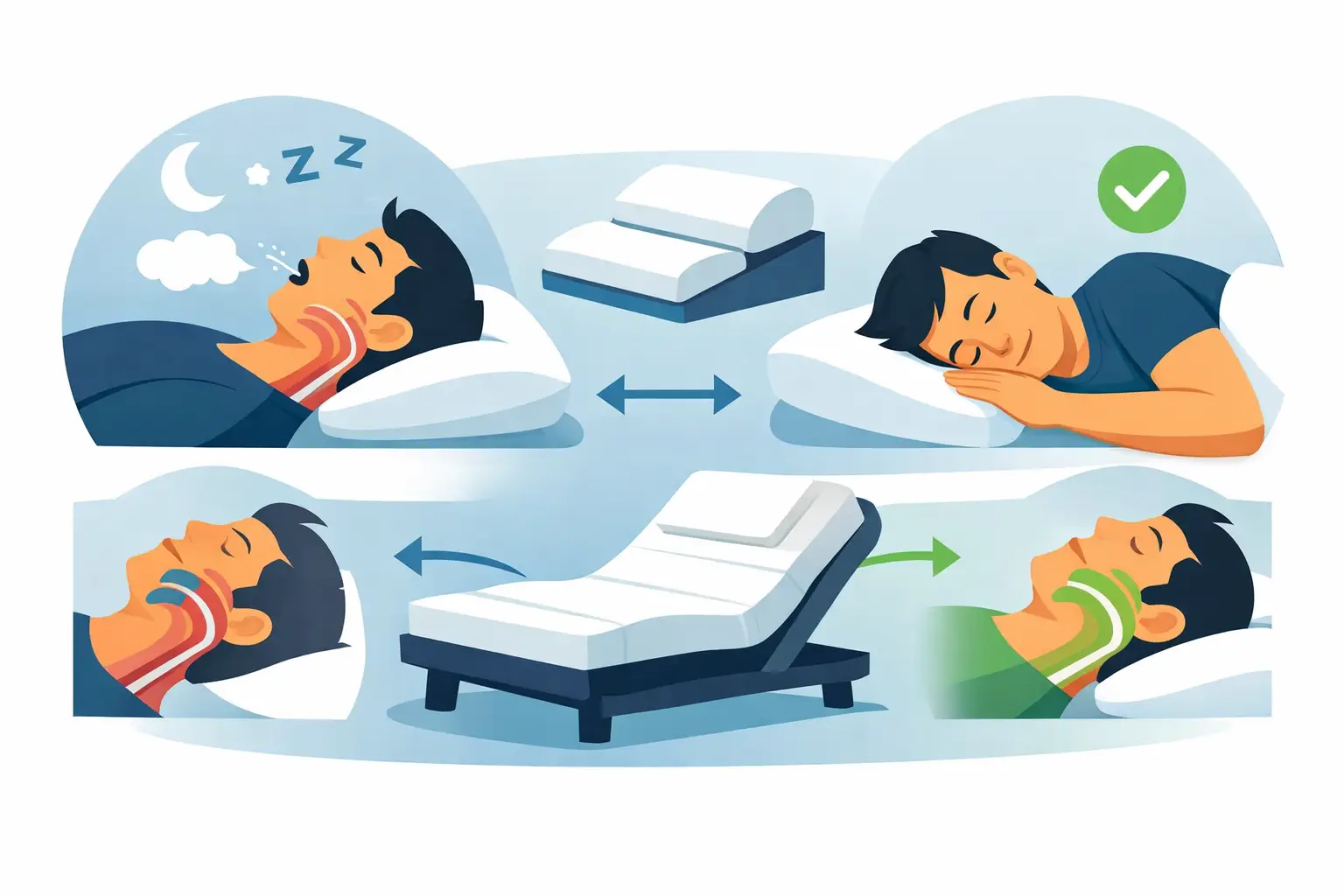
Snoring has different causes. In some cases, it is linked to sleeping position, mild airway narrowing, congestion, weight, alcohol, or simple relaxation of the throat during sleep. In others, it may point to something more serious, including sleep apnoea, which should not be self-diagnosed or treated with consumer products alone.
For simple snoring, many people want the least invasive option first. That is where a clinically trialled snoring ring makes sense. It offers a natural approach, avoids medication, and does not force the user into a cumbersome nightly routine. For adults who want something elegant and low-risk, that matters.
Mouthguards can produce stronger results in some cases, especially where jaw positioning is a key factor. But stronger on paper does not always mean better in practice. If a product is too uncomfortable to wear consistently, the real-world result is zero.
Who usually prefers a snoring ring
A snoring ring tends to appeal to people who want an anti-snoring solution that feels manageable from the first night.
That includes adults who have already tried nasal strips, sprays, or odd online gadgets and are tired of overblown promises. It also suits partners who want something discreet and straightforward rather than a device that makes bedtime feel clinical. If your main concern is simple snoring and you want to avoid a bulky mouthpiece, the ring is often the more appealing place to start.
It is also a better fit for people who travel regularly, dislike dental devices, or do not want to alter their bite or jaw position while sleeping. A small wearable ring is easier to live with than a case, cleaning routine, and fitting process.
Who might choose a mouthguard instead
A mouthguard may be worth considering if you have already been advised that jaw position contributes to your snoring, or if you have tried less invasive options without improvement and are willing to accept more discomfort in return for a different mechanism.
Some users are perfectly happy with a mouthguard once they adjust. If they can tolerate the feel of it and if it addresses the cause of their snoring, it can be useful. But that willingness to adapt is important. Mouthguards are rarely the product people describe as pleasant. At best, they are tolerated because the result is worth it.
That trade-off is not for everyone, especially if you want something your partner can suggest without starting an argument.
Cost, upkeep and everyday practicality
Price matters, but so does what you are really paying for.
A snoring ring is typically simpler to own. There is little day-to-day upkeep, no shaping process, and no complicated cleaning ritual. You wear it, keep it clean, and get on with your evening. For many buyers, that simplicity is part of the value.
Mouthguards can involve more maintenance. Depending on the design, they may need moulding, regular cleaning, replacement over time, and careful storage. If the fit changes or becomes uncomfortable, the whole experience can become frustrating quite quickly.
There is also the issue of durability and trust. In a crowded market, copycat products and cheap imitations are common, especially with simple consumer wellness items. That makes product legitimacy important. If you are choosing a ring, buying the original clinically trialled stop snoring ring with FDA clearance in the US and a 30-day money-back guarantee offers a level of reassurance that bargain alternatives simply do not.
The trust question people often ignore
When people compare anti-snoring products, they often focus on features and forget to ask a more useful question: what happens if it does not work for me?
That question matters because snoring solutions are personal. A credible brand should not pretend that one product works for every single user. It should be clear about who it is for, explain how it works, and back the purchase with a genuine refund policy.
That kind of honesty is not a small point. It tells you the company expects scrutiny. It also reduces the risk for buyers who are understandably sceptical after trying multiple so-called remedies.
A confident product does not need wild claims. It needs a clear explanation, proof-led messaging, and the willingness to stand behind the result.
So, snoring ring vs mouthguard – which is better?
For most adults with simple snoring, the better first step is usually the one they are most likely to wear consistently. In many cases, that makes the snoring ring the smarter option.
It is more comfortable, less intrusive, easier to maintain, and better suited to people who want a natural approach without turning sleep into a nightly procedure. It respects the fact that bedtime should feel restful, not medical.
A mouthguard still has a place. If you know you can tolerate one, and if your snoring responds well to jaw repositioning, it may help. But for many people, the barrier is not theory. It is the practical reality of sleeping with a plastic device in the mouth night after night.
That is why the ring so often wins on real-life use, not just product description. A solution only helps if it becomes part of your routine.
If you are looking for something simple, clinically trialled, and designed for people who want a non-invasive answer to snoring, starting with a well-established snoring ring is the sensible move. And if a product comes with a full refund guarantee, you are not being asked to take a blind leap – just a fair chance at a quieter night.
Better sleep does not always come from the most complicated fix. Sometimes it comes from choosing the option you will actually wear when the lights go out.