Blog
Single Post
How an Acupressure Ring Works for Snoring
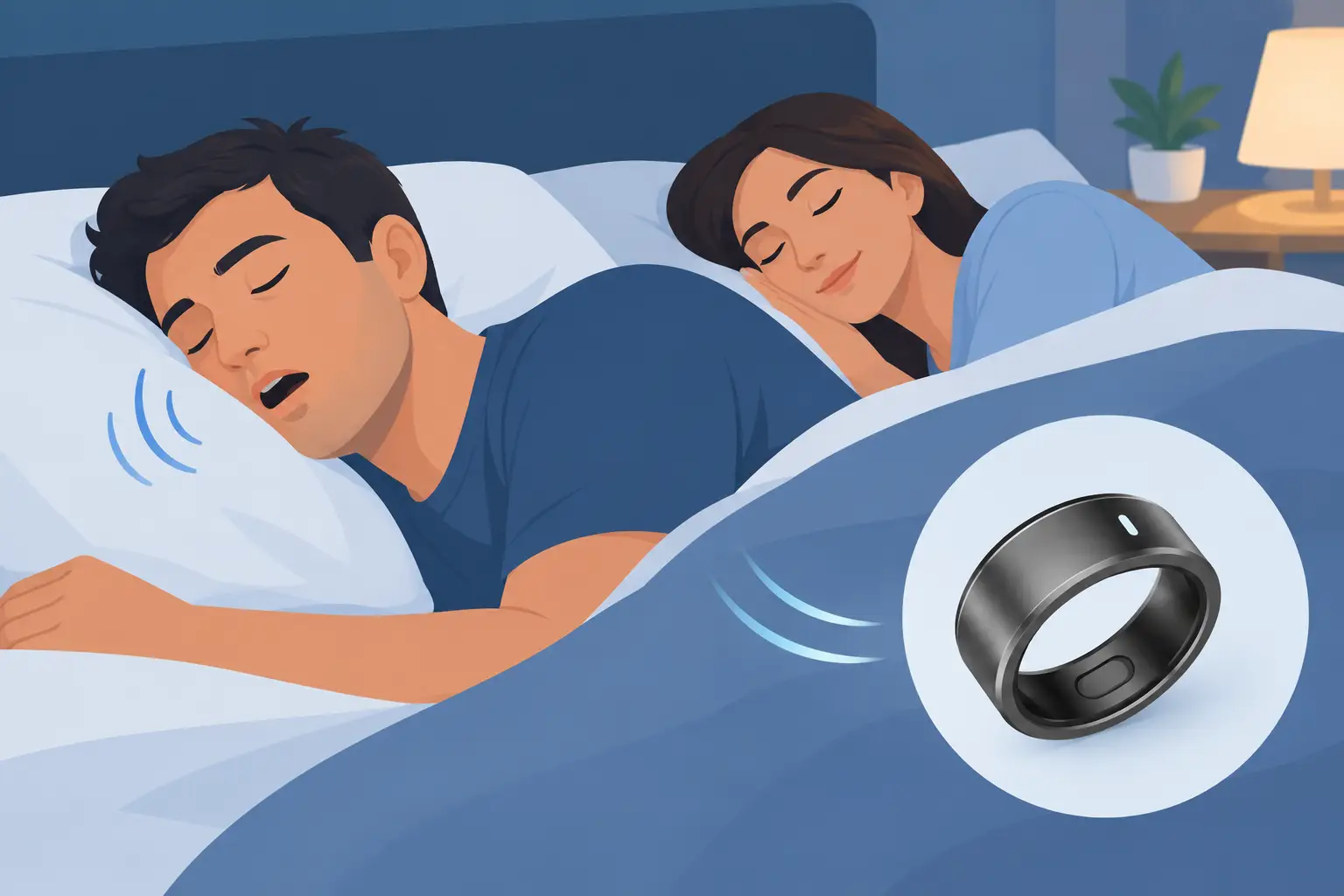
A snoring solution should not make bedtime harder. If you are wondering how an acupressure ring works, the principle is refreshingly simple: a small ring applies gentle, consistent pressure to specific points on the little finger while you sleep. For some people with simple snoring, that stimulation can help support a quieter, more settled night – without a mouthguard, medication or bulky equipment.
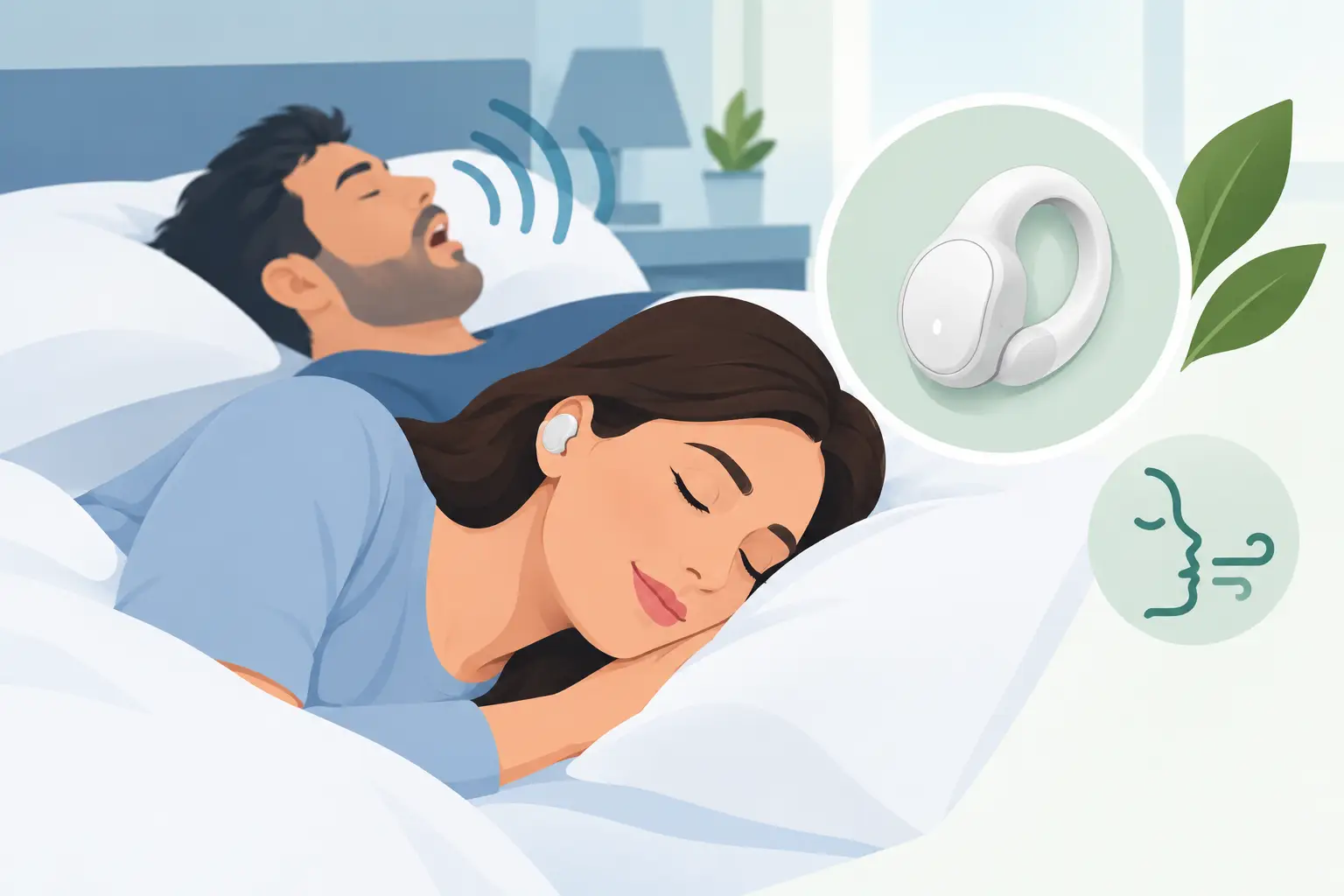
That matters not only to the person who snores, but to the person lying awake beside them. Snoring can turn separate bedrooms, early nights and tired mornings into a routine. A discreet ring is designed to offer a practical first step that is easy to fit into the bedtime routine.
How an acupressure ring works
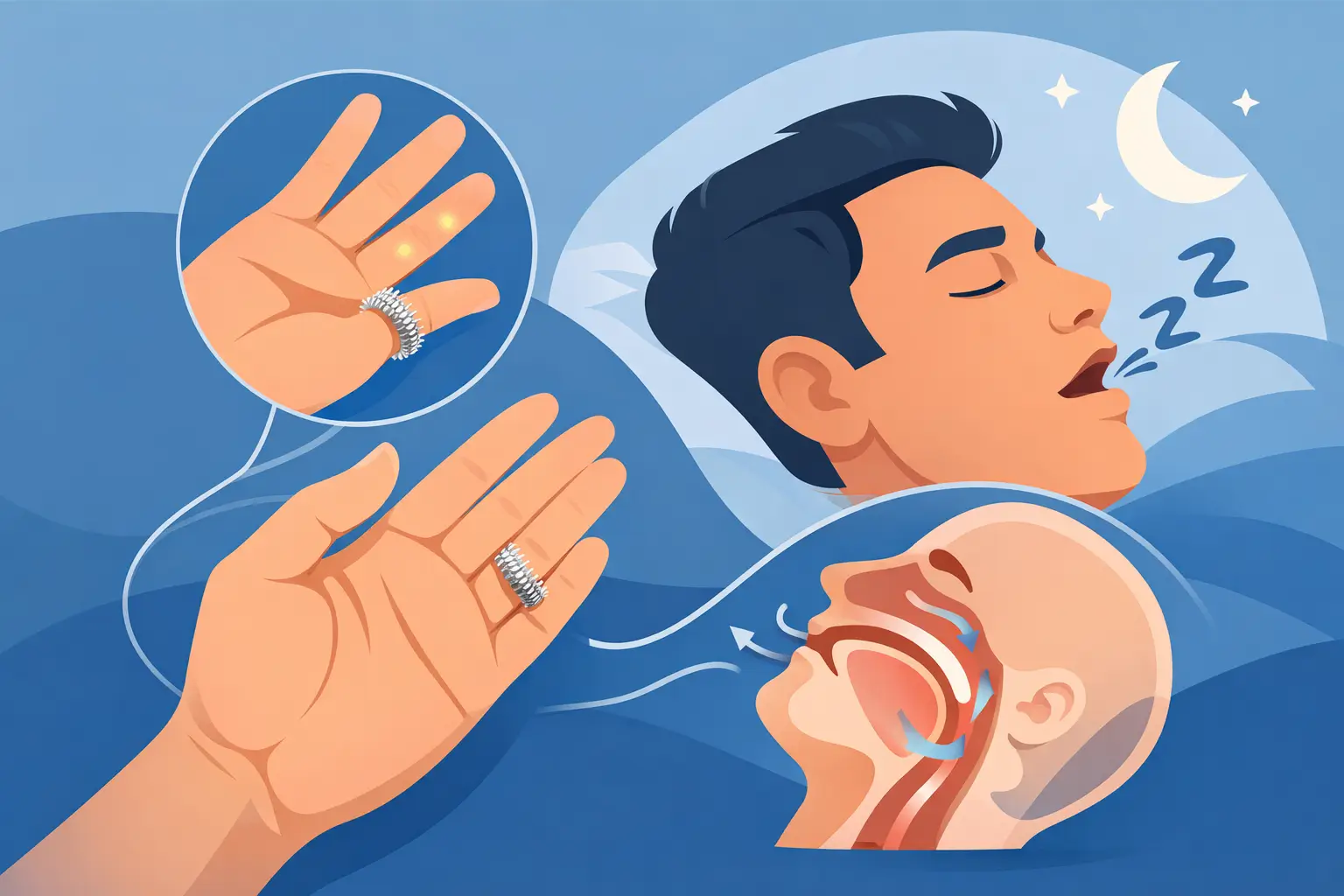
Acupressure is based on the idea that pressure applied to particular points on the body can influence physical responses. An anti-snoring acupressure ring is shaped with small raised pressure points on its inner surface. When worn correctly on the little finger, those points press against the relevant area throughout the night.
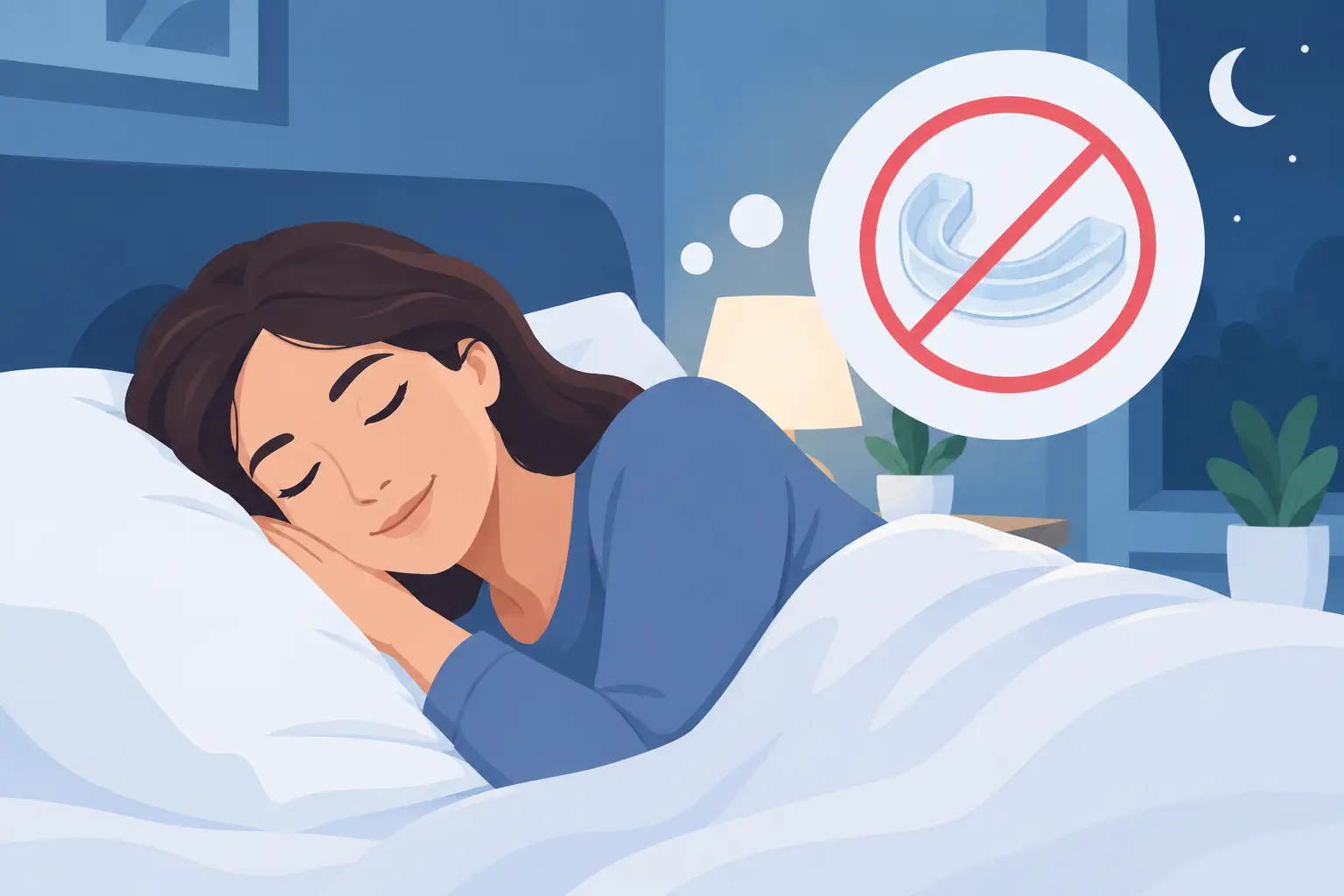
The aim is not to force the jaw forward, hold the tongue in place or deliver a drug. Instead, the ring provides continuous pressure intended to support the body’s natural response to simple snoring. It is a non-invasive approach, which is precisely why many people consider it after finding mouthpieces uncomfortable or nasal devices impractical.
The word “simple” is important. Snoring has more than one cause. It often happens when tissues in the nose, mouth or throat relax during sleep and vibrate as air passes through. Alcohol, congestion, sleeping on your back, tiredness and body weight can all make it louder. An acupressure ring is intended for uncomplicated snoring, not as a treatment for every sleep or breathing condition.
Why the little finger is used
The little finger is not an arbitrary place to wear the ring. Acupressure rings are designed to position their pressure nodules against specific points associated with this traditional approach. Correct placement gives the ring the best chance of maintaining comfortable, targeted contact as you sleep.
This is also why fit matters. A ring that is too loose may move around and fail to hold the pressure points in position. One that is too tight can be uncomfortable and may leave unnecessary marks. The right fit should feel secure but never painful, numb or restrictive.
Because fingers can swell slightly overnight, comfort deserves more attention than people sometimes give it. If you notice tingling, coldness, discolouration or persistent discomfort, remove the ring. More pressure is not better pressure.
What wearing an anti-snoring ring feels like
Most people notice the small pressure points when first putting the ring on. That is normal. The sensation should settle into something you can comfortably ignore, rather than becoming an irritation that keeps you awake.
There is no sound, battery, charging cable or nightly adjustment. Put the ring on before bed, check that it is sitting in the intended position, then sleep as usual. Its simplicity is a genuine advantage for people who have abandoned snoring remedies because they felt too fussy, too visible or too uncomfortable to use consistently.
Consistency still matters. A ring cannot help when it is left on the bedside table. Wear it each night for a fair trial, particularly if your snoring changes from night to night. Your partner may be the first person to notice a difference, so it can help to ask for honest feedback rather than relying only on how rested you feel in the morning.
What results can you realistically expect?
An acupressure ring does not work for everyone, and any brand that promises otherwise is not being straight with you. Snoring has different causes, and a simple wearable will not be the right answer in every case. But for people whose snoring is uncomplicated, a clinically trialled anti-snoring ring can be an appealing, low-effort option to try.
Some users and their partners report quieter nights quickly. Others need a little time to assess whether the ring makes a meaningful difference. The fairest test is to use it correctly and consistently while keeping the rest of your bedtime habits reasonably stable.
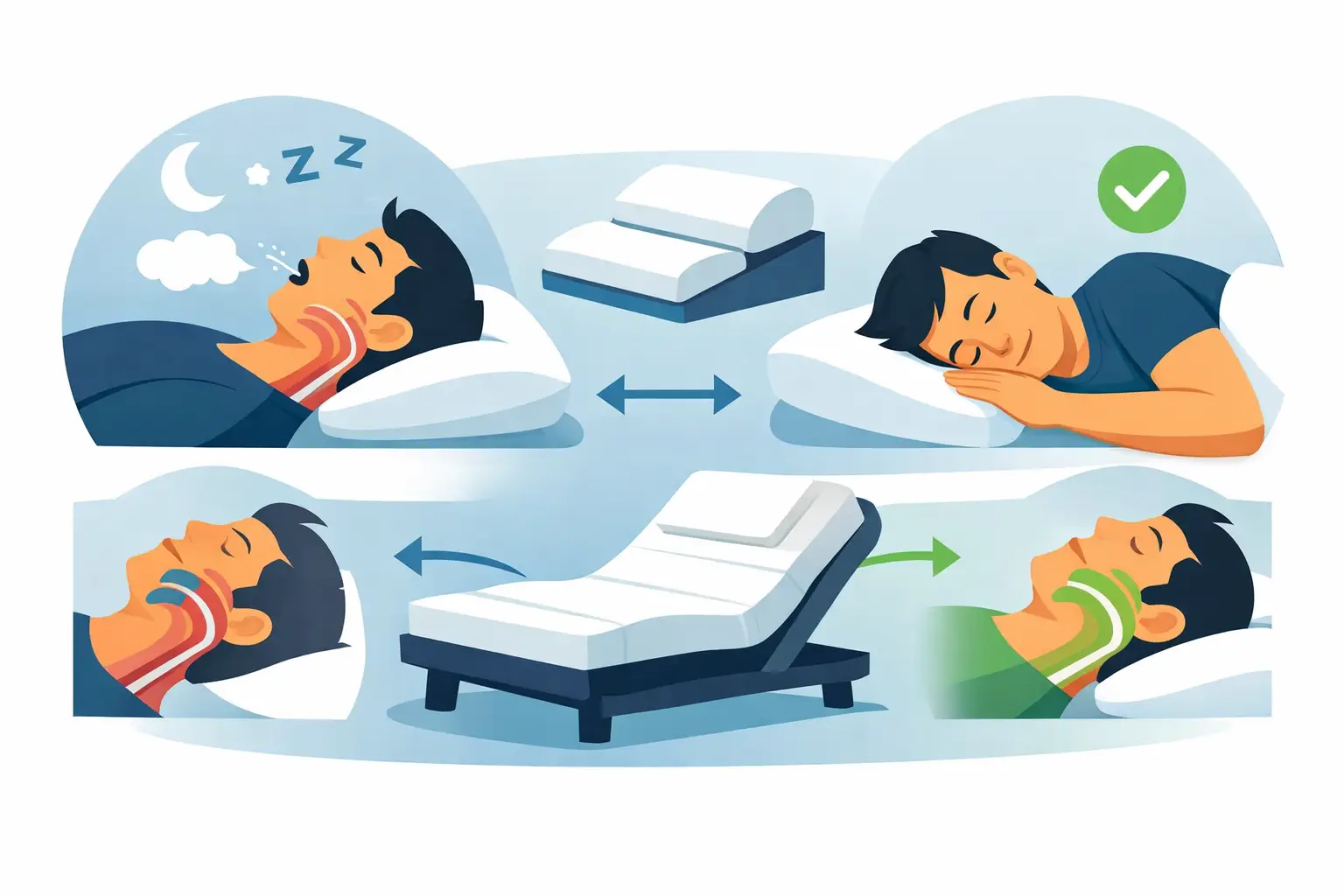
For example, if you have a particularly heavy meal, several alcoholic drinks and a bad cold on the same night, it will be difficult to judge any anti-snoring product properly. Likewise, a ring may work better alongside sensible changes such as sleeping on your side, keeping nasal congestion under control and avoiding alcohol close to bedtime.
The point is not perfection. The point is whether you and your partner experience fewer disrupted nights and more restful mornings.
How to wear an acupressure ring correctly
Start by selecting the correct size and placing the ring on the little finger as directed. The pressure points should sit against the finger rather than spinning freely. It should feel snug, not tight.
Wear it at bedtime and remove it in the morning. Keep the ring clean and dry, especially if you use hand cream or moisturiser before bed. A quick wipe with a soft, dry cloth is usually enough to keep it comfortable and hygienic.
Do not try to bend, squeeze or alter the ring to create stronger pressure. Its design is intended to provide the right balance of contact and comfort. If the fit is not right, changing the fit is safer and more effective than forcing it.
A simple sleep note can also be useful during the first week or two. Record whether you wore the ring, whether you slept on your back or side, whether alcohol or congestion was involved, and what your partner noticed. This makes it easier to separate a real pattern from one unusually quiet or noisy night.
When a snoring ring may not be the right answer
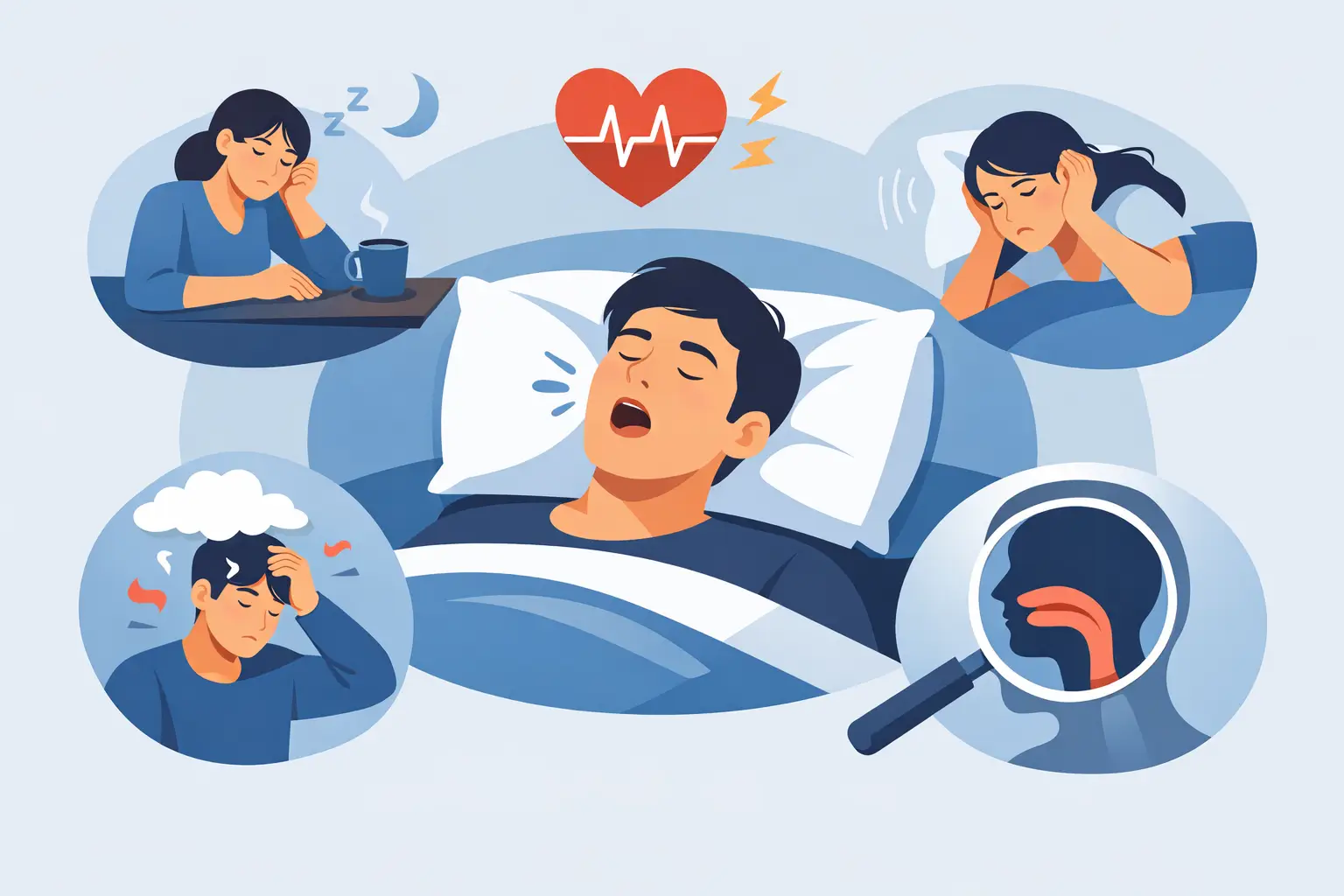
A ring is a sensible option for simple snoring, but it should never be used to dismiss warning signs of obstructive sleep apnoea or another medical issue. Speak to a GP if the snorer has breathing pauses, choking or gasping during sleep, severe daytime sleepiness, morning headaches, high blood pressure, or snoring that is getting steadily worse.
These symptoms need proper assessment because sleep apnoea is not simply an inconvenience for a partner. It can affect health, concentration and safety during the day. An anti-snoring ring is not a replacement for diagnosis or prescribed treatment.
You should also be cautious if you have a finger injury, a circulation problem, reduced sensation in your hands or skin irritation where the ring sits. When in doubt, seek advice from a healthcare professional before wearing any pressure-based device overnight.
Why choosing the original matters
The anti-snoring ring market has attracted plenty of cheap imitations. They can look similar in a photograph, but appearance alone does not tell you whether the pressure-point design, materials, sizing or product testing are comparable.
Good Night Health focuses on the original stop snoring ring: a clinically trialled, non-invasive option designed for nightly comfort. The difference is not just the ring itself. It is the confidence of choosing a product backed by a 30-day money-back guarantee, rather than taking a gamble on an unproven copy.
That guarantee matters because snoring is personal. The real measure is not a dramatic claim on a packet. It is whether the ring works for your sleep, your partner’s sleep and your particular pattern of snoring.
A quiet bedroom can feel like a small thing until you have been without one. If simple snoring is stealing sleep from you or someone you love, a properly fitted acupressure ring offers a discreet, medication-free way to test a different kind of bedtime routine.