Blog
Single Post

What a Snoring Ring Clinical Trial Can Tell You
A snoring ring clinical trial matters because snoring is not a minor annoyance when it steals sleep from two people night after night. If you have tried nasal strips, sprays, mouthpieces or simply sleeping in separate rooms, you have every right to look past bold promises and ask a better question: has this device actually been tested?
For a wearable designed to be worn on your little finger, the question is especially fair. The idea sounds simple – gentle acupressure applied to specific points while you sleep – but simple does not have to mean unproven. A properly conducted trial helps separate a serious anti-snoring product from the endless stream of cheap copycat rings making vague claims online.
What a snoring ring clinical trial should examine
A clinical trial is a structured way of testing whether a product produces a meaningful result for the people it is intended to help. In the case of an anti-snoring ring, that means looking beyond whether someone likes its appearance or finds it easy to wear. The central issue is whether simple snoring is reduced, and whether users and their partners notice a real difference to their nights.
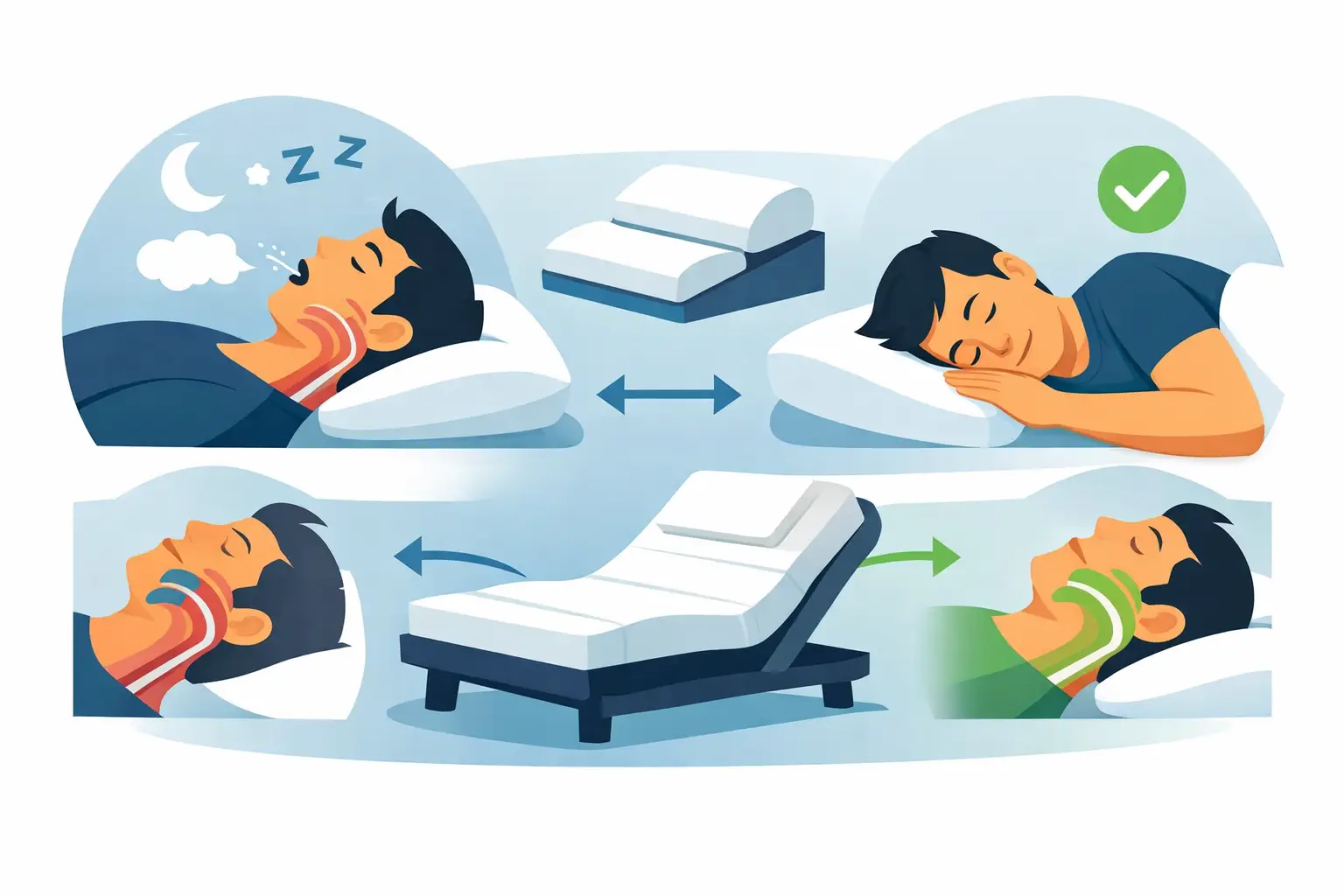
The strongest studies make clear who took part. Snoring has several possible causes, and not every person who snores has the same problem. Some people snore because soft tissues relax and vibrate during sleep. Others have nasal congestion, drink alcohol close to bedtime, carry excess weight, or sleep on their back. A ring intended for simple snoring should be assessed with people who fit that use, rather than being presented as a cure for every kind of noisy breathing.
A useful trial should also consider more than one viewpoint. The wearer may report falling asleep comfortably and waking more refreshed, while their partner can provide valuable feedback on volume, frequency and disruption. Snoring can be surprisingly hard to judge yourself. You are asleep, after all. Partner reports, sleep diaries and appropriate recordings can all help paint a more honest picture.
Duration matters too. One quiet night proves very little. Snoring naturally varies with tiredness, a cold, alcohol, sleeping position and stress. Testing over a meaningful period gives a better indication of whether any improvement is consistent rather than coincidence.
Why clinical testing is more useful than a clever claim
The anti-snoring market has a trust problem. There are rings, clips, sprays, chin straps and devices with dramatic before-and-after stories, many of which ask you to accept the claim without showing how it was reached. A low price can be tempting when everyone in the bedroom is exhausted, but it is not the same thing as evidence.
Clinical testing does not mean a device will work for every person. No responsible brand should suggest otherwise. What it can do is show that a product has been evaluated in a controlled, documented way for its intended purpose. It also gives you a basis for asking sensible questions: was the product itself tested, were the participants relevant, and were the results measured in a credible way?
That is why the phrase “clinically trialled” should lead to curiosity, not blind faith. Look for clear information about the trial and avoid sellers that use medical-sounding language while offering no explanation of what was assessed. A genuine product should not need to hide behind exaggerated promises.
What acupressure rings are designed to do
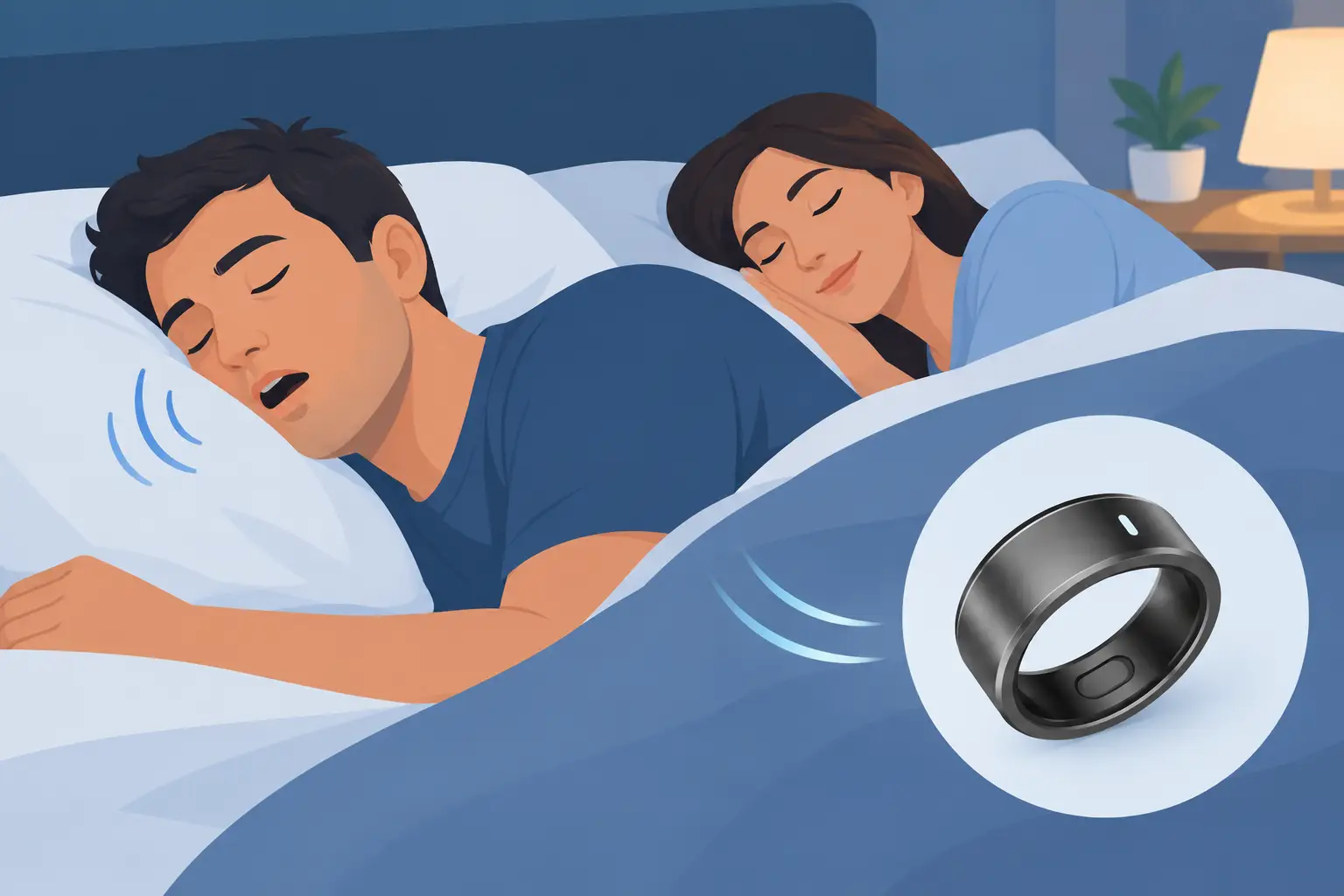
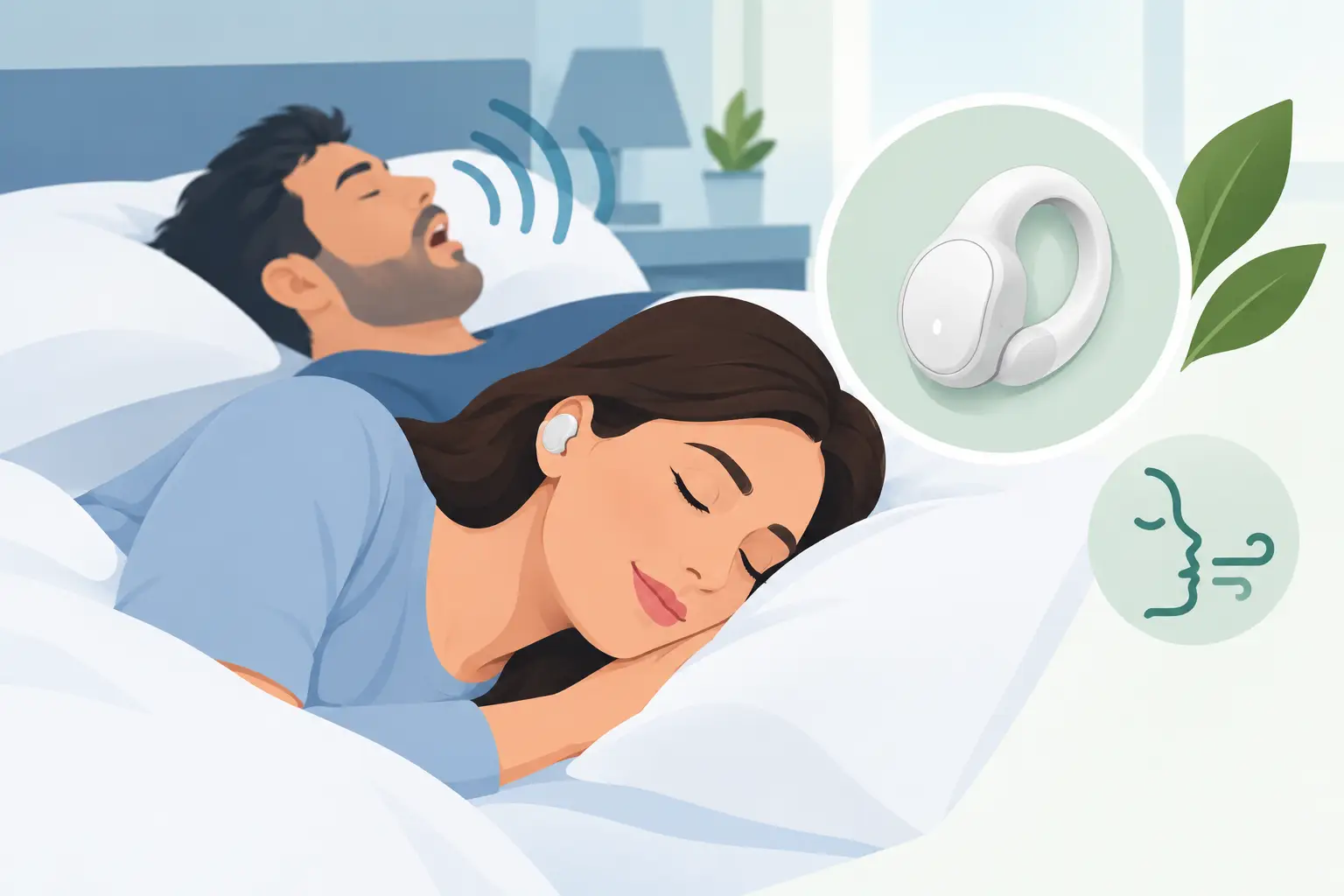
An anti-snoring ring is designed as a non-invasive option for people with simple snoring. Rather than holding the jaw forward, filling the mouth with a guard or relying on medication, it sits on the little finger and applies pressure to selected acupressure points through the night.
For many people, comfort is not a small detail. A mouthpiece can feel intrusive, particularly if you clench your teeth, have dental work or simply cannot tolerate sleeping with something in your mouth. Nasal products may be useful where congestion is the clear cause, but they are not a complete answer for everyone. A discreet ring is an appealing alternative because it asks for very little: put it on before bed and give it a fair chance to become part of your routine.
The trade-off is that results depend on the person and on wearing the ring correctly. It is not a switch that overrides every factor behind snoring. If late-night drinking, a blocked nose or back sleeping are major triggers, changing those habits can support better results. The ring should fit comfortably and stay in position, without causing pain or numbness.
Good Night Health’s Anti-Snoring Ring is positioned as the original stop snoring ring: a clinically trialled, acupressure-based choice for people who want to avoid bulky night-time equipment. The point is not to make sleep more complicated. It is to offer a practical, natural option that fits into it.
The right expectation: improvement, not a miracle
People often buy an anti-snoring product after months or years of broken sleep. That frustration can make miracle claims sound appealing. But the better expectation is straightforward: if your snoring is simple snoring and the ring suits you, it may reduce the noise and disruption enough to make nights more peaceful. For some users, that can be a significant change. For others, it may not be the right solution.
This is where a refund guarantee has real value. It gives you the opportunity to test the product in your own normal sleep environment, rather than relying on one unusually quiet night or a promotional claim. A 30-day money-back guarantee reduces the risk of trying a comfortable, non-drug option while recognising that individual results vary.
When snoring needs medical advice instead
Simple snoring and sleep apnoea are not the same thing. An anti-snoring ring should never be used to dismiss warning signs of a potentially serious breathing condition.
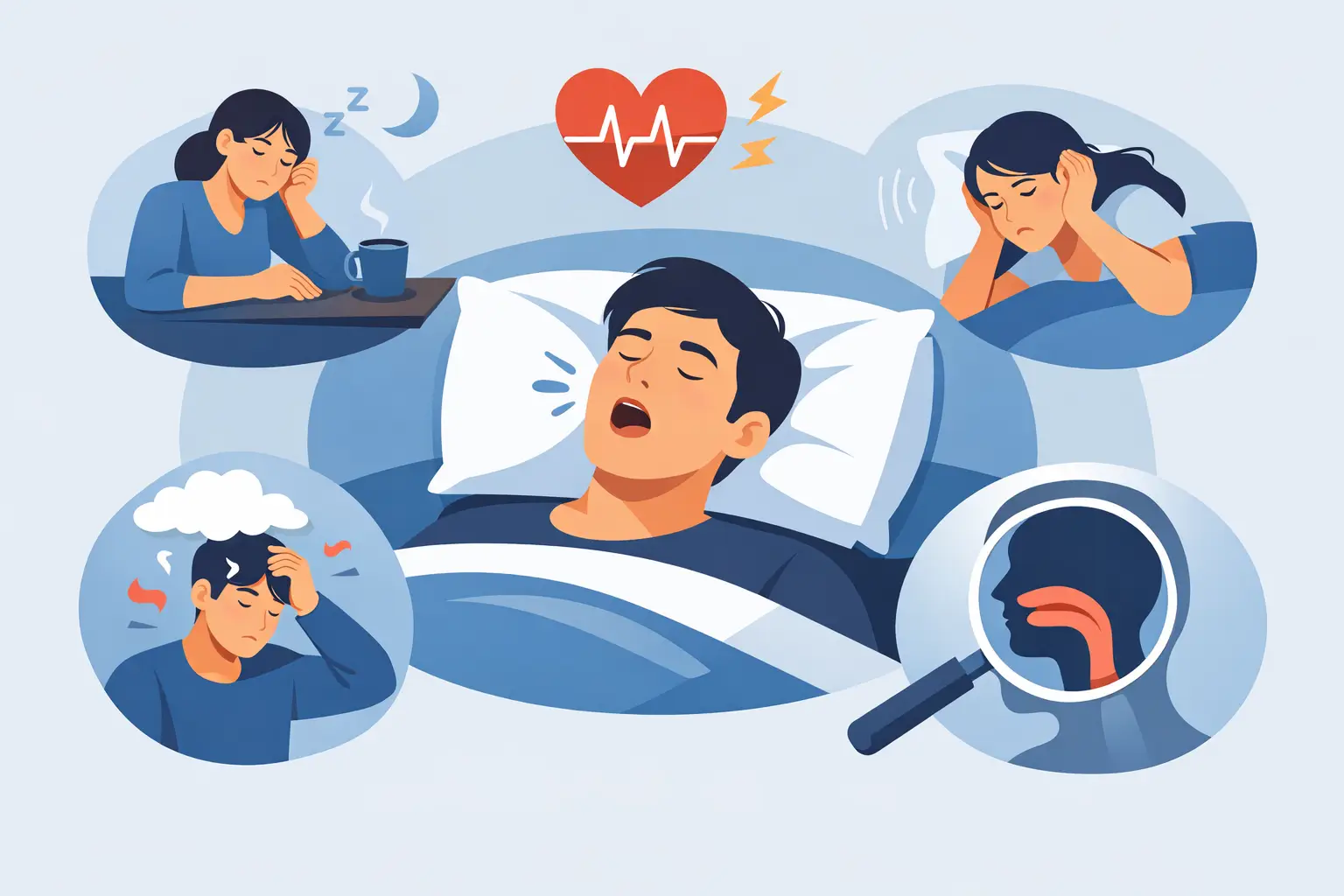
Speak to your GP if snoring is accompanied by pauses in breathing, choking or gasping during sleep, pronounced daytime sleepiness, waking with headaches, difficulty concentrating, or high blood pressure. Your partner may notice pauses before you do. Children who snore regularly should also be assessed by a healthcare professional.
A ring may be appropriate for uncomplicated snoring, but it is not a diagnosis tool and it is not a replacement for medical assessment where symptoms suggest sleep apnoea. Being honest about that distinction protects your health and makes the product’s intended role clearer.
How to judge whether a ring is worth trying
Start by considering the problem you are trying to solve. If your partner says you snore most nights, but there are no breathing pauses or other warning signs, a non-invasive ring can be a sensible first option. Choose a supplier that identifies the product clearly, explains its intended use and stands behind it with a proper return policy.
Then give the ring a fair trial. Wear it consistently, follow the fitting guidance and avoid judging it only by how you feel in the morning. Ask your partner whether the snoring seems less frequent or less intense. If possible, keep a simple note of nights affected by alcohol, congestion or an unusual bedtime. That context stops you from giving too much credit – or too little – to any one product.
Be cautious with unbranded alternatives that imitate the look of an established ring. Two products can appear similar while differing in materials, pressure-point placement, quality control and the evidence behind their claims. When sleep is the issue, the cheapest option is not always the best value.
A quiet bedroom is not an extravagant goal. If a clinically trialled snoring ring gives you and your partner a more comfortable route to better rest, it is worth trying with realistic expectations – and with the confidence that you should never have to keep a product that is not right for you.