Blog
Single Post

What Is the Purpose of a Clinical Trial?
When a product claims it is clinically trialled, most people hear one thing: proof. That is fair enough. If you are buying something to help with snoring, especially after wasting money on awkward mouthguards or gimmicks that end up in a drawer, you want more than a marketing promise. You want to understand the purpose of a clinical trial and whether it actually tells you something useful.
The short answer is simple. The purpose of a clinical trial is to test a treatment, device or intervention in real people under controlled conditions, so researchers can measure whether it works, how well it works and whether it is safe enough for its intended use. That sounds straightforward, but the detail matters. Not every trial is equally strong, and not every claim built around a trial deserves the same level of trust.
The purpose of a clinical trial in plain English
A clinical trial exists to replace guesswork with evidence. Instead of relying on opinions, anecdotes or before-and-after stories, a trial is designed to answer a specific question. That question might be whether a device reduces snoring, whether users find it comfortable enough to wear, whether side effects are minimal, or whether the results are better than doing nothing at all.
For shoppers, this matters because plenty of wellness products look convincing online. Nice packaging and bold claims are easy to produce. Evidence is harder. A proper clinical trial asks a product to prove itself in a structured way.
That does not mean a trial guarantees perfection. It does mean there is at least an attempt to measure outcomes objectively rather than simply hoping for the best.
Why clinical trials matter when you are choosing a snoring solution
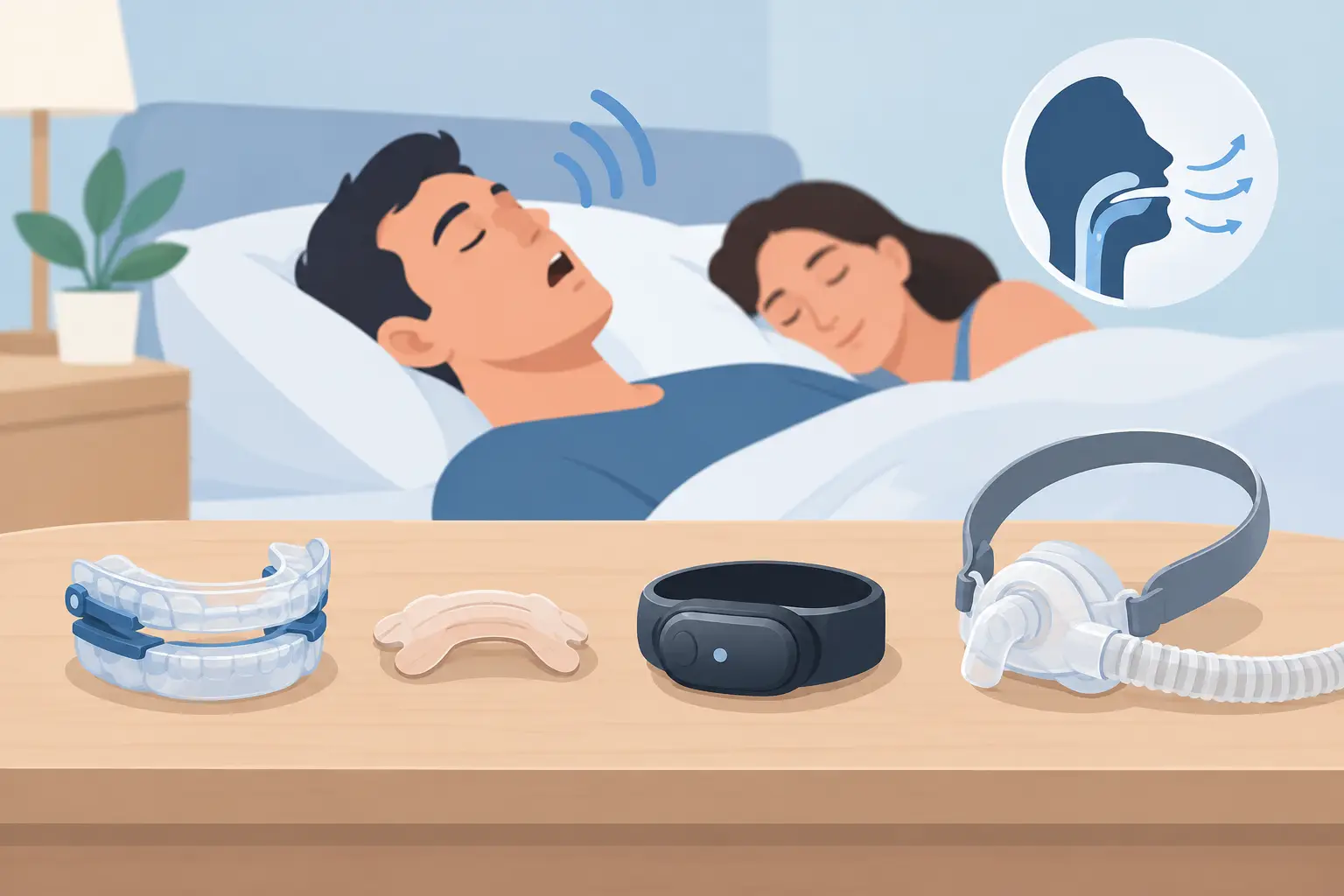
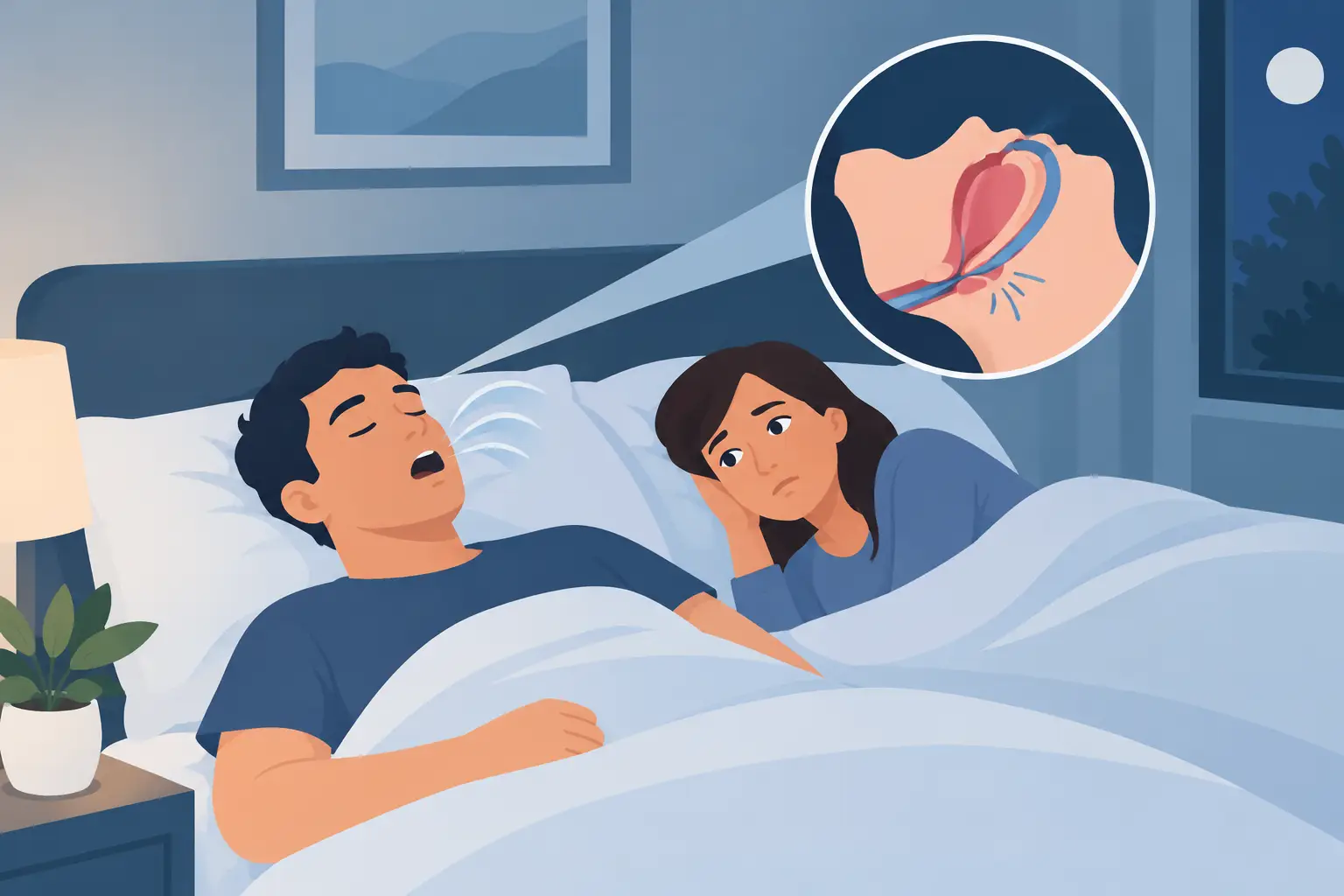
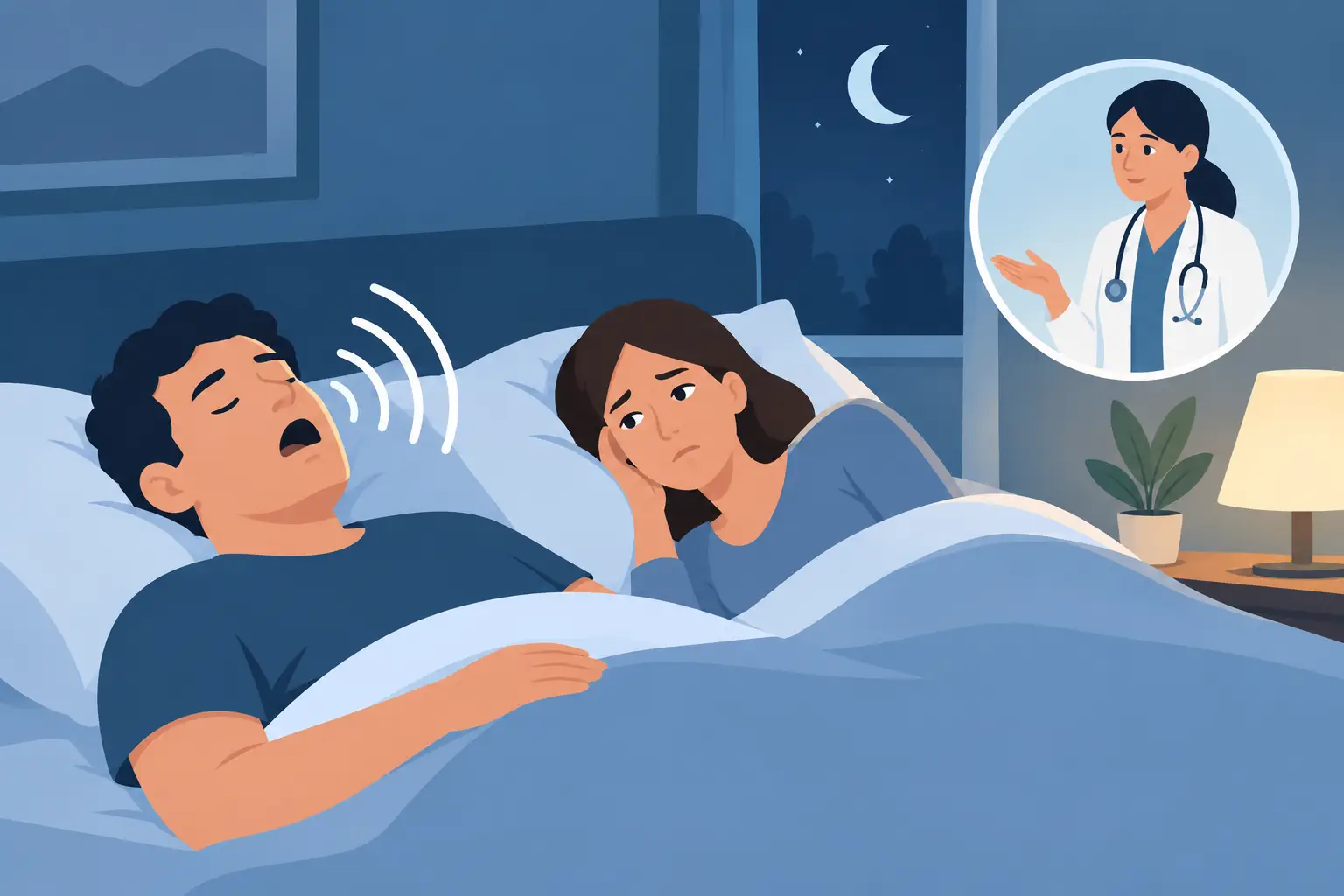
Snoring is personal. It affects the snorer, but it also affects the person lying next to them at 2am, wondering whether they will get a full night’s sleep. That is why people often buy anti-snoring products with a mix of frustration and scepticism. They want something discreet and comfortable, but they do not want to be fooled again.
This is exactly where clinical evidence earns its place. A trial can help show whether a non-invasive option has genuine potential, especially when the alternative is something bulky, medicated or too uncomfortable to use consistently. In sleep-related products, real-world use matters almost as much as technical performance. A solution that works brilliantly in theory but is miserable to wear is not much use in an actual bedroom.
The purpose of a clinical trial, then, is not only to ask, does this work? It also asks, is this practical for ordinary people to use night after night?
What a clinical trial can actually prove
A good trial can show patterns that are useful to consumers. It can indicate whether users experienced a measurable reduction in snoring, whether their partners noticed improvement, and whether the product was tolerated well enough to continue using. In some cases, it can also compare one approach against another.
This kind of evidence is far more valuable than a vague statement that a product is “popular” or “recommended”. It gives structure to the claim. It tells you there was a process, a method and a result.
Still, a clinical trial does not prove that every single person will get the same outcome. That is one of the trade-offs consumers should understand. Human beings vary. Snoring varies too. Some people snore because of sleep position, some because of nasal issues, some because of alcohol, weight, congestion or deeper airway problems. A product can show strong results in a trial and still not be right for everyone.
That is not a weakness in honest evidence. It is a sign that the claim is being treated seriously.
What a clinical trial cannot tell you on its own
This is where a lot of confusion starts. People hear “clinically trialled” and assume it means “guaranteed to work”. It does not. A trial can support confidence, but it does not remove all uncertainty.
It also cannot tell you everything from one study alone. The size of the trial matters. The quality of the design matters. Who was included matters. If a product was tested on adults with simple snoring, that does not automatically mean it is designed for every cause of snoring.
That distinction is important. Simple snoring and more serious sleep-related breathing conditions are not the same thing. A trustworthy brand should be clear about that rather than stretching the evidence too far.
How clinical trials are designed to reduce bias
The whole point of a trial is to make the result more reliable than a casual opinion. Researchers do this by setting rules in advance. They decide who can take part, what will be measured, how long the testing period lasts and how success will be judged.
Sometimes there is a comparison group. Sometimes outcomes are assessed by more than one method, such as user feedback and partner observations. Sometimes the study is small and exploratory. Sometimes it is larger and more rigorous. It depends on the product and the question being asked.
For everyday buyers, the main takeaway is this: the purpose of a clinical trial is to control as many variables as possible so the result means something. That is what separates evidence from a sales pitch.
Why evidence matters more in a crowded market
Anti-snoring products are a perfect example of a category where trust can get messy. Once a simple idea gains attention, copycat versions often follow. They may look similar, borrow familiar language and promise the same benefits, but similarity is not proof.
This is where being clinically trialled becomes more than a nice extra. It becomes part of how consumers protect themselves. If one product has actual evidence behind it and another merely imitates the look, the difference is not cosmetic. It is about whether the claim has been tested at all.
That is one reason many buyers look for an original, clinically trialled option rather than the cheapest version available. Lower price can be tempting, but if the product has not been properly evaluated, the risk shifts back to the customer.
Clinical trials and comfort go together
People often think trials are only about hard data, but comfort matters as well. That is especially true for wearable sleep products. If something is too intrusive, too fiddly or too unpleasant to keep on through the night, results in the real world will suffer.
A sensible clinical trial can help reveal whether users actually stick with the device. That may sound less dramatic than a headline result, but it is often one of the most useful parts of the evidence. Consistency matters. A comfortable, discreet solution that people are willing to use has a practical advantage over a device that feels like a nightly battle.
For snorers and partners alike, that is not a minor issue. It is often the difference between trying something for two nights and building a routine that genuinely improves sleep.
What to look for when a brand mentions a clinical trial
Not every customer wants to read research notes over a cup of tea, and that is understandable. But a few basic questions can help you judge whether the claim deserves your trust.
First, was the product actually tested in people? Second, was the trial relevant to the problem the product claims to address? Third, is the brand realistic about results, or does it promise miracles? Honest brands do not pretend that one solution works for absolutely everyone. They explain where it fits, what it is designed to do and why it may be worth trying.
That kind of clarity matters. A confident brand should be able to stand behind both its evidence and its limits. Good Night Health takes that straightforward approach because customers deserve proper reassurance, not exaggerated claims.
Evidence should reduce risk, not hide it
Clinical evidence is valuable, but it works best alongside honesty. If a product is clinically trialled, non-invasive and backed by a clear refund policy, that creates a much stronger trust framework than hype alone. The evidence says there is a real basis for the claim. The guarantee says the customer is not being asked to carry all the risk.
That combination is often what people are really looking for. They do not expect magic. They want a credible option, a fair chance of improvement and a simple way forward if it is not right for them.
That is the practical value behind the purpose of a clinical trial. It gives people a better reason to try something, especially when they are tired of products that sound good and deliver very little.
If you are weighing up any snoring solution, look for proof, but also look for honesty. The best evidence-led products do not promise the impossible. They simply give you a more trustworthy place to start, and for many couples, that is the first good night in a long while.