Blog
Single Post
Copycat Snoring Ring Differences That Matter
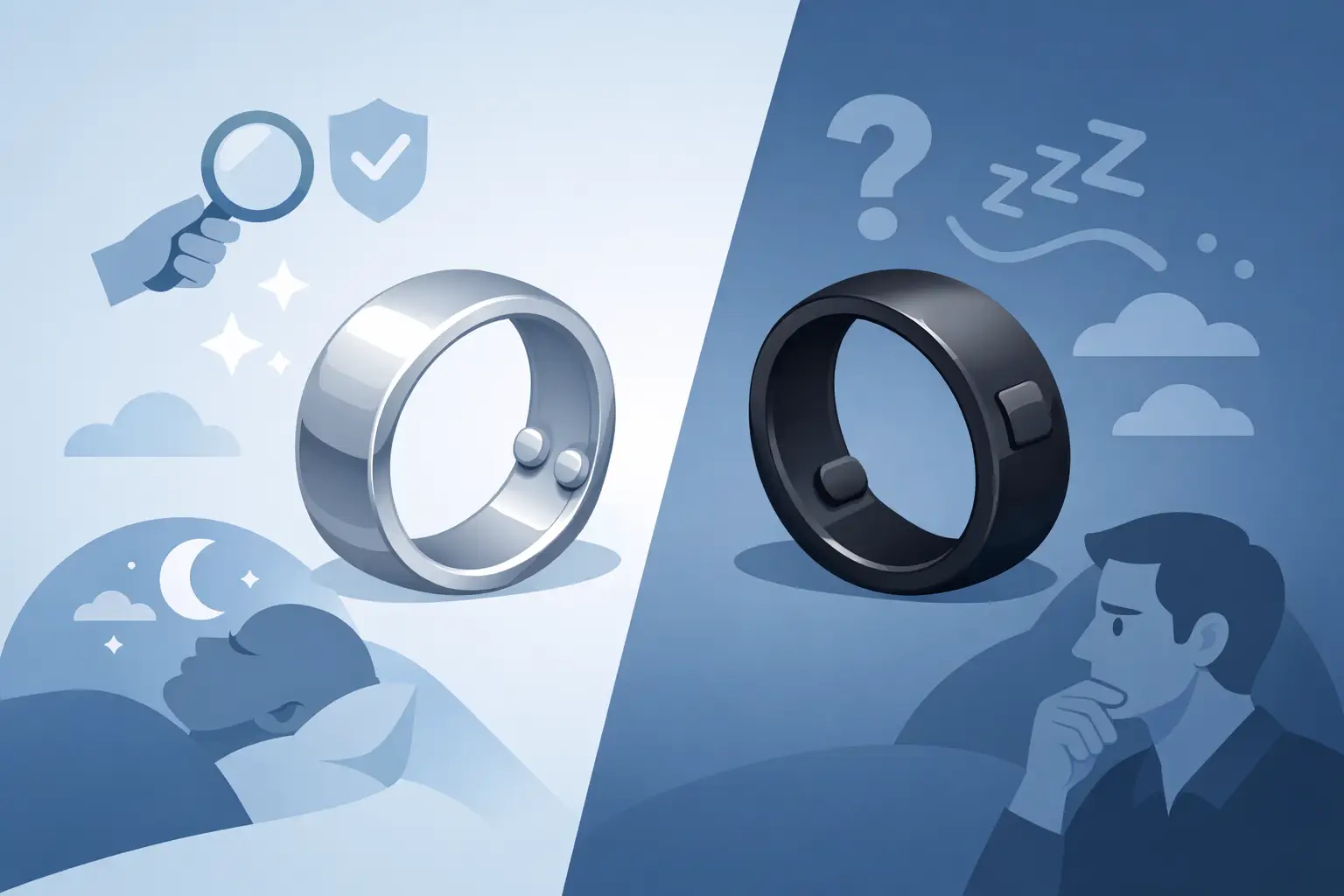
A ring that looks similar in a product photo may not perform similarly at 2am. That is the problem with copycat snoring ring differences: the details that are hardest to see online – fit, pressure placement, material quality and evidence – are often the details that determine whether you keep wearing it.
For snorers and their partners, the appeal of a small, non-invasive ring is obvious. No mouthguard, no medication and no bulky machine by the bed. But not every ring sold as an anti-snoring ring is made to the same standard, or backed by the same level of care. Before choosing one, it pays to know what you are actually comparing.
Why copycat snoring ring differences are not cosmetic
Many low-cost rings borrow the appearance of a proven anti-snoring design. A metal band with two small pressure points can look convincing in a listing photograph. Yet a similar outline does not guarantee a considered product.
An acupressure ring works by applying gentle, consistent pressure to specific points on the little finger while you sleep. That makes design accuracy central to the experience. If the contact points sit in the wrong place, feel too sharp, move as you turn over or lose contact altogether, the ring may be uncomfortable or simply ineffective.
The difference is not about paying for a logo. It is about whether the ring has been designed as a sleep product rather than produced as a generic piece of jewellery with a snoring claim added afterwards.
The key differences to check before you buy
Pressure-point placement and consistency
The small raised points inside an anti-snoring ring are the working part of the design. Their position, shape and spacing need to allow pressure to be applied without creating painful pinching or unnecessary irritation.
Cheap imitations can vary from batch to batch. One ring may feel loose, while another of the same stated size may press too hard. Some have uneven contact points or poorly finished edges that make wearing the ring through the night unpleasant. If you wake up wanting to take it off, it is unlikely to become a reliable part of your bedtime routine.
A properly designed ring should feel discreet once fitted. You should be aware of it at first, but it should not feel like a clamp on your finger.
Fit is more than choosing small, medium or large
Finger size changes through the day. Heat, exercise, salty food and even sleeping position can cause mild swelling. A ring that only just fits in the evening may become uncomfortable overnight. One that is too loose may rotate away from the intended pressure points.
This is why adjustability and sensible fitting guidance matter. The ring should sit securely on the little finger without restricting circulation. It should not leave deep marks, cause numbness or make the finger cold. Those are signs to remove it and reassess the fit.
Copycat sellers sometimes treat sizing as an afterthought. A trustworthy product supplier should make it clear how to fit the ring, how it should feel and what to do if the size is unsuitable.
Material and finish affect nightly comfort
A snoring ring is worn for hours against the skin, often every night. The quality of the metal, the smoothness of the finish and the durability of the shape all matter.
Poorly made rings may have rough joins, plating that wears quickly or a band that bends out of shape after repeated adjustment. For anyone with sensitive skin, unknown metal content is another reasonable concern. A lower upfront price can become poor value if the ring is uncomfortable, discolours or needs replacing after a short time.
Look beyond glossy product images. Clear information about materials, care and intended use is a good sign that the seller expects customers to use the product for the long term.
Clinical trialling versus vague promises
This is one of the most meaningful copycat snoring ring differences. Snoring products are easy to advertise with dramatic claims because people are tired, frustrated and keen for relief. But a promise that sounds persuasive is not the same as a product that has been clinically trialled.
The original stop snoring ring from Good Night Health is clinically trialled and has FDA clearance in the US. That does not mean it will work for every person or every type of snoring. No responsible sleep brand should claim that. It does mean the product is built around more than an attractive claim and a stock photograph.
Be cautious when a seller uses phrases such as “doctor approved” or “guaranteed to stop snoring” without explaining what those statements mean. Evidence-led messaging should be specific, measured and easy to understand.
A lower price can come with a higher risk
It is understandable to compare prices. If two rings appear nearly identical, the cheaper option can feel like the sensible choice. But the real comparison is not only the price on the checkout page.
Ask what happens if it does not fit, feels uncomfortable or does not help. Is there a clear returns policy? Is there a real customer service team? Does the seller stand behind the product with a meaningful money-back guarantee? Can you find consistent product information rather than copied descriptions appearing across unrelated marketplaces?
A full refund guarantee matters because snoring is personal. Some people notice a change quickly. Others need time to adjust to wearing a ring, and some will find that their snoring has a cause an acupressure ring cannot address. Buying from a company that acknowledges this is far more reassuring than buying a cheap imitation that leaves you with no support.
When a snoring ring may not be the right answer
A ring is designed to help with simple snoring. It is not a substitute for medical assessment where there are signs of a more serious sleep issue.
If snoring is accompanied by pauses in breathing, choking or gasping during sleep, severe daytime tiredness, morning headaches or difficulty concentrating, speak to a GP. These can be signs of sleep apnoea and deserve proper assessment. Your partner may notice these signs before you do, particularly breathing pauses or loud gasps.
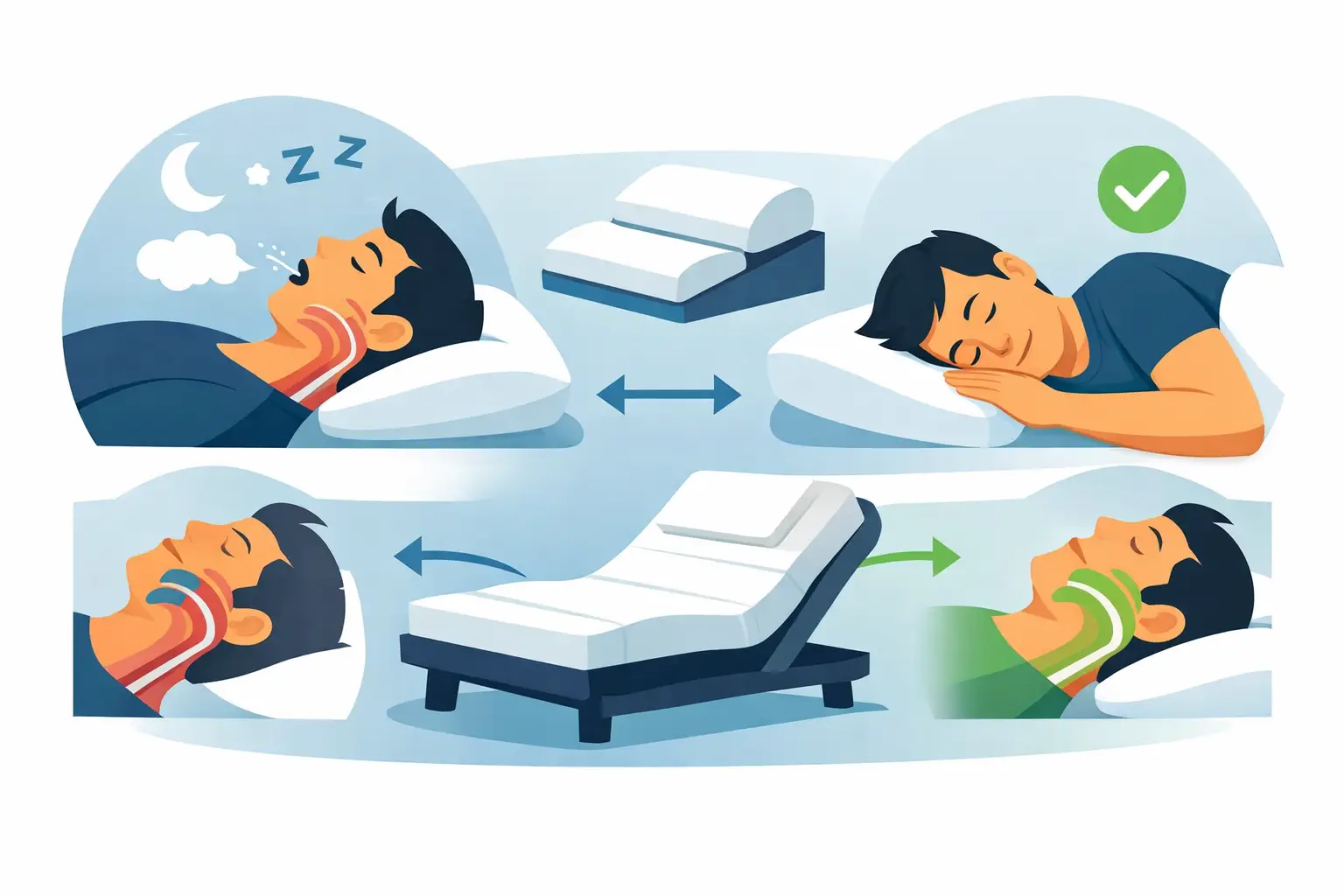
It also depends on the cause of your snoring. Nasal congestion, alcohol close to bedtime, sleeping on your back, weight changes and certain medicines can all play a part. A ring may be a comfortable option worth trying, but it works best as part of an honest approach to better sleep habits rather than a promise of a miracle.
How to compare rings without getting lost in marketing
Start with the claim behind the product. Does the seller explain how the ring is intended to work, or does it rely on sweeping before-and-after language? Then consider the practical questions: whether it is designed for comfortable overnight wear, whether fitting instructions are clear, and whether the material and manufacture are described properly.
Next, look for proof of accountability. A clinically trialled original with a clear guarantee gives you a route forward if the ring is not suitable. A marketplace listing that changes seller names, offers no useful support and makes impossible claims gives you very little protection, even if the initial price is tempting.
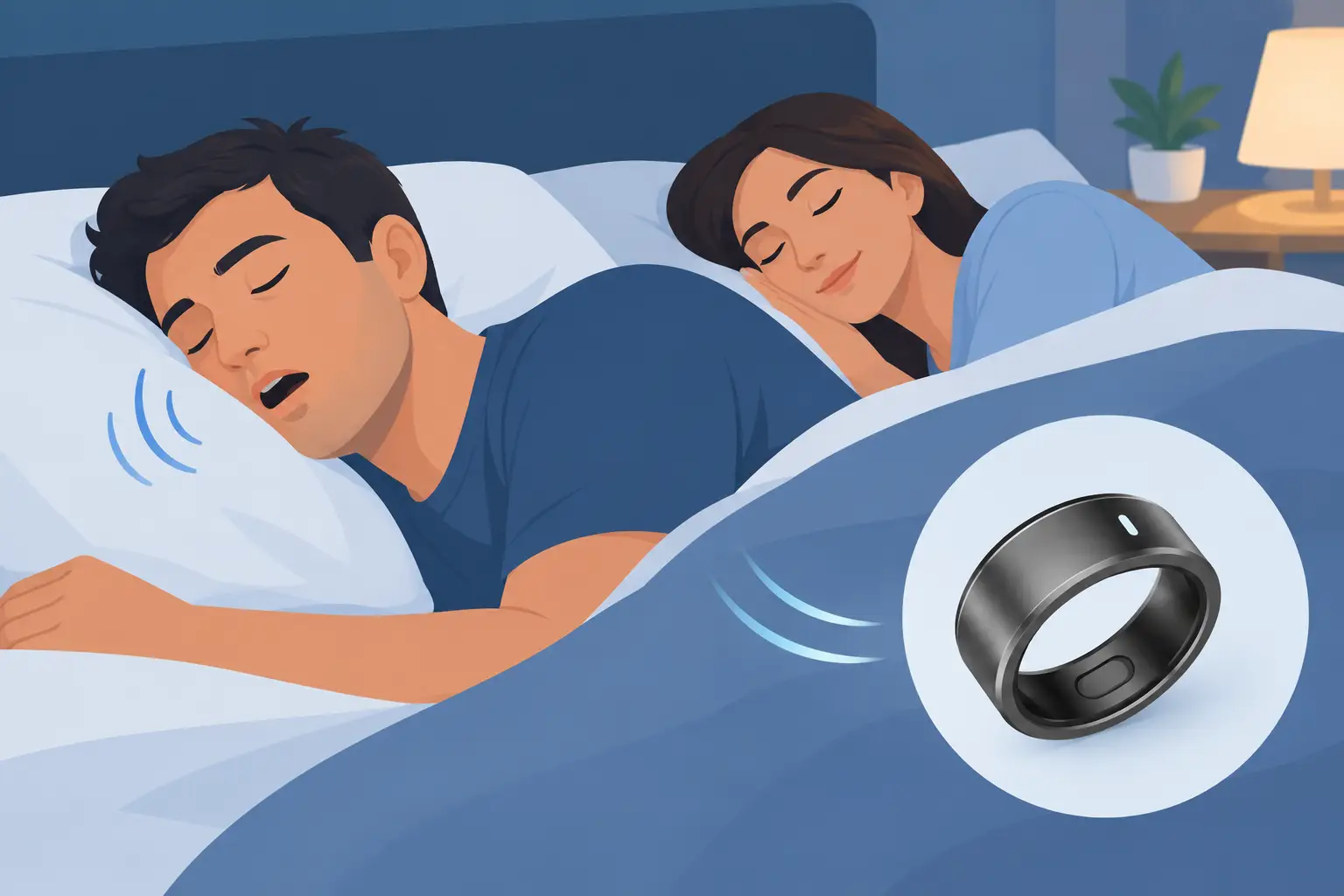
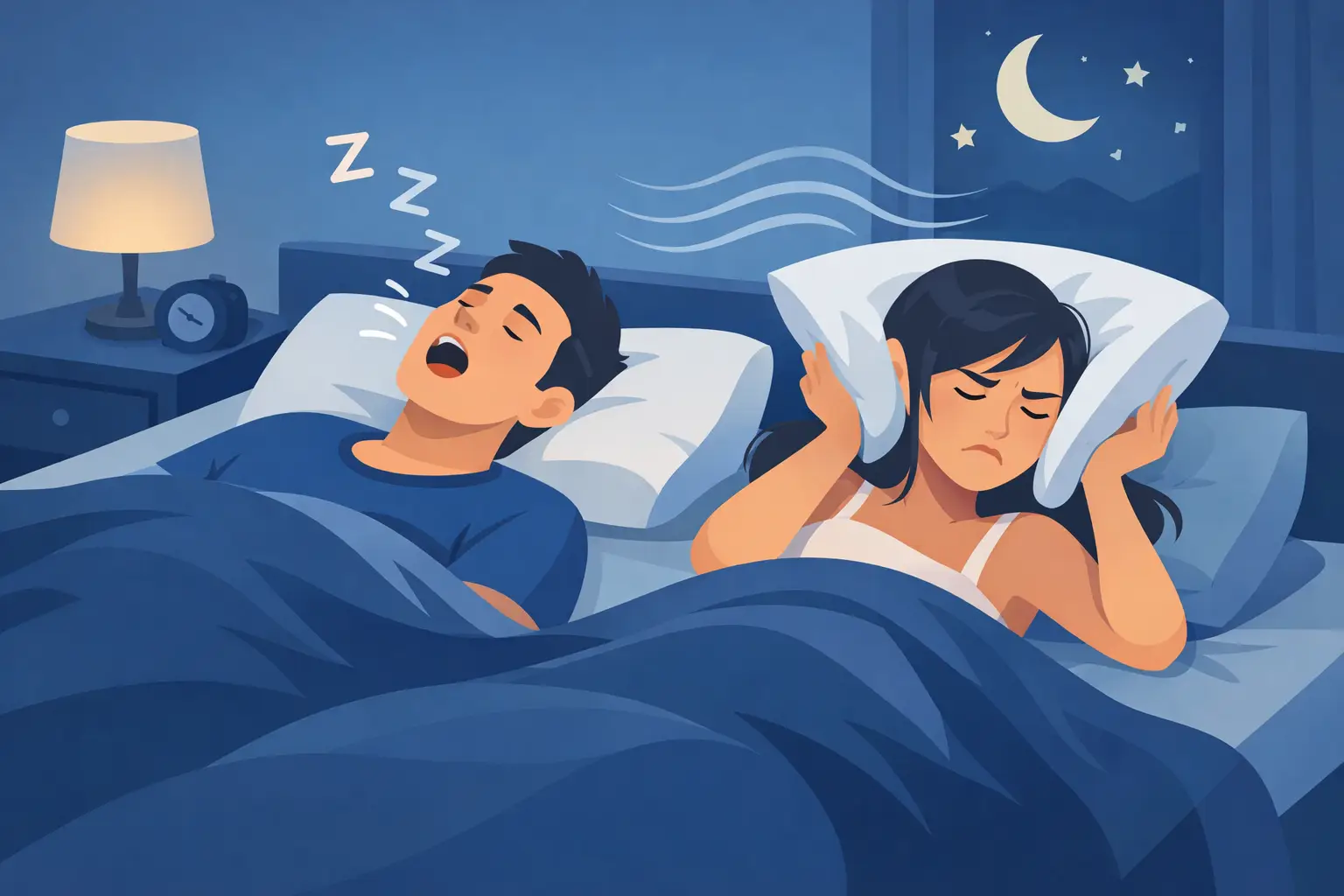
Finally, remember who benefits from a good choice. Snoring rarely affects only the person making the noise. Better nights can mean less nudging, fewer separate bedrooms and a partner who no longer lies awake waiting for the next rumble.
The right anti-snoring ring should feel like a small, sensible change to your bedtime routine – not another uncomfortable gadget gathering dust in the drawer. Choose the product with the care, evidence and customer protection to match the promise, then give yourself and the person beside you a fair chance at a quieter night.