Blog
Single Post

Choosing an FDA cleared anti snoring device
If you are searching for an FDA-cleared anti-snoring device, you are probably already tired of the usual promises. The mouthguards that feel too bulky. The gadgets that look clever online but end up in a drawer. The endless claims from copycat brands. When snoring is keeping you or your partner awake, what matters is not hype. It is whether a product is legitimate, comfortable enough to wear, and simple enough to use night after night.
What an FDA-cleared anti-snoring device actually means
The phrase gets used a lot, and not always carefully. In plain terms, FDA clearance means a product has gone through a formal regulatory process in the United States for its intended use. It is not the same thing as a vague wellness claim, and it is not a badge a seller can simply add because it sounds reassuring.
For buyers, that matters because snoring products are a crowded market. Many look similar. Many make bold promises. Some are little more than generic imports with polished packaging. An FDA-cleared anti-snoring device gives you an extra layer of confidence that the product has been properly assessed for what it is meant to do.
That said, clearance is not magic. It does not mean a device will work for every single person, and any honest brand should say so. Snoring has different causes. A good product can be effective for simple snoring and still not be the right answer for someone with a more complex sleep issue.
Why people look for clearance in the first place
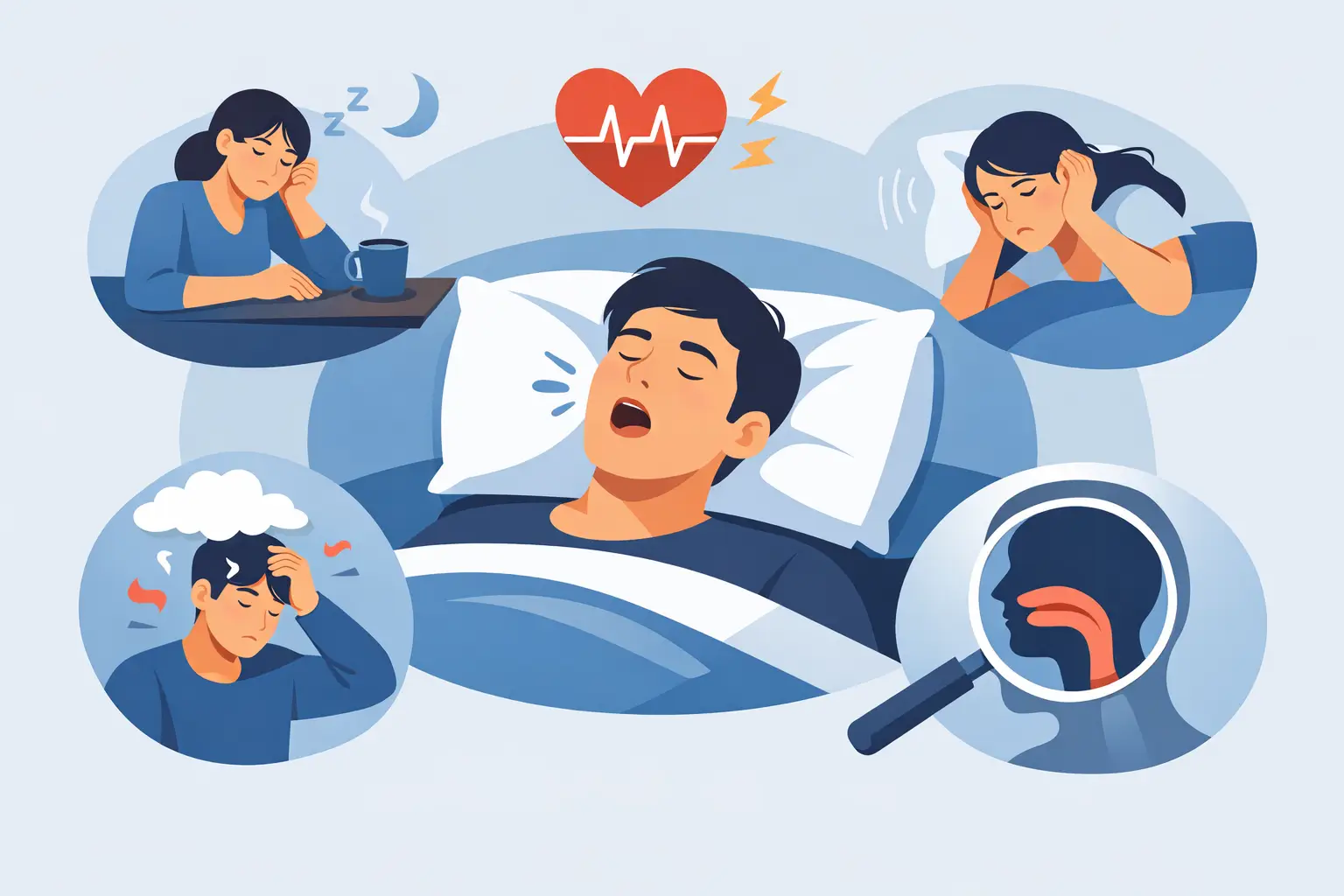
Most customers do not start with regulation. They start with frustration. One person is lying awake listening to the noise. The other is waking up dry-mouthed, embarrassed, or both. Over time, snoring becomes more than an annoyance. It affects mood, patience, energy, and the simple comfort of sharing a bed.
That is why trust matters so much in this category. People are not shopping for novelty. They want something that feels credible, low risk, and easy to live with. Clearance helps answer the first question many buyers now ask: is this a real product, or just another online gimmick?
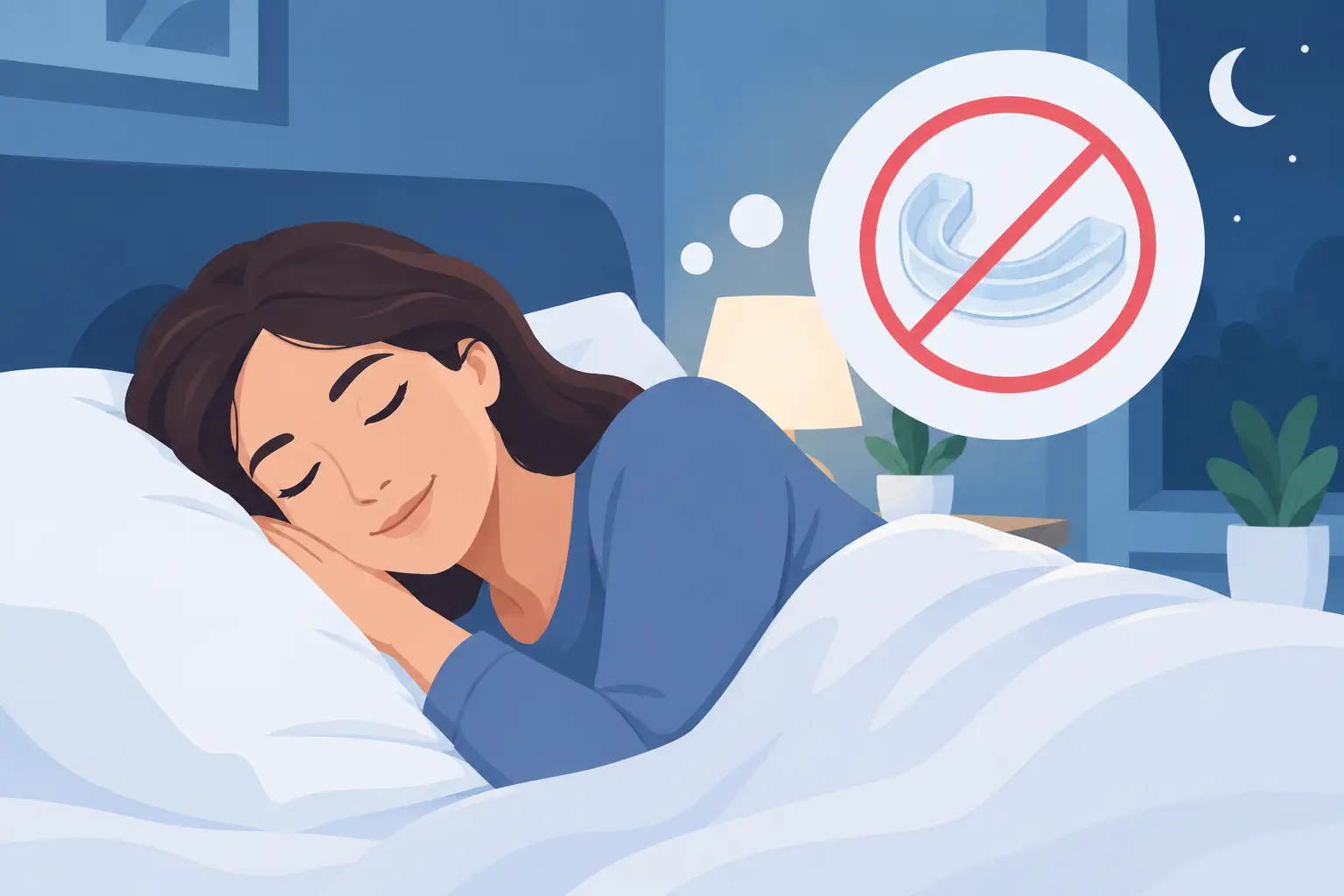
Comfort is the next issue. A device can be impressive on paper and still fail if it is too awkward to wear. This is where many traditional anti-snoring options lose people. Bulky mouthpieces can feel intrusive. Adhesive strips can be hit and miss. Complex machines have their place, but plenty of snorers are looking for something less invasive.
Not all anti-snoring devices solve the same problem
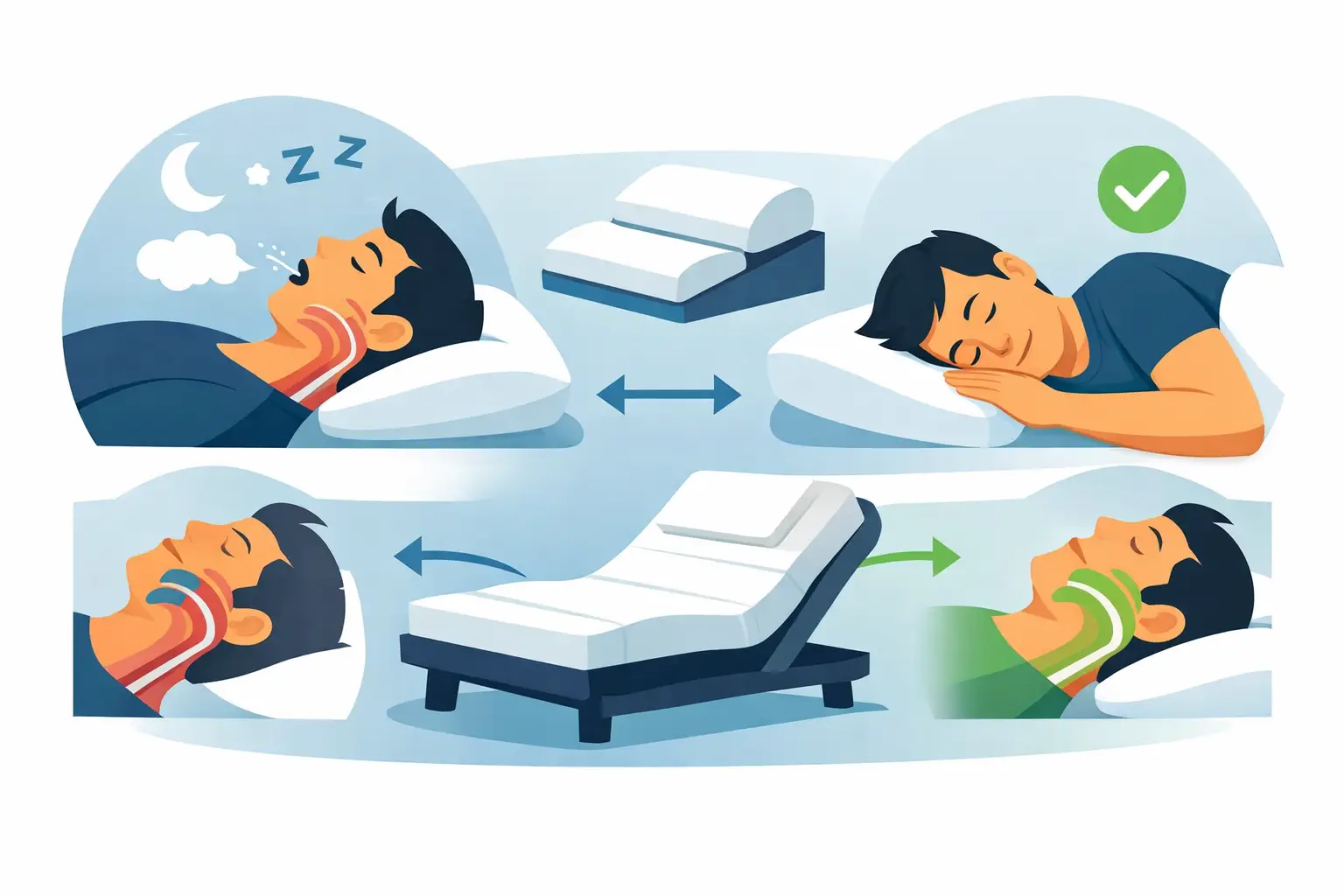
Before choosing any product, it helps to be clear about the type of snoring you are trying to reduce. Simple snoring is different from obstructive sleep apnoea, and that distinction matters. If someone has loud chronic snoring with gasping, choking, or pronounced daytime sleepiness, they should speak to a medical professional rather than relying on a consumer device alone.
For straightforward snoring, though, many people want a natural option they can wear without turning bedtime into a project. This is one reason small wearable devices have gained attention. They can feel far less disruptive than a mouthguard or more cumbersome alternatives.
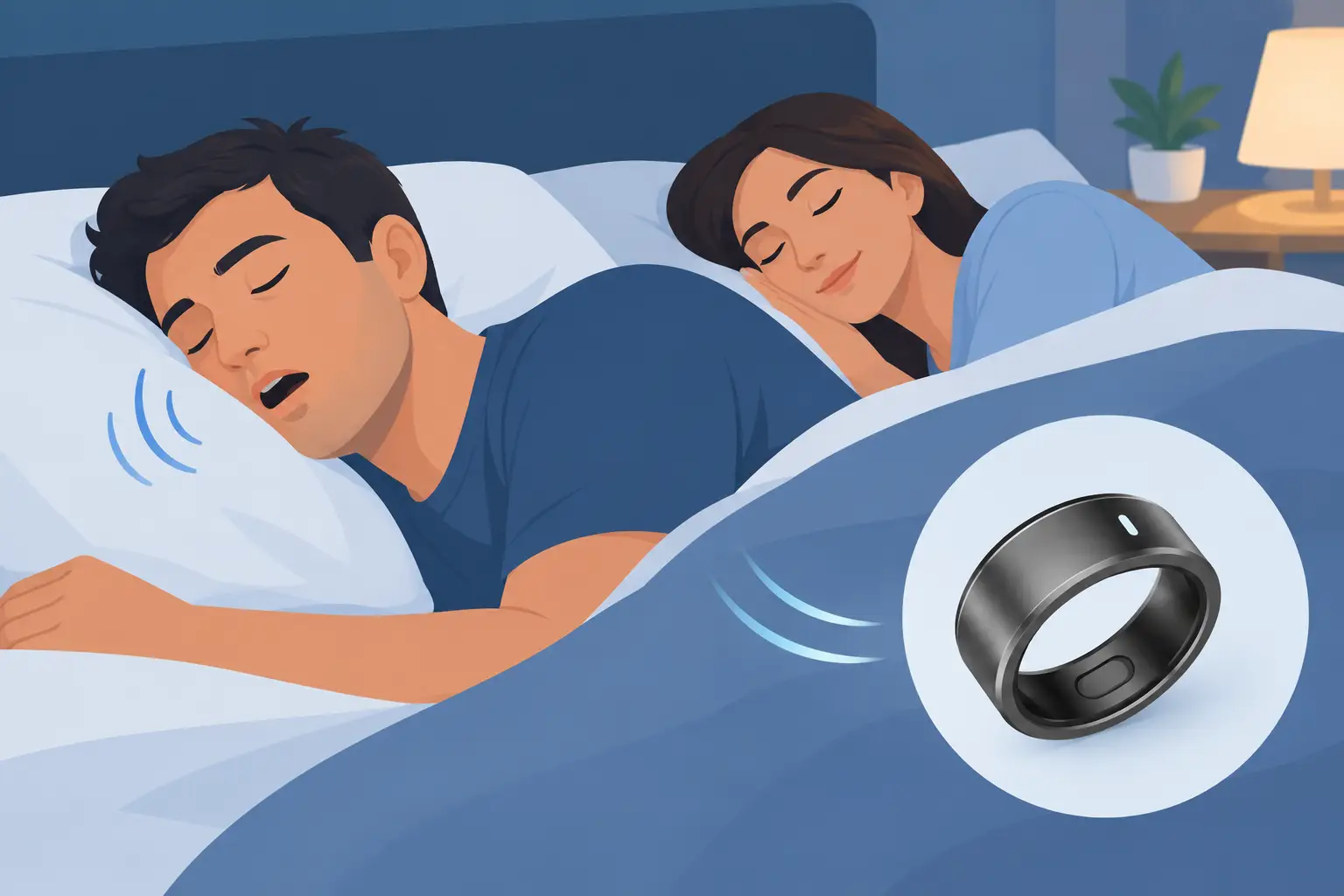
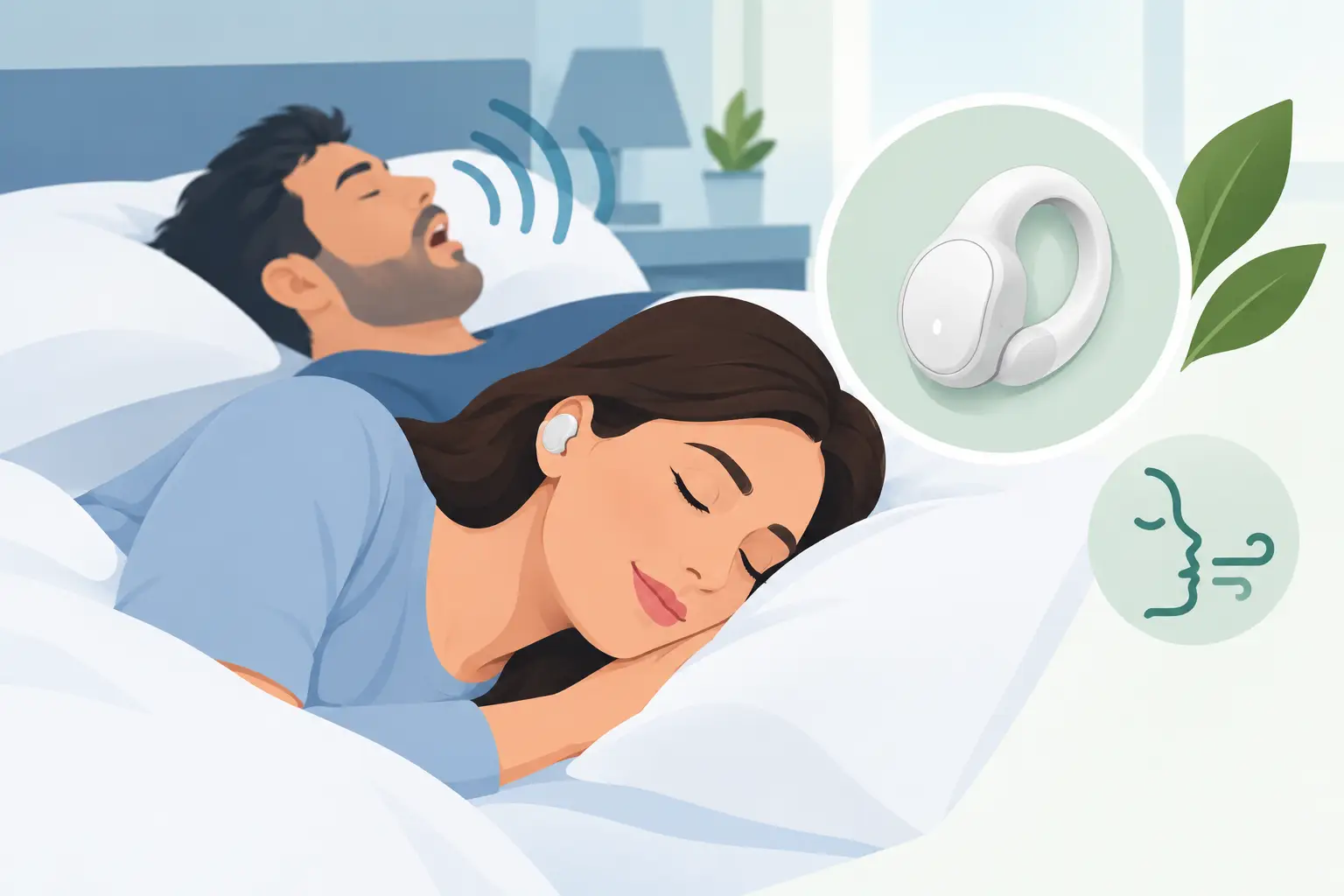
An acupressure-based ring, for example, appeals to customers who want a non-drug, non-invasive approach. The attraction is obvious. It does not sit in the mouth. It does not require batteries, noise, or a bedside set-up. It simply becomes part of the nightly routine.
What to look for in an FDA-cleared anti-snoring device
The best place to start is not the sales copy. It is the evidence behind the product. If a brand says its device is FDA cleared, clinically trialled, or proven, those claims should be central to how it explains the product, not hidden in tiny print.
You should also look at how the company talks about results. A trustworthy brand does not say the device works for everyone. It explains who it is designed for and where the limits are. That kind of honesty is usually a good sign. Snoring relief is not one-size-fits-all, and brands that pretend otherwise often overpromise.
Practical design matters as well. A device that is small, discreet, and easy to wear is much more likely to be used consistently. That sounds obvious, but it is often overlooked. Plenty of anti-snoring products fail because people stop using them after a few nights. Ease of use is not a minor detail. It is often the difference between a product you keep and one you abandon.
Finally, look for buyer protection. A proper refund period shows a level of confidence and gives you room to test whether the device suits you. If a company claims strong results but avoids a fair guarantee, that is worth noticing.
Why simple design can be a serious advantage
There is a tendency to assume that bigger or more complicated means more effective. In anti-snoring products, that is not always true. For many adults, the most useful solution is the one they are willing to wear every night.
That is where a ring-based approach stands apart. The original stop-snoring ring was developed around a straightforward idea: offer a comfortable wearable that supports snoring reduction without pushing people towards bulky appliances or medicinal routes they may not want. For the right user, that simplicity is not a compromise. It is the point.
A ring is discreet. It travels easily. It does not alter your bedtime routine in a dramatic way. If your partner has reached the stage of nudging you awake at 2 am, a low-fuss option can feel far more realistic than another device that needs fitting, moulding, or tolerating for hours.
Of course, simple does not mean casual. If a ring is clinically trialled and FDA cleared, that combination matters. It suggests the product is not relying on appearance alone. It is combining convenience with proof, which is exactly what most sceptical buyers want.
The problem with copycats and lookalikes
This market has a copycat problem. Once a product format gains traction, cheaper lookalikes tend to follow. They may appear almost identical in photographs, but similarity in shape does not mean similarity in quality, testing, or legitimacy.
That is especially relevant with wearable snoring rings. A lower-priced imitation may tempt buyers who are understandably cautious about spending money after disappointing experiences. But if the original product is clinically trialled and cleared while the copy is not, you are not comparing like with like.
This is where the detail behind the brand matters. A company that is upfront about being the original, that backs its claims with trial data, and that offers a 30-day money-back guarantee is giving you something more than marketing language. It is giving you reasons to trust the purchase.
Is an FDA-cleared anti-snoring device right for you?
It depends on what you need. If you want a discreet, non-invasive option for simple snoring, and you have no desire to sleep in a mouthguard or rely on medication, then an FDA-cleared anti-snoring device can be a sensible place to start. It offers reassurance without forcing you into a complicated solution.
It may be especially appealing if your snoring is putting strain on sleep as a couple. Partners often become the researchers in this situation, comparing products late at night and trying to separate real solutions from empty claims. In that context, comfort, credibility, and refund protection are not extras. They are essentials.
Good Night Health has built its offer around exactly that reality. The product is positioned as the original clinically trialled stop-snoring ring, with FDA clearance in the US and a full refund guarantee. That combination speaks to customers who want proof, but also want a product they can actually imagine wearing.
A sensible way to buy without overthinking it
If you are weighing up options, keep the checklist short. Is the product genuinely FDA cleared for its intended use? Is it designed for simple snoring rather than making sweeping claims about every sleep problem? Is it comfortable enough for nightly wear? And is there a refund policy that removes some of the risk?
Those questions cut through most of the noise. They help you focus on what matters instead of being distracted by flashy packaging or dramatic promises.
A snoring device does not need to be complicated to be worth trying. It needs to be credible, comfortable, and honest about what it can do. When a product meets that standard, bedtime starts to feel less like a battle and more like a chance to get the quiet night you have both been missing.