Blog
Single Post
Anti Snoring Products for Side Sleepers That Work
A side-sleeping position is often recommended for snoring, yet plenty of people still make enough noise to wake their partner, disturb their own sleep, or both. The right anti snoring products for side sleepers should work with that position, not force you into an uncomfortable routine or leave you worrying about a device shifting in the night.
That matters because an anti-snoring solution that feels awkward rarely becomes a lasting habit. If you sleep on your side, your face presses into the pillow, your jaw can move, and anything bulky can quickly become a reason to give up. The best choice is usually the one you can use comfortably, consistently and with realistic expectations.
Why side sleepers can still snore
Sleeping on your side may reduce the chance of your tongue and soft tissues falling backwards into the airway, which is one reason it helps many people. But it is not a guaranteed fix. Snoring can also be linked to nasal congestion, relaxed throat tissues, alcohol, tiredness, allergies, jaw position or simply the shape of your airway.
This is why one person may get excellent results from a nasal strip while another notices no difference at all. A product needs to address the likely cause of the snoring, while also fitting the way you actually sleep.
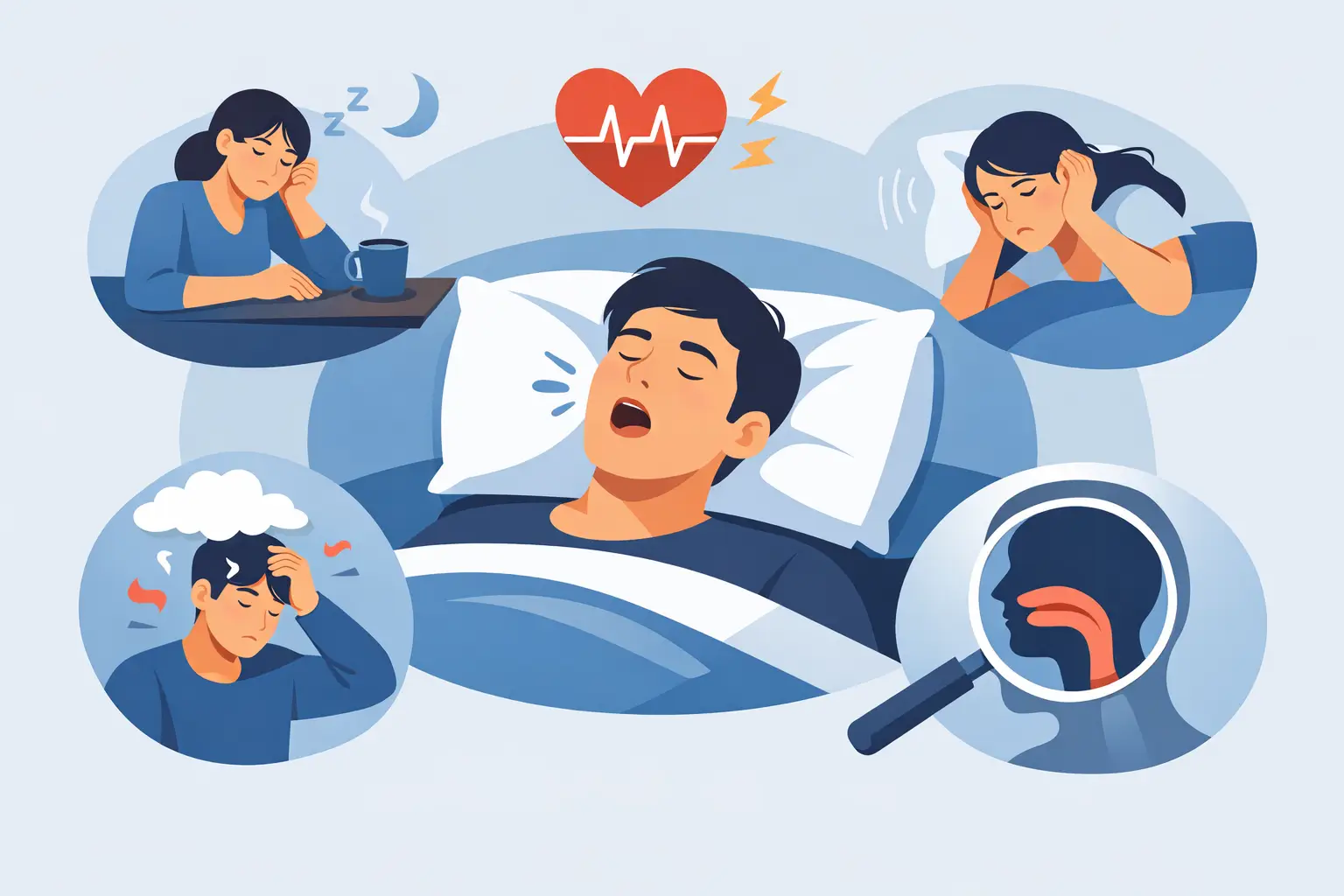
If your snoring is loud, frequent or comes with gasping, choking, pauses in breathing, morning headaches or severe daytime tiredness, do not treat it as simple snoring alone. Speak to a GP. These can be signs of obstructive sleep apnoea, which needs proper assessment rather than a retail anti-snoring remedy.
Anti snoring products for side sleepers compared
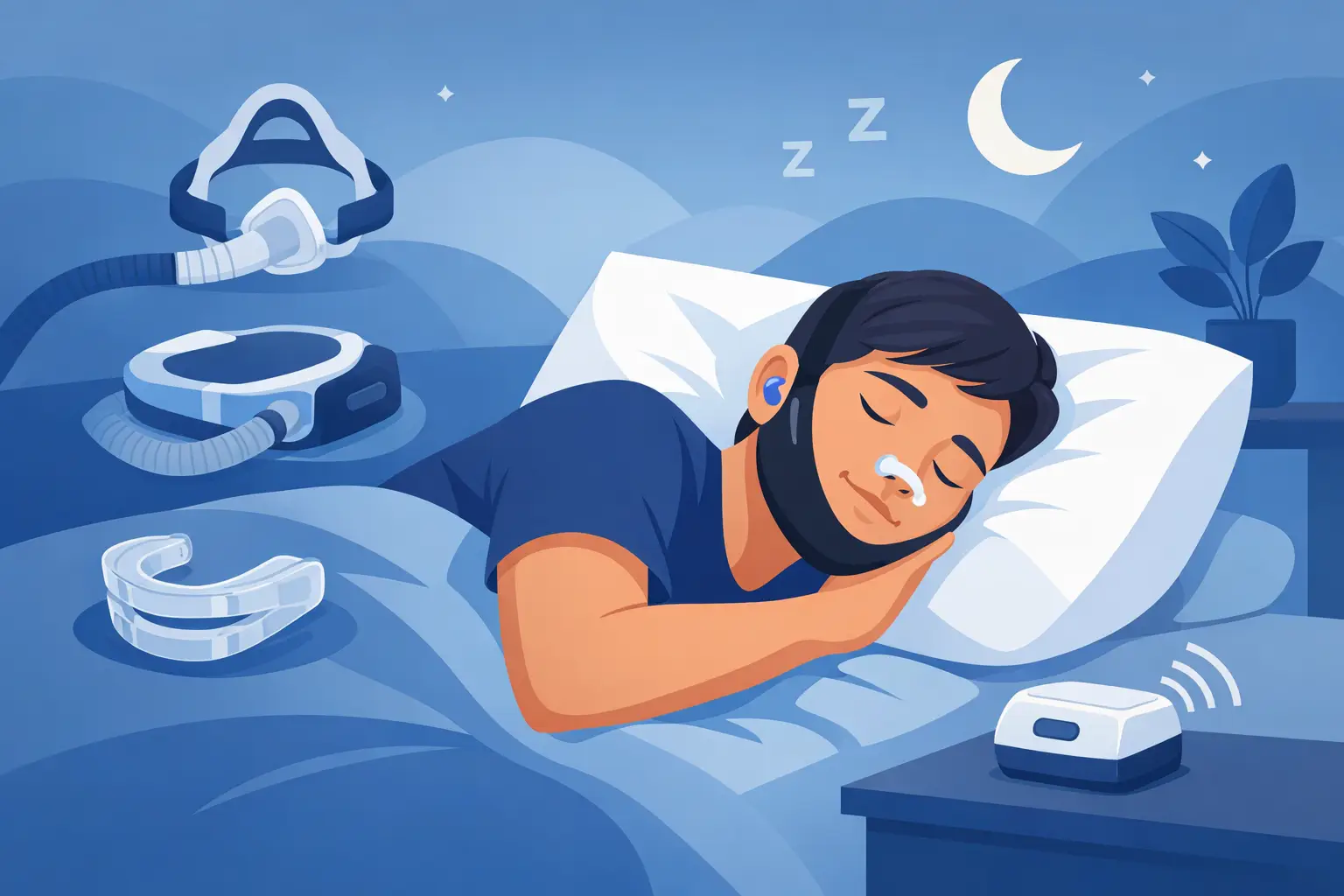
There is no single product that suits every snorer. Here is what to consider before spending money on another solution that ends up in the bedside drawer.
Nasal strips and nasal dilators
Nasal strips sit across the outside of the nose, while dilators are worn inside the nostrils. Both aim to improve airflow through the nose. They can be a sensible, low-cost option if you notice that your snoring gets worse when you have a cold, hay fever or a blocked nose.
For side sleepers, external strips are usually easy to wear and do not interfere much with a pillow. Internal dilators can work well too, but some people find they move, feel noticeable, or become irritating over a full night. Neither option is likely to solve snoring that comes mainly from the throat or a relaxed jaw.
Mouthguards and mandibular advancement devices
These devices hold the lower jaw slightly forward, which can help keep the airway more open. They can be effective for some people, particularly where jaw position plays a part in their snoring.
The trade-off is comfort. A mouthpiece may cause jaw soreness, tooth discomfort, excess saliva or a dry mouth, especially at first. Side sleepers may also find a bulky guard more noticeable when their cheek is against the pillow. Custom-fitted devices are generally more precise than boil-and-bite versions, but they also cost more and may require dental input.
If you have loose teeth, significant dental work, jaw pain or a temporomandibular joint condition, seek advice before using a jaw-advancing device.
Chin straps
A chin strap is designed to support the jaw and reduce open-mouth breathing. It may help a small group of people who snore because their mouth falls open during sleep, but it is not a universal answer. Keeping the mouth closed does not necessarily mean the airway is open.
For a committed side sleeper, the strap can also shift against the pillow or feel warm around the head. If it leaves you constantly adjusting it, it is unlikely to be the comfortable, long-term solution you want.
Special anti-snore pillows
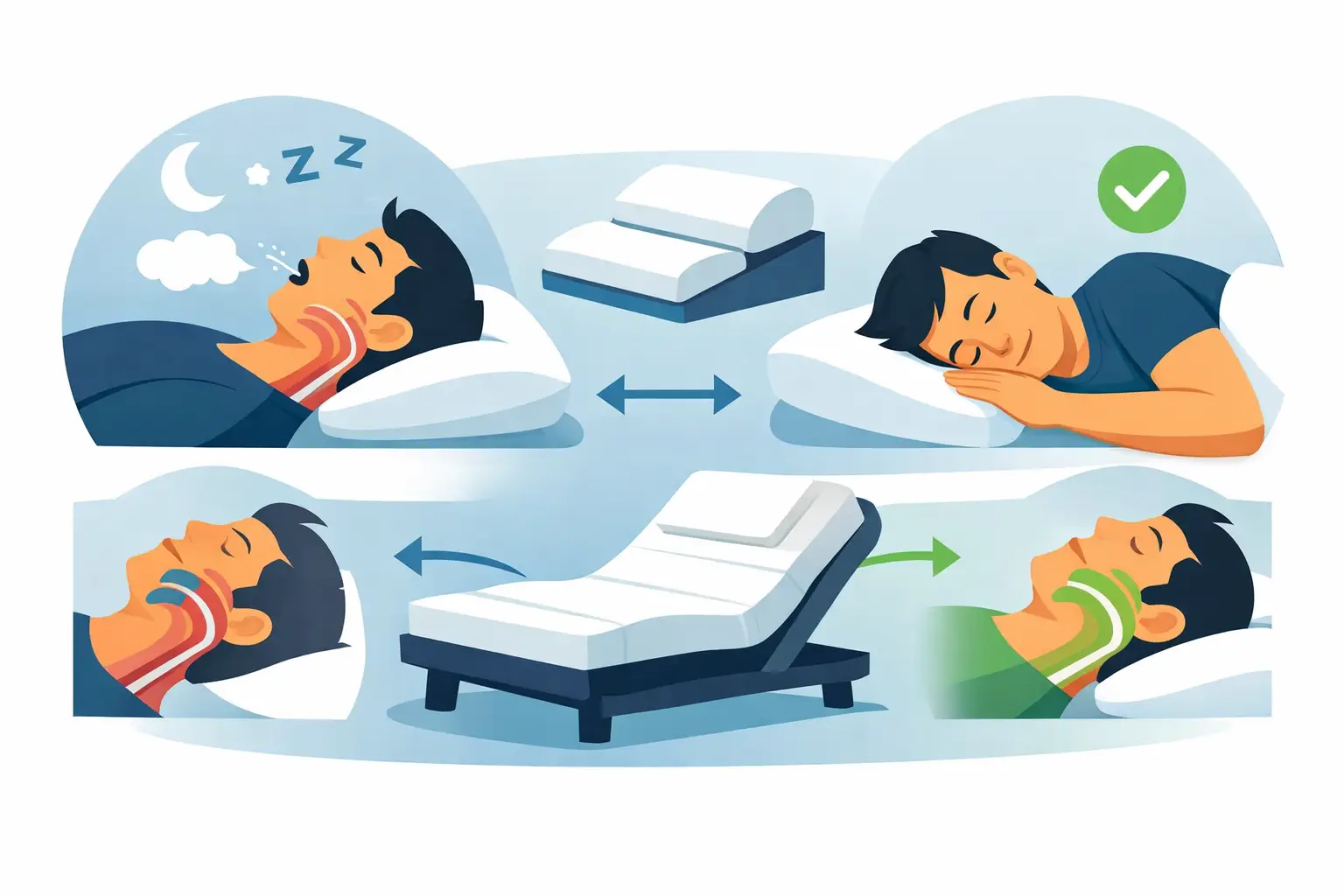
Contoured pillows and position-support pillows aim to keep the head, neck or body in a better alignment. A well-chosen pillow can make side sleeping more comfortable and may help if your current pillow lets your head drop too far forward or back.
However, a pillow cannot directly treat every cause of snoring. It is best thought of as supportive equipment rather than a stand-alone cure. The wrong contour can also create neck pain, so give yourself time to adjust and check that the height suits your shoulders and mattress.
Wearable acupressure rings
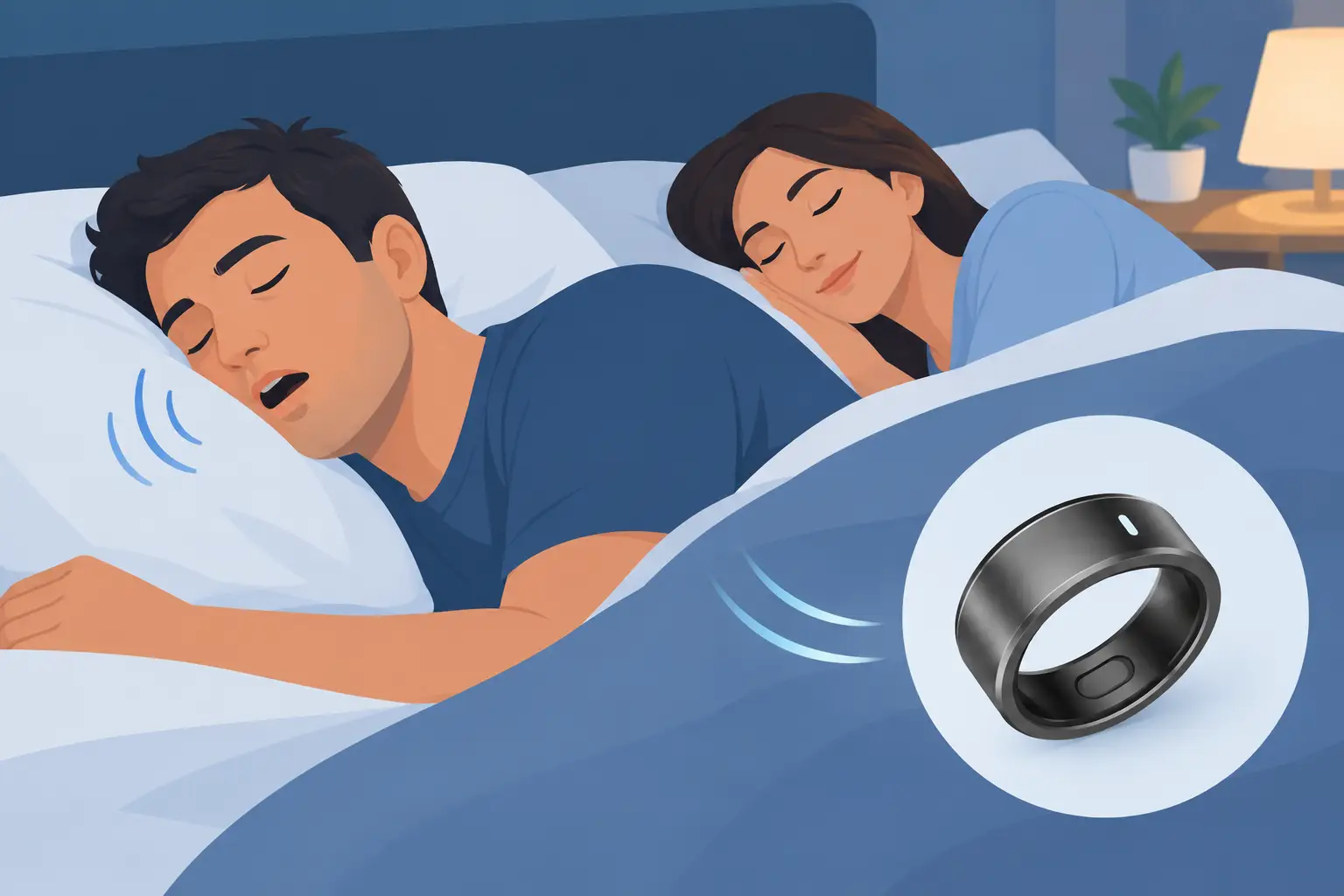
For people who do not want something in the mouth, on the nose or strapped around the head, a small finger-worn option can be appealing. Acupressure-based snoring rings are designed to apply pressure to specific points on the little finger while you sleep.
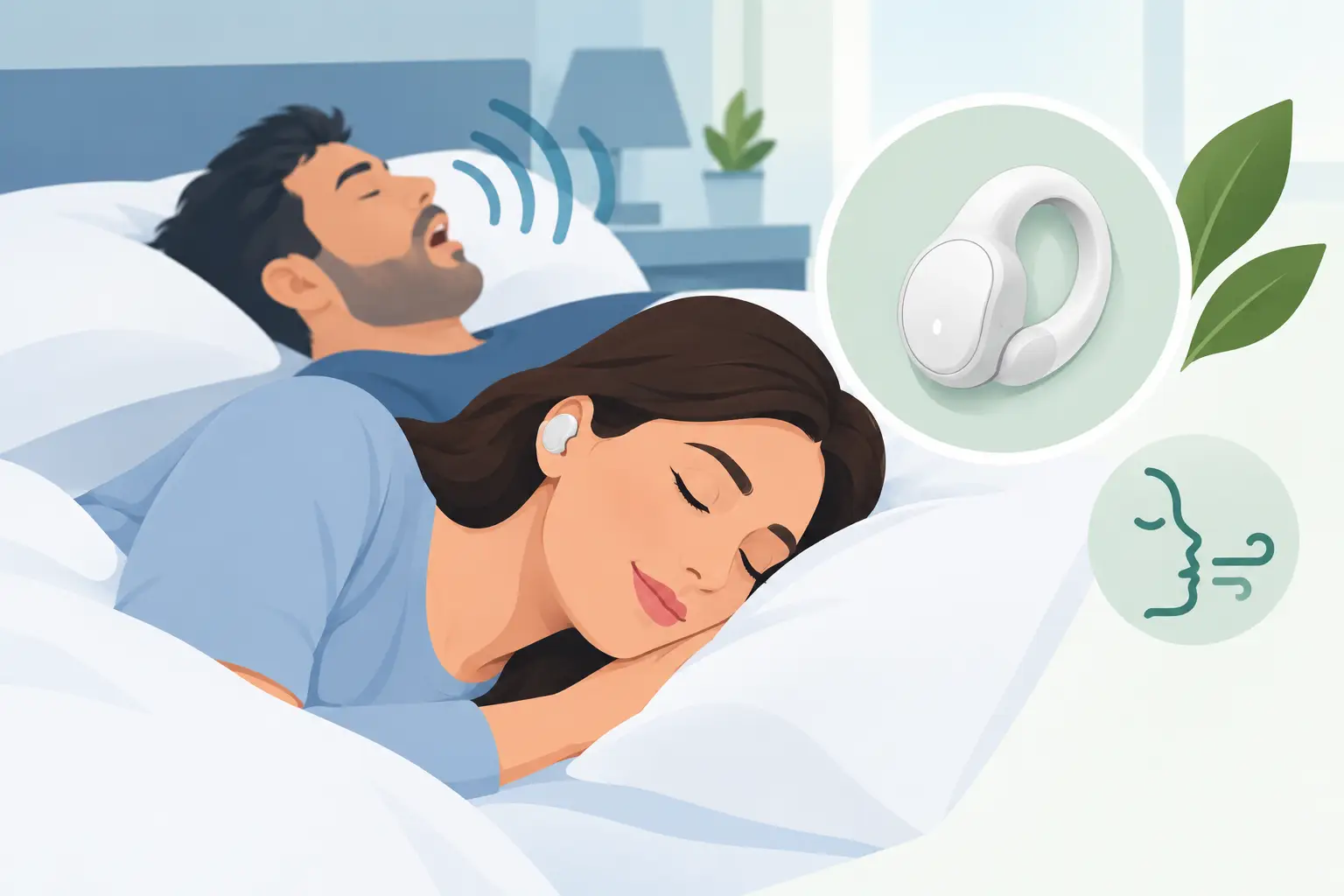
The major benefit for side sleepers is simplicity. A properly fitted ring has no tubing, adhesive, headgear or mouthpiece to press into your pillow. Good Night Health’s original stop snoring ring is a clinically trialled, non-invasive option for simple snoring, designed for people who want a discreet nightly routine rather than another bulky device.
As with every anti-snoring product, results vary. A ring is not a treatment for sleep apnoea, and anybody claiming that one product works for every snorer is not being honest. A refund guarantee matters because it gives you the chance to see whether it works for your own sleep, in your own bed.
How to choose a product you will actually use
Start by paying attention to the pattern of your snoring. If it is clearly worse during allergy season or when your nose is blocked, improving nasal airflow may be the logical first step. If your partner notices it begins when your mouth falls open, jaw support may be worth discussing. If you want to avoid mouthpieces and anything that can be displaced by your pillow, a discreet wearable may be a better fit.
It also helps to be honest about your tolerance for discomfort. A device can have a convincing explanation, but if it makes your jaw ache, pinches your nostrils or keeps you awake, it is not solving the real problem. Better sleep should not be traded for a different kind of sleepless night.
Consider your bedtime routine too. Products that require cleaning, moulding, charging or careful placement can suit some people perfectly. Others need something they can put on in seconds, particularly when travelling or arriving home late. The more friction a product creates, the less likely you are to use it consistently enough to judge it fairly.
Make side sleeping work harder for you
Your product choice does not have to do all the work alone. Small changes can reduce the factors that make simple snoring louder. Avoiding alcohol close to bedtime can help because alcohol relaxes airway tissues. Managing nasal allergies, staying well hydrated and keeping a regular sleep routine may also make a noticeable difference.
Check your pillow position as well. Your neck should feel supported rather than sharply bent towards your chest or tipped backwards. Hugging a pillow or placing one behind your back can make it easier to stay on your side without waking up in an awkward position.
Give a new product enough time for a fair test, unless it causes pain or irritation. Ask your partner for practical feedback over several nights rather than relying on one unusually quiet or noisy evening. If you use a sleep-tracking app, treat its recordings as a helpful pattern indicator, not a medical diagnosis.
What a credible anti-snoring product should offer
The anti-snoring market is crowded with dramatic promises and cheap copies. Look beyond a polished advert. A credible brand should explain what the product is intended for, acknowledge its limits, provide clear instructions and offer a meaningful way to return it if it is not right for you.
Be cautious of products that promise to cure all snoring overnight or make vague medical claims without explaining the evidence. Comfort, build quality and customer protection are not minor details. They are often what separates a product you can confidently try from one that becomes an expensive disappointment.
For side sleepers, the goal is not to collect more gadgets. It is to find a comfortable solution that respects how you sleep, gives your partner a better chance of peace and lets both of you look forward to bedtime again.