Blog
Single Post
A Practical Guide to FDA Cleared Snoring Aids
Your partner should not have to sleep with earplugs, move to the spare room, or spend every morning asking whether you snored again. This guide to FDA cleared snoring aids cuts through a confusing market of mouthpieces, nasal products and wearable devices, so you can judge what is credible before you spend another night trying a gadget that does not suit you.
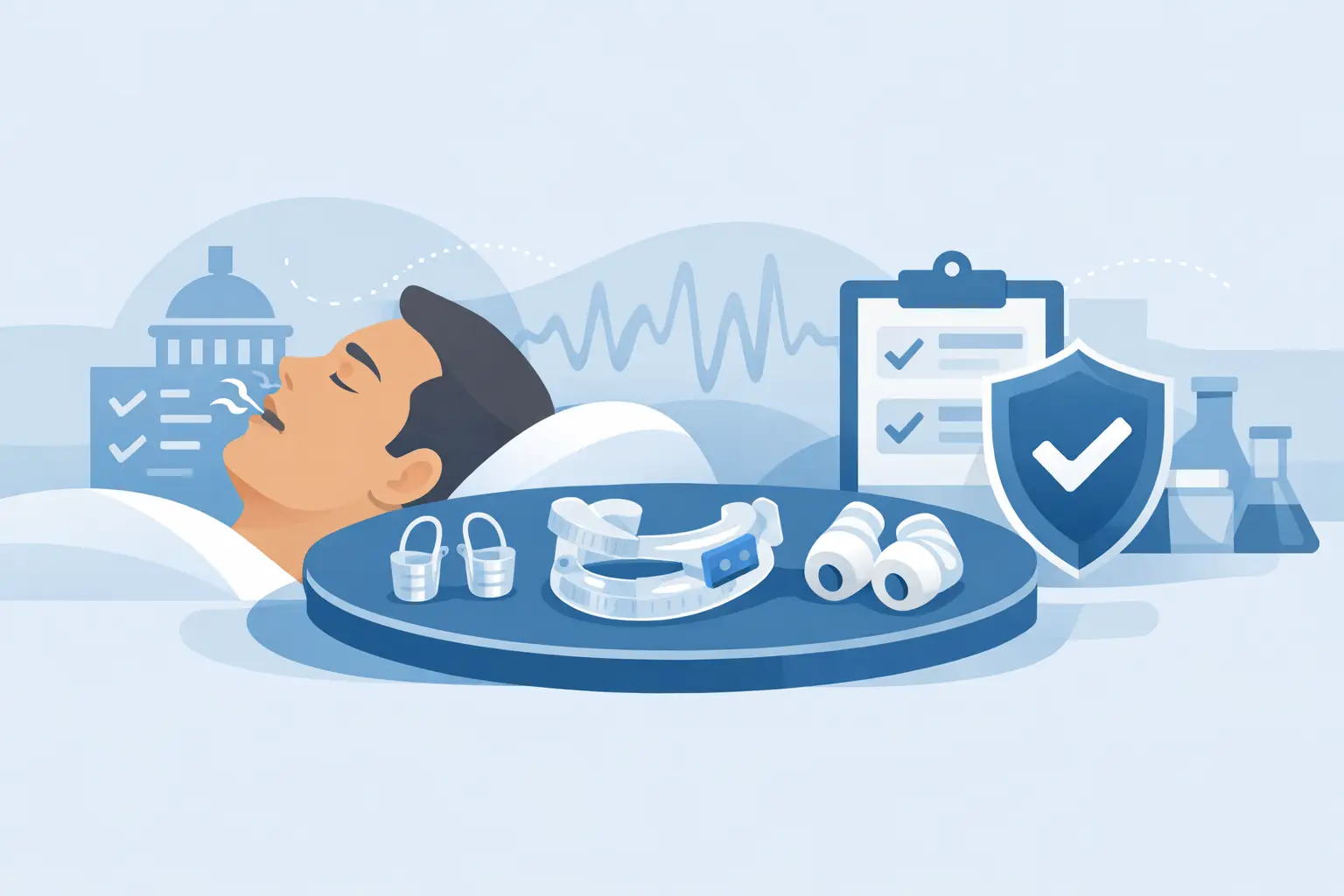
The first point is simple: FDA clearance is meaningful, but it is not a promise that every cleared aid will stop every person’s snoring. Snoring has different causes, and the right choice depends on what is happening in your airway, nose, mouth and sleep position. A trustworthy solution starts with clear claims, sensible expectations and a plan to seek medical advice when the signs point beyond simple snoring.
What FDA clearance actually means
When an anti-snoring device is described as FDA cleared, it generally means it has gone through the FDA’s medical-device review pathway and has been assessed in relation to a legally marketed comparison device. This is often called 510(k) clearance. It is different from FDA approval, which is a separate process commonly associated with higher-risk products.
For shoppers, the practical benefit is accountability. A cleared device should have a defined intended use, instructions, labelling and supporting documentation. The manufacturer is not simply putting medical-sounding words on a product page and hoping they sound convincing.
That said, clearance is not a universal quality badge. It does not mean a product is the most comfortable option, that it will fit every user, or that it treats obstructive sleep apnoea. It also does not mean every product marketed as “FDA registered” or “FDA compliant” is FDA cleared. Those phrases can describe very different things. If clearance matters to you, look for a direct, specific statement about the device and avoid vague language designed to sound official.
For UK shoppers, FDA clearance relates to the US market. It can be a useful trust signal, particularly when paired with clinical trial evidence and transparent product information, but it should not be treated as a substitute for appropriate UK regulatory compliance or medical guidance.
The main types of FDA cleared snoring aids
A useful guide to FDA cleared snoring aids should begin with the cause of the noise. Snoring happens when relaxed tissues vibrate as air passes through the upper airway. For some people, nasal blockage is the major issue. For others, the tongue and lower jaw fall backwards during sleep. A product can be well made and still be a poor match for your particular pattern of snoring.
Mandibular advancement devices
These are mouthpieces worn over the teeth. They gently bring the lower jaw forwards, which can help maintain more space in the airway. They are among the more established non-invasive options, especially for people whose snoring is linked to jaw and tongue position.
The trade-off is obvious to anyone who has tried one: a mouthpiece is still a mouthpiece. Some people find them effective, while others dislike the bulk, excess saliva, tooth pressure, jaw soreness or the feeling of sleeping with dental equipment. A poorly fitted device can be uncomfortable, so fit and instructions matter greatly.
Tongue-retaining devices
A tongue-retaining device uses suction to hold the tongue forwards. It may be useful for people who cannot use a jaw-advancing mouthpiece or whose snoring seems strongly related to the tongue dropping backwards.
It can feel less familiar than a standard mouthguard, and not everyone tolerates the sensation. It may also be impractical if you have certain dental concerns, difficulty breathing through your nose, or a strong gag reflex. Comfort is not a minor detail here. The most technically suitable device is of little value if it stays in the bedside drawer.
Nasal dilators and external nasal devices
Internal dilators and external strips work by opening the nasal passages. They can be a sensible first option when snoring is worse with congestion, allergies or a narrow nasal valve. They are discreet, straightforward and do not alter the jaw.
Their limitation is that they only address nasal airflow. If your snoring comes mainly from the throat, soft palate or tongue, opening the nostrils may improve breathing comfort without making much difference to the sound that wakes your partner.
Wearable acupressure rings
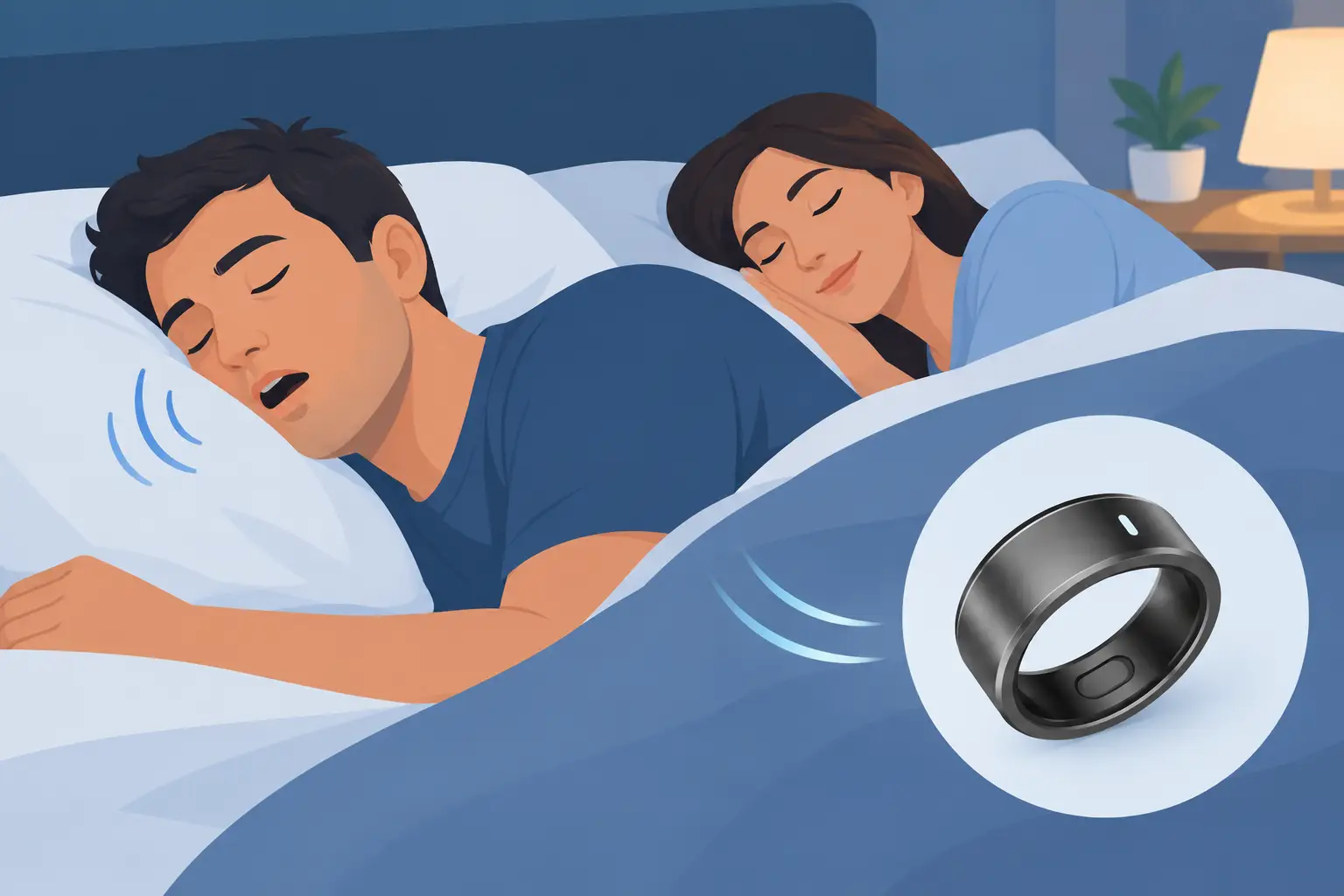
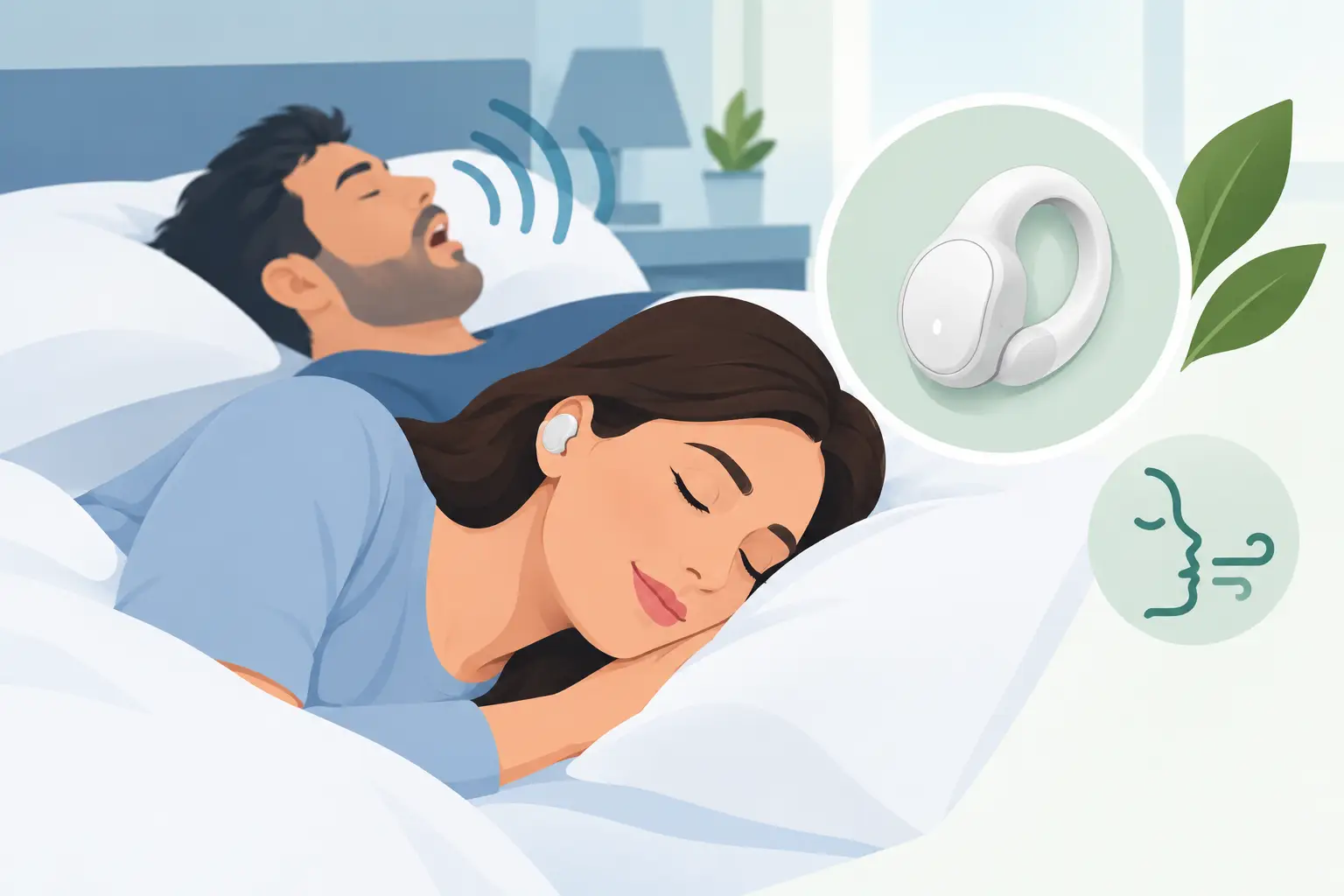
Wearable rings offer a distinctly different approach. Rather than holding the jaw, tongue or nose in a new position, they apply gentle pressure to specific points on the little finger during sleep. For people who want to avoid a bulky mouthpiece, medication or an intrusive bedside device, this can be an appealing, elegant option.
The Good Night Anti-Snoring Ring is positioned as the original clinically trialled stop snoring ring and is FDA cleared in the US. Like every non-invasive snoring aid, it will not work for everyone. That honesty matters. The advantage of a ring is its simplicity: no moulding, no charging and no device in your mouth. A 30-day money-back guarantee also gives couples a fair opportunity to test whether it makes a real difference in their own bedroom.
How to compare products without being misled
Start by looking past dramatic before-and-after claims. A credible seller should explain what the device is designed to do, who should not use it, how long it may take to adjust, and what results are realistic. If a brand claims to cure sleep apnoea, work for absolutely everyone, or replace medical assessment, step back.
Then consider the nightly reality. Will you wear it consistently? Does it require moulding, cleaning, batteries or replacement parts? Could it irritate your gums, teeth, skin or jaw? Is it practical when travelling? An anti-snoring aid is only effective when it is used properly and often enough to assess it fairly.
Evidence deserves close attention too. A clinical trial can be reassuring, but ask what was measured and in whom. Was snoring measured objectively or based only on self-reports? How many people took part? Was the trial about that exact product, rather than a similar-looking device? You do not need to be a researcher to spot the difference between specific evidence and a loose claim.
Finally, check the return policy. Snoring products are personal. A clear trial period and full refund policy show that the company understands fit and response vary from person to person. Cheap copycat products may appear tempting, but vague product origins, unclear materials and no meaningful guarantee can make them the more expensive choice in the end.
When snoring needs a doctor, not another device
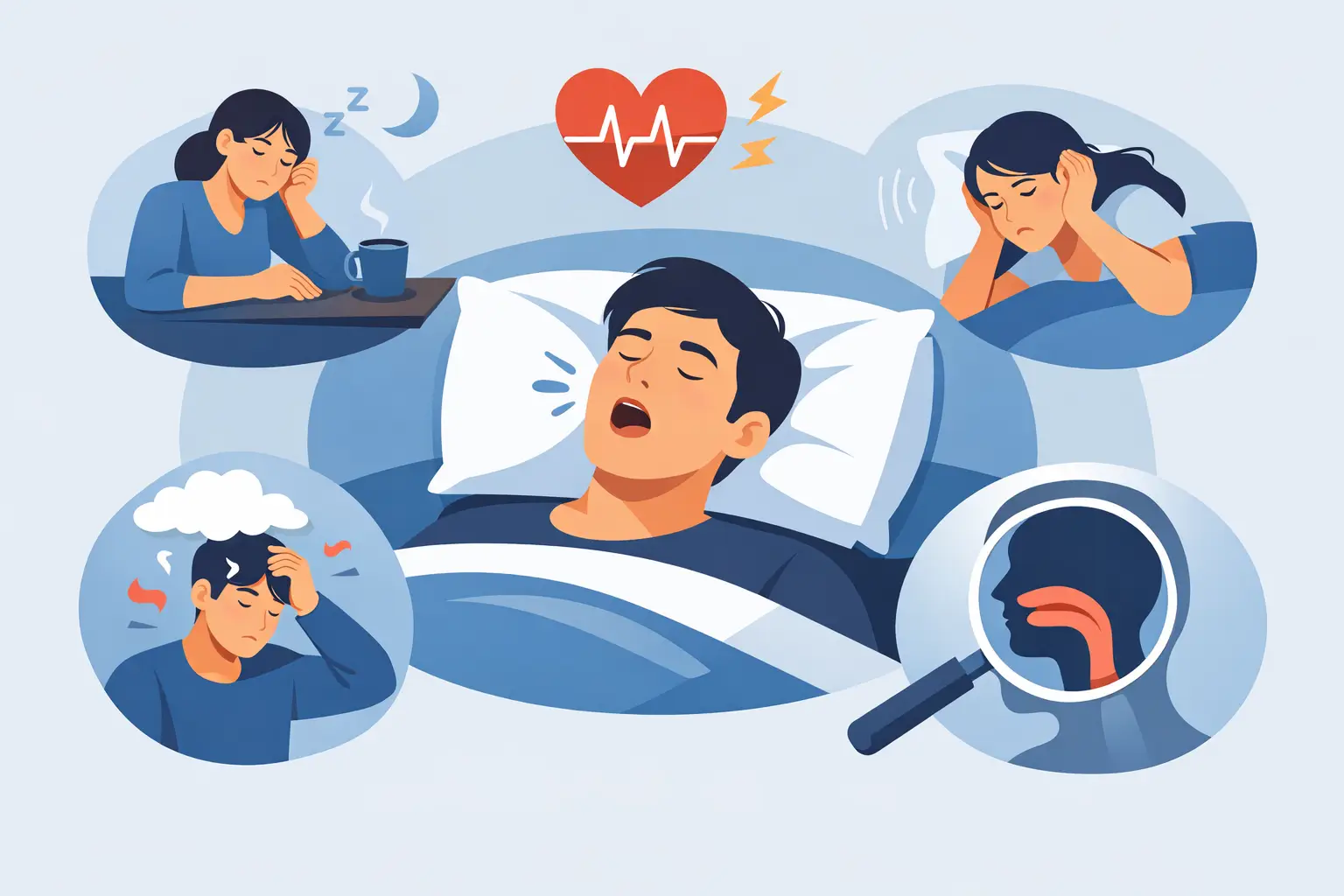
Simple snoring can be a relationship problem and a sleep-quality problem. It can also be a sign of obstructive sleep apnoea, a condition in which breathing repeatedly narrows or stops during sleep. No retail snoring aid should encourage you to ignore warning signs.
Speak to a GP or sleep professional if snoring comes with four or more of the following:
- Pauses in breathing, choking or gasping during sleep
- Severe daytime tiredness, dozing off easily or difficulty concentrating
- Morning headaches, dry mouth or waking unrefreshed
- High blood pressure, heart concerns, or a partner who has noticed repeated breathing interruptions
You should also get advice before using an oral device if you have significant jaw pain, loose teeth, dental work that may be affected, or a diagnosed sleep-breathing disorder. A proper assessment can feel like an extra step, but it is the right one when your health is in question.
Give the right aid a fair test
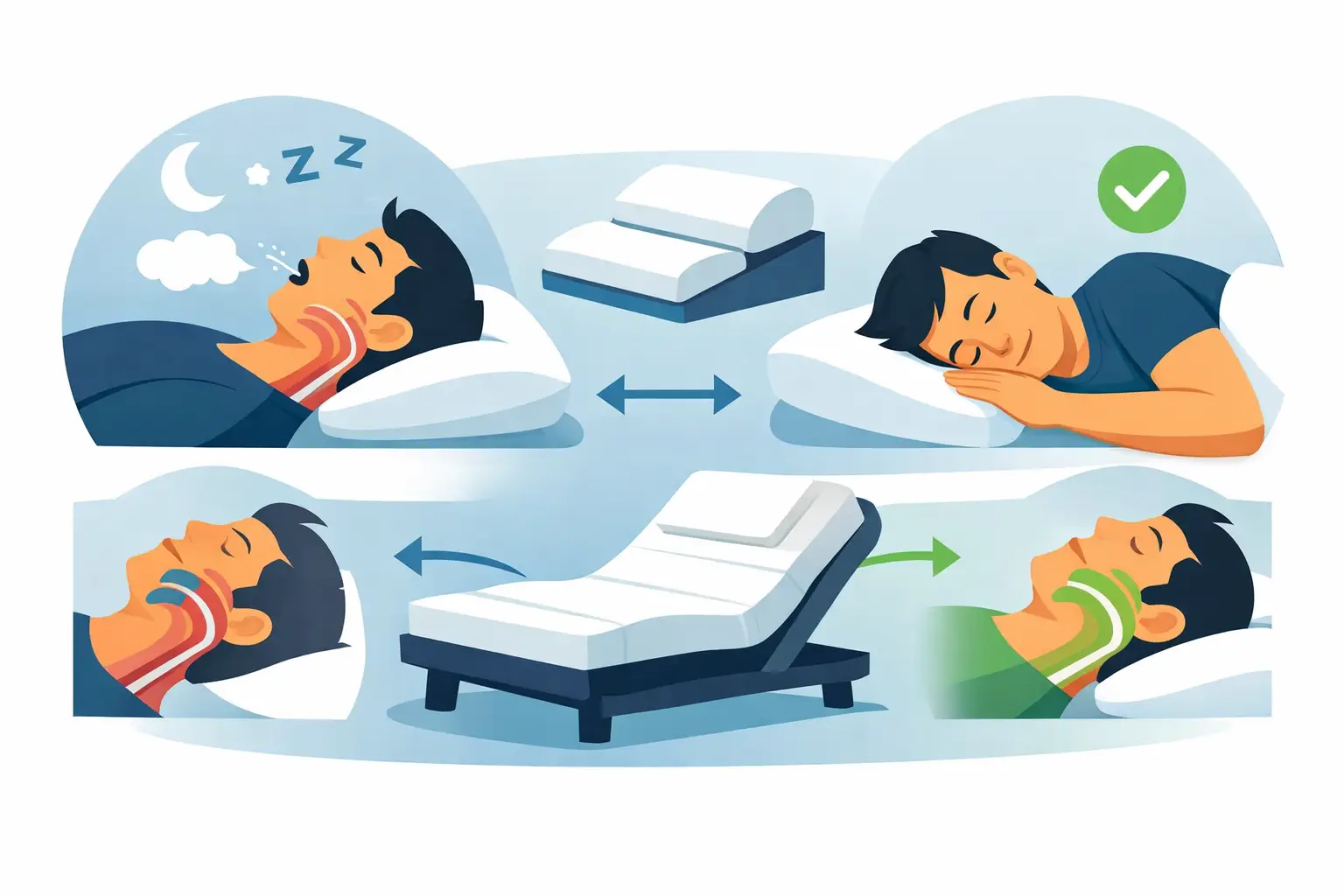
Small changes can make an aid more effective. Avoiding alcohol close to bedtime, treating nasal congestion, maintaining a comfortable weight where relevant and sleeping on your side may reduce snoring for some people. These are not magic fixes, but they can reduce the factors that make airway vibration worse.
Keep the test honest. Use the product as instructed for several nights unless it causes discomfort, and ask your partner for a simple comparison of volume, frequency and sleep disruption. Notice how you feel in the morning as well. Better sleep should not come at the cost of jaw pain, skin irritation or a routine you cannot maintain.
The best choice is not necessarily the most complex one. It is the FDA-cleared or properly regulated aid that fits your likely cause of snoring, feels comfortable enough to wear, and comes from a company prepared to stand behind its claims. A quieter bedroom is worth pursuing, but so is the confidence that you are choosing with care.