Blog
Single Post

Clinical Evidence for Snoring Devices
You do not need another gadget promising silence by bedtime and disappointment by morning. If you or your partner has already tried strips, sprays, mouthpieces or clever-looking devices that ended up in a drawer, the real question is simple: what is the clinical evidence for snoring devices, and does it actually tell you anything useful before you buy?
That question matters because snoring is not one single problem. Some people snore because of tongue position, some because of nasal blockage, some because the airway narrows more as they relax during sleep, and some because they are dealing with obstructive sleep apnoea rather than simple snoring. A device can look promising on a product page and still be the wrong tool for the kind of snoring you actually have. Evidence helps, but only when you know what sort of evidence you are looking at.
What clinical evidence for snoring devices should actually show
A proper claim should do more than say users liked the product. Clinical evidence for snoring devices is most useful when it measures a real change in snoring frequency, loudness, sleep disturbance, or both. Better studies also explain who was tested, how long they used the device, and whether the improvement was measured objectively or simply reported by the user or their partner.
That distinction matters. Partner-reported improvement is valuable because snoring affects the person next to you just as much as the person wearing the device. But partner reports can also be influenced by expectation, desperation, or the simple relief of trying something new. Objective measures such as sound recordings, sleep studies or validated questionnaires usually give a stronger picture.
Even then, stronger does not mean perfect. A small trial can still be meaningful if it is well run, but it should not be dressed up as proof that a product works for everyone. Honest brands make room for that reality. Snoring devices can help many people, but no credible evidence says any single device suits every sleeper.
Why some snoring devices have better evidence than others
The anti-snoring market is crowded because snoring is common and people want a fast answer. That creates a lot of copycat products and a lot of weak claims. In practice, the devices with the clearest evidence tend to fall into categories that can be tested in a controlled way: mandibular advancement devices, certain nasal interventions, and some wearable approaches designed for simple snoring.
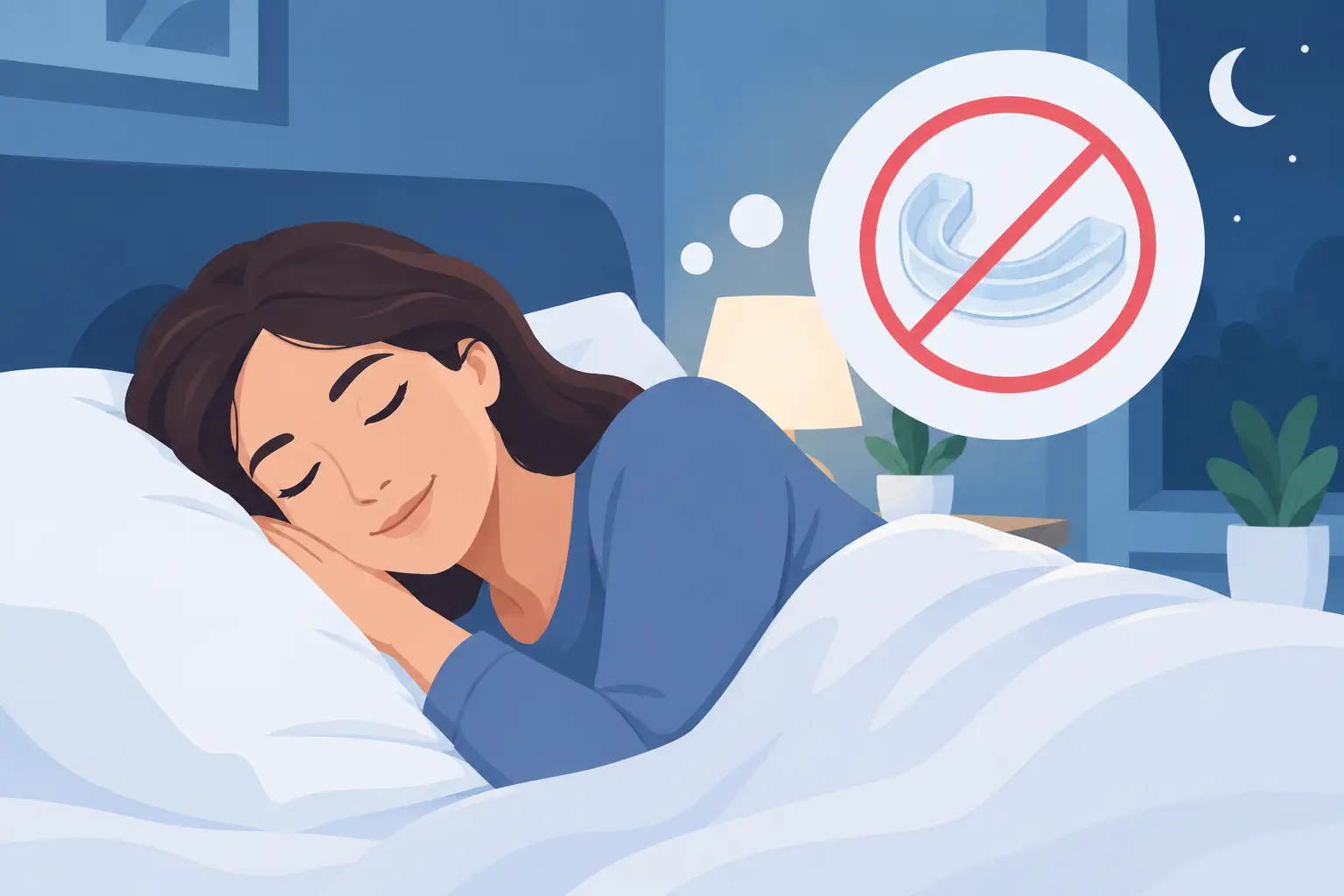
Mandibular advancement devices, often described as mouthguards that bring the lower jaw slightly forward, have one of the larger evidence bases. They can work well for some snorers because they help keep the airway more open. The trade-off is comfort. Many people stop using them because they feel bulky, awkward, or cause jaw soreness, excess saliva, or dental irritation. A device can be clinically effective on paper and still fail in real life if people cannot tolerate sleeping with it.
Nasal strips and dilators can help when snoring is driven mainly by nasal resistance. If the issue sits lower in the airway, they may do very little. Again, that does not make the product bad. It means the fit between problem and solution matters more than the marketing.
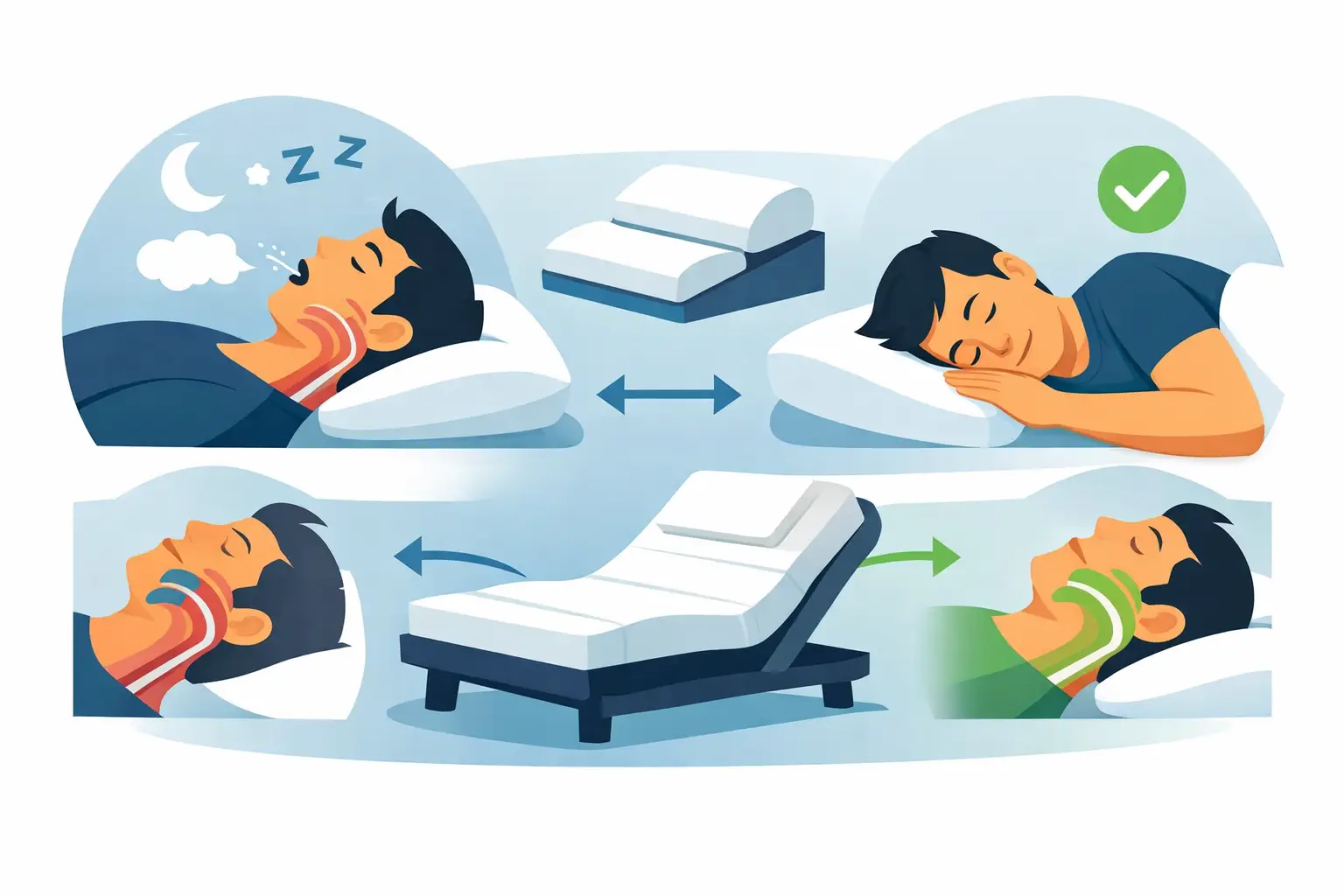
Positional devices, which encourage side sleeping, can also help some people, especially if they snore more on their back. But they depend heavily on adherence. If a sleeper shifts position or finds the device intrusive, the benefit falls away.
Then there are non-invasive wearables that appeal to people who want something simpler and less disruptive than a mouthpiece. These devices often attract attention because they are discreet, drug-free and easy to use. The key question is whether they are backed by genuine trial data or merely packaged to look scientific.
How to read product claims without being misled
When brands talk about science, the wording matters. “Clinically tested” can mean almost anything, including a very limited internal evaluation. “Clinically trialled” is more meaningful if the brand can explain the setup, results and population studied. “FDA cleared” also has a specific context. It does not mean a cure, and it is not the same as saying a product works for every type of snoring. It can, however, be a useful trust signal when paired with transparent performance claims.
What you want to see is plain evidence, not theatre. Was there an actual trial? How many people took part? Were they simple snorers or people with diagnosed sleep apnoea? What outcomes improved? Was the product compared against anything? Did people keep using it? If those answers are missing, caution is sensible.
It is also worth watching for claims that sound bigger than the evidence can support. A product may reduce snoring rather than stop it completely. For many couples, that still counts as a major win. Sleep does not have to become silent to become better.
The clinical evidence for snoring devices is only part of the story
A device can perform well in a trial and still be wrong for your night-to-night life. Comfort, consistency and ease of use are not side issues. They are often the difference between a product that helps for two nights and a product that becomes part of a sustainable routine.
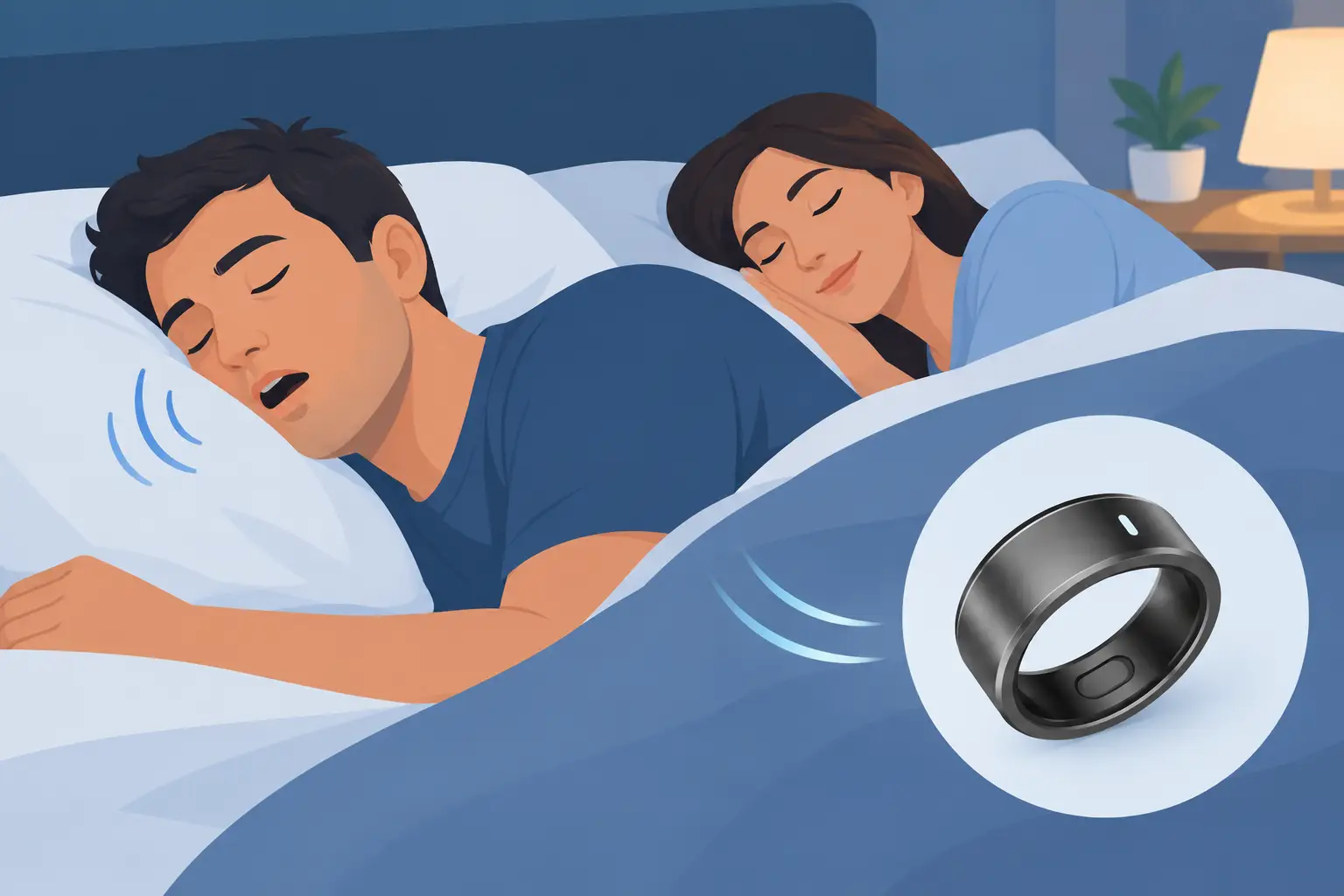
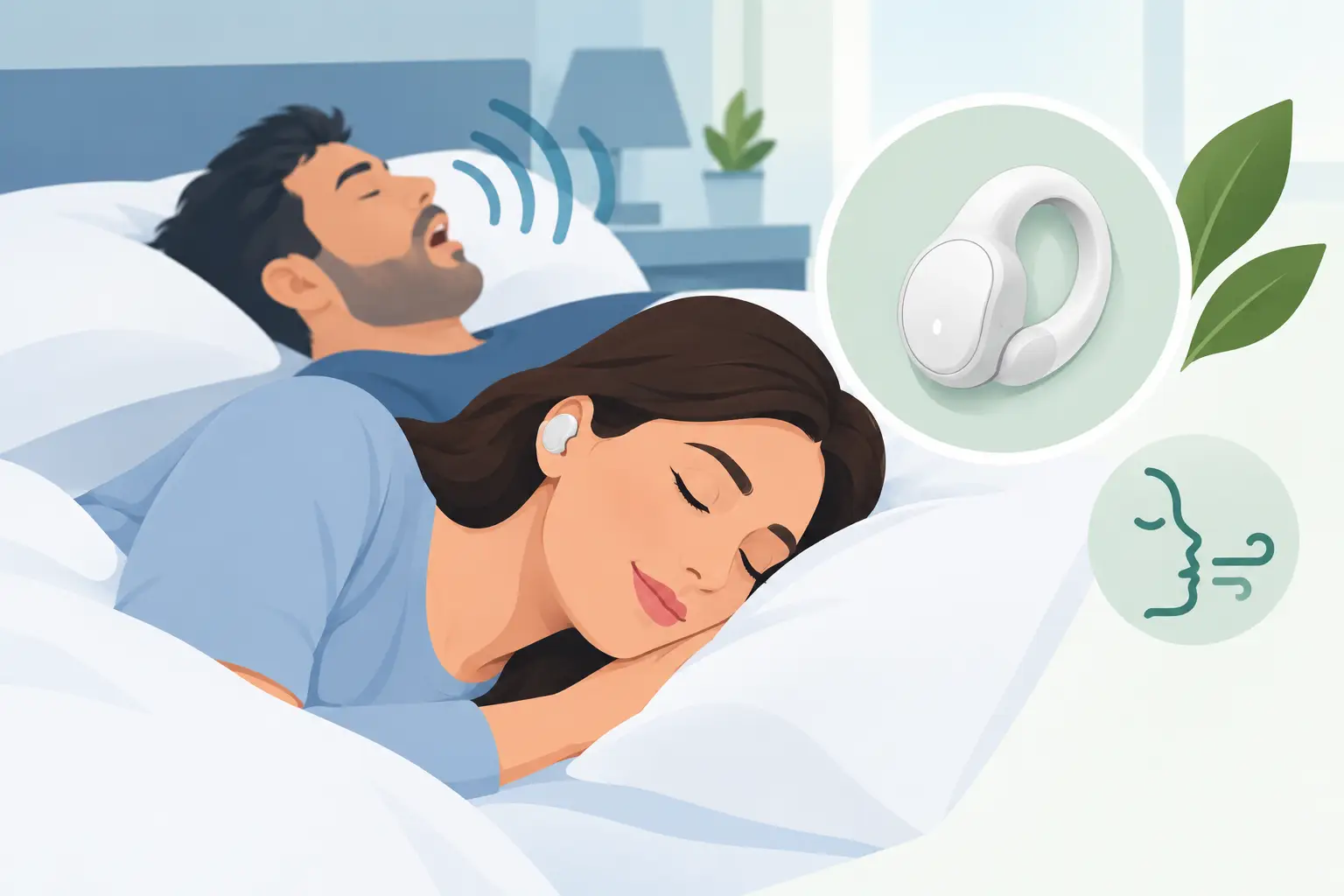
This is where simpler, less intrusive devices have an advantage. A wearable ring, for example, asks far less of the user than a fitted mouthguard. That does not automatically make it more effective in a laboratory setting, but it may make it more realistic for long-term use. For people who have already rejected bulky devices, simplicity is not a luxury. It is a practical requirement.
That is one reason acupressure-based wearables have attracted attention among people looking for a natural approach to simple snoring. The appeal is obvious: no medication, no batteries, no large appliance in the mouth, and no complicated bedtime routine. The more serious question is whether the product behind that idea has been properly trialled, or whether it is just another imitation with a wellness story attached.
The difference matters. The original clinically trialled snoring ring should not be judged by the standards of cheap lookalikes that borrow the idea without the evidence, manufacturing quality or accountability behind it. If a product category has been copied widely, consumers need to look even more carefully at what is original, what has been studied, and what comes with real buyer protection.
When evidence supports trying a non-invasive option first
For adults with simple snoring, especially those who want to avoid bulky mouthpieces or medication-based options, starting with a non-invasive device can be a sensible choice. Not because it is guaranteed, but because the downside is lower. A discreet wearable with credible trial backing and a refund policy gives cautious buyers room to test whether it suits their own pattern of snoring.
That approach is especially reasonable for couples who are fed up but not looking to turn bedtime into a medical procedure. If the snorer is otherwise well, the snoring is habitual rather than obviously severe, and there are no red flags such as choking, gasping or extreme daytime sleepiness, a simple device may be the most practical first step.
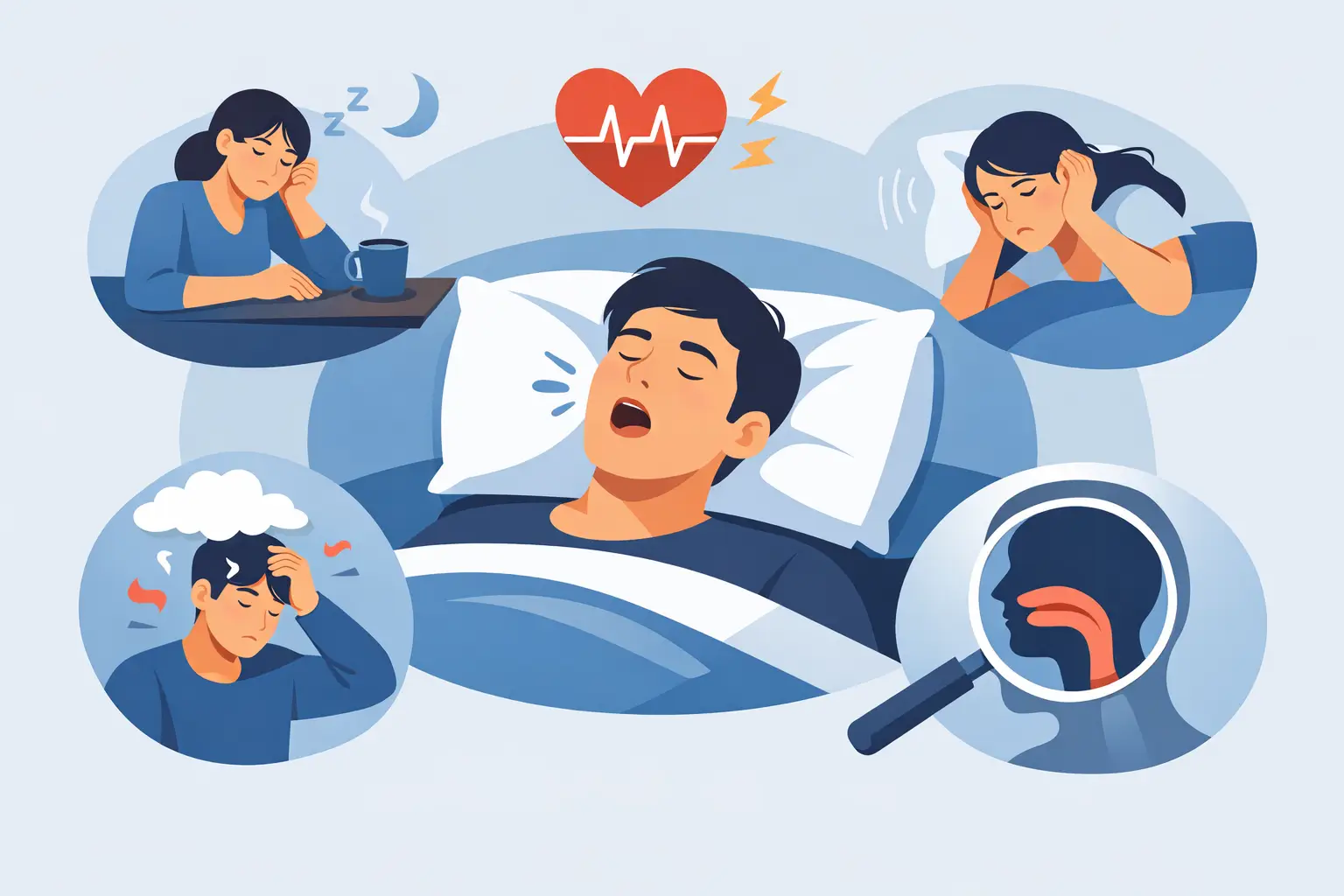
That said, evidence should always be interpreted in context. If the snoring is loud, worsening, linked with witnessed breathing pauses, morning headaches or heavy fatigue, the right move is not another retail experiment. It is medical assessment. No consumer product should be used to paper over symptoms that may point to sleep apnoea.
What sensible buyers should look for next
If you are comparing products, look for a mix of proof and honesty. A trustworthy device should have a clear intended use, a believable mechanism, and clinical support that is described in plain English. It should also acknowledge limits. Not every snorer responds the same way, and any brand claiming otherwise is asking for blind faith rather than earned trust.
You should also look at how risk is handled. A full refund guarantee is not just a sales feature. It is a sign that a company expects the product to satisfy a meaningful number of people, while accepting that some users will not get the result they hoped for. That is far more credible than exaggerated certainty.
For many buyers, the strongest combination is simple: a clinically trialled, non-invasive product, a clear explanation of who it is for, and enough confidence from the brand to stand behind it. Good Night Health has built its reputation around exactly that position with the original stop snoring ring, and that matters in a market where imitation is common and evidence is often thin.
A quieter night usually starts with a better question, not a louder promise. Ask what the evidence really shows, whether the device fits the kind of snoring you have, and whether you would actually use it every night. That is how better sleep gets closer – for both sides of the bed.