Blog
Single Post

Clinical Trial Real World Evidence Explained
If you have ever bought an anti-snoring product that sounded perfect on paper and disappointing in real life, you already understand why clinical trial real world evidence matters. A product can look impressive in a controlled setting, but what most people want to know is simpler: does it help ordinary snorers at home, in bed, night after night, without turning sleep into hard work?
That question matters because snoring is personal. It affects the snorer, the partner beside them, and often the mood of the whole household the next day. People are not looking for another complicated gadget to strap on, another mouthpiece to tolerate, or another claim with no substance behind it. They want something comfortable, practical and backed by proof that feels believable.
What clinical trial real world evidence actually means
Clinical trial real world evidence brings together two types of proof people often confuse. Clinical trial evidence comes from structured testing under defined conditions. It aims to show whether a product can work and whether it is safe to use as intended. Real world evidence looks at what happens outside that narrow setup, when ordinary people use the product in everyday life, with all the usual variation that comes with sleep, habits and comfort.
Both matter. Clinical trials can show that a product is more than a marketing idea. They set a standard and give buyers something firmer than guesswork. Real world evidence adds another layer. It helps answer whether a product remains practical when the user is tired, inconsistent, sharing a bed, travelling, or simply not interested in a nightly routine that feels like a chore.
For a sleep product, that distinction is especially important. Sleep is not a laboratory exercise. People toss, turn, remove uncomfortable devices half asleep, and give up quickly on anything that feels intrusive. A product that only works under ideal conditions may still fail in the bedroom.
Why this matters so much for snoring products
The anti-snoring market is crowded, and not always in a good way. It includes copycat items, oversized claims and products that ask a lot from the user while promising the earth. That leaves many buyers sceptical, especially those who have already spent money on solutions that ended up in a drawer within a week.
This is where clinical trial real world evidence becomes more than a technical phrase. It is a filter. It helps separate products that have been tested seriously from those relying on hopeful advertising. It also helps buyers judge whether the product fits real sleep behaviour rather than an idealised version of it.
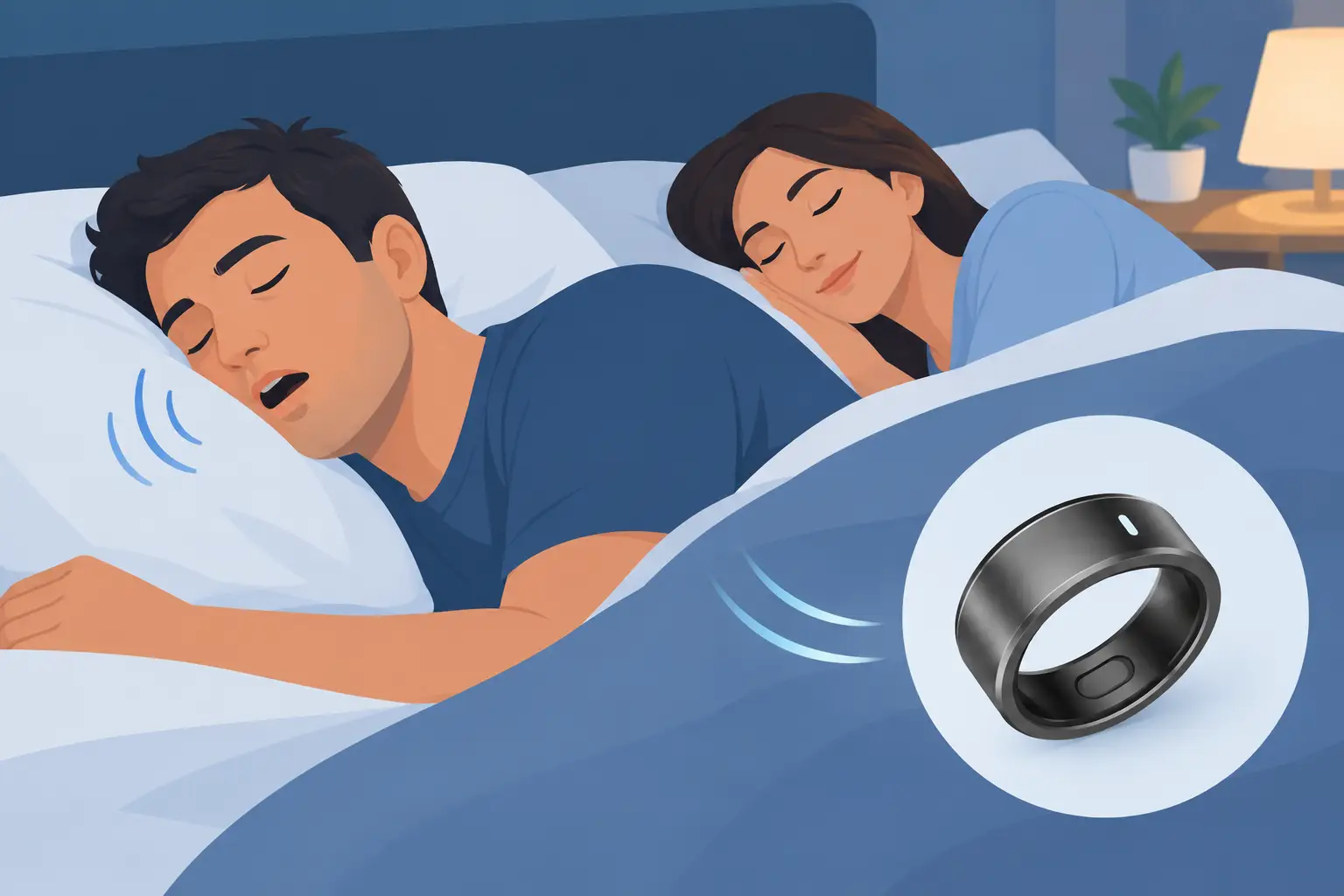
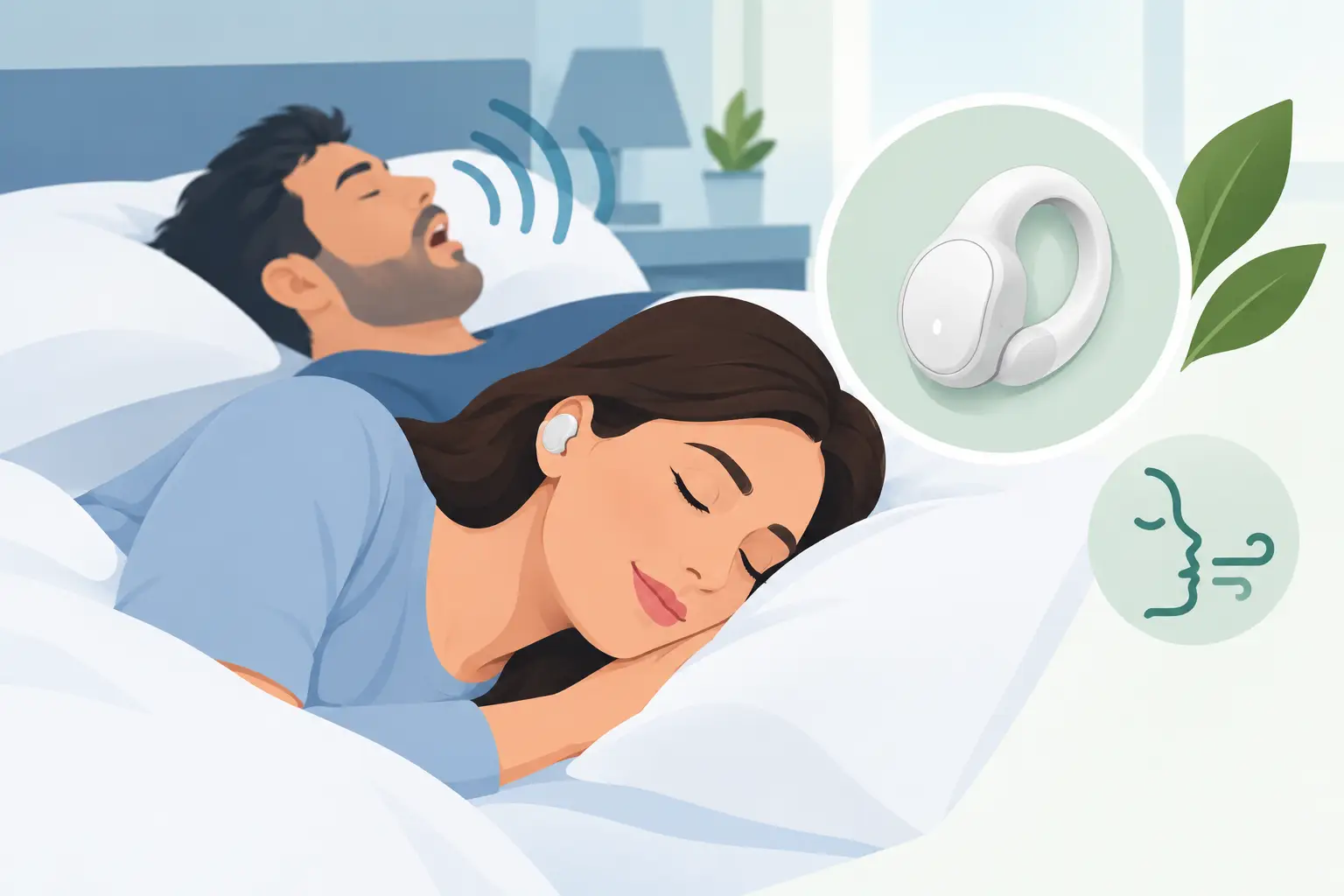
For example, a snoring ring designed to be worn on the little finger has a different real-world question attached to it than a bulky mouthguard. A mouthguard might be clinically assessed, but if many users find it too uncomfortable, dislike how it feels, or stop wearing it consistently, that matters. Comfort and compliance are not side issues. They are central to whether the product has any chance of helping over time.
Clinical trials show credibility, but they do not tell the whole story
A proper clinical trial gives confidence for good reason. It suggests that the maker was willing to put the product through formal testing rather than simply rely on claims. For consumers, that matters because trust in this category can be fragile.
Still, trials have limits. They often use specific inclusion criteria, controlled instructions and narrower conditions than everyday life. Participants may be monitored more closely than typical customers. That does not make the trial irrelevant. It just means trial results should be understood as one part of the picture.
This is where some brands overreach. They treat trial data as if it guarantees identical outcomes for everyone. Honest brands do not do that. They explain the evidence clearly and admit what sensible buyers already know: no anti-snoring product works for every person, because snoring has different causes, patterns and severity.
That honesty tends to build more trust, not less. Buyers are more likely to believe strong results when a company also acknowledges the limits.
Real world evidence is where everyday confidence comes from
Real world evidence helps answer the questions consumers actually ask before buying. Is it easy to wear? Can you sleep naturally with it on? Will your partner notice a difference? Is it the kind of product you can stick with, or does it become another failed experiment?
In practical terms, real world evidence may come from post-purchase feedback, wider user experience, repeat purchase patterns and ongoing product use outside a formal study. It reflects what happens in ordinary homes, not just in a controlled trial environment.
For sleep products, that is valuable because usability can make or break results. An elegant, non-invasive option often has an advantage here. If a product is simple to wear, discreet and does not interfere with sleep, people are more likely to use it consistently. And consistent use gives any legitimate solution a fair chance to do its job.
That is one reason many people are drawn to alternatives that avoid medication or cumbersome devices. They are not just looking for effectiveness in theory. They are looking for something they can actually live with.
What to look for when brands mention clinical trial real world evidence
Not all evidence claims are equal. Some are clear and responsible. Others are dressed up to sound more impressive than they are. If you are comparing anti-snoring products, it helps to slow down and look at how the proof is presented.
First, ask whether the brand is clear about what was clinically trialled and what comes from general customer use. Blurring those lines is a warning sign. Second, look for realism in the claims. If a product is presented as a guaranteed fix for every snorer, that is usually marketing talking louder than evidence. Third, notice whether the company stands behind the product with low-risk terms, such as a money-back guarantee. A guarantee does not replace evidence, but it does show confidence.
This balanced approach matters. A trial can show that a product has earned attention. Real world evidence can show that it remains useful when life is not tidy. Together, they provide a more trustworthy basis for a buying decision.
Why the original product often matters more than people think
In categories crowded with imitations, evidence should make buyers more careful, not less. Copycat products may resemble the original in appearance while lacking the same testing, quality controls or product consistency. That can be a serious issue in wellness categories where consumers assume all similar-looking items perform alike.
They often do not.
When a brand emphasises that it is the original clinically trialled stop snoring ring, that is not just a slogan. It points to something concrete: the product people are considering should be the same product associated with the evidence. If a cheaper alternative borrows the look but not the proof, the comparison is not fair.
For consumers, this is where a bit of caution pays off. If the evidence matters to you, make sure it belongs to the product in your basket, not just to a product that inspired it.
The sensible way to use evidence when choosing a snoring solution
The best buying decisions usually come from combining evidence with fit. Clinical trial real world evidence can tell you whether a product has a serious case behind it, but you still need to consider your own situation. Is your snoring simple and habitual, or could it suggest something more serious? Do you want a non-invasive option? Are you likely to wear it consistently? Does your partner need a solution that is discreet and easy to live with?
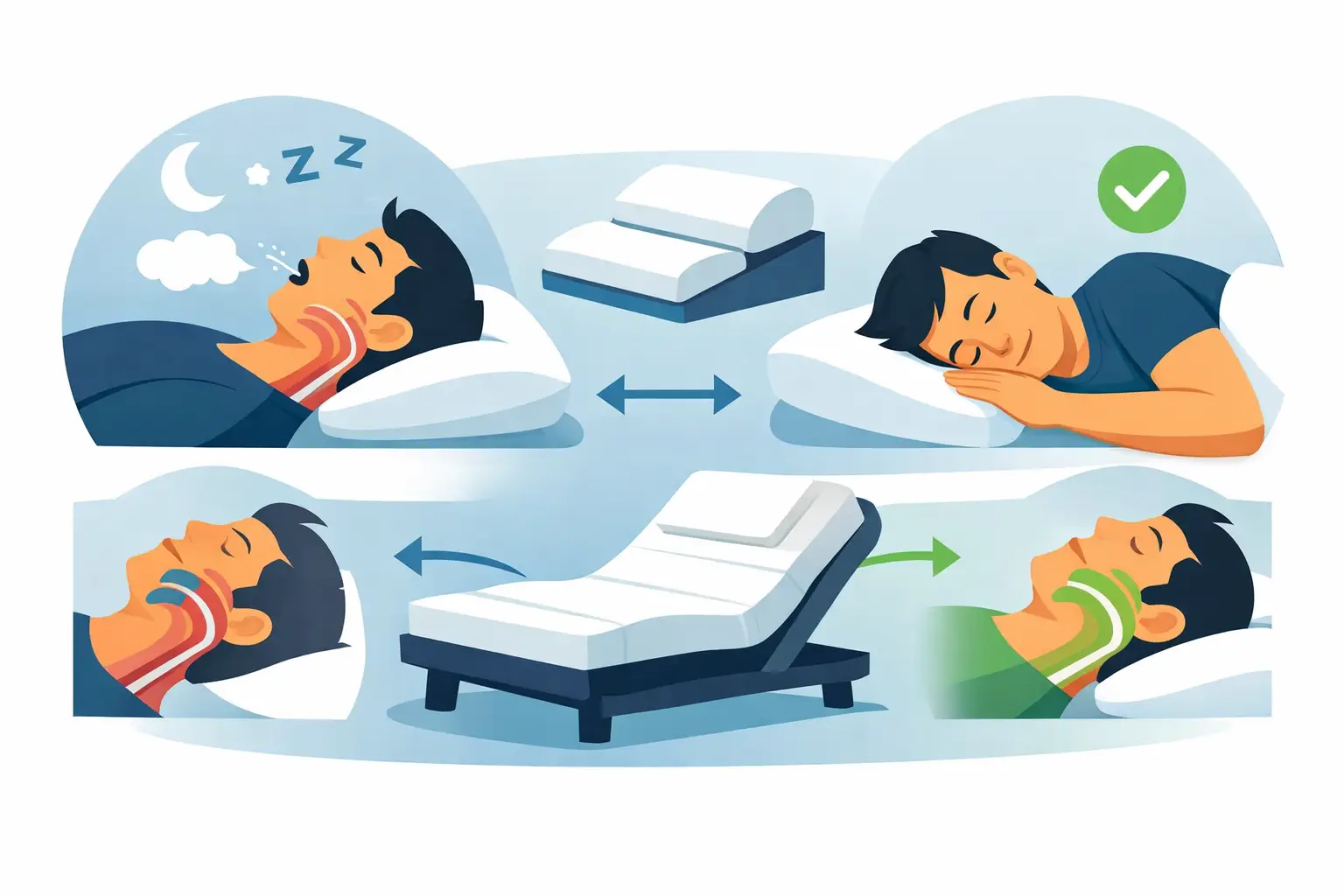
For many people, a simple acupressure-based wearable feels more realistic than a device that changes how they breathe through the night or sits awkwardly in the mouth. That does not mean one format suits everyone. It means comfort, simplicity and proof should be weighed together.
Good Night Health has built its message around exactly that balance: a non-invasive, clinically trialled product, honest claims about who it may help, and the reassurance of a refund if it is not right for you. That sort of confidence tends to be more persuasive than exaggerated promises, because it respects the buyer.
If you are comparing options, look past big claims and ask a better question: is this evidence telling me what happens only in a study, or what is likely to happen in real life too? The most useful sleep solutions are the ones that make sense on both counts – and let you get on with the one thing you were trying to do in the first place, which is sleep.