Blog
Single Post
Anti Snoring Remedies That Actually Help
If snoring has turned bedtime into a nightly negotiation, you are not looking for gimmicks. You are looking for anti snoring remedies that are simple, comfortable, and realistic enough to use every night. That matters, because the best remedy is rarely the one with the boldest claims – it is the one you will actually stick with.
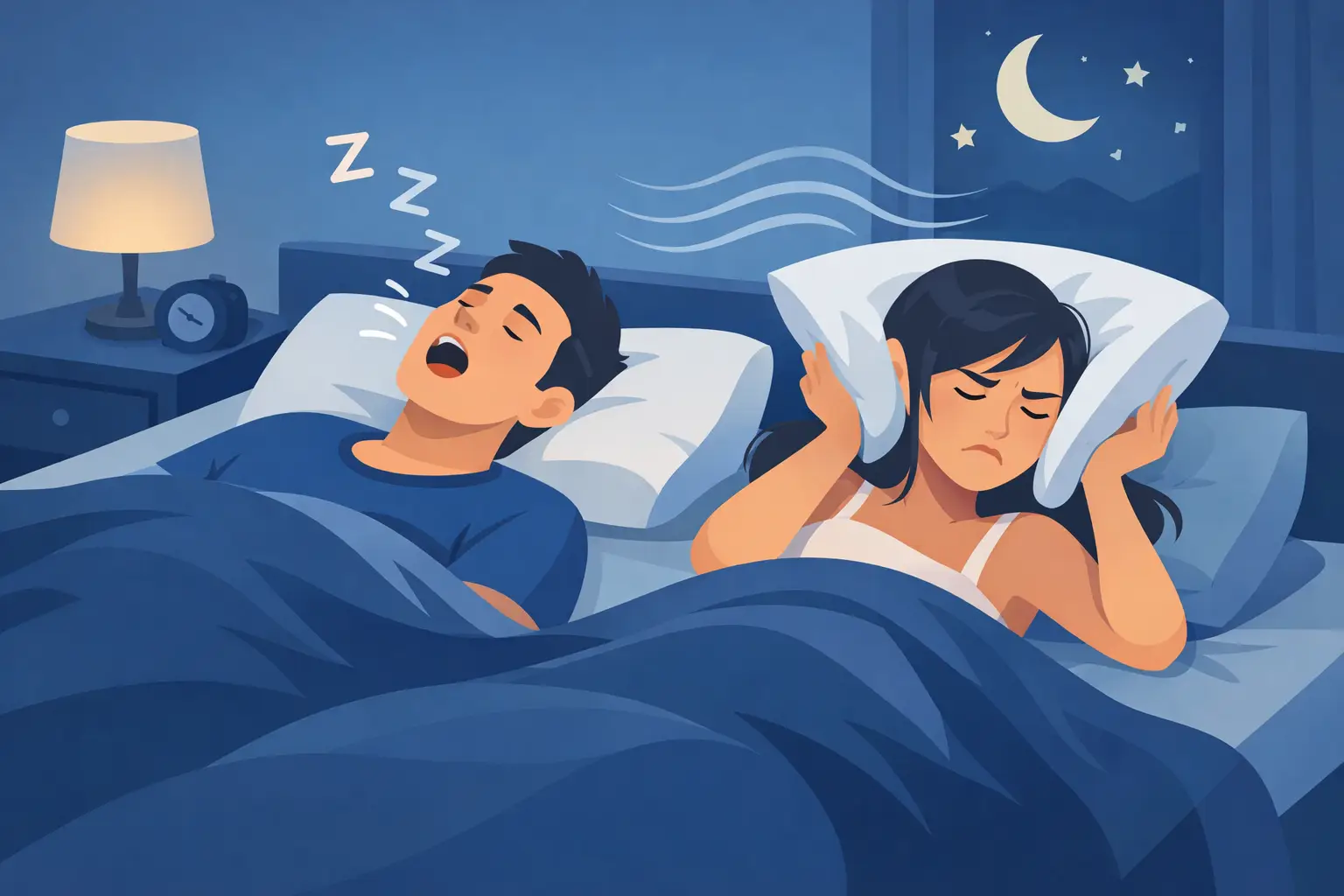
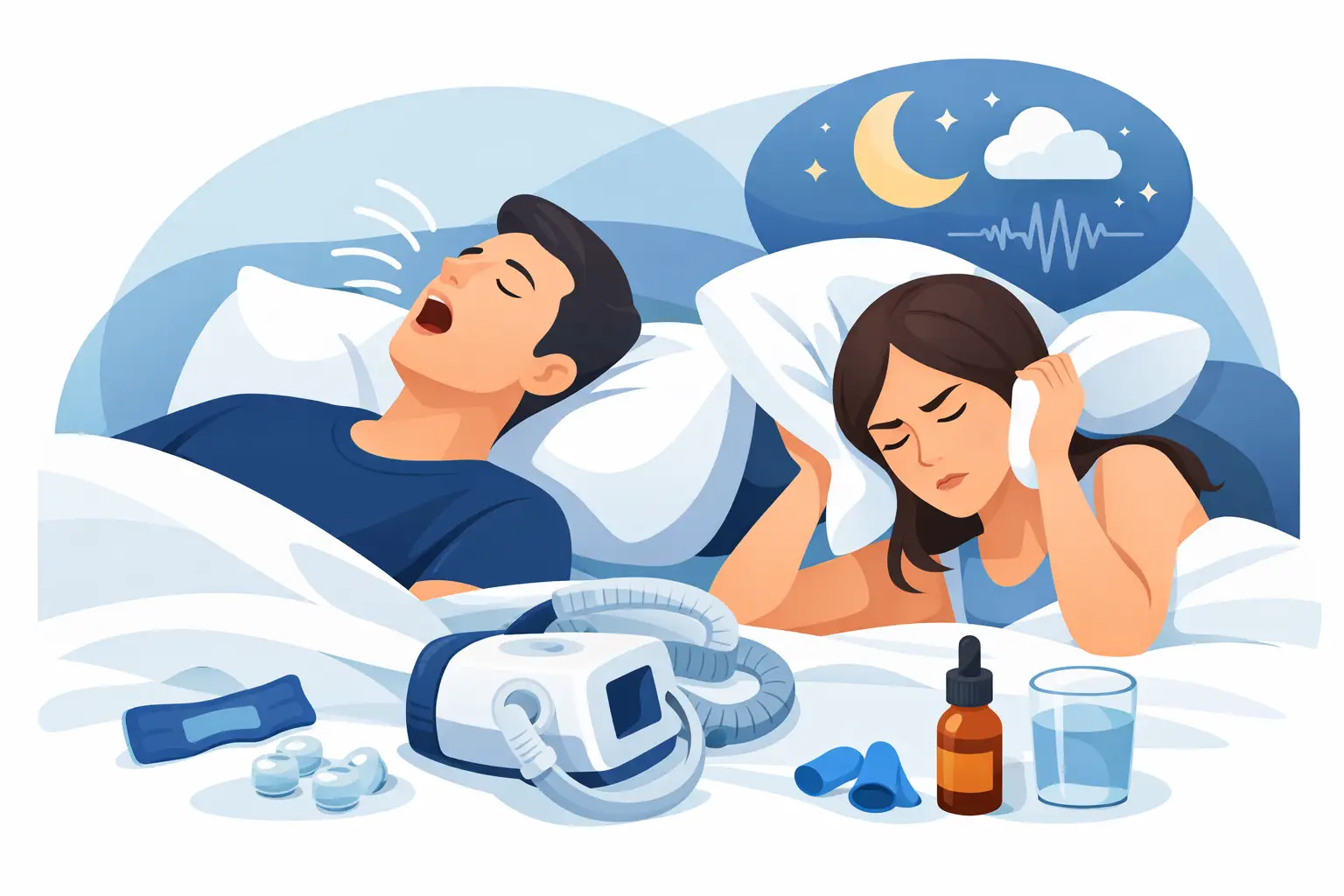
For many people, snoring is not just a personal annoyance. It affects partners, interrupts sleep quality, and can quietly wear down patience over time. One person loses sleep because of the noise. The other wakes up feeling blamed for something they are not fully in control of. A remedy has to do more than sound clever. It has to fit real life.
Why anti snoring remedies work for some people and not others
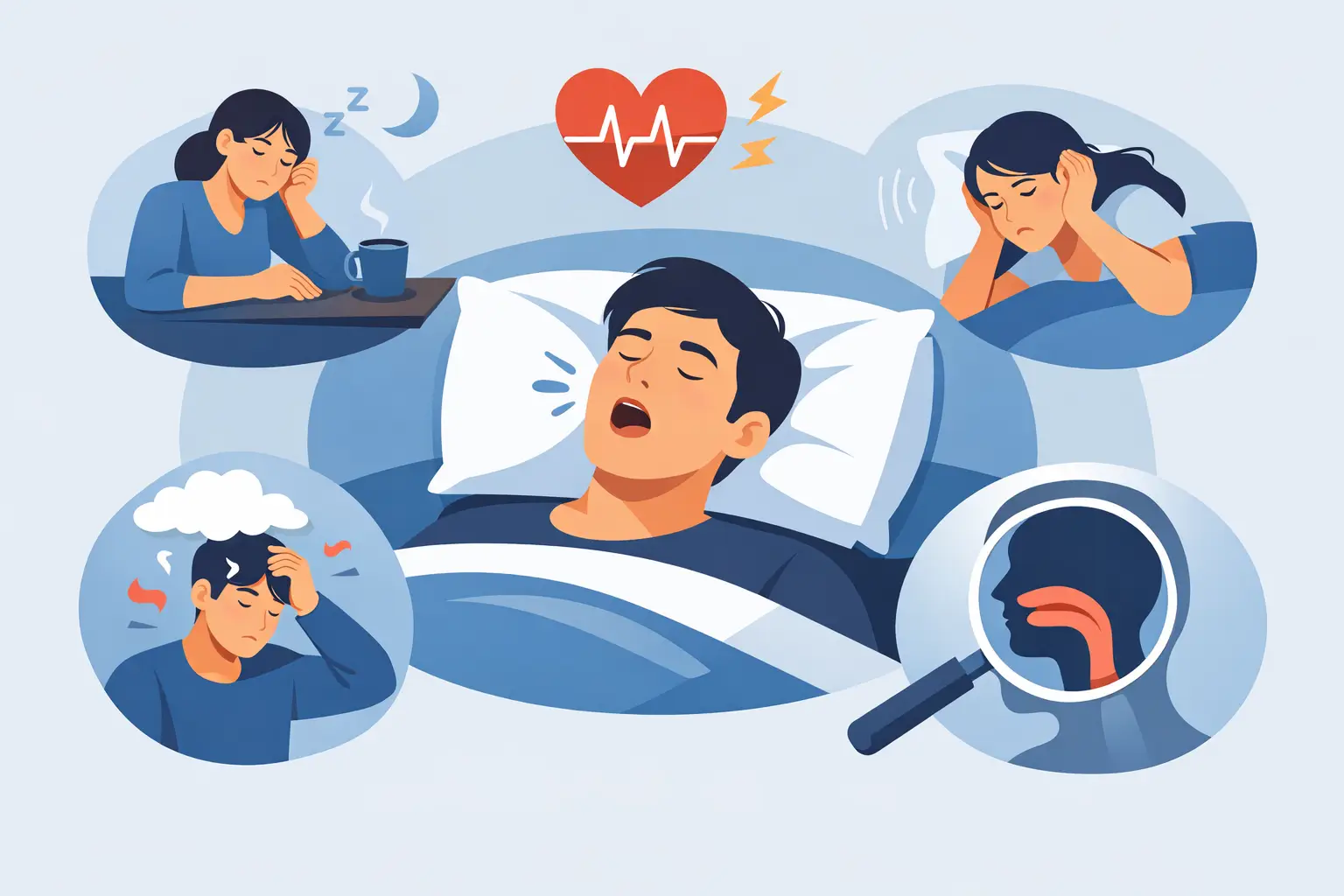
Snoring happens when airflow is partly obstructed during sleep, causing soft tissues in the airway to vibrate. The reason behind that obstruction can vary. For some people, it is linked to sleep position, especially lying flat on the back. For others, nasal congestion, alcohol in the evening, weight gain, or the natural relaxation of throat tissues during sleep play a part.
This is why no honest brand should pretend that one fix works for absolutely everyone. A remedy that helps with simple snoring may do very little if the underlying issue is more complex. If snoring is loud, persistent, paired with choking or gasping, or followed by extreme daytime tiredness, it is sensible to speak to a medical professional. That is not fearmongering. It is common sense.
For straightforward snoring, though, there are several routes people try. The challenge is separating what is theoretically helpful from what is genuinely comfortable enough to become part of a nightly routine.
The most common anti snoring remedies
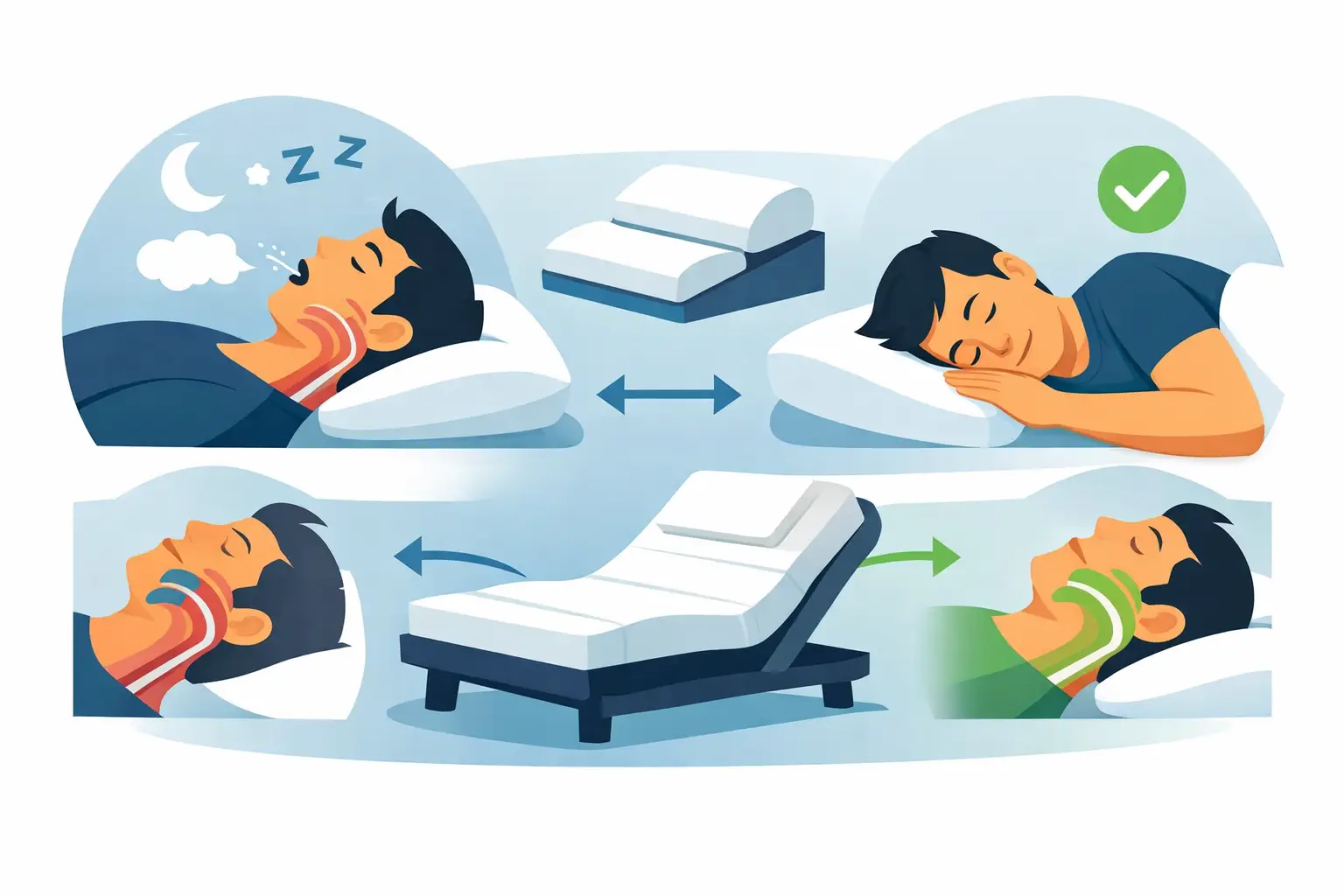
Some remedies focus on changing how you sleep. Side sleeping can help if snoring is worse on your back, because it may reduce airway collapse. This can be effective, but it depends on whether you naturally stay in position all night. Many people do not.
Nasal strips and nasal dilators aim to improve airflow through the nose. They can be useful if congestion or narrow nasal passages are part of the problem. They are less likely to help if the snoring is coming mainly from the throat rather than the nose.
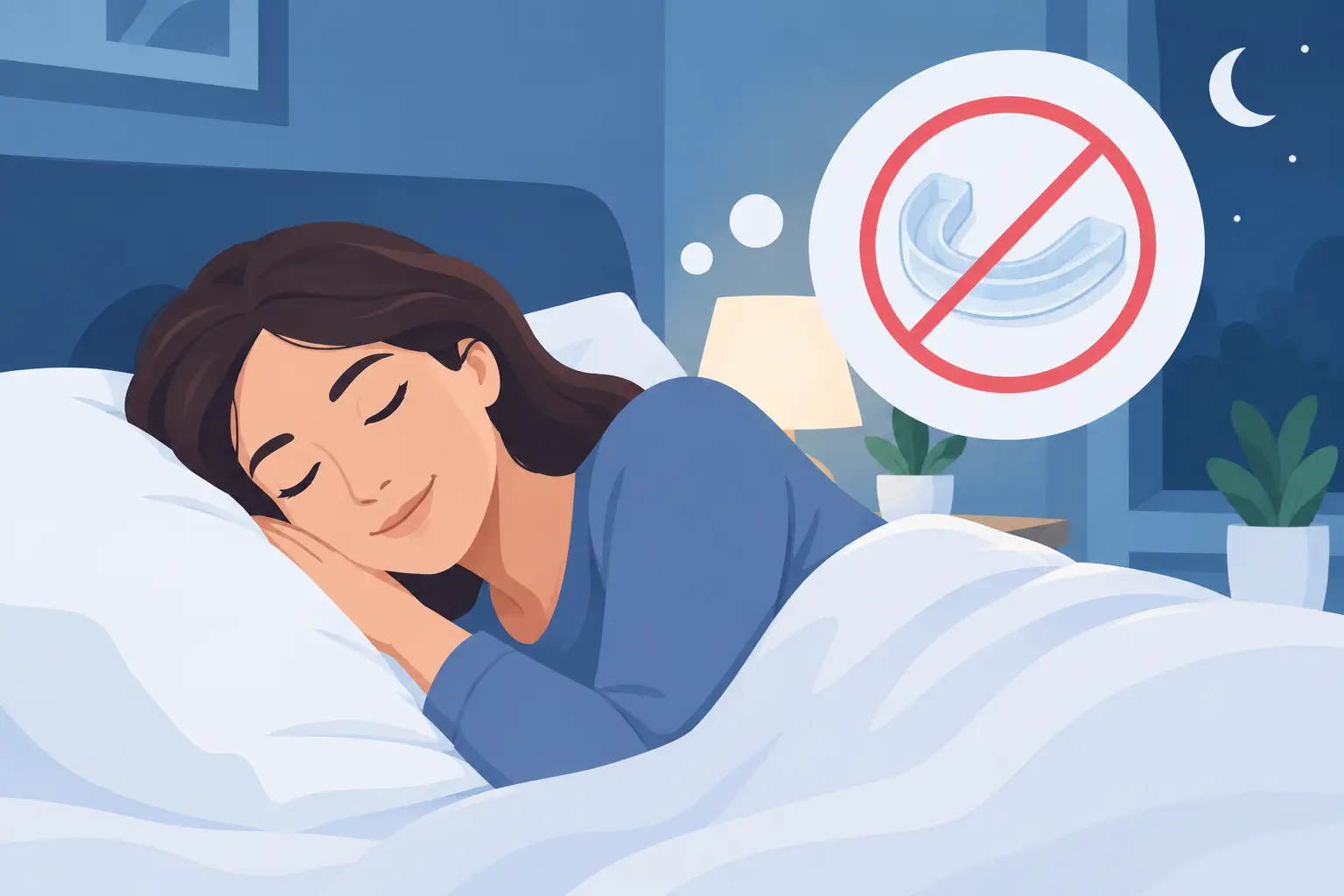
Mouthpieces are another popular option. These usually work by moving the jaw or tongue forward to help keep the airway open. They can be effective for some snorers, but they also come with obvious drawbacks. Many people find them bulky, awkward, or unpleasant to sleep in. Dry mouth, jaw discomfort, and the feeling of wearing a device in bed are common reasons people stop using them.
Lifestyle changes are often mentioned, and fairly so. Reducing alcohol before bed, managing weight where appropriate, and keeping to a steadier sleep routine can all make a difference. The trade-off is that these changes can take time, and even when they help, they do not always solve the problem fully.
Then there are non-invasive wearable options designed to support the body without forcing the jaw, relying on medication, or adding a cumbersome device at night. For many couples, this is where interest starts to rise, because comfort and ease matter just as much as theory.
What makes a remedy worth trying
A good anti snoring remedy should clear a few basic hurdles. It should be easy to use, discreet enough not to feel embarrassing, and comfortable enough to wear through the night. If it creates a new problem – soreness, irritation, claustrophobic feelings, or a complicated routine – many people will give up on it within days.
It should also come from a source that is honest. That means acknowledging limits, offering proper reassurance, and standing behind the product. In a market full of copycats and exaggerated promises, proof matters. Clinical testing matters. A clear refund policy matters. Those things do not guarantee success for every individual, but they do signal that a brand is prepared to be judged on results rather than hype.
A closer look at a non-invasive option
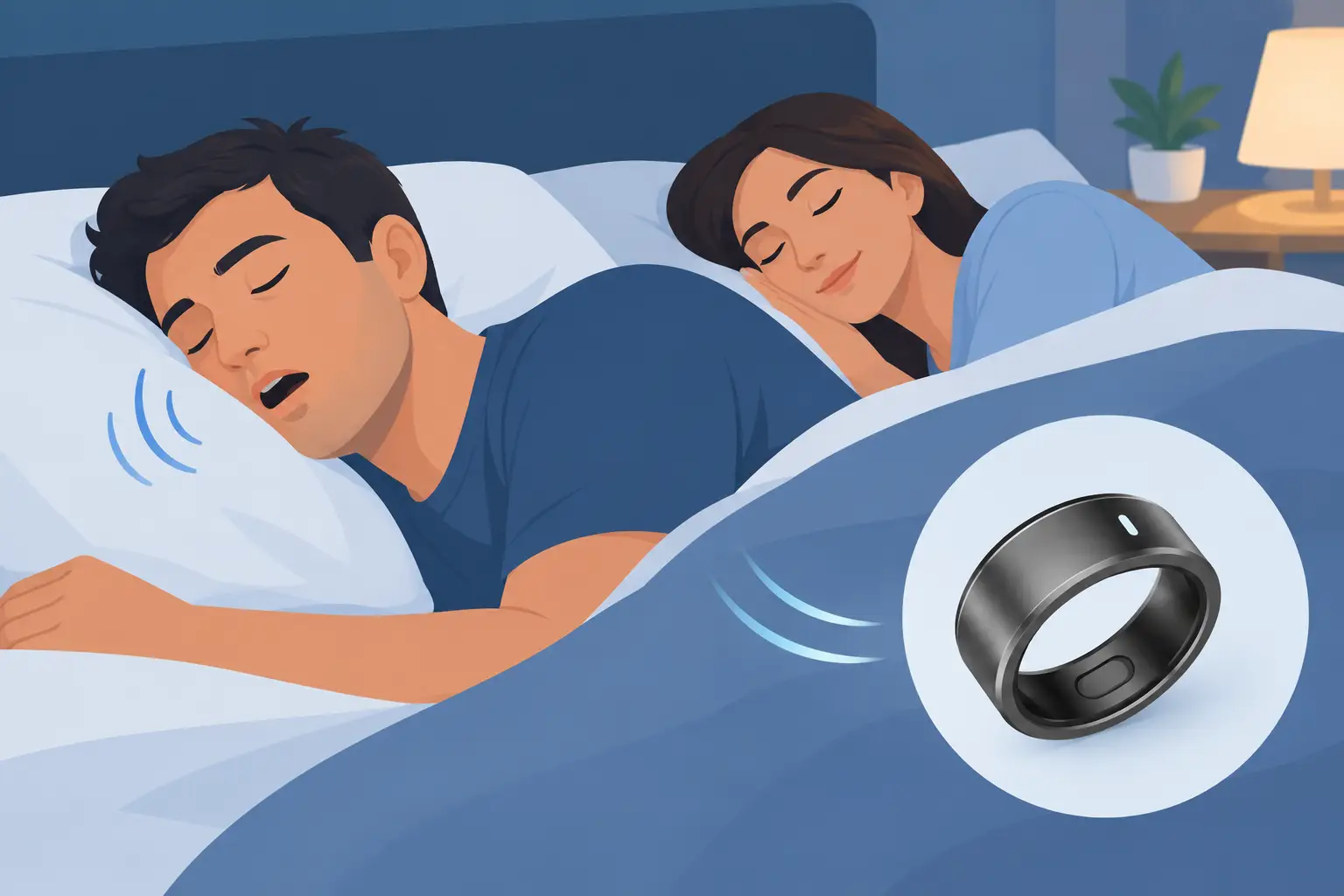
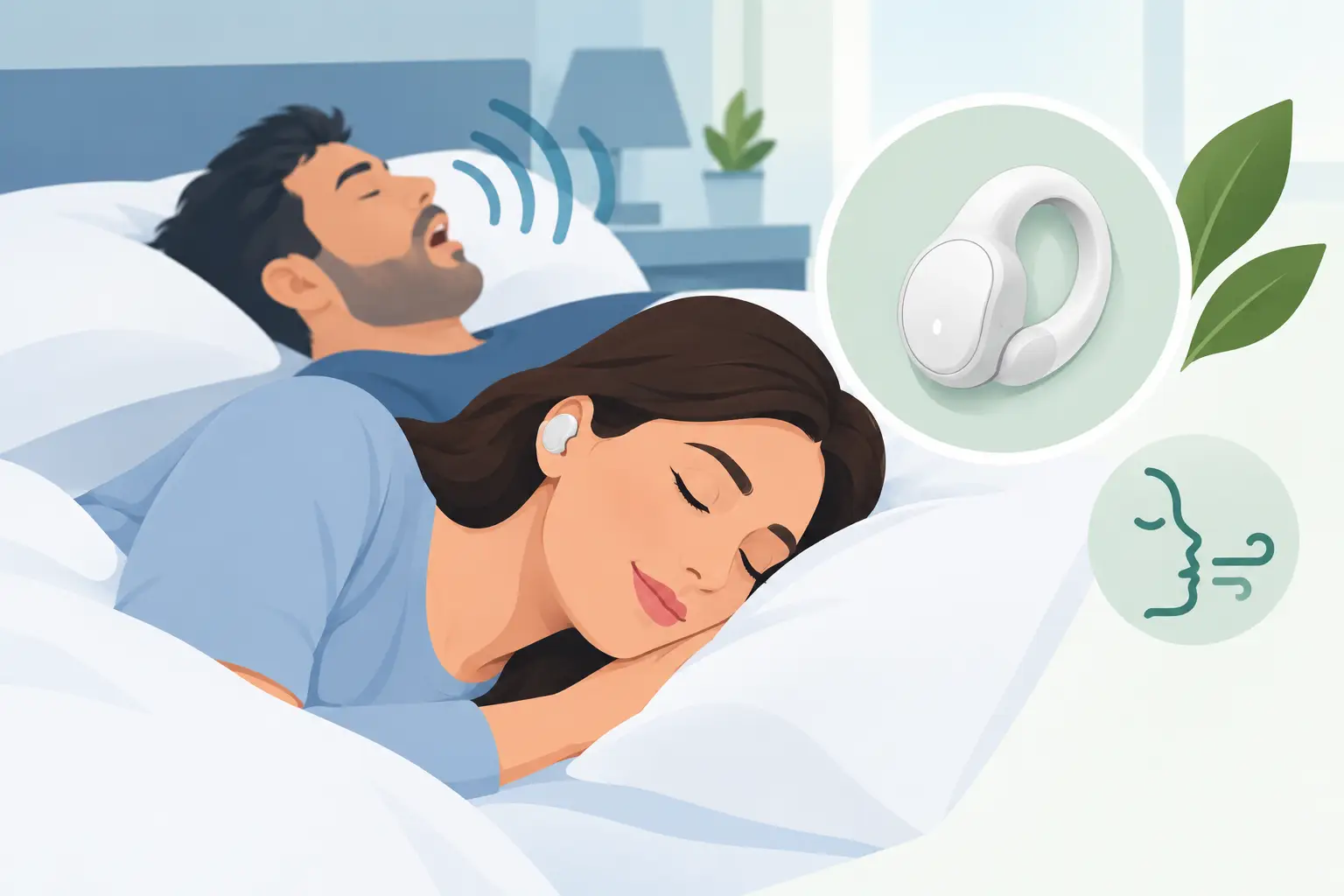
For people who have already tried strips, sprays, or bulky mouthguards, an acupressure-based snoring ring can feel like a far more practical alternative. Rather than filling the mouth or relying on chemical sleep aids, this type of ring is worn on the little finger during sleep and applies pressure to specific points.
The appeal is obvious. It is small, discreet, and easy to add to a bedtime routine. There is no moulding, no charging, and no sense of strapping on equipment before lights out. For couples who are fed up with nightly disruption, a simple wearable often feels easier to say yes to than another intrusive gadget.
That simplicity is part of why the original stop snoring ring has earned attention. Good Night Health positions its ring as a clinically trialled, FDA-cleared, non-invasive option for simple snoring, with a 30-day money-back guarantee. That combination matters because it answers the questions sensible buyers ask. Is it credible? Is it low risk to try? Is it likely to be more comfortable than the alternatives? For many people, the answer is yes.
That said, honesty matters here too. No responsible company should promise that a ring will work for every cause of snoring. It is designed for simple snoring, and that distinction is important. If your problem is driven by something more serious, you may need a different route.
Why comfort often decides the outcome
A remedy can be scientifically plausible and still fail in the real world if people hate using it. This is where many anti snoring remedies fall down. They ask too much at the end of a long day. A mouthguard may help, but if it feels clumsy or makes sleep less comfortable, compliance drops. Nasal products may help, but some people do not want adhesives on their skin or extra steps every night.
A lightweight wearable has a more natural advantage. If it is comfortable, discreet, and quick to put on, it stands a better chance of becoming habitual. And when a remedy becomes routine, it has a far better shot at delivering consistent results.
For partners, this matters just as much. The ideal remedy is not one that creates a fresh bedtime debate. It is one that feels straightforward enough to adopt without fuss.
How to choose between anti snoring remedies
Start by being realistic about your snoring pattern. If it is occasional and clearly linked to alcohol, heavy meals, or sleeping on your back, a simple behavioural change may be enough. If it is frequent but uncomplicated, and you want a low-effort solution, a non-invasive wearable may be more appealing than a mouthpiece.
If you mainly struggle with blocked nasal breathing, a nasal-focused remedy might be worth testing first. If you have already gone through strips, sprays, and positional tricks with little success, it makes sense to look at an option designed to be easier to wear consistently.
It is also worth considering how much trial and error you are prepared to tolerate. Some people are happy to test multiple products. Others want one credible option with lower hassle and a refund guarantee if it does not suit them. There is no virtue in making this more complicated than it needs to be.
Red flags to avoid
The anti-snoring market attracts a lot of noise. Be wary of products that promise guaranteed results for everyone, hide behind vague science, or imitate a trusted original without offering the same proof or protections. Cheap copies can look similar at first glance, but similarity is not the same as quality, testing, or support.
If a product makes big claims but offers no credible reassurance, that is usually a sign to keep your wallet shut. Snoring can be emotional, especially when it affects both people in a bed, and that makes it easy to buy out of frustration. A better approach is to choose something grounded in comfort, evidence, and low-risk trial terms.
The real goal is better sleep, not a bigger bedtime routine
People often start searching for anti snoring remedies because they are desperate for quiet. Fair enough. But the bigger goal is better sleep for both of you, without turning bedtime into a medical procedure.
That is why simpler solutions often win. Not because they sound flashy, but because they respect what people actually want – something discreet, natural, and easy to live with. If a remedy can reduce snoring without forcing you into a mouthpiece, relying on medication, or cluttering your bedside with gear, it deserves serious attention.
A good night’s sleep should not feel complicated. The best remedy is the one that gives you the strongest chance of getting it back, with as little fuss as possible.