Blog
Single Post

Acupressure Ring vs Nasal Strips for Snoring
If you are weighing up an acupressure ring vs nasal strips, you are probably looking for the same thing: a quieter night without turning bedtime into a medical procedure. Both options are simple, drug-free and far less intrusive than a mouthguard or mask. But they work in entirely different ways, which means the better choice depends on why you snore.
For some people, a nasal strip can make breathing through the nose feel easier. For others, nasal airflow is not the main issue at all. An acupressure ring may be a more comfortable fit for people with simple snoring who want a small, discreet wearable rather than something stuck across the bridge of the nose.
Acupressure Ring vs Nasal Strips: The Key Difference
Nasal strips are adhesive bands worn across the outside of the nose. Their spring-like material gently lifts the sides of the nostrils, helping to widen the nasal passages. They are designed to reduce resistance to nasal airflow, particularly when congestion, allergies or naturally narrow nasal passages are contributing to noisy breathing.
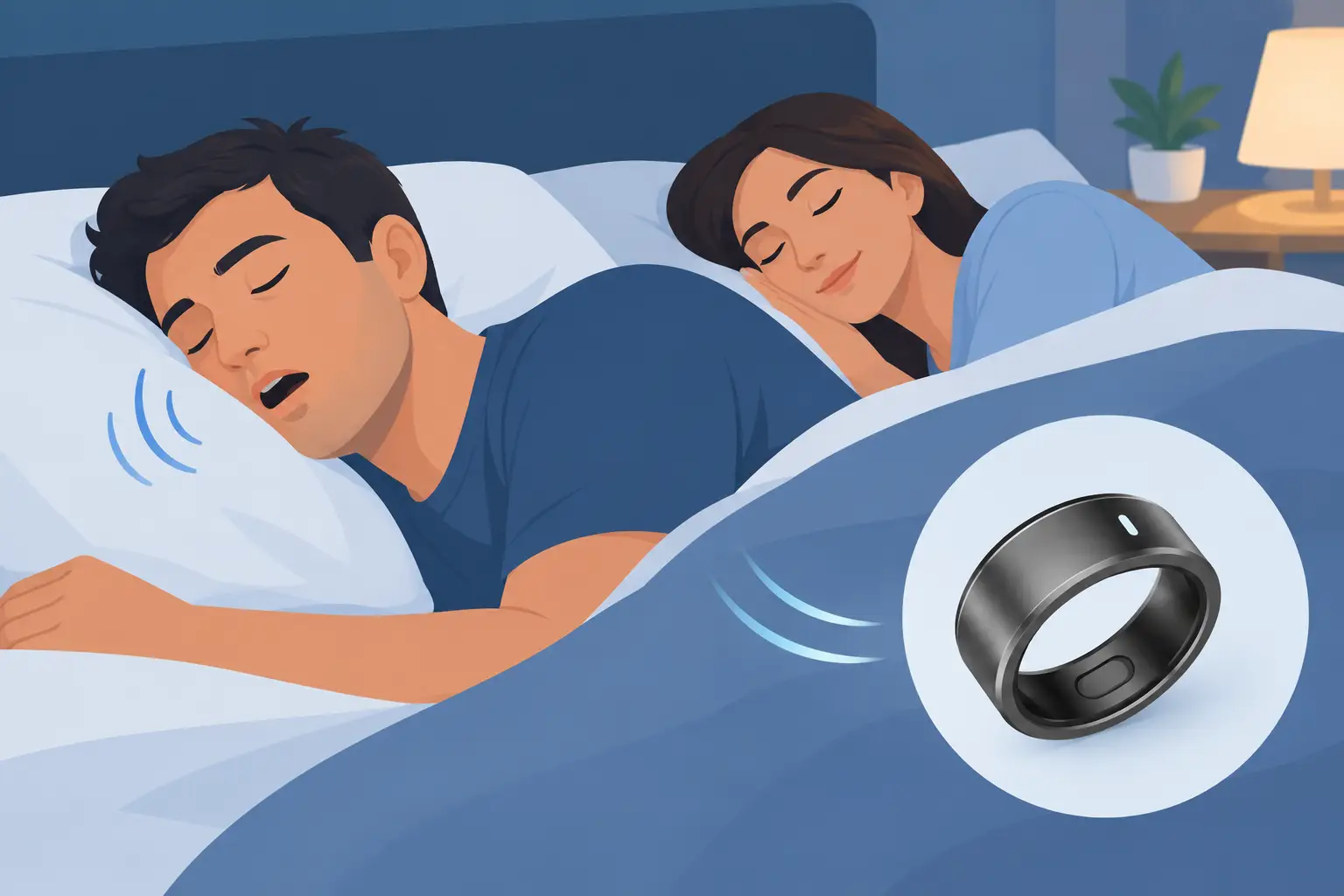
An anti-snoring acupressure ring is worn on the little finger overnight. It applies gentle pressure to specific acupressure points traditionally associated with breathing and relaxation. Rather than physically opening the nostrils, it is intended to support the body’s natural response to simple snoring through a small, non-invasive wearable.
That distinction matters. If your snoring is noticeably worse when you have a cold, hay fever or a blocked nose, a nasal strip may make practical sense. If you breathe reasonably well through your nose but still snore regularly, especially when lying on your back or after a tiring day, nasal strips may not address the underlying pattern.
Neither product is a cure for every kind of snoring. Snoring can have several causes, including relaxed throat tissues, sleeping position, alcohol, weight changes, nasal congestion and sleep-disordered breathing. A product that works well for one person may do very little for another.
How Nasal Strips Feel in Real Life
The appeal of nasal strips is obvious. They are easy to understand, widely available and require no adjustment beyond placing one correctly on clean, dry skin. Many people notice a more open feeling in their nose immediately, which can be reassuring when congestion is the issue.
The trade-off is that they are single-use adhesive products. You need a fresh strip each night, and the cost can build over time. Some users also find that strips loosen during the night, leave adhesive residue or irritate sensitive skin. If you sleep hot, use night creams or naturally have oily skin, getting a strip to stay put can be frustrating.
There is also the visibility factor. A nasal strip is not exactly cumbersome, but it is noticeable. For couples who want a low-fuss routine, that may not matter. For others, especially regular travellers or people who dislike disposable products, it can become another thing to buy, pack and replace.
Most importantly, nasal strips only help where nasal resistance is playing a meaningful part in the snoring. They do not hold the jaw in place, change sleeping position or directly target the soft tissue vibrations that often create the sound of snoring.
What an Acupressure Ring Offers
An acupressure ring takes a different approach to comfort and convenience. It is small, reusable and does not rely on adhesive, batteries, medication or bulky equipment. You place it on the little finger before sleep and remove it in the morning. For many people, that is easier to maintain than a routine involving strips, sprays or mouthpieces.
Its strength is simplicity. There is nothing to stick on your face and nothing to mould to your teeth. It can be particularly appealing if you have already tried conventional remedies and found them uncomfortable, awkward or too disruptive to use consistently.
The original clinically trialled stop snoring ring from Good Night Health is designed for this purpose and comes with a 30-day money-back guarantee. That matters because a responsible anti-snoring solution should not pretend that one approach suits everyone. A guarantee gives you time to see whether the ring fits your own sleeping pattern without being left out of pocket if it does not.
Acupressure rings are best considered for simple snoring, not as a substitute for medical assessment. Results can vary, and consistency matters. Wearing the ring correctly each night gives you the fairest chance to judge whether it is helping you, and whether your partner notices a difference too.
Which Option Is More Comfortable?
Comfort is personal, but the practical differences are clear. Nasal strips sit on the face and can feel tight across the nose. Some people barely notice them; others become aware of the adhesive every time they turn over. They also need to be removed in the morning, which can be unpleasant if your skin is sensitive.
An acupressure ring is designed to be light and unobtrusive. Once correctly positioned on the little finger, it should not interfere with normal sleep or make side sleeping difficult. That makes it an attractive option for people who dislike anything on their face or in their mouth.
Fit still matters. A ring should feel secure but not painfully tight. If you experience persistent discomfort, tingling, numbness or skin irritation, remove it. The goal is a gentle nightly routine, not something you have to tolerate through gritted teeth.
For a partner, the comfort question is often even simpler: which solution is most likely to be used every night? The most effective anti-snoring product is rarely the one with the most complicated design. It is the one the snorer will actually keep using.
When Nasal Strips May Be the Better Choice
Nasal strips are worth trying when the connection between your nose and your snoring is obvious. Perhaps you snore only during allergy season, after a cold, or when one nostril feels blocked. You may also find that you wake with a dry mouth because you are struggling to breathe through your nose.
In those situations, improving nasal airflow can reduce the effort of breathing and make sleep feel more comfortable. A strip is also a straightforward short-term option if congestion is temporary.
However, if you have clear nasal breathing and the snoring continues night after night, it is sensible to look beyond the nose. Repeatedly buying strips without a meaningful improvement can become expensive and discouraging.
When an Acupressure Ring May Be a Better Fit
An acupressure ring is often a better fit for the person who wants a reusable, non-invasive option for ongoing simple snoring. It is especially appealing if you have rejected mouthguards because they feel bulky, dislike nasal strips on your skin, or want something discreet enough to take anywhere.
It may also suit couples who want to try a low-disruption approach before considering more intrusive devices. There are no drugs to take and no facial adhesive to replace. That does not guarantee results, but it removes common barriers to giving a solution a proper trial.
If you choose a ring, avoid cheap lookalikes that make vague promises without clear product information, trial history or a fair return policy. A small wearable still deserves serious scrutiny when it is being used night after night.
Do Not Ignore Signs of Sleep Apnoea
Simple snoring is common, but loud snoring can sometimes sit alongside obstructive sleep apnoea. This is a condition where breathing repeatedly pauses or becomes restricted during sleep. Neither nasal strips nor acupressure rings should be used to brush aside warning signs.
Speak to your GP if snoring is accompanied by witnessed pauses in breathing, choking or gasping in sleep, severe daytime tiredness, morning headaches, poor concentration, high blood pressure, or waking unrefreshed despite enough time in bed. These signs deserve proper assessment, particularly if they are frequent.
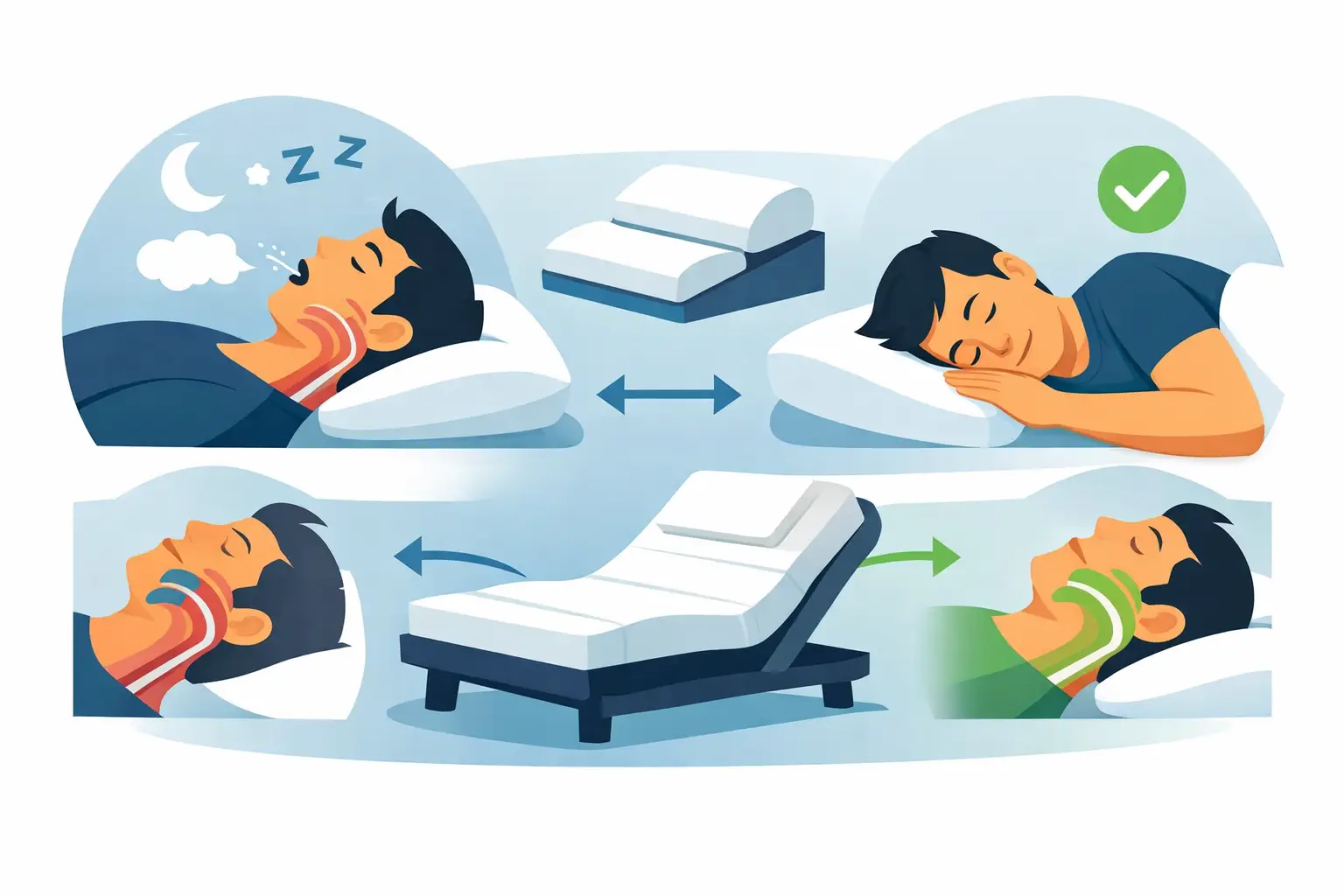
It is also worth looking at the basics. Sleeping on your side, limiting alcohol close to bedtime and addressing persistent nasal congestion can all make a difference. These changes can work alongside a simple anti-snoring product, rather than replacing it.
The Practical Choice for Better Nights
The acupressure ring vs nasal strips decision comes down to cause, comfort and consistency. Nasal strips are most useful when a blocked or narrow nose is clearly part of the problem. An acupressure ring offers a reusable, discreet alternative for people seeking support for simple snoring without adhesive, medication or a mouthpiece.
Start with the option that matches your symptoms, then give it a fair and consistent trial. Better sleep is not only about reducing a sound. It is about helping the snorer wake more rested and giving their partner the chance to enjoy a peaceful night again.