Blog
Single Post

How to Spot Fake Snoring Rings
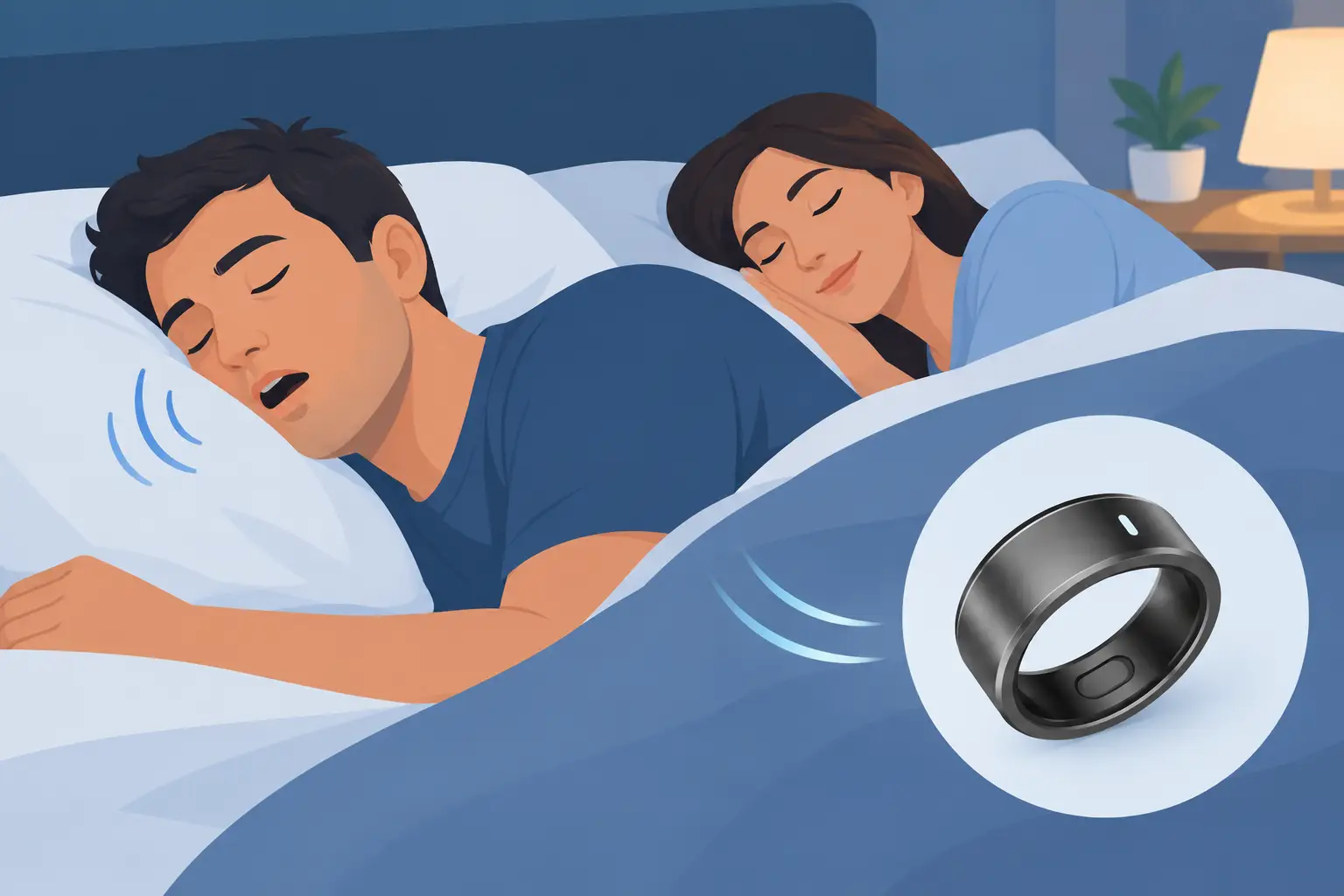
A snoring ring can look convincing in a photo and still be a poor imitation when it arrives. That is the problem with this market. If you are searching for how to spot fake snoring rings, you are probably not just shopping for yourself – you are shopping for quieter nights, better sleep, and a solution that does not end up in the drawer with the rest of the failed fixes.
The good news is that copycats usually give themselves away. Not always at first glance, but once you know what to check, the difference becomes much clearer. A genuine anti-snoring ring should be backed by evidence, made with care, and sold with enough confidence that the company stands behind it. A fake or low-grade copy usually leans on vague promises, bargain pricing, and very little accountability.
How to spot fake snoring rings before you buy
The first sign is often the sales language. Fake products tend to promise too much, too fast. If a listing claims it will stop all snoring in every user, treat that as a warning. Honest brands know that snoring has different causes, and no single product works for absolutely everyone. Straightforward claims are usually more trustworthy than dramatic ones.
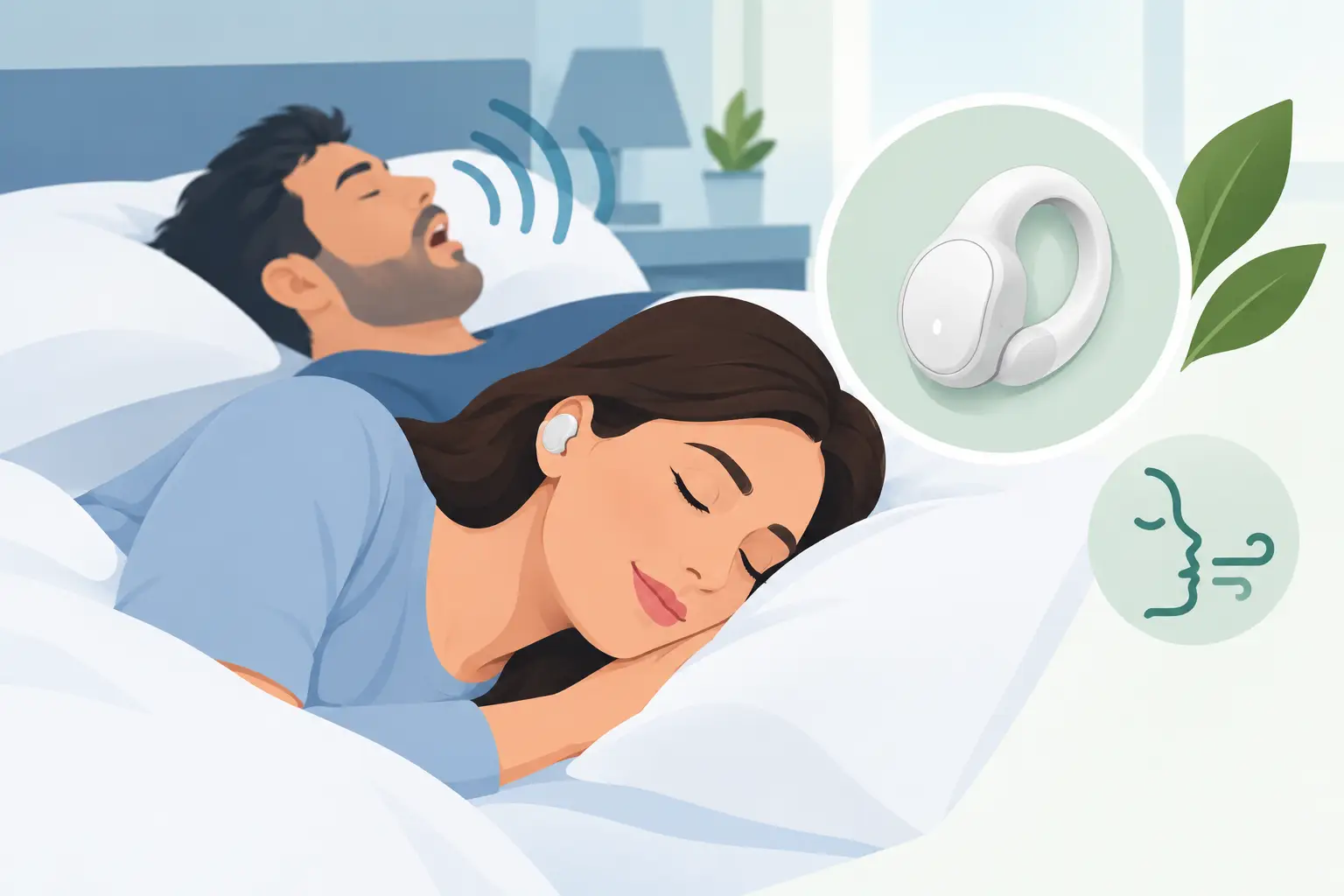
The second thing to check is whether the product explains how it works in plain English. A proper anti-snoring ring should describe its mechanism clearly. In the case of an acupressure-based ring, that means applying pressure to specific points on the little finger during sleep. If the seller avoids a real explanation and fills the page with buzzwords instead, that is not a good sign.
Price can also tell you a lot. Cheap does not always mean fake, but when a ring is being sold at a rock-bottom price compared with established products in the category, there is usually a reason. Lower-grade materials, poor finishing, weak quality control, and copied marketing are common. If it looks like a throwaway item, it may well perform like one.
Then there is the issue of proof. A legitimate brand should be willing to show what supports its claims. That might include clinical trial data, product testing, or regulatory information where relevant. If there is no mention of evidence at all, or the wording feels slippery, assume you are looking at a copycat until proven otherwise.
What a genuine snoring ring should have
A genuine product does not need to be flashy. It needs to be credible. The basics matter more than glossy packaging or overproduced adverts.
Start with product consistency. Reliable brands tend to use the same core messaging across their site, packaging, and customer support. If one page says the ring is medically backed, another says it is a wellness accessory only, and a third makes miracle claims, that inconsistency should make you pause.
Materials and design are also important. A proper ring should be designed for overnight comfort and repeated use. The fit, shape, and finish should look deliberate rather than generic. Copycats often imitate the outer appearance but miss the finer details that affect comfort and pressure placement. That matters, because if the ring is not made properly, the intended acupressure effect may not be delivered in a reliable way.
A trustworthy seller should also offer a fair returns policy. If a company claims strong results but refuses to offer a clear guarantee, that says a lot. Brands that believe in their product are usually prepared to reduce your risk. The original stop snoring ring category leader has built trust partly by being clear about this point – full refund guaranteed gives buyers a level of reassurance that copycat sellers rarely match.
Red flags that often expose copycat products
Some warning signs appear again and again. One is the use of stolen or recycled images. If the same ring photos appear across multiple shops with different brand names, you are probably looking at mass-produced copies. Another is poor-quality packaging with no proper instructions, company details, or support information.
Reviews need a careful look too. A page full of generic five-star comments like “great product” or “works perfectly” is not always persuasive. Real reviews tend to sound specific. They mention fit, comfort, how long delivery took, whether the ring took a few nights to get used to, or whether the buyer noticed a reduction in simple snoring. If every review sounds identical, or none of them mention real-life use, be cautious.
Misspellings and awkward wording on the product page are another clue. That alone does not prove a fake, but it often goes hand in hand with rushed copy-and-paste selling. The same goes for websites that have no proper contact details, no company background, and no customer care process.
You should also be wary of sellers who make their ring look medical without offering genuine support for that position. Terms like “doctor approved” or “scientifically designed” are easy to write. What matters is whether they can point to actual clinical trial work, proper product documentation, or recognised regulatory status.
Why fake snoring rings are not just disappointing
A fake ring is not only frustrating because it wastes money. It can put people off trying a legitimate option altogether. Many customers come to this category after already trying mouthpieces, nasal strips, sprays, or gadgets that promised more than they delivered. One bad experience with a copycat ring can make a person assume the concept itself does not work.
That is a shame, because there is a real difference between a cheaply copied product and an original clinically trialled design. The category has attracted imitators for a reason – simple, non-invasive anti-snoring wearables appeal to people who want something discreet and comfortable. But once a market gets crowded, it becomes harder for buyers to tell which products were developed properly and which ones were rushed out to chase demand.
There is also the comfort issue. Something you wear overnight has to be made to a decent standard. Rough edges, poor sizing, or weak materials are not small problems at 2am. If the ring is uncomfortable, you are less likely to keep wearing it long enough to judge whether it helps.
How to compare sellers without getting lost
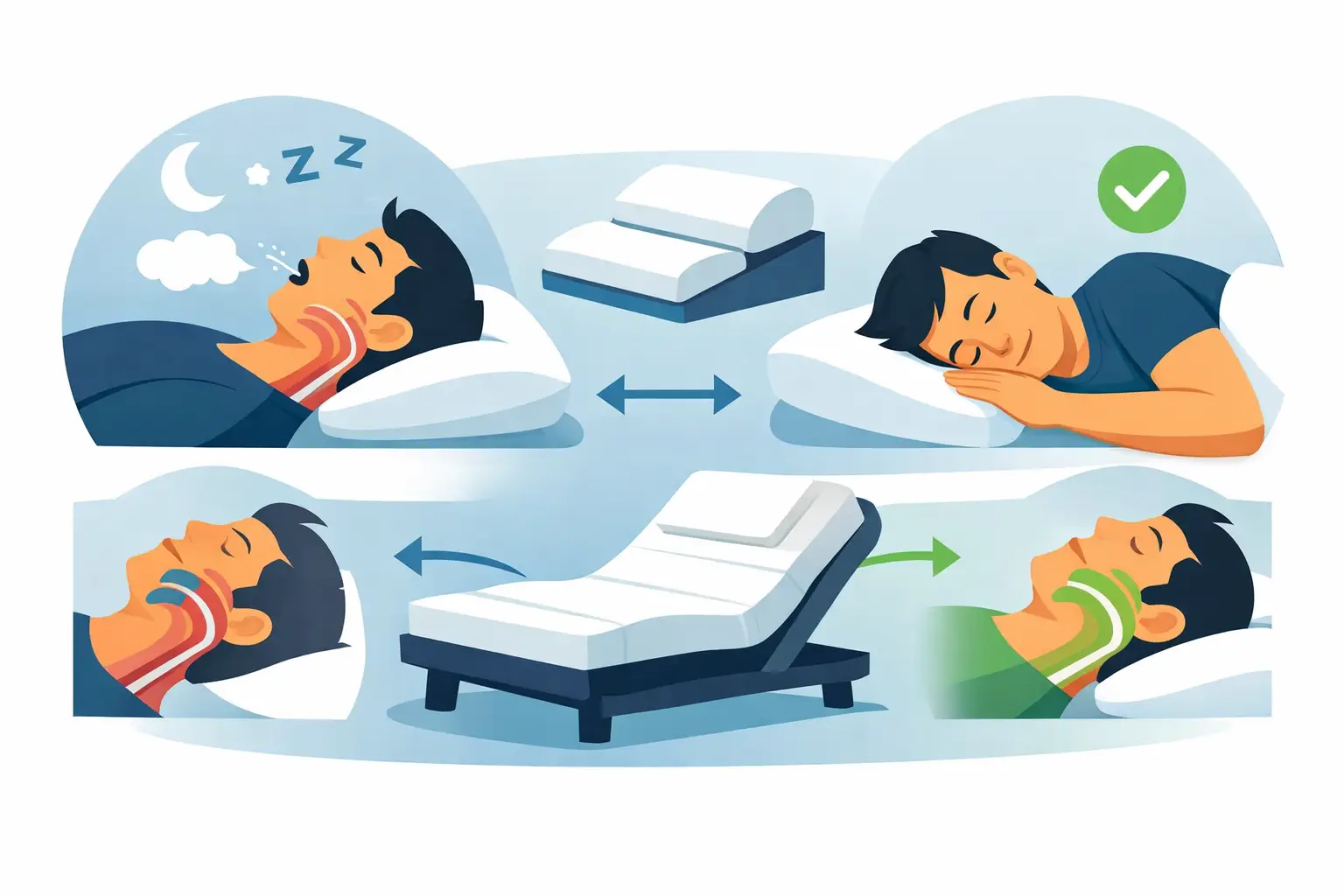
If you are comparing options, keep it simple. Look for a brand that explains the product clearly, presents believable claims, and accepts that results vary. That last point matters. Snoring can be linked to sleeping position, nasal congestion, alcohol, weight, or underlying health conditions. A ring aimed at simple snoring may help many people, but an honest company will not pretend it is the right answer for every type of snoring.
Next, check whether the company offers real reassurance. Clinical trial references, FDA clearance in the US where stated, and a 30-day money-back guarantee all suggest a business that expects scrutiny rather than avoiding it. Good Night Health, for example, positions its ring as the original clinically trialled anti-snoring ring rather than just another low-cost listing among dozens of near-identical copies.
Finally, trust the overall feel of the offer. Does it read like a serious sleep wellness brand, or like a short-term seller trying to cash in? A genuine product usually comes with better explanations, better support, and fewer exaggerated claims. That does not guarantee it will work for every individual, but it does improve your chances of buying something real.
How to spot fake snoring rings after they arrive
Sometimes the truth only becomes obvious once the product is in your hand. Packaging that feels flimsy, missing instructions, visible defects, or a ring that looks different from the advertised item are all bad signs. The finish should be clean, the design should feel intentional, and the ring should not look like a random piece of costume jewellery repurposed for sleep.
If there is no paperwork, no brand information, and no clear route for customer support, that is another warning. So is a seller who becomes difficult to reach the moment the order has been delivered.
And if the ring feels uncomfortable in an obviously avoidable way, do not talk yourself into keeping it just because you are tired of searching. A sleep aid should simplify your night, not make it harder.
The best approach is to buy with a healthy level of scepticism, not fear. You do not need to become an expert in product sourcing to avoid fakes. You just need to look for clear explanations, credible proof, thoughtful design, and a seller confident enough to back the purchase with a proper guarantee. Better sleep is worth being selective about.