Blog
Single Post
Can Finger Pressure Reduce Snoring?
If you or your partner are lying awake night after night, the question can finger pressure reduce snoring stops sounding quirky and starts sounding practical. People ask it for a simple reason: most snoring solutions are either uncomfortable, expensive, or hard to stick with. A small, non-invasive approach that works while you sleep is naturally appealing. The real answer is not magic, but it is more interesting than many people expect.
Can finger pressure reduce snoring in real life?
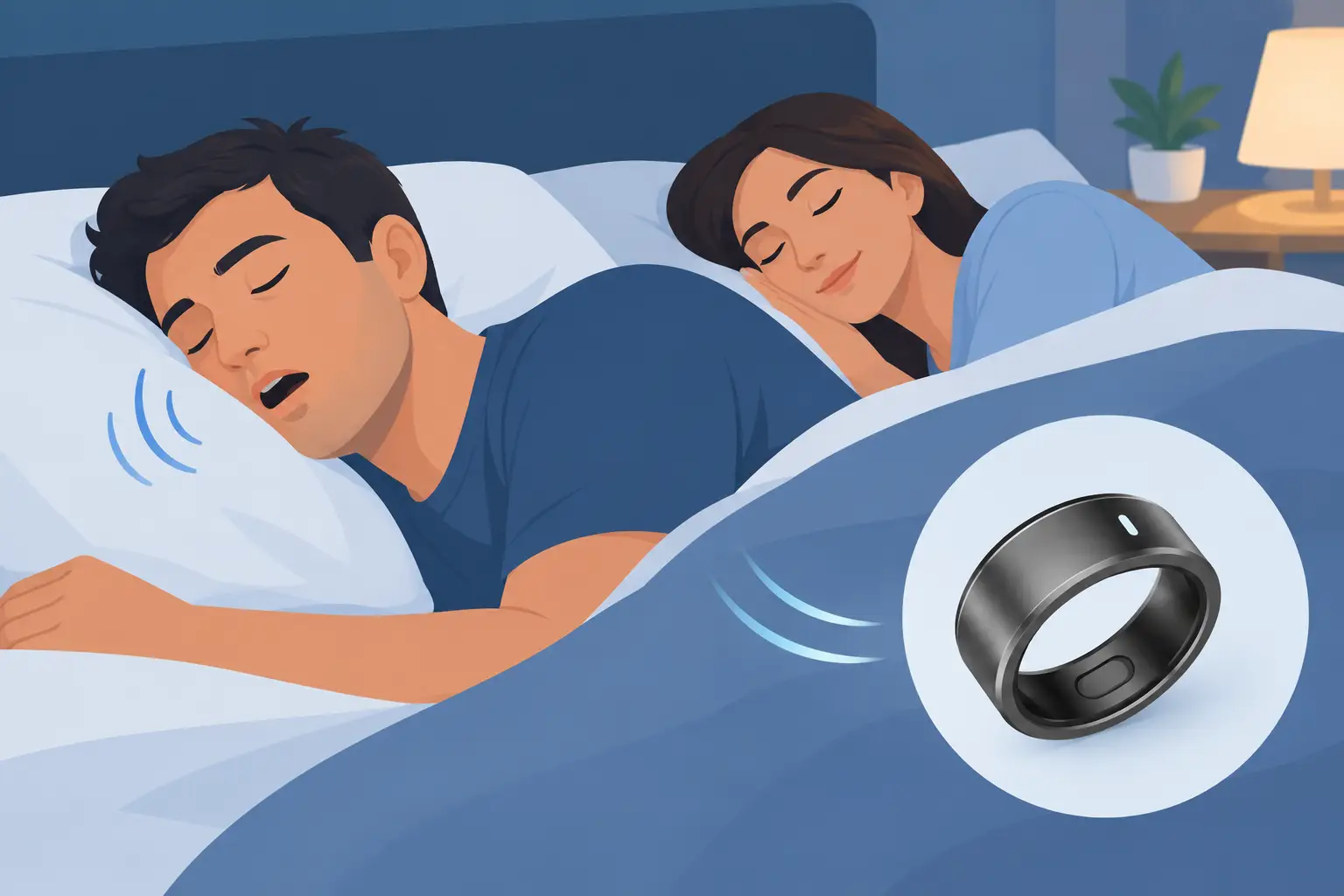
For some people, yes. Finger pressure may help reduce simple snoring by applying steady stimulation to specific acupressure points, usually on the little finger. The idea is that this pressure supports clearer, quieter breathing during sleep without the bulk of a mouthpiece or the disruption of sprays, strips, or machines.
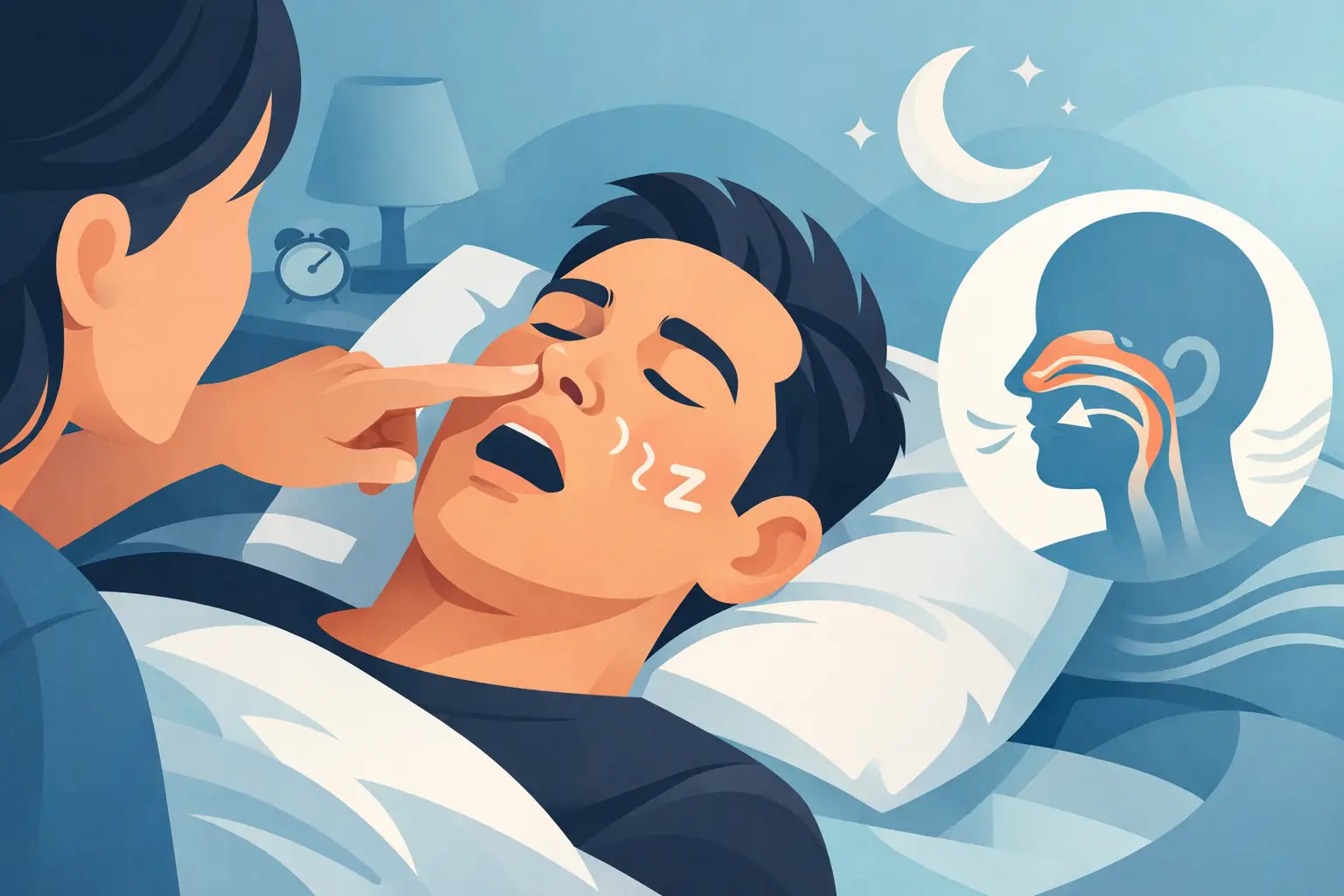
That said, not every type of snoring has the same cause. Snoring can come from nasal congestion, sleeping position, alcohol before bed, excess tissue in the airway, or an underlying sleep disorder. So the honest answer is that finger pressure can reduce snoring for some people, but it is not a guaranteed fix for every snorer.
This is where many brands overpromise. We do not. If your snoring is simple and habitual rather than linked to a more serious medical condition, acupressure may be a sensible option to try. If your snoring is loud, irregular, or paired with choking, gasping, or daytime exhaustion, you should speak to a medical professional.
How finger pressure is meant to work
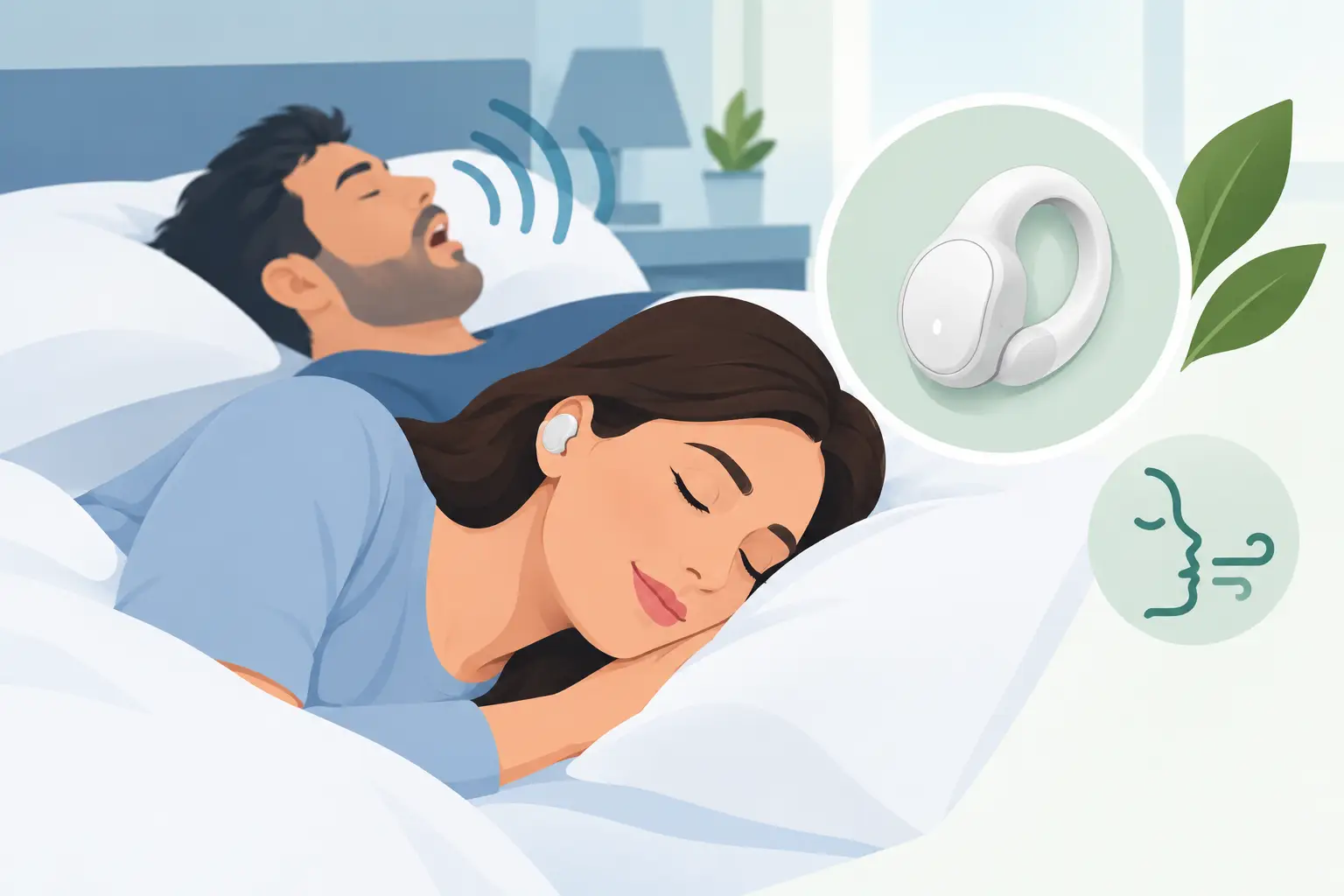
The principle comes from acupressure, where gentle, consistent pressure is applied to a defined point on the body. In anti-snoring rings, that pressure is directed at points on the little finger while you sleep. The goal is not to force the jaw forward or physically open the nose. It is a more subtle approach.
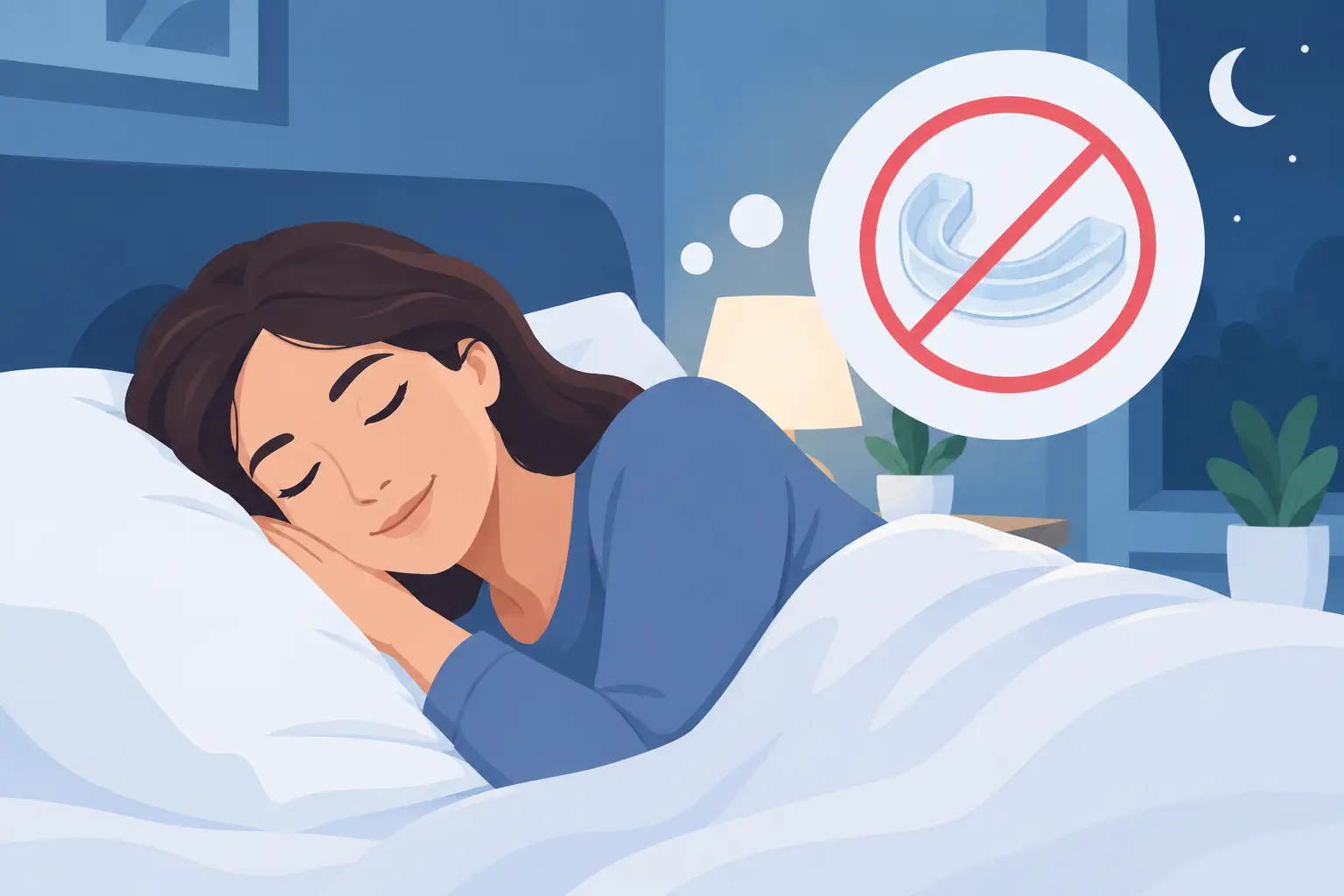
Supporters of this method believe that stimulating these points can help the body maintain easier airflow and reduce the tendency to snore. For customers who have already tried bulky mouthguards and found them uncomfortable, this is often the main appeal. There is no moulding, no batteries, no noise, and no obvious device strapped to your face.
That simplicity matters. A remedy only helps if you will actually use it every night. For many adults, especially couples tired of trial and error, comfort and consistency are half the battle.
Why some people see results and others do not
Snoring is not one single problem. It is a symptom with several possible causes, and that is why results vary.
Finger pressure tends to make the most sense for simple snoring. This usually means the kind of steady, habitual snoring that happens without repeated breathing pauses or more serious signs of sleep apnoea. If your snoring gets worse after alcohol, when sleeping on your back, or during allergy season, there may be several factors in play. In those cases, finger pressure may still help, but it may not solve the whole problem on its own.
There is also the question of fit and consistency. Acupressure rings need to sit correctly on the finger and be worn as intended. If the pressure point is missed or the ring is uncomfortable enough that you stop wearing it, results are less likely.
Then there is personal physiology. Some people respond well to acupressure-based products. Others simply do not. That is not unusual with any snoring remedy. Even dentist-made mouthpieces and nasal devices do not work for everyone.
The case for trying a non-invasive option first
If you have already been through the usual anti-snoring aisle, you will know the pattern. Nasal strips help until they peel off. Mouthguards can feel bulky. Sprays are easy to forget. More intensive devices may be effective for diagnosed conditions, but many people with straightforward snoring are not looking for something clinical and cumbersome at bedtime.
This is where finger pressure has a practical advantage. It is discreet, portable, and easy to build into a nightly routine. There is no elaborate setup. For couples, there is also the benefit of subtlety. A small ring does not turn bedtime into a medical procedure.
The better versions of these products also come with stronger trust signals. That matters in a market full of cheap imitations and broad claims. If you are considering this route, look for a clinically trialled product, proper manufacturing standards, and a clear money-back guarantee. Those are not extras. They are what separate a serious sleep wellness product from a copycat.
Can finger pressure reduce snoring better than a mouthguard?
Sometimes, but it depends what you need.
A mouthguard works mechanically by repositioning the jaw or tongue to keep the airway more open. That can be helpful, but it also means wearing a device in your mouth all night. Some people manage perfectly well with that. Others find it uncomfortable, intrusive, or impossible to tolerate for long.
Finger pressure is a lighter-touch approach. It does not try to force the body into position. For people who want a natural, non-invasive alternative, that is exactly the point. The trade-off is that it may be less suitable for snoring caused by more significant airway obstruction.
So the comparison is not really about which method is universally better. It is about which method you are likely to use consistently and whether it matches the kind of snoring you have.
What to look for in an anti-snoring ring
Not all rings are equal. This category has been crowded by low-cost copy products that look similar but are not backed by proper evidence, product standards, or customer protection.
If you are trying finger pressure for snoring, the basics matter. The ring should be designed specifically for anti-snoring acupressure, fit securely without digging in, and come from a company that is clear about what the product can and cannot do. Claims of clinical trials and regulatory clearance should not be vague. A refund policy should be easy to understand, not buried in small print.
Good Night Health built its reputation around the original stop snoring ring, with a clinically trialled, FDA-cleared product and a 30-day money-back guarantee. That kind of accountability is worth paying attention to, especially if you have already wasted money on products that made big promises and delivered very little.
When finger pressure is not enough
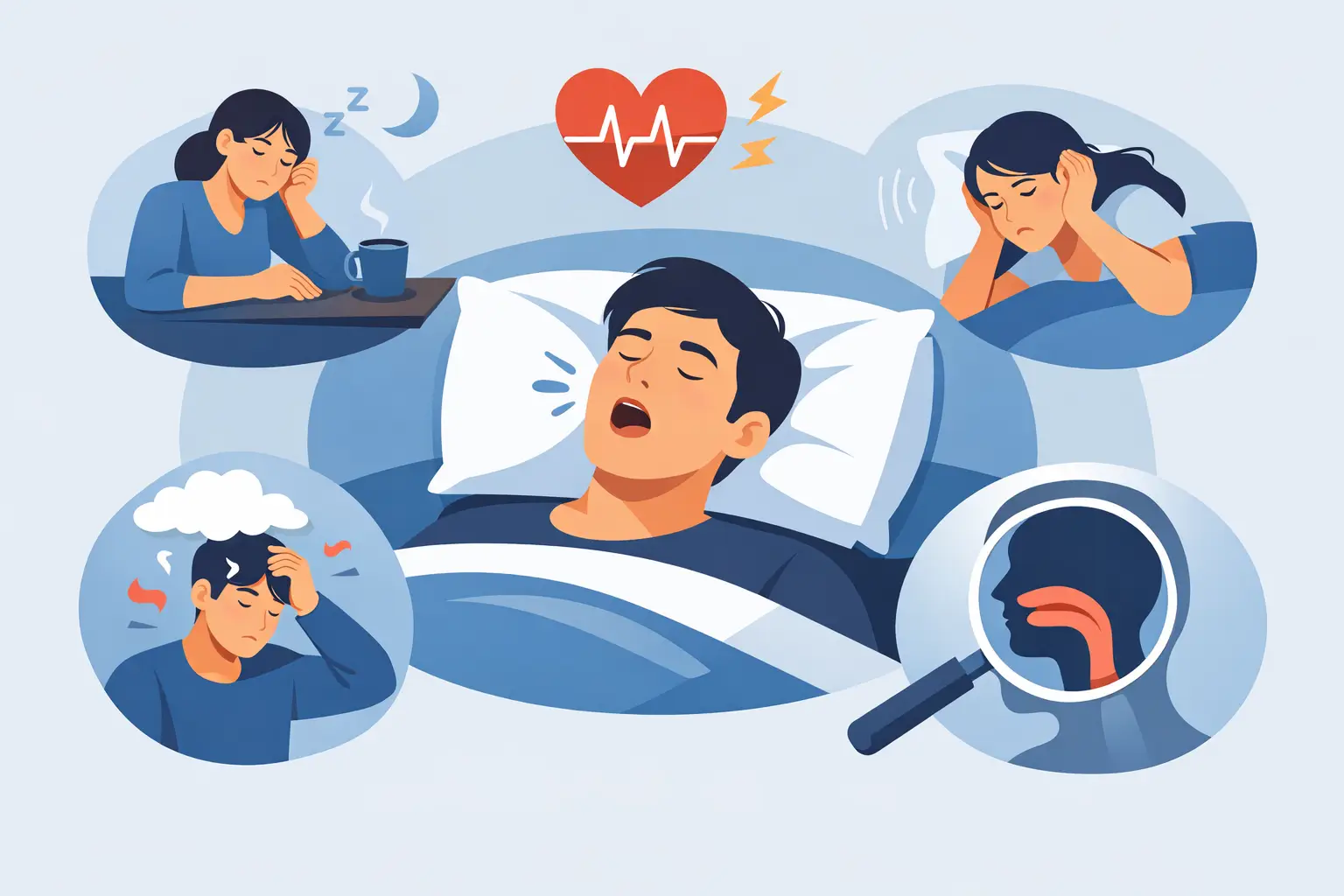
This part matters. If your snoring comes with pauses in breathing, choking, gasping, waking unrefreshed, morning headaches, or marked daytime sleepiness, do not assume a ring will sort it out. Those can be signs of obstructive sleep apnoea or another condition that needs medical assessment.
The same goes if your partner notices you stop breathing in the night, or if your snoring has suddenly become much worse. A non-invasive sleep product can be a helpful option for simple snoring, but it is not a substitute for proper diagnosis when symptoms point to something more serious.
Being honest about limits does not weaken the case for acupressure. It strengthens it. People deserve a realistic explanation, not a blanket promise.
How to give finger pressure a fair try
If you decide to try this approach, use it consistently for a reasonable period rather than making a judgement after one night. Snoring can vary from night to night depending on tiredness, alcohol, congestion, room temperature, and sleep position. A fair test means wearing the ring correctly and tracking whether your partner notices a change over several nights or weeks.
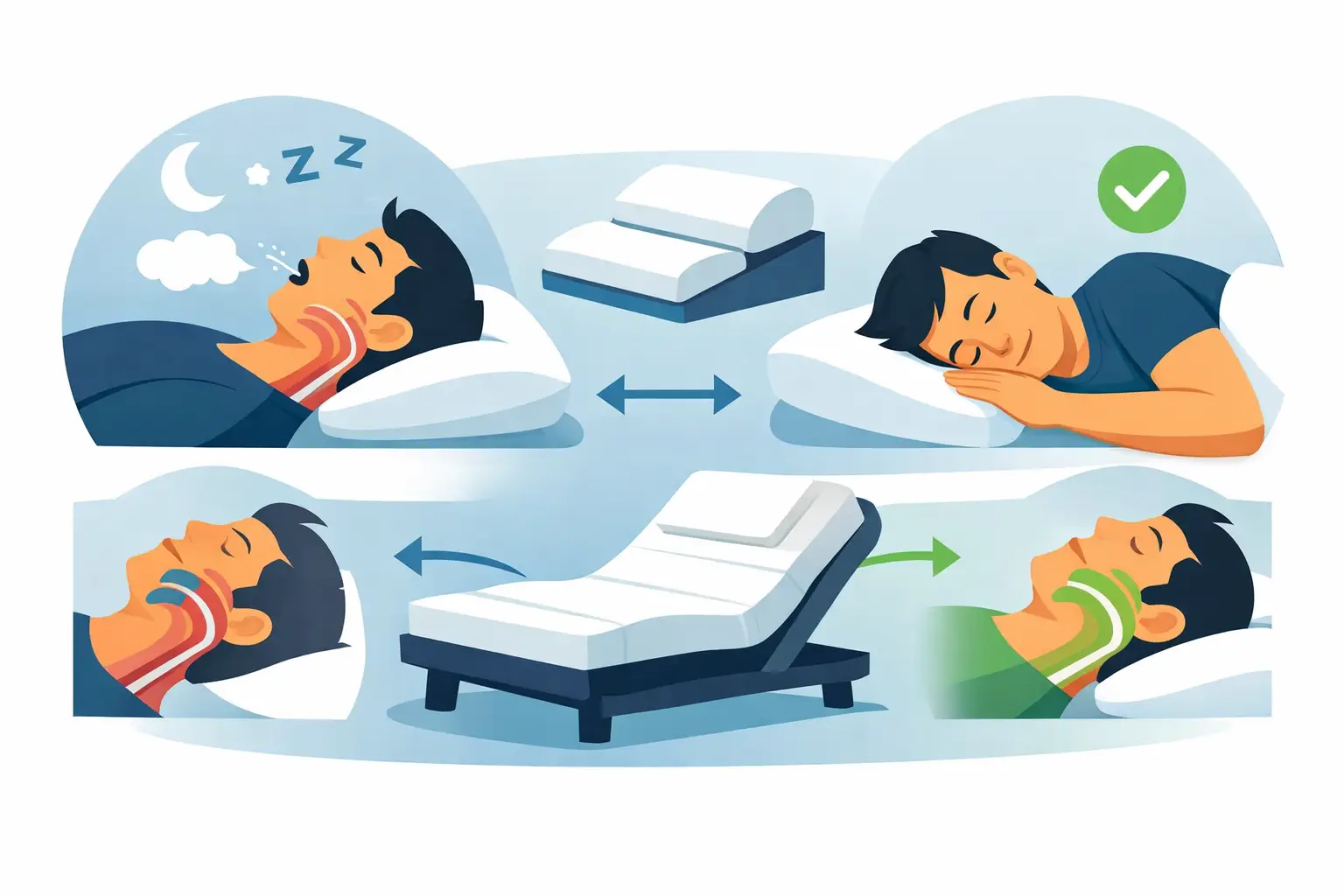
It also helps to deal with obvious aggravating factors at the same time. Sleeping on your side, avoiding heavy drinking before bed, and managing nasal congestion can improve your odds. That does not mean finger pressure only works if you do everything else perfectly. It simply means snoring is often multifactorial, and small improvements can add up.
For many people, the best anti-snoring solution is the one they can wear comfortably every night without fuss. That is why finger pressure continues to attract interest. It offers a practical middle ground between doing nothing and sleeping in cumbersome equipment.
So, can finger pressure reduce snoring? Yes, it can – particularly for simple snoring and for people who want a natural, wearable alternative to bulkier devices. It will not be the answer for everyone, and any brand that says otherwise is asking for too much trust. But when a product is clinically trialled, straightforward to use, and backed by a proper refund guarantee, it becomes a sensible option rather than a hopeful gimmick. If your nights have been ruled by noise, irritation, and broken sleep, a small change at the little finger may be worth more than it first appears.