Blog
Single Post
Signs of Copied Snoring Rings: What to Check
A snoring ring should be one of the simplest things you use at bedtime: small, comfortable and easy to understand. Yet the market is full of lookalike products that borrow the appearance of an acupressure ring without offering the same care, testing or quality control. Knowing the signs of copied snoring rings can help you avoid wasting money – and avoid another frustrating night for you and your partner.
A low price alone does not prove that a ring is copied. Neither does a generic-looking package. But when several warning signs appear together, it is sensible to pause before buying. A ring worn for hours while you sleep should feel dependable, fit properly and come from a business willing to stand behind what it sells.
Why copied snoring rings are a problem
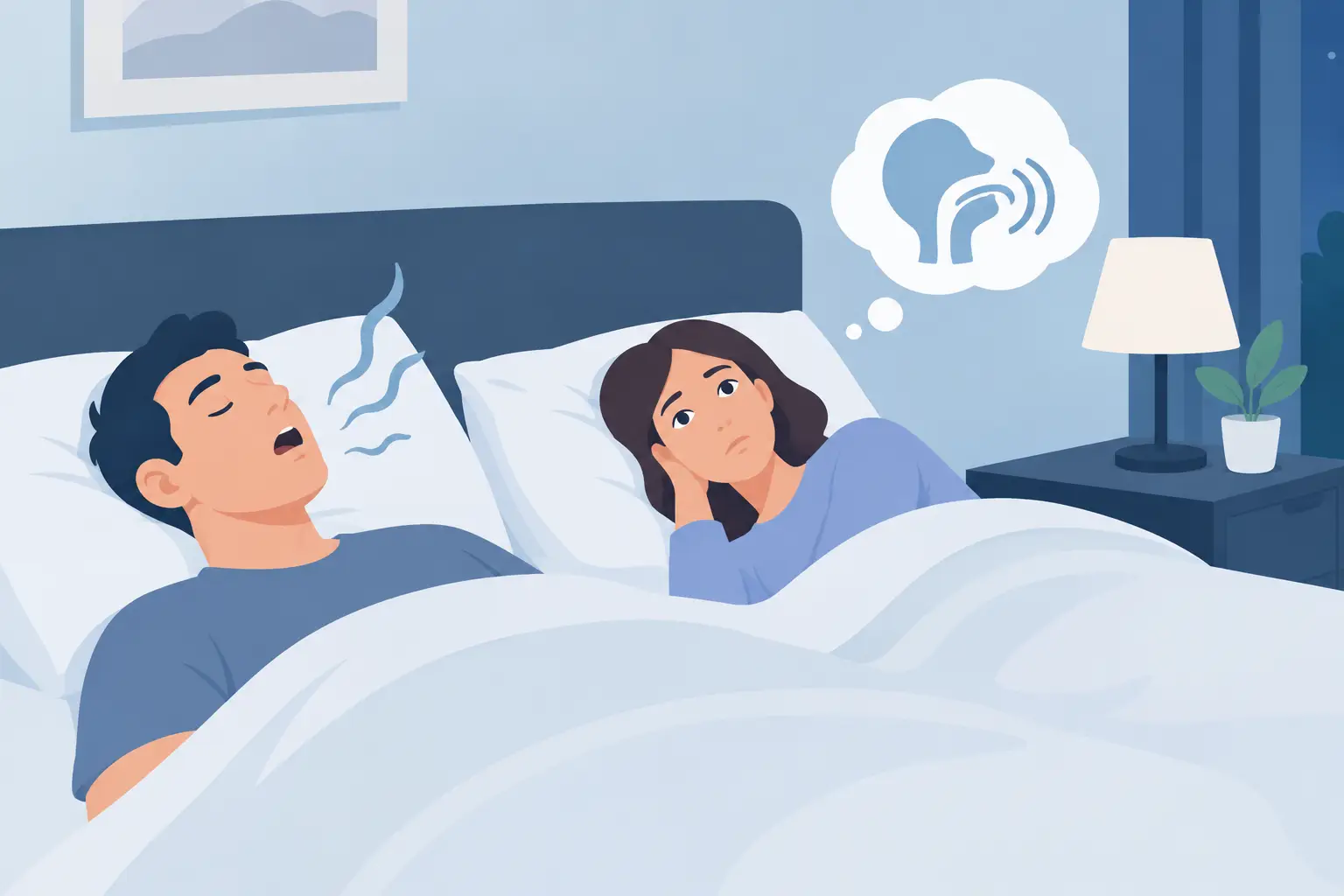
The appeal of a snoring ring is clear. Unlike a bulky mouthguard or an intrusive bedtime device, it is a discreet wearable designed to apply gentle pressure to specific points on the little finger. For people whose simple snoring is disrupting a partner, that simplicity matters.
Copycat products can make the same broad promise while cutting corners on materials, sizing, pressure-point placement and customer support. The result may be a ring that feels uncomfortable, slips off overnight, leaves marks, or simply fails to deliver the carefully designed acupressure effect customers expected.
There is another issue: trust. When a seller uses sweeping claims without explaining how the product works, who it is for or what happens if it does not suit you, you are carrying all the risk. A credible seller recognises that no anti-snoring solution works for every person or every cause of snoring.
Signs of copied snoring rings to look for
The listing makes big promises but gives no real explanation
Be wary of phrases such as “stops all snoring instantly” or “guaranteed cure tonight”, especially where there is no explanation of the mechanism. An acupressure-based ring is intended to help with simple snoring by applying pressure at specific points. That is very different from claiming to treat every possible sleep or breathing condition.
A trustworthy product description should be clear about what the ring is designed to do, how it is worn and what a realistic experience may look like. It should also avoid pretending that a small wearable can replace medical advice where a more serious issue may be involved.
There is no evidence behind the claims
A copied product often repeats words like “clinical”, “medical grade” or “scientifically proven” without saying what those claims mean. Look for substance rather than impressive-sounding labels. Has the product been clinically trialled? Is the seller specific about its regulatory position where relevant? Do they explain the evidence rather than simply displaying a badge?
You do not need a science degree to spot vague marketing. If the claims are strong but the detail is absent, that is a reason to be cautious. Credibility is shown in the particulars.
The product photos do not match the ring you receive
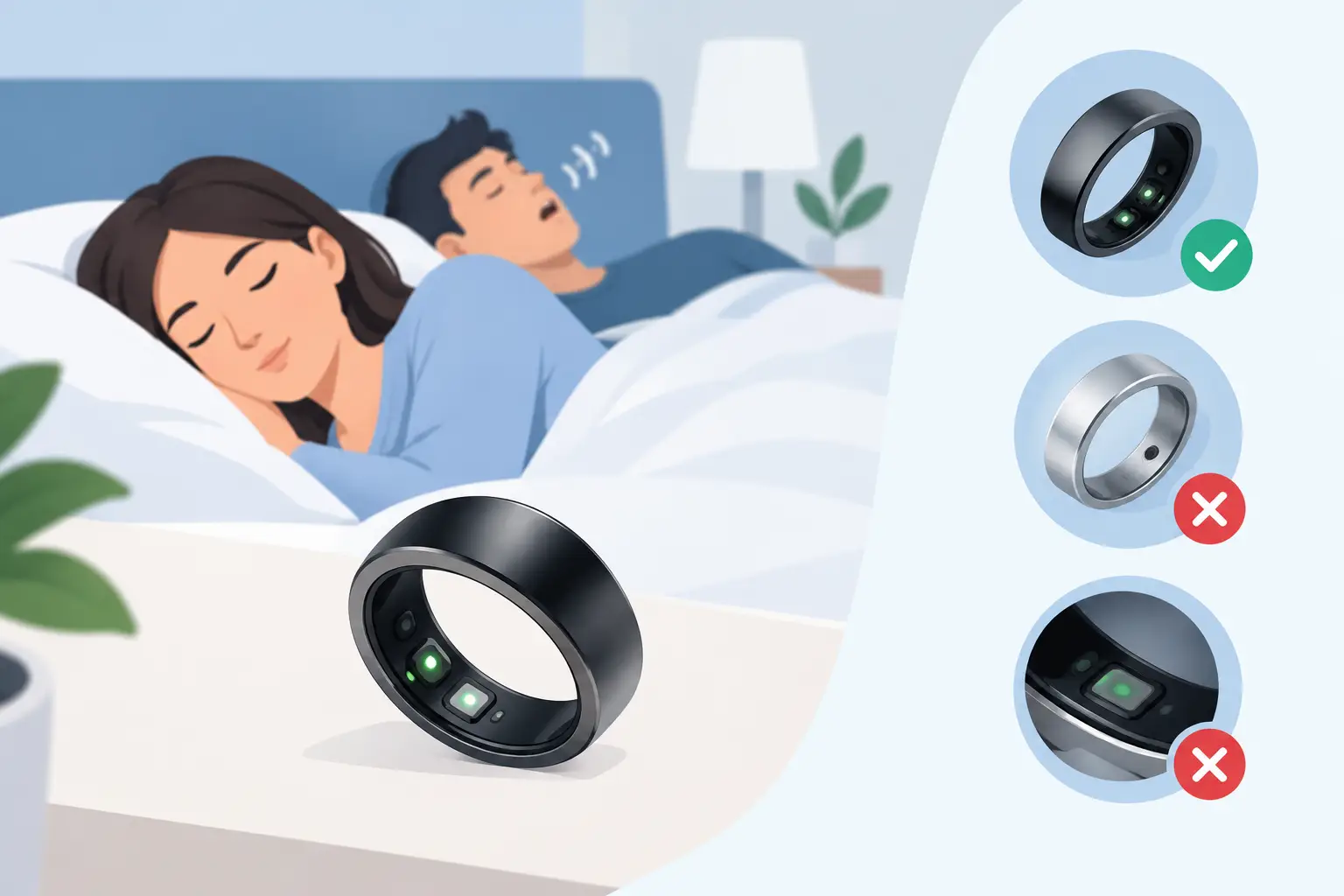
Some sellers use polished images of one ring and send something noticeably different: thinner metal, rougher edges, poorly formed pressure points or an awkward shape. Read recent customer feedback carefully and pay attention to photographs from actual buyers, not just studio images.
A ring designed for nightly wear should have a clean finish and a shape that sits securely on the little finger. Sharp seams, uneven ends or pressure points that look misplaced are not minor cosmetic flaws. They can affect both comfort and function.
Sizing is vague or missing altogether
One of the most practical signs of copied snoring rings is a seller that treats sizing as an afterthought. A ring that is too loose may move around or fall off in bed. One that is too tight can be uncomfortable and may discourage you from wearing it consistently.
A responsible retailer should give straightforward guidance on choosing a size and explain how the ring ought to fit. The aim is gentle, consistent contact – not painful pressure. If the only option is a supposedly universal size with no fitting advice, consider whether the seller has properly considered real customers.
The materials are unclear
You wear a snoring ring against your skin for several hours at a time. The seller should therefore identify the materials used and provide basic care information. Unclear descriptions such as “premium alloy” without further detail can be a warning sign, particularly if you have sensitive skin or known metal allergies.
Cheap finishes may discolour, irritate skin or wear away quickly. A lower price can look tempting, but it is poor value if the ring cannot be worn comfortably night after night.
The brand identity keeps changing
Copied goods are frequently sold through temporary storefronts with no clear company details, inconsistent product names and no meaningful way to contact support. One week the same ring may be presented as a sleep ring, the next as a magnetic wellness cure, with identical images and entirely different claims.
Look for a business with a consistent identity, clear contact information and product information that remains the same wherever it appears. A company that expects you to trust its product should make it easy to find out who is responsible for it.
There is no fair return policy
Anti-snoring products are personal. Comfort, snoring causes and individual responses vary, so a no-questions-asked result cannot be promised. What can be promised is a fair opportunity to try the product without being trapped by the purchase.
Avoid sellers that make returns confusing, charge unexpected fees, hide the returns address or offer no meaningful guarantee. The original clinically trialled Good Night Anti-Snoring Ring is backed by a 30-day money-back guarantee because customers deserve time to see whether it suits their bedtime routine.
A cheap ring is not always a bargain
The lowest-priced option can feel like the safest experiment, especially if you have already spent money on sprays, strips, pillows or mouthpieces that did not help. But a copied ring can cost more than its price tag. You may lose time, disrupt your partner’s sleep for longer and become understandably sceptical about a category that might have worked with a properly made product.
Price should be considered alongside the full offer: the quality of the ring, the clarity of its claims, fitting support, evidence, guarantee and after-sales service. A legitimate product does not need to rely on panic discounts or a countdown clock that restarts every day.
What a credible snoring ring seller should tell you
Before purchasing, you should be able to answer a few basic questions without hunting through small print. What type of snoring is the ring intended to help with? How does the acupressure design work? Which finger should it be worn on, and how should it fit? What materials are used? What evidence supports the product? Finally, what happens if it is not right for you?
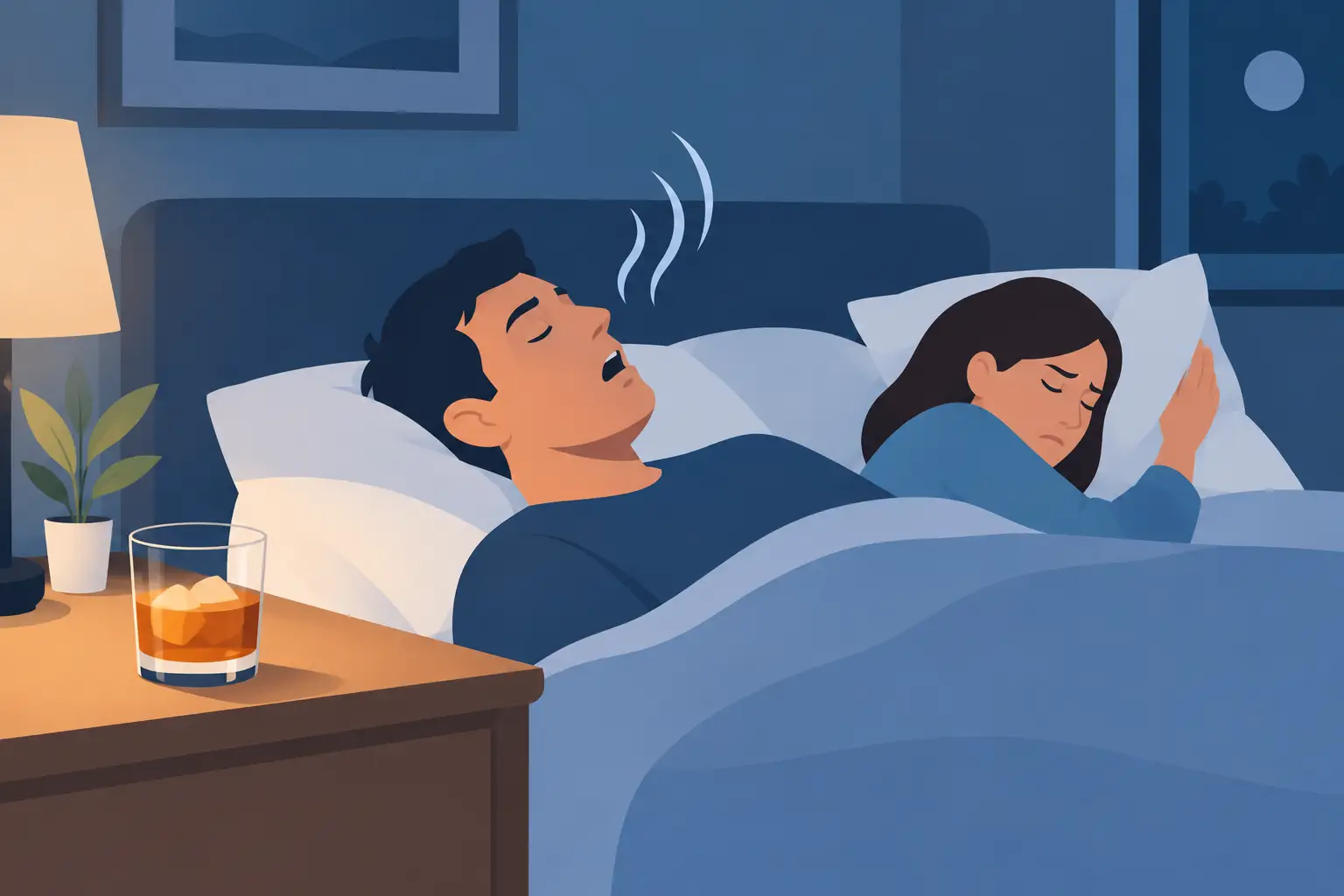
Clear answers do not guarantee that the ring will work for you. Snoring can be influenced by sleeping position, congestion, alcohol, weight, jaw anatomy and other factors. But transparency gives you a fair basis for deciding whether the product is worth trying.
Do not ignore warning signs in your sleep
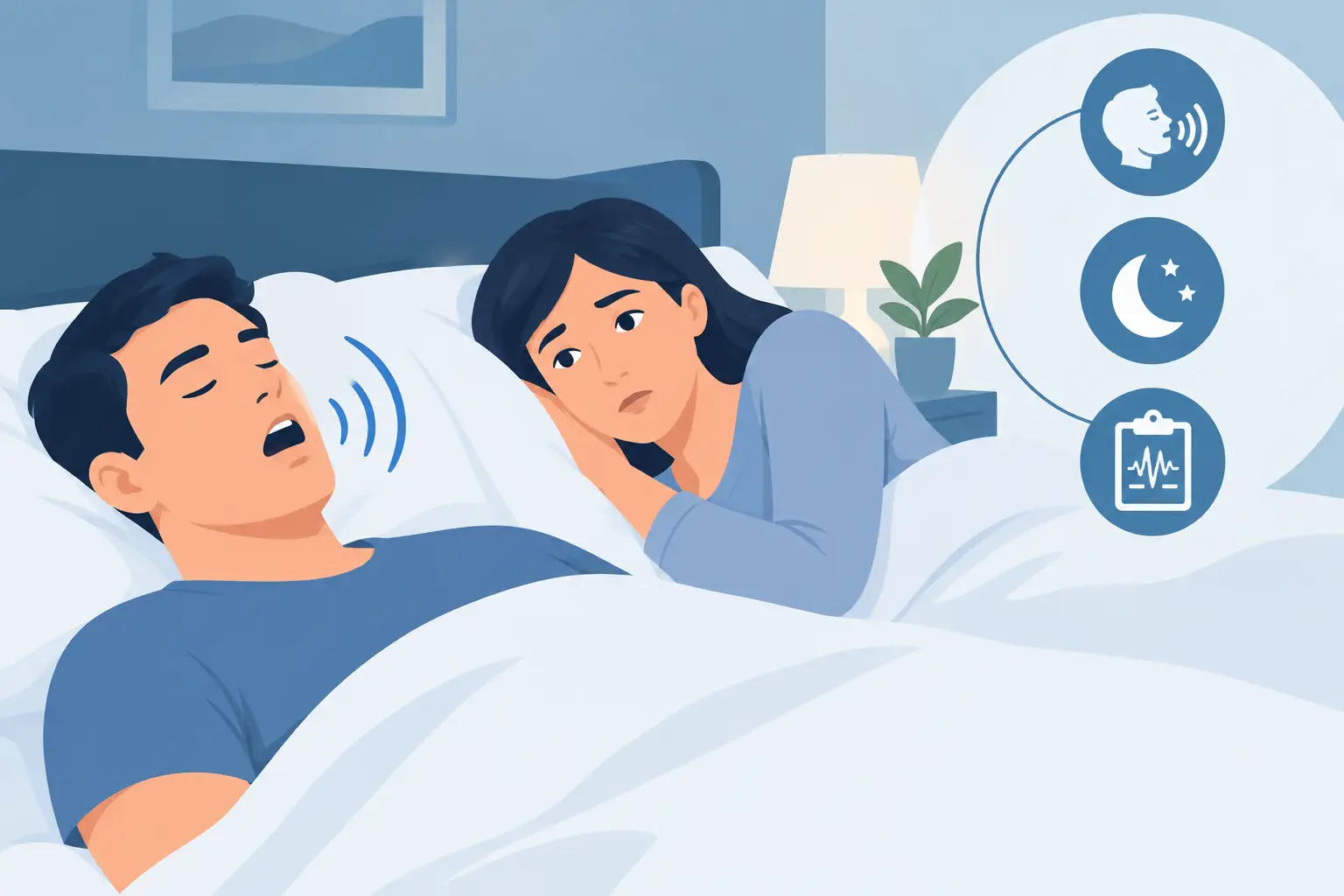
A snoring ring is not a substitute for medical assessment when snoring is loud, persistent or paired with choking, gasping, pauses in breathing, severe daytime tiredness or morning headaches. These symptoms can be associated with obstructive sleep apnoea and deserve professional advice. No retailer should encourage you to dismiss them.
For straightforward snoring, a well-made acupressure ring can be an appealing, non-invasive option. Check the claims, the fit, the materials and the guarantee before you buy. Your sleep is valuable, and so is the person lying awake beside you.