Blog
Single Post
Buyer’s Guide for Finger Sleep Aids in 2026
The sound that wakes a household is rarely just snoring. It is the elbow nudge at 2am, the spare-room conversation, and the next day spent trying to function on too little sleep. This buyer’s guide for finger sleep aids is for people who want a discreet, non-drug option before committing to mouthpieces, masks or complicated nightly routines.
Finger-based sleep aids are small, but they should not be an impulse purchase. The right product needs to be comfortable enough to wear, clear about what it can and cannot do, and backed by more than vague promises. Here is what to look for.
What are finger sleep aids designed to do?
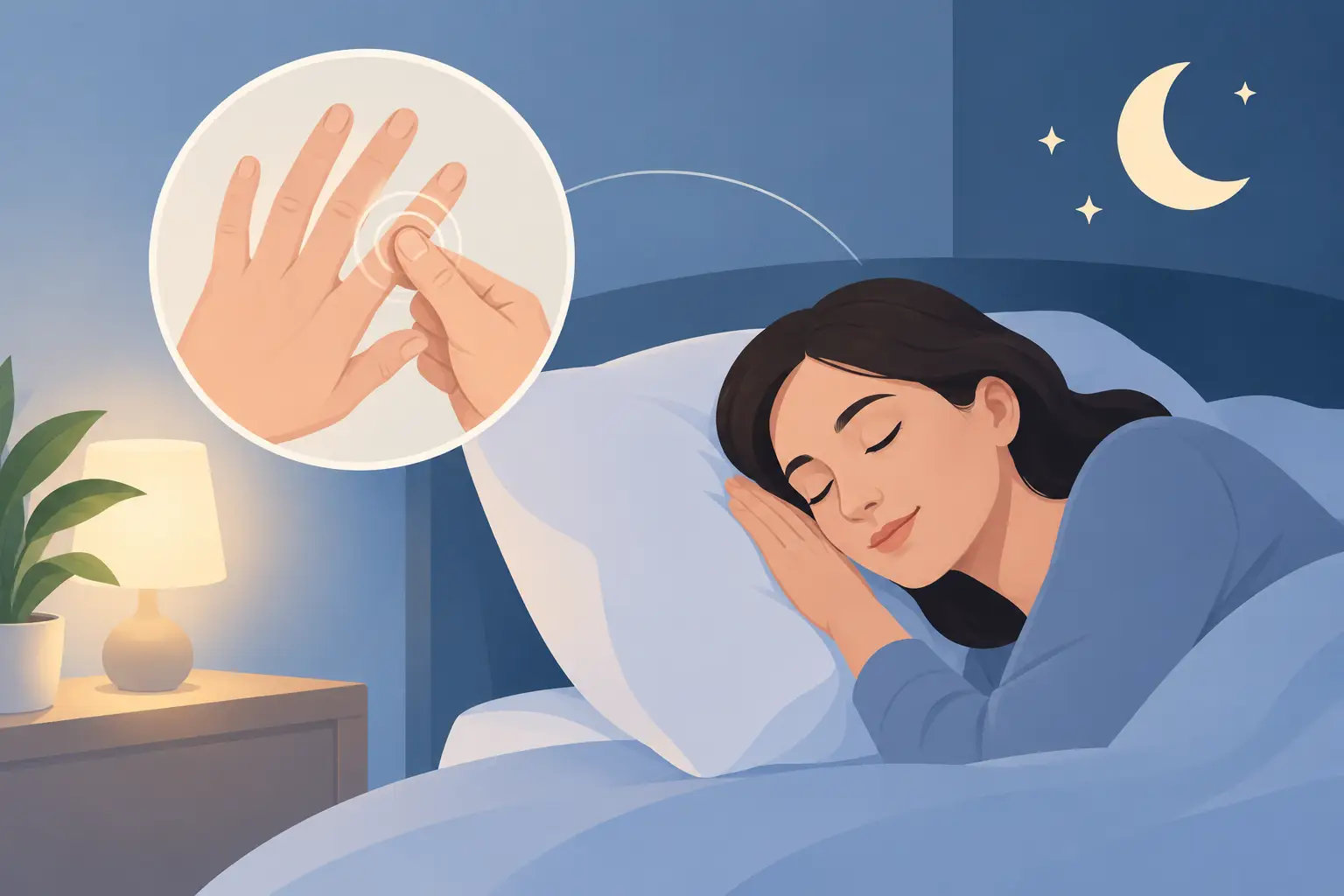
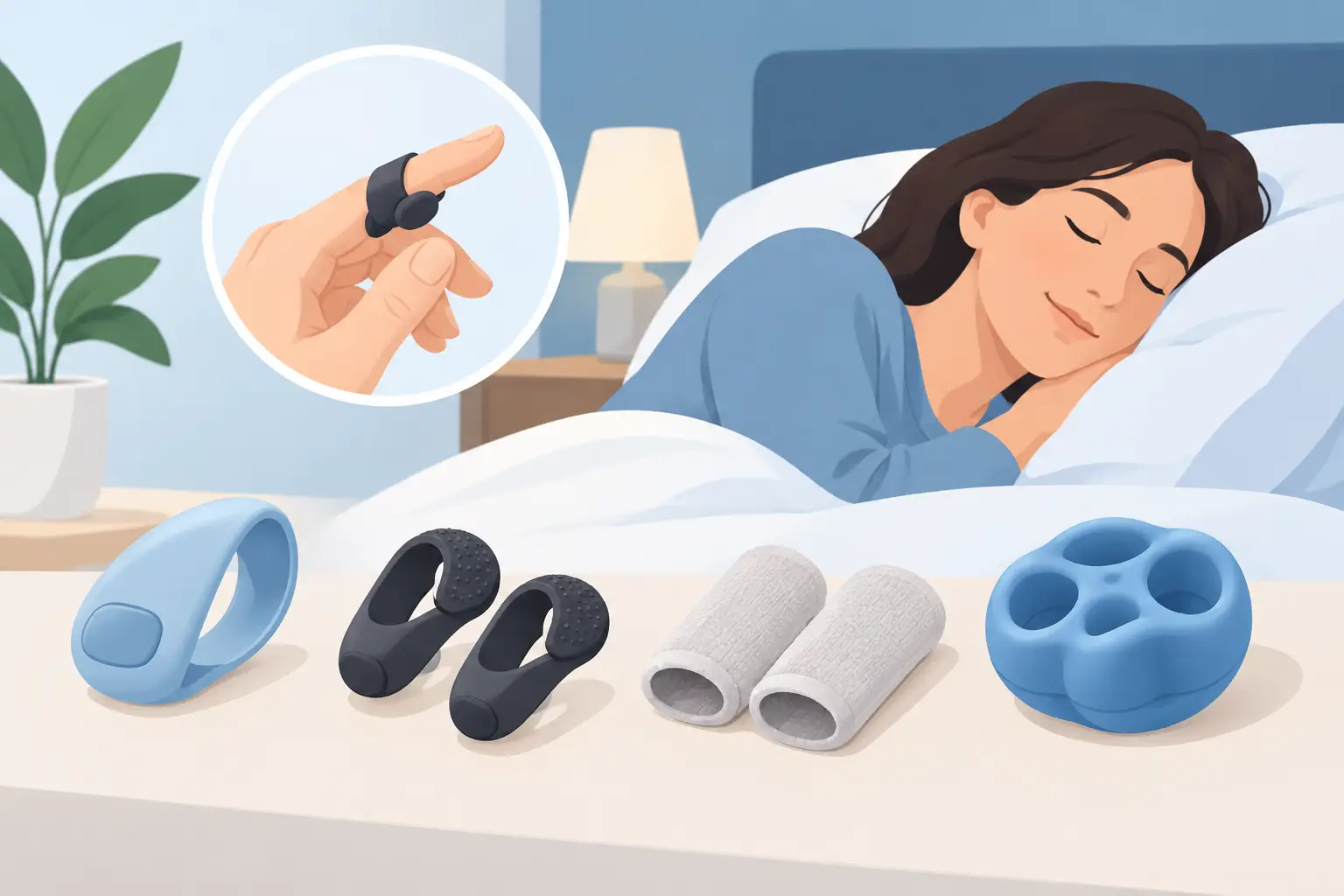
Most finger sleep aids are intended to address simple snoring. They are worn on a finger, often the little finger, and use gentle pressure on recognised acupressure points. The principle is straightforward: consistent pressure may help support clearer, quieter breathing during sleep for some people.
Their appeal is obvious. There is no medication to take, no bulky device to pack for a weekend away, and no mouthguard sitting between your teeth. A finger aid can become part of a normal bedtime routine in seconds.
That simplicity does come with a limit. These products are not a cure for every kind of snoring, and they are not a substitute for medical assessment where there may be a more serious cause. A credible seller should say this plainly rather than suggest one small wearable suits everybody.
Buyer’s guide for finger sleep aids: start with your snoring
Before comparing materials, prices or claims, consider the pattern of your snoring. Simple snoring can be affected by sleeping position, alcohol, nasal congestion, fatigue and weight. A non-invasive finger aid may be a sensible first option when you want to try something gentle and easy to use.
However, loud snoring combined with repeated pauses in breathing, choking or gasping sounds, morning headaches, severe daytime sleepiness, or high blood pressure needs medical attention. These can be signs of obstructive sleep apnoea. Do not rely on a finger sleep aid to manage suspected sleep apnoea without speaking to a clinician.
It also helps to set a realistic goal. Some people seek silence immediately; others mainly want their snoring reduced enough for their partner to sleep. Results vary, and an honest product makes room for that reality.
Check the pressure point and design
A genuine acupressure ring is not simply any ring marketed for sleep. Its shape, internal contact points and fit should be designed to apply pressure in the intended place, without pinching, slipping or leaving your finger sore by morning.
Look closely at where the aid is meant to sit. Products designed for the little finger should include clear fitting instructions and sizing guidance. Wearing a ring on the wrong finger, upside down or too loosely can affect comfort and may reduce the chance of a useful result.
The material matters too. Choose a smooth, skin-friendly finish that is practical for overnight wear. A ring should feel secure but not restrictive. If your finger becomes numb, painful, noticeably swollen or irritated, remove it. Comfort is not a minor detail – if you dread putting it on, it will not become a consistent habit.
Be cautious with one-size-fits-all claims. Fingers vary, and they can swell slightly overnight or in warmer weather. A brand that explains fit honestly is more useful than one that pretends sizing never matters.
Look for evidence, not just a clever product page
The finger sleep aid market includes serious products and cheap imitations. Attractive photographs, dramatic before-and-after stories and terms such as “acupressure” do not, on their own, prove that a ring is well made or effective.
Start by asking whether the company identifies the product clearly and explains its mechanism in plain language. Then check whether it references clinical trials or other evidence specific to the product, rather than borrowing claims from acupressure generally. A trialled design has more weight than a generic ring with no supporting information.
Regulatory language also needs reading carefully. FDA clearance in the United States is not the same as an FDA approval, and it does not automatically answer every question for a UK buyer. It can still be a meaningful trust signal when it is presented accurately, alongside transparent product information and realistic claims.
The Good Night Anti-Snoring Ring is positioned as the original clinically trialled stop snoring ring, using acupressure on the little finger. That distinction matters in a category where copycat products often look similar but may not share the same development, testing or customer support.
Compare the full buying decision
Price alone is a poor way to choose between finger sleep aids. A cheaper ring may look like a bargain, but not if it fits badly, arrives without usable instructions, or comes from a seller who disappears when you need help. Consider the complete offer:
- Clear information on who the product is for and who should seek medical advice first.
- A design made for overnight comfort, with straightforward sizing and wear guidance.
- Product-specific clinical evidence or credible trial information where claims are made.
- A genuine returns policy that gives you time to test the aid at home.
- Responsive customer support and an identifiable company behind the product.
This is particularly relevant because snoring is personal. Your partner may notice a change before you do, while your own measure of success may be waking more refreshed. A proper home trial lets you judge the product over several nights, rather than making a decision after one unusually good or bad sleep.
A refund guarantee is part of the product
No responsible brand can promise that every person will stop snoring. Nasal congestion, anatomy, sleep position and lifestyle factors all influence results. That is why a meaningful money-back guarantee is more valuable than exaggerated certainty.
Read the terms before ordering. Find out how long you have to try the ring, whether it must be returned in a particular condition, and how the refund process works. A 30-day money-back guarantee gives most couples enough time to assess comfort, establish a routine and see whether there is a practical difference at night.
Be wary of sellers that make big claims but bury their returns information or make contact difficult. When a product is genuinely low-risk, the company should be willing to stand behind it.
Give the aid a fair trial
A finger sleep aid is not likely to be judged fairly if it is worn once after a late meal, several drinks or a heavy cold. Follow the instructions each night and allow time to get used to the feel of the ring. Keep your routine broadly consistent where possible.
It can help for a partner to note changes in volume, frequency or disrupted sleep over a week or two. If you sleep alone, a snore-recording app may provide a rough comparison, although it is not a medical diagnostic tool. Pay attention to your own experience as well: comfort, sleep quality and whether the ring stays in place all matter.
You can support the trial with sensible habits. Side sleeping, treating temporary nasal congestion appropriately, avoiding excess alcohol close to bedtime and keeping a regular sleep schedule may reduce simple snoring. These steps do not make the ring work by magic; they simply remove common factors that can make any solution harder to assess.
When a finger aid may not be the right choice
If you have significant sleep apnoea symptoms, a finger sleep aid should not delay medical care. The same applies if your snoring has suddenly worsened, you have persistent breathing concerns, or a partner regularly observes pauses in breathing.
A ring may also be unsuitable if you cannot comfortably wear jewellery overnight, have a skin sensitivity to its materials, or have finger swelling that makes the fit unreliable. In those cases, a different approach may be more appropriate. Good sleep solutions should fit your life, not force you to tolerate discomfort.
For straightforward snoring, though, a well-designed finger aid offers a refreshingly simple place to start. Choose the product with the clearest evidence, the most honest claims and a refund policy that lets you try it without being trapped by the purchase. Quiet nights are worth pursuing, but so is buying with confidence.