Blog
Single Post

Acupressure Ring vs Mouth Tape for Snoring
A snoring solution only helps if you can comfortably use it night after night. That is where the choice between an acupressure ring vs mouth tape becomes more than a question of price or convenience. One applies gentle pressure to a point on your little finger. The other aims to keep your lips closed while you sleep. Both are designed for people seeking a non-drug approach, but they work very differently – and neither is right for every snorer.
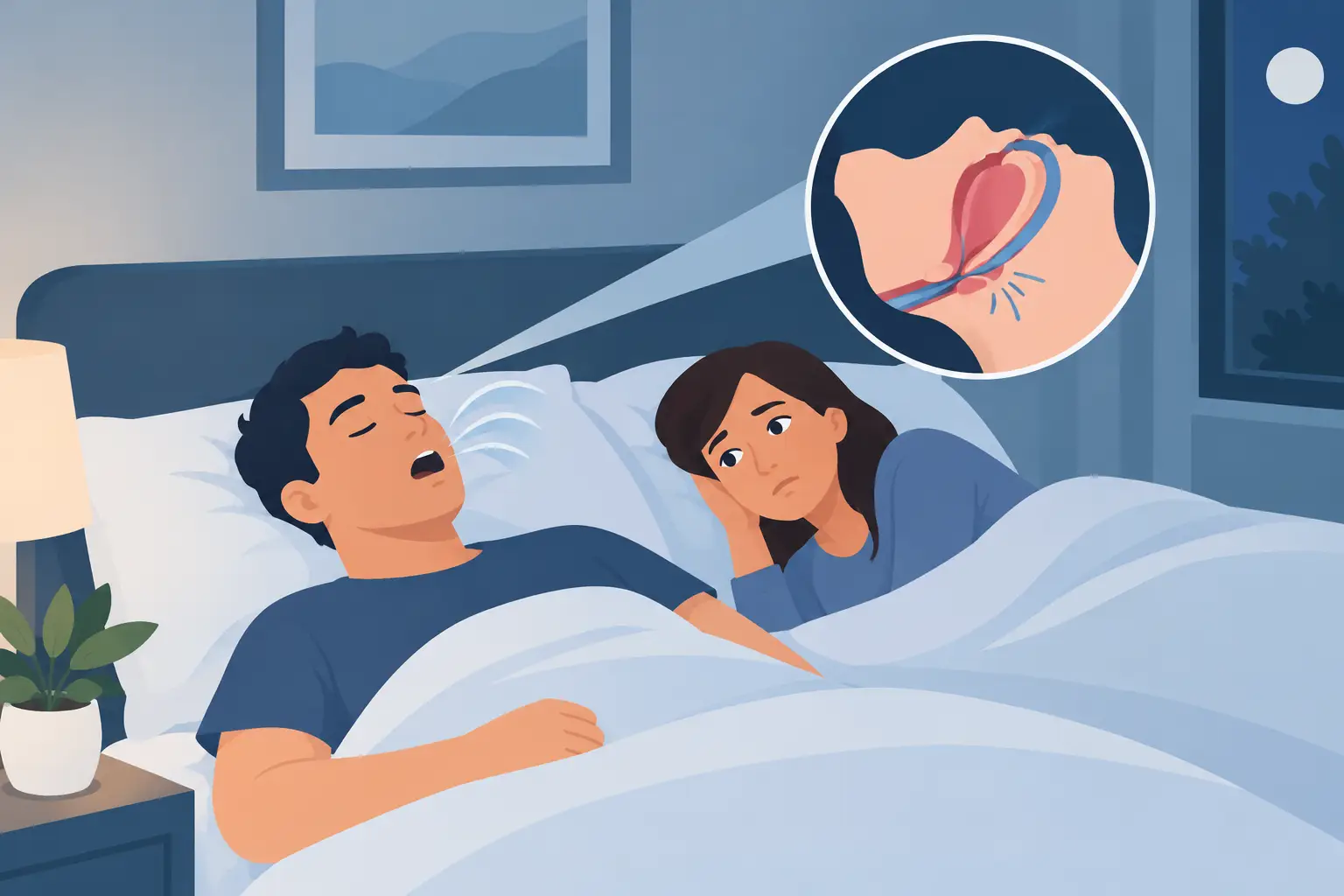
For couples who are tired of disturbed nights, the best starting point is not a dramatic promise. It is understanding what is likely causing the noise, how each option feels in real life, and when snoring needs medical attention rather than another product.
Acupressure Ring vs Mouth Tape: The Key Difference
Mouth tape is a strip of adhesive placed over the lips before bed. Its purpose is to encourage nasal breathing and reduce open-mouth breathing. For some people, keeping the mouth closed may lessen dry mouth and reduce the conditions that contribute to snoring. But the tape does not treat nasal blockage, and it does not address every reason the airway may vibrate during sleep.
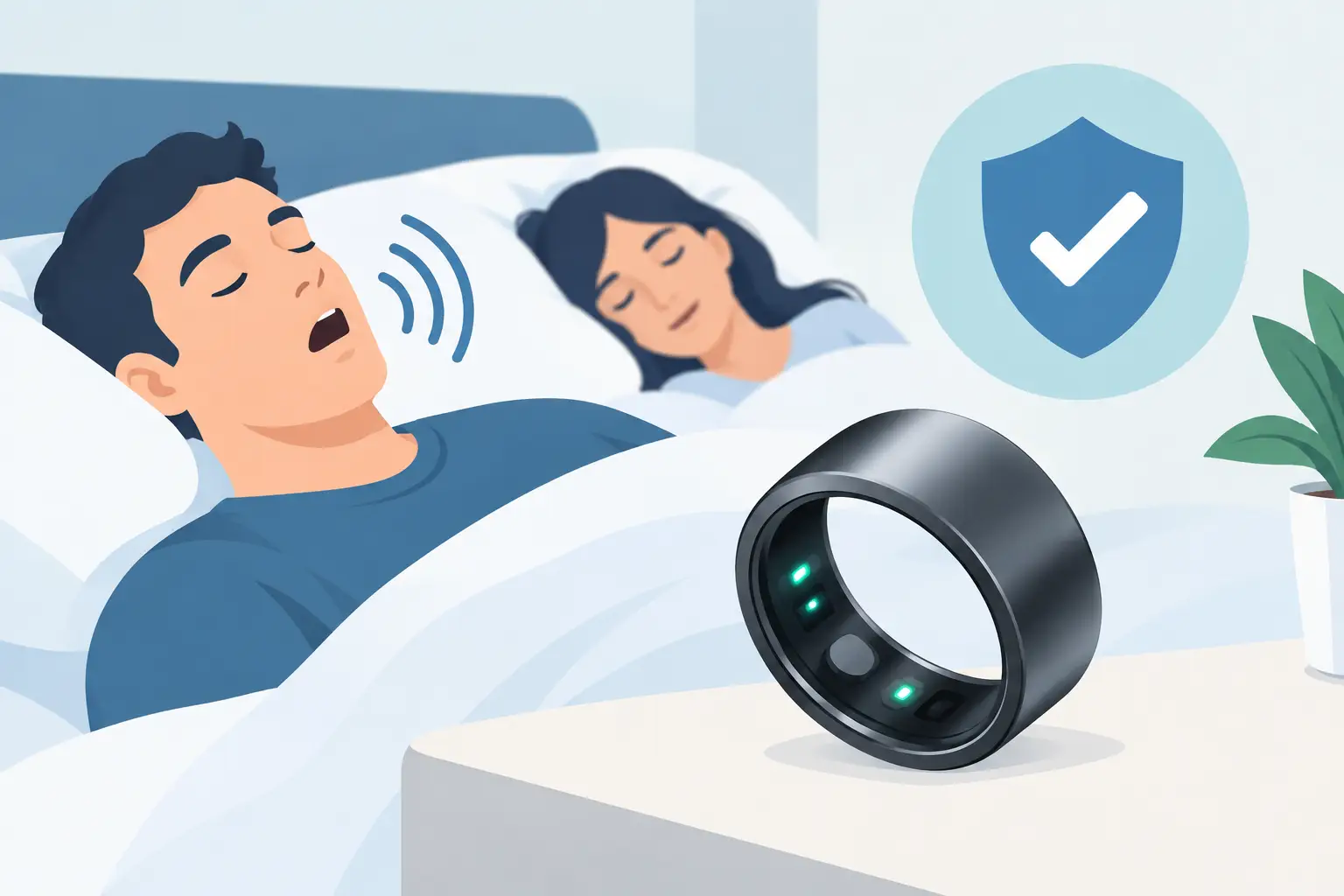
An acupressure ring takes a different route. It is worn on the little finger and applies sustained pressure to specific acupressure points through the night. The Good Night Anti-Snoring Ring is designed as a simple, non-invasive option for simple snoring, without adhesive across the mouth or equipment inside it.
That distinction matters. Mouth tape changes what happens at the lips. An acupressure ring is a wearable intended to support the body through acupressure. If you dislike the thought of taping your mouth shut, have sensitive skin, or regularly wake with a blocked nose, a ring may feel like the more realistic first option.
Comfort Is Not a Small Detail
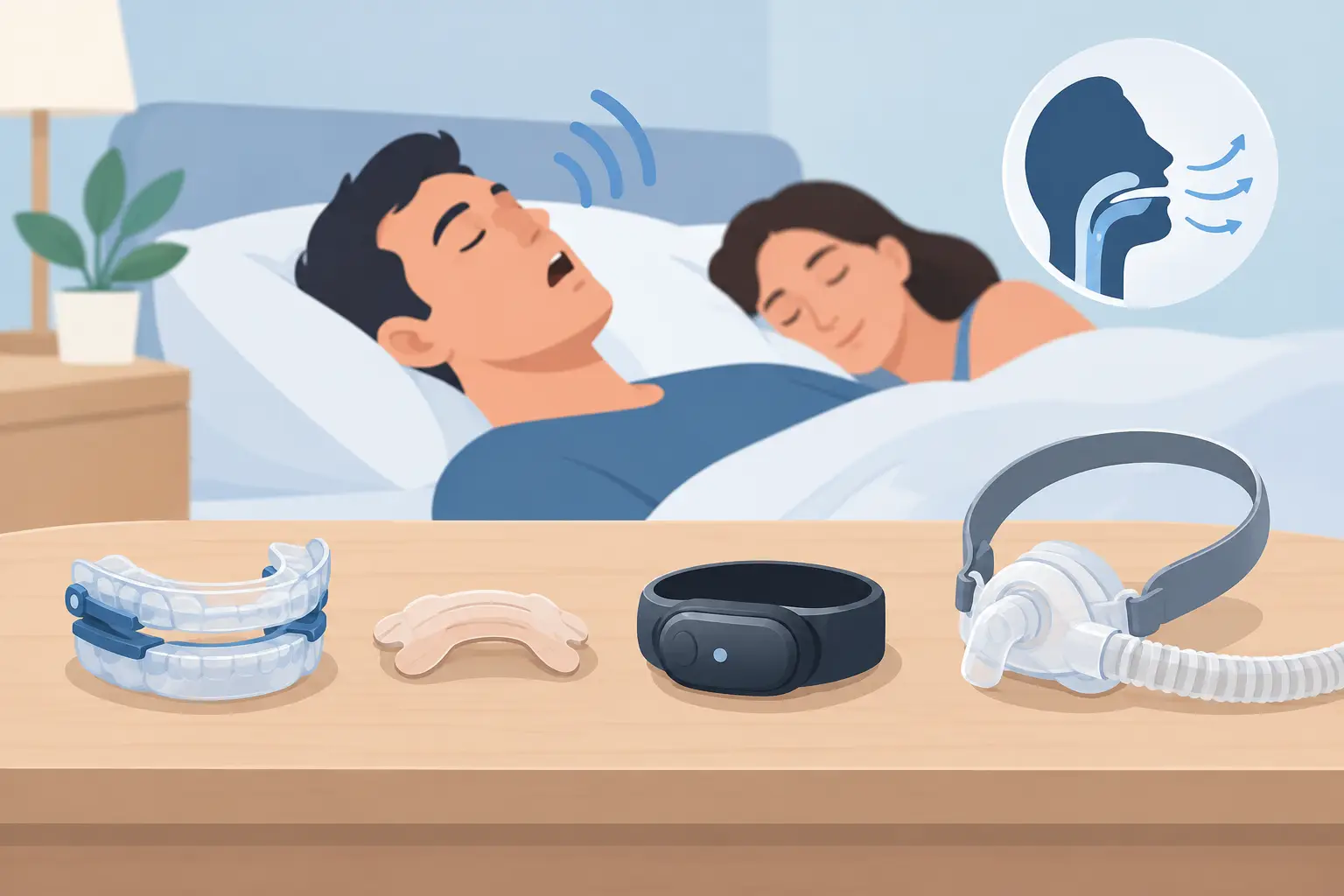
Snoring products often fail in the bedroom, not on the packaging. A bulky mouthguard may be left on the bedside table. A nasal device may feel irritating. Tape may sound simple until you consider facial hair, skin sensitivity, lip balm, changing sleep positions and the discomfort of removing adhesive in the morning.
Some people tolerate mouth tape well. If you naturally breathe freely through your nose, have no skin reaction, and feel comfortable with it, it can be a low-cost experiment. Yet comfort is personal, and a solution that makes you feel restricted is unlikely to become a lasting habit.
An acupressure ring is discreet and quick to put on. There is no residue, no facial adhesive and no need to keep the mouth physically closed. For people who share a bed, this can make the routine feel less clinical and less intrusive. It is also easier to take travelling, with nothing to cut, stick or replace every evening.
There is a trade-off. A ring must fit correctly and be worn in the intended position to apply pressure to the right area. It may take a few nights to get used to the sensation on the finger. As with any approach to simple snoring, results vary. A credible product should say that plainly rather than suggesting one answer works for every person.
Safety Comes Before a Quieter Room
Mouth tape should never be treated as a casual fix for every noisy sleeper. It may be unsuitable if you have nasal congestion, allergies that block your nose, a cold, breathing difficulties, reflux that causes night-time nausea, or anxiety about having your mouth covered. It is especially unwise after drinking alcohol or taking sedating medication, when normal awareness and breathing may be affected.
The bigger issue is possible sleep apnoea. Loud habitual snoring can sometimes be accompanied by repeated pauses in breathing, gasping, choking, severe daytime tiredness, morning headaches or difficulty concentrating. These are not signs to tape over and hope for the best. They are reasons to speak with a GP or sleep specialist.
An acupressure ring is also not a treatment for diagnosed or suspected obstructive sleep apnoea. It is intended for simple snoring, where there are no warning signs of a more serious sleep-breathing condition. The attraction is that it does not obstruct the mouth or airway. Still, a ring should be removed if it causes pain, numbness, tingling or skin irritation, and it should not replace proper medical advice.
For many people, this is the practical dividing line: mouth tape requires clear nasal breathing and confidence that covering the lips is appropriate. An acupressure ring does not depend on sealing the mouth, but it is still best used with sensible expectations and an eye on persistent symptoms.
Which Option Fits Your Snoring Pattern?
If your main complaint is waking with a dry mouth and you know you breathe through your mouth despite having a clear nose, mouth tape may seem logical. It is aimed at that specific behaviour. However, if your nose blocks at night, the tape can quickly become uncomfortable or unsuitable. Clearing the underlying nasal issue may be more useful than forcing a workaround.
If your goal is a comfortable, drug-free and non-invasive routine without putting anything over your face or in your mouth, an acupressure ring is likely to be the more appealing choice. It is particularly suited to people who have already rejected mouthpieces, dislike adhesive, or want a solution they can use with minimal fuss.
Partners matter here too. The person who snores may want the least noticeable solution; the person lying awake wants something that is genuinely used consistently. A small ring is not a magic switch, but its simplicity can be a meaningful advantage over remedies that are abandoned after three nights.
Lifestyle changes can support either approach. Sleeping on your side, limiting alcohol close to bedtime, managing nasal congestion, maintaining a healthy weight where relevant, and keeping regular sleep hours may reduce simple snoring. These changes are not glamorous, but they address common triggers and can help you judge whether a product is making a real difference.
Evidence, Claims and What to Look For
The anti-snoring market has no shortage of cheap copies, sweeping promises and devices that look convincing in a photograph. Before buying, ask a few direct questions. Is the product designed specifically for snoring? Has it been clinically trialled? Does the company clearly explain who should not use it? And is there a meaningful refund policy if it does not suit you?
Those questions protect you from spending money on a novelty that offers little support or accountability. They also help separate a considered solution from a product that relies on exaggerated claims. The original stop snoring ring from Good Night Health is clinically trialled and backed by a 30-day money-back guarantee, which gives customers room to assess it in their own sleep routine.
A guarantee does not prove a product will work for every person. What it does provide is a lower-risk way to try an option that fits the problem you are trying to solve. That is valuable when snoring affects not just the snorer, but the mood, patience and sleep quality of a whole household.
A Better First Choice Is the One You Will Actually Use
There is no universal winner in the acupressure ring vs mouth tape debate. Mouth tape may suit a small group of clear-nosed mouth breathers who are entirely comfortable with adhesive on their lips. For many others, its restrictions and potential safety concerns make it a poor fit.
An acupressure ring offers a gentler alternative for simple snoring: no medication, no mouthpiece and no taped lips. Choose a product with credible backing, use it as directed, and give it a fair trial. Most importantly, listen to the signals your sleep is giving you. A quieter night is worth pursuing, but breathing well and waking well are the goal that matters most.