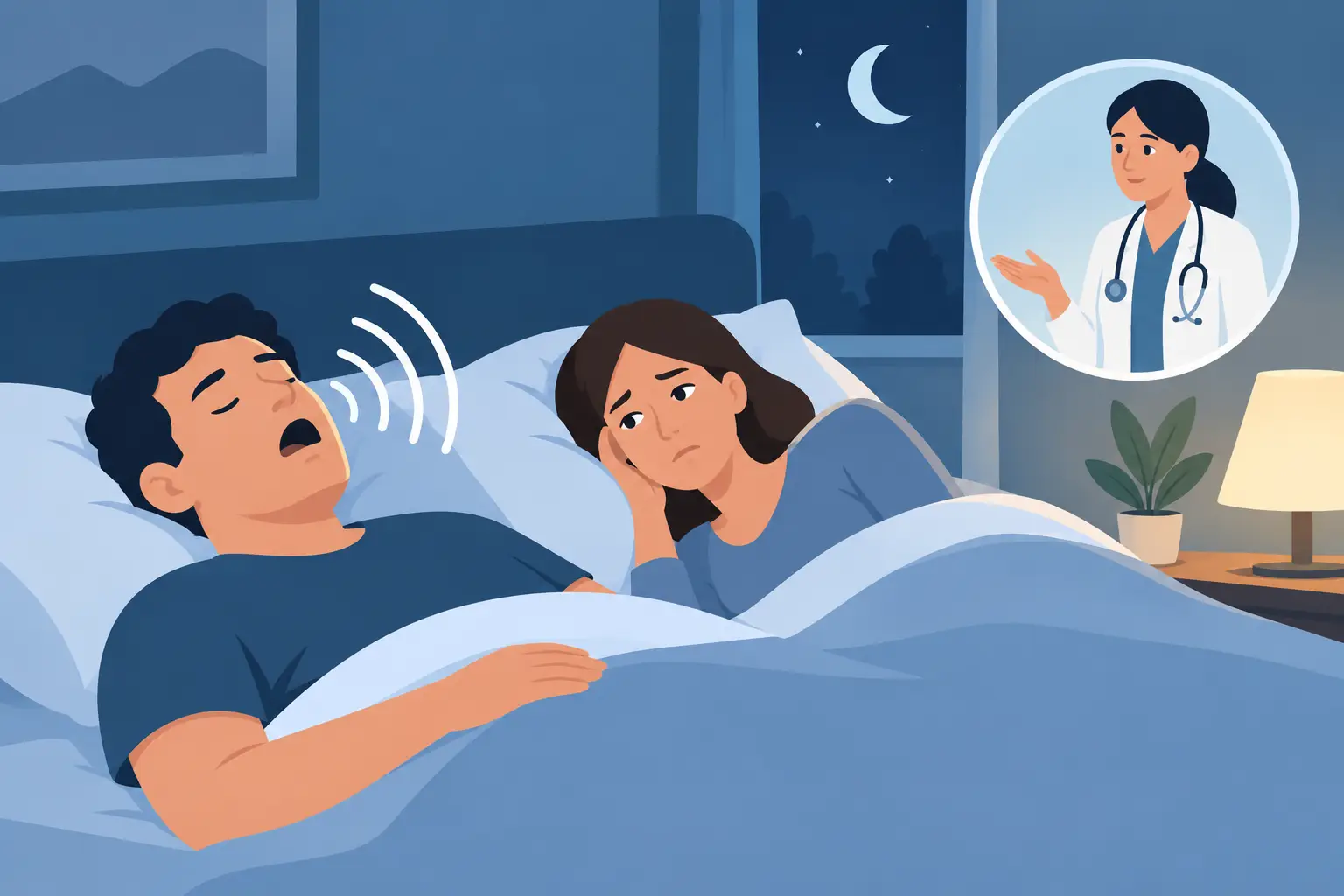
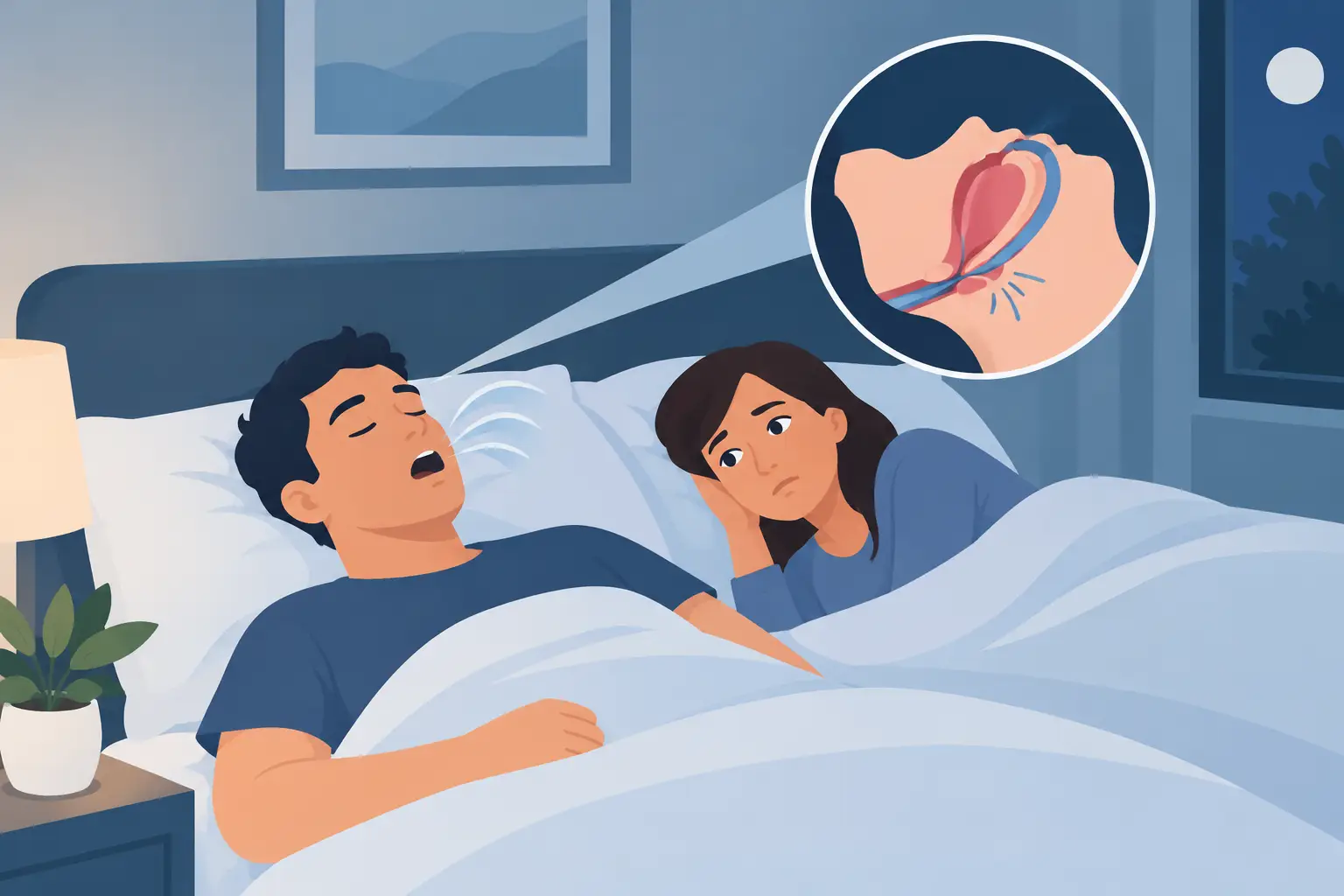
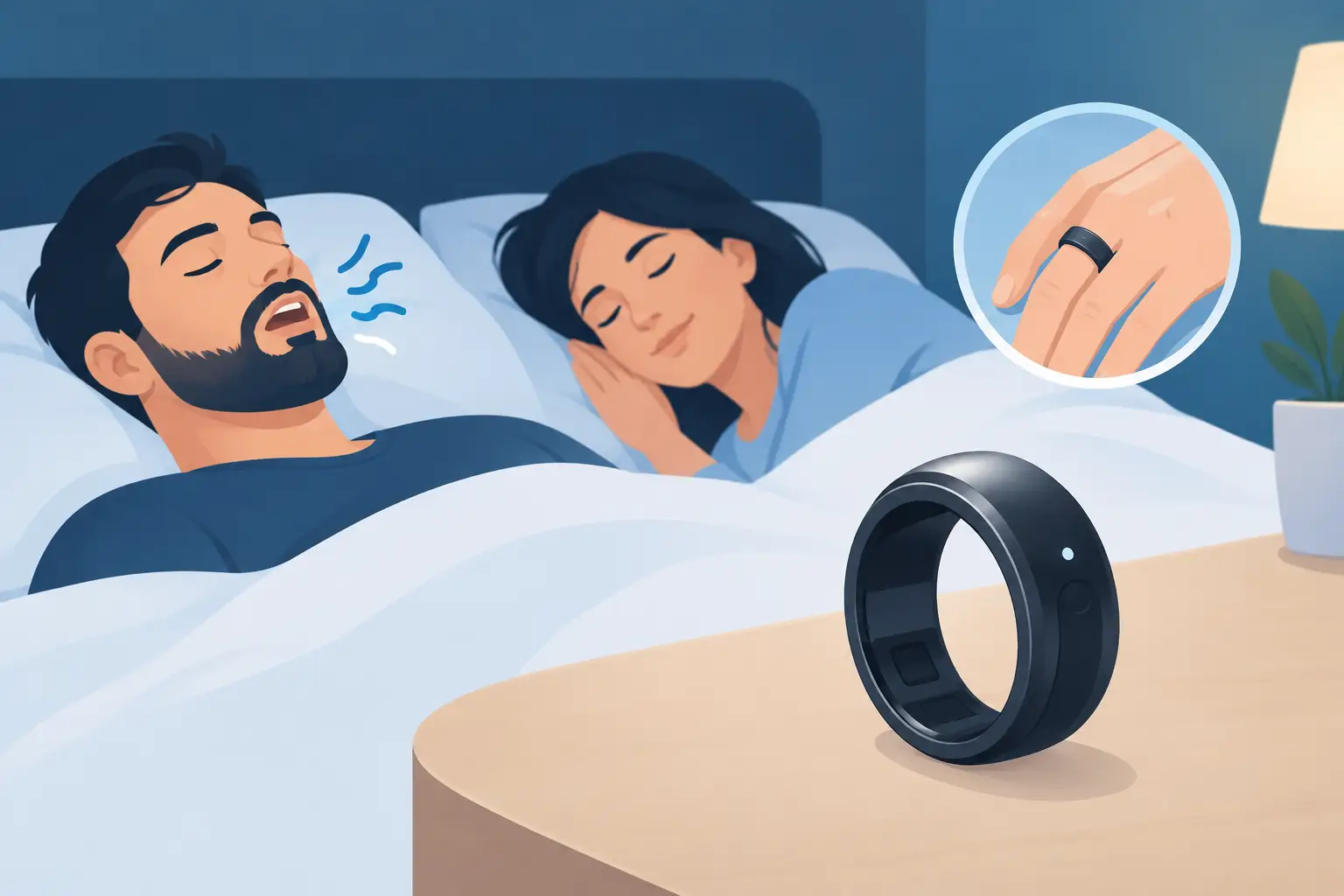
The worst part of snoring is rarely the noise alone. It is the nudge at 2am, the move to the spare room, the dread of another tired morning and the growing sense that you have tried everything. Snoring devices can help, but only when they suit the reason you snore and are comfortable enough to use every night.
There is no single device that works for every person. A blocked nose, a relaxed throat, sleep position, alcohol, weight changes and jaw shape can all play a part. The right approach starts with being clear about the problem you are trying to solve: simple snoring, or a possible sleep-breathing condition that needs medical attention.
Why the right snoring device matters
Many anti-snoring products are bought in a moment of frustration. That is understandable, but it is also why drawers fill up with abandoned mouthguards, nasal strips and gadgets that looked convincing in an advert. A device may be well made and still be the wrong fit for your type of snoring.
The practical test is simple: does it address a likely cause, and can you genuinely sleep in it? A solution that is effective only in theory is not much use if it is bulky, painful or makes you feel claustrophobic. Consistency matters more than novelty.
It is also worth separating ordinary snoring from warning signs of obstructive sleep apnoea. Loud snoring combined with choking or gasping, witnessed pauses in breathing, severe daytime sleepiness, morning headaches or difficulty concentrating should be discussed with a GP. Anti-snoring products are not a substitute for diagnosis or prescribed treatment where sleep apnoea is suspected.
Common snoring devices and their trade-offs
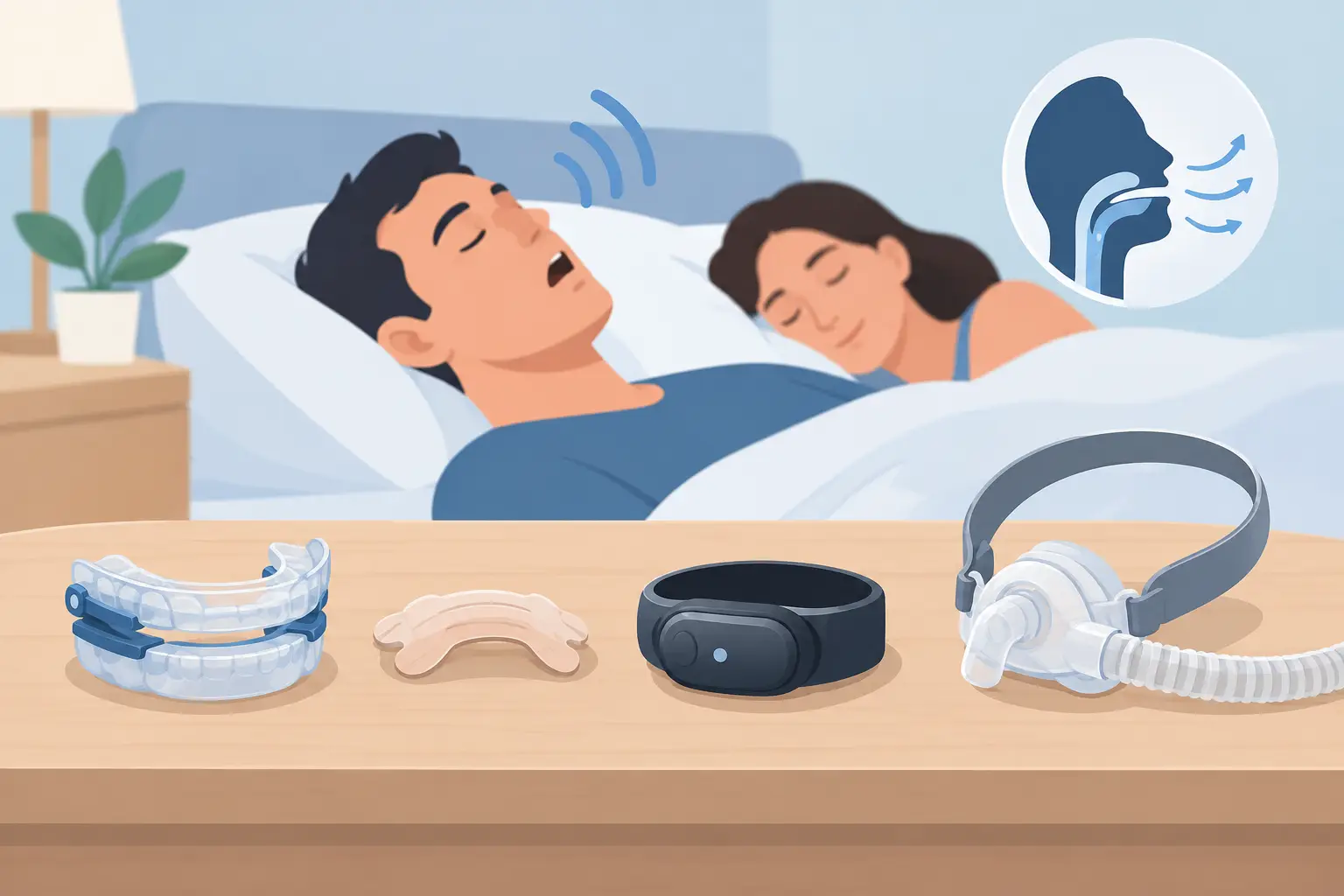
Mandibular advancement mouthguards
These mouthpieces hold the lower jaw slightly forward to help keep the airway more open. For some people, particularly those whose snoring is linked to the tongue and soft tissues falling back during sleep, they can be effective.
The compromise is obvious to anyone who has tried one. A mouthguard can feel large, may cause jaw soreness, excess saliva or dry mouth, and can be difficult to tolerate if you already have dental work, jaw pain or a sensitive gag reflex. Custom devices supplied through a dentist may offer a better fit than generic versions, but they also cost more. They are not a casual purchase for everyone.
Nasal strips, dilators and cones
If congestion or narrow nasal passages make you breathe through your mouth at night, a nasal option can be a sensible place to start. External strips lift the sides of the nose, while internal dilators sit just inside the nostrils to improve airflow.
These are usually simple and drug-free, but their effect is limited when the noise is coming mainly from the throat. They can also irritate sensitive skin or feel uncomfortable in the nose. If you snore only when you have a cold or during hay fever season, they may be more useful than if you snore all year round.
Positional aids
Some people snore far more when sleeping on their back. Positional pillows, wearable prompts and specially designed sleep supports aim to encourage side sleeping, which can reduce airway collapse in certain cases.
This is a low-intervention option, although it asks you to change a habit rather than simply put on a device. It may take time, and it is less practical for people who naturally roll onto their backs during the night. Still, if your partner notices a clear difference between back and side sleeping, position is valuable information.
Chin straps and mouth tape
Chin straps are intended to support the jaw and reduce mouth opening. Mouth tape is often promoted online for the same reason. Neither should be treated as a universal fix, particularly if nasal breathing is restricted or you have concerns about sleep apnoea.
Comfort and safety come first. Anything that makes you feel unable to breathe freely, panicked or uncomfortable should not be forced. Trend-led solutions can sound simple, but simple is not the same as suitable.
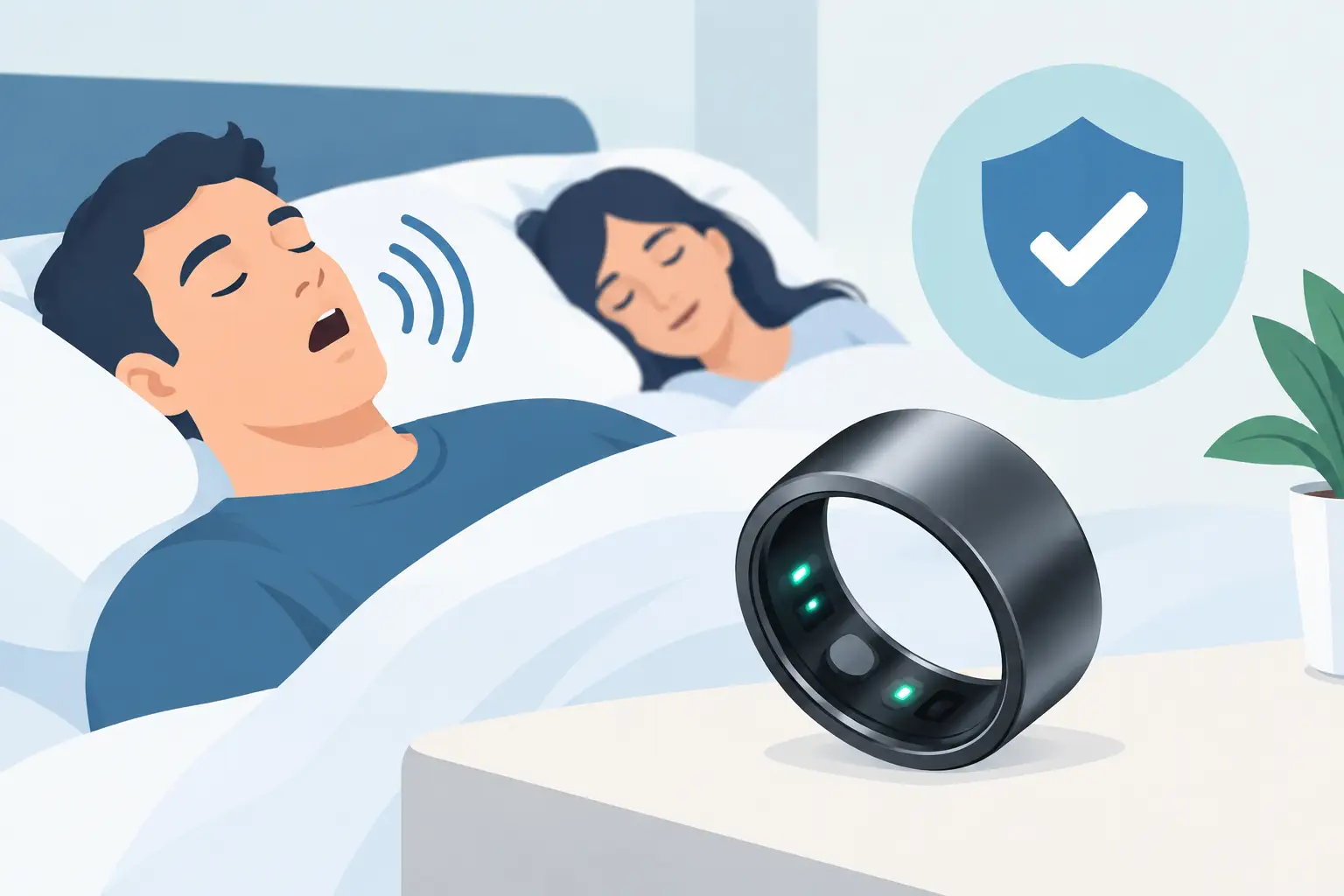
Acupressure rings
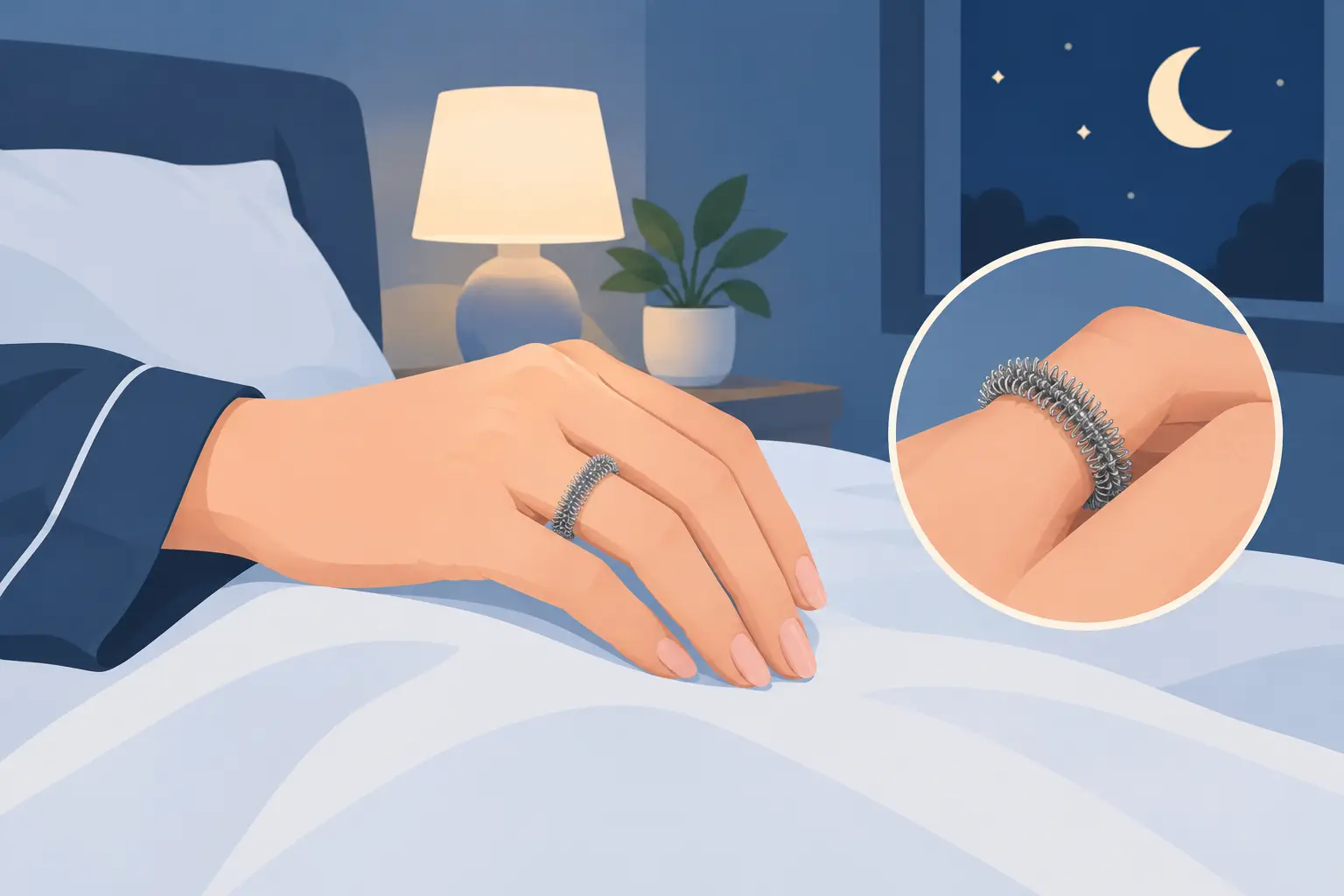
For people who do not want a mouthpiece, nasal insert or medication, an acupressure ring offers a very different approach. Worn on the little finger at night, it applies pressure to specific points and is designed to reduce simple snoring without placing anything in the mouth or nose.
The appeal is discretion. There is no moulding, charging, adhesive or adjustment routine, and it is easy to pack for a weekend away. The Good Night Anti-Snoring Ring is the original stop snoring ring, clinically trialled and FDA-cleared in the US. It is designed as a non-invasive option for simple snoring, not as treatment for sleep apnoea.
As with every anti-snoring product, results vary. An honest company should say so. No device can promise the same outcome for every anatomy, lifestyle or underlying health issue. What matters is whether the product is backed by a clear explanation, credible evidence and a fair opportunity to see whether it works for you.
How to choose snoring devices without wasting money
Start by paying attention to the pattern. Do you snore mainly after alcohol, when you are overtired, during allergy season or while lying on your back? Does your partner hear nasal congestion, or does the sound seem to come from deeper in the throat? A few nights of observation can prevent a string of random purchases.
Next, consider what you are willing to wear. If you have already rejected a mouthguard because it made your jaw ache, buying another one with different packaging is unlikely to solve the problem. If you dislike anything inside your nose, a nasal dilator may be a non-starter. The best choice is one you can use calmly and consistently.
Then look beyond dramatic claims. Be cautious of products that suggest they can cure every kind of snoring overnight or that avoid explaining who should not use them. Look for a stated purpose, sensible instructions, trial information where available and a money-back guarantee that is easy to understand.
A guarantee matters because snoring is personal. Your partner may notice an improvement before you do, and it can take several nights to judge whether a product makes a meaningful difference to sleep quality. A full refund policy removes some of the risk of trying a legitimate solution rather than settling for a cheap copy or a gimmick.
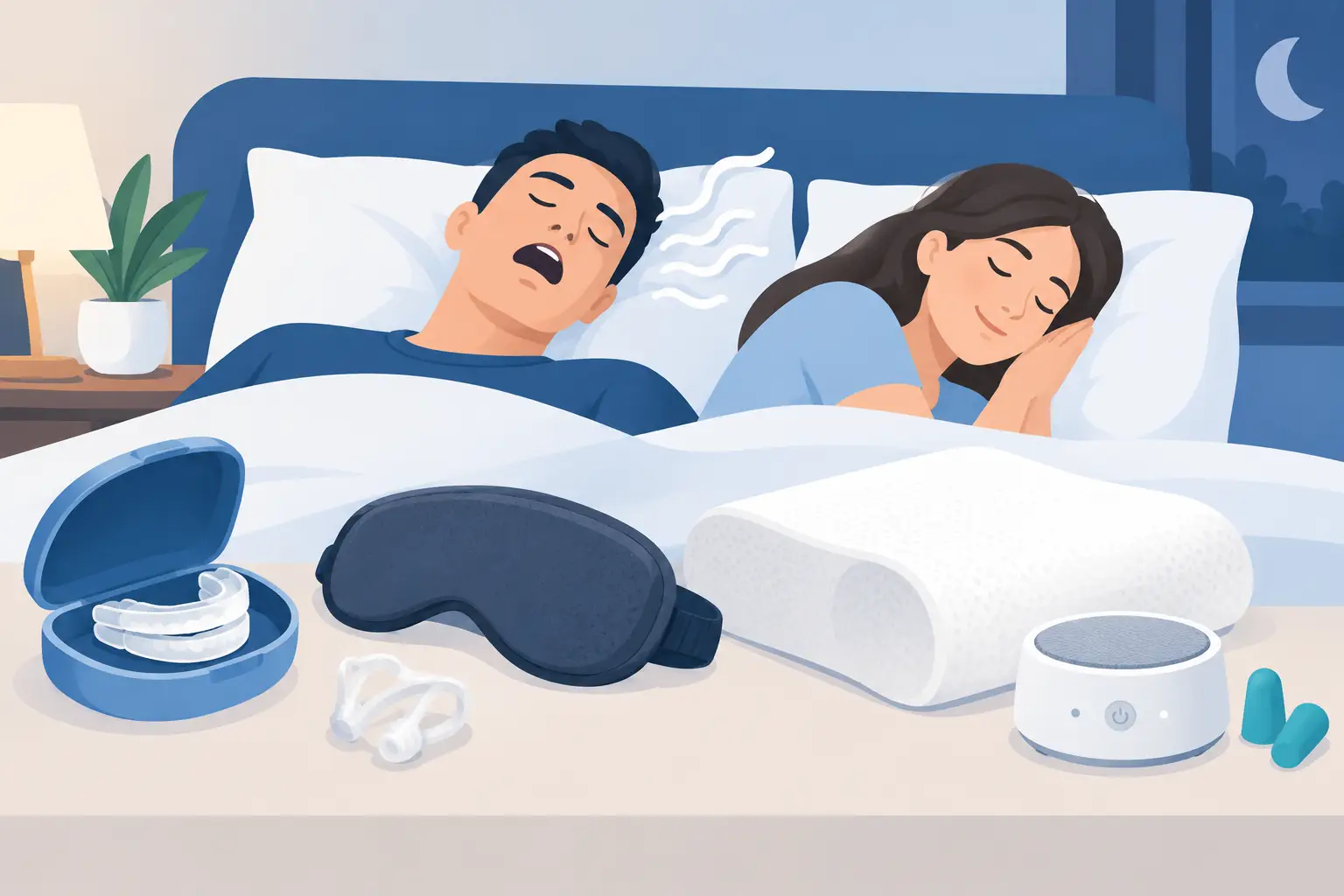
Small changes that make a device work harder
A snoring device does not have to do all the work alone. Avoiding alcohol close to bedtime, treating temporary congestion, keeping a regular sleep schedule and aiming for side sleeping can all reduce the factors that make snoring louder. If weight has changed recently, even modest lifestyle changes may help some people, though this is not a quick fix and should never be presented as one.
For couples, agree on a simple way to measure progress. That might mean noting how often your partner is woken, whether the snoring is quieter, or whether either of you feels more rested in the morning. This is more useful than expecting silence from the very first night.
Give comfort a proper chance
The most promising snoring devices are not necessarily the biggest, most expensive or most aggressively advertised. They are the ones that fit the cause of your snoring, respect your comfort and come from a company prepared to stand behind them.
If simple snoring is stealing rest from you and your partner, choose a non-invasive option you can realistically use night after night. Better sleep often begins with one small change that does not ask you to endure a complicated bedtime routine.