Blog
Single Post
Sleep Apnoea: Signs You Should Not Ignore
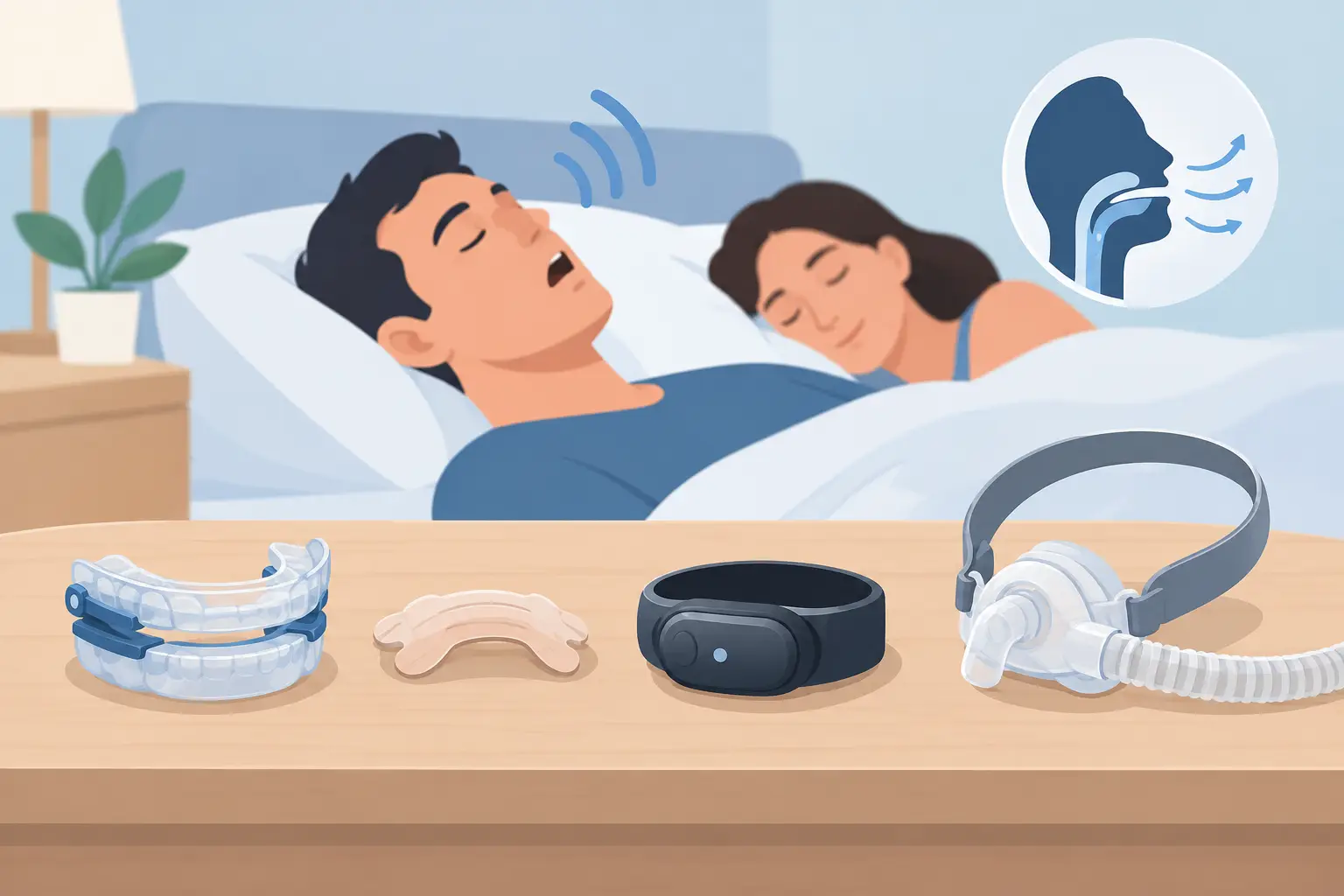
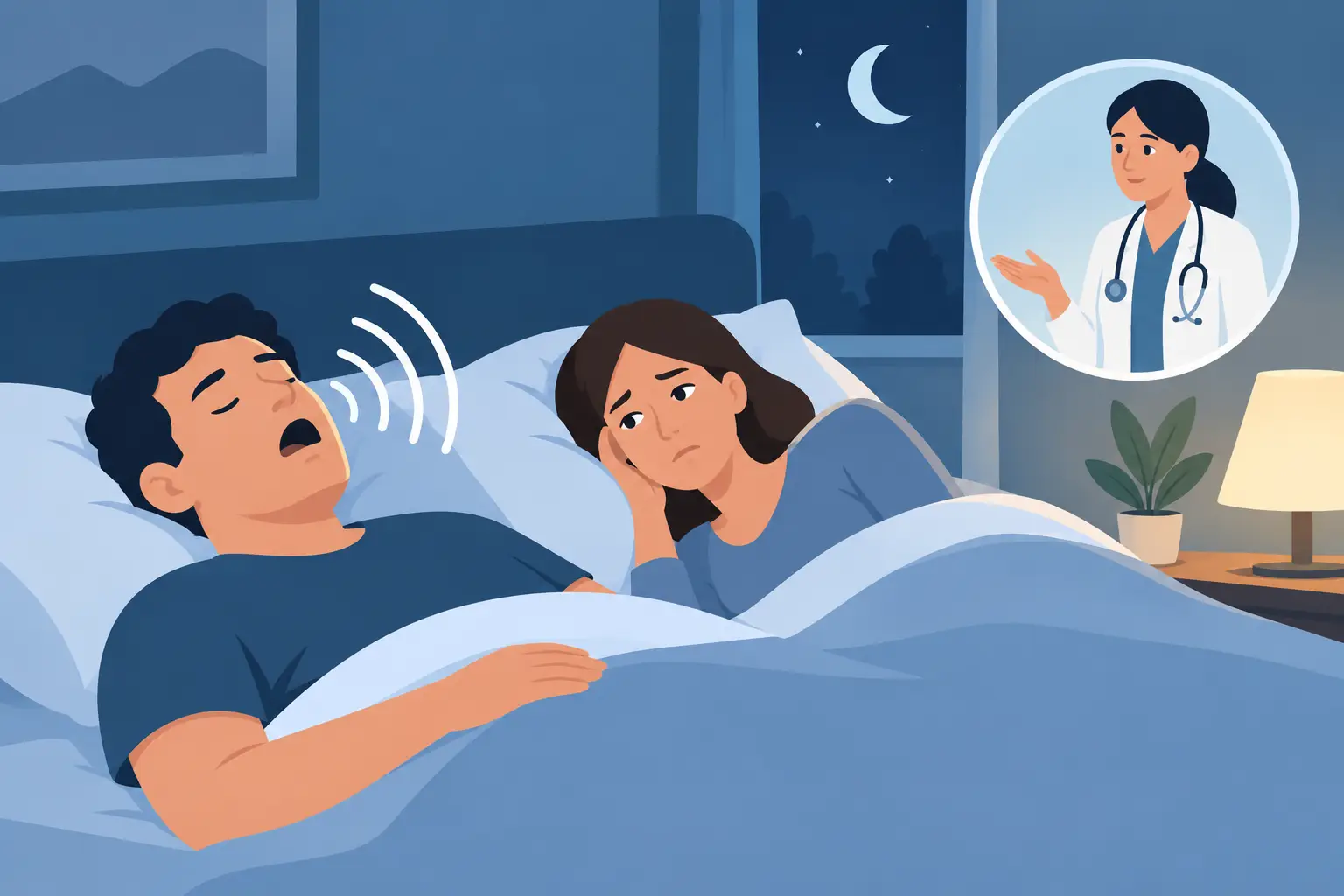
A partner may notice sleep apnoea before the person living with it does. The pattern can be unsettling: loud snoring, a sudden pause in breathing, then a gasp, snort or choking sound before breathing starts again. It is easy to dismiss this as ordinary snoring, especially when it has been going on for years. But repeated breathing pauses during sleep deserve proper attention.
Sleep apnoea is not simply an inconvenience that keeps someone else awake. Left untreated, it can fragment sleep night after night, leaving you exhausted even after what appears to be a full night in bed. For some people, it is also linked with raised blood pressure and other longer-term health concerns. The good news is that assessment is straightforward, and effective treatment is available.
What sleep apnoea actually means
Sleep apnoea is a condition in which breathing repeatedly stops or becomes too shallow during sleep. These interruptions can last several seconds and may happen many times across the night. Each pause can briefly bring the brain into a lighter stage of sleep so breathing resumes. Most people do not remember waking, but the body still pays the price in poor-quality rest.
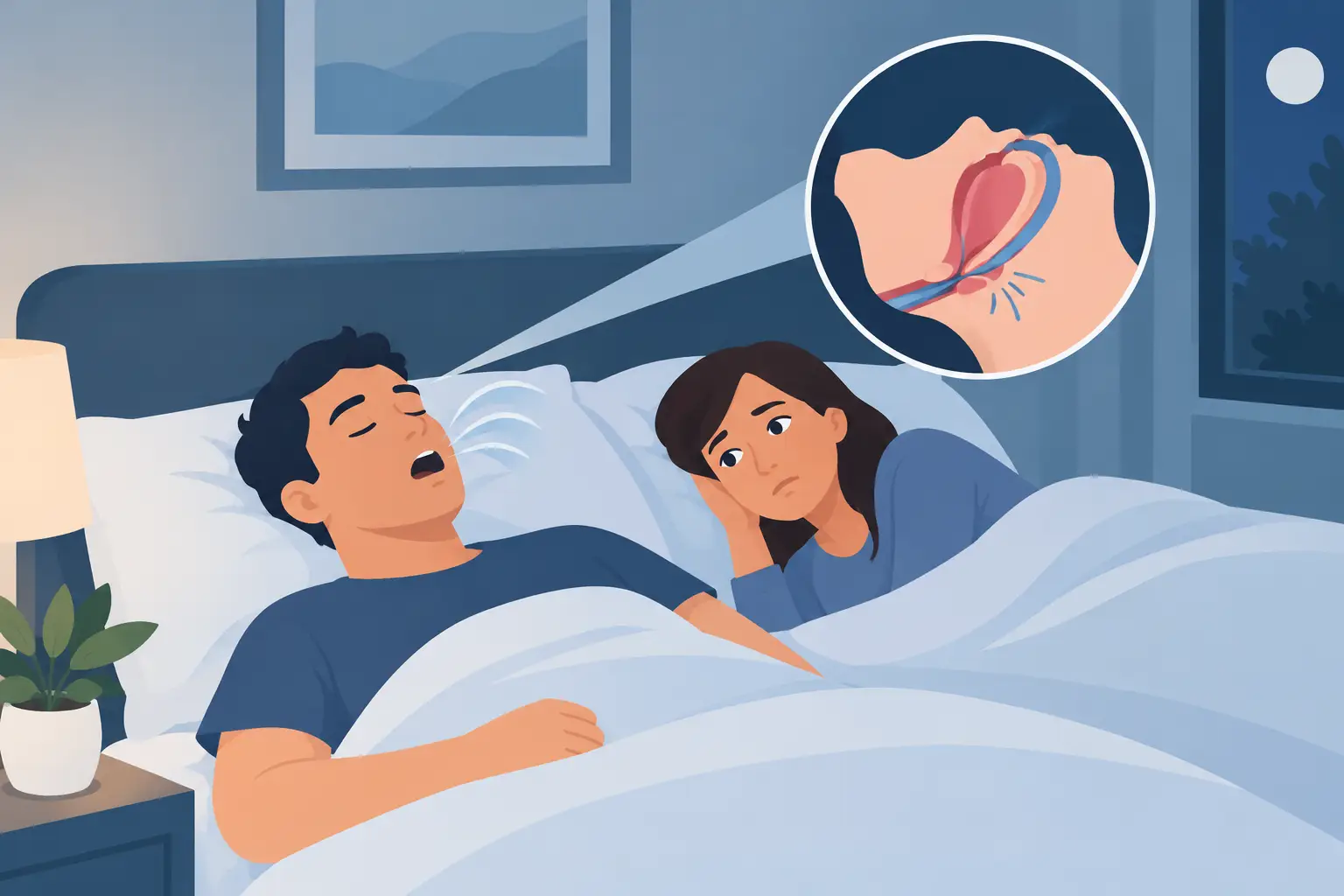
The most common type is obstructive sleep apnoea, often shortened to OSA. This happens when the muscles and soft tissues in the throat relax during sleep and narrow or block the airway. Snoring is common because air is trying to move through a restricted space, but not everyone who snores has OSA.
Less commonly, central sleep apnoea occurs when the brain does not reliably send the usual signal to breathe. Some people can also have a combination of both types. This is one reason self-diagnosis is not enough: the cause affects the treatment that may be appropriate.
Sleep apnoea signs to take seriously
Loud, regular snoring is often the first clue, particularly when it is interrupted by silent gaps, gasping or choking. Your bed partner may have a clearer picture than you do, so take their observations seriously rather than treating them as a complaint about noise.
During the day, sleep apnoea can show up in ways that are easy to put down to a busy life. You might wake with a dry mouth or headache, feel unrefreshed after sleeping, struggle to concentrate, become unusually irritable, or nod off while watching television. Some people find their sex drive or mood changes. Others wake repeatedly in the night to pass urine.
Excessive daytime sleepiness matters most when it affects safety. If you are falling asleep at the wheel, at work, or in situations where you need to stay alert, seek medical advice promptly and do not drive when drowsy. A brief microsleep can have serious consequences.
Risk is higher with excess weight, increasing age, alcohol close to bedtime, smoking, a family history of OSA, and certain features of the jaw, neck or airway. However, sleep apnoea is not reserved for one body type or age group. Women can be missed because their symptoms may present more as fatigue, insomnia, low mood or morning headaches than dramatic snoring.
Why ordinary snoring and sleep apnoea are not the same
Simple snoring is caused by vibration of tissues in the nose, mouth or throat while breathing. It can be loud and highly disruptive, but it does not necessarily mean breathing is repeatedly stopping. Sleep apnoea involves those pauses or reductions in airflow, usually alongside drops in oxygen levels and disrupted sleep.
That distinction matters. A product designed for simple snoring should never be presented as a replacement for assessment or treatment of suspected sleep apnoea. If your partner has seen breathing pauses, or if you have pronounced daytime sleepiness, choking episodes or high blood pressure, start with a GP rather than trying to solve the problem alone.
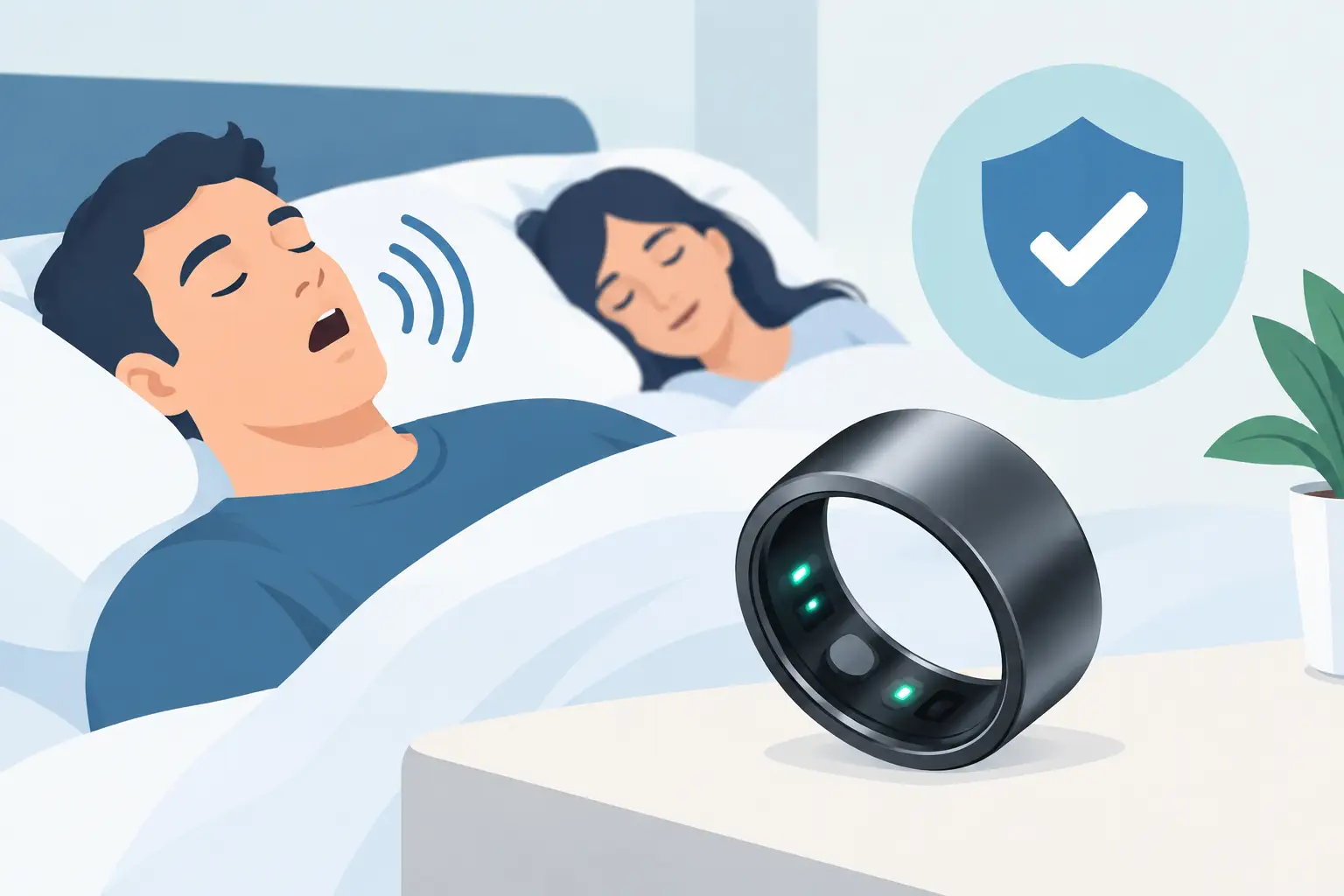
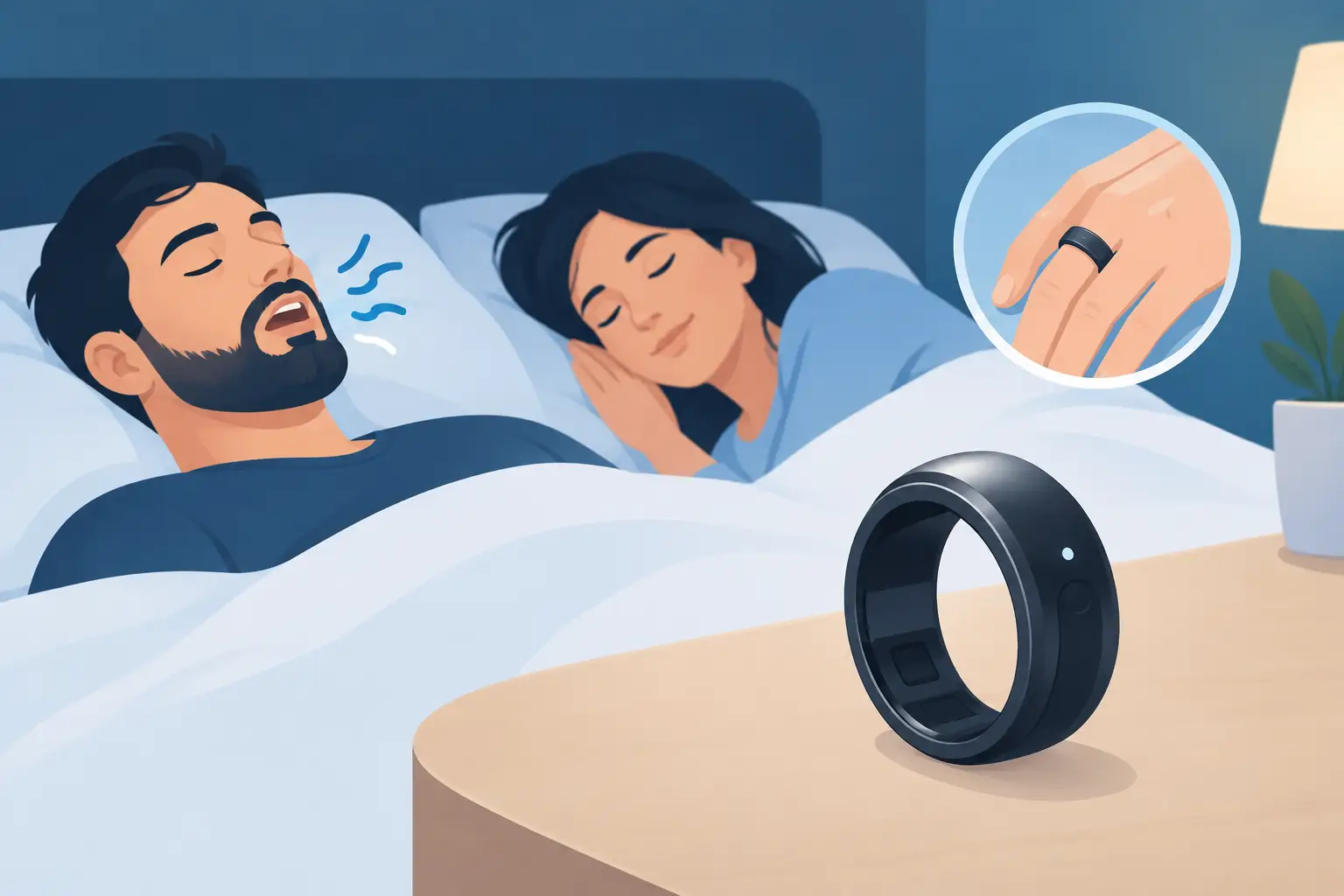
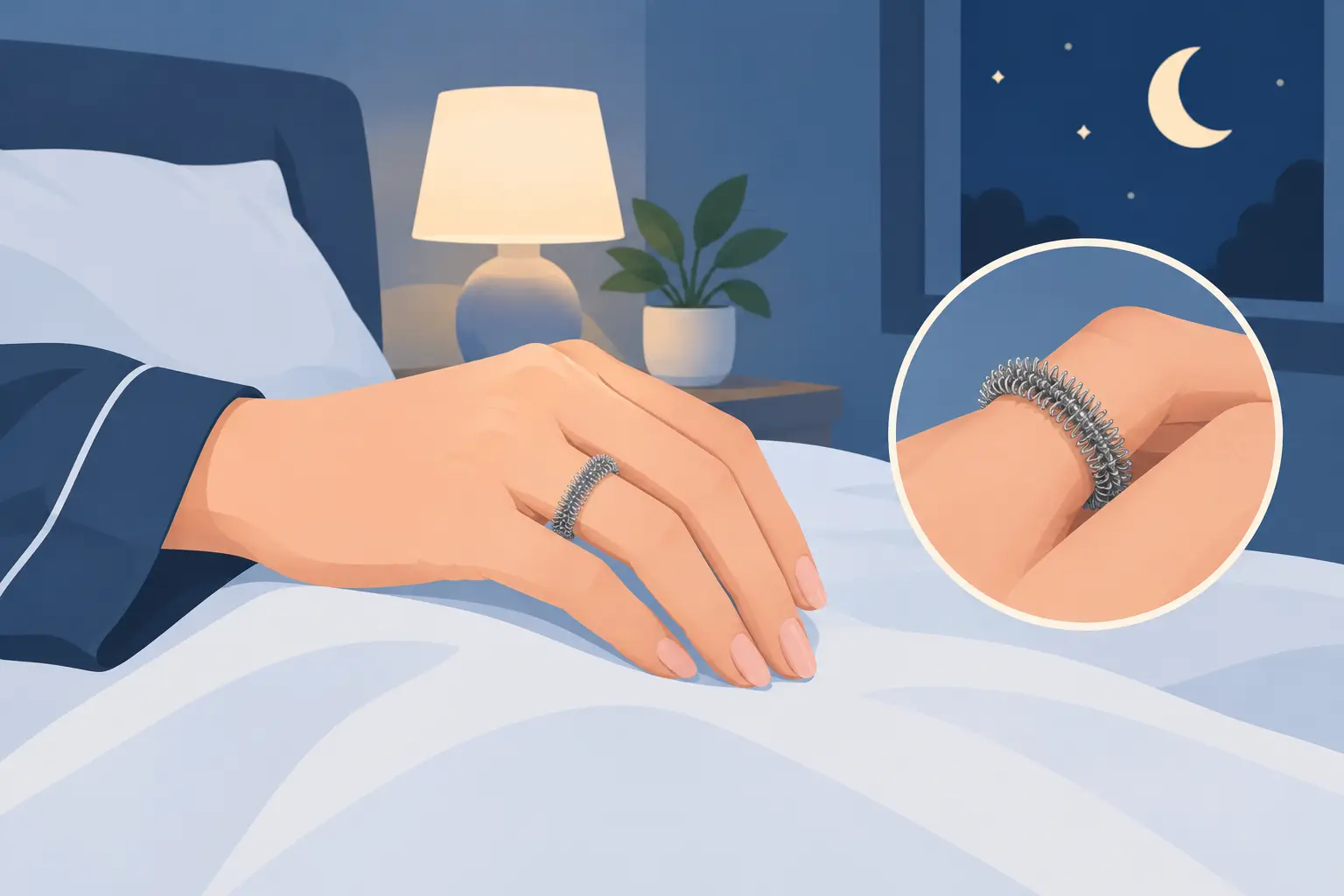
For people whose assessment rules out sleep apnoea and points to simple snoring, a comfortable, non-invasive option may be worth considering. The Good Night Anti-Snoring Ring is designed for simple snoring through acupressure points on the little finger. It is a discreet alternative for suitable snorers, but it is not a treatment for sleep apnoea. Being clear about that is part of looking after your health properly.
What happens when you speak to your GP
Your GP will ask about your sleep, daytime tiredness, medical history and any observations from the person you sleep beside. It can help to take a short record of what is happening: how often you snore, whether anyone has noticed pauses or gasping, whether alcohol seems to make symptoms worse, and how sleepy you feel during the day.
You may be referred for a sleep study. Depending on your symptoms and local service, this may involve using a small monitor at home overnight. It can measure breathing, oxygen levels, heart rate and body position. Some people need a more detailed study in a sleep clinic.
The results help clinicians judge how often breathing is disturbed and how severe the condition is. This is not about earning a label. It is about getting an answer that lets you choose the right next step rather than spending money and effort on solutions that do not address the underlying problem.
Treatment depends on the cause and severity
Treatment for obstructive sleep apnoea is individual. For mild cases, changes such as losing weight where appropriate, reducing alcohol in the evening, stopping smoking and avoiding sleeping on your back can make a meaningful difference. These are not instant fixes, and they may not be enough on their own, but they can support other treatment.
A continuous positive airway pressure machine, usually called CPAP, is a common and highly effective treatment for moderate to severe OSA. It delivers gentle air pressure through a mask to keep the airway open while you sleep. Some people take time to adjust to it, particularly the mask and airflow, but the right fitting and support can transform both sleep quality and daytime energy.
For selected people, a specialist may recommend a custom-made mandibular advancement device. This is a mouthpiece that moves the lower jaw forward to help keep the airway open. It is different from a generic anti-snoring device bought without assessment, and it should be fitted with clinical guidance because comfort, dental health and jaw position all matter.
In certain cases, treatment may focus on nasal obstruction, medication review, or a specialist procedure. The important point is that there is no single remedy that suits everyone. The best option is the one matched to your diagnosis, symptoms and ability to use it consistently.
Small changes that can help while you wait
If you are awaiting an appointment, protect your sleep as far as you can. Keep alcohol away from bedtime, as it relaxes throat muscles and can worsen snoring and airway collapse. Aim for regular sleep hours, and discuss medicines that make you sleepy with a pharmacist or clinician before making any changes.
Side sleeping may reduce symptoms for some people, especially when breathing events are worse on the back. Treat nasal congestion if it is affecting your breathing, using advice that is suitable for you. These measures can improve comfort, but they should not delay assessment when sleep apnoea is suspected.
Partners have a role too. It is tempting to move to another room, wear earplugs and hope the noise settles. Sometimes separate sleep is the practical short-term answer. Yet recording the pattern, raising the concern kindly and encouraging an appointment can be far more valuable than simply enduring another broken night.
A quieter bedroom is welcome. Safer, more restorative breathing is better. If snoring comes with pauses, gasping or relentless tiredness, make the call to your GP and get a clear answer. Both of you deserve sleep that feels like rest.