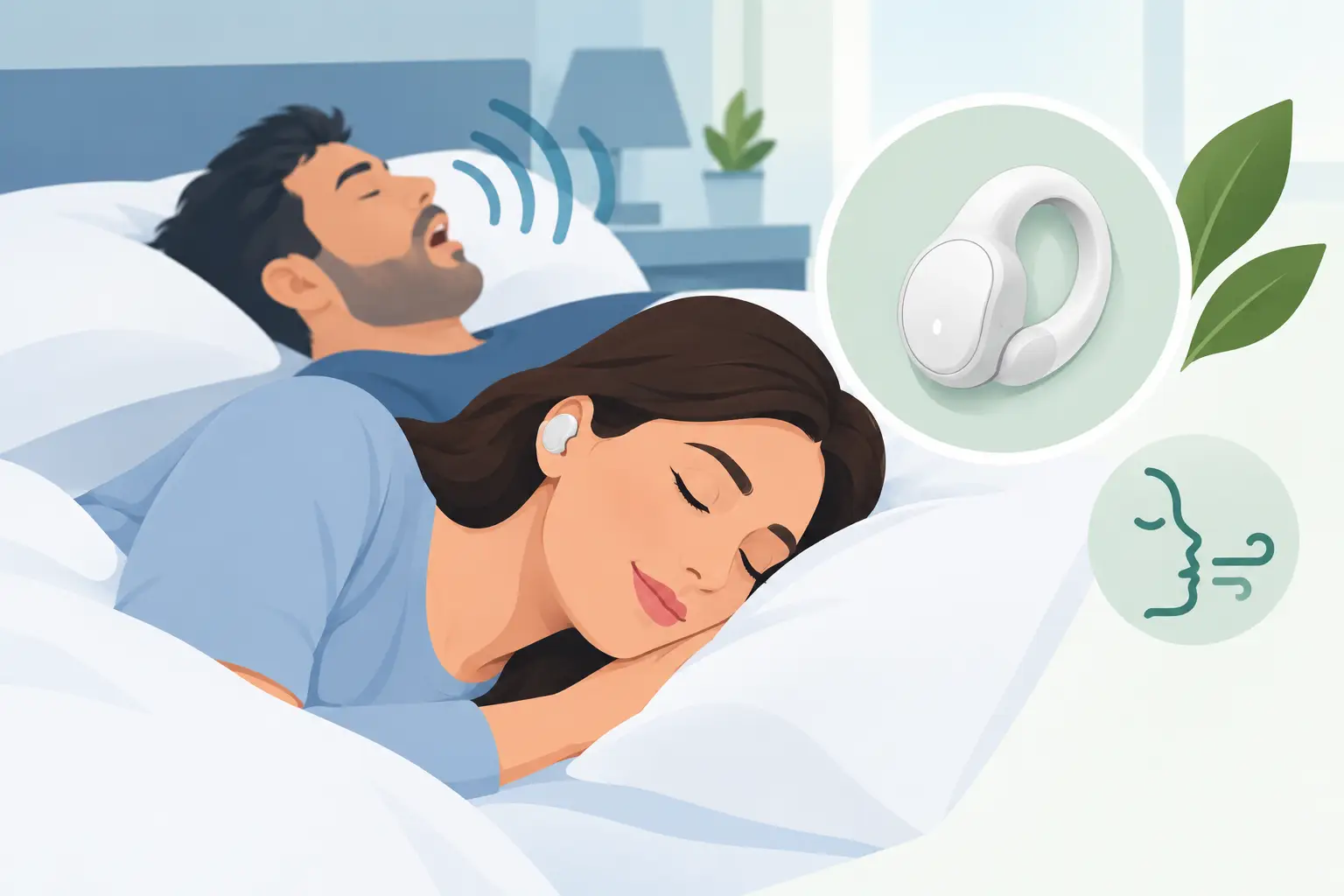
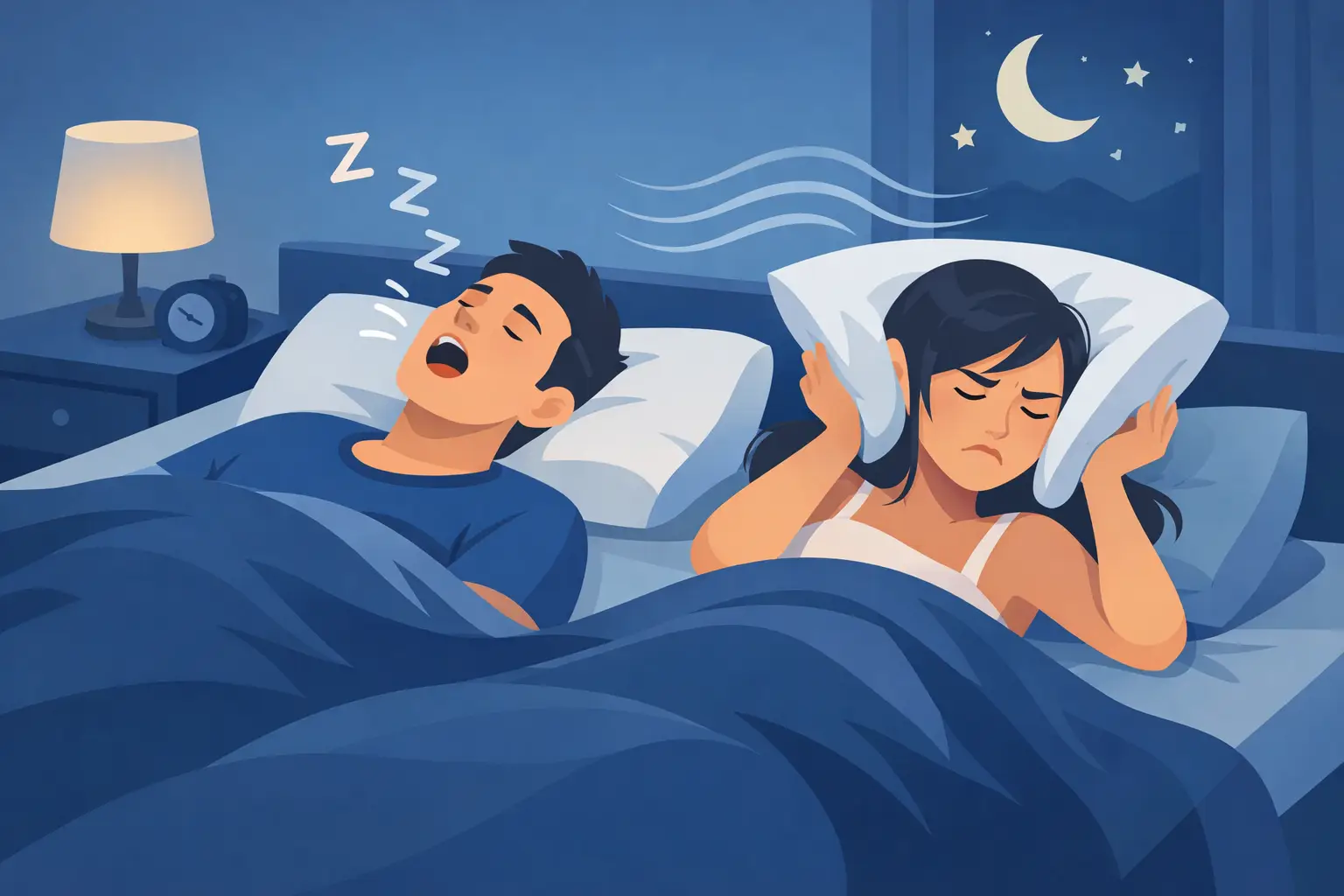
The sound that wakes a partner at 2am is rarely just a sound. It can mean separate bedrooms, frayed patience and another morning spent trying to function on too little sleep. The good news is that comfortable anti snoring options do exist, and the right one should not make bedtime feel like a medical procedure.
For many people, the best place to start is with an option they can genuinely use night after night. A remedy is only useful if it is comfortable enough to become part of a normal bedtime routine. That means considering not only whether something may reduce snoring, but also how it feels, how discreet it is and whether it suits the likely cause of the problem.
Why comfort matters when choosing anti-snoring help
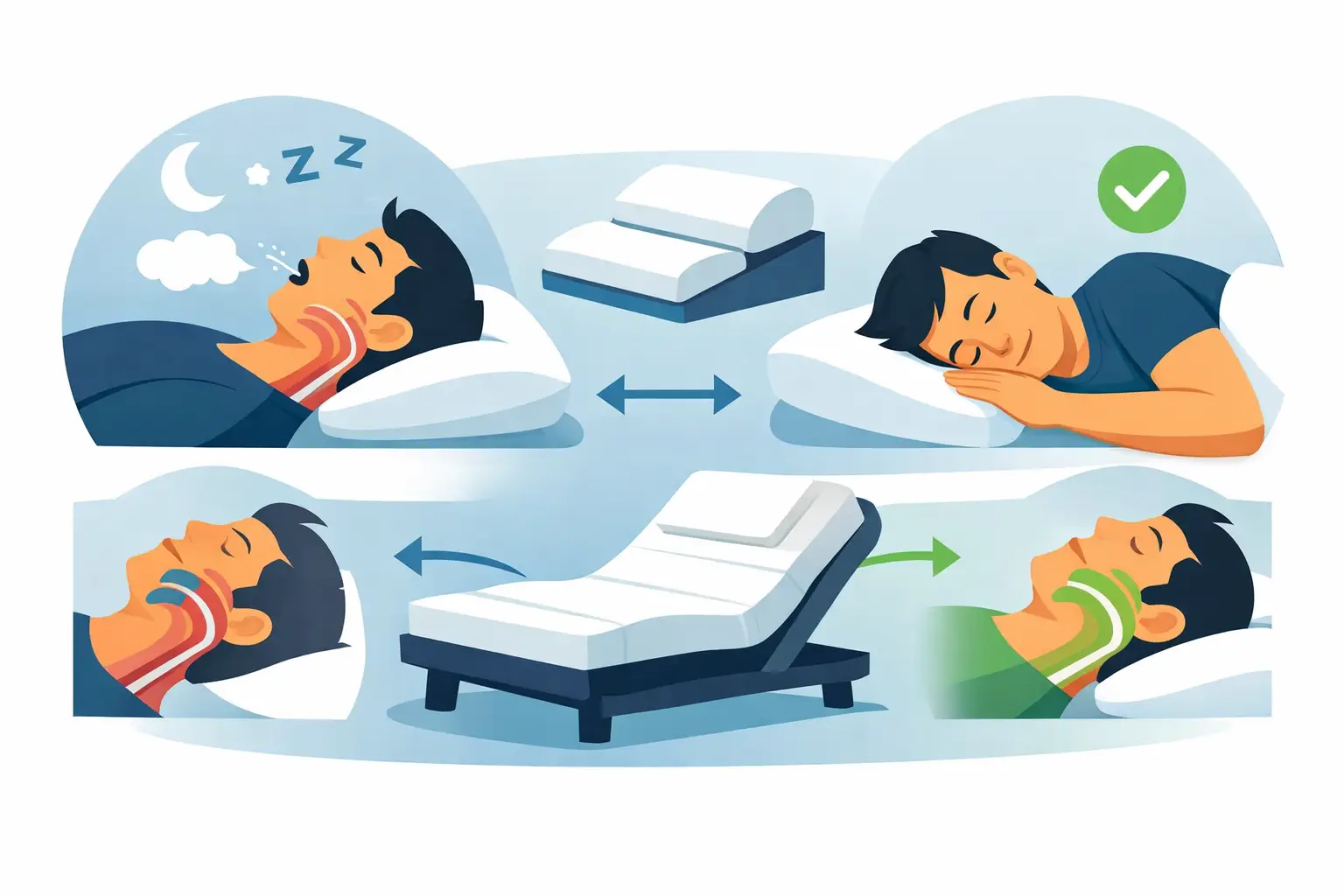
Simple snoring usually happens when the soft tissues in the throat relax during sleep and partially narrow the airway. Air moving through that smaller space causes vibration, which creates the familiar noise. Alcohol, tiredness, nasal congestion, sleeping position and weight can all make it worse.
There is no single answer for every snorer. A solution that works brilliantly for someone who only snores on their back may do little for someone with persistent nasal blockage. Equally, an uncomfortable mouthpiece may be effective in theory but spend most nights in a bedside drawer.
Comfort is not a luxury feature. It is what makes consistency possible. The most practical choice is often the least intrusive option that addresses your circumstances and that you can tolerate every night.
Comfortable anti snoring options to consider
Start with sleeping position and routine
For people who snore mainly while lying on their back, side sleeping can make a real difference. When you lie on your back, the tongue and soft tissues are more likely to fall backwards and narrow the airway. A supportive pillow, a body pillow or a small adjustment to your usual sleeping set-up may encourage a side-sleeping position without feeling restrictive.
It is also worth looking at the hours before bed. Alcohol can relax throat muscles and make snoring louder, particularly when consumed close to bedtime. Regular sleep times, sensible alcohol intake and avoiding sedatives unless prescribed can help some people reduce simple snoring. These changes are low cost and comfortable, but they may not be enough where snoring is frequent or particularly loud.
Deal with nasal discomfort where it is present
A blocked nose encourages mouth breathing, which can contribute to snoring. If colds, allergies or dry air are part of the picture, improving nasal comfort may help. Saline sprays, managing known allergies and keeping the bedroom air from becoming overly dry are sensible first steps.
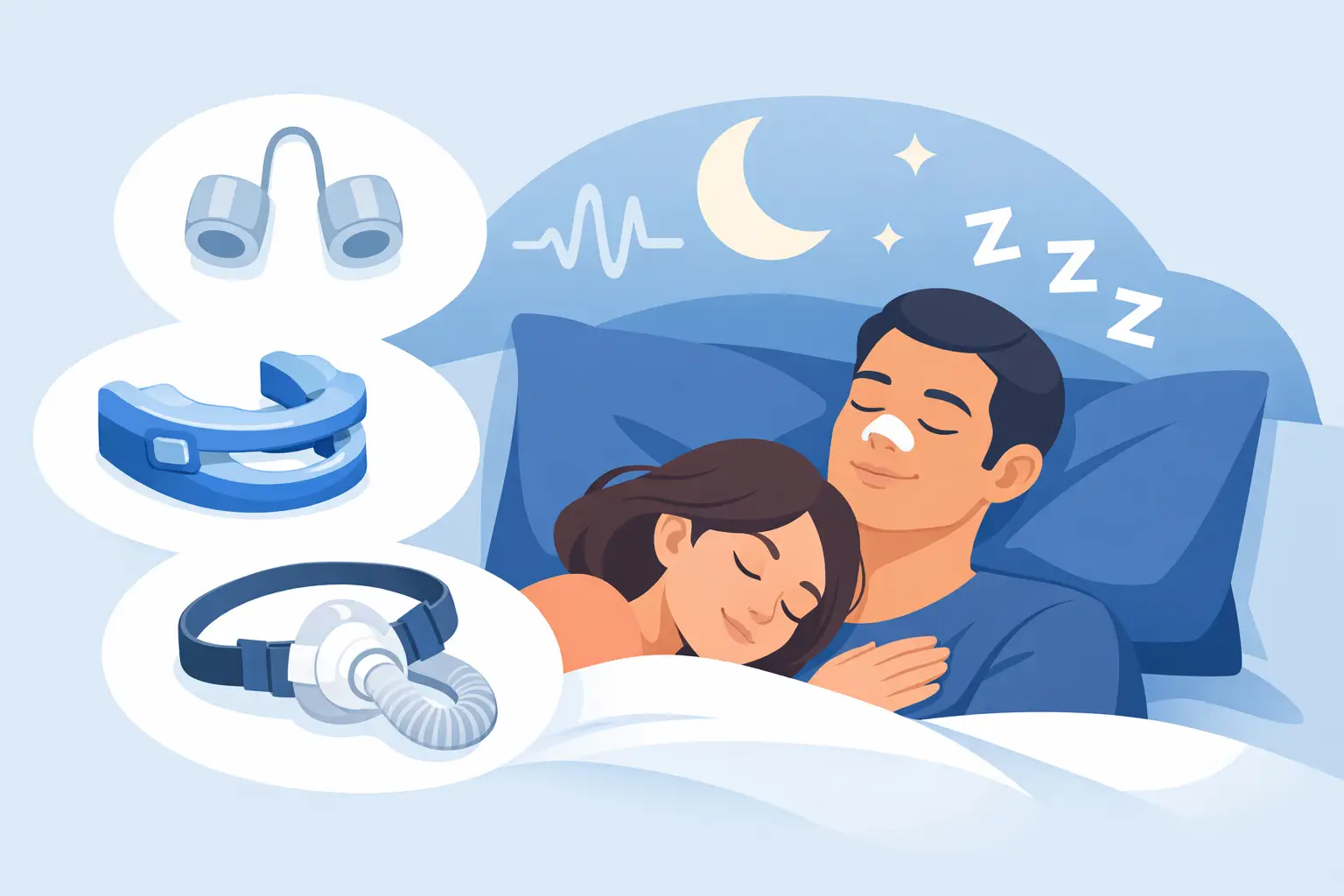
Nasal strips and dilators are another non-drug option. They work by opening the nostrils rather than treating the throat itself. Some people find them comfortable and useful, especially during a cold or allergy season. Others dislike the adhesive feeling or find that their snoring continues because the main obstruction is farther back in the airway.
Consider oral devices carefully
Mandibular advancement devices, often called anti-snoring mouthguards, hold the lower jaw slightly forward. This can help keep the airway more open for certain people. They can be effective, but comfort varies greatly.
A poorly fitted mouthguard can cause jaw soreness, tooth discomfort, excess saliva or a feeling of bulk in the mouth. Boil-and-bite versions may be convenient, while professionally fitted devices can offer a more precise fit at a higher cost. If you have jaw pain, loose teeth, significant dental work or gum concerns, speak with a dentist before choosing this route.
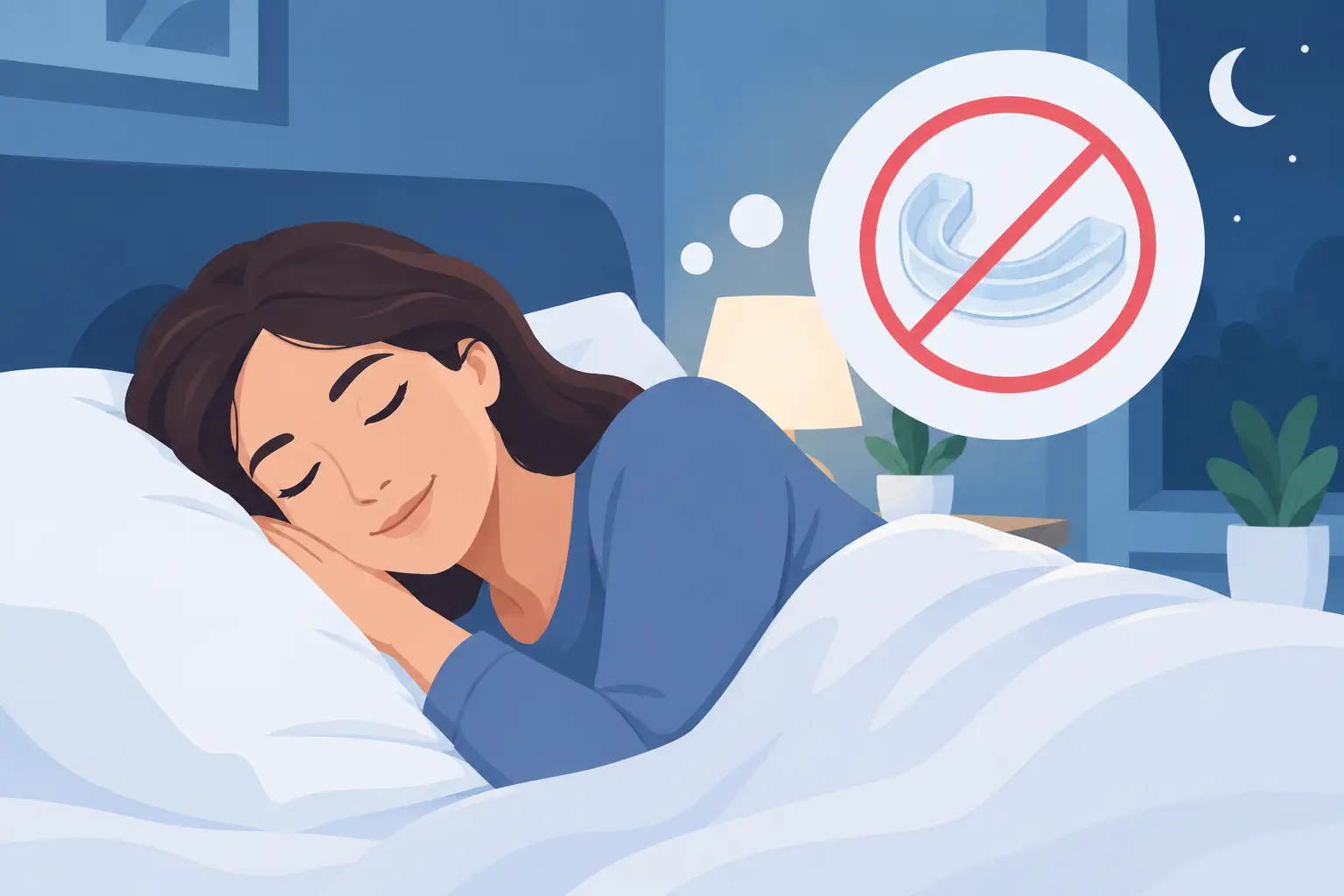
These devices are worth considering when clinically appropriate, but they are not automatically the most comfortable choice. For plenty of snorers, wearing something substantial in the mouth is exactly what they have been trying to avoid.
Look at discreet wearable support
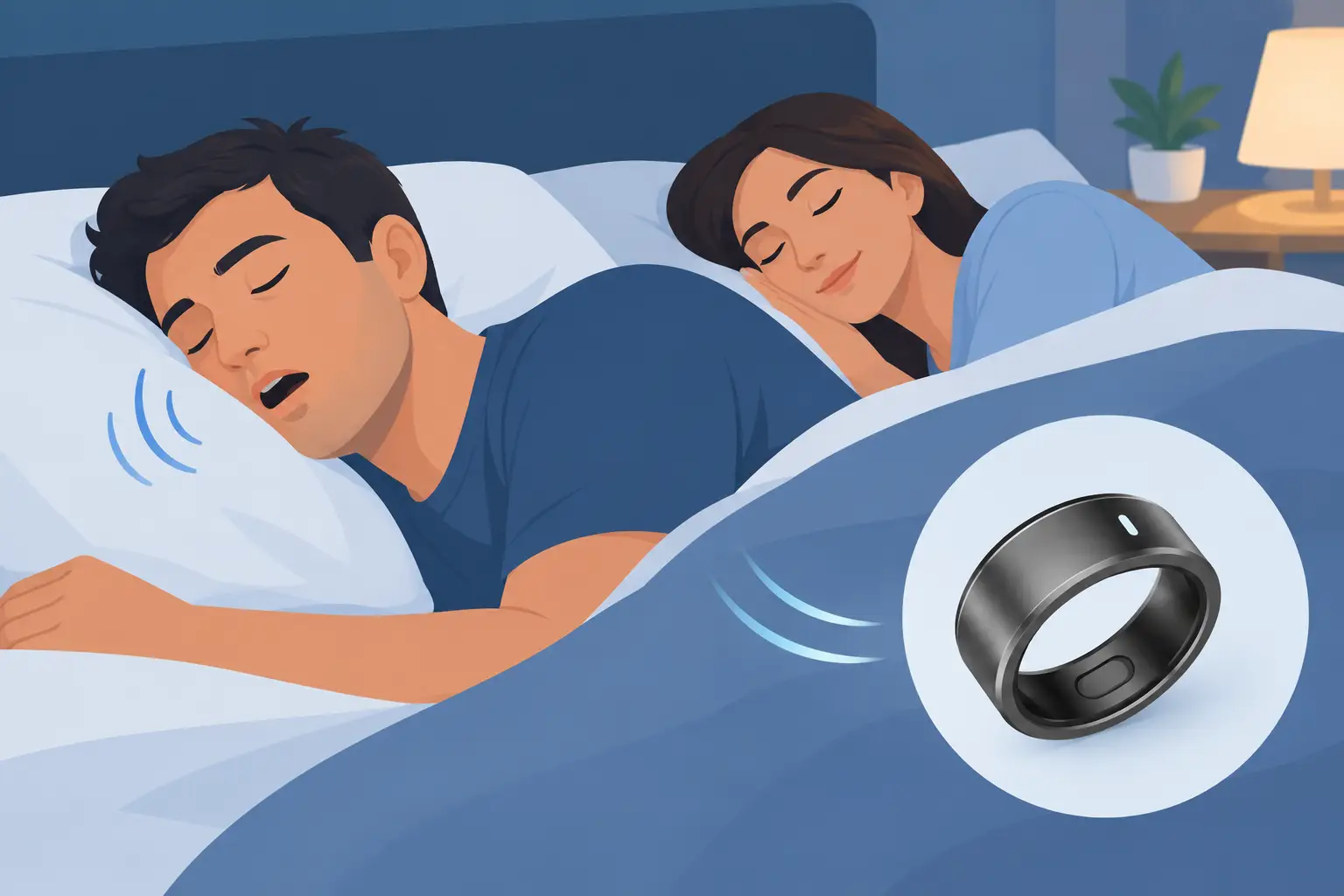
Wearable approaches appeal to people who want help without putting anything in their mouth, over their face or across their chest. The Good Night Anti-Snoring Ring is designed as a small acupressure-based ring worn on the little finger during sleep, applying pressure to specific points in a simple, non-invasive way.
Its appeal is straightforward: it is discreet, medication-free and does not require a mask, adhesive strip or bulky mouthpiece. As the original clinically trialled stop snoring ring, it is made for people seeking a more elegant bedtime option. It will not work for everyone, and honest snoring support should say so. But a comfortable wearable can be a sensible choice for simple snoring, particularly for couples who want to try a low-fuss solution without committing to invasive equipment.
When comparing rings, be cautious about cheap imitations that make vague promises. Look for clear information about the product, its intended use, clinical support and the returns policy. A 30-day money-back guarantee matters because it gives you time to judge comfort and results in your own bed, rather than taking a leap of faith.
How to choose the option you will actually use
Before buying another anti-snoring product, take a week to notice patterns. Does snoring become worse after alcohol? Is it mostly a back-sleeping issue? Does your partner hear it every night, or only when you have a blocked nose? A short record can make the choice less random.
Then weigh the practical trade-offs. A positional change may be the simplest starting point but requires habit change. Nasal aids can help when congestion is the driver, yet may not affect throat-based snoring. Mouthguards can be useful for some people but demand a higher level of tolerance. A discreet ring may feel far easier to wear, although results depend on the individual and the type of snoring involved.
Your partner’s experience is useful evidence, too. Ask whether the snoring is quieter, less frequent or absent on certain nights. If you use a sleep-tracking app, treat it as a pattern-spotting tool rather than a diagnosis. The aim is not to chase perfect data. It is to find a comfortable routine that gives both of you a better chance of uninterrupted sleep.
When snoring needs medical attention
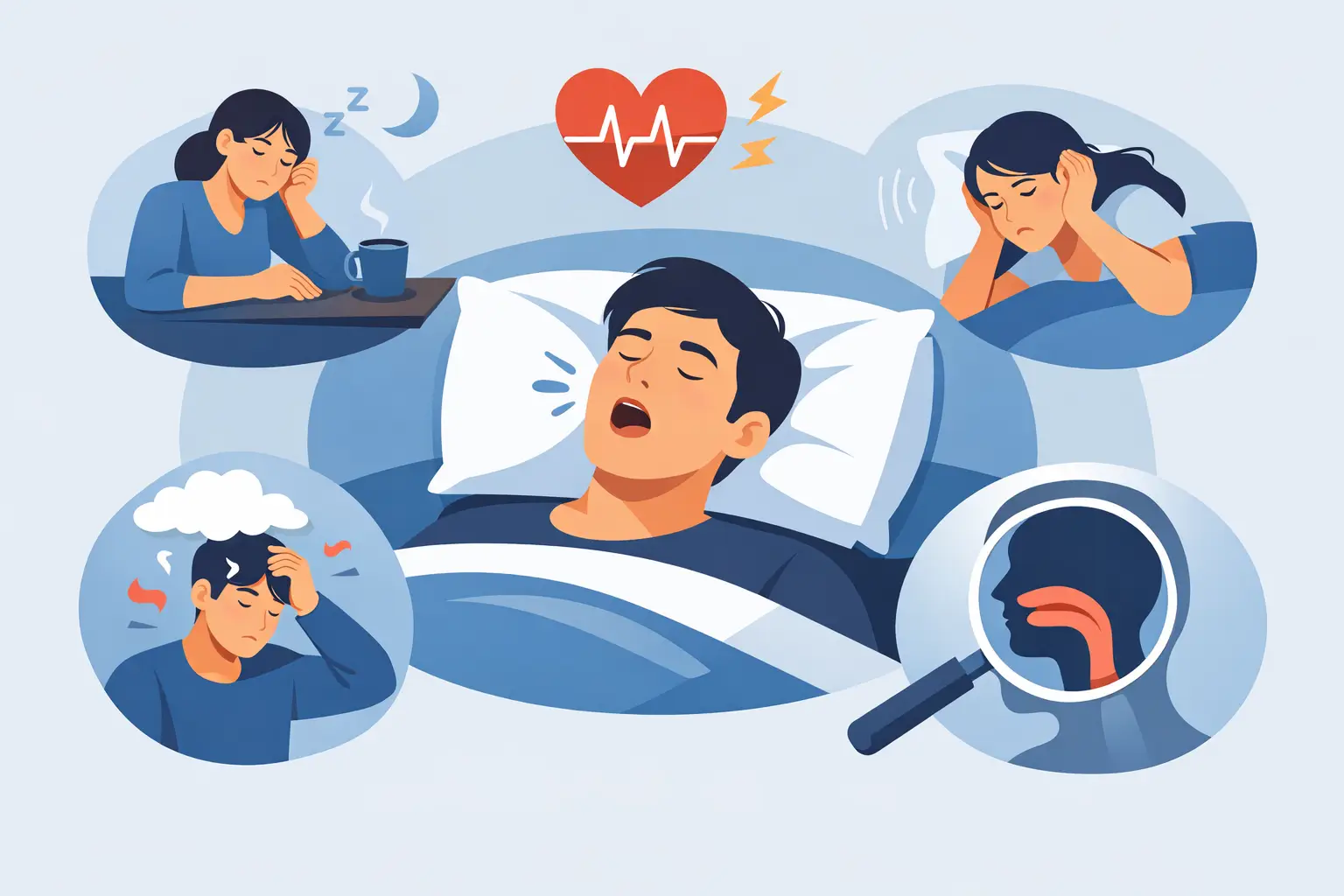
Not all snoring is simple snoring. Loud snoring accompanied by pauses in breathing, choking or gasping, morning headaches, excessive daytime sleepiness or difficulty concentrating may be a sign of obstructive sleep apnoea. This needs assessment by a GP or qualified sleep professional.
The same applies if snoring has suddenly changed, is affecting your health or is occurring alongside high blood pressure, heart concerns or severe fatigue. An anti-snoring product should never be used to dismiss warning signs. Getting checked is the responsible step, and it may lead to treatment that protects far more than a good night’s rest.
Give comfort a fair trial
A comfortable option deserves a consistent trial, not one frustrated night. Use it as directed, keep other bedtime habits reasonably stable and allow your partner to report what they notice over several nights. If it causes pain, skin irritation, jaw discomfort or disrupted sleep, stop using it and reassess.
There is no prize for choosing the most complicated device. The right anti-snoring support is the one that fits your body, your bedtime and your willingness to keep using it. A quieter night can start with something refreshingly simple: choosing comfort seriously enough to make it part of the solution.