Blog
Single Post
Snoring Ring Versus Tongue Stabiliser Compared
Your partner has heard the promise before: one more anti-snoring device, one more difficult night, one more product left in the bathroom cabinet. When comparing a snoring ring versus tongue stabiliser, the real question is not which device sounds cleverest. It is which one you will comfortably use night after night.
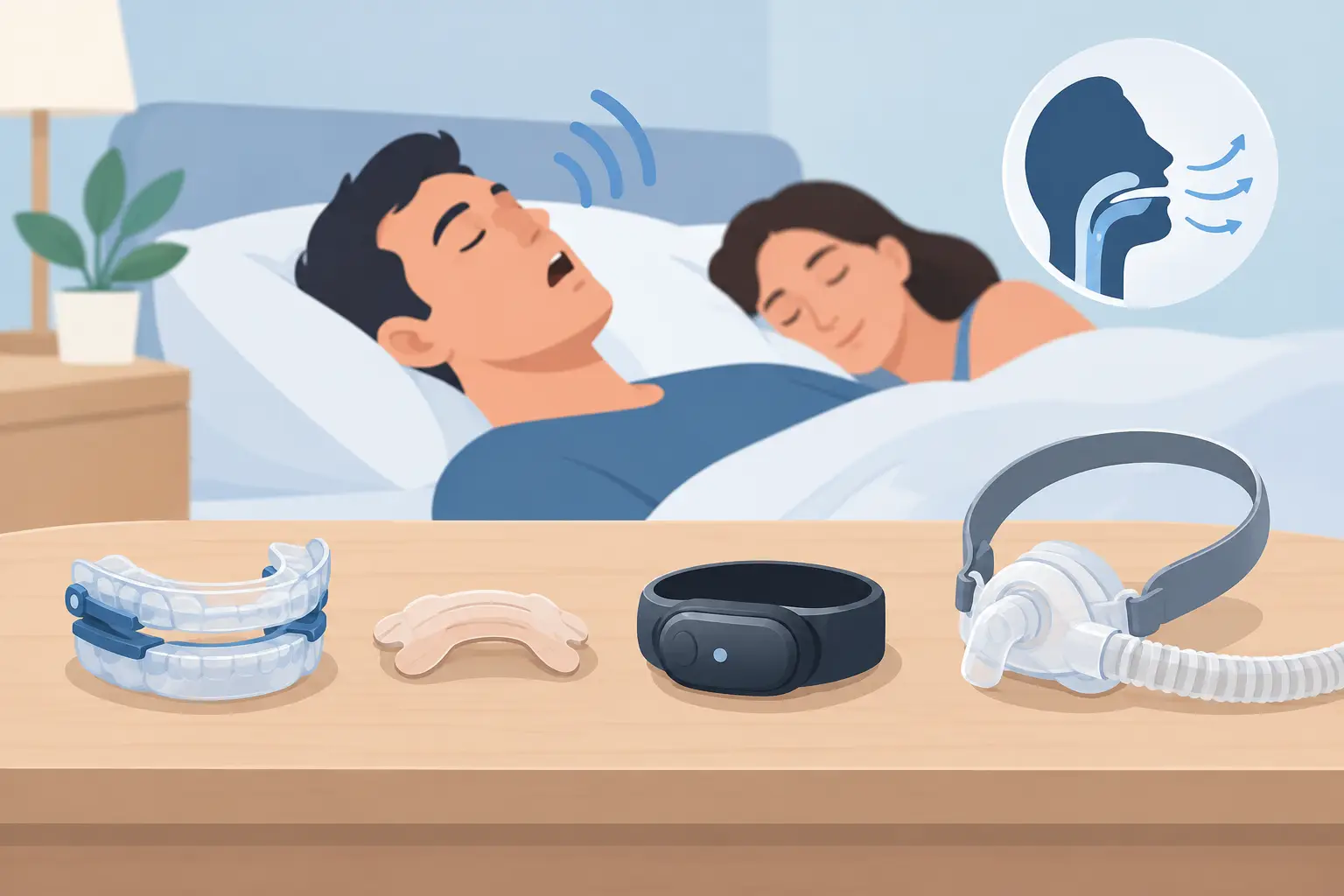
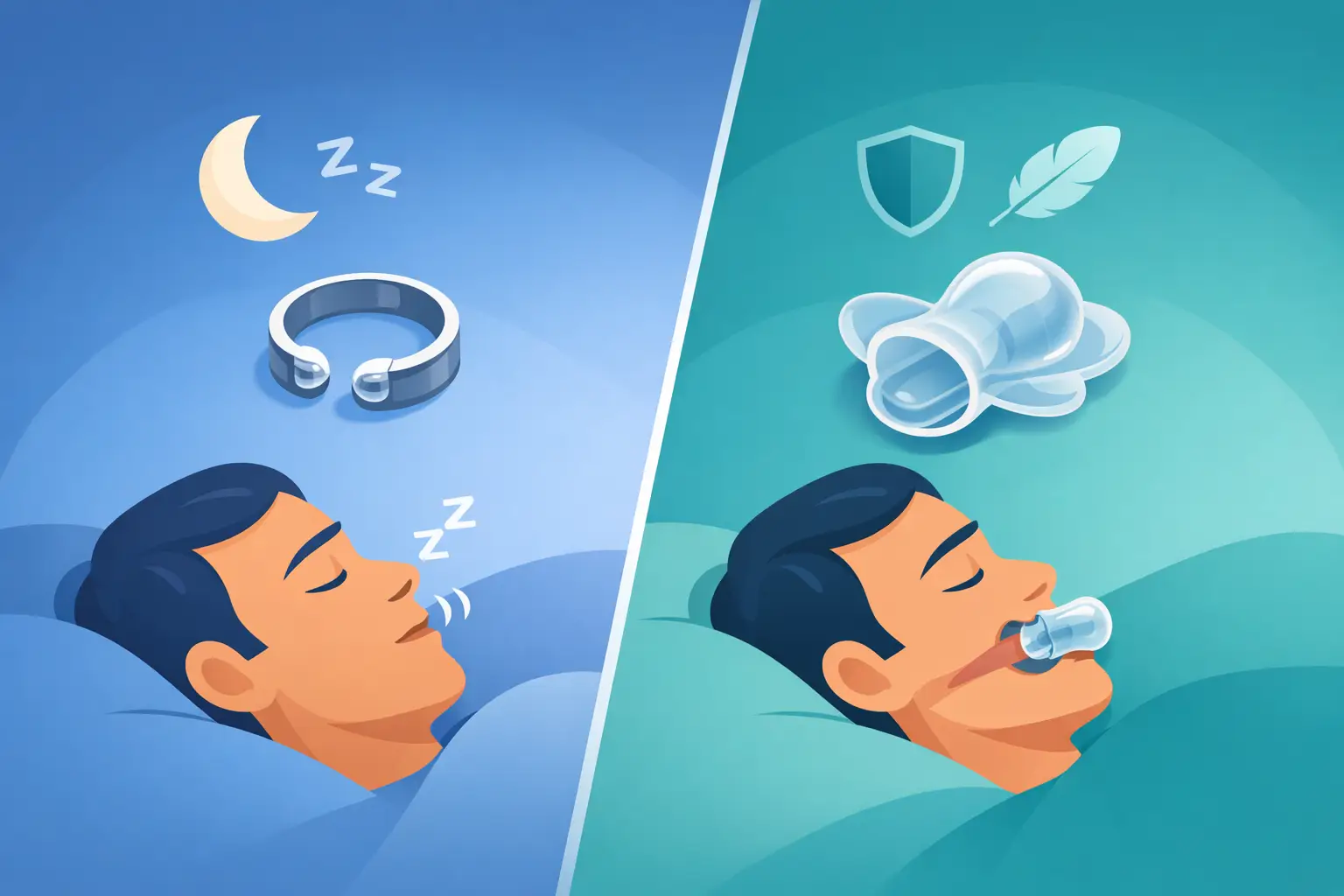
Both options are non-drug approaches to simple snoring, but they work in entirely different ways. A tongue stabiliser is worn in the mouth and holds the tongue forward with gentle suction. A snoring ring is worn on the little finger and applies acupressure to specific points while you sleep. That difference affects comfort, set-up, hygiene and whether the solution feels realistic for you.
Snoring Ring Versus Tongue Stabiliser: The Key Difference
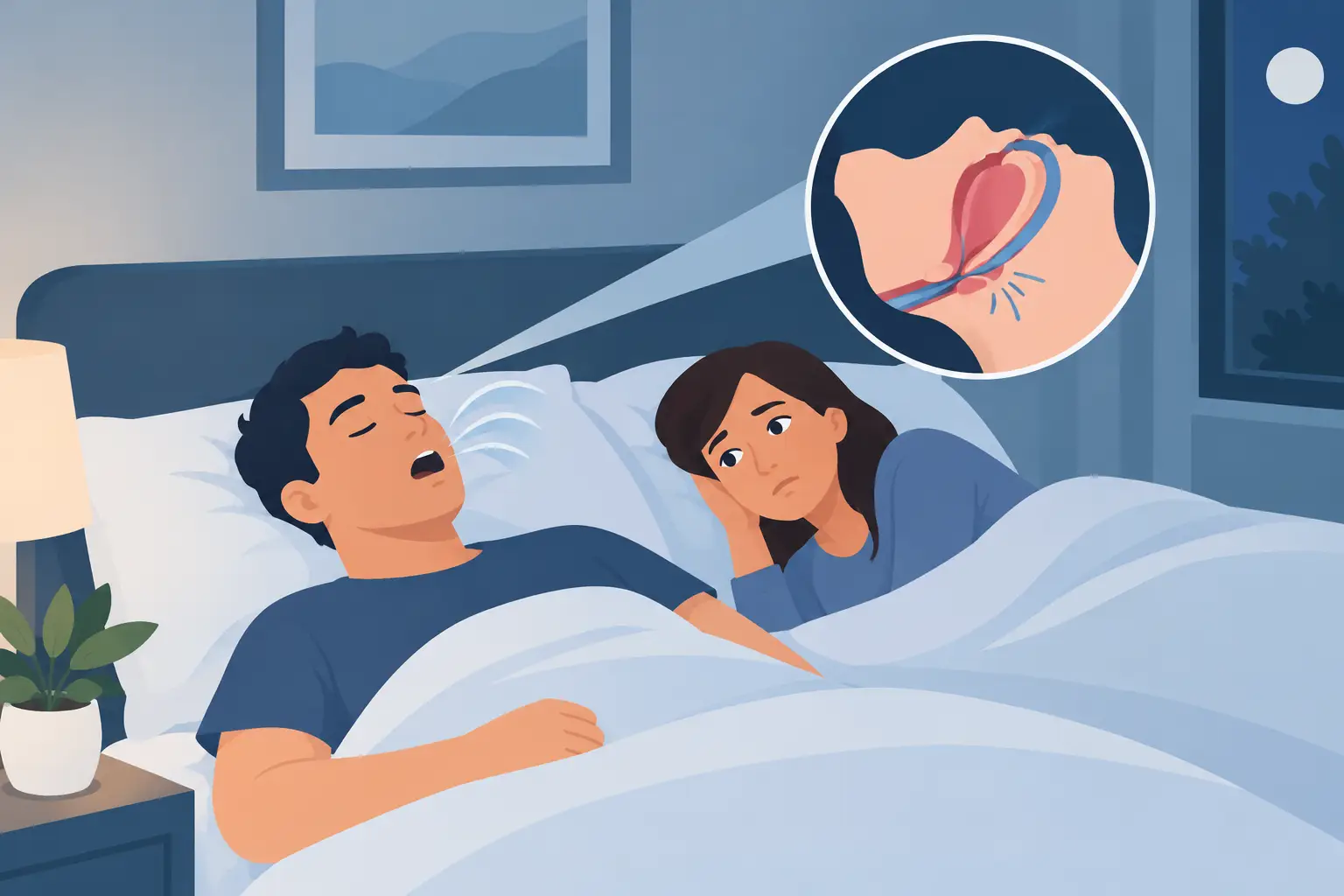
Simple snoring often happens when the muscles and soft tissues in the throat relax during sleep. As air passes through a narrowed airway, those tissues vibrate and create the familiar noise that can keep an entire household awake.
A tongue stabiliser, sometimes called a tongue-retaining device, aims to address this mechanically. The tongue sits forward rather than falling back towards the airway. To use one, you place the bulb-shaped device over the tongue and gently squeeze it to create suction. The tongue remains held in a forward position while you sleep.
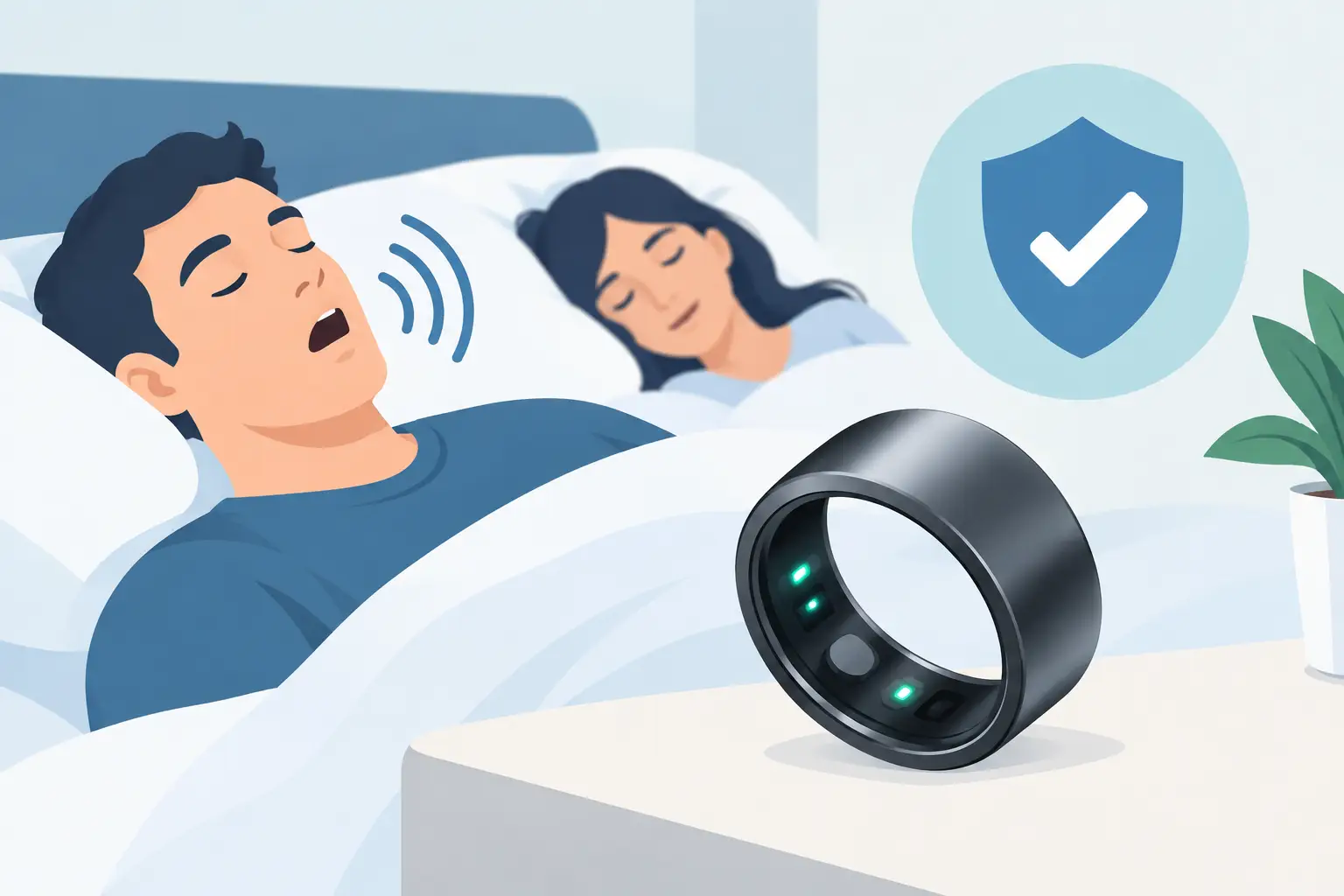
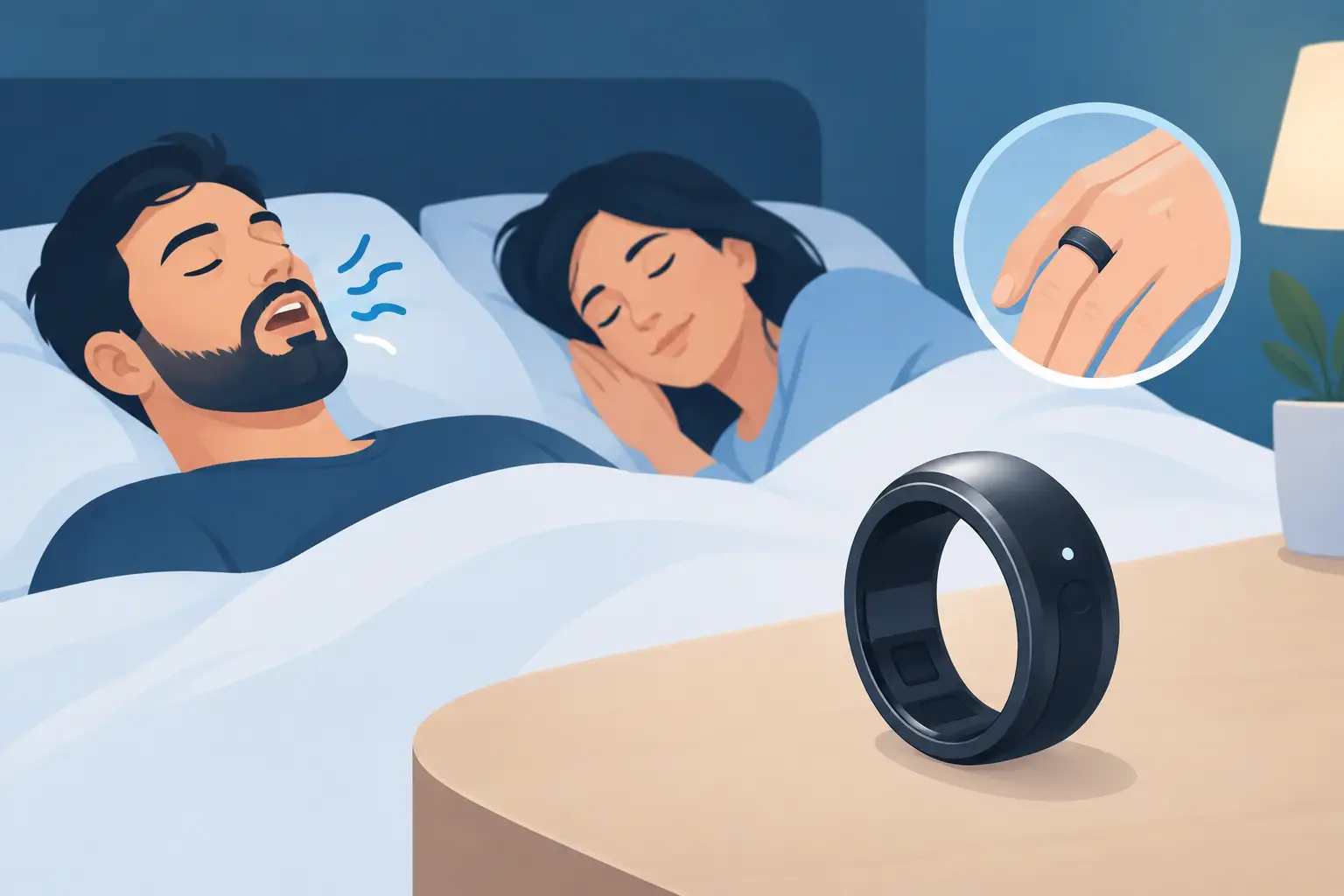
A snoring ring takes a less intrusive route. It sits on the little finger, where it is designed to apply steady pressure to acupressure points associated with snoring relief. There is no mouthpiece, no suction and no change to how your jaw or tongue sits overnight.
Neither approach can promise to work for every person. Snoring has several causes, including sleeping position, alcohol, nasal congestion, weight changes and anatomy. But the contrast is clear: one asks you to sleep with a device in your mouth; the other is a small wearable on your hand.
Comfort Matters More Than a Clever Design
A tongue stabiliser can appeal to people who believe their tongue position is a major factor in their snoring, particularly if they have been told they breathe through their mouth at night. Unlike some mandibular advancement devices, it does not rely on moving the jaw forward. That may suit people who find jaw-based mouthguards uncomfortable.
However, it still requires a device to remain attached to the tongue for several hours. Some users find the sensation strange at first. Excess saliva, dry lips, tongue tenderness or the concern that it may come loose can make it difficult to settle. It can also be awkward if you need to speak, drink water or get up during the night.
A snoring ring is usually the more discreet option. Once correctly fitted, there is little to prepare beyond putting it on before bed. For many people, that simplicity is its greatest advantage. You are not trying to fall asleep around a mouthpiece or changing your bedtime routine into a cleaning ritual.
That does not mean a ring is automatically right for everyone. Some people dislike wearing jewellery in bed, and the ring needs to fit correctly to maintain comfortable pressure. But for anyone who has abandoned mouthguards because they felt bulky, restrictive or unpleasant, the difference can be considerable.
Effectiveness Depends on Why You Snore
The strongest anti-snoring product is not necessarily the one with the most dramatic mechanism. It is the one that matches the likely cause of your snoring and that you can use consistently.
A tongue stabiliser may be worth considering if your snoring appears linked to the tongue dropping backwards during sleep. It can be especially relevant for some mouth-breathers and people who cannot tolerate jaw-advancing devices. Yet it is not a universal answer. If congestion, nasal obstruction, alcohol before bed or sleeping flat on your back is driving the problem, holding the tongue forward may not produce the result you want.
A clinically trialled acupressure ring is designed for people seeking a natural, non-invasive option for simple snoring. It does not force the mouth into a position or rely on a sealed suction grip. The Good Night Health ring, the original stop snoring ring, is designed around this principle and is supported by a 30-day money-back guarantee, so customers can judge it in their own bedroom rather than taking a permanent gamble on another uncomfortable device.
It is sensible to be wary of exaggerated claims from any anti-snoring product. Cheap copycat rings and generic mouth devices often look convincing in photographs, but materials, sizing, design and quality control matter. Look for clear information on how a device works, who it is intended for and what happens if it does not suit you.
Daily Practicalities: Cleaning, Travel and Bedtime Routine
The difference becomes even clearer after a week of use. A tongue stabiliser needs regular cleaning because it spends the night in the mouth. It must be washed, dried and stored properly. If you travel, you need its case and a clean place to keep it. If you are prone to colds or blocked noses, you may find a mouth-based device more bothersome on certain nights.
A ring has far fewer moving parts in your routine. Put it on, check that it feels secure but not tight, and remove it in the morning. It is easy to pack for a weekend away and does not demand a sink-side routine when you are tired.
This may sound like a minor point, but consistency is where many snoring products fail. A device cannot help from a drawer. If your partner is desperate for quieter nights, choosing an option you are happy to wear every evening is more useful than choosing an elaborate solution you stop using after three nights.
Who May Prefer a Tongue Stabiliser?
A tongue stabiliser can be a reasonable choice for someone who has already worked out that a tongue-retaining approach suits them. It may also appeal if jaw discomfort has ruled out a mandibular advancement mouthguard and you are willing to accept an adjustment period.
Be honest about the trade-off. You may gain a direct mechanical approach to tongue positioning, but you are also committing to an oral device. If you have sensitive gums, dental concerns, a strong gag reflex or simply hate the feeling of anything in your mouth overnight, it may be a poor match.
Who May Prefer a Snoring Ring?
A snoring ring is often the better starting point for adults who want the least disruptive option. It suits people looking for a drug-free, non-invasive approach without the bulk of a mouthguard or tongue device. It can also be a more comfortable first step for couples who want to address simple snoring without turning bedtime into a medical procedure.
The ring is particularly appealing when discretion matters. It is small, quiet and uncomplicated. There is no visible mouthpiece, no moulding process and no need to explain why a bulky device is sitting beside the toothbrush.
Correct sizing is still essential. A ring that is too loose may not sit where intended; one that is too tight will be uncomfortable. Choose a provider that gives clear fitting guidance and backs its product with a genuine refund policy rather than leaving you with a device that does not work for you.
Do Not Treat Possible Sleep Apnoea as Simple Snoring
Snoring is common, but loud snoring can sometimes be a sign of obstructive sleep apnoea. Neither a ring nor a tongue stabiliser should be used as a substitute for proper medical assessment when there are warning signs.
Speak to your GP if you experience breathing pauses during sleep, choking or gasping at night, severe daytime tiredness, morning headaches, difficulty concentrating or high blood pressure. Your partner may notice some of these signs before you do. Getting checked is not overreacting – it is the sensible way to separate ordinary snoring from a condition that needs clinical care.
You can also improve the odds of a quieter night by reducing alcohol close to bedtime, addressing persistent nasal congestion and trying to sleep on your side. These measures can complement an anti-snoring device, though they do not replace an assessment where symptoms suggest sleep apnoea.
The Better Choice Is the One You Will Wear
A tongue stabiliser offers a specific oral approach, but it asks a lot of your comfort level and bedtime routine. A snoring ring offers a simpler acupressure-based alternative for people who want to avoid putting anything in their mouth. For many couples, that lower barrier is the deciding factor.
Give yourself permission to choose comfort as well as function. The right solution is not the device with the biggest claim. It is the one that gives you and your partner a fair chance of a quieter, more restful night.