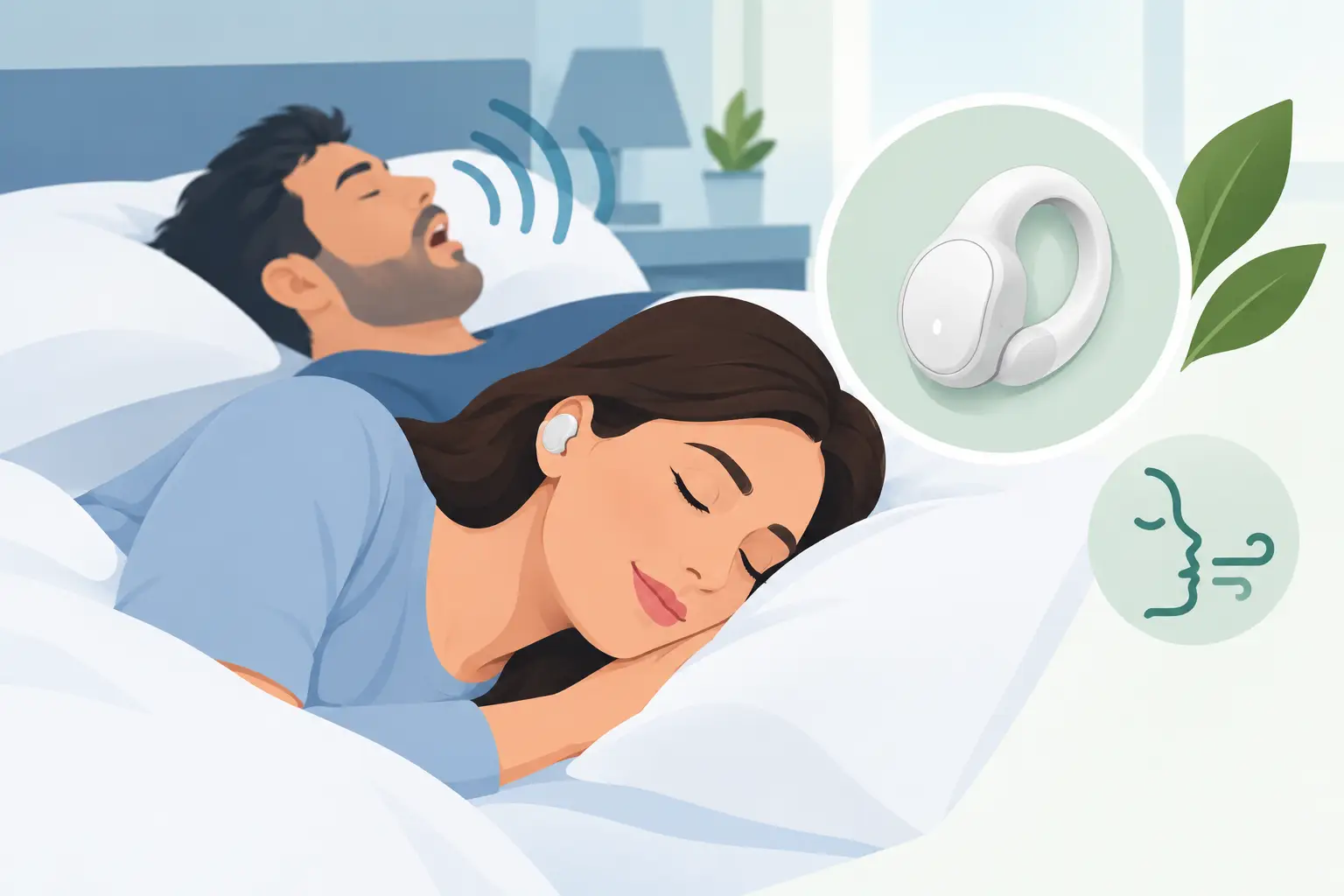
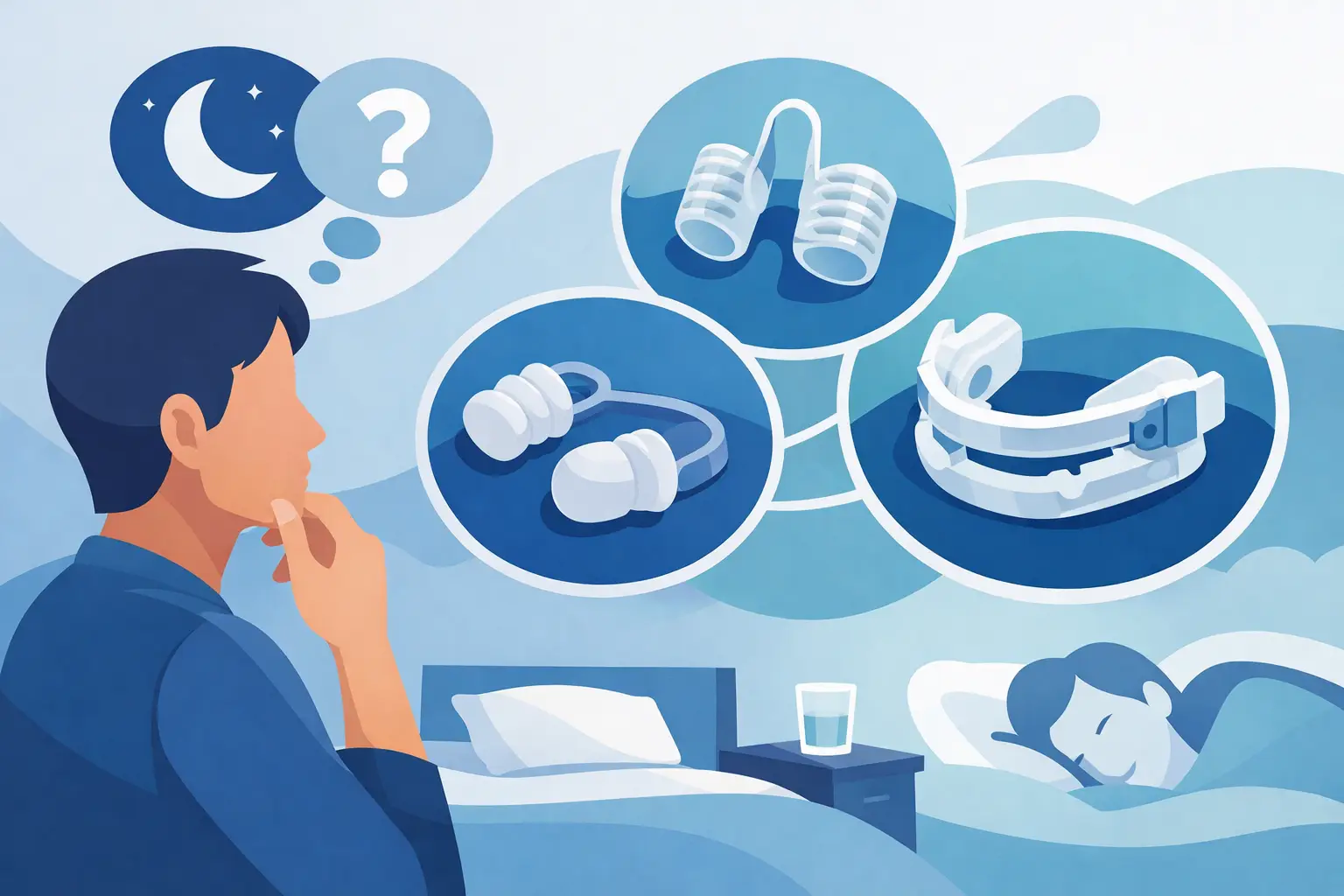
A snoring aid is only useful if you can actually sleep in it. That sounds obvious, but many people buy the most heavily advertised device, wear it for two uncomfortable nights, then leave it in a drawer. Knowing how to choose snoring aid options starts with one practical question: what is most likely causing the noise, and what solution will you realistically use night after night?
For couples, the answer matters beyond a quieter bedroom. Interrupted sleep can make partners short-tempered, exhausted and resentful. The right aid should help reduce simple snoring without turning bedtime into a battle with straps, moulded plastic or medication.
Start by separating simple snoring from a medical concern
Simple snoring happens when relaxed tissues in the throat vibrate as air moves past them during sleep. It is common, and it can be affected by sleeping position, alcohol, nasal congestion, weight changes and ordinary tiredness.
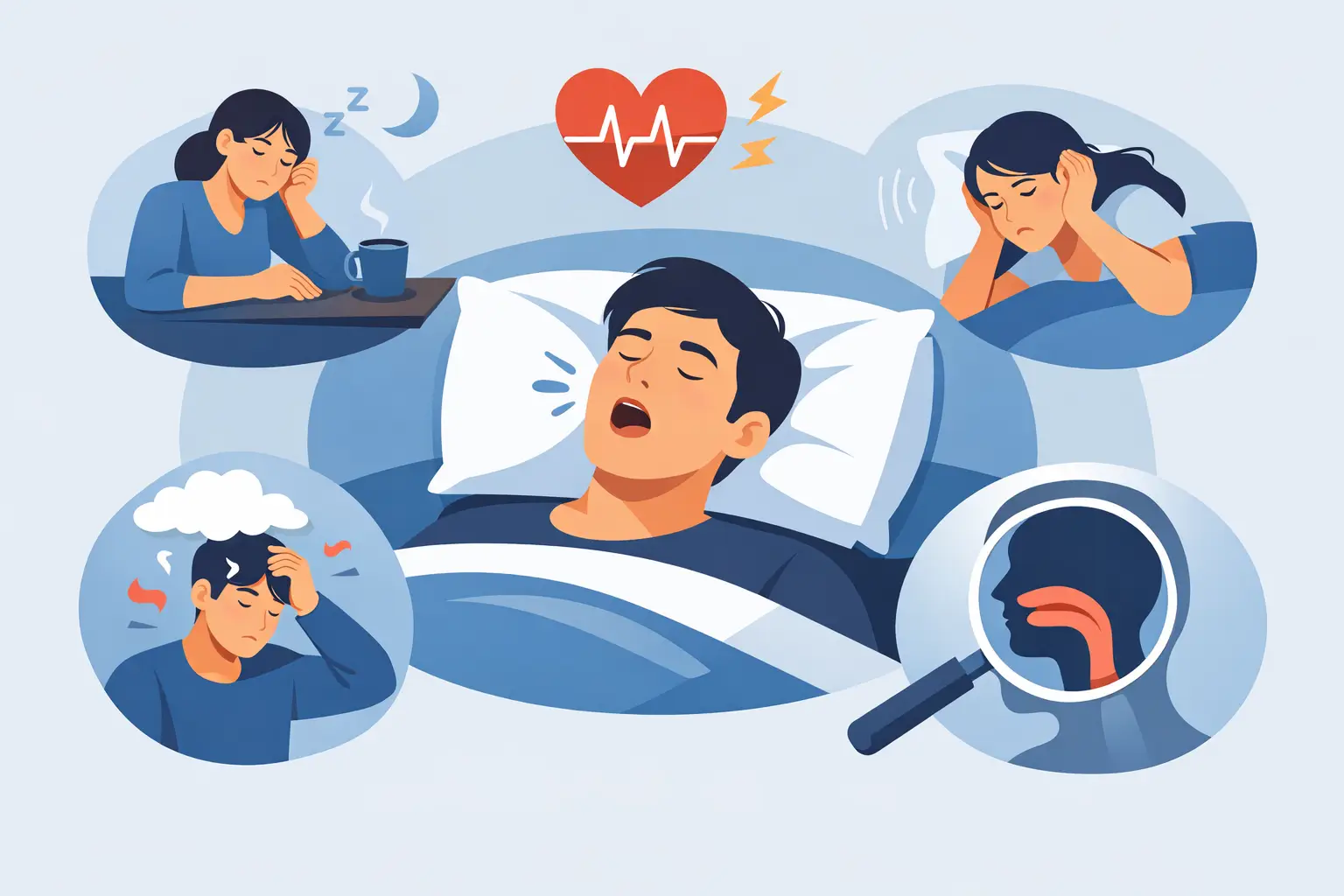
But not every loud snore should be treated as simple snoring. If your partner notices pauses in breathing, choking or gasping, or if you wake unrefreshed despite a full night in bed, speak to a GP. Morning headaches, excessive daytime sleepiness and difficulty concentrating also deserve proper assessment. These can be signs of sleep apnoea, which needs medical advice rather than a quick over-the-counter fix.
A reputable snoring aid should never suggest it can diagnose or treat every form of sleep-disordered breathing. Honest products are clear about their limits. That is not a weakness – it is how you protect your health and spend your money wisely.
How to choose a snoring aid by cause and comfort
Once serious symptoms have been ruled out or assessed, consider where your snoring seems to begin. There is no single best anti-snoring product for everyone, because different approaches suit different people.
If you snore mainly through your nose
Nasal strips, dilators and saline sprays may help if congestion or narrow nasal passages are the main issue. They are generally simple and inexpensive, but they do not address snoring caused by the tongue or relaxed throat tissues. A strip can be worth trying when you have a cold or allergies, yet it may offer little change if your nose is already clear.
If sleeping on your back makes it worse
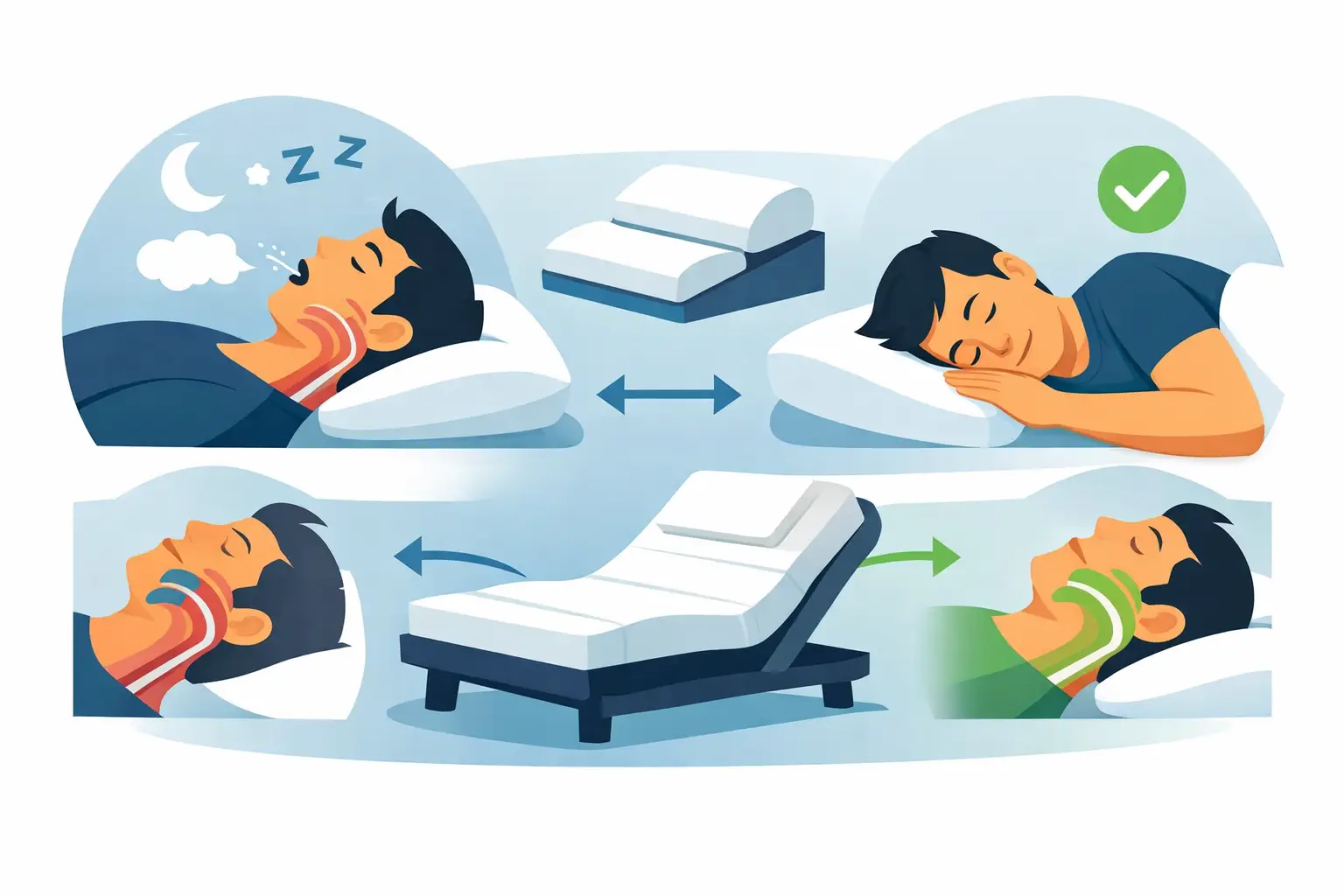
Positional aids are designed to discourage back sleeping. Some people benefit immediately from sleeping on their side, particularly if their snoring is mild and clearly position-dependent. The trade-off is comfort: a bulky positional device may disturb your sleep, and not everyone stays on their side all night.
If you want an oral device
Mandibular advancement devices hold the lower jaw slightly forward to help keep the airway open. They can work well for some people, but they are not a casual purchase. Poorly fitted mouthpieces can cause jaw discomfort, tooth movement, dry mouth or excess saliva. If you have dental work, gum problems, jaw pain or a history of TMJ issues, get dental guidance before choosing this route.
If you want a non-invasive wearable option
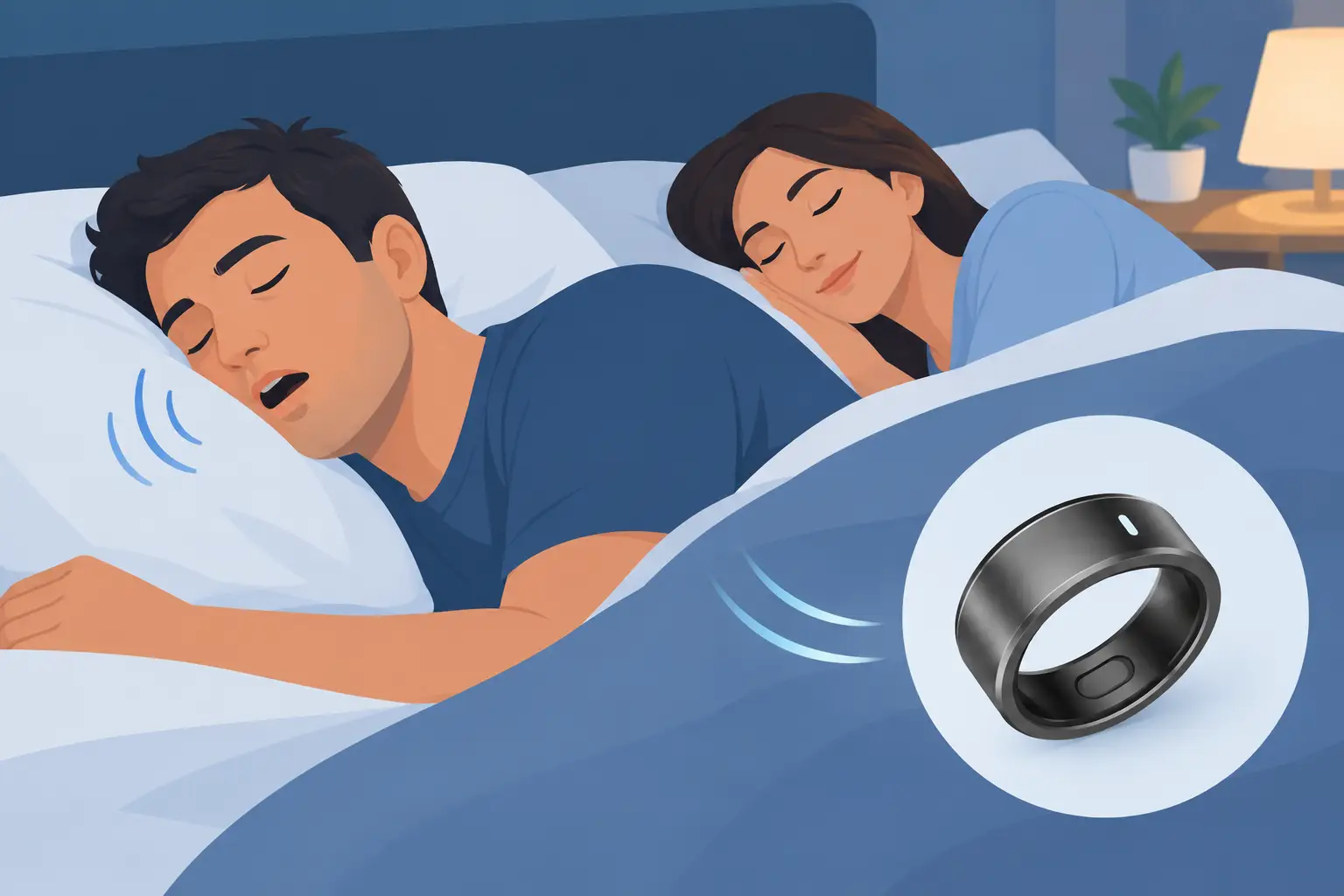
A discreet acupressure ring can appeal to people who cannot tolerate a mouthguard, do not want medication and dislike wearing bulky equipment in bed. The Good Night Anti-Snoring Ring is the original stop snoring ring, designed to apply gentle pressure to specific points on the little finger while you sleep. It is clinically trialled and offers a 30-day money-back guarantee, which matters when you are trying a solution that may not be right for every person.
The key advantage is simplicity. A ring does not need moulding, charging or a major change to your bedtime routine. As with any snoring aid, results vary, so the sensible test is whether it is comfortable, easy to wear consistently and backed by a clear refund policy.
Look for proof, not promises
The anti-snoring market is crowded with dramatic claims. “Stops snoring tonight” may sound tempting when you have had another night of elbow nudges and separate rooms, but no responsible brand can promise the same result for every snorer.
Instead, look at the quality of the evidence and the company behind the product. A trustworthy seller should explain how the aid works in plain language, identify who it is intended for and make its trial information easy to understand. Clinical trial claims should be specific rather than vague. If a product says it is clinically tested, ask what was measured and whether the claim relates to simple snoring rather than sleep apnoea.
Also check whether the product has an appropriate regulatory status where relevant. This is not a guarantee that an aid will work for you, but it is a useful sign that the company takes safety and product standards seriously.
Be cautious with cheap copies, especially for wearable devices. They may look similar in a photograph but differ in materials, sizing, pressure points and quality control. With something you wear for hours against your skin, the cheaper option can quickly become the false economy.
Judge the product by your real bedtime routine
The most effective aid on paper is not necessarily the one you will use. Think about how you normally sleep, whether you travel often and how sensitive you are to anything on your face, teeth or body.
Before you buy, consider these practical questions:
- Can you put it on in seconds when you are tired?
- Will it stay comfortable if you turn over during the night?
- Does it require batteries, charging, cleaning or replacement parts?
- Is it suitable if you wear dental retainers, have sensitive skin or share a bed?
- Can you try it without being locked into a costly subscription or complicated returns process?
Comfort is not a minor feature. It is part of whether an aid can work. A mouthpiece that makes your jaw ache, a nasal device that irritates your skin or a wearable that feels too tight will not become effective through willpower.
Give one approach a fair trial
Changing products every night makes it hard to know what is helping. Choose one suitable aid and use it consistently for a reasonable trial period, following the instructions exactly. Keep other variables as steady as possible, particularly alcohol close to bedtime, late heavy meals and sleep position.
It can help to ask your partner what they notice rather than relying only on your own impression. They may hear a change in volume, frequency or the periods when snoring begins. If you sleep alone, a recording app can provide a rough pattern, though it is not a medical diagnosis and should not replace professional advice where symptoms are concerning.
Set a realistic goal. Some people want complete silence; others would be delighted if the snoring became quieter, less frequent and no longer woke their partner. A meaningful improvement in shared sleep is still a worthwhile result.
Do not overlook the basics
A snoring aid can be more effective when it is paired with a few manageable habits. Avoiding alcohol in the hours before bed, treating nasal congestion, keeping a regular sleep schedule and trying side sleeping can all reduce common triggers. If weight is a factor, gradual changes can help, but snoring is not a personal failing and it should not be treated as one.
The aim is not to create a perfect bedtime regime overnight. It is to remove the obvious aggravators while giving your chosen aid the best chance to do its job.
A good choice feels reassuring, not complicated: it fits the likely cause of your snoring, respects your comfort and comes from a company prepared to stand behind it. Better sleep often begins with that one small decision – choosing an aid you will genuinely be happy to use tonight.