Blog
Single Post
Snoring Ring Safety: What to Know Before Bed
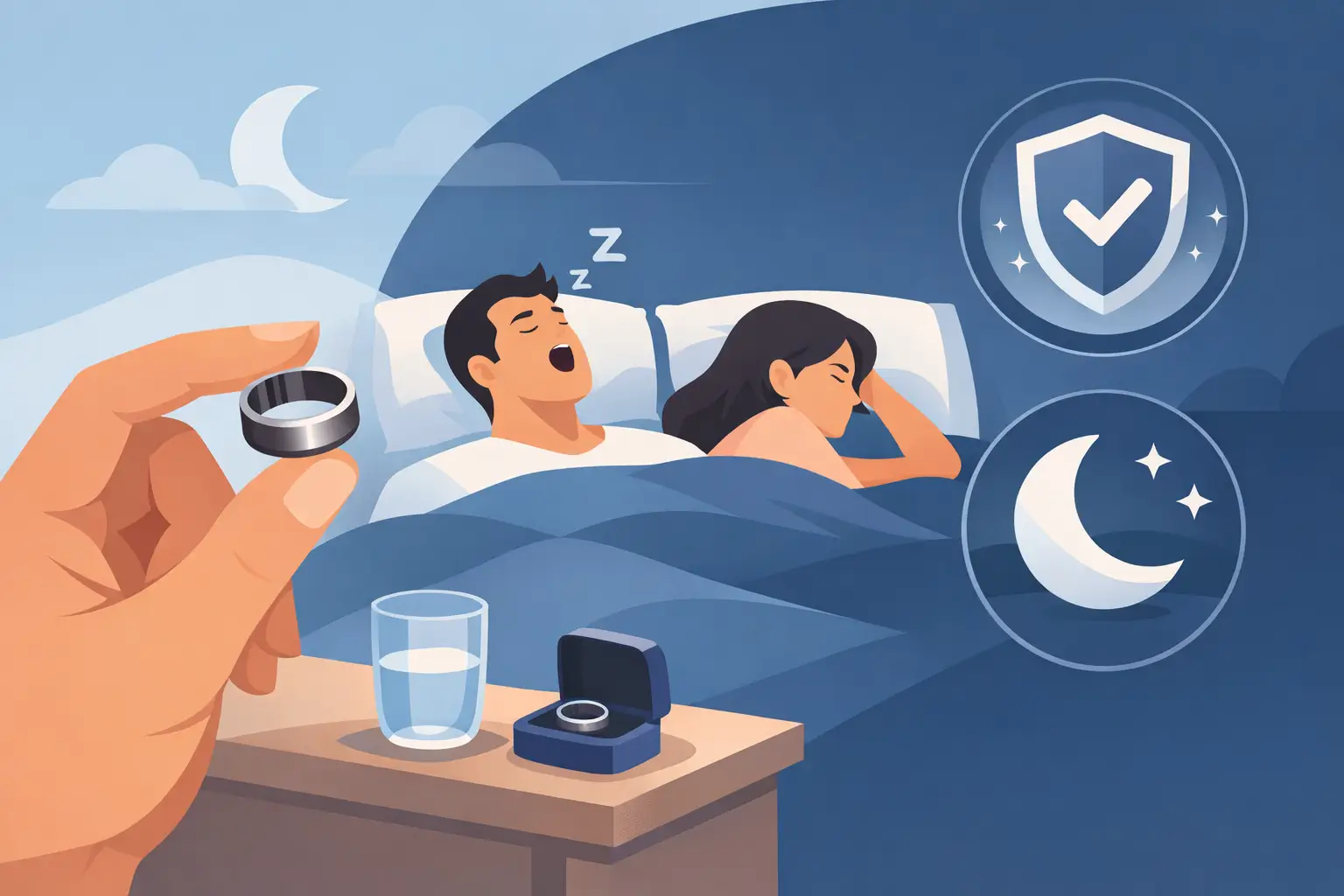
A snoring ring should make bedtime feel simpler, not give you another thing to worry about. For most adults, snoring ring safety comes down to three practical questions: is the ring made and fitted properly, is your skin and circulation suitable for wearing it overnight, and is your snoring actually the kind that should be assessed by a clinician first?
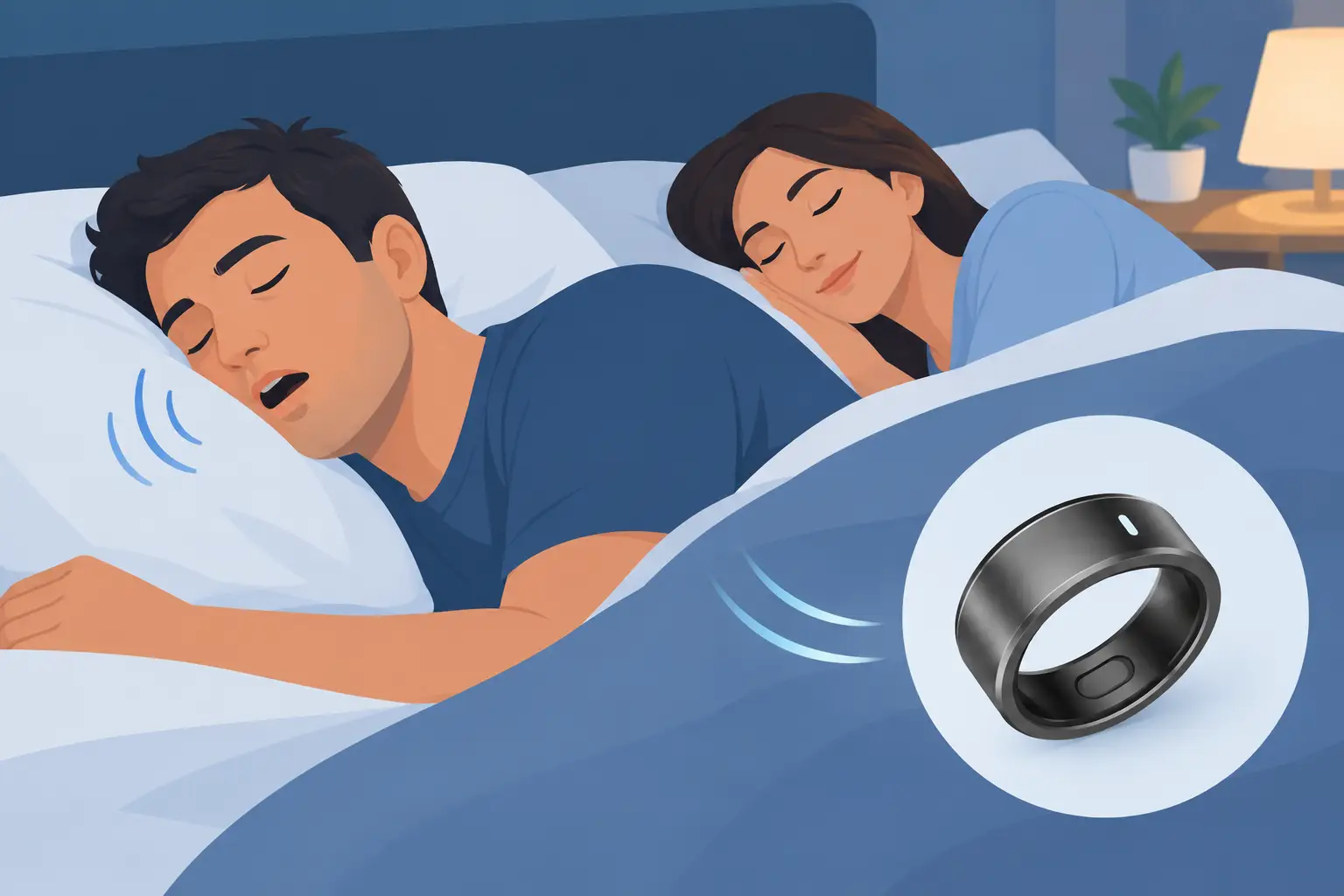
An acupressure snoring ring is a non-invasive option designed to apply gentle pressure to specific points on the little finger while you sleep. There is no medication, no mouthpiece and no device inside the mouth. That makes it an appealing choice for people who have found bulky anti-snoring remedies uncomfortable or impossible to stick with.
But simple does not mean careless. A well-made ring should be worn correctly, checked regularly and used with sensible expectations.
Is a snoring ring safe to wear overnight?
For many adults with simple snoring, a properly fitted acupressure ring can be a comfortable, low-intervention option. It is worn on the little finger, where its pressure points sit against the skin. It should feel secure enough to stay in place, but never tight, painful or numb.
The key word is gentle. A ring that leaves a light temporary impression after a night’s sleep may simply have been in contact with the skin. A ring that causes persistent redness, tingling, throbbing, swelling, broken skin or loss of sensation is too tight or is not agreeing with your skin. Remove it and do not force yourself to continue.
Like any item worn overnight, the material and finish matter. Cheap imitation rings can have inconsistent sizing, rough edges or poor-quality coatings. These are not small details when a product is against your skin for hours at a time. The original clinically trialled snoring ring from Good Night Health is designed specifically for overnight acupressure use, rather than being a generic finger ring repurposed for sleep.
Who should take extra care with a snoring ring?
A snoring ring is not right for every person or every situation. If you have a known circulation problem in your hands, reduced feeling in your fingers, severe arthritis affecting the little finger, eczema or an open wound where the ring sits, speak to a healthcare professional before trying one.
The same applies if you have diabetes with neuropathy, Raynaud’s phenomenon, lymphoedema, a metal allergy or a history of significant skin reactions to jewellery. These conditions do not automatically mean you cannot use a ring, but they do make a careful, individual decision more sensible.
Pregnancy can also change finger size through fluid retention. If your hands are swollen, do not squeeze into a ring that fitted before. Wait until swelling settles or choose a size that allows a comfortable fit.
Children should not use an anti-snoring ring unless a qualified clinician has advised it. Snoring in children has different causes and deserves proper assessment, particularly when it is frequent or loud.
Stop using it if your body says no
You do not need to tolerate discomfort in the hope that the ring will start working. Take it off if you notice pain, numbness, pins and needles, unusual coldness in the finger, discolouration, a rash or broken skin.
Wash and dry the ring as directed, and keep the finger clean and dry too. If irritation develops, allow the skin to recover fully before considering another attempt. Ongoing irritation should be discussed with a pharmacist, GP or dermatologist, depending on its severity.
Safe fitting matters more than wearing it tighter
The most common mistake is assuming more pressure will mean better results. It will not. Acupressure is about placing the ring correctly and comfortably, not constricting the finger.
Choose the recommended little finger and size. Before bed, make sure the ring slides on without force and that you can remove it without struggling. Your fingers can swell slightly overnight, especially in warm weather, after alcohol or a salty evening meal, so a fit that feels borderline at bedtime is not a safe fit for the night.
For the first few nights, check your finger in the morning. Look for comfort, normal colour and normal sensation. This short settling-in period gives you useful information without turning bedtime into a complicated routine.
Do not wear a damaged ring. If it has sharp areas, cracks, peeling plating or distorted pressure points, replace it. A safety-minded product is not just about the idea behind it. It is also about the condition of the item you place on your hand every night.
Snoring ring safety also means knowing what it cannot treat
A snoring ring may help some people with simple snoring, but it is not a diagnosis tool and it is not a treatment for obstructive sleep apnoea. That distinction protects your health.
Simple snoring happens when relaxed tissues in the upper airway vibrate during sleep. It may be worse after alcohol, a cold, nasal congestion, sleeping on your back or gaining weight. An acupressure ring offers a discreet, drug-free approach that some people find useful as part of a better sleep routine.
Sleep apnoea is different. It involves repeated pauses or reductions in breathing during sleep. Left untreated, it can affect daytime alertness, mood, blood pressure and longer-term health. A ring should never delay medical advice where the warning signs are present.
Speak to your GP if you, or your partner, notice loud habitual snoring combined with choking, gasping, snorting awakenings or pauses in breathing. Morning headaches, waking unrefreshed, excessive daytime sleepiness, difficulty concentrating and falling asleep in situations where you need to stay alert are also reasons to seek assessment.
If you have chest pain, severe breathlessness or feel dangerously sleepy while driving, seek urgent medical advice rather than trying another anti-snoring product.
What results should you expect?
Honest expectations are part of snoring ring safety. No anti-snoring solution works identically for everyone, because snoring has many possible causes. A ring is not a guaranteed cure, and anyone promising that it will stop every snore for every sleeper is overselling it.
Give a properly fitted ring a fair trial while keeping an eye on comfort. Your partner may notice changes before you do, so their feedback can be particularly helpful. Consider whether the snoring is quieter, less frequent or absent on some nights, rather than judging the result solely on one evening.
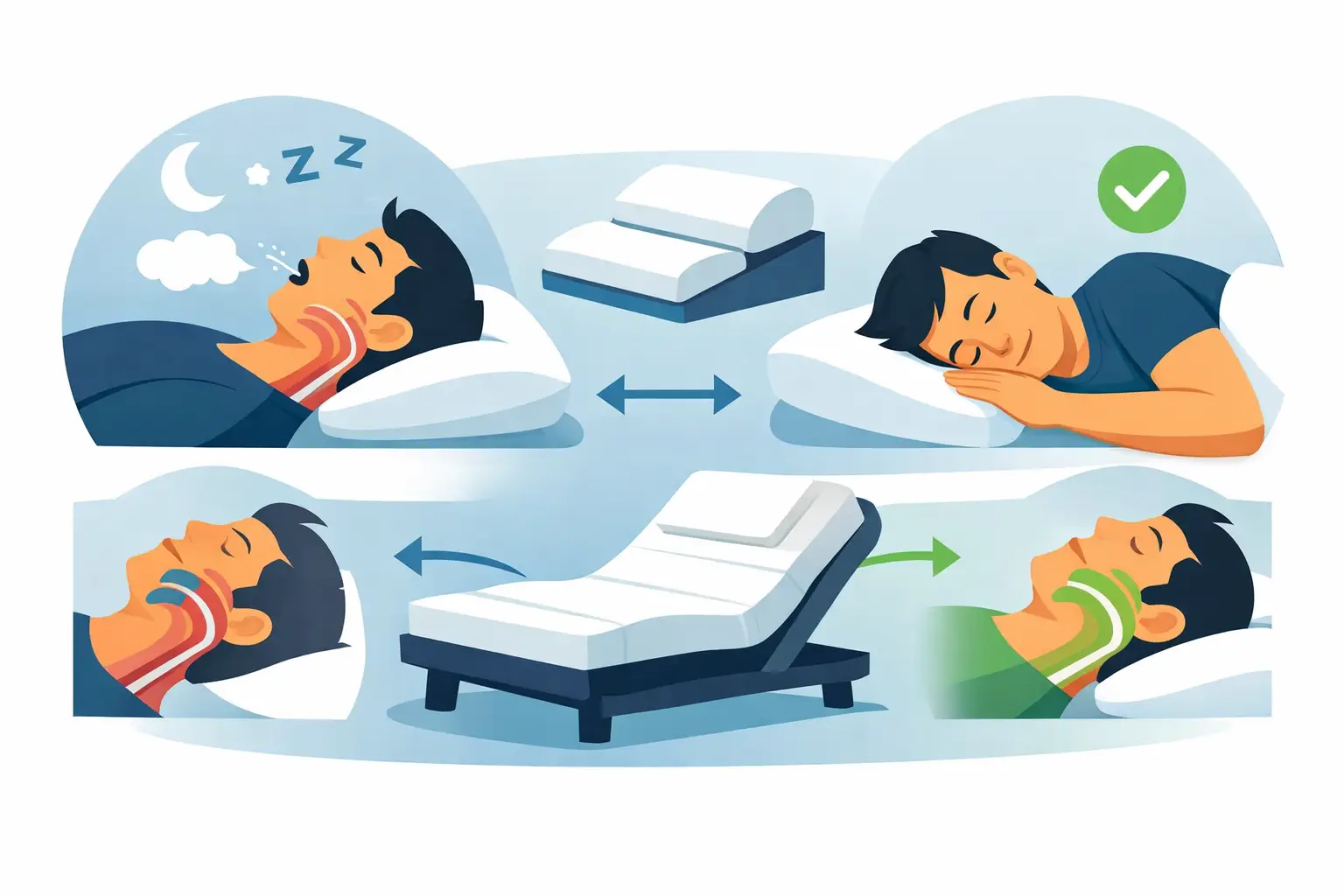
It also helps to address obvious triggers at the same time. Try sleeping on your side, avoid alcohol close to bedtime, manage nasal congestion appropriately and keep a regular sleep schedule. These changes do not make the ring less useful. They give you the best chance of tackling the factors that may be contributing to your snoring.
Questions people ask about snoring ring safety
Can I wear a snoring ring every night?
Yes, provided it remains comfortable, your skin is healthy and you have no relevant circulation or sensation concerns. Check the fit from time to time, especially if your weight, medication or health changes, or if your fingers become swollen.
Can I wear it with other rings?
It is usually best to keep the little finger clear apart from the snoring ring. Other rings may alter the fit, increase pressure or make it harder to notice swelling. Rings on other fingers are generally a matter of personal comfort, provided they do not interfere.
What if the ring does not work for me?
Stop using it if it causes discomfort. If it is comfortable but does not improve your snoring after a fair trial, that does not mean you have failed. It may mean your snoring has a cause that needs a different approach, particularly if it is persistent, worsening or linked with tiredness during the day.
Better sleep should never come at the cost of ignoring a health warning. Wear a properly fitted ring gently, listen to your body and involve your GP when your snoring sounds like more than simple snoring. That is the sensible route to quieter nights for you and more restful nights for the person beside you.