Blog
Single Post
Snoring Causes Guide for Quieter Nights
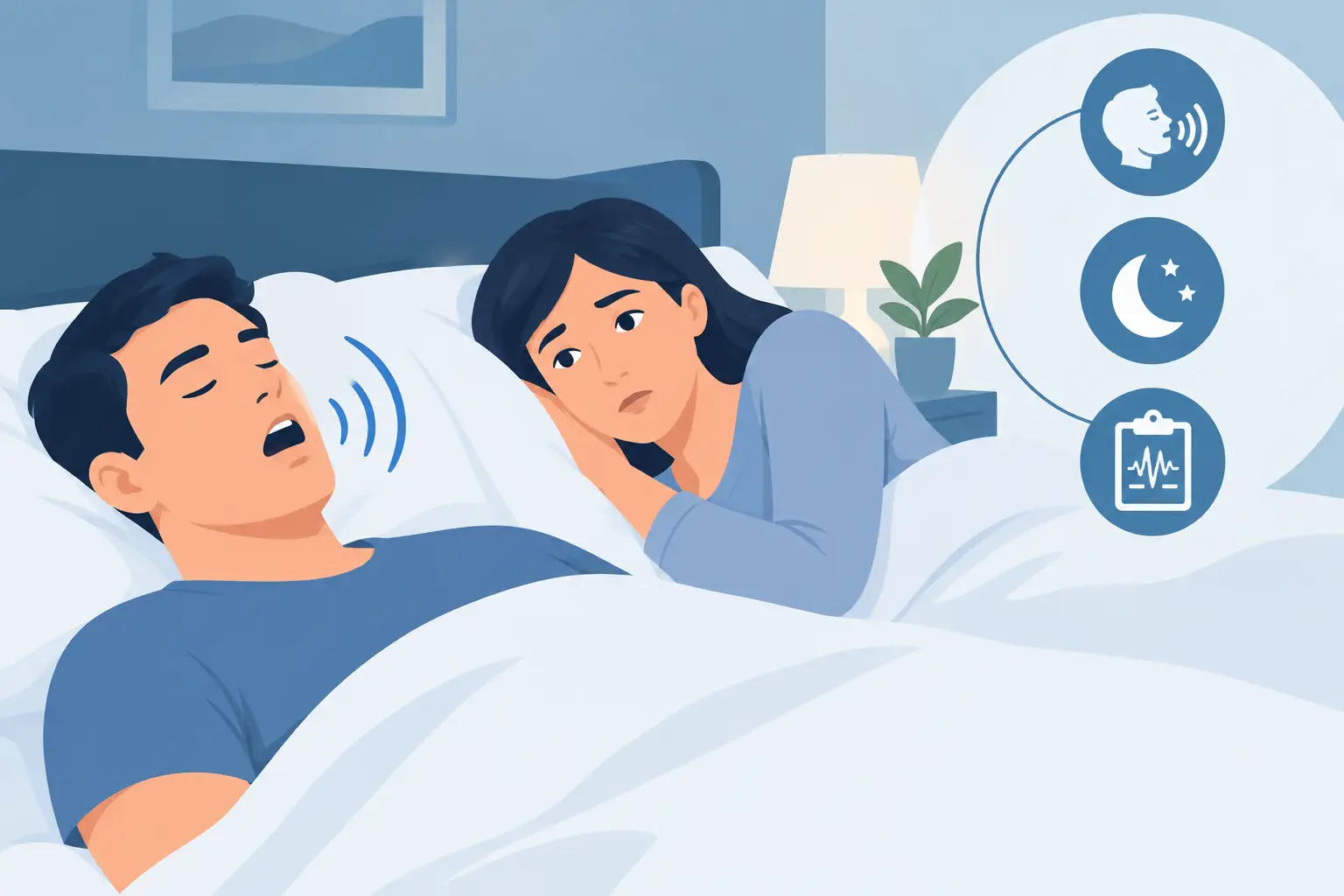
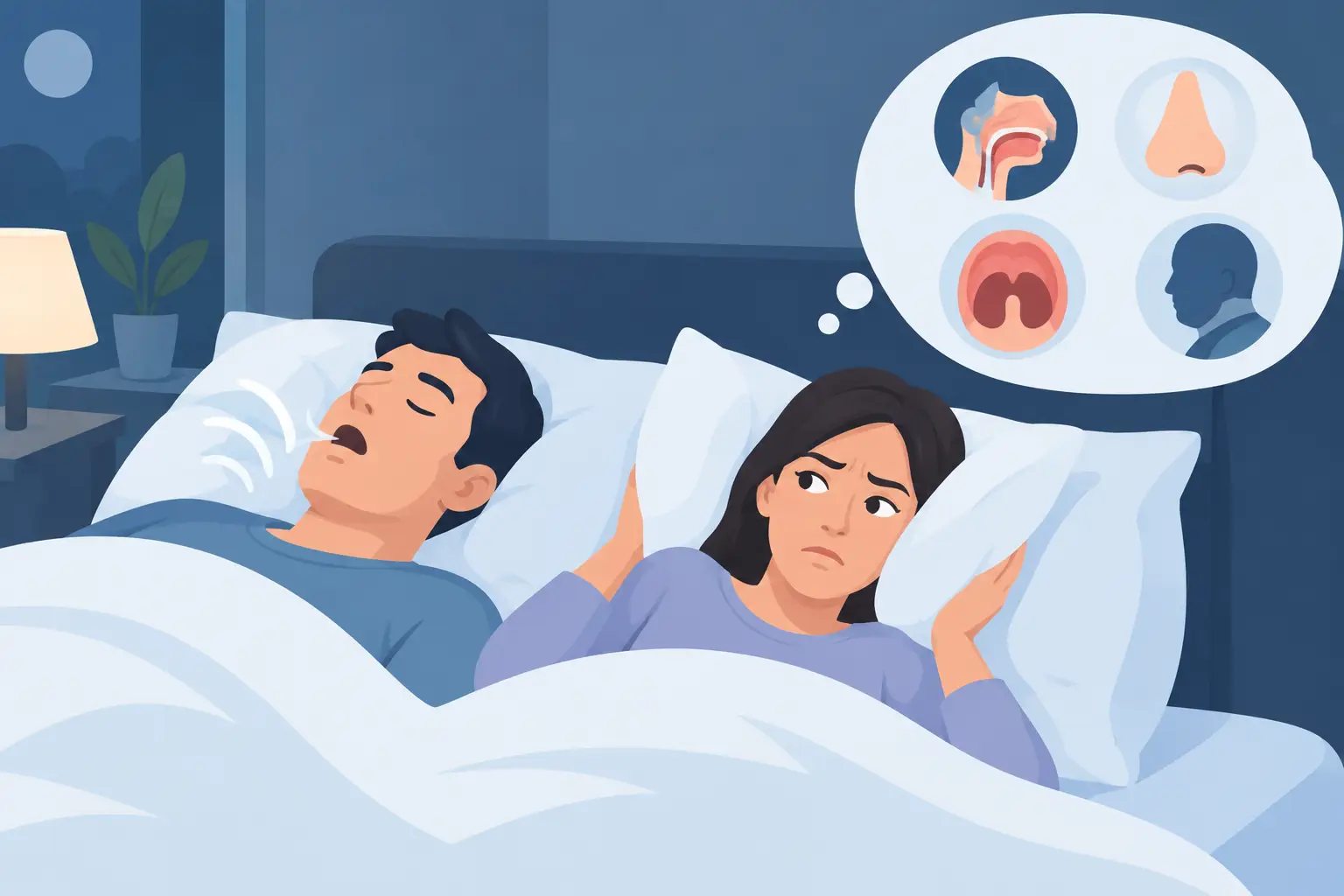
A partner’s elbow at 2am is usually the first sign that snoring has become more than a small annoyance. The sound may be occasional, loud enough to travel through a closed door, or suddenly worse after years of peaceful sleep. This snoring causes guide helps you understand what is happening in the airway, which triggers are worth tackling, and when a medical check should come before another home remedy.
This snoring causes guide starts with the sound
Snoring happens when air cannot move freely through the nose, mouth and throat during sleep. As the airway narrows, soft tissues such as the tongue, soft palate and throat walls vibrate as you breathe. That vibration creates the familiar sound.
The key point is that snoring is a symptom, not one single condition. For some people, it is largely positional and improves when they stop sleeping on their back. For others, blocked nasal passages, alcohol, weight changes or the natural relaxation of the throat during sleep play a part. A solution that works brilliantly for one person may do very little for another because the cause is different.
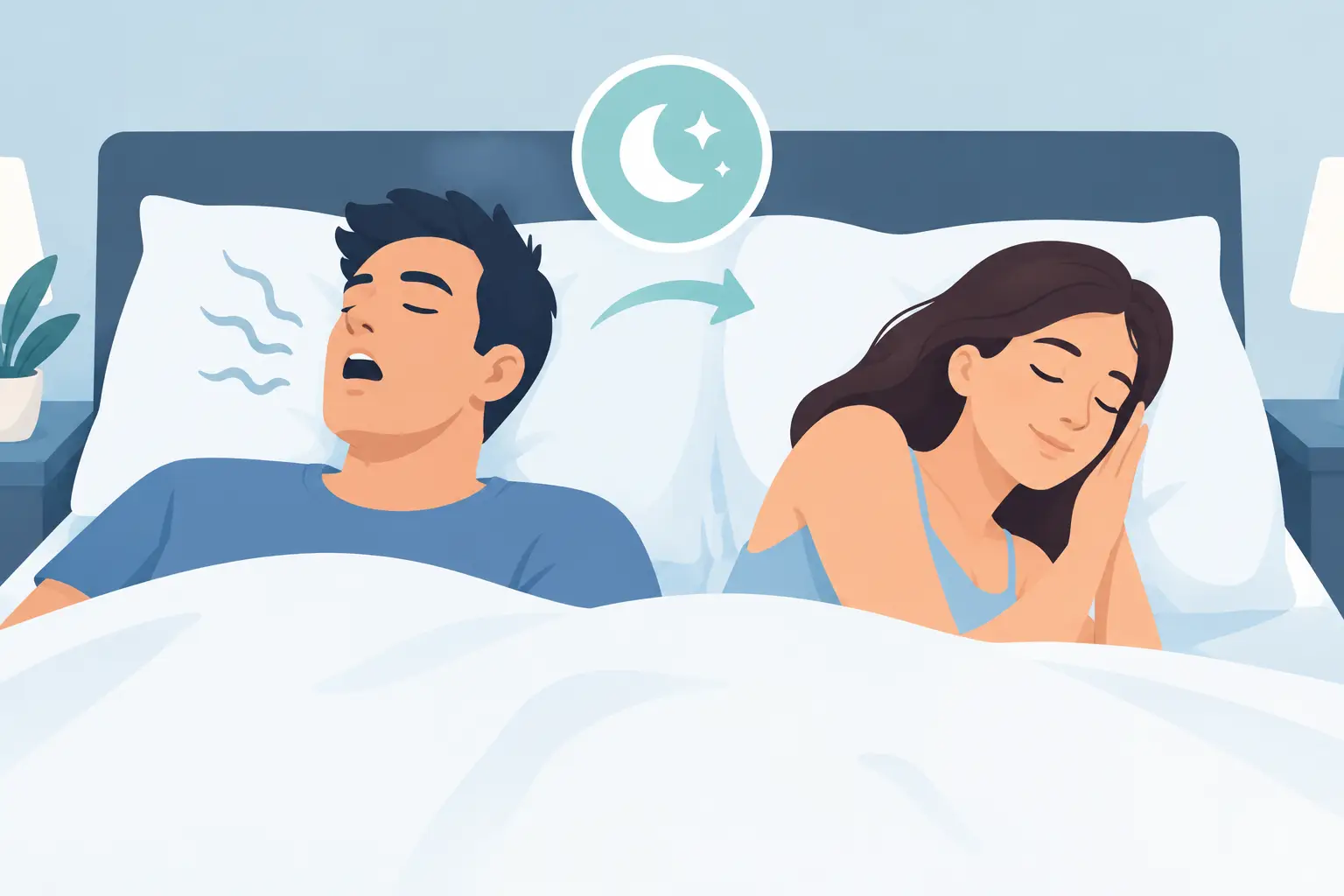
Simple snoring can still have a real cost. Broken sleep leaves the snorer tired and irritable, while a partner may spend the night listening for the next burst of noise. It can put pressure on a relationship long before either person considers it a health issue.
Common reasons people snore
Sleeping on your back
Back sleeping is one of the most common triggers. Gravity allows the tongue and soft tissues at the back of the throat to fall backwards, leaving less room for air to pass. If your snoring is noticeably quieter when you sleep on your side, position is likely a major factor.
A side-sleeping pillow, a body pillow or simply arranging the bed so that side sleeping is more comfortable can help. This is a low-cost place to start, though it will not address every type of snoring.
A blocked nose or allergies
When the nose is congested, you are more likely to breathe through your mouth. Mouth breathing can increase vibration in the throat and make snoring louder. Colds, hay fever, sinus irritation and structural issues such as a deviated septum can all contribute.
Consider whether your snoring follows the seasons, starts with a cold, or gets worse in a dusty bedroom. Keeping the bedroom clean, treating recognised allergies with advice from a pharmacist or clinician, and dealing with persistent nasal blockage may reduce the problem. Ongoing one-sided blockage or frequent sinus symptoms are good reasons to speak to your GP.
Alcohol, sedatives and a late night
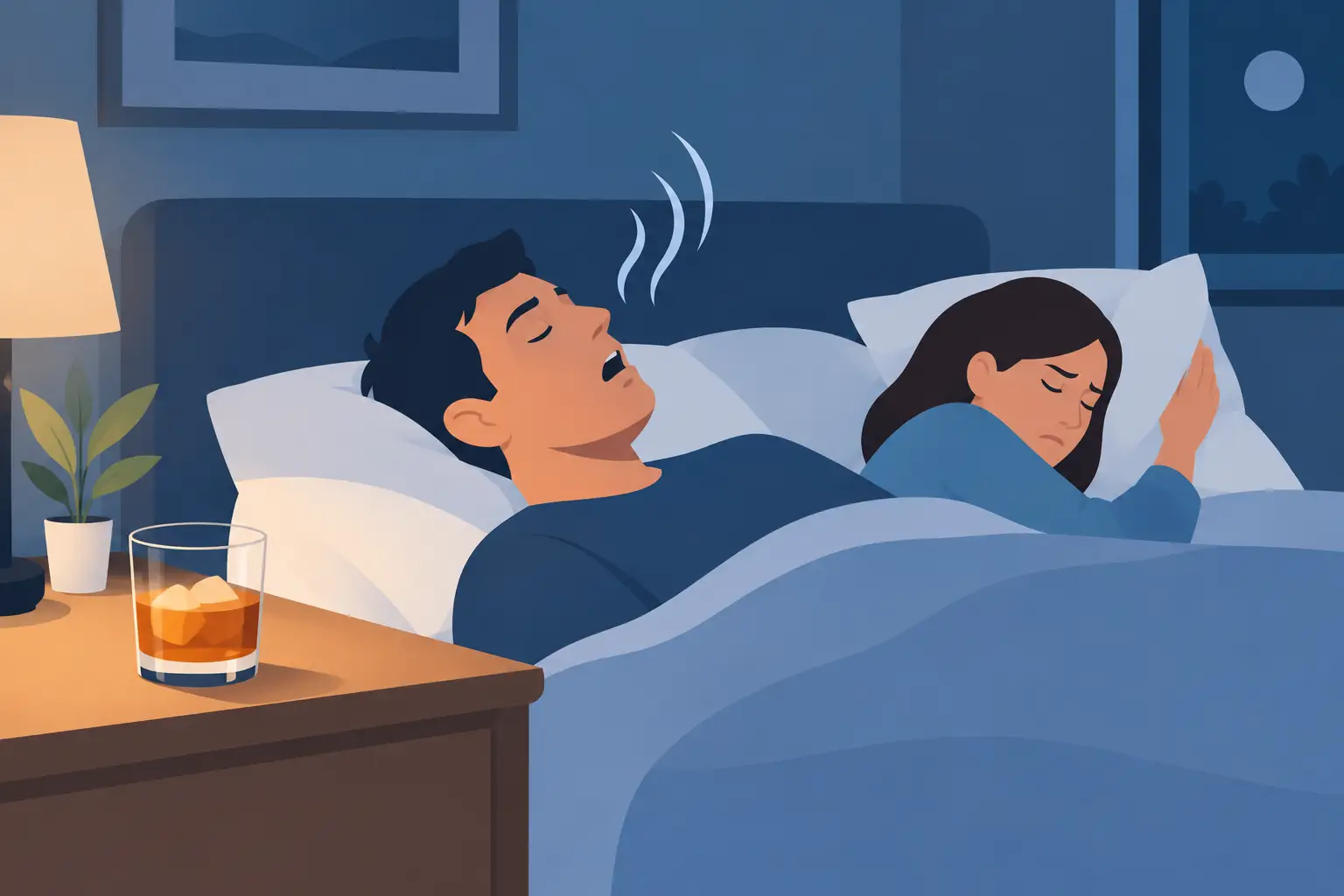
Alcohol relaxes the muscles in the throat, especially when consumed close to bedtime. Sedative medicines can have a similar effect. The result is a floppier, narrower airway and often louder snoring.
You do not necessarily need to give up a social life to test this link. Try avoiding alcohol for several hours before bed for a week or two and listen for a difference. Never stop prescribed medication without discussing it with the clinician who prescribed it, but do mention snoring if it began or worsened after a medicine changed.
Weight and neck circumference
Carrying extra weight around the neck and upper body can reduce the space in the airway. This does not mean every person who snores needs to lose weight, nor does it mean slim people cannot snore. Anatomy matters too. But if snoring began alongside weight gain, gradual weight loss may make a meaningful difference to both sleep and general health.
Avoid quick fixes and punishing routines. A realistic eating and activity plan you can maintain is more useful than a short burst of effort followed by exhaustion.
Age, anatomy and muscle tone
As we get older, throat tissues can lose some firmness. Some people also naturally have a smaller jaw, enlarged tonsils, a longer soft palate or other features that make airway narrowing more likely. These are not failings and they cannot always be changed with lifestyle adjustments.
That is why a practical plan should begin with the likely trigger rather than promising one universal cure. Snoring that has always been present may need a different conversation from snoring that appears suddenly in later life.
Look beyond the obvious bedtime habits
Smoking and vaping can irritate the upper airway and increase inflammation. Reflux can also disturb the throat, particularly if you wake with a sour taste, cough at night or notice symptoms after a heavy evening meal. In these cases, changing the timing of meals, reducing known triggers and seeking clinical advice for persistent reflux can be worthwhile.
Sleep deprivation is another overlooked factor. When you are overtired, throat muscles may relax more deeply once you finally fall asleep. A regular bedtime will not correct a structural nasal problem, but it can reduce the conditions that make snoring worse.
It is useful to keep a short record for two weeks. Note sleep position, alcohol, congestion, bedtime, daytime tiredness and any reports from your partner. Patterns are more informative than one bad night after a wedding, a cold or a late takeaway.
When snoring needs medical attention
Not all snoring is simple snoring. Obstructive sleep apnoea is a condition in which breathing repeatedly narrows or stops during sleep, often followed by gasping, choking or a brief awakening. It deserves proper assessment because untreated sleep apnoea can affect daytime alertness and long-term health.
Arrange an appointment with your GP if snoring comes with any of the following:
- Witnessed pauses in breathing, choking or gasping during sleep
- Severe daytime sleepiness, particularly while driving or working
- Morning headaches, poor concentration or waking unrefreshed despite enough time in bed
- High blood pressure, or snoring that is getting rapidly louder or more disruptive
Your partner’s observations matter here. Many people with sleep apnoea do not remember waking, but the person beside them may notice repeated pauses followed by a snort or gasp. A GP can discuss your symptoms and, where appropriate, arrange further sleep assessment.
Home anti-snoring products are not a substitute for assessment where sleep apnoea is suspected. Be particularly cautious of anyone promising to cure every kind of snoring with one device. Honest solutions acknowledge the difference between simple snoring and a possible breathing disorder.
Choosing a sensible response to simple snoring
Once serious causes have been considered, focus on comfort, consistency and the trigger you have identified. Positional changes and nasal care are sensible first steps for many people. Mouthpieces may suit some users, but others find them bulky, uncomfortable or difficult to tolerate night after night.
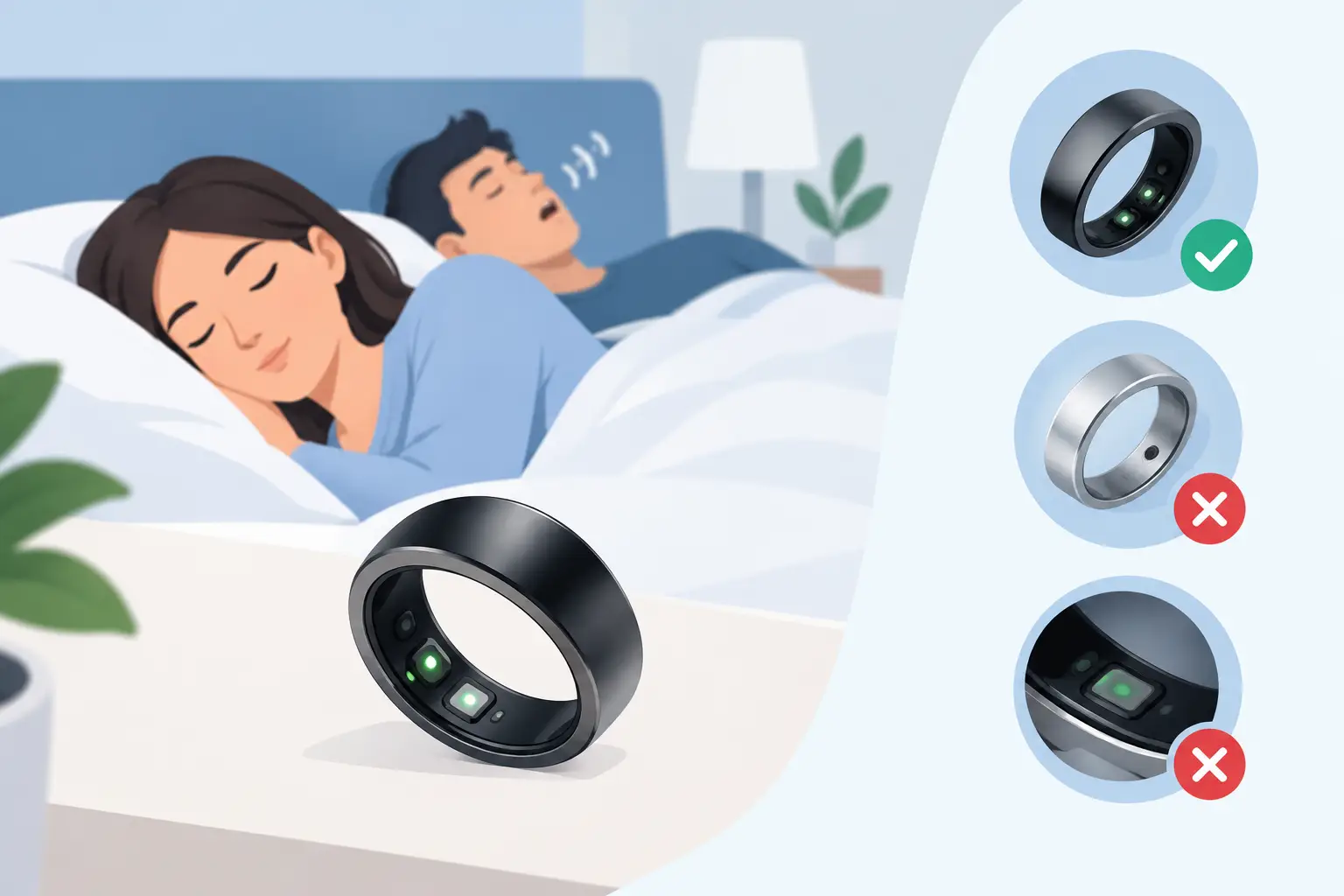
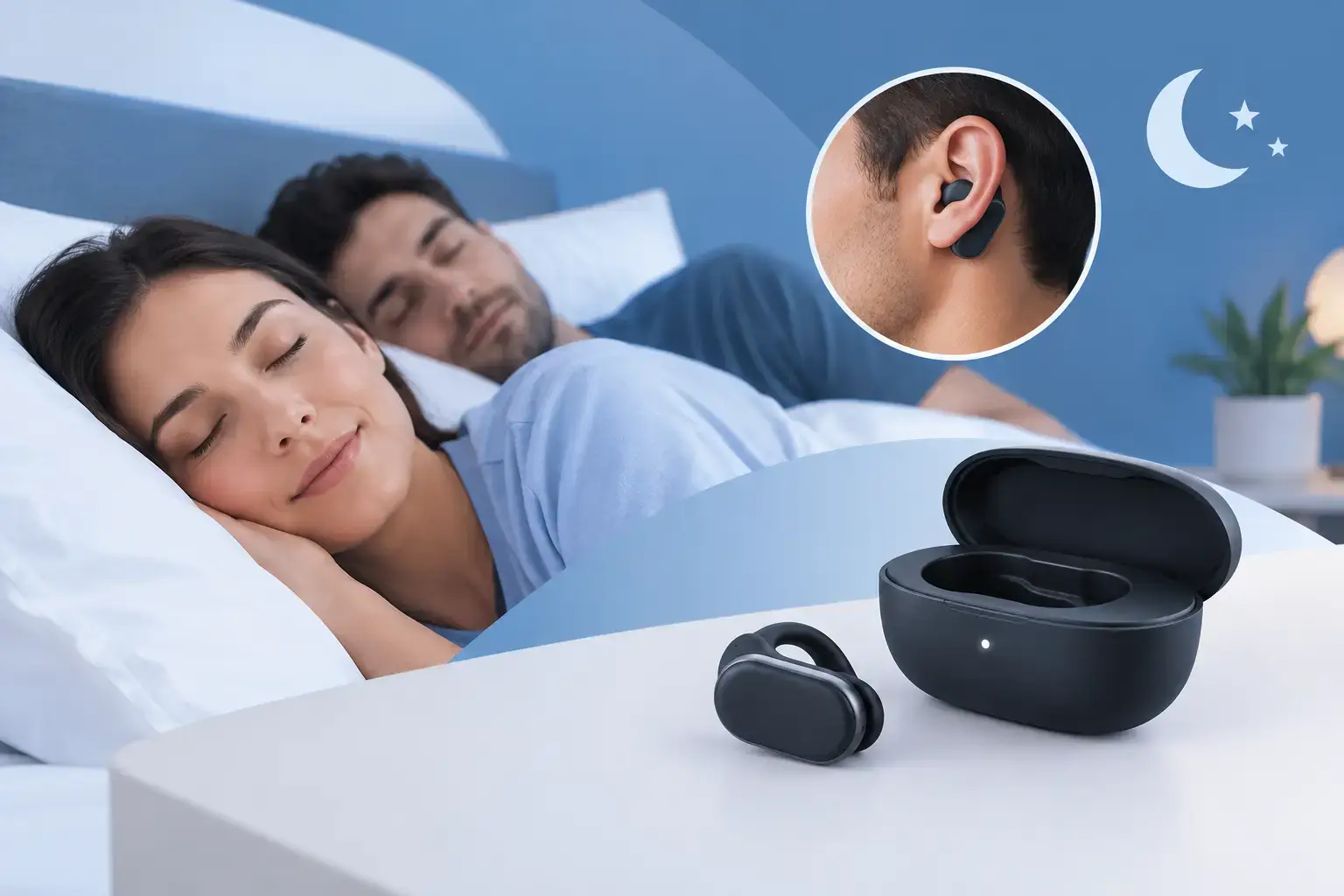
A non-invasive wearable can be an appealing alternative for people who want to avoid medication and intrusive equipment. The Good Night Anti-Snoring Ring is the original stop snoring ring, designed to apply acupressure to specific points on the little finger during sleep. It is intended for simple snoring, not as treatment for suspected sleep apnoea, and it will not be the right answer for everyone. That distinction is part of making a confident, informed choice.
When considering any product, look for clear instructions, realistic claims and a fair chance to try it. A refund guarantee matters because comfort and response are personal. The aim is not to fill the bedside table with gadgets. It is to find a routine you can actually keep.
Give changes enough time to judge fairly
A single quiet night is encouraging, but it does not prove the problem is solved. Equally, one noisy night does not mean a reasonable approach has failed. Congestion, stress, sleep position and alcohol can all alter the result.
Try one or two changes consistently for a fortnight, then review what you and your partner notice. If there is no improvement, or tiredness and breathing symptoms continue, take the next step with your GP rather than accepting poor sleep as normal. A quieter bedroom often begins with one clear observation, one sensible change and the willingness to ask for help when the signs call for it.