A nudge in the ribs at 2am, a move to the spare room, another tired morning for both of you – snoring rarely feels like a small problem when it happens every night. The good news is that simple snoring treatment options do exist, and the best place to start is usually with the least invasive choice you can realistically stick with.
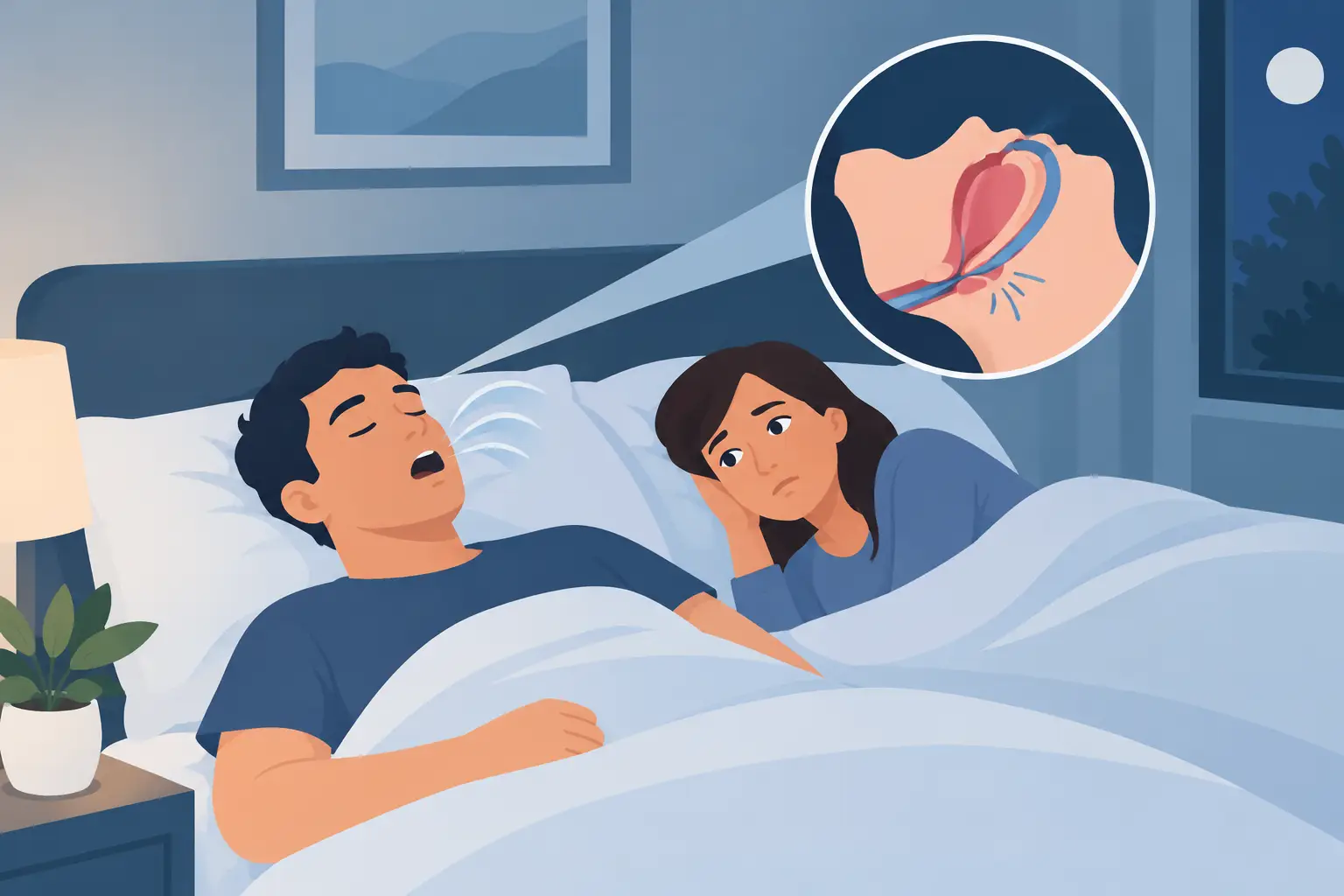
Simple snoring happens when relaxed tissue in the throat vibrates as air passes through during sleep. That sound can be loud, frustrating and disruptive, but it is not always a sign that something is seriously wrong. The key word is simple. If there are signs of breathing pauses, gasping, severe daytime sleepiness or morning headaches, it is time to speak to a GP rather than rely on an at-home remedy.
Start by identifying what makes your snoring worse
Snoring is not identical from one person to the next. It may be worse after alcohol, during a cold, when you are overtired, or when you sleep on your back. A partner will often spot the pattern before the snorer does.
Try to notice when the noise is at its worst for a couple of weeks. A blocked nose may be the main issue for one person; another may only snore after a few drinks or when their weight has changed. That observation helps you avoid spending money and energy on a solution that does not match the cause.
Change your sleeping position
Back sleeping lets the tongue and soft tissues fall backwards more easily, narrowing the airway and increasing vibration. Side sleeping can make a meaningful difference for positional snorers, often from the first night.
A supportive pillow, a body pillow, or simply arranging bedding to make side sleeping more comfortable can help. This is not a guaranteed fix, particularly if you snore in every position, but it is free to try and worth testing before moving on to devices.
Look at alcohol, smoking and your evening routine
Alcohol relaxes throat muscles and can make snoring substantially louder, especially when it is consumed close to bedtime. Experiment with an alcohol-free evening or finish drinking earlier, then compare the difference. It is a practical test, not a lifetime punishment.
Smoking irritates the upper airway and can contribute to swelling. Cutting down or stopping offers wider health benefits as well as the potential for quieter sleep. Regular sleep times can also help: extreme tiredness tends to deepen muscle relaxation and may worsen snoring.
Ease nasal blockage when it is part of the problem
A cold, allergies or ongoing congestion can force more mouth breathing, which may aggravate snoring. Treating the underlying cause with advice from a pharmacist or GP may be more useful than buying another gadget.
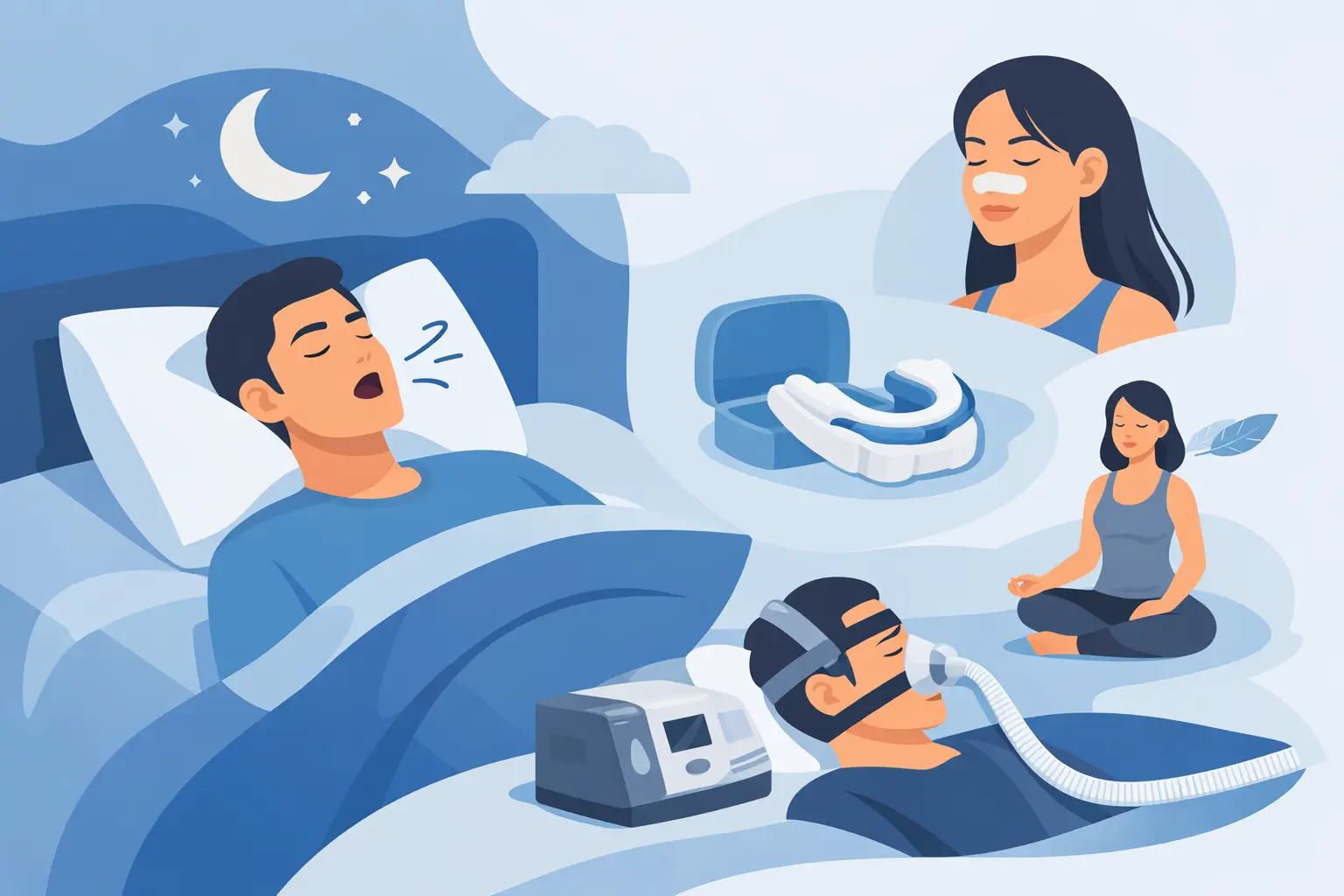
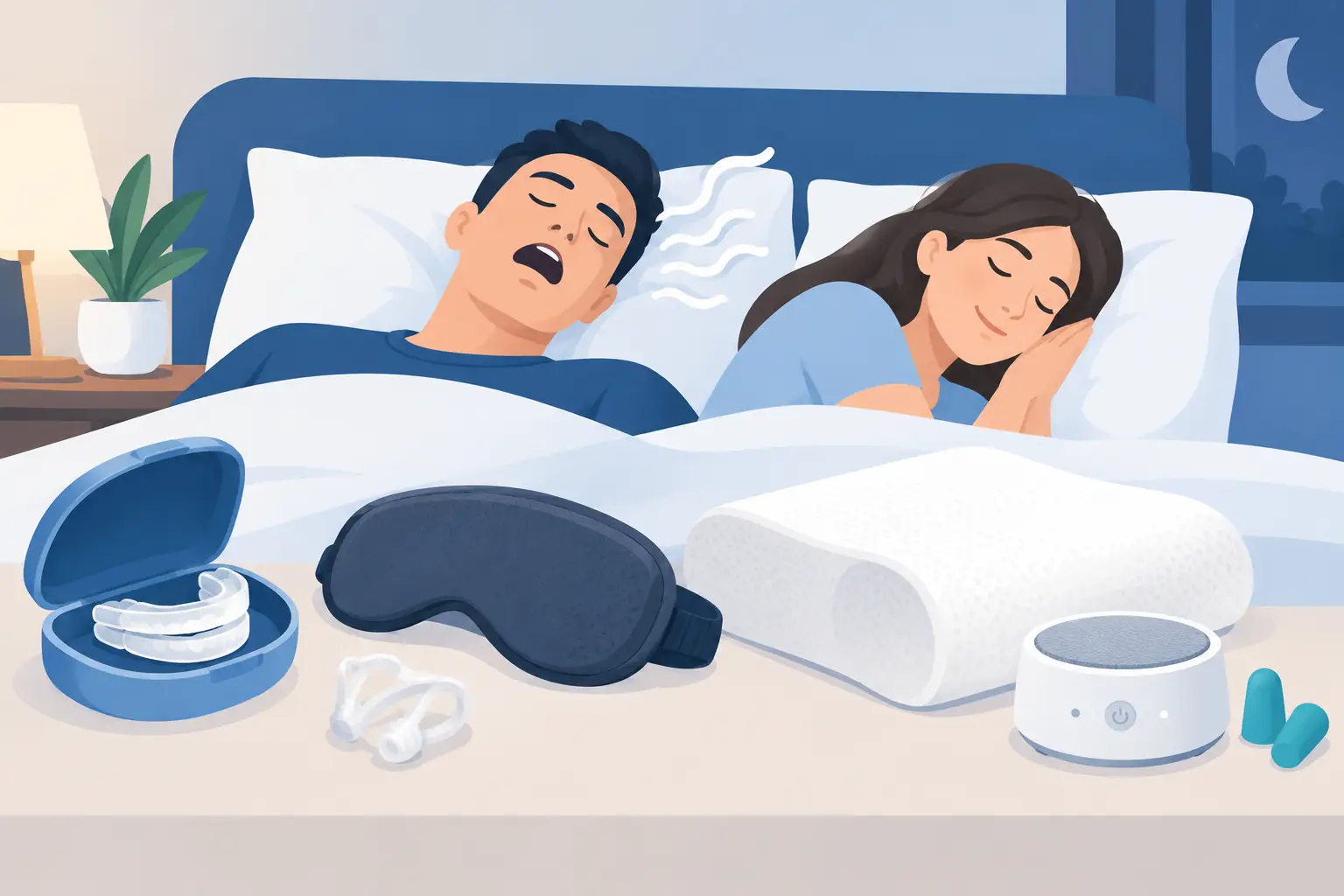
Nasal strips and dilators are designed to open the nostrils. They can be a simple option where airflow through the nose is clearly restricted. Their limitation is equally simple: they do not address snoring that starts mainly in the throat. If they do not help after a fair trial, do not assume you have failed – they may just be the wrong tool for your type of snoring.
Simple snoring treatment options beyond lifestyle changes
When habit changes are not enough, many people look for a product they can use without turning bedtime into a medical procedure. Comfort matters here. A treatment only works if it is still on, and still tolerable, at 3am.
Mouthpieces: effective for some, awkward for others
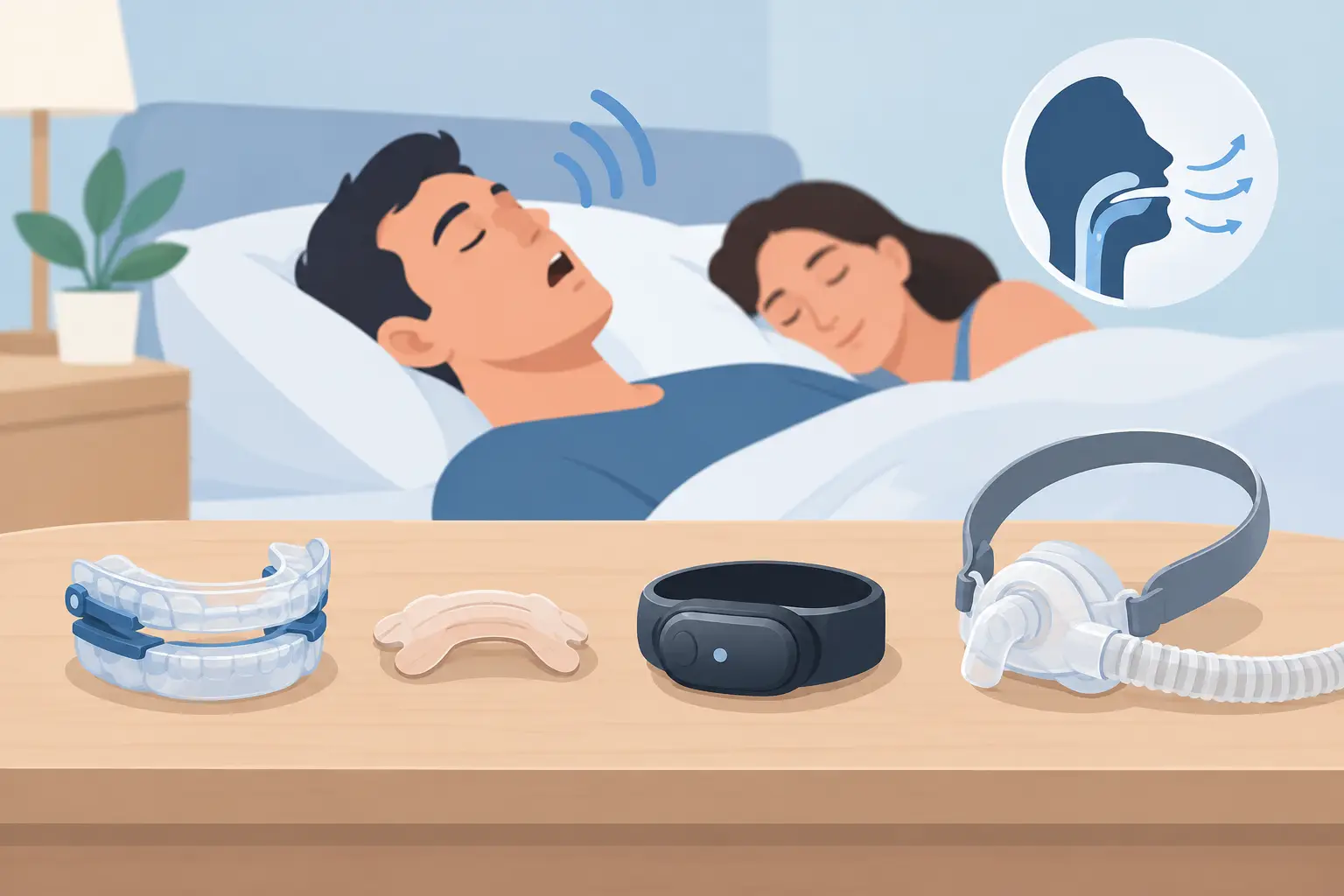
Anti-snoring mouthpieces generally work by holding the lower jaw slightly forward, which can help keep the airway more open. For some people, particularly those whose snoring is linked to jaw position, they can be helpful.
The trade-off is that a mouthpiece sits inside your mouth all night. Some users report jaw soreness, excess saliva, dry mouth or difficulty getting used to the fit. People with dental work, gum concerns or jaw pain should take professional advice before using one. A poorly fitted device is not something to push through just because it was expensive.
Chin straps and mouth taping need caution
Chin straps aim to keep the mouth closed during sleep. They may suit a small number of mouth breathers, but they do not resolve every cause of snoring and can feel restrictive.
Mouth taping is widely discussed online, but it is not a casual fix for everyone. It should be avoided if you have nasal obstruction, breathing concerns, reflux that causes vomiting, or suspected sleep apnoea. If the idea of a treatment makes you feel unable to breathe freely, it is not the simple, reassuring solution you are looking for.
A discreet acupressure ring
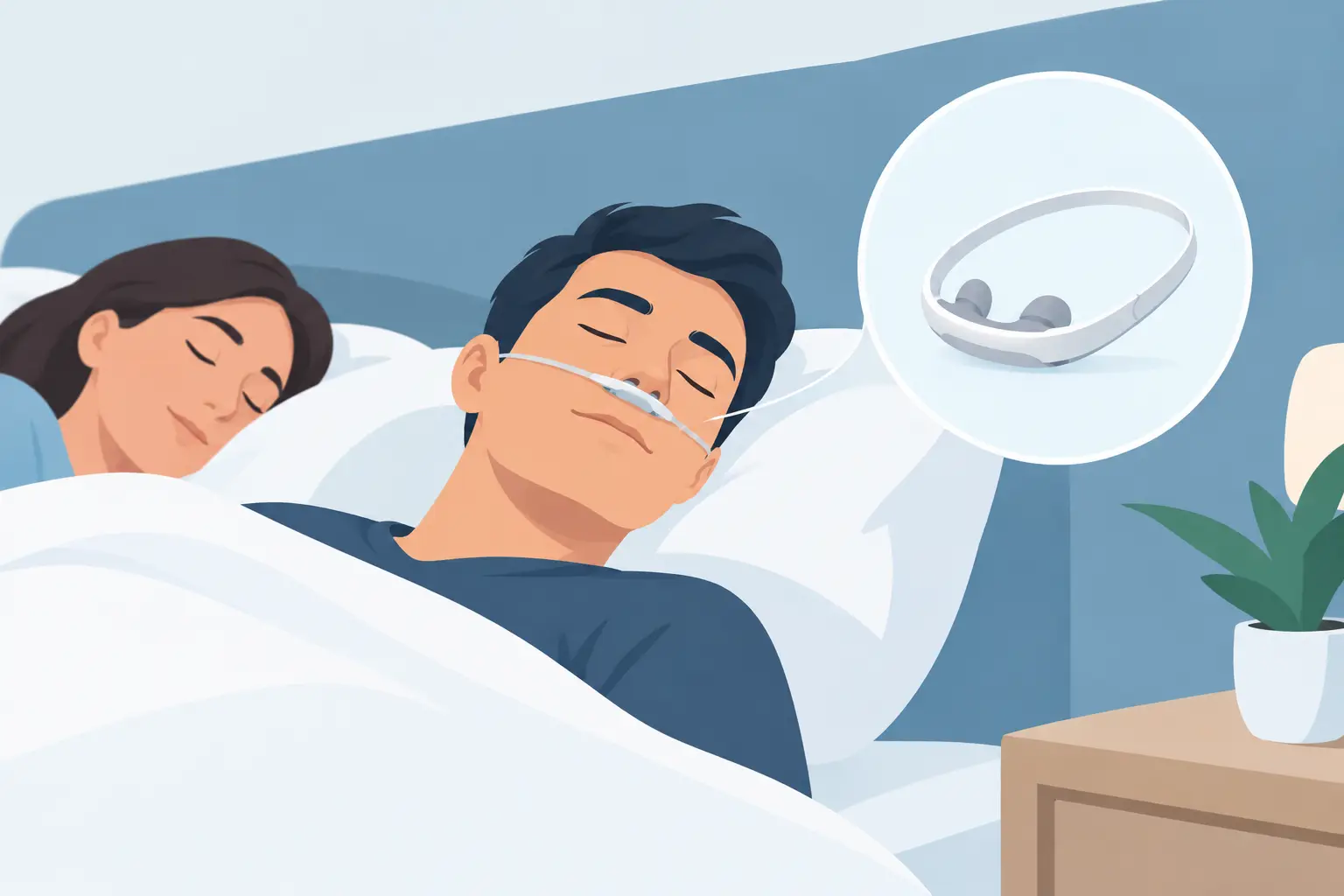
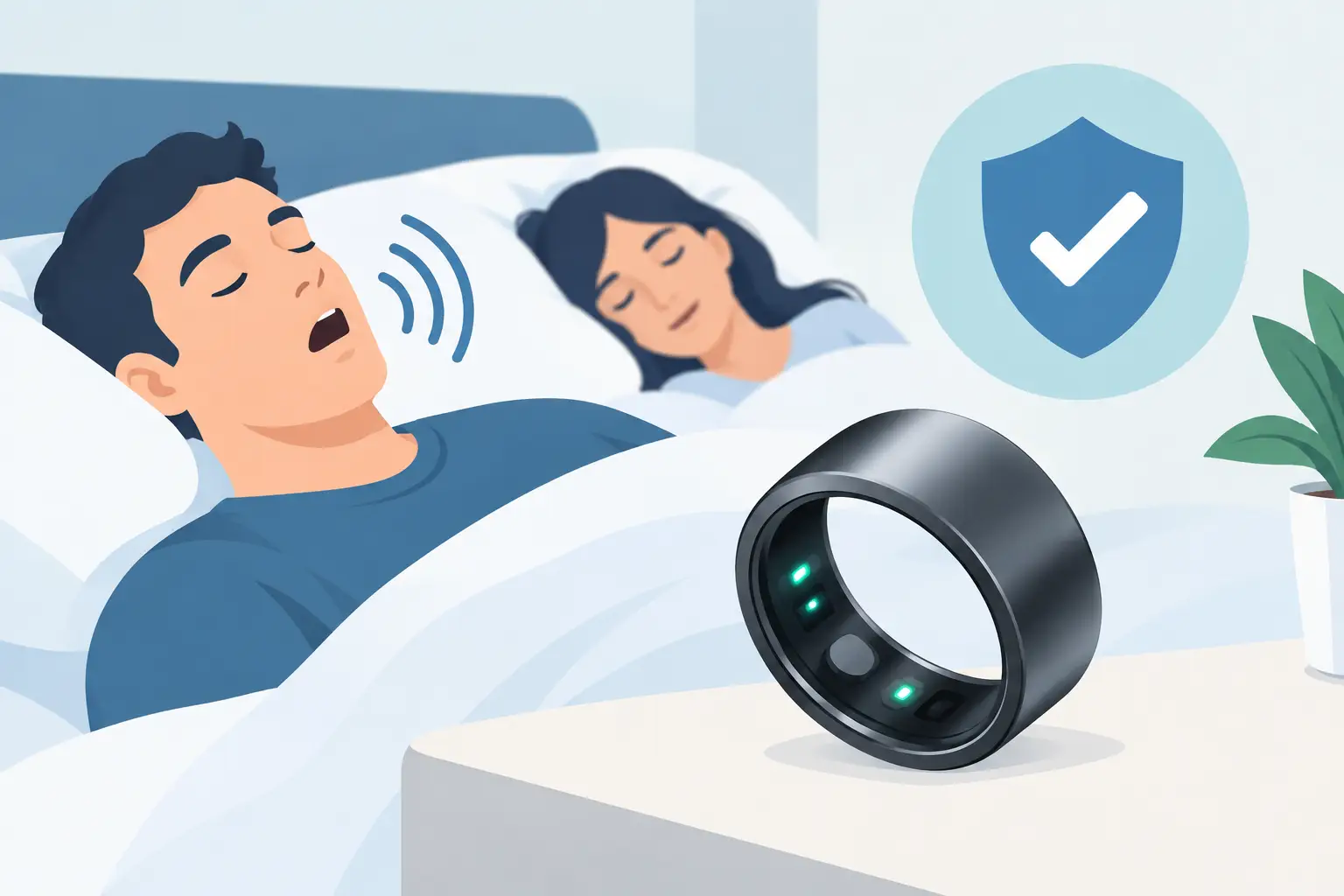
For adults who want to avoid a bulky mouthguard or anything attached to the face, a wearable acupressure ring is a different approach. It is worn on the little finger at night and applies gentle pressure to specific points. The aim is to offer a natural, non-invasive option with no medication and no equipment around the mouth.
The Good Night Anti-Snoring Ring is the original stop snoring ring and has been clinically trialled. It will not work for everyone – no honest snoring treatment can promise that – but its small, comfortable form makes it a sensible option for people who have given up on intrusive devices. A 30-day money-back guarantee also gives you room to assess it properly in your own bed, with your usual routine and your partner’s honest feedback.
Be wary of cheap lookalikes that make vague promises without clear information about quality, testing or returns. When you are wearing something for hours every night, the details matter.
When snoring needs medical attention
Simple snoring is common, but obstructive sleep apnoea is different. With sleep apnoea, breathing repeatedly stops or becomes very shallow during the night. It can affect daytime alertness, mood and long-term health, so it deserves proper assessment.
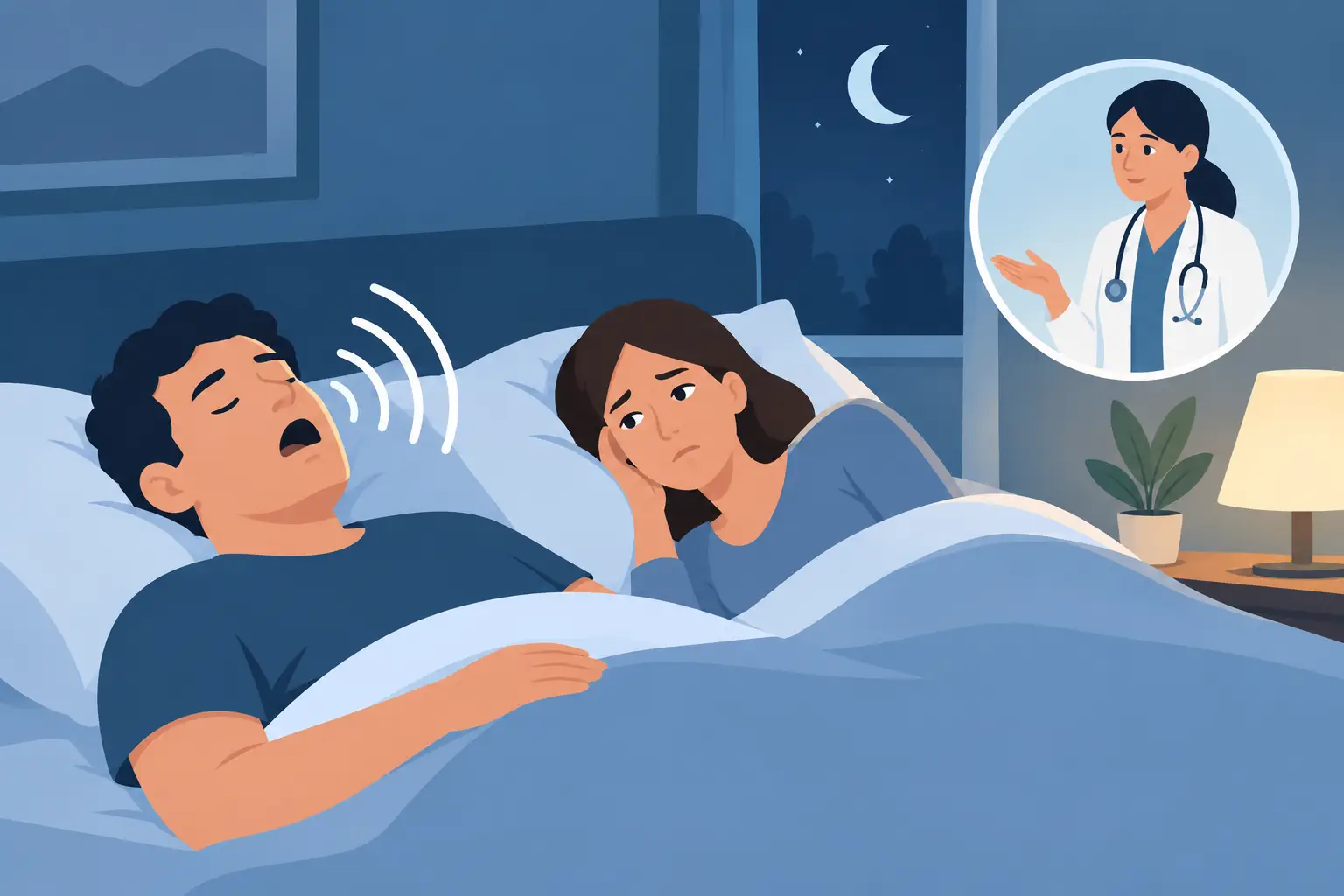
Speak to a GP if you or your partner notice repeated pauses in breathing, choking or gasping during sleep, very loud snoring every night, unexplained fatigue, waking with headaches, or difficulty concentrating in the day. It is also sensible to seek advice if you have high blood pressure or if your snoring has changed suddenly.
Do not let embarrassment delay that conversation. Snoring is a health and sleep issue, not a personal failing. A GP can help establish whether simple home measures are appropriate or whether you need further investigation.
How to choose an option you will actually use
The most effective choice is rarely the one with the boldest claim. It is the one that fits your likely cause of snoring, feels safe and comfortable, and can become part of your nightly routine.
Start with the obvious triggers: position, alcohol, congestion and sleep habits. If you need more help, choose a treatment that matches your tolerance for devices. Someone who cannot bear a mouthguard should not keep buying mouthguards in different packaging. Someone whose nose blocks every night may need to address that issue before judging any anti-snoring product.
Give one change enough time to assess it, ideally with feedback from the person sharing your bed. A quieter first night is encouraging, but consistency over several weeks is more useful. Keep the goal realistic: fewer disrupted nights, better rest and a solution that does not make bedtime feel like a battle.
Better sleep often starts with a small decision made before lights out. Choose the option that feels manageable tonight, pay attention to the result, and let comfort be part of the solution rather than the price you pay for it.