Blog
Single Post
Quiet Sleep for Couples Starts With Snoring
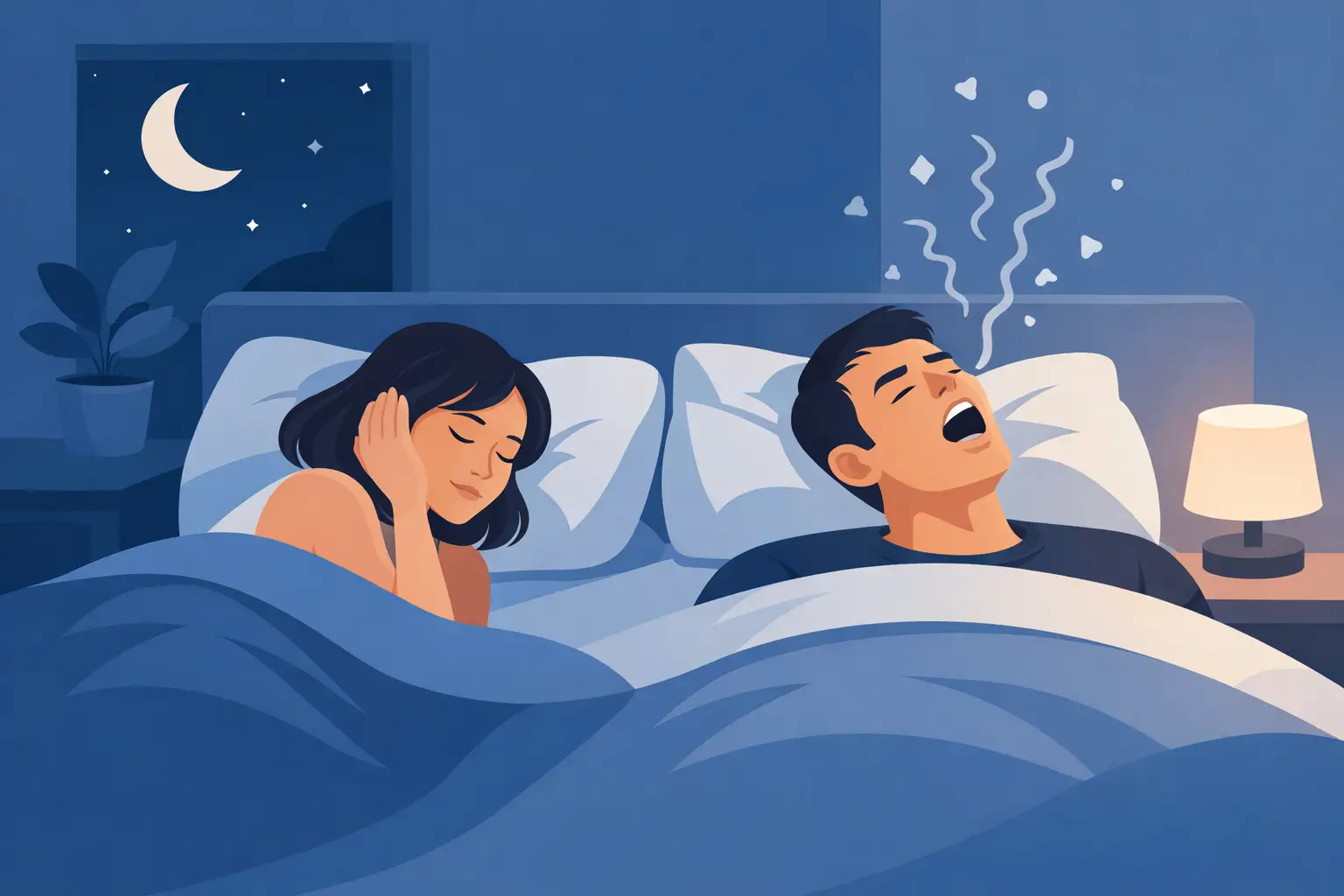
A nudge at 2am can feel harmless the first time. After weeks of broken nights, though, snoring can turn the bedroom into a place of anticipation: one person waits for the noise to begin, while the other worries about being woken, criticised or sent to the spare room. Quiet sleep for couples is not a luxury. It is a practical part of protecting both people’s energy, mood and connection.
The good news is that many couples can improve the situation without making bedtime feel medical, awkward or complicated. The key is to treat snoring as a shared sleep problem, while recognising that the person snoring is not doing it on purpose.
Why snoring affects more than the snorer
Snoring often gets reduced to a joke, but its effects are rarely funny when they are repeated night after night. The partner who hears it may struggle to fall asleep, wake repeatedly or lie tense while listening for the next burst of noise. The snorer may not remember any of it, yet can still wake with a dry mouth, headache or the familiar feeling of having slept without properly recovering.
That mismatch can create resentment. One partner feels exhausted and unheard; the other feels blamed for something outside their control. Separate bedrooms may be the right temporary choice for some couples, especially before an early start or an important day. But it should be a conscious arrangement, not the only answer after every difficult night.
A better starting point is a calm daytime conversation. Be specific about what is happening: how often the snoring occurs, whether it changes with alcohol or sleeping position, and how it affects each person’s rest. This keeps the focus on finding a workable solution rather than assigning fault.
First, know when snoring needs medical advice
Simple snoring is common and can be influenced by sleep position, blocked nasal passages, alcohol, weight changes and tiredness. However, loud habitual snoring can sometimes be associated with obstructive sleep apnoea, a condition where breathing repeatedly narrows or stops during sleep.
Do not rely on an anti-snoring product alone if there are pauses in breathing, choking or gasping during the night, severe daytime sleepiness, morning headaches, or concerns about high blood pressure. These signs warrant a conversation with a GP or qualified sleep professional. A partner’s observations are useful here, because they may notice symptoms the snorer never hears.
This distinction matters. A comfortable, non-invasive approach can be a sensible option for simple snoring, but it is not a substitute for assessment when there may be a breathing disorder.
Build a bedtime routine that makes quiet sleep for couples realistic
The most effective changes are often the ones people can genuinely keep doing. Rather than buying a drawer full of gadgets, try a few practical adjustments for two weeks and notice what changes. A short, shared trial is far more useful than guessing.
Change the sleeping position
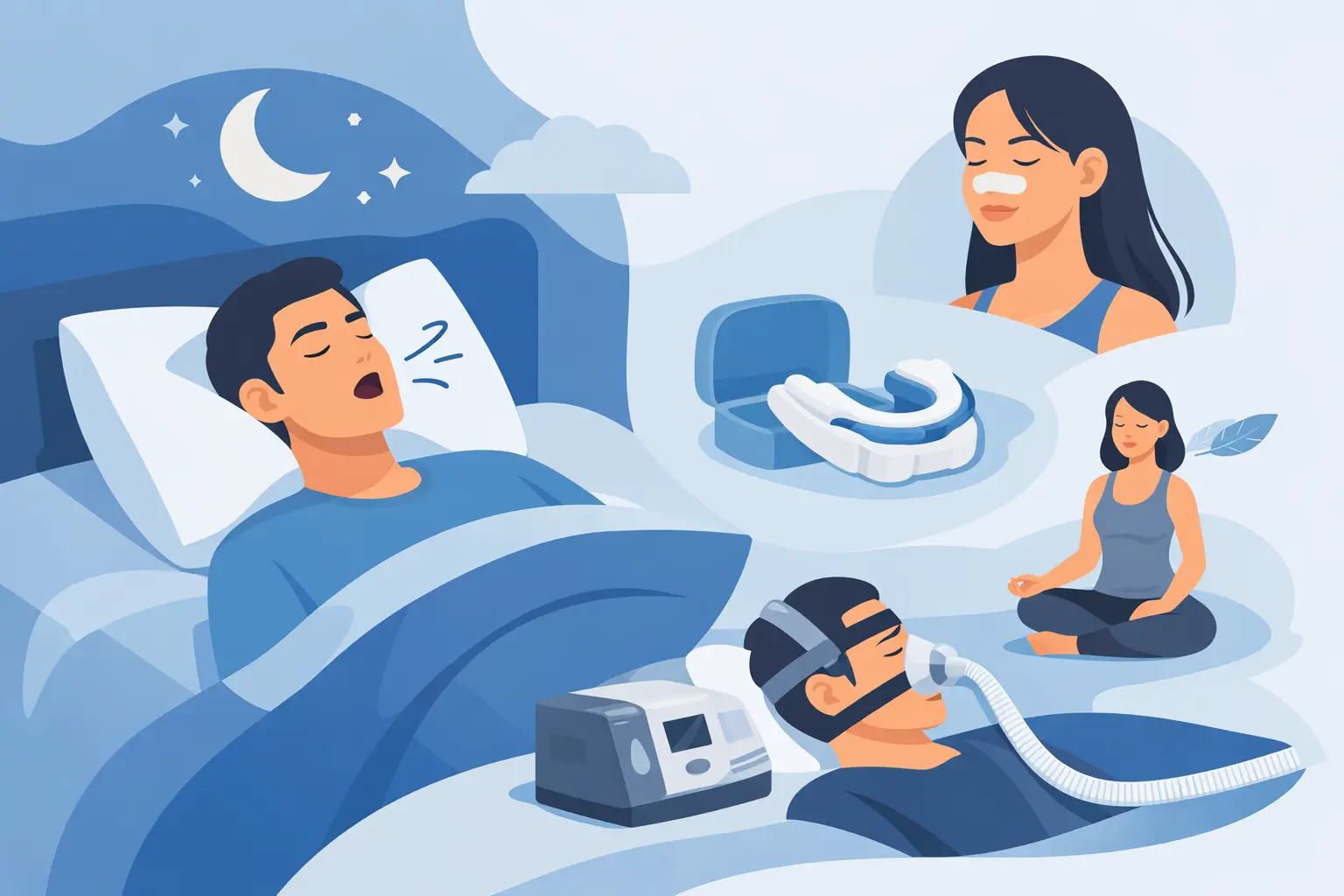
Snoring is often worse when someone sleeps on their back, because the tissues in the throat can relax backwards and narrow the airway. Side sleeping may reduce the noise for some people. A supportive pillow, a body pillow or simply arranging the duvet to make side sleeping more comfortable can help make the position stick.
It does not work for everybody. Shoulder pain, reflux and existing injuries can make side sleeping difficult, so comfort still comes first. The point is not to force a perfect pose, but to identify whether position is part of the pattern.
Look at the hours before bed
Alcohol in the evening can relax throat muscles and make snoring louder. A heavy late meal may also make sleep less comfortable, while smoking and a blocked nose can add to airflow problems. Reducing alcohol close to bedtime, eating earlier where possible and addressing congestion can make a noticeable difference for some people.
There is no need for blame or a joyless routine. If Friday night drinks regularly lead to a miserable Saturday morning for both of you, that is useful information. Couples tend to do better with a realistic agreement, such as finishing drinks earlier or choosing a quieter night before a busy day.
Make the room work for both people
A cool, dark and reasonably quiet bedroom supports sleep, but it will not silence snoring on its own. It can, however, reduce the knock-on effects. Soft background sound may help the non-snoring partner avoid waking fully after every noise, while comfortable earplugs can be useful as a short-term support.
Earplugs are not a complete solution if snoring is loud or disruptive. They can also make some people feel isolated from alarms, children or a partner who needs them. Use them as part of a wider plan, not as a demand that one person simply tolerate poor sleep.
Choose an anti-snoring option you can actually wear
Many people abandon anti-snoring products because they are too intrusive. Bulky mouthpieces can feel restrictive, nasal devices can irritate, and anything that makes bedtime feel like a clinical procedure is unlikely to become a lasting habit.
That is why discretion and comfort matter. The best option is not necessarily the most elaborate one. It is the one that suits the likely cause of simple snoring, feels manageable at night and is used consistently enough to judge fairly.
The Good Night Anti-Snoring Ring is the original stop snoring ring: a small, non-invasive wearable designed to apply acupressure to specific points on the little finger while you sleep. For people who do not want medication, a mouthguard or a cumbersome device, that simplicity is a genuine advantage. It is clinically trialled and backed by a 30-day money-back guarantee, which gives couples room to see whether it helps in their own bedroom rather than taking a leap of faith.
No honest solution should promise identical results for everyone. Snoring has different triggers, and a product that helps one person may not be the right fit for another. What matters is choosing something credible, using it as directed and giving it a reasonable trial before deciding.
Replace bedtime arguments with a simple plan
The emotional side of snoring deserves as much attention as the practical side. Avoid raising the issue at 3am when both of you are frustrated. Agree on a low-drama plan during the day instead: try one or two changes, note what happens for a fortnight, then discuss the result.
Keep the language kind and factual. “I was awake for an hour after the snoring started” is easier to hear than “You kept me awake all night.” Likewise, the snorer can acknowledge the disruption without carrying unnecessary shame. Both experiences are real, and neither partner needs to win the argument.
It can help to decide in advance what happens on a particularly bad night. Perhaps the non-snoring partner uses earplugs, perhaps one of you moves rooms to protect an important morning, or perhaps you agree that a gentle nudge is acceptable. Having permission and a plan removes the resentment from the moment.
Give changes enough time, then reassess
One quiet night does not prove a solution has worked, just as one noisy night does not mean it has failed. Look for a pattern over several nights. Is the snoring less frequent? Is it quieter? Is the partner waking less often? Does the snorer feel more refreshed?
If nothing changes, move on rather than endlessly repeating an approach that is clearly not helping. Review nasal congestion, sleep position and evening habits, consider a different comfortable anti-snoring option, and seek professional advice if symptoms suggest more than simple snoring. Persistence is useful; denial is not.
A quieter bedroom does not require perfection. It starts when both people stop treating disrupted sleep as something they must simply put up with, and start protecting each other’s rest with a practical, compassionate next step.