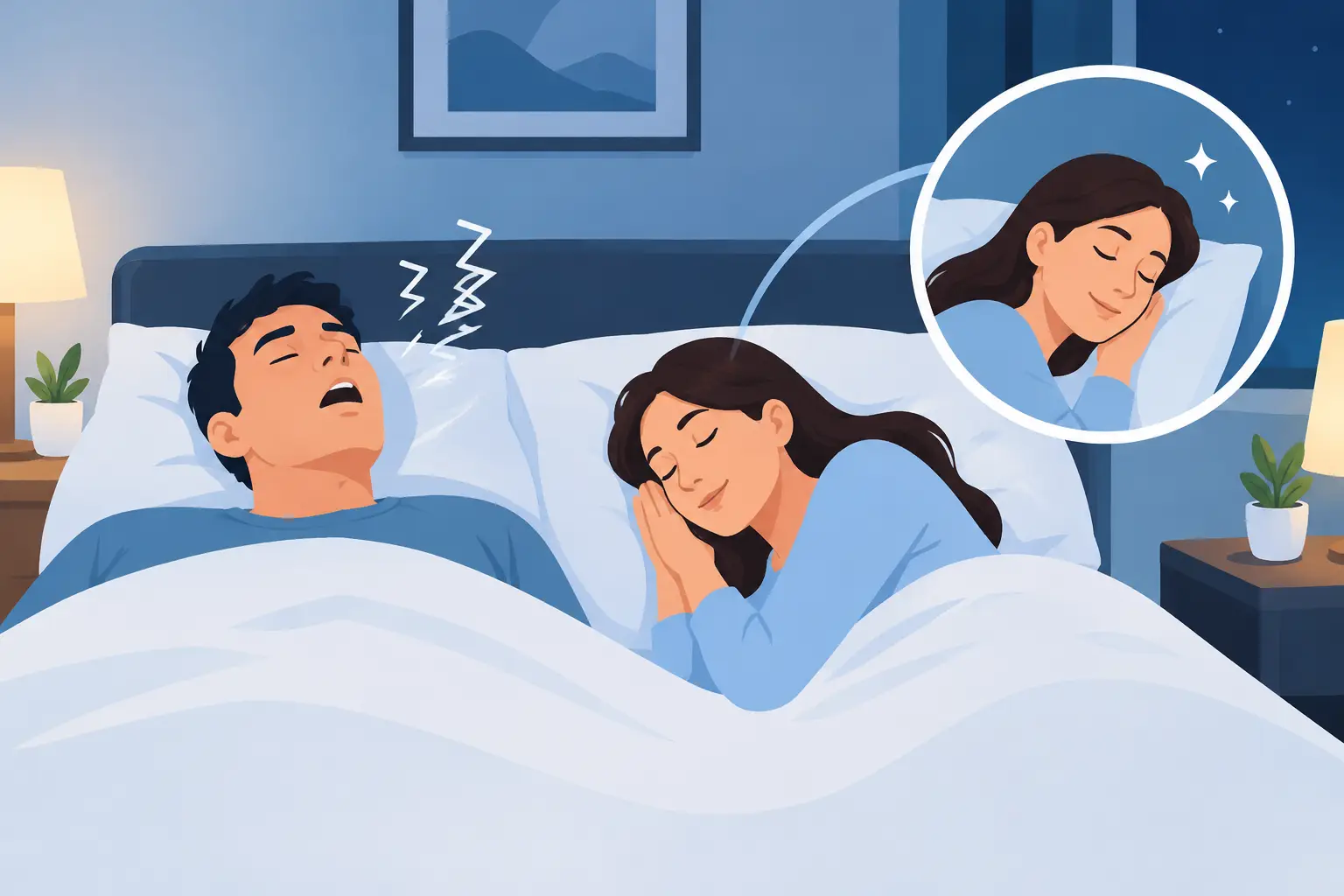
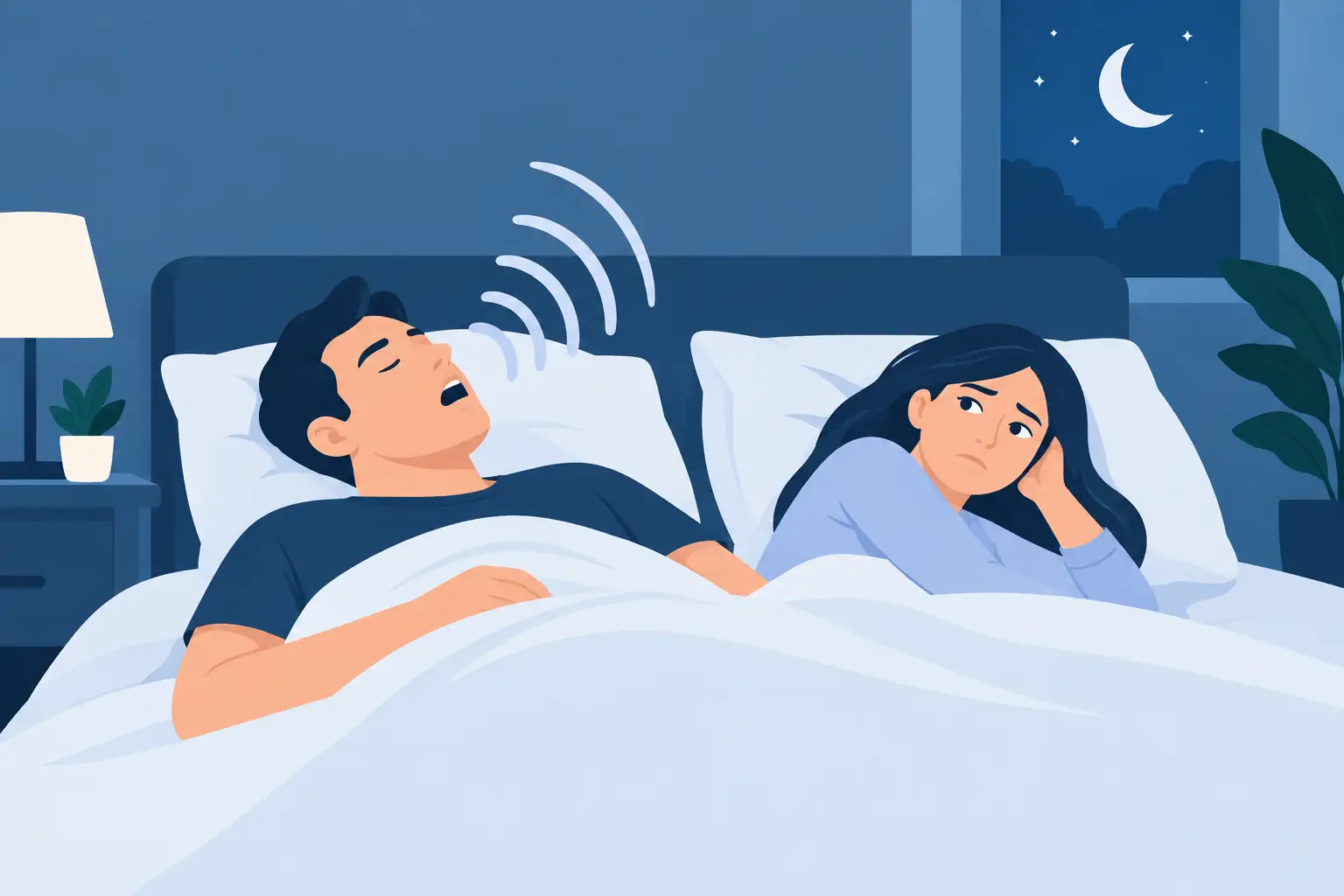
A partner may notice the first warning sign long before the snorer does: the room goes quiet after a loud snort, then there is a pause that feels far too long. Snoring is common, but repeated pauses in breathing are not something to brush off. Knowing how to identify sleep apnoea can help you move from frustrating, broken nights to the right support sooner.
Sleep apnoea is different from ordinary snoring. It involves repeated interruptions to breathing during sleep, which can leave someone short of oxygen and repeatedly pull them out of deeper, restorative sleep. Many people do not remember waking, but their body has been working hard all night.
What sleep apnoea can look and sound like
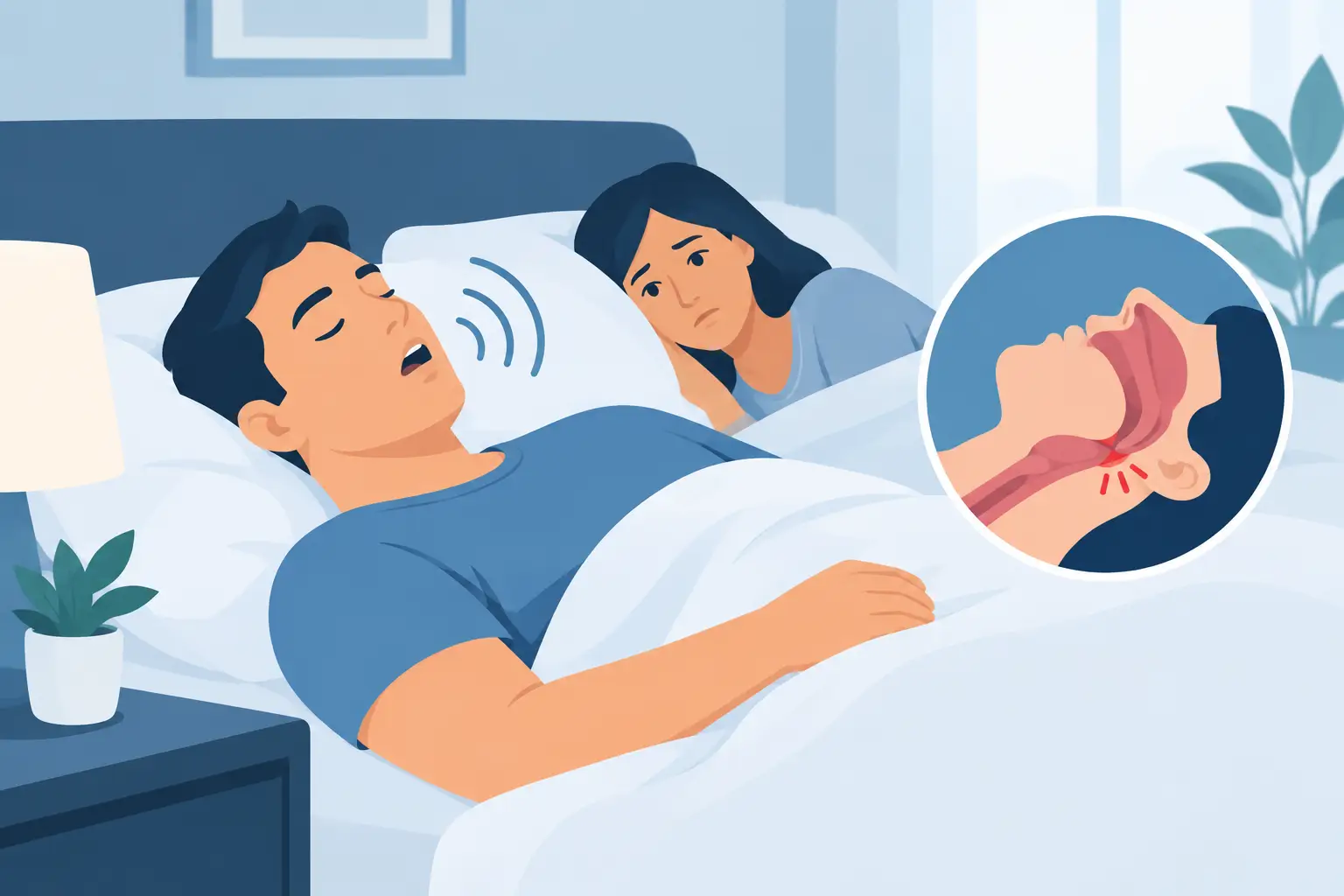
The most common form is obstructive sleep apnoea, where the airway narrows or closes briefly during sleep. The brain reacts by rousing the person enough to restart breathing. This may happen many times in one night.
A loud snore followed by silence, gasping, snorting or choking is a classic pattern. It is especially concerning when it repeats rather than happening as a one-off after a cold, alcohol, or sleeping in an awkward position. The person may seem to stop breathing for several seconds, then take a sharp breath and return to snoring.
Not everyone with sleep apnoea snores loudly. Some people are simply restless sleepers, wake often with no clear reason, or breathe through their mouth. This is why a partner’s observations can be so useful. If you sleep alone, recordings may reveal a pattern, but they cannot confirm a diagnosis.
How to identify sleep apnoea from daytime signs
The effects are not limited to the bedroom. Interrupted breathing can mean poor-quality sleep even after seven, eight or nine hours in bed. Look at how you feel during the day, not only how noisy the night has been.
Common signs include waking unrefreshed, struggling to concentrate, feeling unusually irritable, and nodding off when reading, watching television or sitting still. Morning headaches, a dry mouth on waking and frequent night-time trips to the loo can also be part of the picture.
Daytime sleepiness deserves particular attention. Feeling tired after a late night is one thing. Feeling at risk of falling asleep while driving, at work, or during routine conversations is another. Do not drive if drowsiness is affecting your alertness. Speak to a GP promptly.
Sleep apnoea can also affect relationships. The snorer may feel defensive because they are unaware of the disruption, while their partner lies awake listening for the next gasp. Treat the pattern as a health question, not a source of blame. A clear description of what happens at night can make a GP appointment more productive.
Who is more likely to develop it?
Sleep apnoea can affect adults of different body shapes, ages and genders, but some factors make it more likely. Excess weight can contribute because tissue around the neck may narrow the airway. Ageing, a family history of sleep apnoea, a naturally narrow airway, large tonsils, nasal blockage and drinking alcohol close to bedtime can also play a part.
It may be more noticeable when someone sleeps on their back, as the tongue and soft tissues can fall backwards. Some medicines that make you very sleepy may worsen breathing problems too. That does not mean you should stop prescribed medication without medical advice. It means the prescriber needs the full picture.
Women may be less likely to describe their symptoms as loud snoring or choking, and may instead report fatigue, insomnia, low mood or headaches. For that reason, sleep apnoea can be missed. Persistent symptoms are worth discussing even if the usual stereotype does not fit.
A sensible check you can do at home
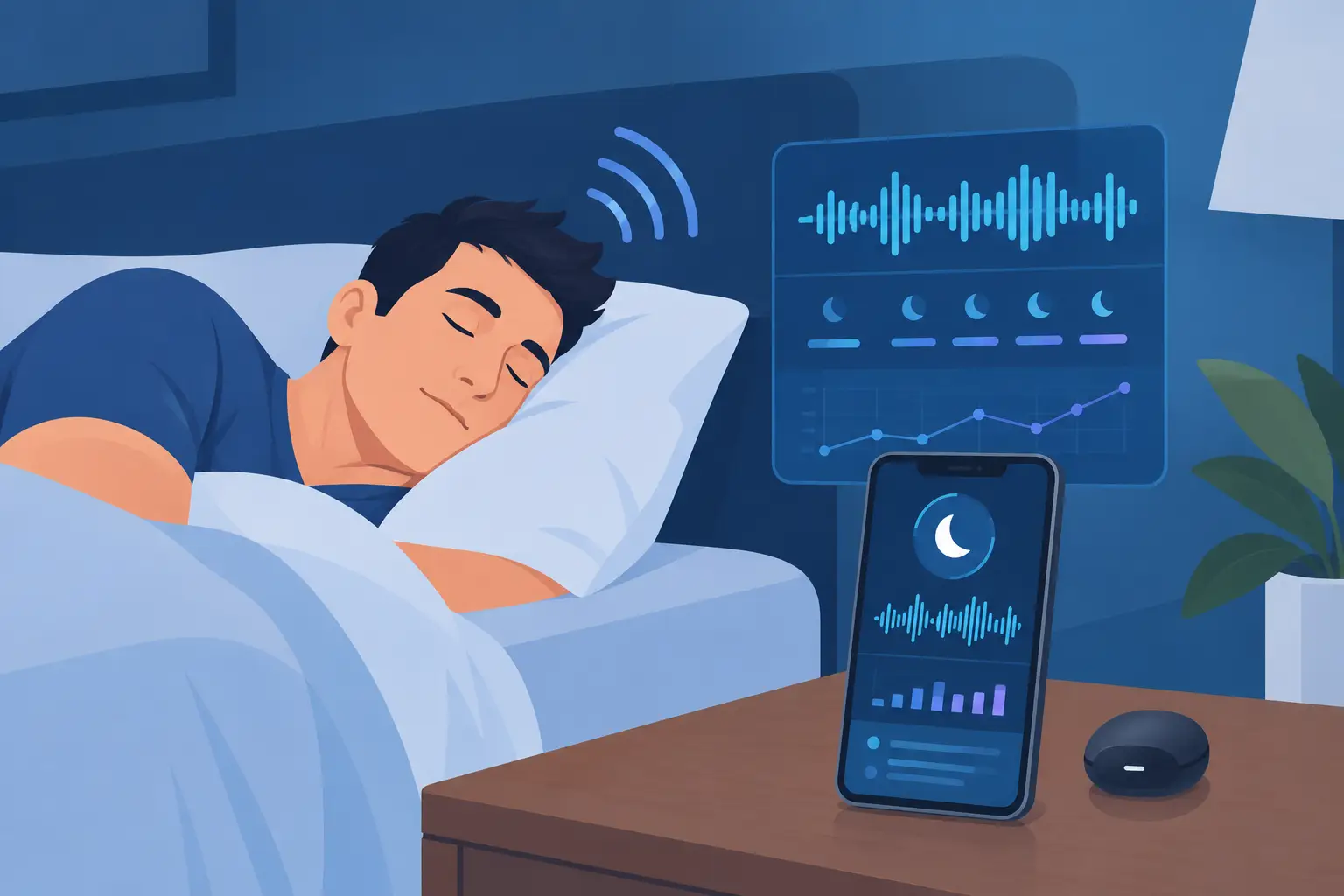
You cannot diagnose sleep apnoea with a mobile phone app, a smartwatch, or one overnight recording. Consumer devices may pick up snoring or changes in movement, but they do not measure breathing interruptions accurately enough to rule the condition in or out.
You can, however, gather useful evidence. Ask a partner to note whether there are repeated breathing pauses, gasps, loud snoring, restless movement or unusual sleeping positions. Keep a short sleep diary for one or two weeks, including bedtime, alcohol intake, nasal congestion, wake-ups, morning symptoms and daytime tiredness.
Notice whether symptoms change when sleeping on your side rather than your back. This may help reduce simple positional snoring, but it should not be used as proof that sleep apnoea is absent. A quieter night is reassuring only if the breathing pauses and daytime symptoms have genuinely stopped.
If you use a recording, listen for a repeated cycle of snoring, silence and a gasp. Take this information to your GP rather than trying to interpret it alone. A recording can help describe the concern, but a proper assessment is what provides answers.
When snoring needs a GP appointment
Book an appointment if snoring comes with witnessed pauses in breathing, choking or gasping, excessive daytime sleepiness, unrefreshing sleep, morning headaches, or a partner who is seriously concerned. It is also sensible to seek advice if you have high blood pressure or other health conditions and suspect poor sleep is making them harder to manage.
Your GP will ask about symptoms, medical history and lifestyle, and may arrange a sleep study. This can often be done at home with equipment that monitors breathing, oxygen levels and other sleep measures. In some cases, an overnight study in a sleep clinic is recommended. The results show whether sleep apnoea is present and how severe it is.
Get urgent medical advice if breathing problems are severe, you are dangerously sleepy, or you have chest pain, fainting, or sudden worsening symptoms. Sleep apnoea is treatable, but it deserves proper medical attention rather than guesswork.
Simple snoring and sleep apnoea are not the same problem
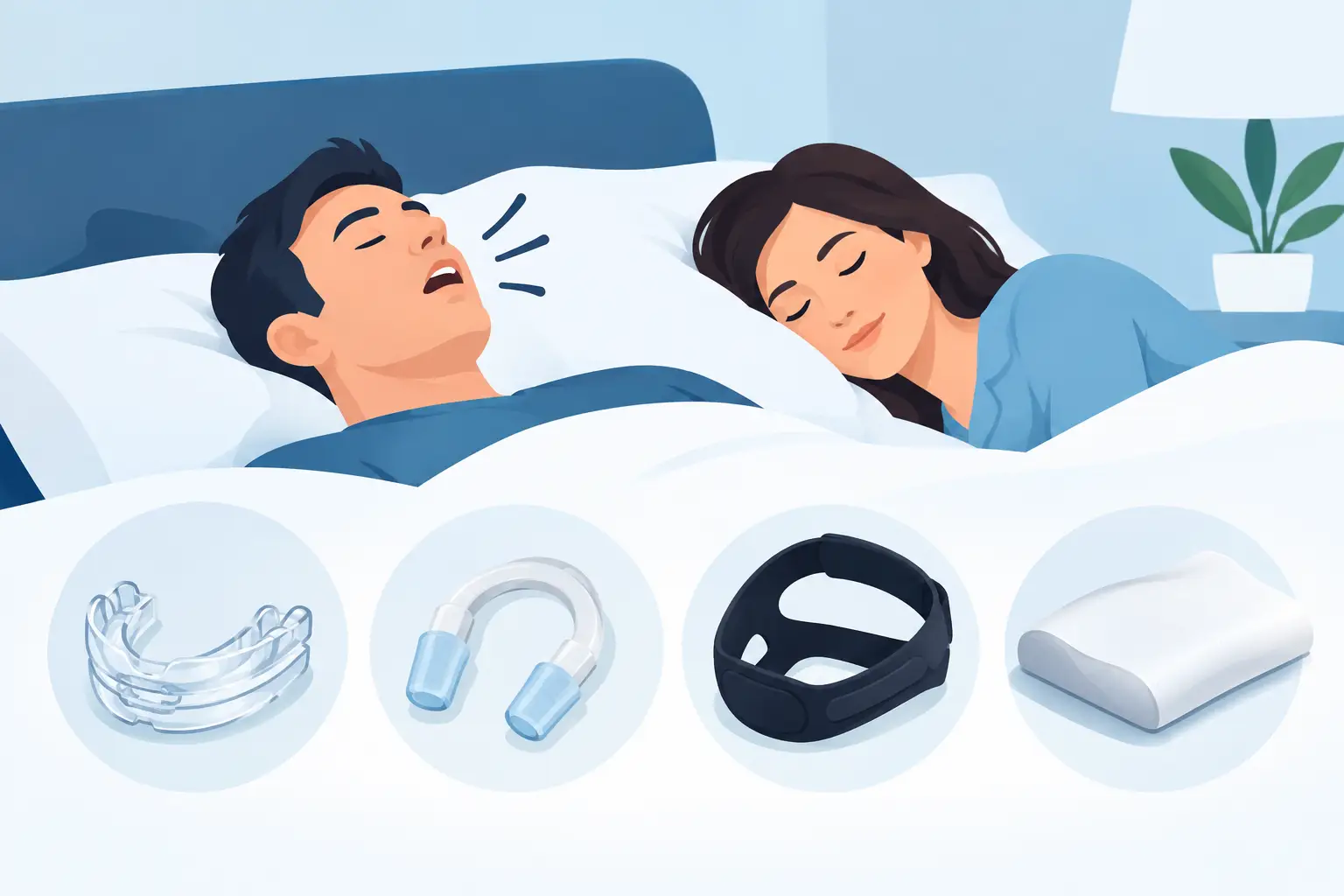
This distinction matters when choosing a snoring remedy. Simple snoring can be caused by relaxed tissues vibrating in the airway, nasal congestion, alcohol, or sleeping position. It can be disruptive and exhausting for couples, but it does not automatically mean breathing is repeatedly stopping.
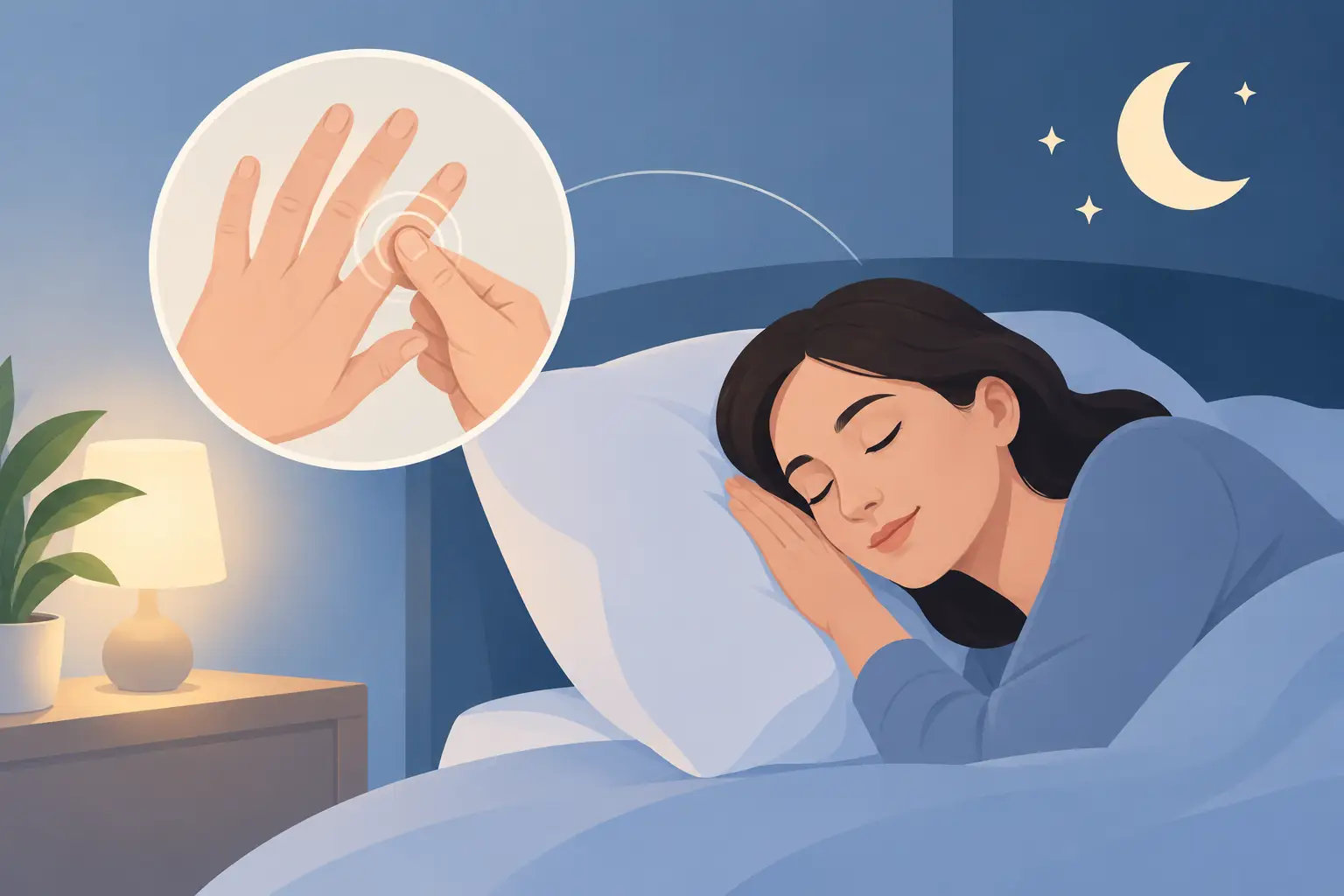
The Good Night Anti-Snoring Ring is designed for simple snoring: a discreet, non-invasive acupressure ring worn on the little finger at night. It is not a treatment for diagnosed or suspected sleep apnoea, and no responsible anti-snoring product should be presented as a replacement for a medical assessment.
If a GP has ruled out sleep apnoea and the problem is simple snoring, a comfortable option may be worth trying. The right solution depends on the cause. Nasal congestion may need different attention from positional snoring, and a ring will not be the answer for everyone. That honesty matters, especially after you have spent money on bulky mouthpieces or uncomfortable devices that ended up in a drawer.
Take the pattern seriously, without panicking
A noisy night is not always a medical emergency. But loud habitual snoring plus pauses, gasps and daytime exhaustion is a pattern worth acting on. Write down what you notice, ask your partner what they hear, and arrange a GP appointment if the signs point beyond simple snoring.
Better sleep should not depend on one person staying awake to monitor the other. Getting clarity is the first step towards safer nights and more restful mornings for both of you.