Blog
Single Post
Your Guide to Snoring Relief Guarantees That Matter
A good guide to snoring relief guarantees starts with an uncomfortable truth: no legitimate anti-snoring solution can promise to work for every person, every night. Snoring has different causes, different triggers and different levels of severity. What a trustworthy brand can promise is a clear chance to try its product properly, honest information about who it may suit, and a straightforward route to a refund if it is not right for you.
That matters when broken sleep is affecting both sides of the bed. You should not have to choose between another bulky mouthpiece gathering dust in a drawer and taking a financial risk on a product that makes grand claims but offers little protection once it arrives.
What a snoring relief guarantee should actually mean
A guarantee is not simply a sales phrase printed beside a checkout button. It is the brand’s commitment to stand behind a product while giving you enough time to judge it in your own bedroom, with your own sleep habits and your partner’s experience in mind.
For most people, a fair trial period should allow for a settling-in phase. A wearable, mouthpiece or positional aid can feel unfamiliar at first. You may need a few nights to establish a consistent routine, understand the fit and see whether your snoring changes when you use it as intended. Judging an anti-snoring product after one tired night is rarely useful.
Look for plain answers to three questions: how long is the trial, what must you do to claim a refund, and when will your money be returned? If the terms are difficult to find, packed with unexpected conditions or dependent on unopened packaging, the guarantee may not offer the reassurance it appears to.
A 30-day money-back guarantee is a sensible benchmark for a simple nightly solution. It gives you time to use the product consistently without turning the decision into a long, drawn-out experiment. Just as importantly, it means the company accepts that comfort and results are personal.
Guarantee, warranty and result claims are not the same thing
These terms are often blurred together, but they protect you in different ways. A money-back guarantee concerns whether you can return a product because it did not suit you or deliver the result you hoped for during the stated trial. A warranty normally concerns faults in materials or workmanship. A clinical claim refers to how a product has been studied, not a promise that it will eliminate every customer’s snoring.
That distinction protects you from unrealistic expectations. A clinically trialled product may offer stronger grounds for confidence than a copycat product with no visible evidence behind it. But clinical evidence should be presented as evidence, not dressed up as a universal cure.
The most credible message is also the simplest: this may help with simple snoring, it has been designed and tested for that purpose, and you can try it without being trapped if it does not work for you.
Why comfort belongs in every guide to snoring relief guarantees
An anti-snoring remedy cannot help much if it stays on the bedside table. Comfort is not a minor detail. It is part of whether you can use a product consistently enough to assess it fairly.
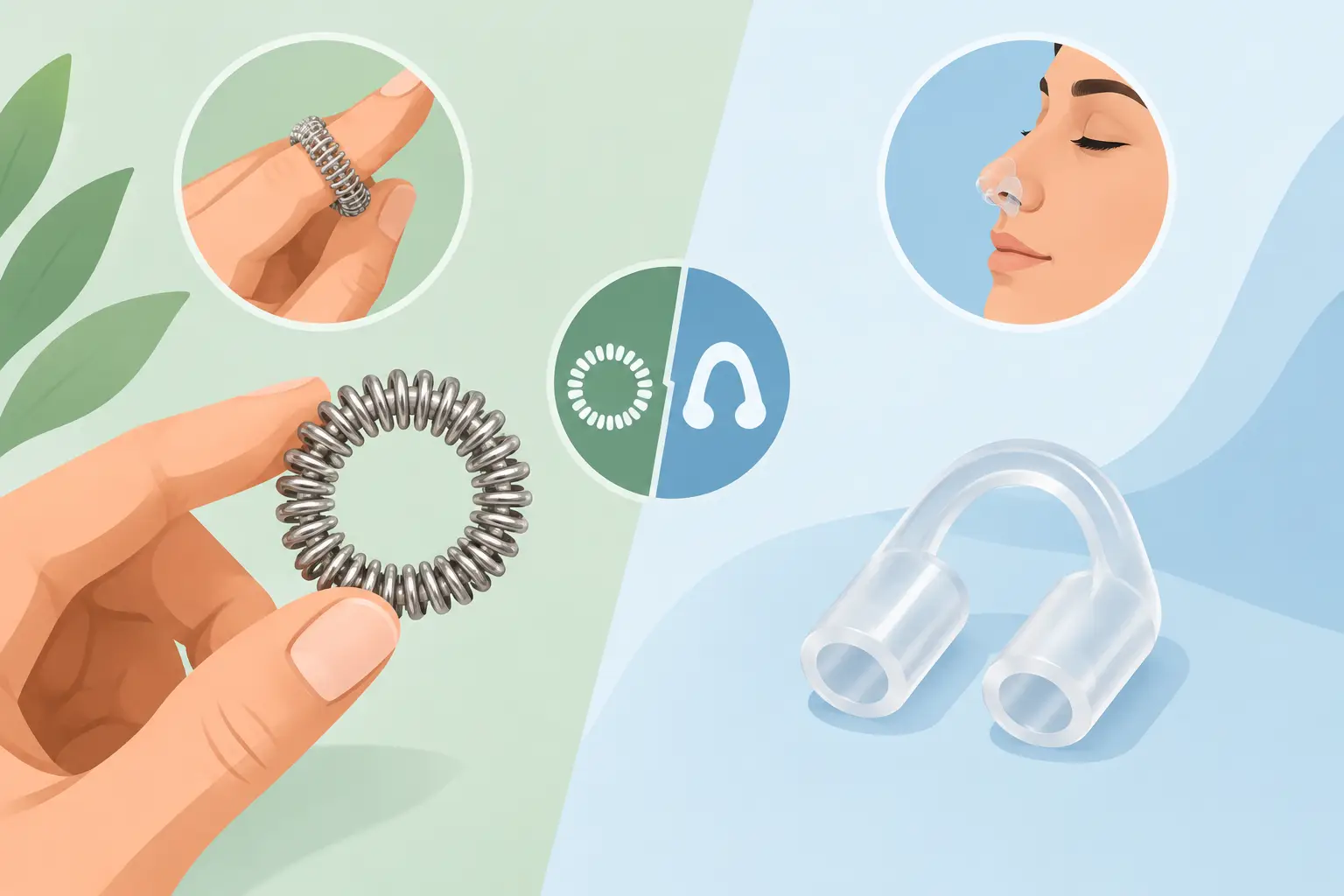
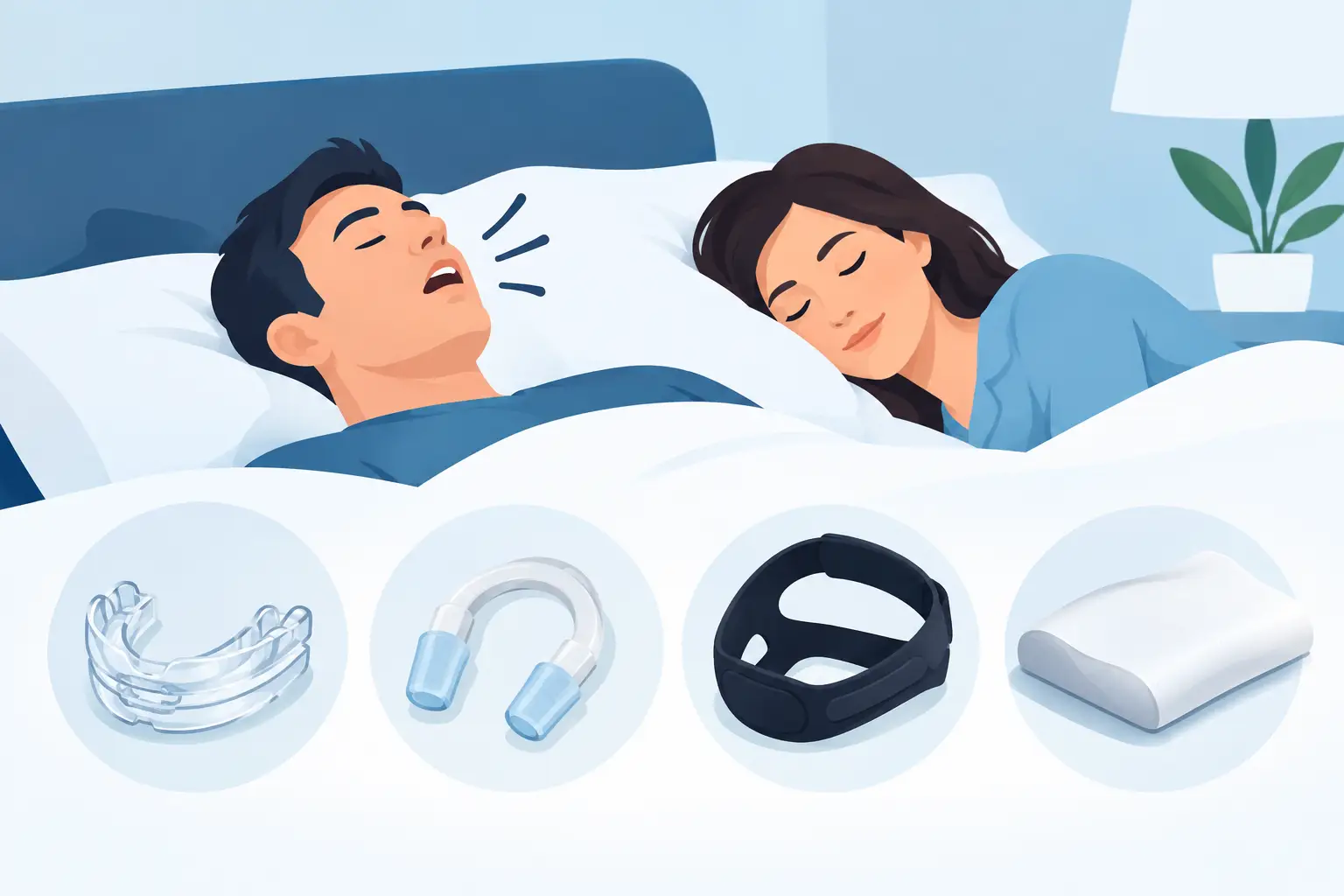
Many people come to snoring relief after trying methods that feel intrusive. Mandibular advancement devices can be effective for some people, but they may be awkward, require adjustment or cause jaw discomfort. Nasal products can be useful where congestion or nasal airflow is part of the problem, yet they may not address snoring that begins further back in the airway. Lifestyle changes such as reducing alcohol before bed or changing sleep position can make a meaningful difference, but they are not always enough on their own.
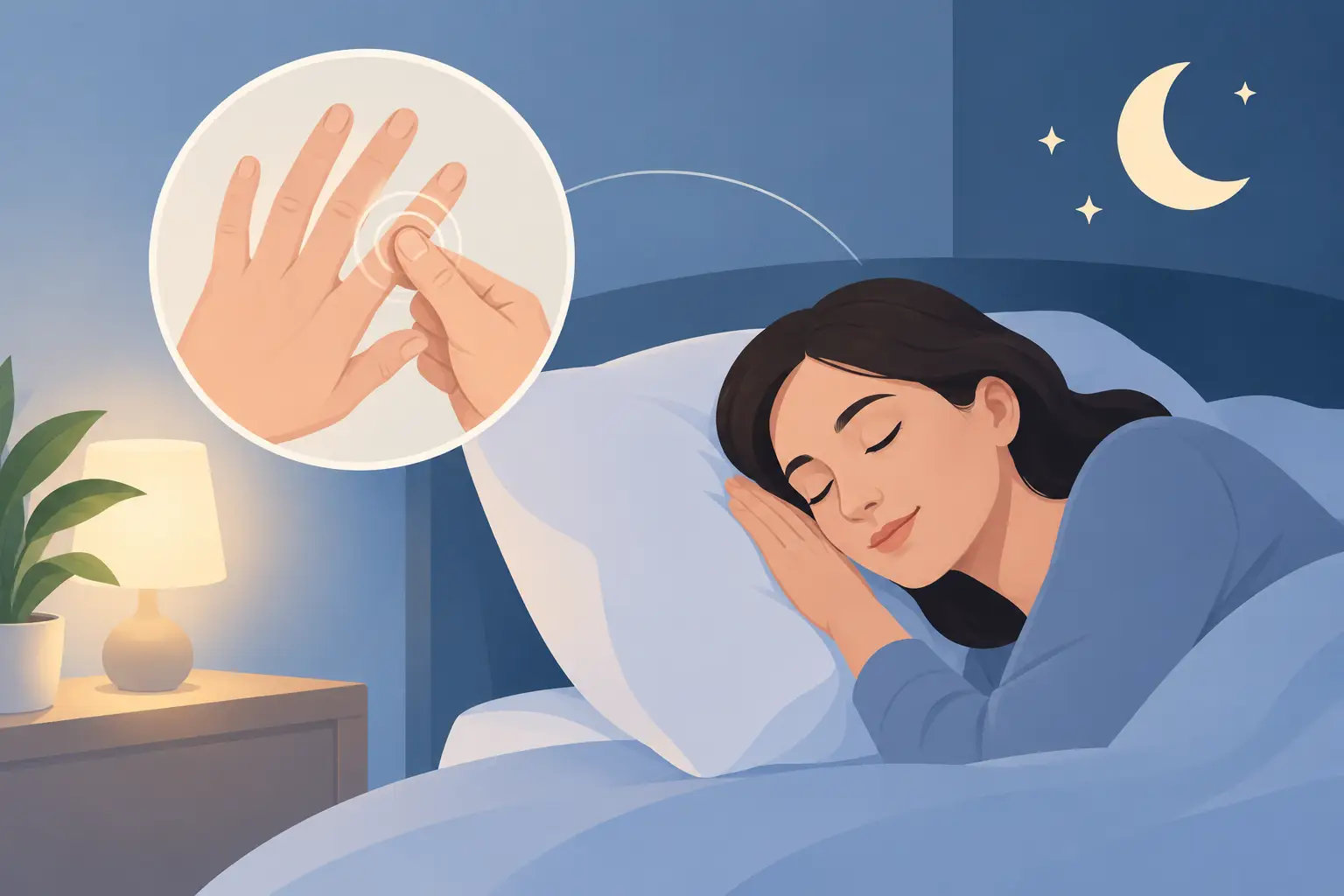
A small acupressure ring takes a different approach. The Good Night Anti-Snoring Ring is worn on the little finger at night and is designed to apply pressure to specific points, without medication, mouthpieces or noisy equipment. Its appeal is obvious for anyone who wants a discreet, non-invasive option. Still, the right question is not whether it sounds convenient. It is whether you will wear it correctly and comfortably for long enough to know if it helps your simple snoring.
A strong guarantee gives you room to answer that question at home rather than relying on advertising alone.
How to give an anti-snoring product a fair trial
Your trial should be consistent, not perfect. Try to use the product every night during the trial period, following its fitting and care instructions. Keep the rest of your routine reasonably stable where you can. If you use it only after a large meal, late-night drinks or an unusually stressful week, it will be harder to judge what is affecting your sleep.
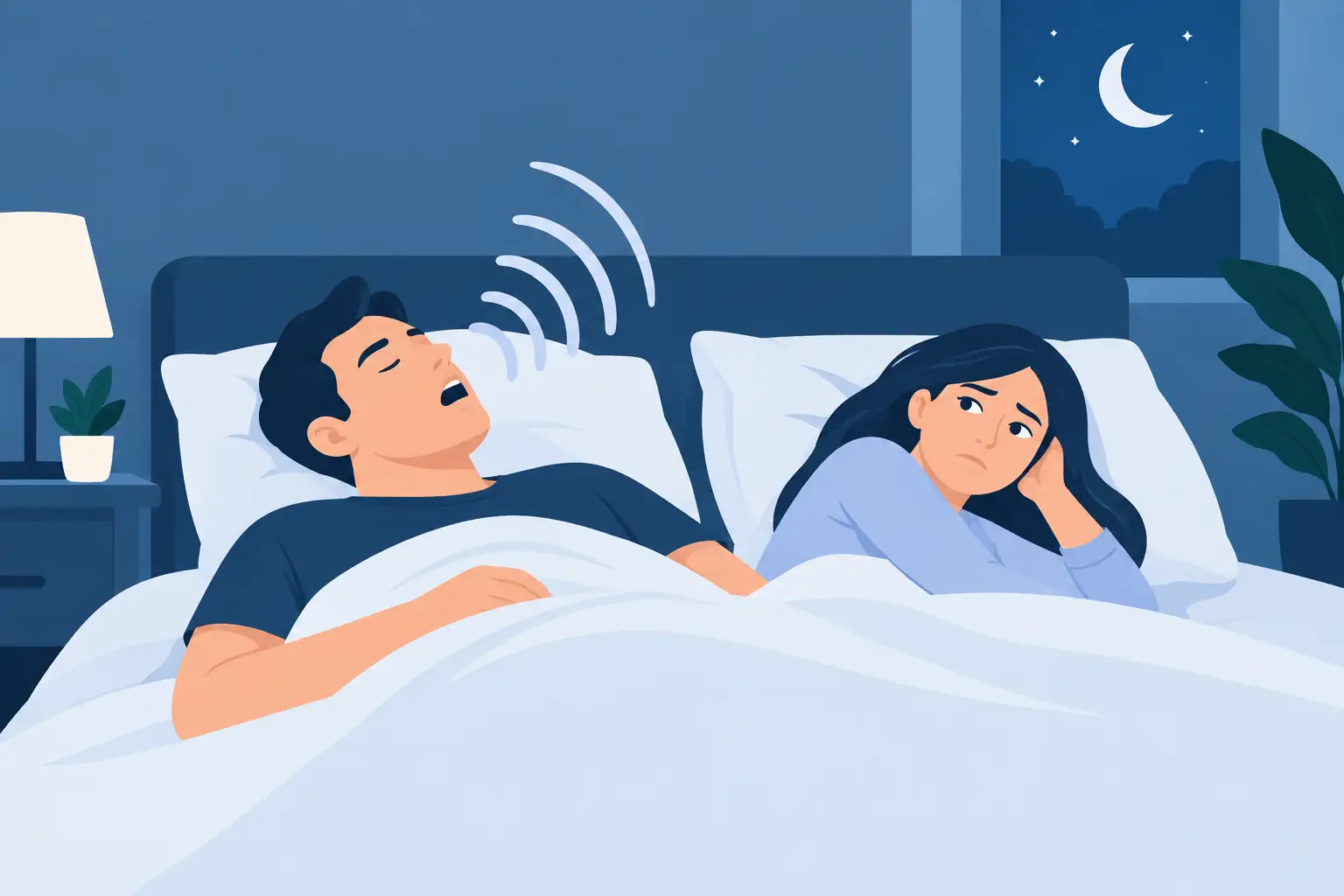
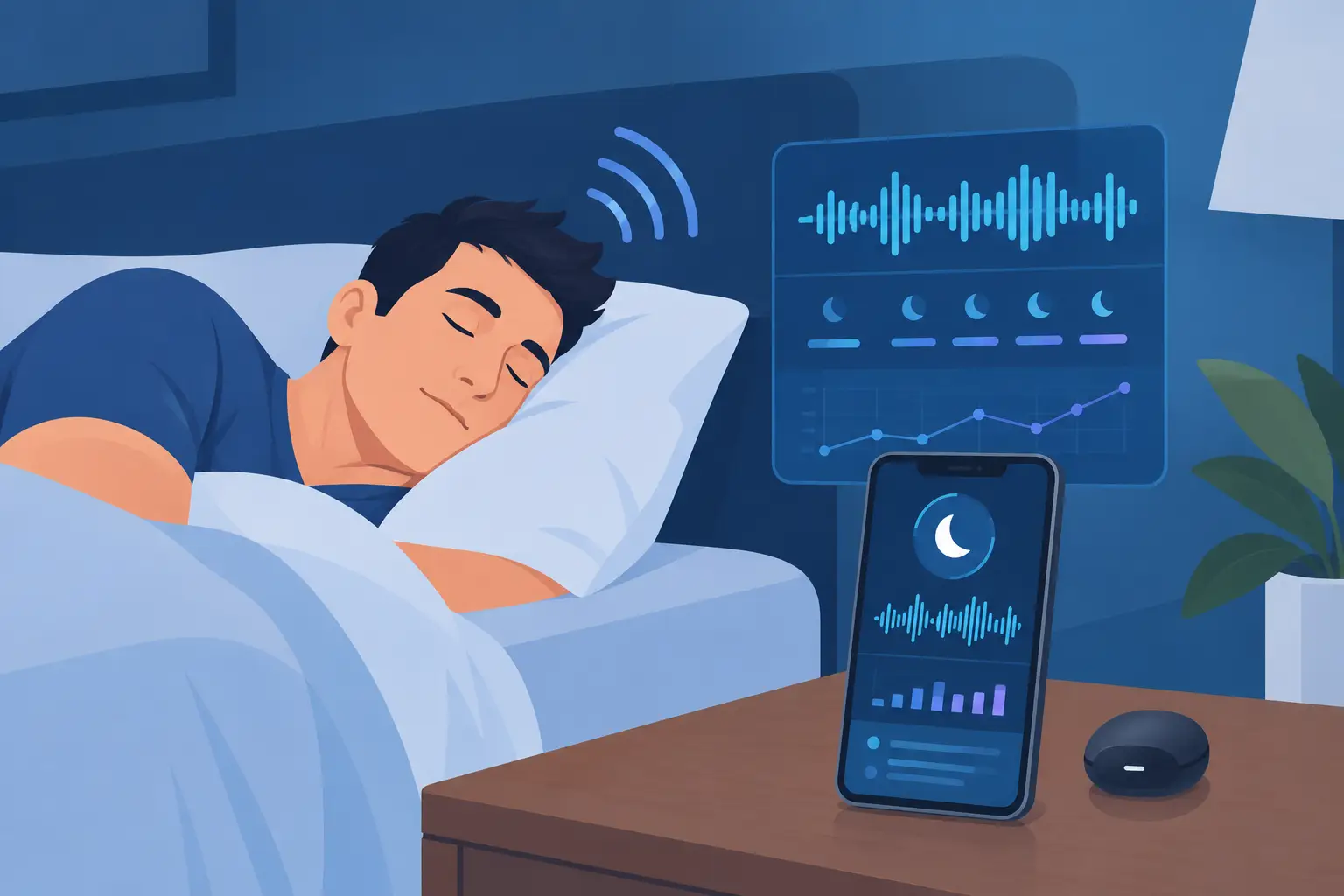
Ask your partner for practical feedback. Are they being woken less often? Does the snoring sound quieter, less frequent or shorter? Do they notice a difference when you sleep on your back compared with your side? Their observations can be more useful than a phone recording, particularly when the issue is not only volume but repeated disruption.
Notice your own mornings too. Better sleep may mean fewer dry-mouth mornings, less fatigue or a calmer start to the day. But be realistic: feeling exhausted despite a quieter night can point to an underlying issue that deserves medical attention.
There is no need to create a detailed sleep spreadsheet unless you find it helpful. A few brief notes across the first, second and final weeks can be enough. The aim is to compare ordinary nights, not to chase a dramatic result after every use.
Read the small print before you buy
Consumer protection begins before the parcel arrives. Read the return terms carefully and retain your order confirmation. Check whether the seller explains the condition for returns, any relevant hygiene requirements, the return process and whether delivery costs are refundable. Clear policies reduce friction for everyone.
Be cautious with sellers who rely on vague claims such as “guaranteed to stop snoring” without saying what happens if it does not. Be equally cautious of suspiciously cheap rings that imitate established designs while offering no clear trial, product information or customer support. A lower price is not a saving if the item is uncomfortable, unproven or impossible to return.
Originality matters here because the product behind the promise matters. A brand that has invested in clinical trials, product design and real customer support has more to lose by making careless claims. That does not make the product suitable for every snorer. It does make its guarantee more meaningful than a marketplace listing with no accountable seller behind it.
When a guarantee is not the answer
A refund policy is valuable, but it is not a substitute for medical assessment. Snoring can be a sign of obstructive sleep apnoea, a condition in which breathing repeatedly stops or becomes restricted during sleep. Seek advice from a GP if you or your partner notice pauses in breathing, gasping or choking during sleep, persistent daytime sleepiness, morning headaches, difficulty concentrating, or high blood pressure alongside heavy snoring.
You should also speak to a clinician if snoring has suddenly worsened, if it follows a significant change in health, or if you are concerned about a child’s breathing during sleep. No ring, strip or mouthpiece should be used to delay care where there are signs of a more serious breathing problem.
For simple snoring, however, a non-invasive product with a proper trial period can be a sensible place to start. It is low commitment, easy to build into a bedtime routine and does not ask you to take medication or sleep in unfamiliar equipment.
The confidence to try, without pressure
The best guarantee does not pressure you into believing that one product will transform every night. It gives you confidence to try a well-designed option honestly. You get time to see whether it is comfortable, whether it fits your routine and whether the person beside you finally gets a quieter night.
Choose evidence over exaggerated promises, clear terms over clever wording, and a solution you can realistically use. A peaceful bedroom is worth pursuing, but it should never require you to gamble on a claim you cannot test for yourself.