A snore can be anything from an occasional rasp after a glass of wine to a nightly noise that sends one partner to the spare room. Before buying another spray, mouthguard or gadget, it helps to understand what you are dealing with. Knowing how to assess simple snoring can help you choose a sensible next step, while making sure that a more serious sleep-breathing problem is not being overlooked.
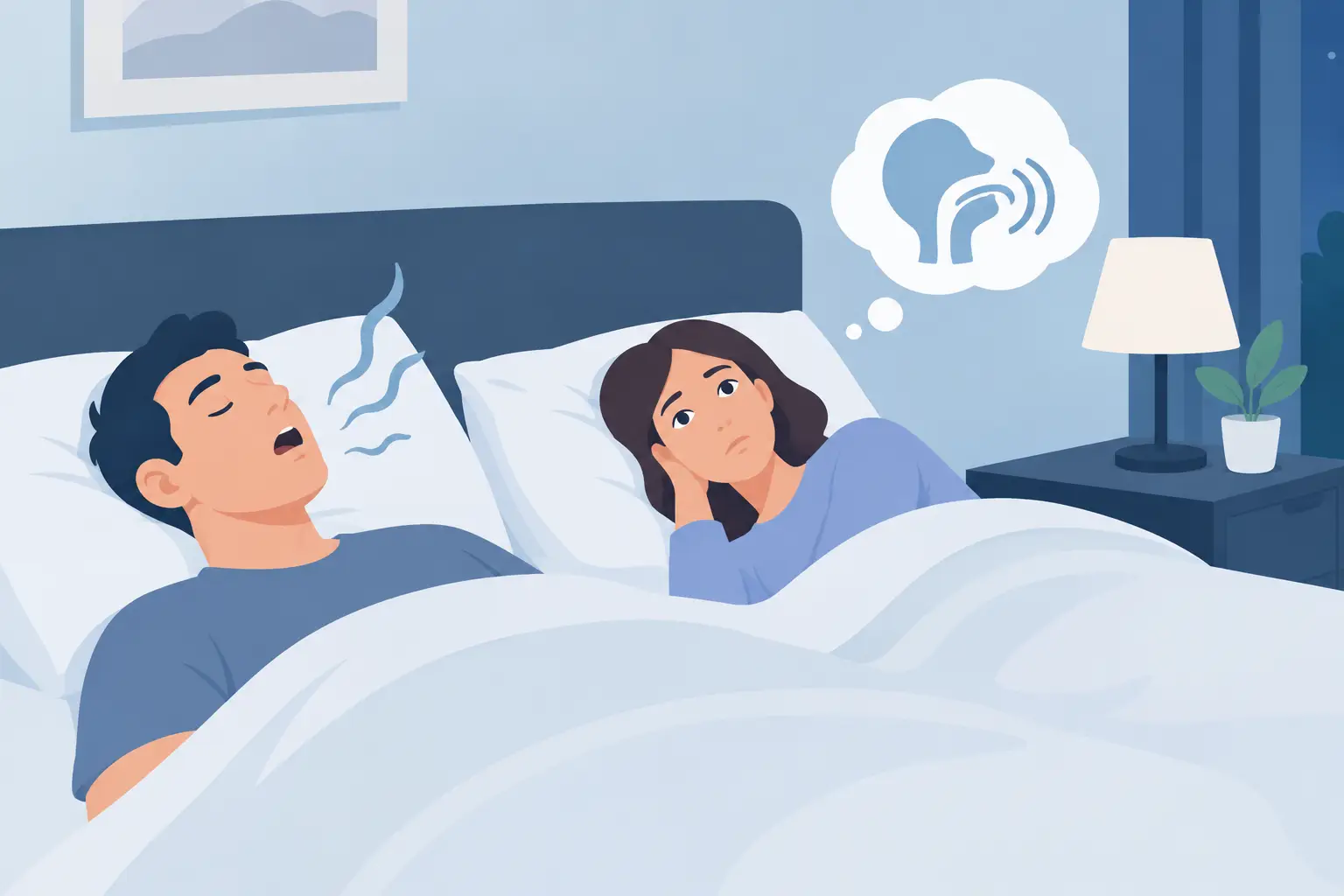
Simple snoring is common, and it is not a personal failing. It happens when air passes through relaxed tissues in the nose, mouth or throat during sleep, causing them to vibrate. The aim is not to diagnose yourself from one noisy night. It is to notice the pattern, identify likely triggers and know when to speak to a healthcare professional.
What counts as simple snoring?
Simple snoring is snoring without repeated breathing interruptions caused by obstructive sleep apnoea. It can be loud and disruptive, but the person who snores generally continues breathing normally and does not have significant daytime symptoms linked to poor oxygen levels or severely broken sleep.
That distinction matters. Many anti-snoring options are designed for simple snoring, not for treating sleep apnoea. If your snoring is part of a wider breathing issue, a ring, nasal product or positional change should never be used as a substitute for medical assessment.
A partner is often the best source of information here. Snorers rarely hear their own noise properly, and they may not realise how often it occurs, whether it changes with position, or whether there are pauses in breathing.
Start with a seven-night snoring check
One night is rarely representative. Colds, exhaustion, alcohol, allergies and an unusual sleeping position can all make snoring worse. A short diary over seven nights gives you a clearer picture without turning bedtime into a science experiment.
Ask your partner to note roughly when the snoring starts, whether it is light or loud, and whether it happens all night or in bursts. If you sleep alone, a phone recording app may help you identify patterns, although it cannot diagnose a condition. Make a note of your bedtime, wake-up time, alcohol intake, nasal congestion and whether you slept on your back or side.
You are looking for consistency. Snoring that appears mainly after alcohol, when you have a blocked nose, or when you sleep on your back is more likely to have clear lifestyle or positional triggers. Snoring that happens almost every night regardless of circumstances may need a more considered approach.
Questions worth asking your partner
A useful conversation is more revealing than simply asking, “Do I snore?” Ask whether the sound is steady or punctuated by quiet gaps, gasps, choking or snorting. Ask if you seem restless, sweat heavily at night, or wake frequently. It may feel awkward, but clear observations are far more useful than guesswork.
Also ask about the real impact. Is the snoring only noticeable in the early morning, or is it disturbing their sleep night after night? The right solution should improve sleep for both people, not merely make the sound slightly less irritating.
Look for the likely triggers
Simple snoring often has more than one cause. The tissues of the throat naturally relax during sleep, but certain factors make vibration more likely or more pronounced.
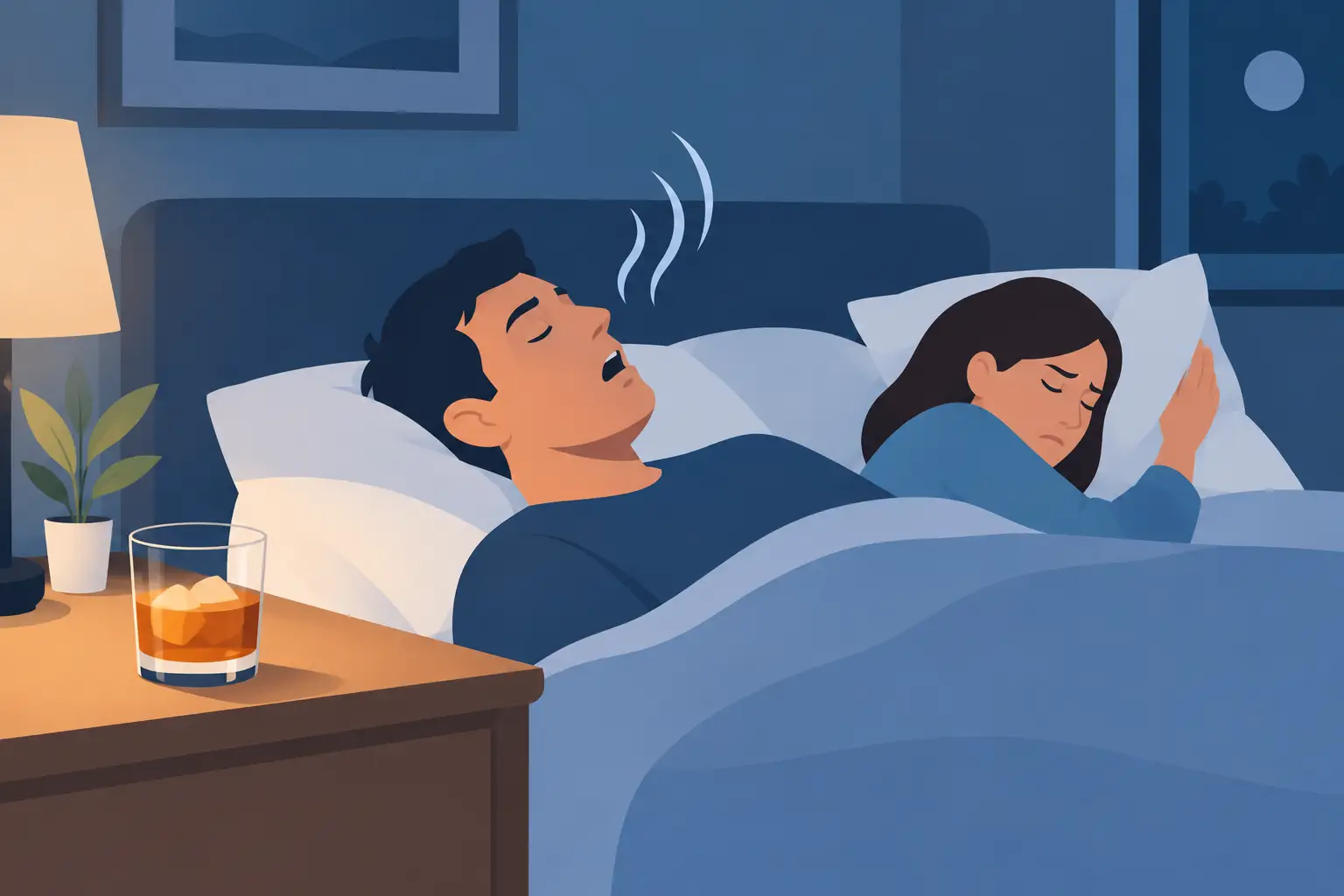
Nasal blockage is a common example. Seasonal allergies, a cold or irritation can force more air through the mouth. Alcohol close to bedtime can relax throat muscles further. Sedating medicines may have a similar effect, so do not stop prescribed medication without discussing it with the clinician who prescribed it.
Body position matters too. Back sleeping allows the tongue and soft tissues to fall backwards more easily, narrowing the airway. For some people, side sleeping makes a noticeable difference within a few nights. Being very overtired, smoking, reflux and weight changes can also contribute.
This is why a one-size-fits-all promise should make you cautious. A product or habit that helps a back sleeper with occasional throat vibration may not help someone whose main problem is severe nasal congestion. Honest assessment comes before treatment.
Warning signs that are not simple snoring
Simple snoring can be frustrating. Obstructive sleep apnoea can be serious. Arrange a GP appointment if you or your partner notice repeated pauses in breathing, choking or gasping during sleep, or if the snorer is unusually sleepy during the day despite allowing enough time for sleep.
Other signs worth discussing with a GP include waking with headaches, difficulty concentrating, waking with a dry mouth most mornings, low mood or irritability, high blood pressure, and waking frequently to pass urine. These symptoms do not prove sleep apnoea, but they justify proper assessment.
Seek urgent medical advice if breathing problems are severe or you are worried about immediate safety. Avoid driving if you are struggling to stay awake, particularly at the wheel. No at-home snoring test can safely rule out sleep apnoea when warning signs are present.
How to assess simple snoring before trying a solution
Once red flags have been considered, review your seven-night notes. If the snoring is steady rather than interrupted by pauses, linked to identifiable triggers, and not accompanied by major daytime sleepiness, it may be reasonable to try a simple, non-invasive measure.
Start with the lowest-effort changes that match the pattern. If congestion is clearly the issue, address the trigger and consider speaking to a pharmacist about suitable options. If back sleeping is the pattern, work on side sleeping. If alcohol worsens the noise, move it earlier in the evening or take a break from it and compare the result.
Then assess any anti-snoring product fairly. Use it as directed for several nights, not just once. Keep your usual bedtime routine as stable as possible, so you can tell whether the product is making a difference. Ask your partner to rate the snoring before and after, using the same simple scale each night: absent, mild, moderate or loud enough to wake them.
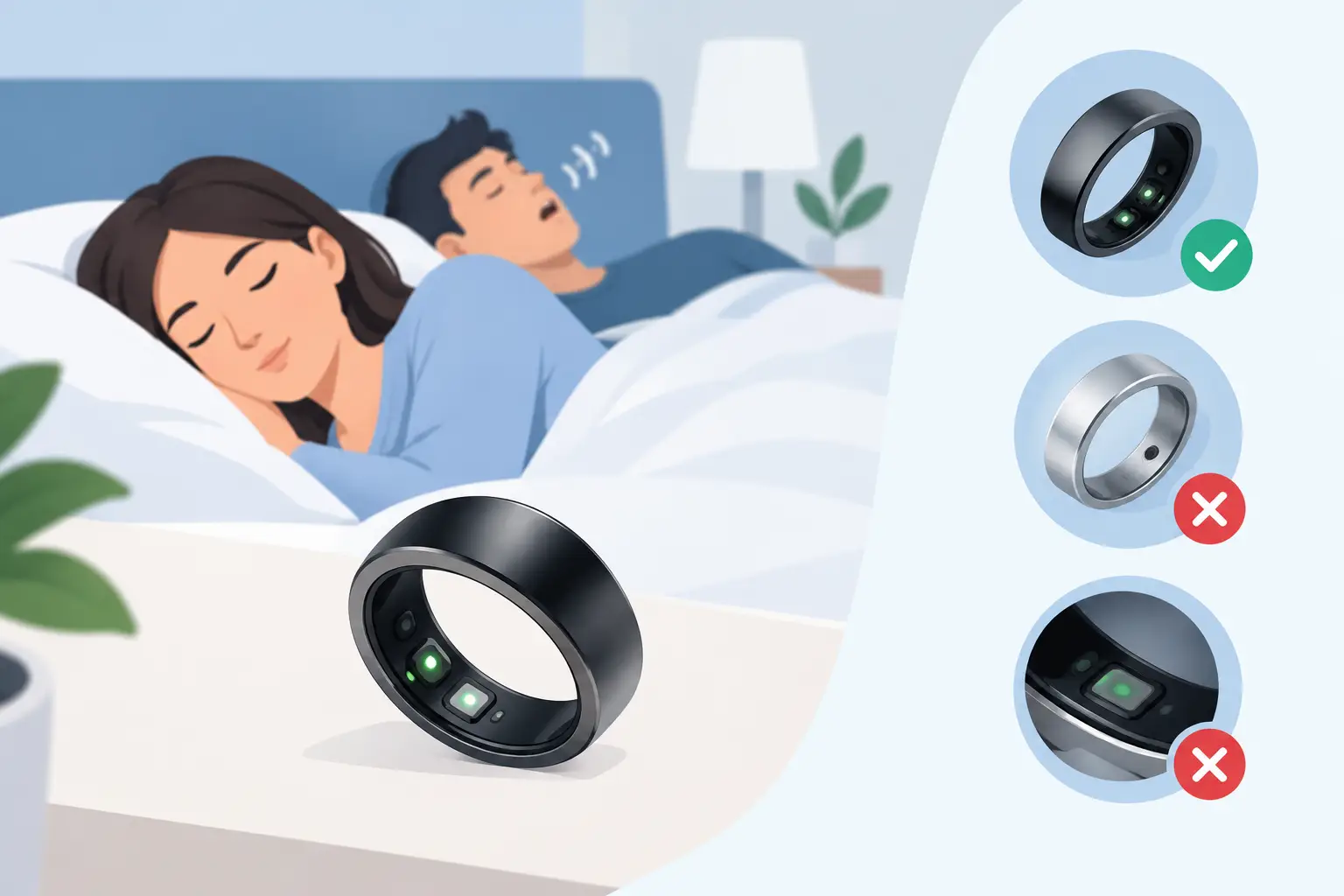
Comfort is not a minor detail. A treatment that is uncomfortable, bulky or difficult to use will often end up in a drawer. For people with simple snoring who want a discreet alternative to mouthpieces and medication, the Good Night Anti-Snoring Ring is designed as a non-invasive acupressure wearable for the little finger. As with any snoring remedy, results vary, so a clear trial period and a money-back guarantee give you a more sensible way to judge whether it works for you.
Decide what “working” actually means
Success does not have to mean total silence from the first night. A worthwhile result might be fewer loud episodes, less frequent nudging from your partner, or both of you waking feeling less disrupted. Give the approach enough time to show a pattern, while being honest if there is no meaningful change.
If a simple approach does not help after a reasonable trial, do not keep stacking remedies blindly. Revisit the signs, discuss the issue with your GP or dentist where appropriate, and consider whether nasal obstruction, jaw position or sleep apnoea needs investigating.
Better nights often begin with a straightforward observation: when does the snoring happen, what changes it, and are there any warning signs? Answer those questions first, then choose the gentlest solution that genuinely fits your sleep.