Blog
Single Post
Does a Natural Wearable for Snoring Relief Work?
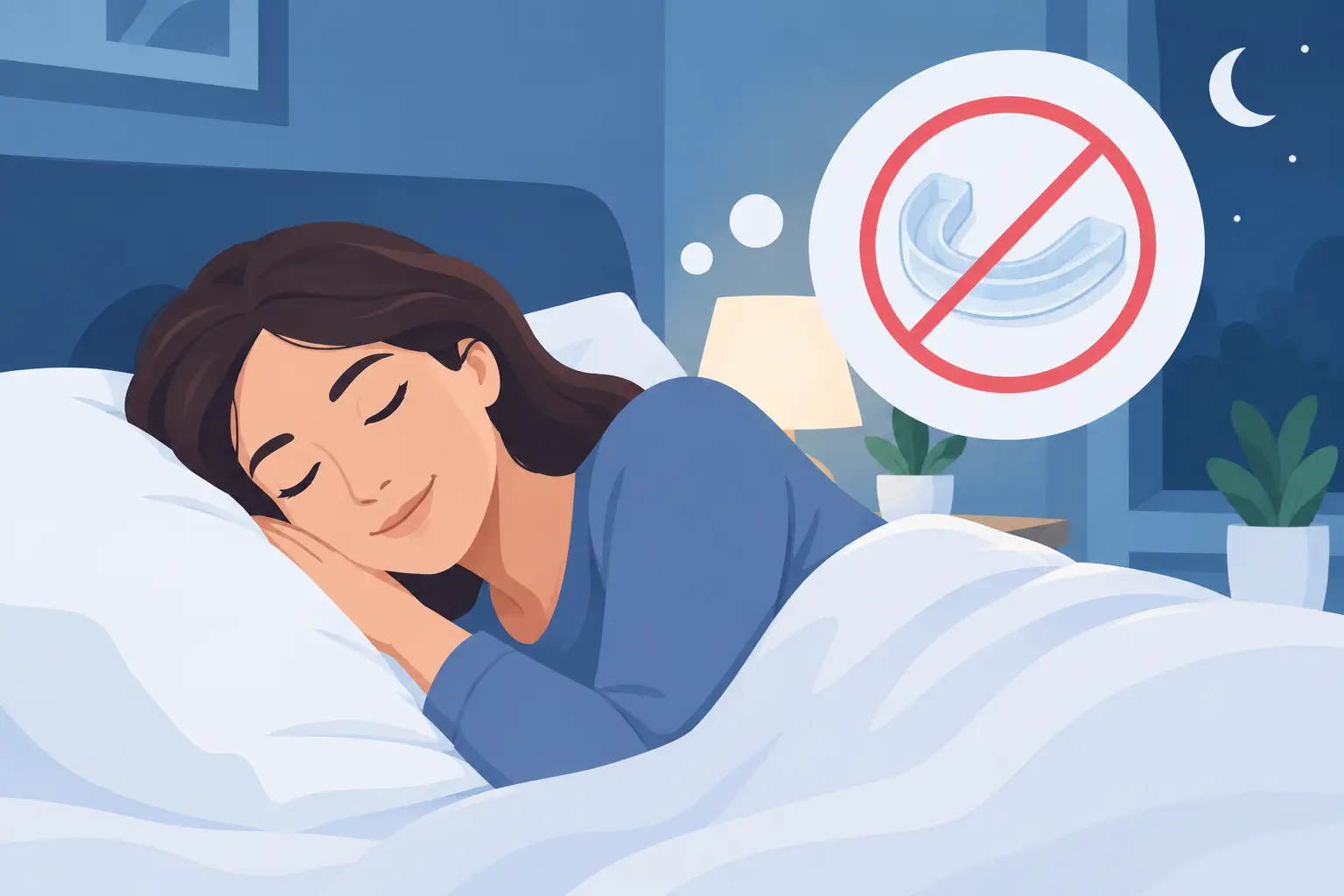
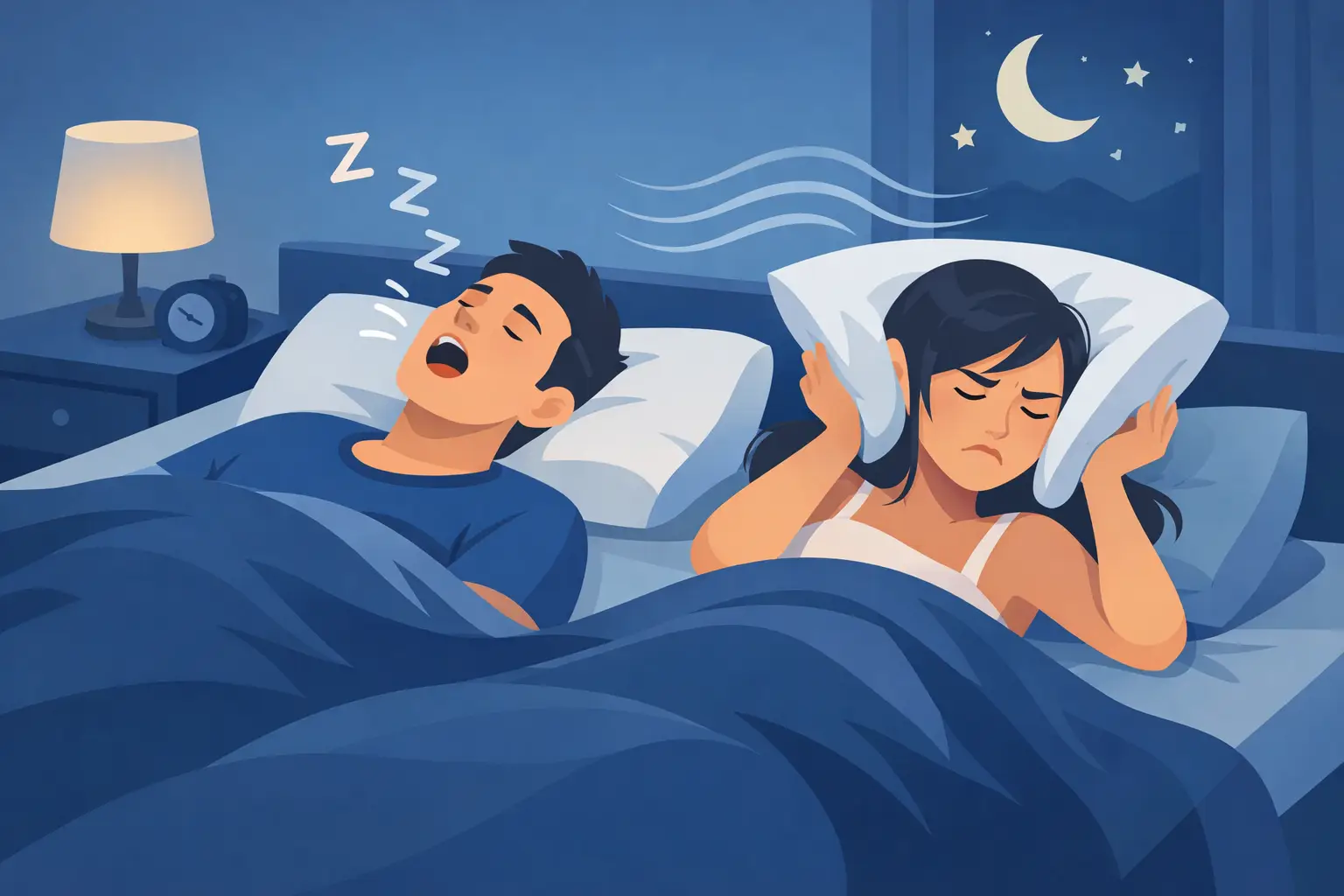
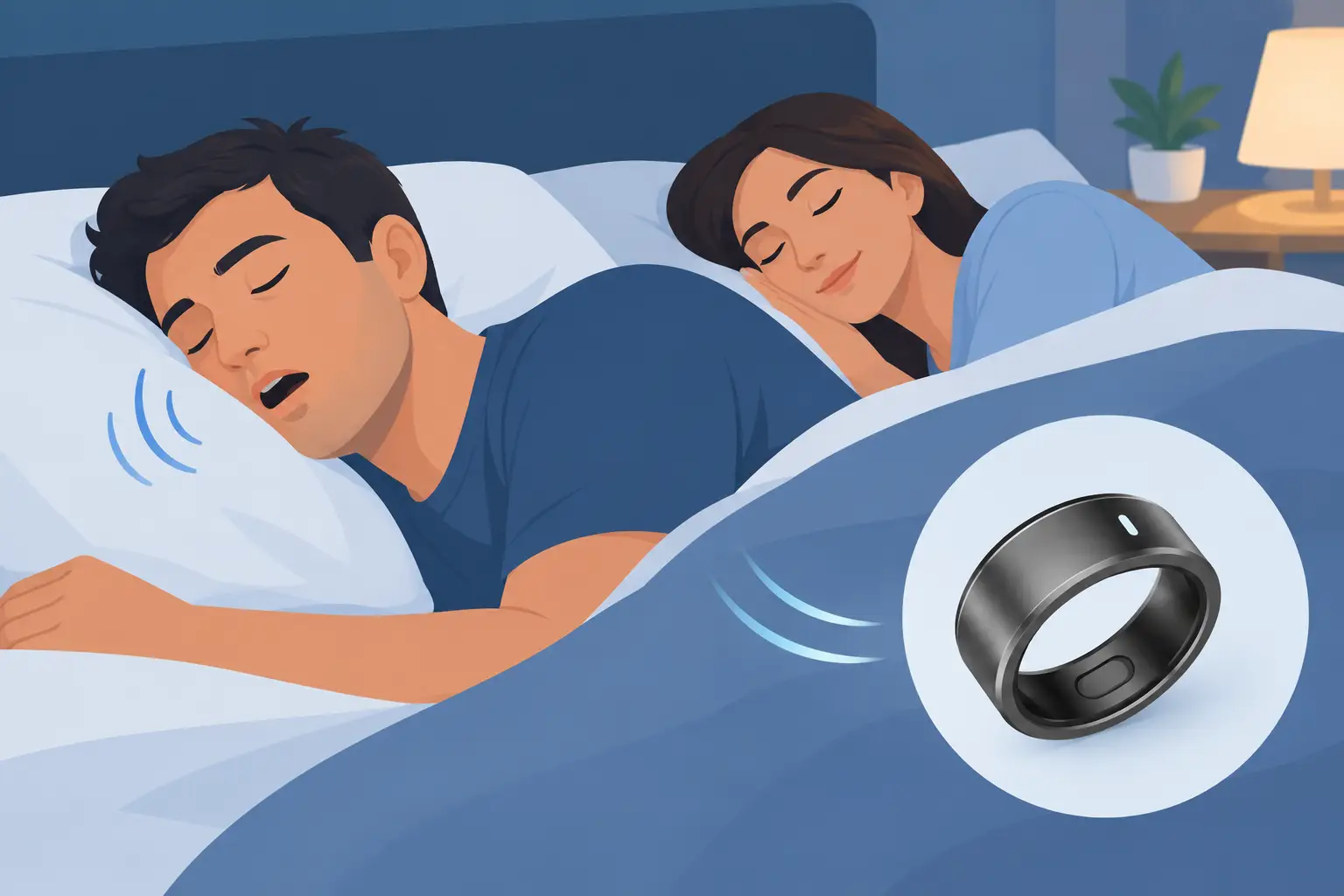
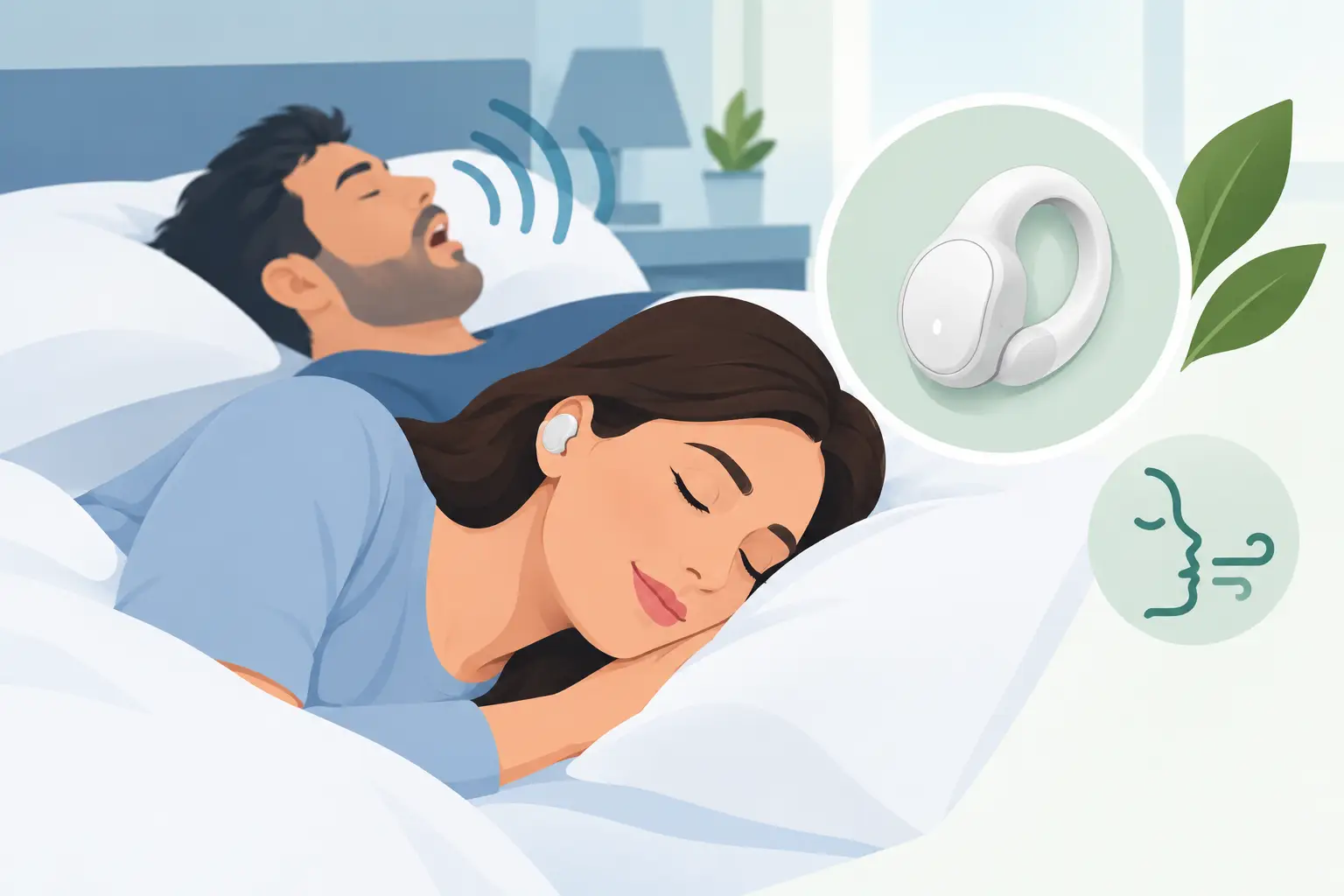
A snorer rarely hears the full story. Their partner does – the nudge at 2am, the move to the spare room, the tired temper the next day. If you have tried nasal strips, mouthpieces or simply putting up with it, a natural wearable for snoring relief can sound almost too simple. Yet simplicity is precisely the appeal when the alternative is medication, a bulky device or another disrupted night.
A small acupressure ring is designed to make snoring relief part of your bedtime routine, not a project you have to manage all night. It is discreet, non-invasive and easy to take away for a weekend or holiday. But it is also worth being clear about what it can and cannot do: a wearable may help with simple snoring, but it is not a substitute for medical assessment where there are signs of sleep apnoea.
What is a natural wearable for snoring relief?
A natural snoring wearable is a device worn while you sleep that aims to reduce snoring without drugs, sprays or invasive treatment. Acupressure rings are among the most straightforward options. They sit on the little finger and apply gentle, continuous pressure to specific points associated with breathing and relaxation.
The principle is rooted in acupressure: stimulation of particular points is used to support the body’s natural responses. Rather than forcing the jaw forward, sealing the mouth or pumping air through a mask, the ring works quietly in the background. There is no battery to charge, no adhesive to replace and no complicated fitting process.
That does not mean every ring is the same. Material quality, pressure-point placement, fit and the evidence behind the product all matter. A poorly made imitation may be cheap, but it may not deliver consistent pressure or be comfortable enough to wear through the night.
Why couples choose a ring over conventional remedies
Many snoring remedies ask a lot of the person wearing them. Mouthguards can feel large and restrictive. Nasal products may only help when congestion is the main issue. Lifestyle changes such as reducing alcohol or losing weight can be valuable, but they take time and do not always solve the immediate problem of a partner losing sleep.
A ring offers a different starting point. You put it on before bed and get on with your night. For people who dislike the idea of medication or cannot tolerate a mouthpiece, that low-effort routine can make a real difference to whether they stick with a solution.
Comfort matters more than it first appears. A remedy only has a chance to help if it is worn consistently. The best natural option is not necessarily the most elaborate one. It is the one that fits properly, feels manageable and becomes as ordinary as putting on your pyjamas.
There is also the question of discretion. Snoring can be embarrassing, particularly when travelling, sharing a room with family or beginning a new relationship. A small ring does not announce itself. It gives people a private way to address a very public-sounding problem.
How an acupressure ring is intended to help
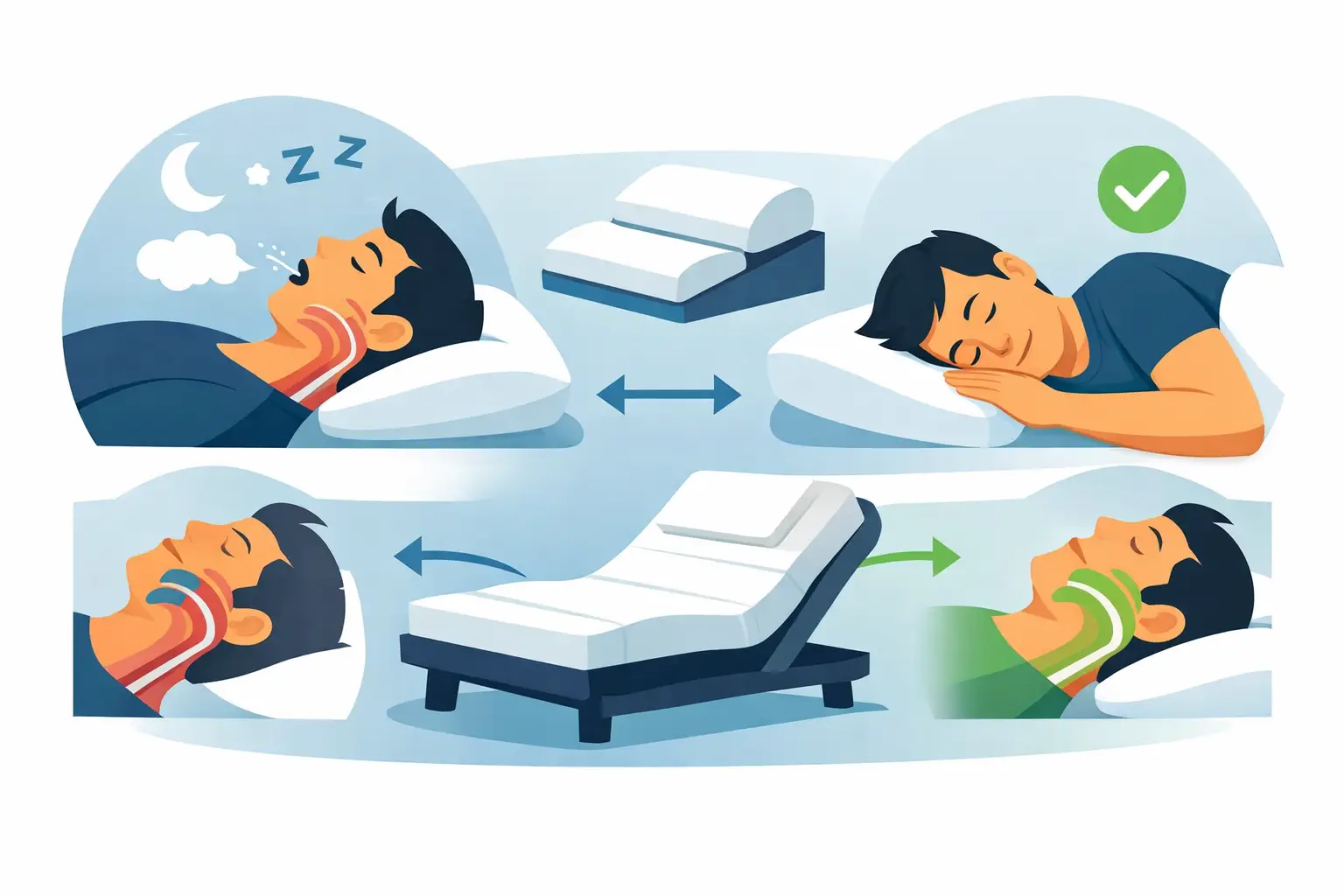
Simple snoring happens when soft tissues in the upper airway vibrate as air passes through during sleep. It can become more noticeable with nasal congestion, alcohol, fatigue, sleeping on your back or natural changes in muscle tone overnight. An acupressure ring is intended to support quieter breathing by stimulating points on the little finger throughout the night.
Results vary because snoring has more than one cause. Someone whose snoring is worsened by occasional congestion may have a different experience from someone whose snoring is strongly linked to their sleep position, weight or anatomy. This is why honest snoring relief should never promise that one product works for every person, every night.
The Good Night Anti-Snoring Ring is the original stop snoring ring, designed as a clinically trialled, non-invasive option for simple snoring. It is made for people who want to try a natural approach before committing to uncomfortable equipment or drug-based solutions. The aim is practical: fewer noisy nights, more restful sleep and less resentment building between partners.
Getting the best chance of a quieter night
A ring should fit snugly enough to maintain contact with the intended pressure points, without pinching, numbness or discomfort. Follow the sizing guidance carefully and wear it on the specified little finger. If it feels painful or leaves persistent marks, remove it and reassess the fit rather than trying to endure it.
Give any natural wearable a fair trial. Snoring can fluctuate from night to night, so judging it after one unusually late evening, a glass of wine or a head cold will not give you the clearest picture. Partners are often the best judges of change, particularly if they can notice whether the volume, frequency or duration of snoring has reduced over several nights.
It also helps to remove the common triggers that are within your control. A lighter evening, sleeping on your side and treating temporary nasal congestion may support better results. These are not complicated rules or a promise of a cure. They are sensible ways to avoid asking any anti-snoring product to overcome every possible trigger at once.
When a snoring ring may not be the right answer
Snoring is common, but loud snoring can sometimes be a sign of obstructive sleep apnoea. This condition involves repeated interruptions to breathing during sleep and needs professional advice, not trial-and-error shopping.
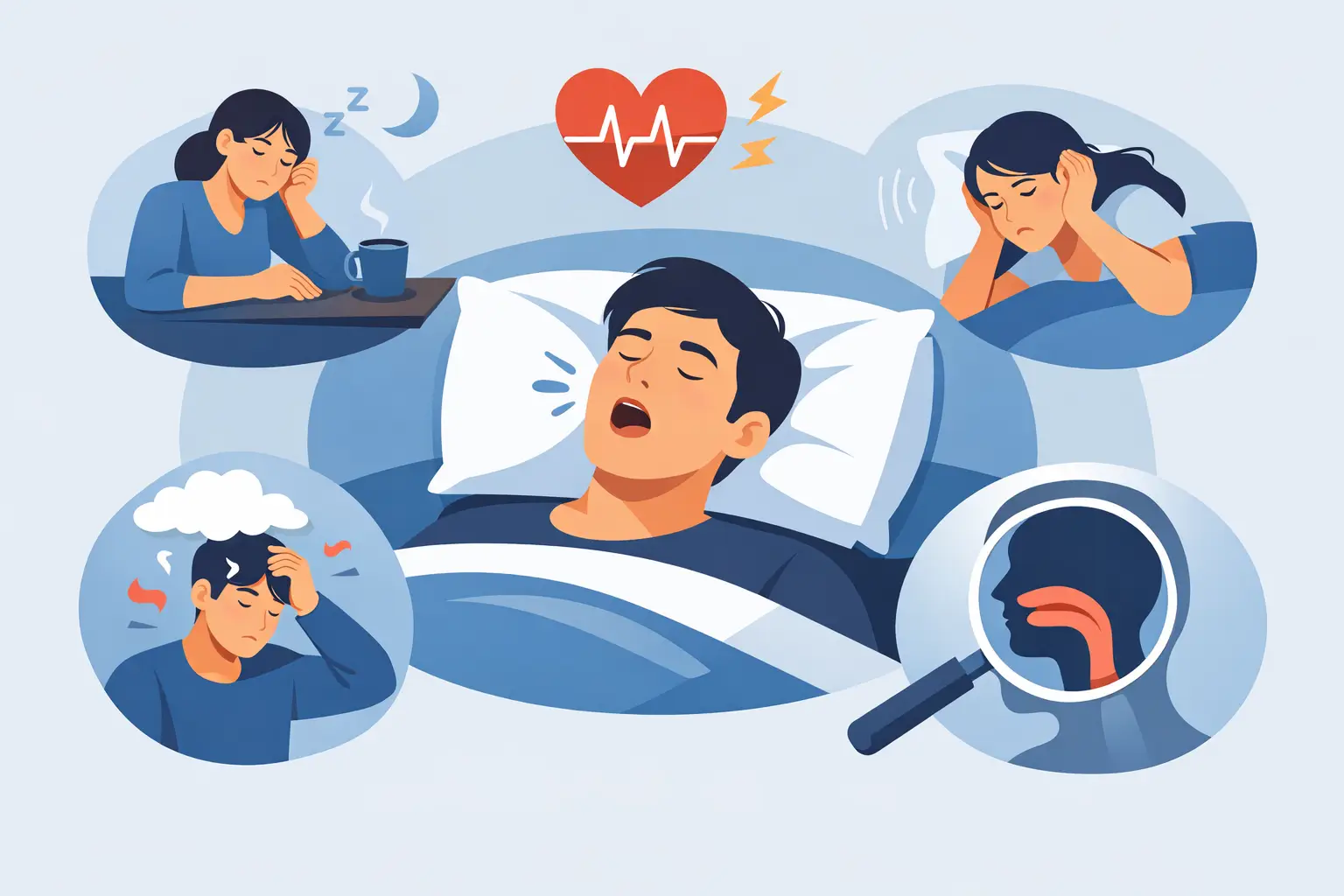
Speak to a GP if you or your partner notices breathing pauses, choking or gasping during sleep, severe daytime sleepiness, morning headaches, or difficulty concentrating that is affecting daily life. High blood pressure and persistent exhaustion are also worth discussing. A natural wearable may be suitable for uncomplicated snoring, but it should not delay assessment when the signs point to something more serious.
Pregnancy, existing health conditions and sleep problems with an unclear cause are further reasons to seek personalised advice. The sensible approach is not to be alarmed by every snore. It is to recognise the difference between ordinary snoring and symptoms that deserve proper attention.
What to look for before you buy
The anti-snoring market is crowded with bold claims and lookalike products. A low price can be tempting when you are tired and frustrated, but it may cost more if the item is uncomfortable, poorly fitted or unsupported by credible evidence.
Look for a clear explanation of how the wearable works, what type of snoring it is designed for and how it should be worn. Check whether the company can point to clinical trials rather than relying only on vague promises. A proper money-back guarantee matters too. It shows that the seller understands results differ from person to person and gives you room to assess the product at home.
Be cautious of claims that suggest a ring can treat sleep apnoea, guarantee a cure or work instantly for everyone. Credible brands are confident about their product while still being honest about its limits. That balance protects you from spending money on false certainty.
A small change can protect more than sleep
The value of quieter nights is not limited to the snorer. It can mean a partner no longer lies awake counting the minutes, fewer arguments fuelled by fatigue and a better chance for both people to wake feeling like themselves. For a problem that often becomes normalised in a relationship, trying a comfortable, natural wearable is a practical first step.
Choose carefully, wear it correctly and give it a reasonable trial. If simple snoring is the issue, a discreet acupressure ring may be the small bedtime change that lets both sides of the bed rest more easily.