Blog
Single Post
How Snoring Causes Partner Sleep Disruption
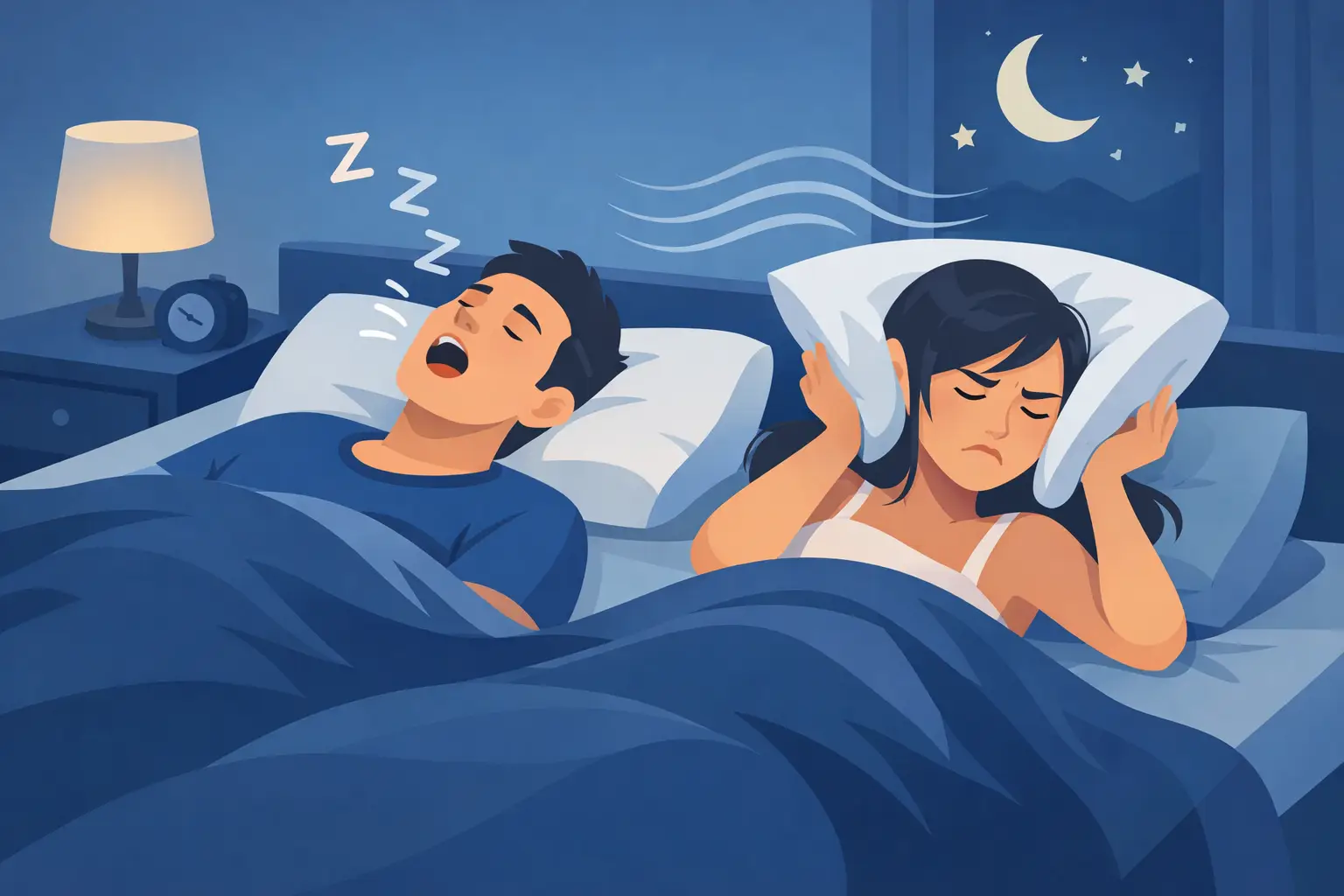
The phrase partner sleep disruption snoring may sound clinical, but the reality is painfully familiar: one person finally drops off, the other begins to snore, and both wake up tired. For the partner lying awake, it is not simply an irritating noise. It can mean broken sleep, resentment at 3am, separate bedrooms and a relationship that starts to feel organised around exhaustion.
Snoring is common, but living with regular sleep disruption should not be treated as something you simply have to put up with. There are practical steps that can protect both people’s rest – and clear signs that it is time to look more closely at what is causing the snoring.
How snoring causes partner sleep disruption
A snorer may have little memory of the night. Their partner often remembers every detail: the first rumble, the sudden louder burst just as they were drifting off, and the long stretches spent staring at the ceiling. Even brief noise-related awakenings can interrupt the natural rhythm of sleep.
That matters because sleep is not only about the number of hours spent in bed. You need enough uninterrupted time in deeper stages of sleep to wake feeling restored. When snoring repeatedly pulls a partner into lighter sleep or wakes them fully, they may feel foggy, irritable and less able to concentrate the following day, even if they technically spent eight hours in bed.
The impact can build quietly. One partner starts going to bed later to avoid listening for the noise. The other feels guilty or defensive when the subject comes up. Couples may sleep apart occasionally, then more often. Separate sleeping arrangements can be the right short-term choice for some people, but they should be a practical decision, not the only answer because no one has addressed the snoring itself.
Start with the kind of snoring you are hearing
Not all snoring has the same cause, so not every remedy will suit every person. Simple snoring often happens when relaxed tissues in the throat vibrate as air passes through during sleep. It can be made worse by sleeping on the back, nasal congestion, alcohol in the evening, smoking, being overtired or carrying excess weight.
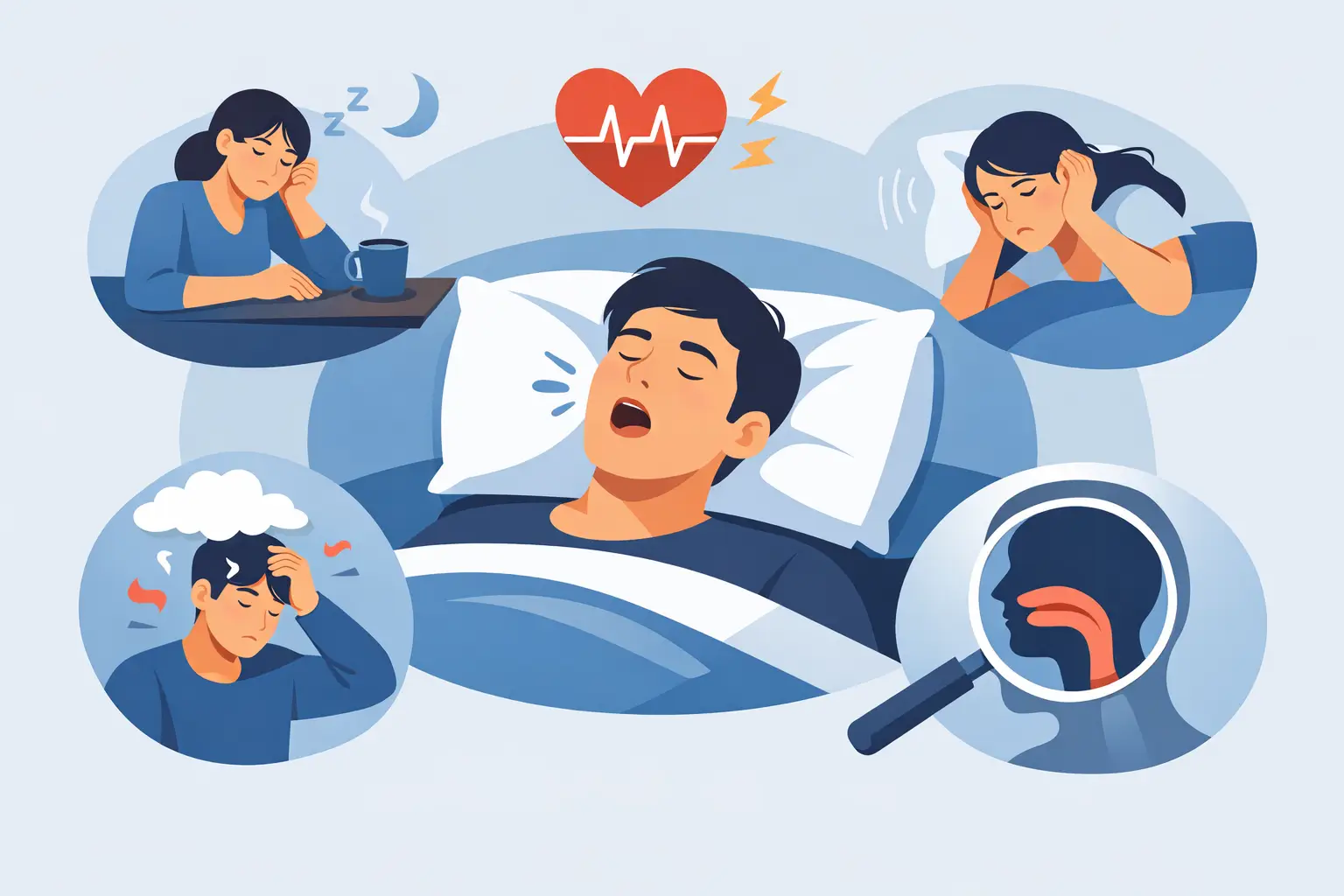
Some snoring needs medical attention. If you notice repeated pauses in breathing, gasping, choking, loud snorts after silence, or severe daytime sleepiness, encourage your partner to speak to a GP. These can be signs of obstructive sleep apnoea, a condition that should not be managed with a general anti-snoring product alone. The same applies if snoring has suddenly become much worse, or if it is accompanied by morning headaches, high blood pressure or difficulty staying awake during the day.
This distinction is not designed to alarm you. It is about choosing the right next step. A simple, comfortable remedy may be a sensible option for uncomplicated snoring. Suspected sleep apnoea deserves proper assessment.
Have the conversation before bedtime
Few conversations go well when one person has been awake for two hours and the other has just been nudged awake for the fourth time. Raise the subject during the day, when neither of you is exhausted. Be specific about the effect rather than making it a character judgement.
Try saying that the snoring is affecting your sleep and that you want to find a solution together. Avoid framing it as something your partner is doing deliberately or something they should feel ashamed of. Most snorers do not know how disruptive the sound is because they are asleep when it happens.
It also helps to agree on a trial period. Rather than buying several products, changing every habit at once and hoping for the best, choose one or two realistic changes and give them enough nights to show whether they help. A simple note of bedtime, alcohol intake, sleeping position and how often the partner woke can reveal useful patterns without turning the bedroom into a laboratory.
Practical changes worth trying first
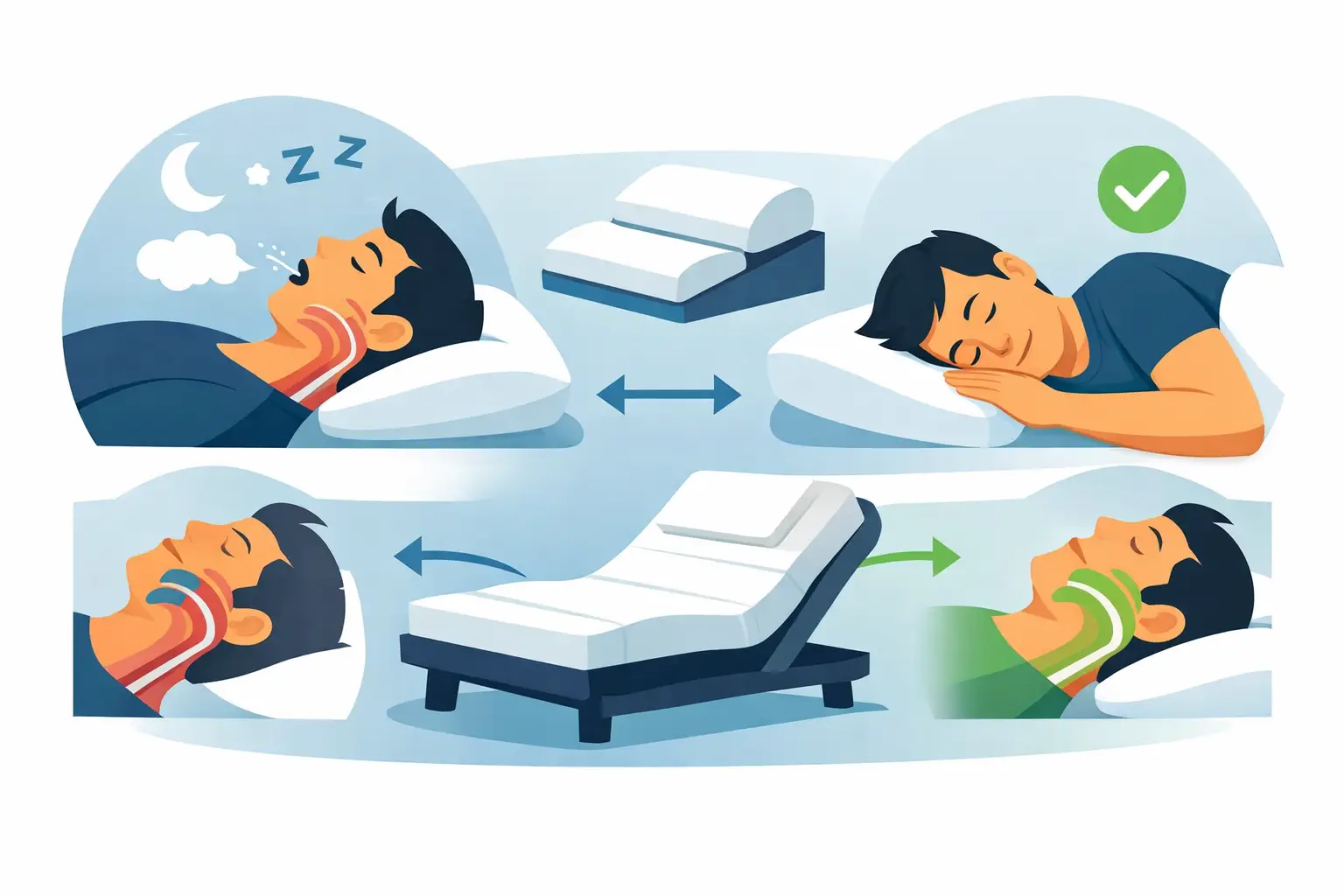
Sleeping position is often the most straightforward place to begin. Back sleeping can allow the tongue and soft tissues to fall backwards, narrowing the airway and increasing vibration. Side sleeping may reduce snoring for some people, especially when it is position-related. A supportive pillow or a gentle prompt to stay on the side can be enough, although it will not solve every case.
Look at the evening routine too. Alcohol can relax throat muscles and make snoring louder, particularly when consumed close to bedtime. A few alcohol-free nights, or finishing drinks earlier, is a fair test. Treating nasal congestion may also help when a blocked nose is forcing mouth breathing. If allergies are a regular issue, a pharmacist or GP can advise on suitable options.
General health changes can make a meaningful difference over time. Regular movement, stopping smoking and weight management may reduce snoring for some people, but they are not instant fixes and should not be presented as blame. The immediate goal is better sleep for both of you while you work out what is actually effective.
Choose a remedy you will genuinely use
The anti-snoring market is full of dramatic promises and uncomfortable-looking devices. Mouthguards, chin straps, nasal products and electronic gadgets all have their place, but comfort and consistency matter. A solution that is left in a drawer after three nights cannot improve anyone’s sleep.
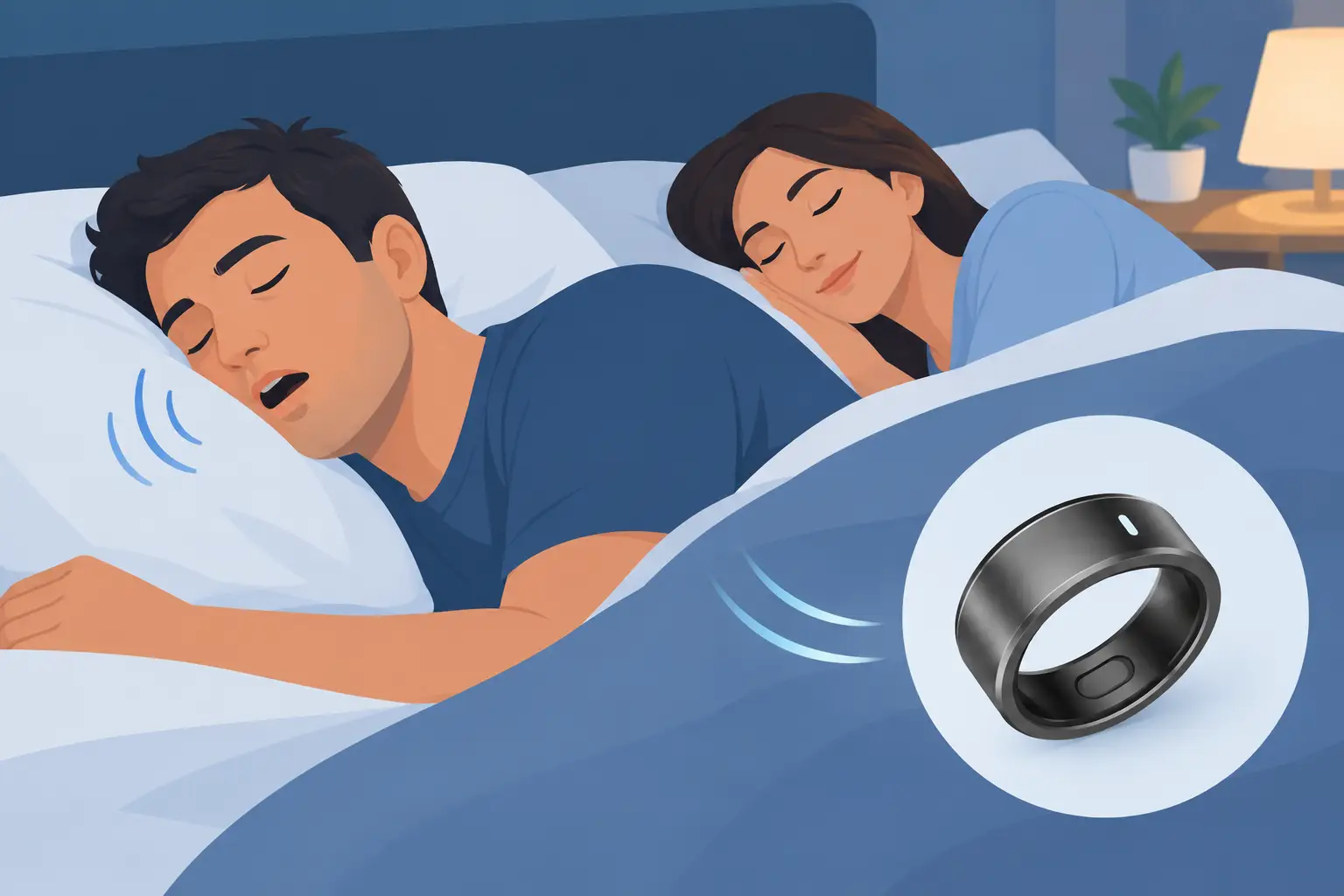
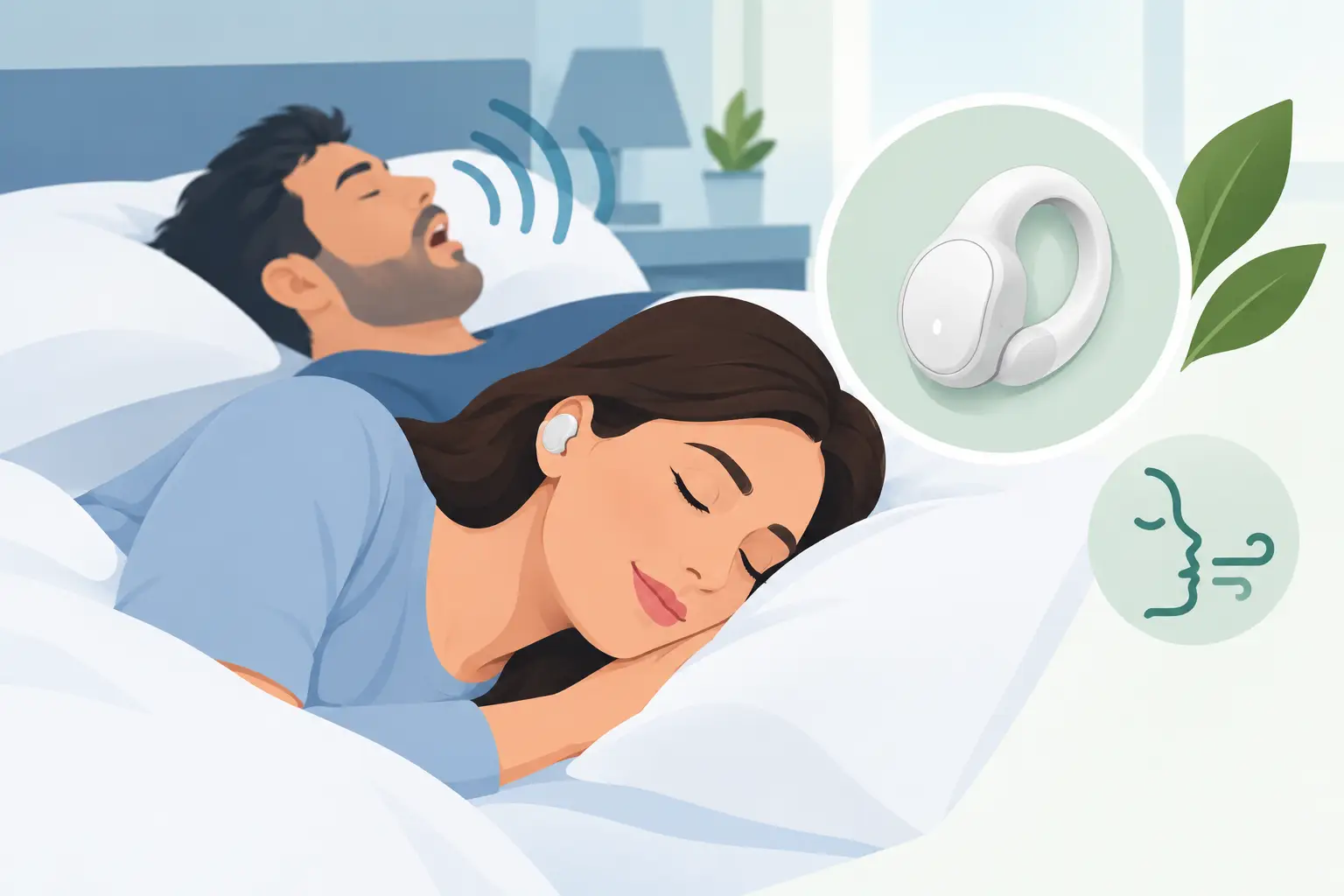
For people with simple snoring who want to avoid bulky equipment or medication, an acupressure ring can be a discreet alternative. The Good Night Anti-Snoring Ring is designed to apply pressure to specific points on the little finger during sleep. It is the original clinically trialled stop snoring ring, but it is also honest about the fact that no anti-snoring solution works for everyone.
That honesty should guide any purchase. Be wary of cheap copycat products and claims that guarantee a cure for every type of snoring. Look for a clear explanation of what the product is designed to address, credible evidence behind it and a proper money-back guarantee. A low-risk trial is more useful than a cupboard full of devices that promised everything.
Protect the partner’s sleep while you test solutions
Finding the right answer can take a little time. During that period, it is reasonable to use temporary measures that help the non-snoring partner recover. Soft earplugs can reduce noise for some people, though they may not be suitable if you need to hear children, alarms or other important sounds. White noise can mask uneven sounds better than silence does, but it will not suit everyone.
A planned night in another room can be kinder than an angry midnight retreat. The key word is planned. If one partner needs a full night before an early meeting, a long drive or an important day, protect that sleep without making it feel like punishment. Many couples find that taking the pressure off for a night makes it easier to work together on a longer-term solution.
Keep the bedroom conditions supportive too. A cool, dark room, a consistent bedtime and less late-night scrolling will not stop snoring on their own, but they can make it easier for both of you to return to sleep after a disturbance.
When separate bedrooms help – and when they hide the problem
There is no universal rule that couples must sleep in the same bed every night. For some, separate rooms or occasional separate nights protect sleep and improve the relationship. If it works for both of you and feels connected rather than avoidant, it can be a sensible arrangement.
But sleeping separately should not automatically end the conversation. If loud snoring is frequent, worsening or paired with breathing pauses, the underlying issue still deserves attention. And if separate rooms leave either partner lonely, frustrated or resentful, that is a sign to revisit the plan together.
Better nights often begin with a small, honest decision: do not normalise exhaustion just because snoring is common. Treat the disrupted sleep as a shared problem, test a comfortable solution consistently and seek medical advice when the signs point beyond simple snoring. Both of you deserve to wake up feeling like yourselves again.