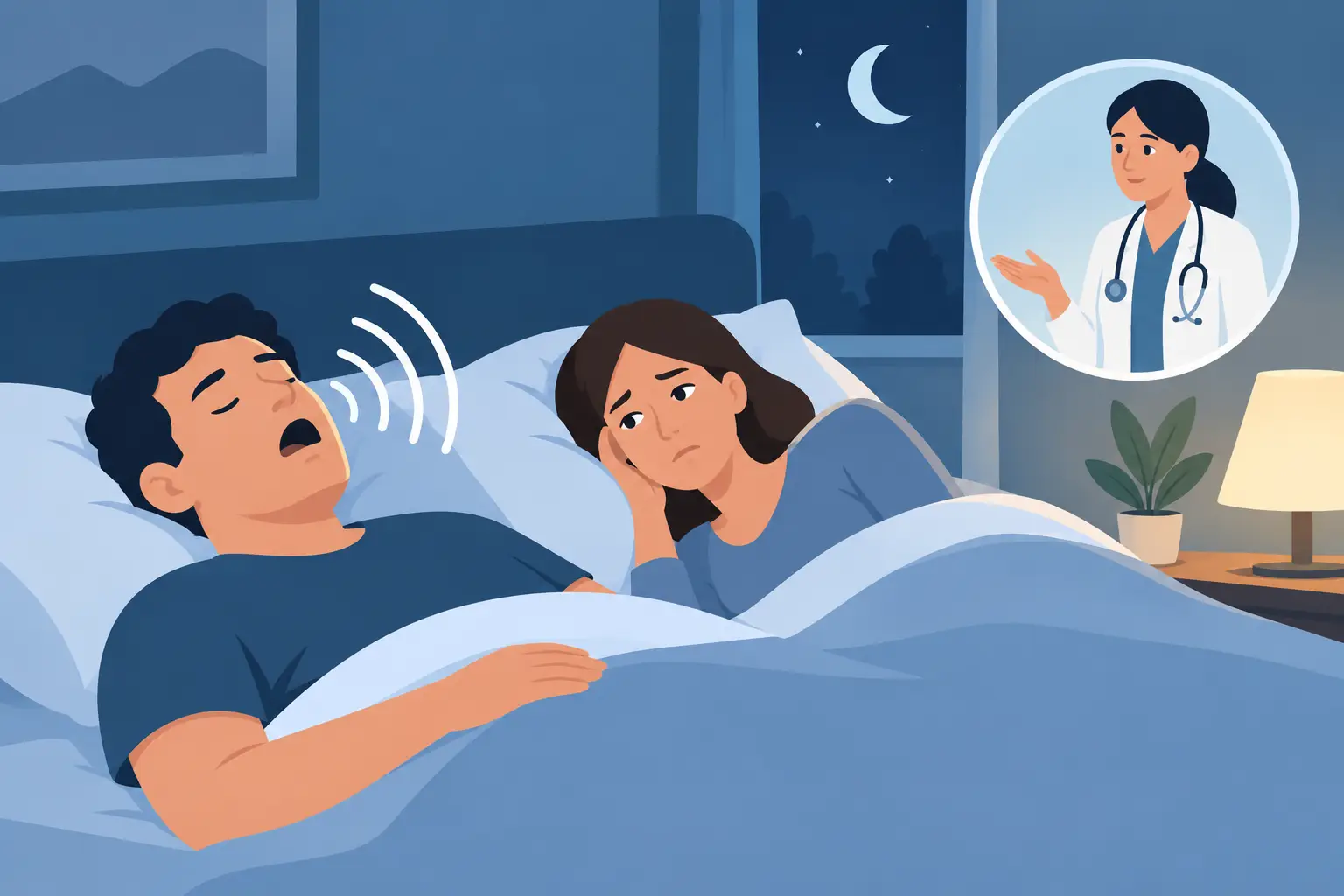
Your partner may joke that the walls shake when you fall asleep. But if the noise is followed by a silence, a gasp, or a startled snort, the question changes quickly: when is snoring medically serious? Loud snoring is often simply frustrating. In some cases, however, it is a sign that breathing is repeatedly being interrupted during sleep.
That distinction matters. Simple snoring can leave a couple tired and fed up. Untreated sleep apnoea can affect daytime alertness, mood, blood pressure and long-term health. The good news is that there are clear warning signs, and getting them checked does not mean every snorer needs a mask or an invasive treatment.
When is snoring medically serious?
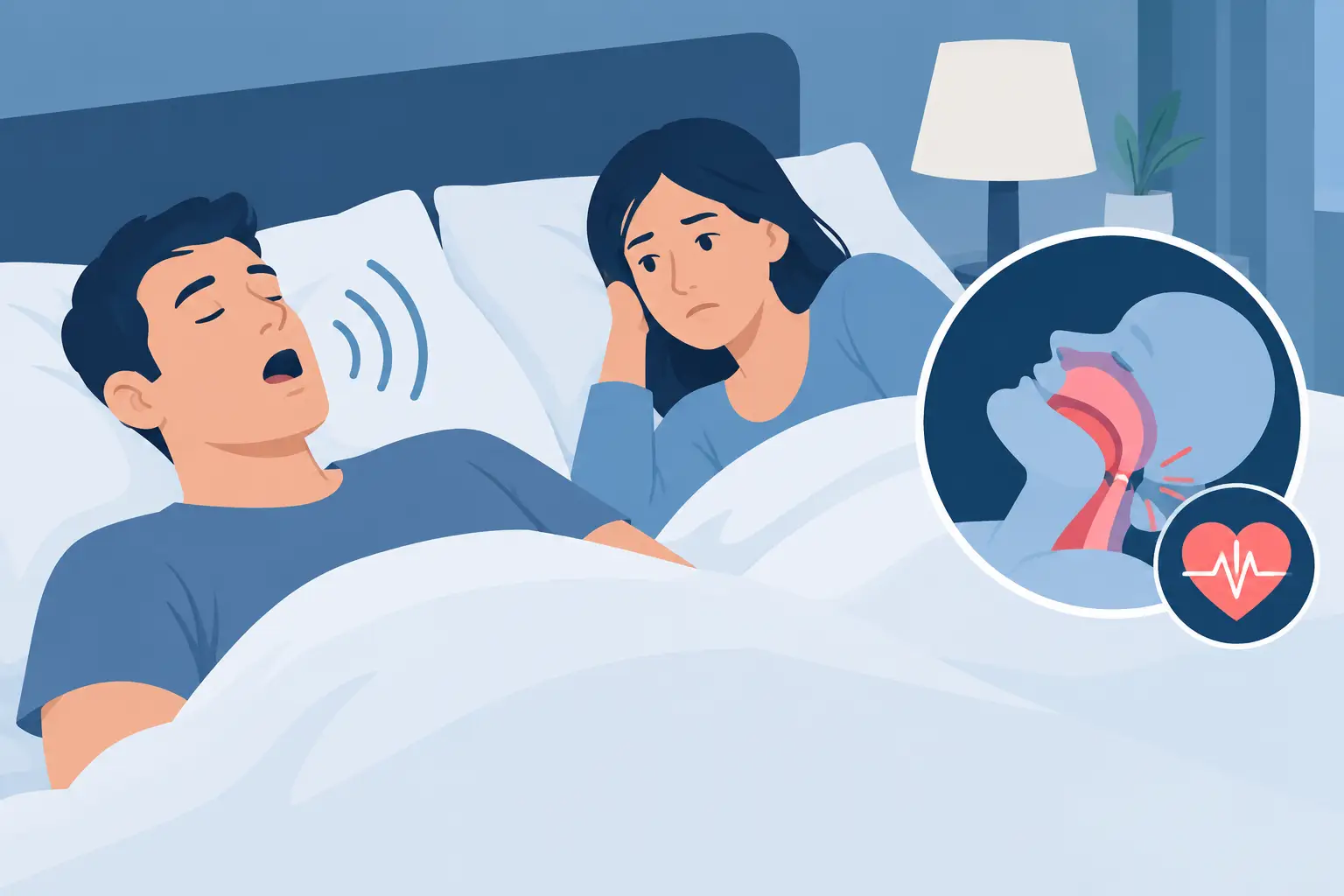
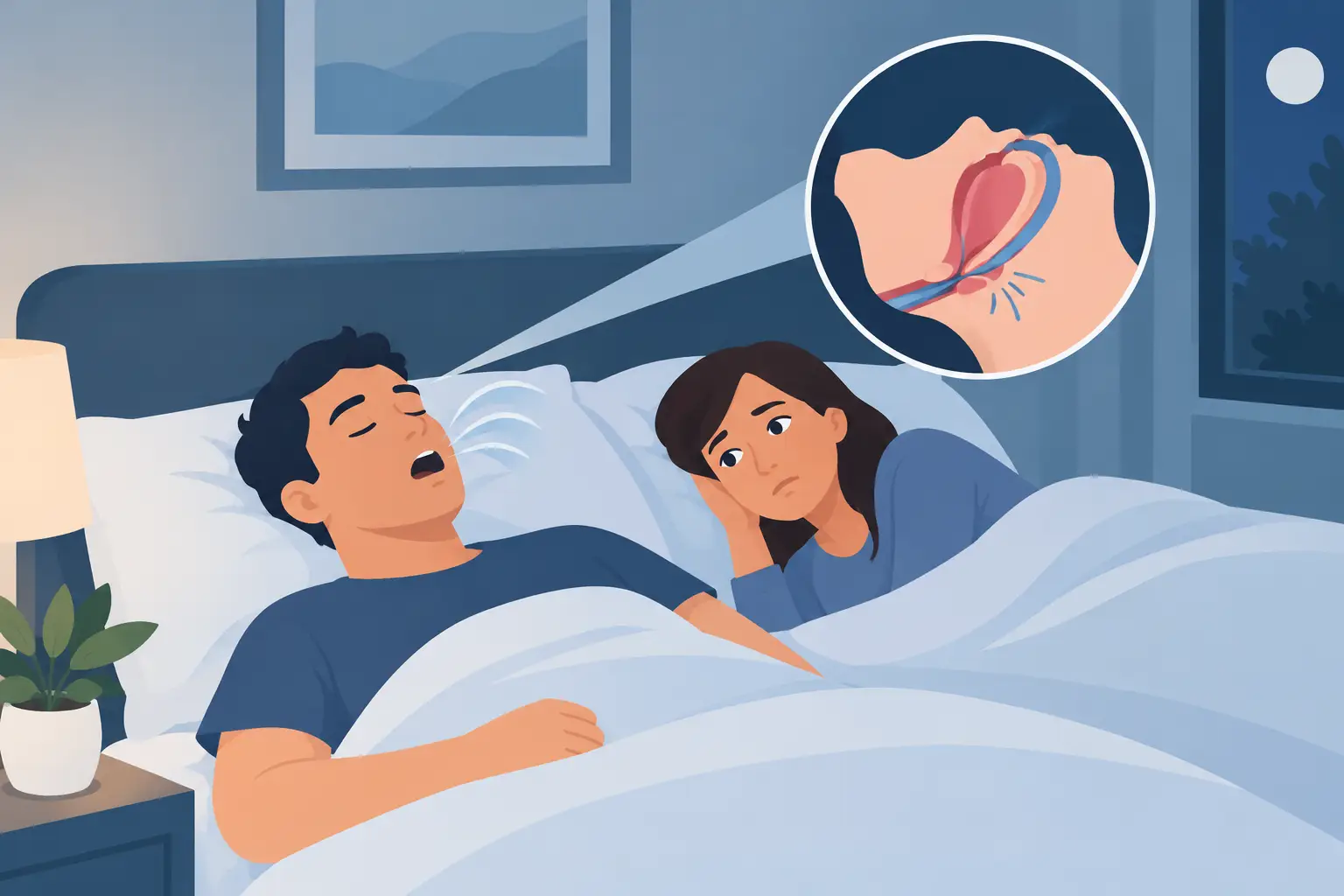
Snoring becomes medically concerning when it is linked to disrupted breathing, poor-quality sleep or significant daytime symptoms. The most common reason is obstructive sleep apnoea, often shortened to OSA. This happens when the muscles and soft tissues in the throat relax during sleep and temporarily narrow or block the airway.
The body responds by briefly waking enough to reopen the airway. You may not remember these awakenings, but they can happen many times a night. A partner is often the first person to spot the pattern: loud snoring, a pause in breathing, then a choking, snorting or gasping sound before the snoring starts again.
Snoring on its own does not diagnose sleep apnoea. Plenty of people snore because of their sleeping position, alcohol, a blocked nose, allergies or temporary weight changes. Still, regular loud snoring with breathing pauses is worth taking seriously, particularly if you feel unrefreshed after what should have been a full night’s sleep.
The signs not to ignore
Book a GP appointment if you or your partner notice repeated pauses in breathing, gasping or choking during sleep. Do not brush off severe daytime sleepiness either, especially if you are dozing while watching television, in meetings, as a passenger, or behind the wheel. Sleepiness when driving is an immediate safety issue: stop driving when tired and seek medical advice promptly.
Other warning signs include waking with headaches, a dry mouth, a sore throat, poor concentration, low mood or irritability. Some people wake frequently to use the toilet or find their libido has changed. None of these symptoms proves sleep apnoea on its own, but together with heavy snoring they build a clearer picture.
You should also speak to a clinician if you have high blood pressure that has been difficult to control, heart disease, atrial fibrillation, type 2 diabetes or a previous stroke. Sleep apnoea is not always the cause, but it can be relevant to how these conditions are managed.
What sleep apnoea can look like at home
Sleep apnoea is not limited to one body shape, age or gender. It is more common in people who are overweight, but slim people can have it too. A naturally narrow airway, large tonsils, nasal obstruction, menopause, smoking, alcohol and sedative medicines can all play a part.
Partners often notice the signs before the snorer does. If that is you, describe what you hear without blame. A useful observation is more than, “You snore loudly.” Mention whether the snoring changes position, how often pauses happen, whether there is a gasp afterwards, and whether your partner seems exhausted in the morning. A short recording can sometimes help make the conversation with a GP more specific, although it cannot replace a proper assessment.
Children are a separate case. Regular snoring in a child, particularly with mouth breathing, restless sleep, pauses in breathing or behavioural changes during the day, should be discussed with a GP. Do not assume they will simply grow out of it.
What happens when you speak to your GP
A GP will ask about your sleep, daytime tiredness, medical history and medicines. They may check your blood pressure, weight, neck and throat, and ask your partner what they have observed. If sleep apnoea is suspected, you may be referred for a sleep study.
For many people, this involves using a small monitor at home overnight. It measures things such as breathing, oxygen levels, airflow and heart rate. The result helps show whether breathing interruptions are happening and how often.
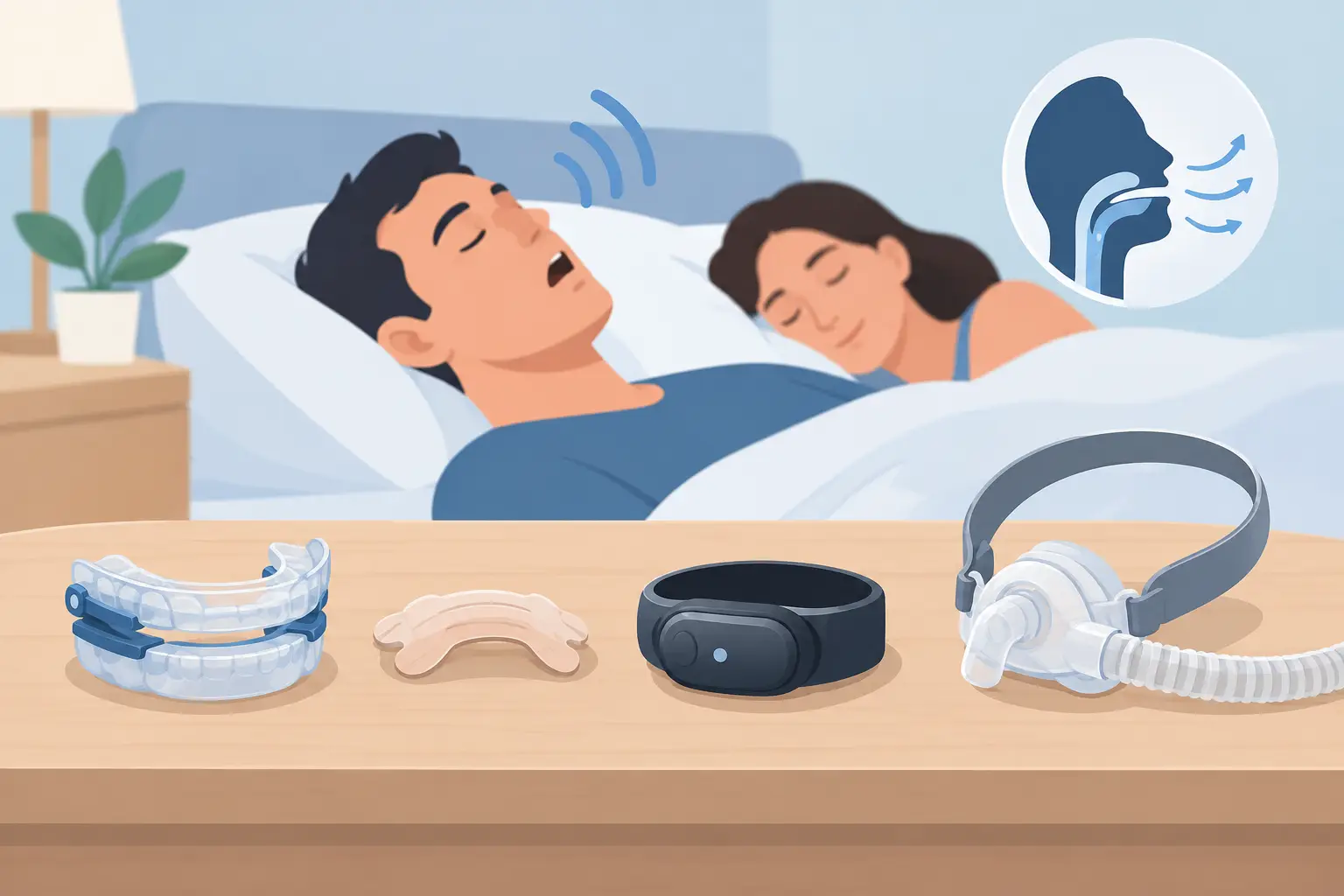
Treatment depends on the cause and severity. For moderate or severe obstructive sleep apnoea, continuous positive airway pressure, known as CPAP, is often highly effective. It uses a mask to keep the airway open while you sleep. Some people may be offered a fitted dental device, treatment for nasal problems, help with weight management or, less commonly, surgery. The right answer depends on your results, your anatomy and what you can realistically use night after night.
Simple snoring still deserves a practical solution
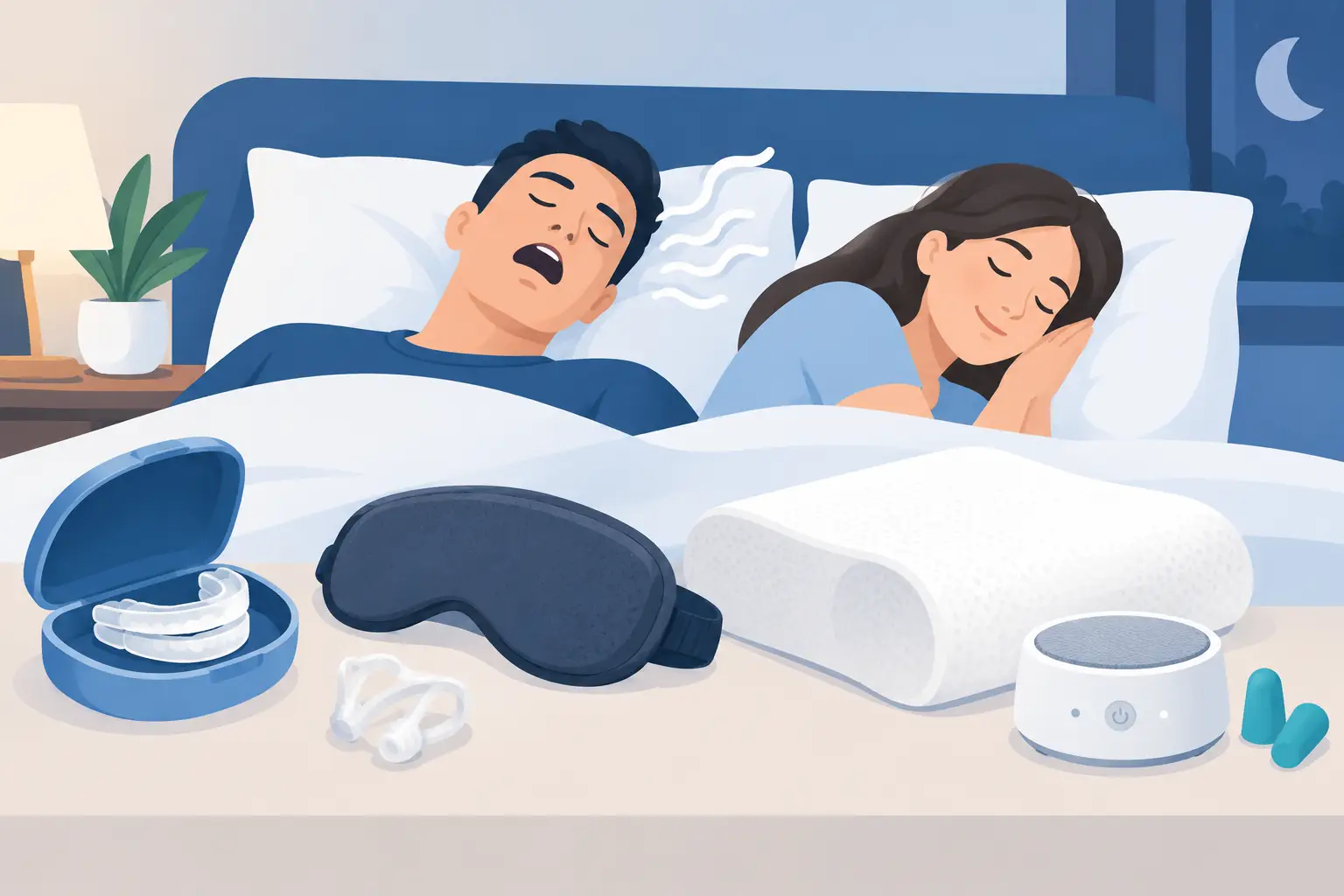
If you have been assessed and sleep apnoea is not the issue, simple snoring can still put real pressure on sleep and relationships. Separate bedrooms may preserve rest in the short term, but most couples would rather address the cause than accept another night of elbows, earplugs and resentment.
A few changes can make a difference. Sleeping on your side may reduce snoring that is worse on your back. Cutting down alcohol in the evening can help because alcohol relaxes throat muscles. Addressing nasal congestion, stopping smoking and keeping to a regular sleep routine may also reduce the problem. If weight is contributing, gradual, sustainable weight loss can be useful, but it is not a quick fix and it is not the explanation for every snorer.
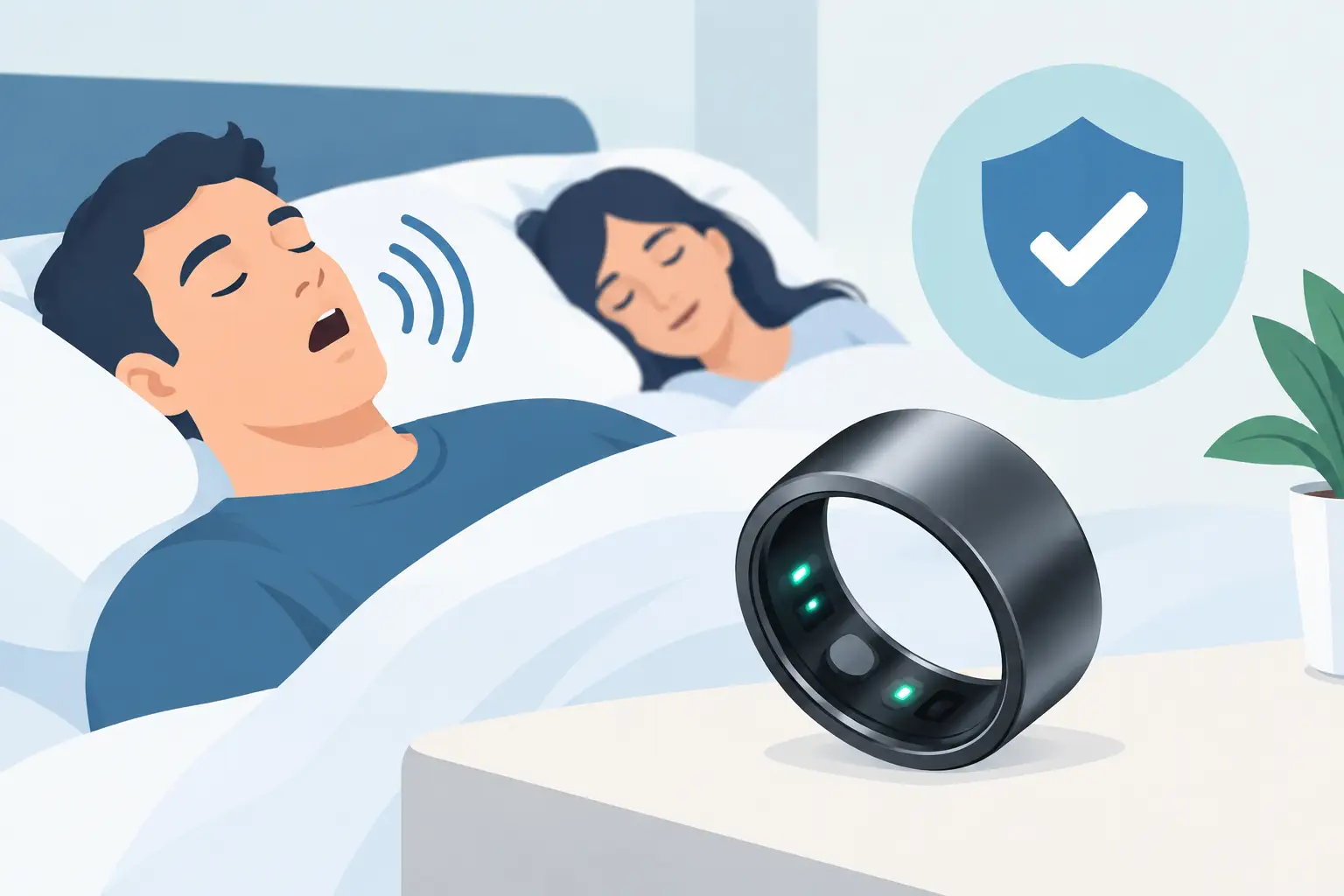
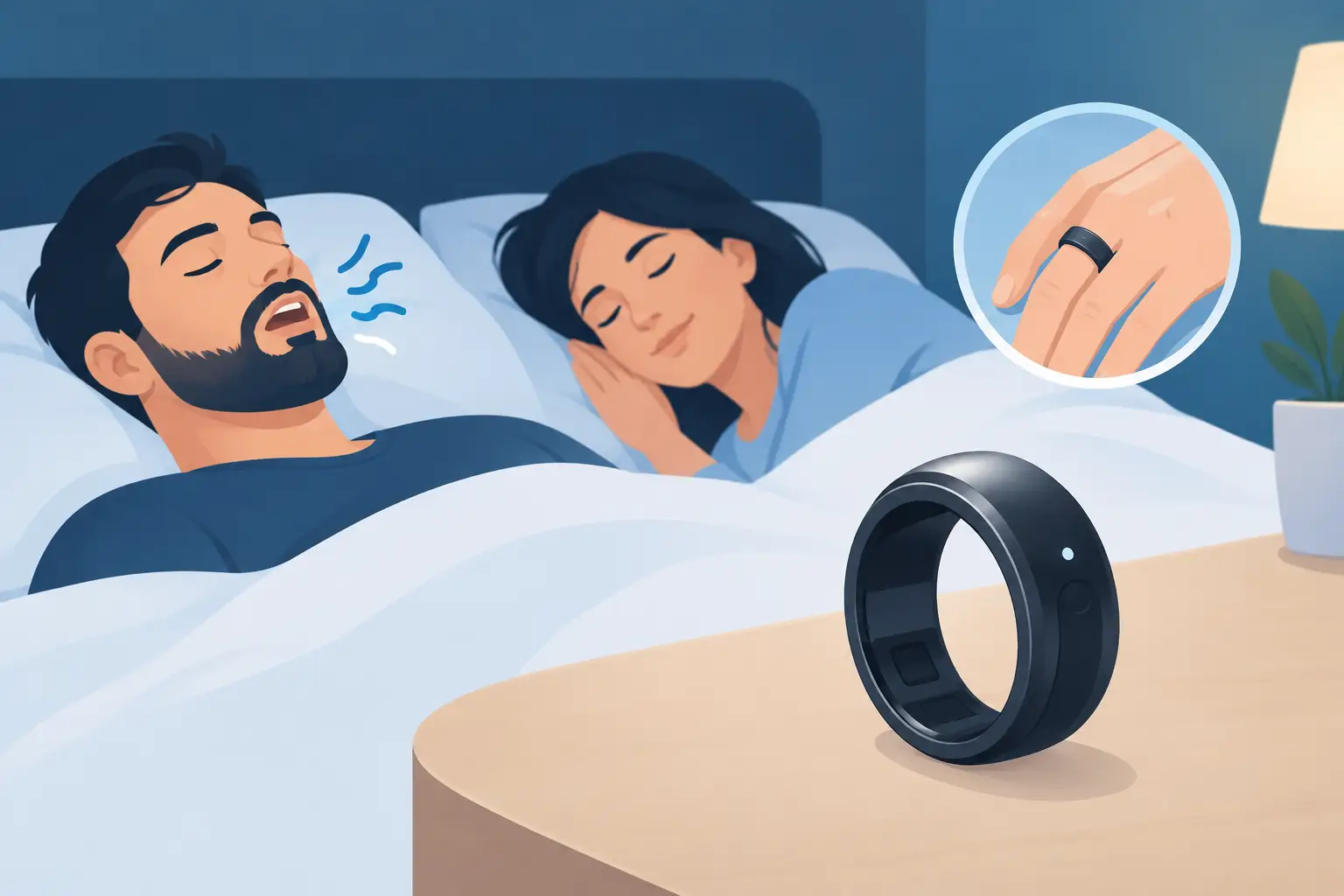
For uncomplicated snoring, a non-invasive option may be worth trying. The Good Night Anti-Snoring Ring is designed for simple snoring, using acupressure points on the little finger rather than a bulky mouthpiece or medication. It is the original clinically trialled stop snoring ring, but it is not a substitute for medical assessment where breathing pauses or sleep apnoea symptoms are present. That honesty matters: no anti-snoring product is right for everyone, and concerning symptoms should always come first.
Do not self-treat the red flags away
It can be tempting to buy a remedy, hope for a quieter night and put off an appointment. That may be reasonable for occasional, straightforward snoring with no other symptoms. It is not the best approach if someone is regularly gasping, choking, excessively sleepy or being told they stop breathing.
Be cautious with anything that promises to cure sleep apnoea without assessment. Simple snoring and obstructive sleep apnoea can sound similar from the next pillow, but their risks and treatments are different. A product that is comfortable for one person may be ineffective or unsuitable for another.
The same applies to alcohol or sleeping tablets used to “sleep through” a partner’s snoring. They may make airway relaxation and breathing problems worse. Never change prescribed medicines without speaking to the prescriber, but do mention all medicines and supplements when discussing sleep symptoms.
A better next conversation tonight
If snoring has become the third person in your bed, start with an honest question rather than an accusation: “Have you been waking tired, or has anyone noticed you stop breathing?” Take repeated pauses, gasps and severe tiredness to your GP. If those signs are absent, you can focus on practical, comfortable ways to reduce simple snoring and protect both people’s sleep.
A quieter night is a welcome goal. Safer, genuinely restorative sleep is the one worth protecting first.