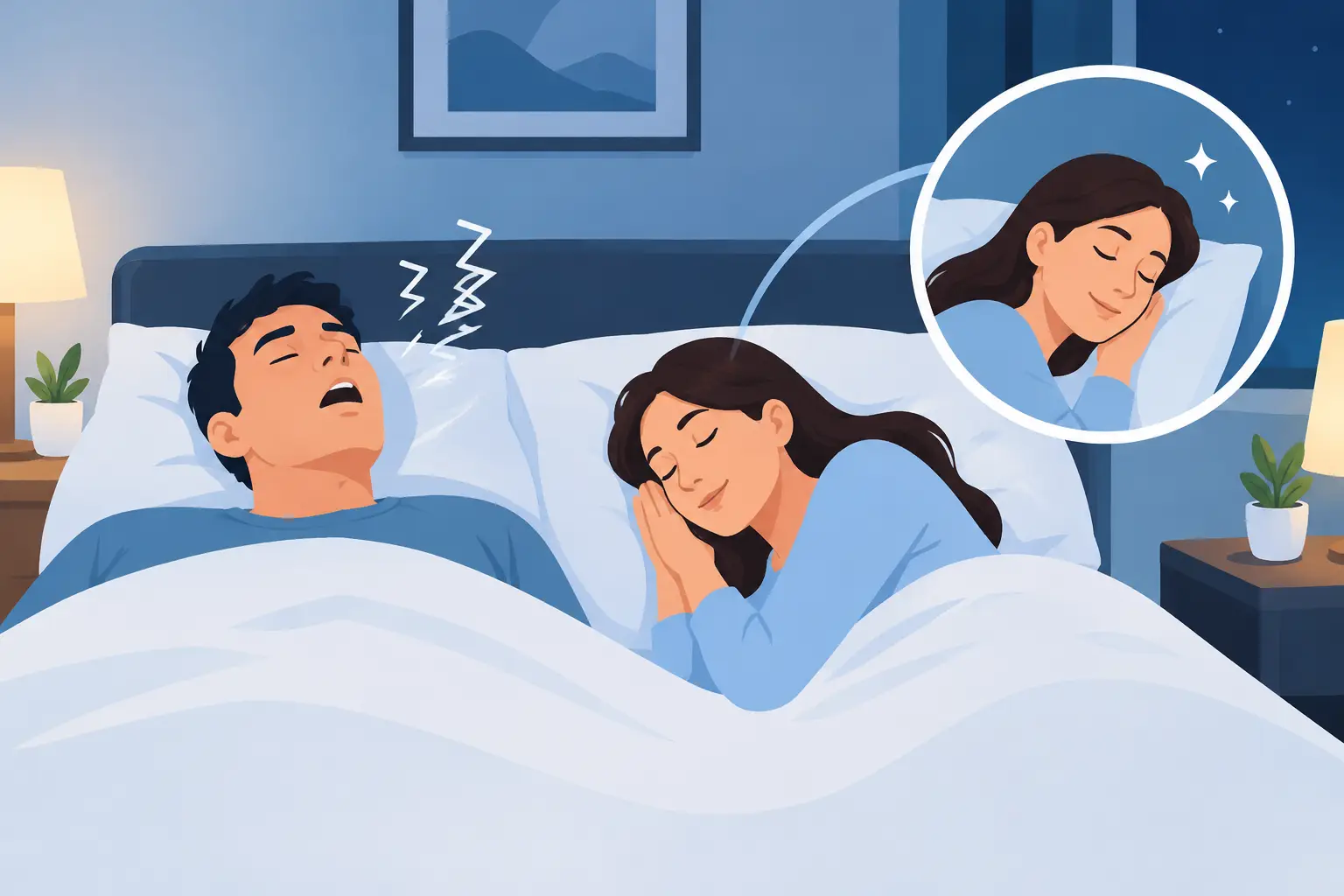
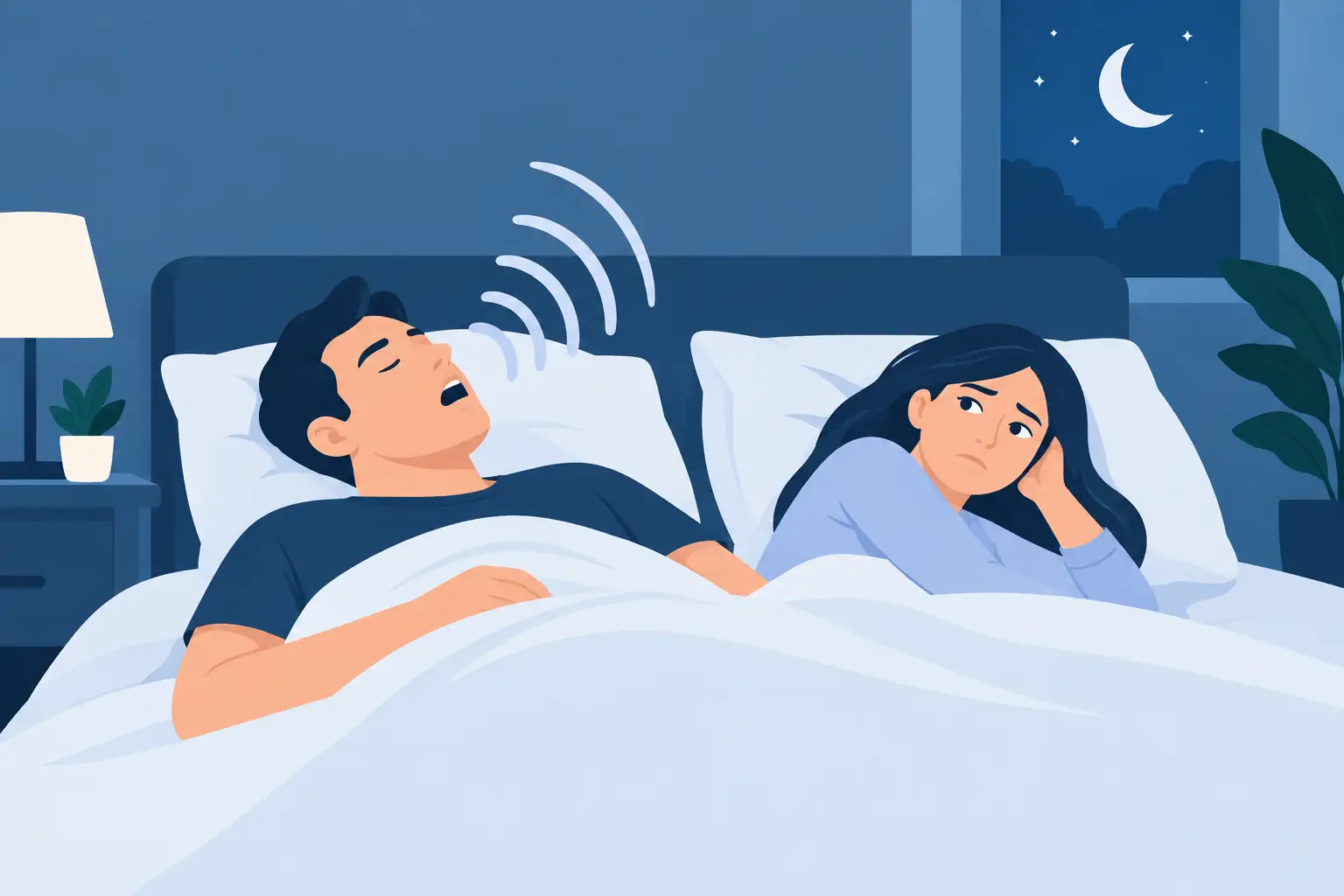
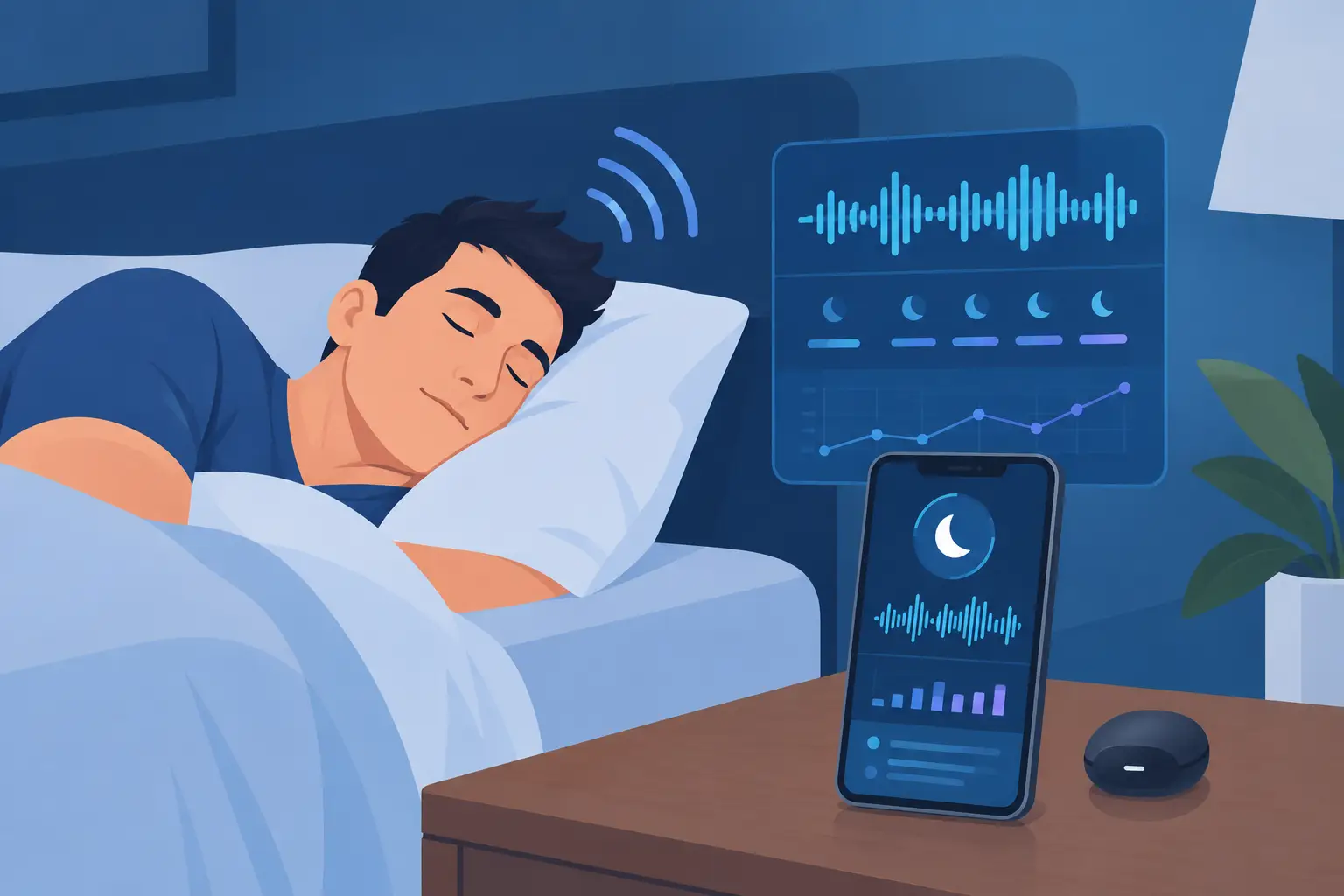
A snoring solution only helps if you can actually sleep while wearing it. That is the point often missed in a wearable snoring device comparison. A device may look convincing on the bedside table, but if it makes your jaw ache, irritates your skin or wakes you when it activates, it is unlikely to become part of your nightly routine.
For many couples, the goal is not complicated: quieter nights, better rest and less resentment at 3am. The right option depends on what is causing the snoring, how much comfort matters to you and whether you are looking for a treatment, a monitor or a simple first step.
Wearable snoring device comparison: the main options
Wearable anti-snoring products generally fall into four groups: mouthpieces, positional wearables, electronic stimulation devices and acupressure rings. Each takes a different approach to the same problem, and none is the best choice for every snorer.
Mandibular advancement mouthpieces
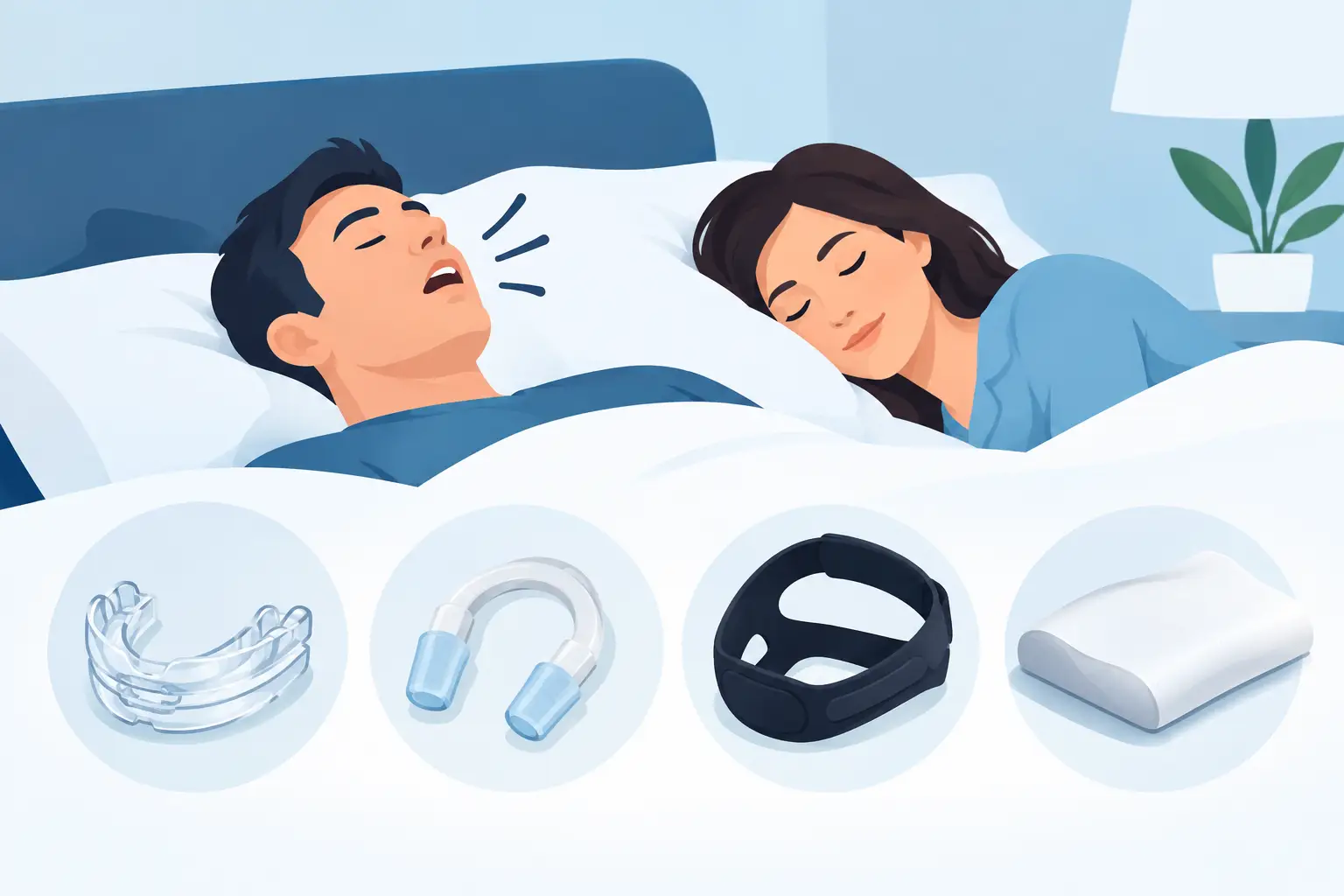
Mouthpieces are fitted over the teeth and hold the lower jaw slightly forward. This can help keep the airway more open when snoring is linked to the jaw and tongue falling backwards during sleep. For some people, particularly those with regular positional snoring, this approach can be effective.
The trade-off is obvious once you put one in. A mouthpiece is bulky, takes time to fit and can feel intrusive. Some users report jaw soreness, tooth discomfort, excess saliva or difficulty settling off. If you wear dentures, have dental work, suffer from jaw pain or simply dislike anything in your mouth at night, a mouthpiece may not be the comfortable answer you hoped for.
They also need cleaning and replacement. That is not necessarily a reason to rule them out, but it is worth being realistic about the nightly commitment before buying.
Positional wearables
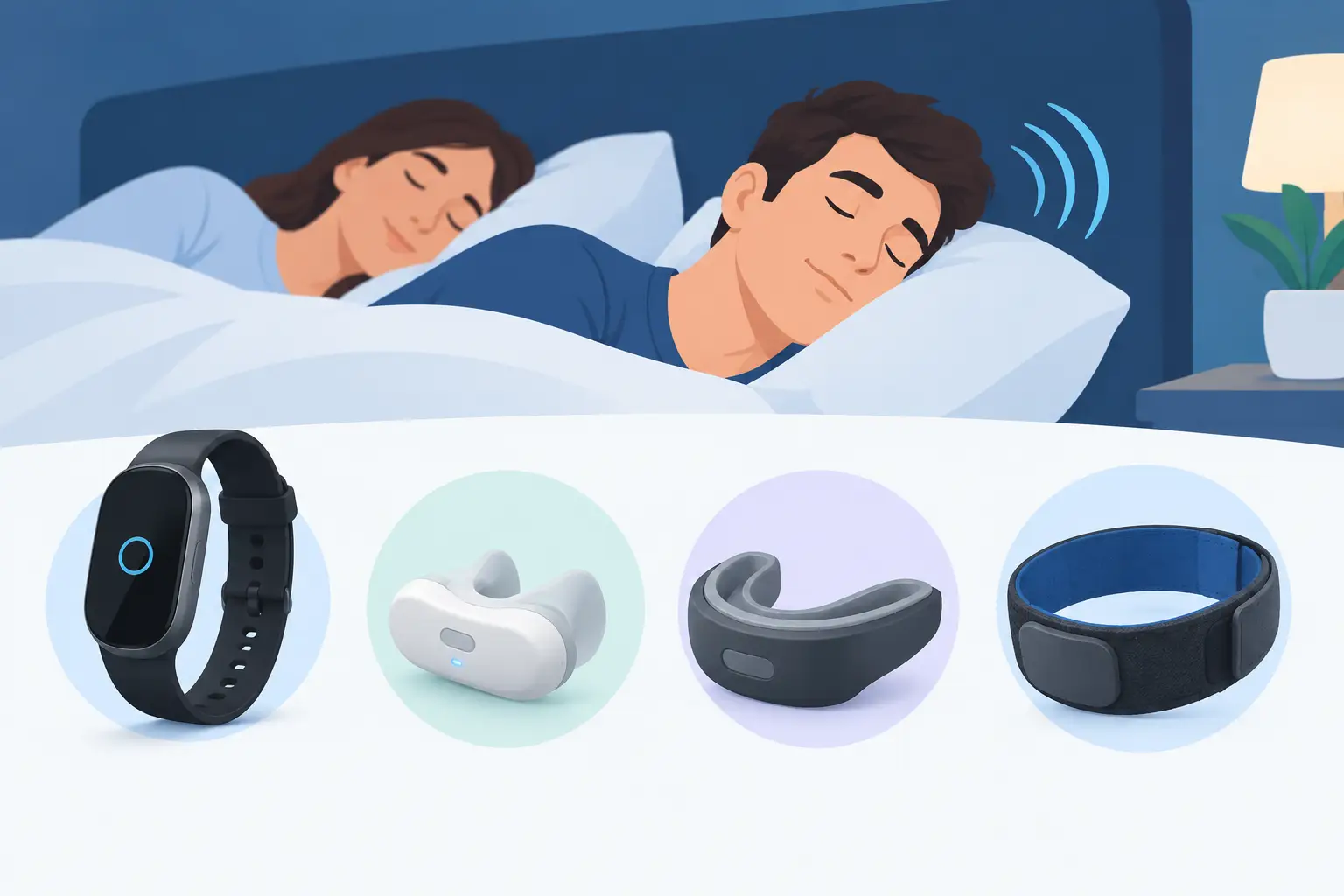
Positional devices are designed for people who snore mainly on their back. They might be a vibrating chest or neck wearable, a clip-on sensor or a device built into clothing. When the device detects that you are lying on your back, it prompts you to turn over.
This is a sensible method if back sleeping is clearly your trigger. It does not alter your airway or treat every cause of snoring, however. It relies on you responding to the prompt, and some people find the vibration disruptive enough to wake them or their partner.
A positional wearable can be useful when snoring is mild and strongly linked to sleep position. It is less appealing if you move frequently in the night, cannot comfortably sleep on your side or want a solution with no electronic interruptions.
Electronic nerve stimulation devices
Some wearable devices use small electrical impulses intended to stimulate muscles associated with the tongue or upper airway. These can be worn on the skin or used inside the mouth, depending on the design. They are often promoted as a high-tech route to reduced snoring.
Technology is not automatically better sleep. These devices can cost more, require charging and may take adjustment before the sensation feels tolerable. Effectiveness can vary significantly by device and by the individual cause of snoring. A person with nasal congestion, for example, may see little benefit from a device focused on tongue muscle activity.
For people who are comfortable with electronics and willing to follow a set programme, stimulation may be worth considering. For those who want a simple, silent and non-invasive option, it can feel like more equipment than they need.
Acupressure anti-snoring rings
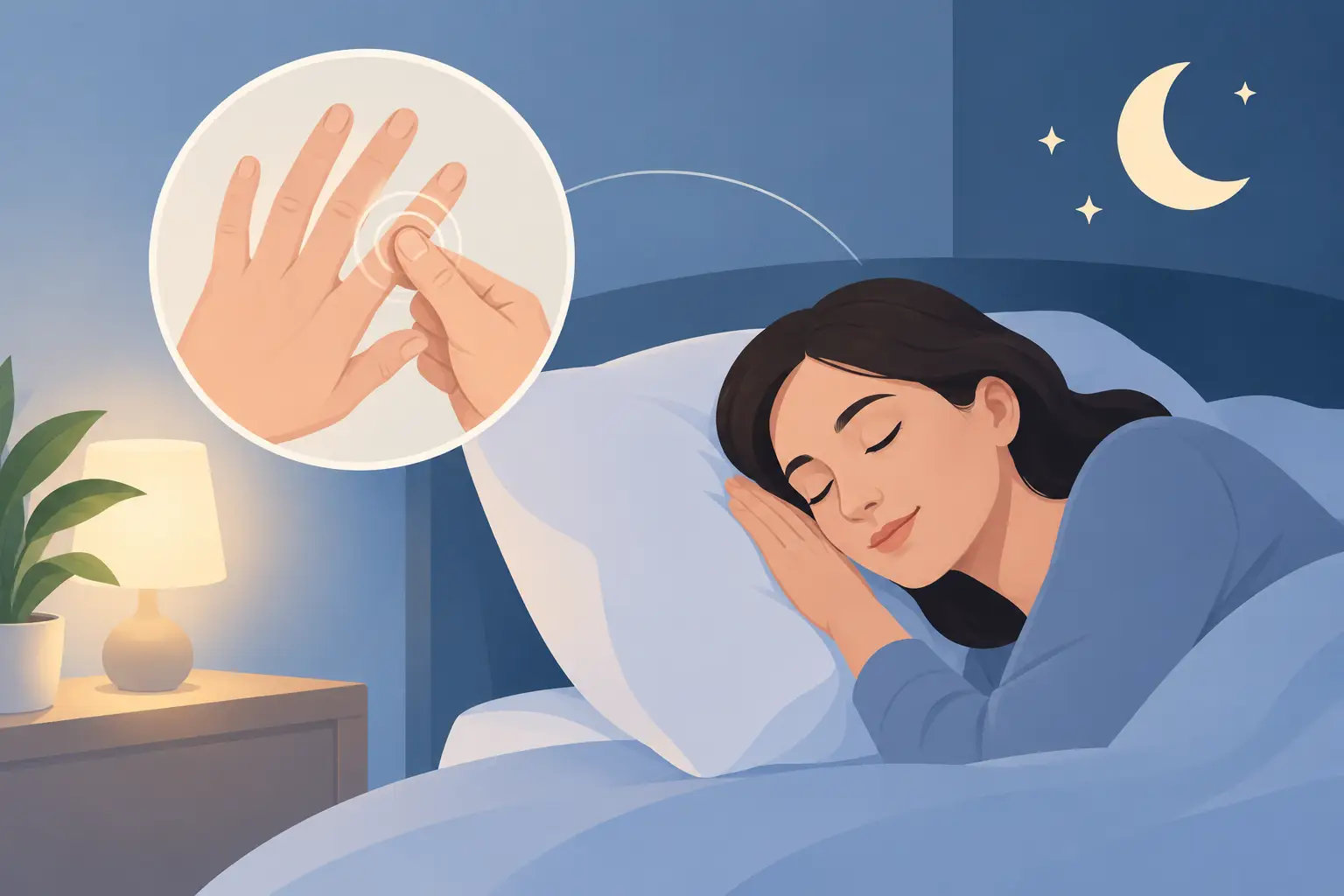
An acupressure ring is worn on the little finger during sleep and applies pressure to specific points. Its appeal is straightforward: no mouthpiece, no charging, no medication and no alarms. It is discreet enough for travel and simple enough to put on as part of a normal bedtime routine.
The Good Night Anti-Snoring Ring is the original stop snoring ring, clinically trialled and FDA-cleared in the US. It is designed for simple snoring, not as a substitute for medical assessment where a sleep disorder may be present.
As with every anti-snoring approach, results are individual. Acupressure is not a promise that every snorer will stop immediately, especially where snoring has several causes. But for people who have rejected bulky devices or want to start with a comfortable, drug-free wearable, the small form factor is a meaningful advantage. A 30-day money-back guarantee also matters: you can judge the ring by your own sleep rather than a marketing claim alone.
Comfort is not a minor detail
The most effective device on paper has little value if it spends the night in a drawer. Comfort affects consistency, and consistency is what gives any non-invasive anti-snoring device a fair chance to work.
Ask yourself what you are prepared to wear for seven or eight hours. If you dislike dental retainers, a mouthguard is likely to become a battle. If vibrations wake you easily, a positional trainer may not suit you. If charging another device feels tiresome, an electronic wearable can lose its appeal quickly.
A finger ring makes sense for sleepers who want the least intrusive option. It does not take up space in the mouth, does not require adhesives on the skin and does not ask your partner to tolerate buzzing or beeping. That simplicity is especially valuable when the problem has already put strain on a relationship.
What wearable devices cannot tell you
Not all snoring is simple snoring. Loud, frequent snoring alongside pauses in breathing, gasping, choking during sleep, morning headaches or pronounced daytime tiredness could point to obstructive sleep apnoea. In that situation, buying another anti-snoring gadget should not be the whole plan.
Speak to a GP or qualified sleep professional if these signs apply to you, particularly if your partner has noticed breathing pauses. A wearable device may help with ordinary snoring, but sleep apnoea needs proper assessment and treatment.
It is also worth looking at obvious contributors. Alcohol close to bedtime, smoking, nasal congestion, weight changes and sleeping on your back can all make snoring worse. A device is often more useful when paired with a few realistic adjustments, rather than expected to compensate for everything.
How to choose without wasting money
Start by identifying your likely pattern. If snoring happens mainly when you sleep on your back, positional support may be relevant. If you know your jaw position is a factor and are comfortable with dental devices, a mouthpiece could be suitable. If you want a quiet, medication-free and unobtrusive option, an acupressure ring deserves serious consideration.
Then consider risk. Look for a clear explanation of what the product is designed to do, credible evidence behind its claims and a refund policy that allows you to try it properly. Be wary of cheap copycat rings and devices that promise a guaranteed cure for every type of snoring. Honest brands acknowledge that individual outcomes differ.
Finally, involve the person sharing your bed. They may notice changes you do not, including whether the snoring is quieter, less frequent or replaced by worrying breathing pauses. Better sleep is a shared result, and their observations can help you decide whether a device is genuinely improving the night.
The best wearable is not the one with the most features. It is the one you can wear comfortably, use consistently and trust to fit the kind of snoring you actually have. Give a sensible option enough time to become a routine, while staying alert to signs that medical advice is the more important next step.