Blog
Single Post

Non Drug Sleep Aids for More Restful Nights
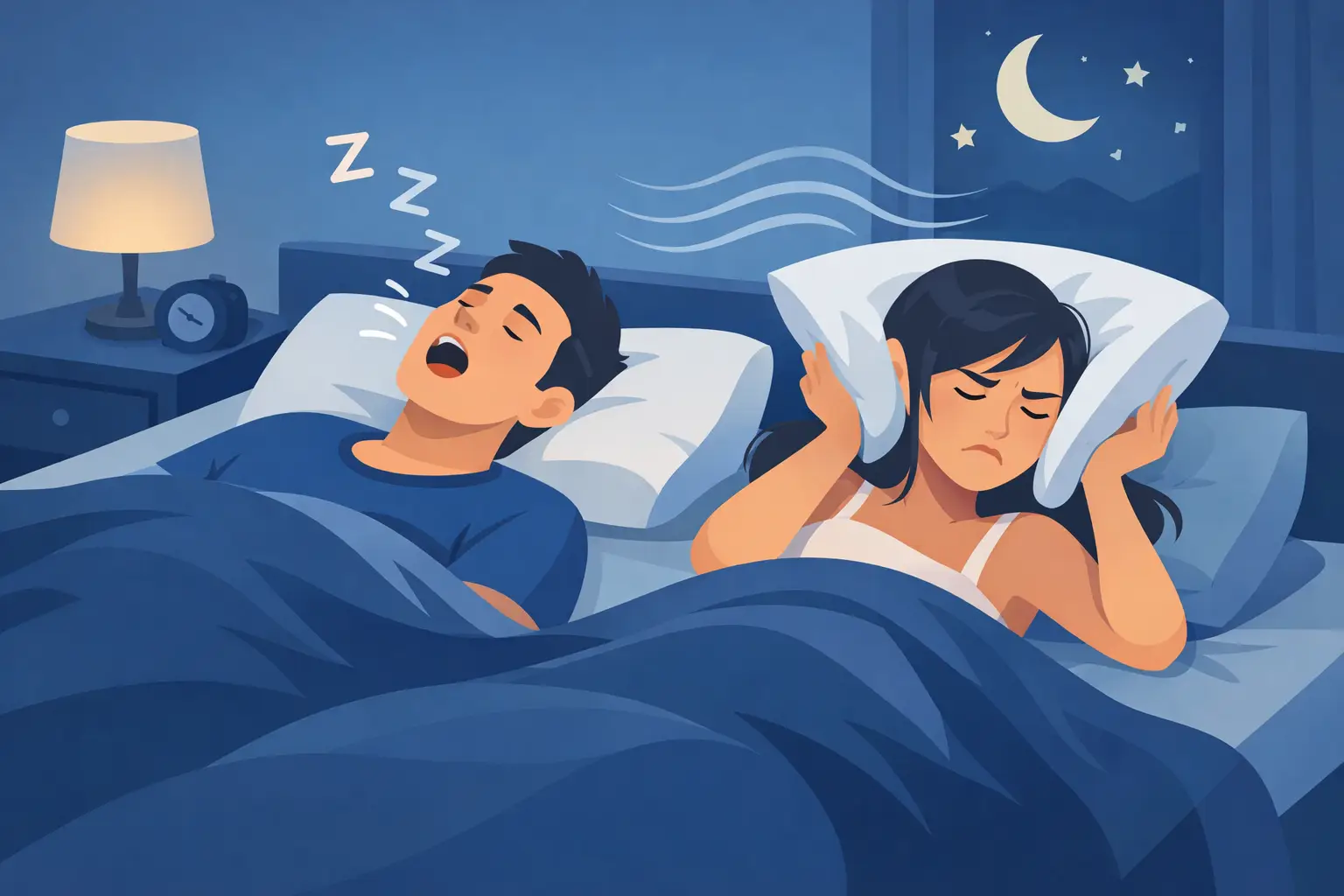
A poor night rarely affects just one person. When someone snores, tosses about or lies awake for hours, their partner often loses sleep too. The appeal of non-drug sleep aids is simple: practical support without relying on tablets, grogginess the next morning or a complicated bedtime routine.
But not every sleep problem has the same cause, and not every natural solution deserves the hype around it. The most useful approach is to identify what is keeping you awake, choose a change you can comfortably repeat, and know when symptoms call for medical advice rather than another gadget.
What counts as a non-drug sleep aid?
A non-drug sleep aid is anything that helps improve sleep without using sedatives, sleeping pills or other medication. That can mean a routine that settles the mind, an adjustment to the bedroom, a supportive wearable, or a device designed to address a specific problem such as simple snoring.
The key word is support. A lavender pillow spray may create a calmer association with bed, but it cannot fix severe sleep apnoea. A white-noise machine may soften disruptive sounds, but it will not replace good sleep habits. The right aid depends on whether the issue is difficulty dropping off, frequent waking, noise, discomfort, stress or snoring.
For many people, the best results come from combining one targeted aid with a consistent routine. That is less exciting than a miracle promise, but it is far more realistic.
Start with the cause of the restless night
Before buying anything, pay attention to the pattern for a week. Are you wide awake because your mind is racing? Do you wake hot, uncomfortable or thirsty? Does your partner’s snoring wake you, or are they the one nudging you because you are making the noise?
Stress and irregular schedules commonly make it harder to fall asleep. Alcohol can make people feel sleepy at first, then fragment sleep later in the night. Late caffeine, heavy evening meals, overheating and bright screens can all contribute. For snorers, sleeping position, nasal congestion, alcohol and excess weight may make simple snoring louder.
A short sleep diary can reveal more than guesswork. Note your bedtime, wake time, caffeine and alcohol intake, how often you woke up, and whether snoring was noticed. You are looking for patterns, not perfection.
Non-drug sleep aids worth trying first
The most effective changes are usually the ones that are easy to use every night. They need not turn bedtime into a project.
Build a repeatable wind-down
Your body responds well to familiar cues. Try keeping a broadly consistent wake-up time, including at weekends, then give yourself 30 to 60 minutes before bed to slow down. Dim lights, put work away and choose something undemanding: reading a few pages, gentle stretching or listening to calm audio.
If thoughts are the problem, write tomorrow’s tasks down before you get into bed. It sounds basic, but moving a list from your head to paper can reduce the urge to mentally rehearse it at 2 am. Avoid making your wind-down so ambitious that it becomes another chore. A simple routine done most nights beats an elaborate one abandoned after three days.
Make the bedroom work harder
A sleep-friendly bedroom is cool, dark, quiet and comfortable enough that you do not notice it. Blackout blinds can help where streetlights or early summer sun disturb sleep. Earplugs or steady background sound may be useful in a noisy household. Breathable bedding and a cooler room can make a significant difference for people who wake overheated.
Comfort matters too. If your mattress is sagging or your pillow leaves your neck strained, no relaxation technique will fully make up for it. Side sleepers may benefit from a pillow that keeps the head and neck aligned rather than tipped too far upwards or downwards.
Use light and movement to reset your rhythm
Morning daylight is one of the clearest signals for your internal body clock. Getting outside soon after waking, even for a short walk, can help reinforce a more regular sleep-wake pattern. Regular daytime movement helps many people sleep more soundly too, although an intense workout immediately before bed is not ideal for everyone.
This is not about punishing exercise targets. A brisk walk, cycling, gardening or a lunchtime stroll can be enough to support sleep while also easing the tension that tends to follow you into the bedroom.
Choose calming tools with realistic expectations
Relaxation audio, breathing exercises and progressive muscle relaxation can be useful non-drug sleep aids for people whose nervous system still feels switched on at bedtime. They are especially helpful when used consistently, rather than saved for the occasional terrible night.
Some people find a weighted blanket comforting. Others feel too warm or restricted beneath one. The trade-off is personal comfort, so choose carefully and stop using it if it makes you hot, anxious or uncomfortable. Likewise, herbal teas and soothing scents may become part of a pleasant ritual, but they are not a guaranteed treatment for insomnia.
When snoring is the real sleep thief
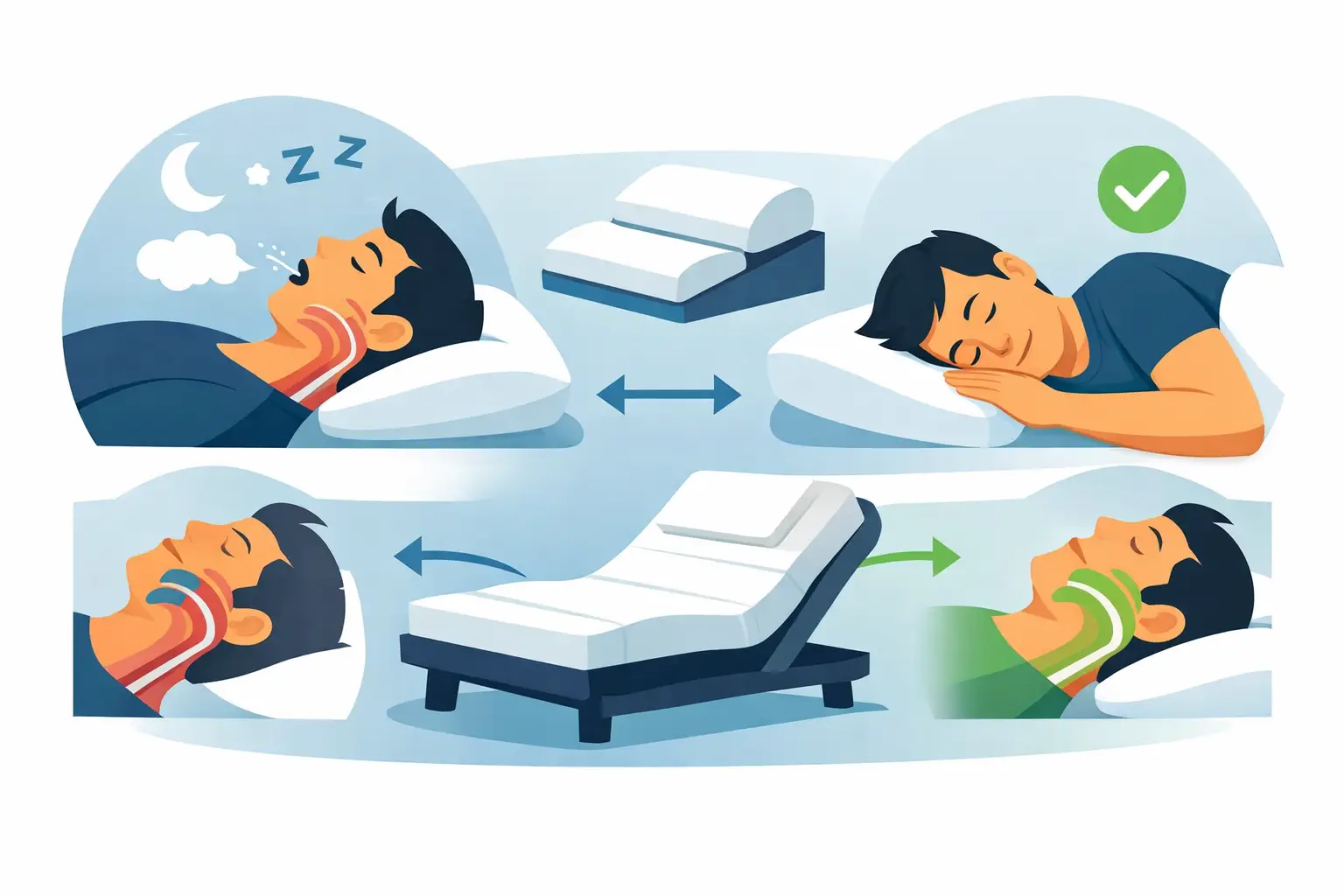
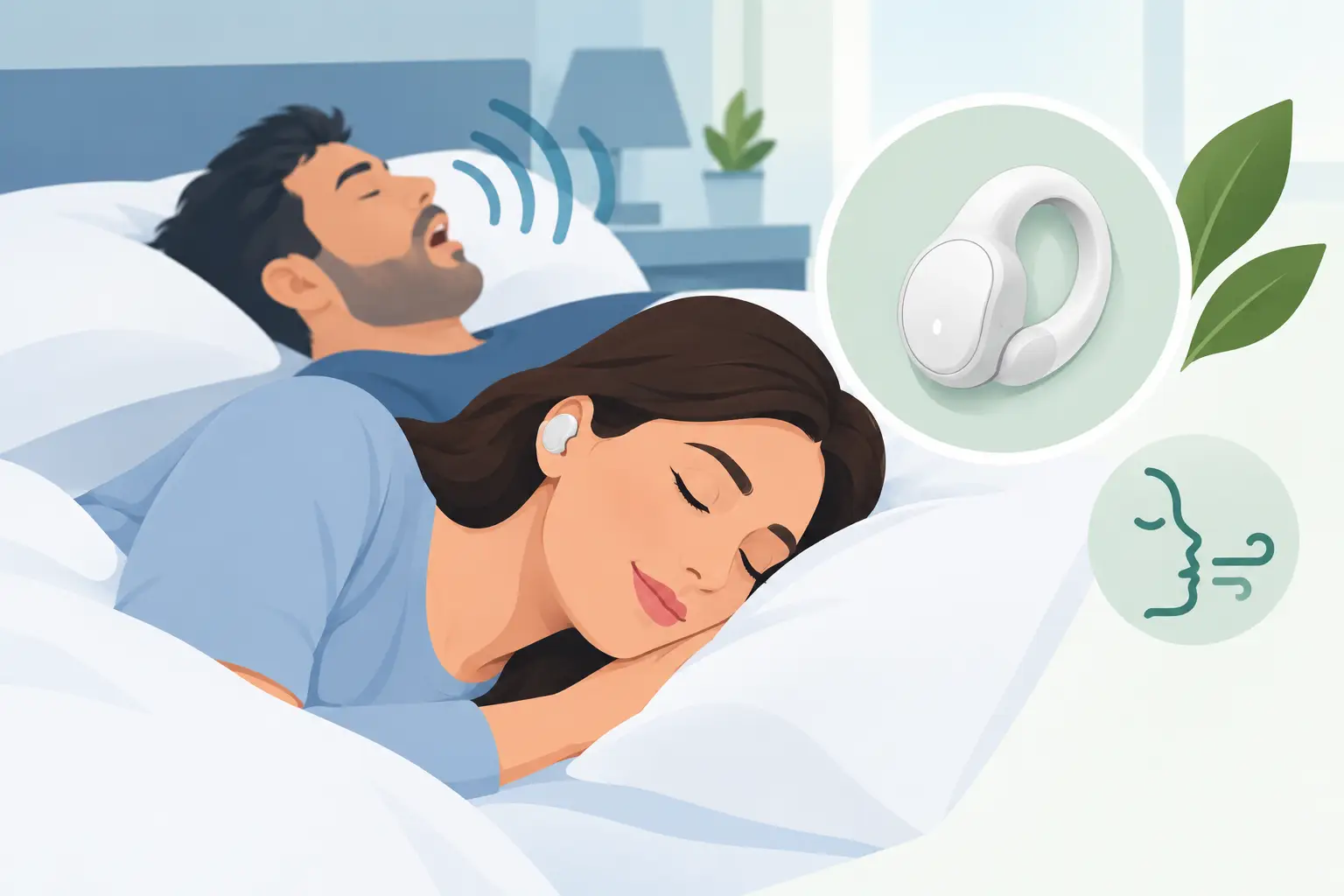
Snoring is often treated as a joke until it is happening night after night. The snorer wakes unrefreshed, their partner moves to the spare room, and both begin to dread bedtime. For simple snoring, small changes can help: try side sleeping, limit alcohol close to bedtime, treat temporary nasal congestion and maintain a healthy weight where relevant.
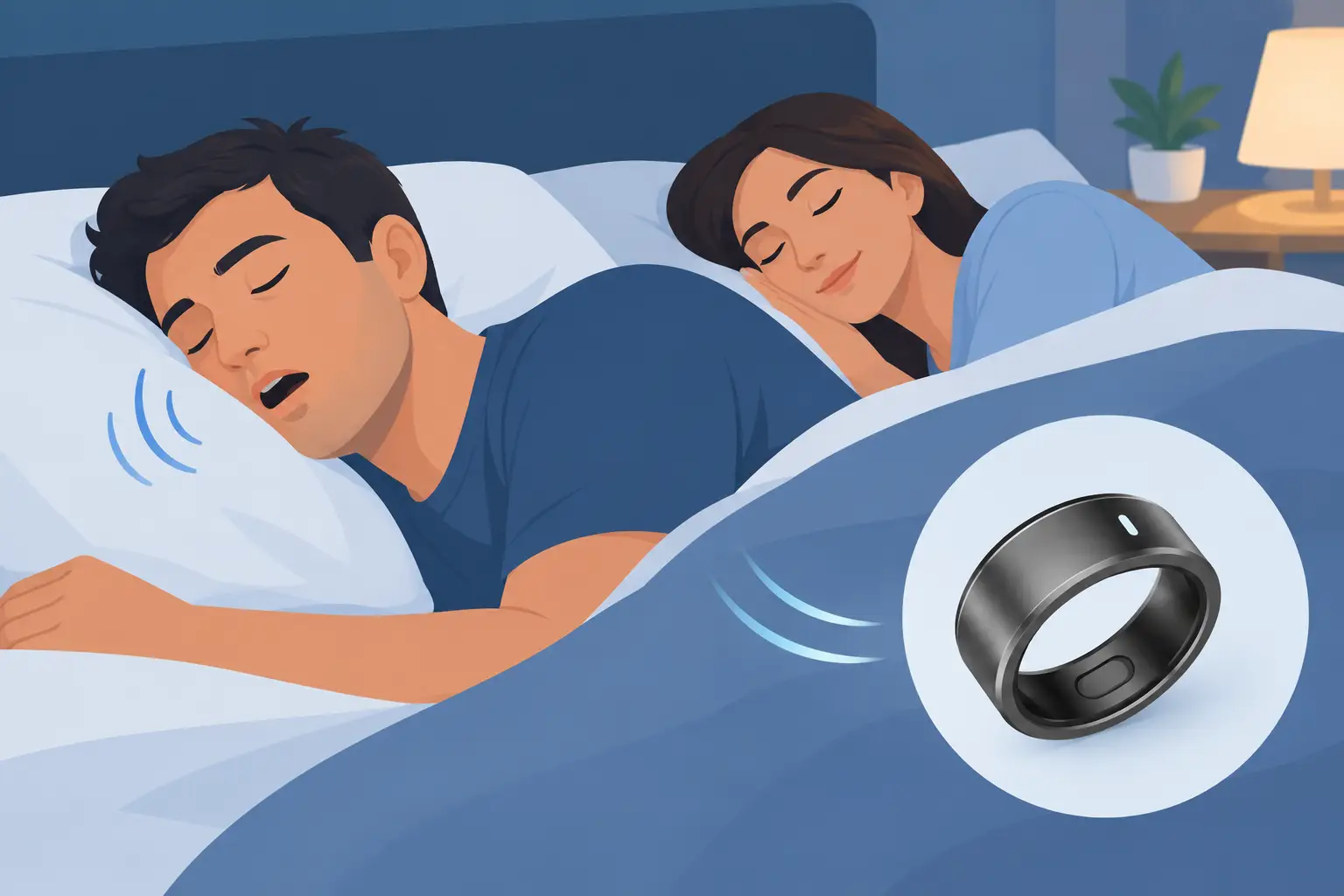
A targeted wearable can also be worth considering if you want an option that is discreet and does not involve a bulky mouthguard. The Good Night Anti-Snoring Ring is the original stop snoring ring, designed to apply acupressure to specific points on the little finger while you sleep. It is a non-invasive option for simple snoring and is clinically trialled, but honesty matters here: no anti-snoring solution works for every person or every cause of snoring.
That is why a refund-backed trial is more valuable than exaggerated promises. You should be able to assess whether a sleep aid is comfortable, practical and making a noticeable difference in your own bedroom.
Know when not to self-treat
Simple snoring and obstructive sleep apnoea are not the same thing. Sleep apnoea involves repeated interruptions to breathing during sleep and needs proper medical assessment. It is not something to mask with a sleep aid.
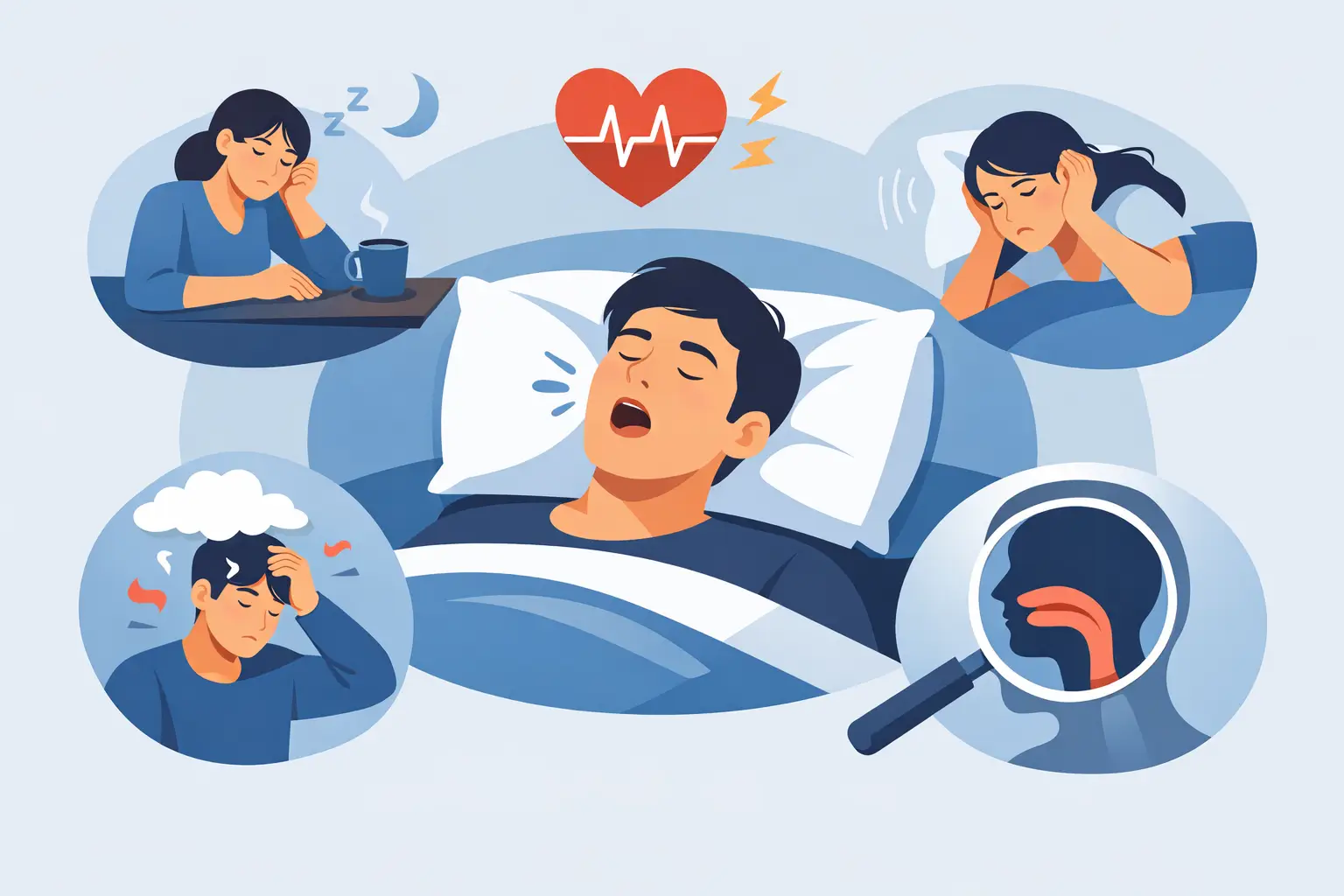
Speak to a GP if snoring is loud and persistent alongside pauses in breathing, gasping or choking during sleep, severe daytime tiredness, morning headaches, poor concentration or high blood pressure. A partner may notice breathing pauses before the snorer does, so take their observations seriously.
It is also sensible to seek help if insomnia lasts for weeks, is affecting your ability to function in the day, or is tied to low mood, anxiety, pain or another health concern. Non-drug approaches are often part of the answer, but you do not have to solve a persistent sleep issue alone.
Give one change enough time to prove itself
The temptation is to buy several products at once and hope one sticks. That makes it difficult to tell what is actually helping. Instead, pick one or two changes that match the problem and give them a fair trial for at least a couple of weeks.
For example, someone struggling with racing thoughts may combine a fixed wake-up time with a short pre-bed brain dump. A couple disrupted by simple snoring may focus on side sleeping and a comfortable anti-snoring aid. Keep the routine uncomplicated enough for tired nights, holidays and busy weeks.
Better sleep is often built from quieter, smaller decisions repeated after dark. Choose the support that fits your real life, listen to what your nights are telling you, and let comfort and consistency do the hard work.