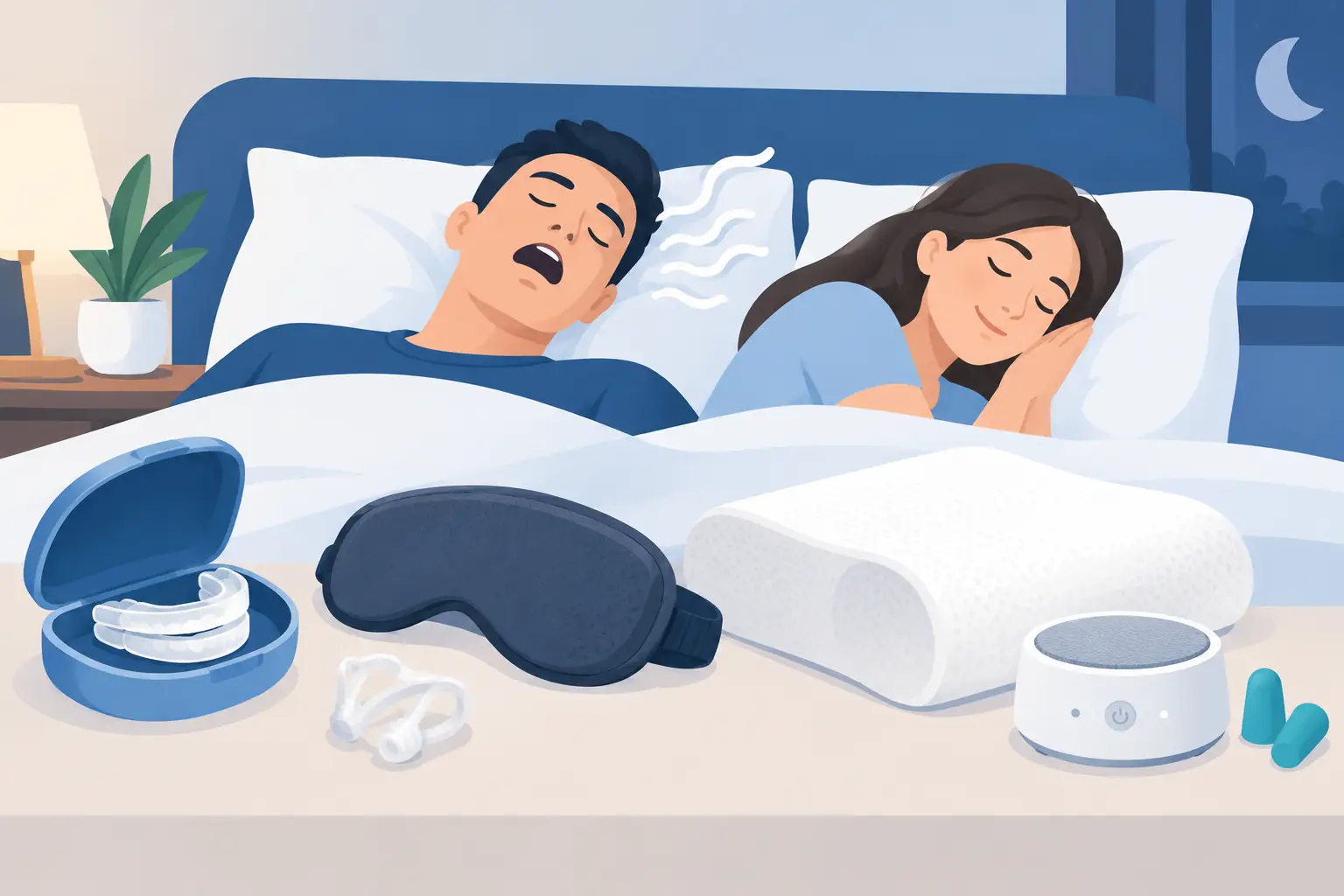
A snorer rarely hears the full story. Their partner does: the nudging, the broken sleep, the separate bedrooms and the dread of another restless night. If you are wondering how to stop snoring naturally, the best place to start is with the factors that narrow or relax your airway after you fall asleep.
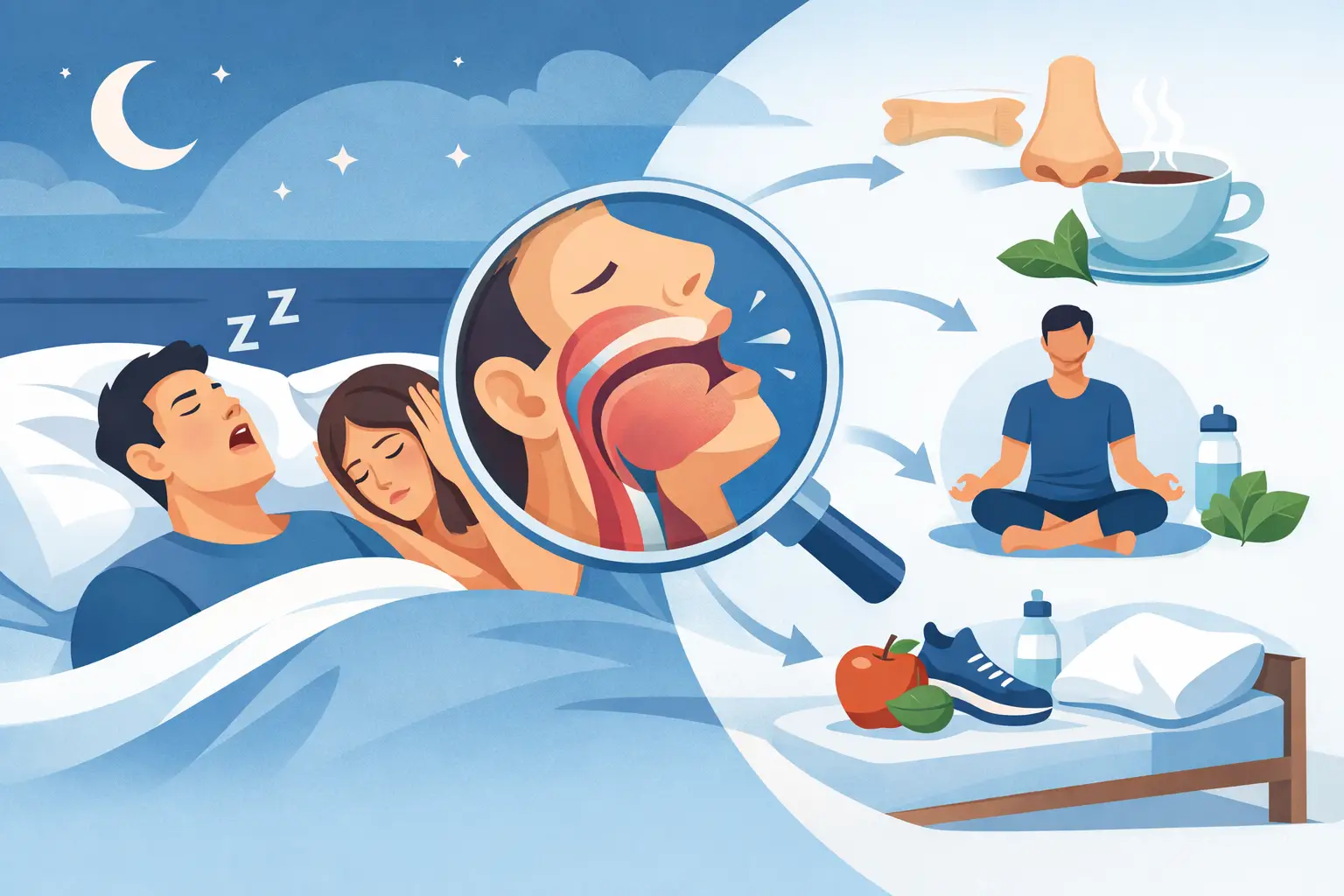
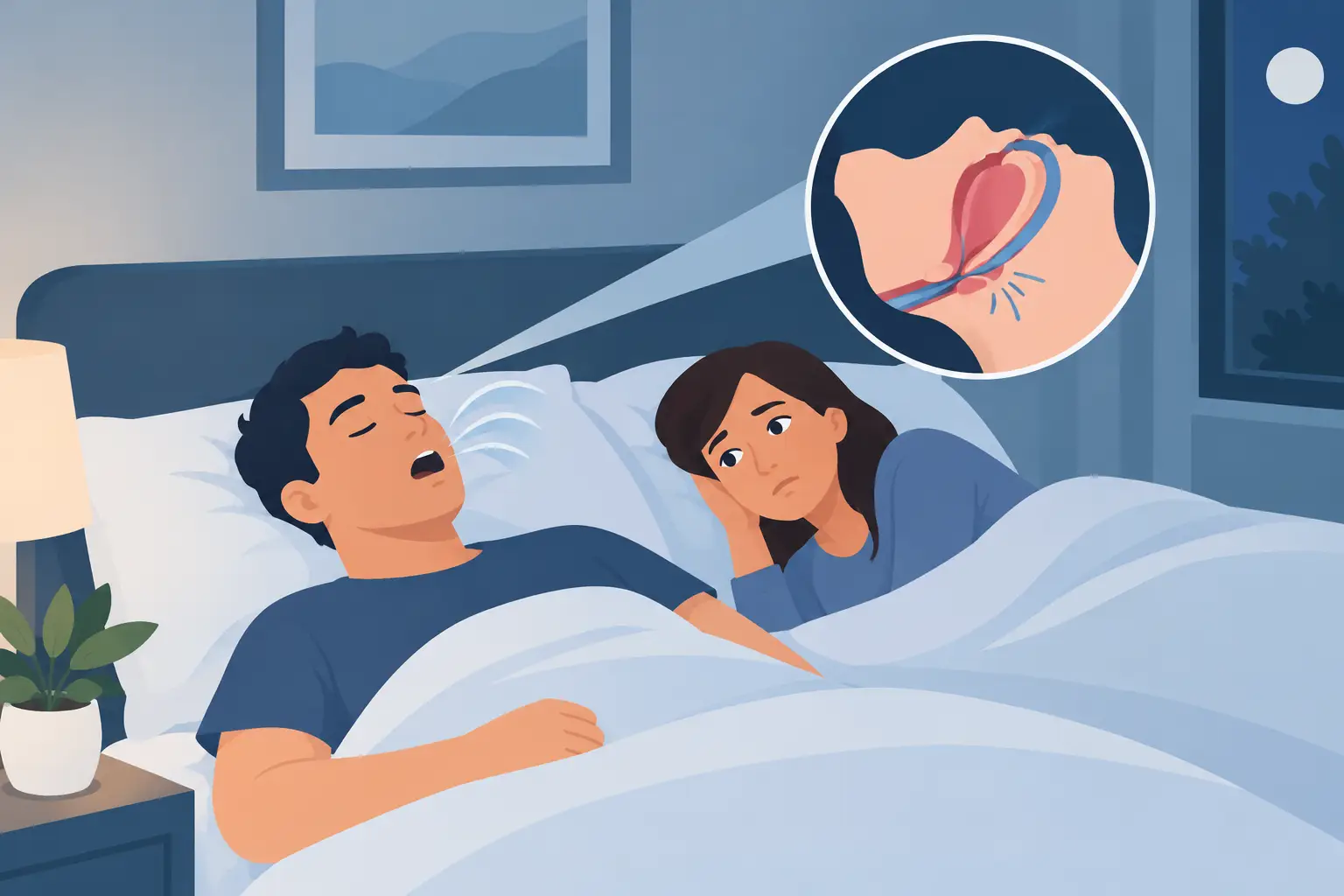
Simple snoring happens when air moves through relaxed tissues in the throat, making them vibrate. It can be made worse by sleeping on your back, drinking alcohol, nasal congestion, poor sleep habits and carrying extra weight around the neck. The good news is that small, consistent changes can make a real difference – without medication or a bulky device.
How to Stop Snoring Naturally: Start With Your Sleeping Position
Back sleeping is a common cause of louder snoring. When you lie on your back, your tongue and soft tissues are more likely to fall towards the back of your throat. That reduces airflow and increases vibration.
Try sleeping on your side for two to three weeks and ask your partner whether they notice a change. A supportive pillow can help keep your head and neck in a neutral position. Some people also find that placing a pillow behind their back makes it less likely that they will roll over during the night.
Avoid piling up several pillows to force your head upwards. An awkward neck angle can make breathing less comfortable rather than better. The aim is steady support, not elevation at any cost.
Clear Your Nose Before Bed
When your nose is blocked, you are more likely to breathe through your mouth. Mouth breathing can dry the throat and make snoring more noticeable.
For occasional congestion, a warm shower before bed, saline nasal spray or a simple nasal rinse may help you breathe more freely. Keep the bedroom clean and consider whether dust, pet dander or seasonal allergies are affecting you overnight. If congestion is persistent, painful or accompanied by sinus symptoms, speak with a pharmacist or GP rather than relying on nightly quick fixes.
Bedroom air matters too. A room that is excessively dry can irritate the nose and throat, while a stuffy, overheated room can make sleep uncomfortable. A cool, well-ventilated room is usually the more comfortable choice.
Be Honest About Alcohol and Sedatives
A nightcap may make you feel sleepy, but it can make snoring louder. Alcohol relaxes the muscles in the throat and can reduce the body’s ability to respond to restricted airflow. Sleeping tablets and sedating medicines may have a similar effect.
If snoring is a problem, try avoiding alcohol for at least three to four hours before bed. You do not necessarily need to give it up completely to see a benefit. Many people find that moving drinks earlier in the evening is enough to make a noticeable difference.
Never stop prescribed medication without medical advice. If you suspect a medicine is worsening your snoring, raise it with your GP or pharmacist.
Support a Healthy Weight, Without Chasing a Quick Fix
Extra tissue around the neck and throat can put more pressure on the airway, so gradual weight loss may reduce snoring for some people. This is not a judgement, and it is not the answer for everyone. Plenty of slim people snore, while plenty of larger people do not.
If weight is a factor for you, focus on changes you can repeat: regular walking, balanced meals, fewer late-night takeaways and a consistent sleep routine. Crash diets are unlikely to improve sleep in a lasting way. A modest, sustainable change is more useful than an all-or-nothing plan that disappears after a fortnight.
Strengthen Your Sleep Routine
Overtired people often sleep more heavily, which can worsen throat muscle relaxation and make snoring more disruptive. A regular bedtime and wake-up time can help, including at weekends where possible.
Make your last hour before bed calmer. Dim screens, finish heavy meals earlier and give yourself time to wind down. This will not solve every case of snoring, but it gives your body a better chance to settle into restorative sleep.
Smoking can also irritate and inflame the upper airway. Cutting down or stopping is one of the most worthwhile health changes you can make, and reduced snoring may be one welcome result.
Try a Discreet, Non-Invasive Snoring Aid
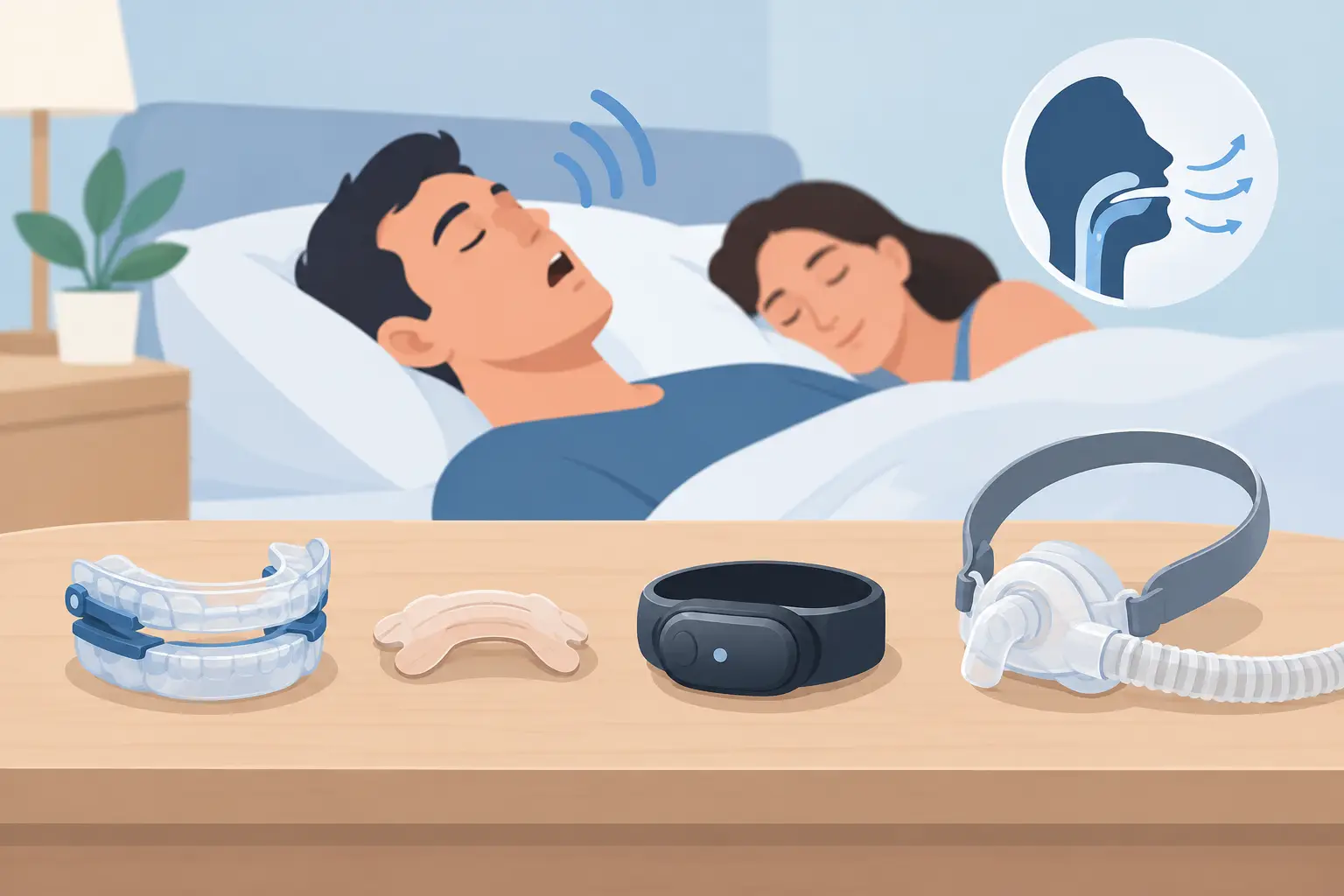
Lifestyle changes are a sensible first step, but they can take time and they are not always enough on their own. Some people do not want a mouthguard, nasal device or medication just to get through the night.
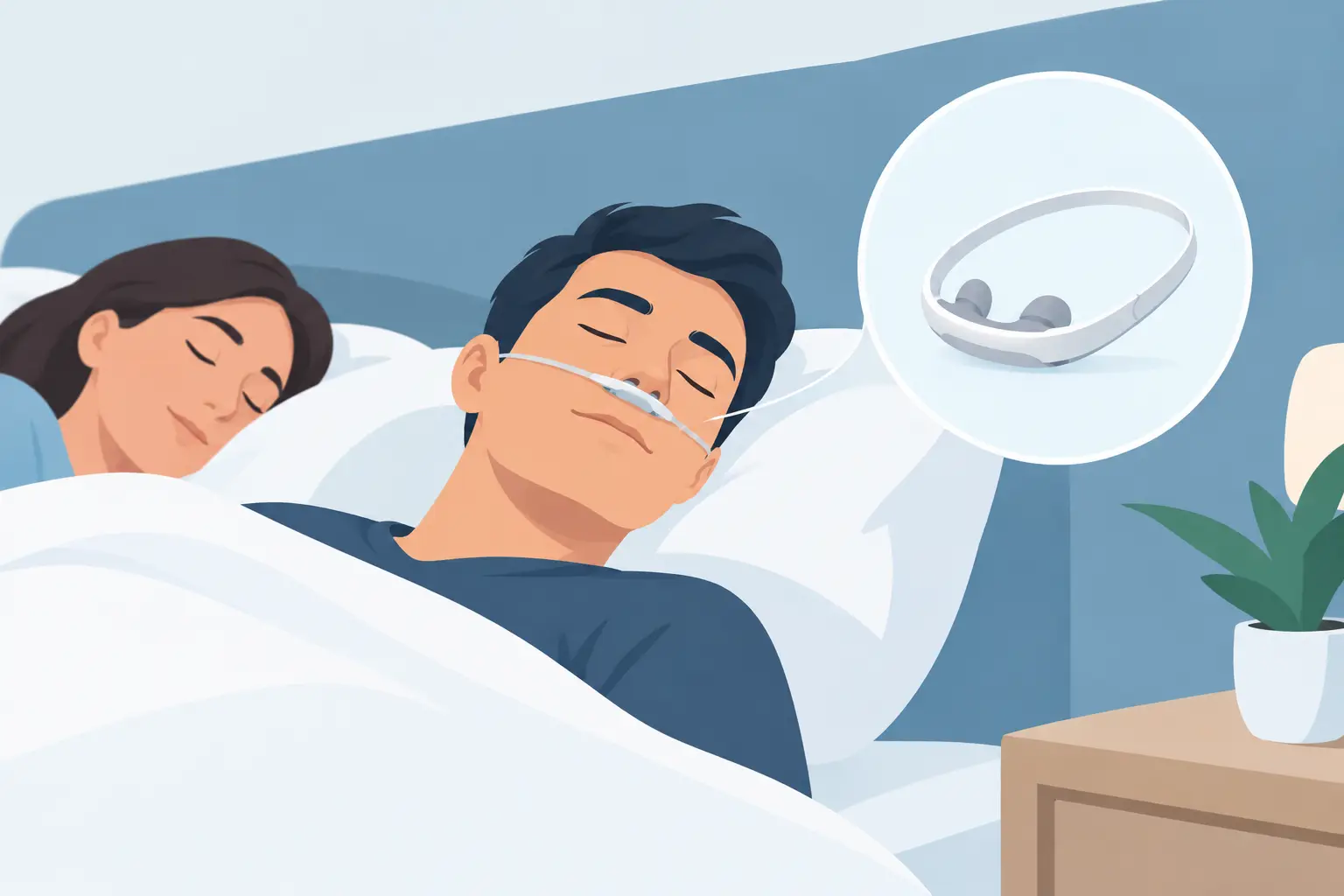
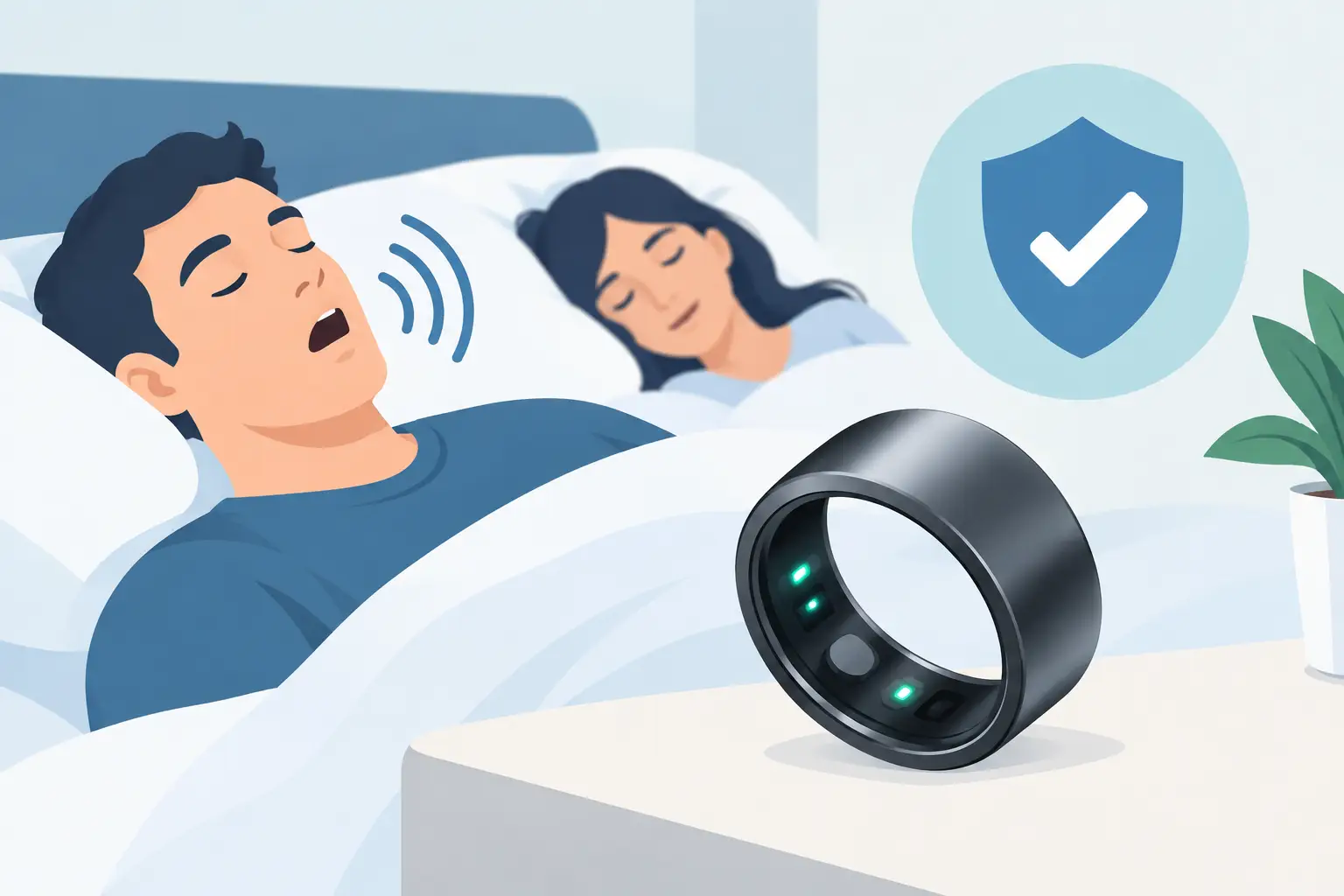
That is where an acupressure-based snoring ring may be worth considering. The Good Night Anti-Snoring Ring, the original stop snoring ring, is designed to apply gentle pressure to specific points on the little finger while you sleep. It is a simple, non-invasive option for people with simple snoring who want something more discreet than bulky nighttime equipment.
No anti-snoring solution works for every person, and honest products should say so. The ring has been clinically trialled and comes with a 30-day money-back guarantee, so you can judge whether it helps in your own bed, with your own sleep pattern. That is a more reassuring approach than buying a cheap copycat product with no clear quality standard or return protection.
Give One Change Enough Time to Work
Snoring remedies often get a bad reputation because people try several things at once, for two nights, then give up. A better approach is to change one or two variables and keep a simple note for a fortnight.
Ask your partner to rate the snoring volume and frequency, or use a recording app if you sleep alone. Note whether you drank alcohol, slept on your back, had a blocked nose or went to bed unusually late. Patterns are easier to spot when you have a record, rather than trying to remember how last Tuesday night sounded.
Consistency matters more than perfection. If side sleeping helps but you occasionally roll onto your back, that does not mean the method has failed. It means you may need better pillow support or another gentle prompt to maintain the position.
Know When Snoring Needs Medical Advice
Natural approaches are appropriate for simple snoring, but loud snoring can sometimes be a sign of obstructive sleep apnoea. This is a condition in which breathing repeatedly stops or becomes restricted during sleep.
Speak to your GP if you or your partner notice pauses in breathing, choking or gasping during sleep, severe daytime tiredness, morning headaches, difficulty concentrating, high blood pressure or a snore that remains extreme despite sensible changes. Do not try to manage those symptoms with a ring or a home remedy alone. Proper assessment matters, and treatment can protect both your sleep and long-term health.
Snoring can feel like an embarrassing problem, but it is a practical one with practical next steps. Start tonight with the change most likely to fit your routine – side sleeping, a clearer nose, an earlier last drink or a discreet non-invasive aid – and give it a fair chance to bring quieter nights back to your home.