Blog
Single Post

What Clinical Research Evidence Really Shows
If you have ever bought an anti-snoring product on pure hope, you already know the problem. The packaging makes big promises, the reviews sound glowing, and then a week later the snoring is still there, your sleep is broken, and your partner is fed up. That is exactly why clinical research evidence matters.
For anyone trying to fix simple snoring, evidence is not a nice extra. It is the difference between a product that has actually been tested and one that simply looks convincing online. In a market full of cheap copycat devices, vague claims and exaggerated marketing, proper evidence helps you tell what is worth trying from what is not.
Why clinical research evidence matters in snoring products
Snoring is personal, frustrating and often emotional. It affects the snorer, but it also affects the person lying next to them. That means people are often willing to try almost anything for a quieter night. Mouthpieces, nasal strips, sprays, pillows, tapes and wearable gadgets all compete for attention, and many use language designed to sound scientific without saying very much at all.
Clinical research evidence gives you something firmer to stand on. It asks basic but essential questions. Was the product actually tested on real people? Was the outcome measured in a structured way? Did the results show meaningful improvement, or just a slight change dressed up as a breakthrough?
That does not mean every clinically tested product will work for every person. It will not. Honest evidence rarely claims that. What it does mean is that the product has been put under some level of scrutiny instead of relying only on opinion, anecdote or marketing spin.
What counts as useful clinical research evidence?
Not all evidence is equal, and that is where many shoppers get misled. A claim such as “clinically inspired” or “based on pressure points” is not the same as a clinical trial. A handful of customer comments is not the same as formal testing. Even before you look at results, it helps to know what kind of proof you are actually being shown.
Useful clinical research evidence usually includes a defined group of participants, a clear method, and stated outcomes. In the case of anti-snoring products, that might include changes in snoring frequency, intensity, partner-reported disturbance or sleep quality over a set period. The stronger the study design, the more confidence you can place in the findings.
The detail matters. If a product says it was trialled, you should be able to understand what was done in plain terms. How many people took part? What kind of snoring did they have? How long was the product used? Were there measurable improvements? If the brand cannot answer those questions clearly, the claim may be thinner than it sounds.
Clinical research evidence does not mean guaranteed results
This is one of the most important points, especially if you have tried several remedies already. Evidence can show that a product helped many users, but it cannot promise it will help every user. Snoring has different causes, and that affects what is likely to work.
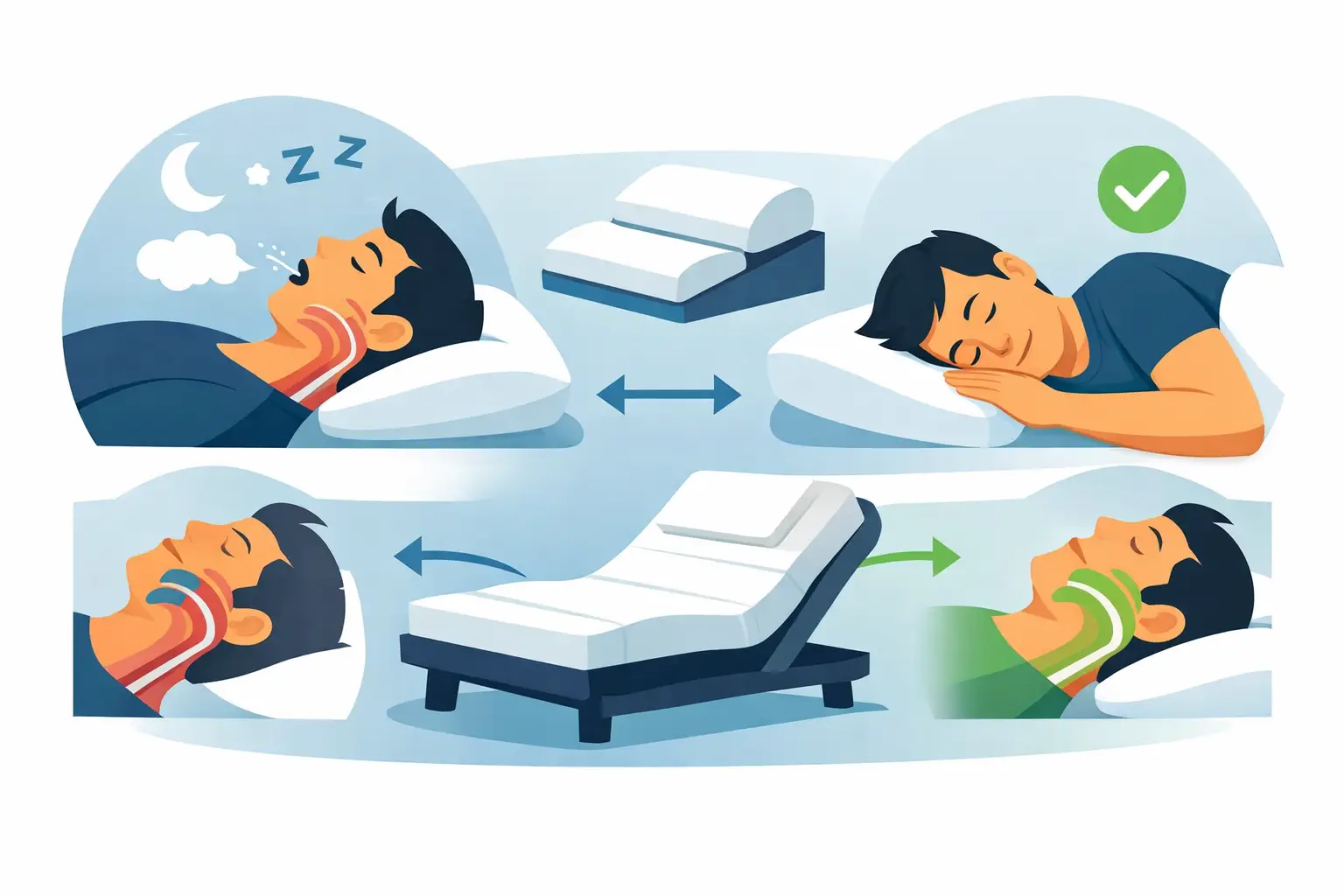
Some people snore because of sleep position. Others because of nasal congestion, weight, alcohol, ageing, throat tissue vibration or anatomical factors. In some cases, snoring may be linked to sleep apnoea, which is a separate issue and needs proper medical assessment rather than a general consumer product.
So when a brand presents clinical research evidence honestly, it should not sound like a miracle cure. It should sound specific, measured and realistic. That is often a good sign. Credible brands tend to say, in effect, this has been tested, this is what we saw, and this is who it may suit best.
How to read anti-snoring claims without getting caught out
A lot of anti-snoring marketing is built to create urgency rather than understanding. Words like “revolutionary” and “instant” are common because they are easy to remember. They are not the same as proof.
A better approach is to look for three things at once. First, is there actual clinical research evidence? Second, is the product comfortable and realistic to wear every night? Third, is there a low-risk way to try it, such as a money-back guarantee?
That last point matters more than some people realise. Even a clinically trialled product may not suit your pattern of snoring. A refund policy does not replace evidence, but it does show whether a company stands behind what it sells. If a brand is genuinely confident, it is usually prepared to remove some of the risk for the customer.
This is especially relevant with simple snoring solutions such as rings, strips and mouthpieces. A product can look effective in theory, but if it is unpleasant to wear, many people stop using it. In practice, comfort and compliance affect results. The best evidence in the world means little if the product spends most nights in a drawer.
Clinical research evidence and non-invasive options
For many adults, the appeal of a non-invasive anti-snoring product is obvious. They do not want a bulky mouthguard, they do not want medication, and they certainly do not want to feel as though bedtime has become a medical procedure. They want something simple, discreet and easy to stick with.
That is where evidence becomes especially valuable. If a non-invasive option claims to reduce simple snoring, clinical research evidence helps show whether that claim has substance behind it. It gives shoppers a reason to believe the product is more than a novelty.
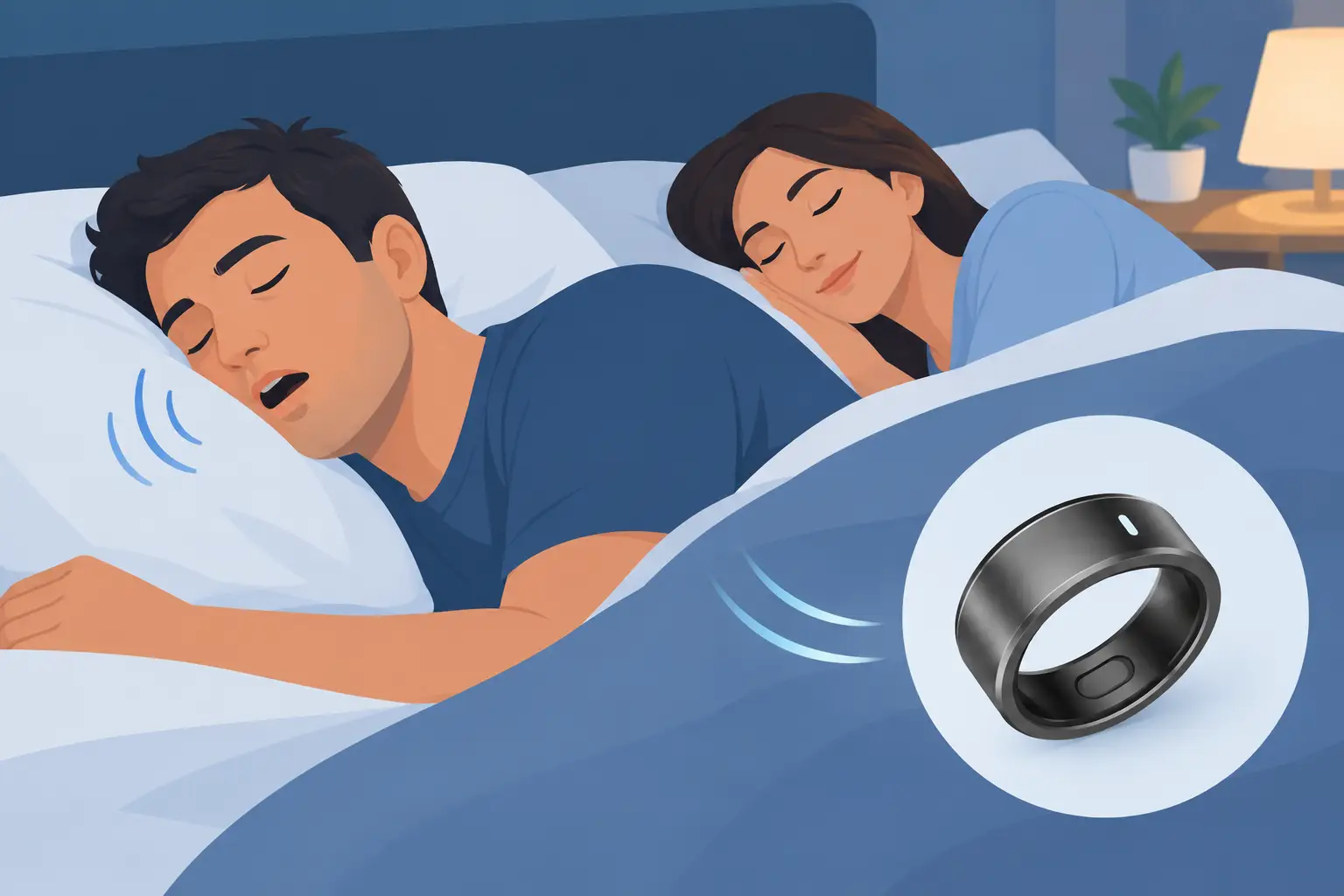
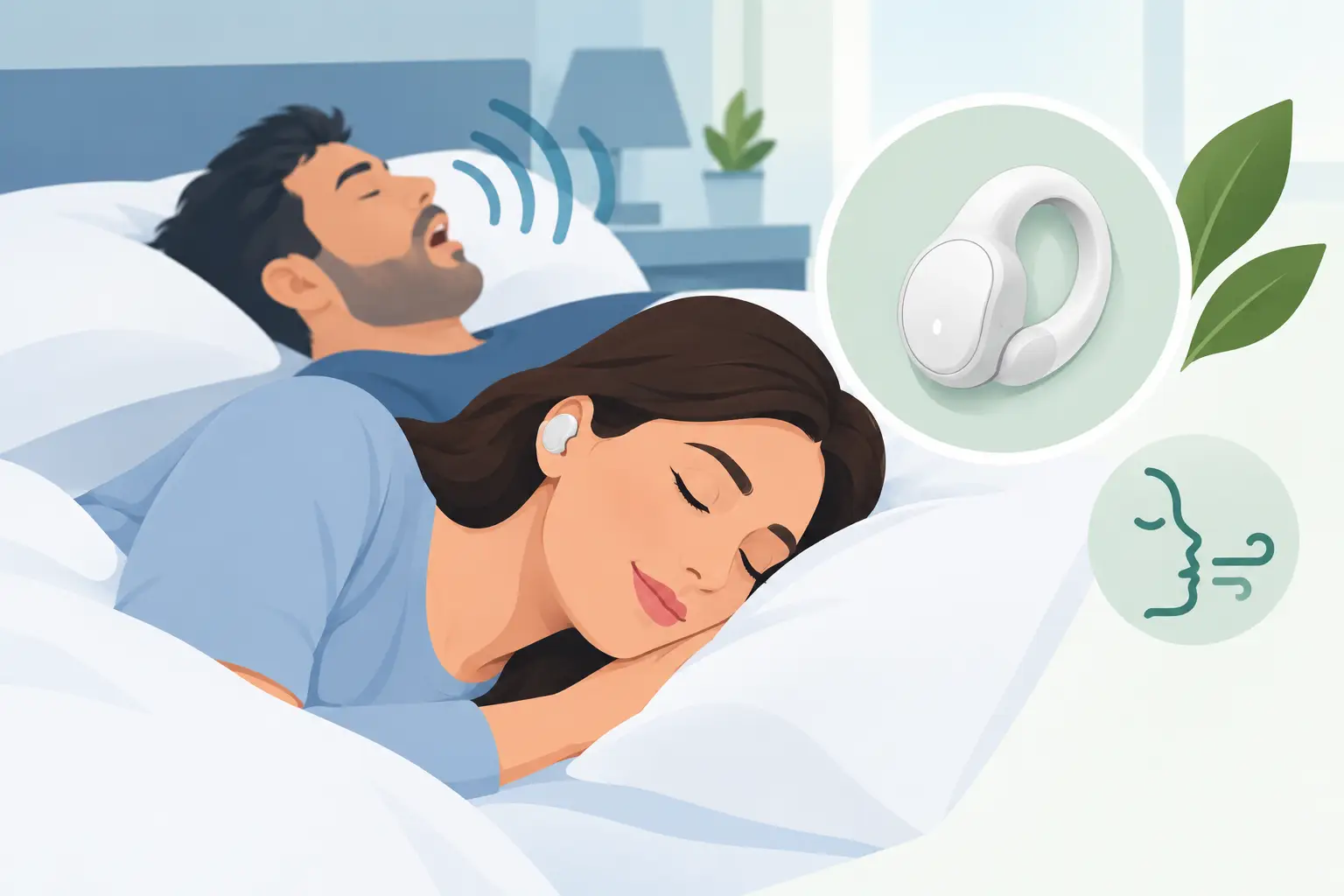
A wearable acupressure ring, for example, will not appeal to everyone on first glance. Some people will be curious, while others will be sceptical. Fair enough. The sensible question is not whether the idea sounds unusual. The sensible question is whether it has been clinically trialled, whether the mechanism is clearly explained, and whether real users have seen improvement.
That is one reason proof-led brands stand apart from imitators. When a product category becomes popular, cheaper copies tend to appear fast. They often borrow the language of the original, mimic the design, and hope buyers will not look too closely. Clinical testing, regulatory clearance and a clear refund promise are much harder to copy convincingly.
What clinical research evidence can and cannot tell you
Clinical evidence is helpful, but it is not magic. It can tell you whether a product performed well in testing and whether the results are promising for the type of user studied. It can also help you compare one option with another on something more meaningful than appearance or price.
What it cannot do is make the decision for you. You still need to consider your own situation. Is the snoring occasional or nightly? Mild or severe? Has it changed recently? Does your partner notice pauses in breathing, choking sounds or extreme daytime tiredness? Those details matter because simple snoring and possible sleep apnoea are not the same thing.
If your snoring is straightforward and you want a comfortable, non-drug option, clinical research evidence can help you choose with more confidence. If your symptoms suggest something more serious, evidence should point you towards medical advice rather than another consumer gadget.
Why trust comes from proof, not noise
People are tired of overblown promises, especially when sleep is involved. They want a product that is simple, credible and backed by more than persuasive wording. That is why brands that lead with evidence, clear explanation and a proper guarantee tend to earn attention for the right reasons.
For a snorer, that means less guesswork. For a partner, it means a more believable reason to hope that bedtime might become quieter. And for both, it means making a decision based on something stronger than wishful thinking.
Good Night Health has built its reputation around that kind of straightforward trust. The original stop snoring ring is presented as a clinically trialled, non-invasive option with a full refund guarantee, which is exactly the sort of combination cautious buyers should be looking for.
If you are weighing up anti-snoring options, start with the evidence and stay sceptical of anything that avoids specifics. A quieter night often begins with a better question: not “What sounds promising?” but “What has actually been shown to work?”