Blog
Single Post

Anti Snoring Ring Versus Surgery – Which First?
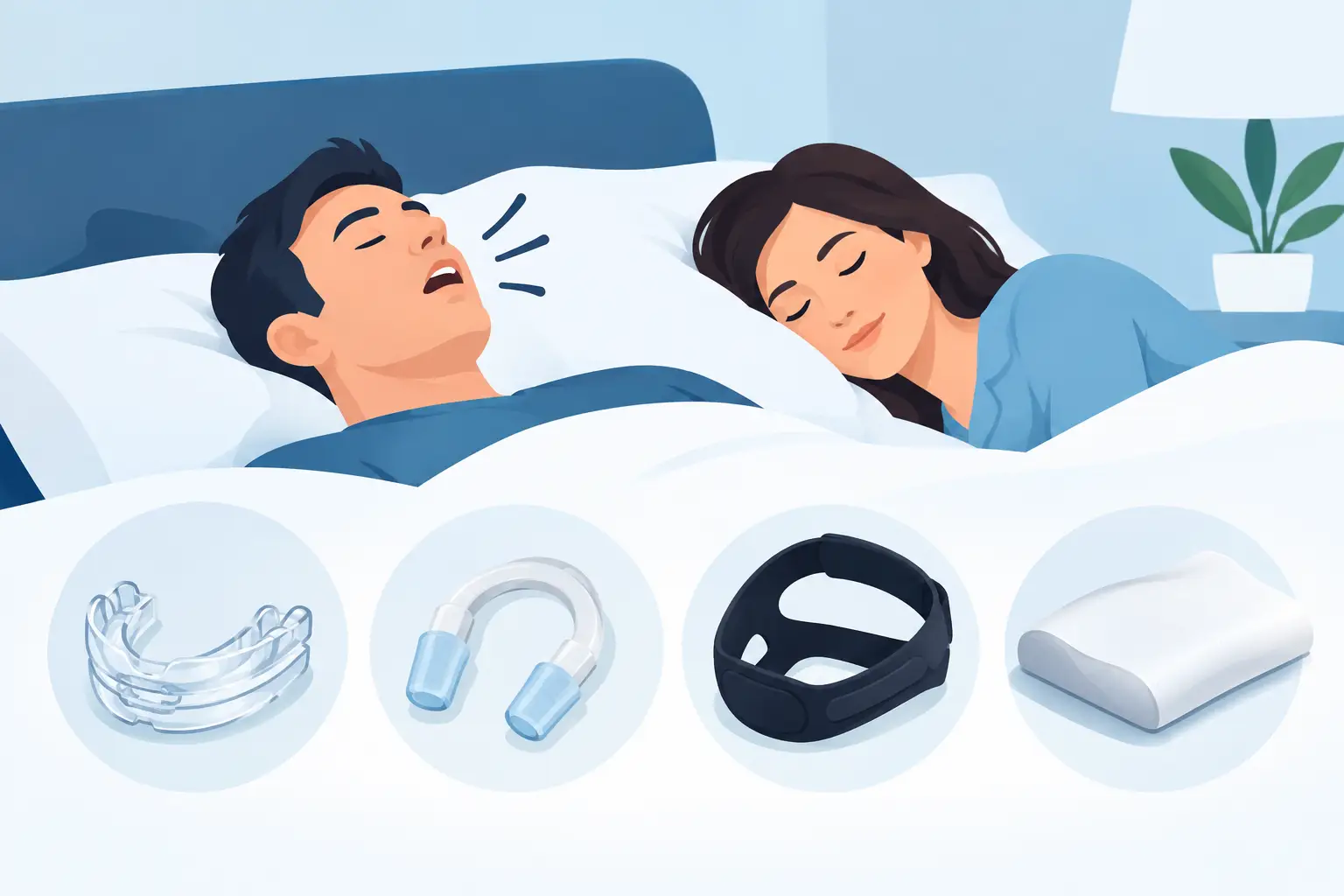
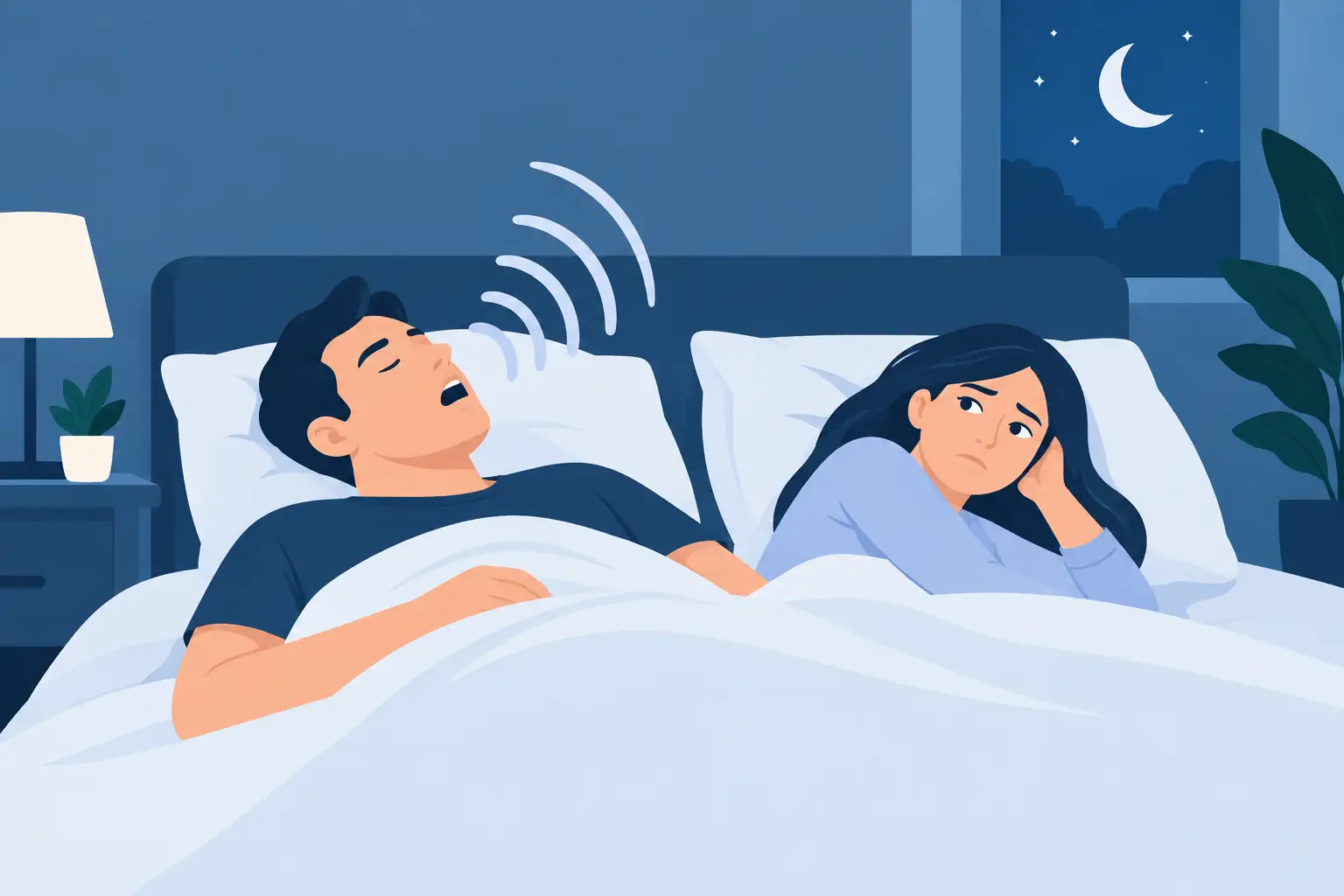
Your partner has moved to the spare room. You wake yourself with the sound, or feel tired despite a full night in bed. When simple remedies have failed, the question of an anti-snoring ring versus surgery can feel surprisingly urgent. But these are not two versions of the same treatment. One is a low-risk, non-invasive option for simple snoring; the other is a medical intervention that may be appropriate when a clinician identifies a physical cause or a more serious sleep-breathing problem.
The sensible starting point is not asking which option sounds strongest. It is working out why you snore, what you have already tried, and whether there are signs that should be assessed by a doctor before you buy anything or consider an operation.
Anti-snoring ring versus surgery: the key difference
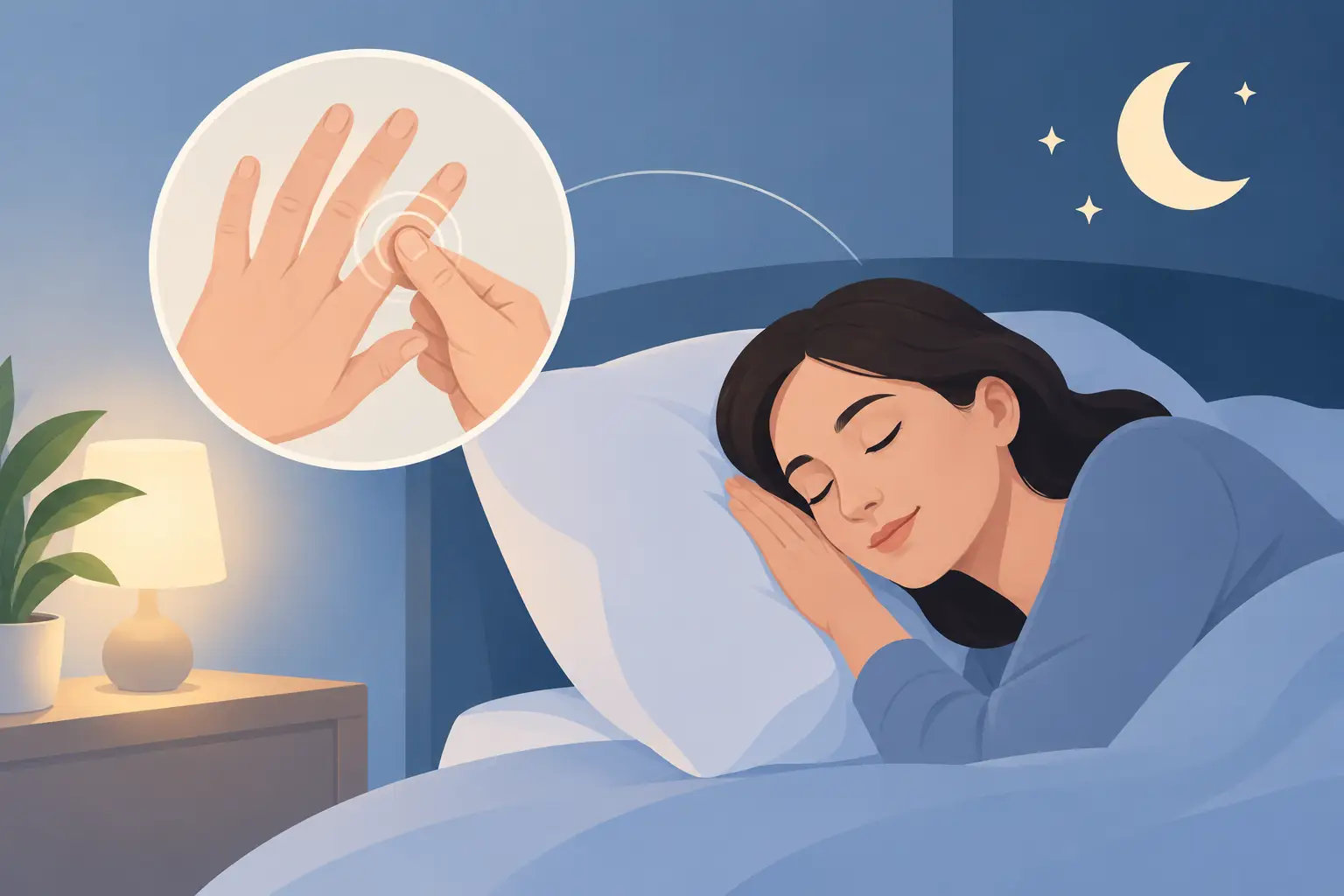
An anti-snoring ring is designed for people with simple snoring who want a discreet, comfortable approach without a mouthguard, medication or equipment attached to the face. The ring is worn on the little finger overnight and applies acupressure to specific points. It takes moments to put on, makes no noise and does not change the way your mouth sits while you sleep.
Surgery, by contrast, aims to alter an area of the airway that may be contributing to snoring. Depending on the assessment, this can involve the nose, soft palate, tonsils, tongue base or jaw. It is not a single procedure, and results vary substantially according to the cause of the snoring, the operation chosen and the individual.
That difference matters. A ring is something you can try as part of your normal bedtime routine and stop using if it does not suit you. Surgery requires clinical assessment, recovery time and acceptance of possible complications. It should not be treated as the next step simply because snoring is loud or frustrating.
First, separate simple snoring from sleep apnoea
Snoring happens when airflow causes relaxed tissues in the upper airway to vibrate. It is common, often worse after alcohol, when sleeping on your back, with a cold or blocked nose, and as weight changes. It can be a relationship problem and a genuine source of poor sleep without necessarily being a dangerous medical condition.
Obstructive sleep apnoea is different. It involves repeated narrowing or closure of the airway during sleep. A partner may notice pauses in breathing, choking or gasping followed by loud snoring. Other warning signs include pronounced daytime sleepiness, morning headaches, poor concentration, waking unrefreshed and high blood pressure.
If any of these signs apply, speak to your GP or a sleep specialist. Do not rely on a ring, a mouthpiece or surgery adverts to diagnose the problem. You may need a sleep assessment, and treatment for sleep apnoea can involve lifestyle changes, a dental device, CPAP therapy or, in selected cases, surgery. The right treatment is based on the diagnosis, not on how desperate everyone feels at 3 am.
When a ring is the practical first move
For uncomplicated snoring, a ring has a clear advantage: the barrier to trying it is low. There is no fitting appointment, no impression of your teeth and no recovery period. For many people, that matters as much as the potential result. A solution only helps if you can comfortably use it night after night.
The Good Night Anti-Snoring Ring is the original clinically trialled stop-snoring ring. It is made for adults looking for a natural, non-invasive option and is intended to be worn while you sleep. Unlike bulky oral appliances, it does not hold the jaw forward. Unlike nasal devices, it does not sit inside the nose. Its job is simply to provide targeted acupressure through a small, elegant wearable.
No honest brand should promise that a ring works for every person. Snoring has several causes, and response differs from one sleeper to another. That is why a proper money-back guarantee matters: it lets you find out whether this approach suits you without committing to a permanent procedure. It is also worth being cautious with cheap imitation rings that make vague claims but do not offer the same product heritage, trial basis or customer protection.
A ring is particularly reasonable to consider if your snoring is recent or intermittent, you have no suspected apnoea symptoms, and you want to avoid more intrusive options. It can also be a welcome alternative for people who have tried mouthguards and found them uncomfortable, difficult to clean or impossible to sleep in.
What surgery can and cannot do
Snoring surgery may be considered when a specialist can identify a correctable structural issue. Examples can include significantly enlarged tonsils, certain nasal obstructions, or particular patterns of palate collapse. The aim may be to improve airflow, reduce tissue vibration or make another treatment more tolerable.
However, surgery is not automatically permanent cure territory. The airway changes with age, weight, sleep position and alcohol intake. Tissue can continue to relax over time, so snoring may improve but not disappear, or it may return later. A procedure that is suitable for one person may make little difference for another whose snoring comes mainly from a different part of the airway.
There are also practical trade-offs. Recovery can involve pain, swelling, time away from normal routines and temporary disruption to eating or sleeping. Risks depend on the procedure but can include bleeding, infection, changes in swallowing, voice changes, persistent discomfort and an outcome that falls short of expectations. A surgeon should explain both the likely benefit and the limits in your own case before you decide.
This does not mean surgery is inherently a bad choice. For the right diagnosis, it can be valuable. It does mean that surgery deserves the same clear-eyed scrutiny you would give any operation. Ask what is causing your snoring, why this particular procedure is recommended, what recovery looks like, and what happens if the improvement is limited.
A sensible route before considering an operation
Start with the factors that commonly amplify simple snoring. Sleeping on your side rather than your back may help. Reducing alcohol close to bedtime can make a noticeable difference for some people, as can treating nasal congestion and keeping a regular sleep routine. If weight is a factor, gradual weight management can help both snoring and general health, without turning sleep into another source of pressure.
Then consider a non-invasive solution you can use consistently. Give it a fair trial over several nights rather than judging it after one restless evening, especially if a cold, late meal or alcohol has made that night unusual. Your partner may be able to give useful feedback, but also pay attention to how rested you feel.
Seek a medical assessment sooner if your snoring is accompanied by breathing pauses, gasping, significant sleepiness or any concern about sleep apnoea. You should also speak with a clinician if snoring appeared suddenly, follows an injury, or comes with persistent nasal blockage or swallowing problems.
Choosing based on risk, not frustration
It is easy to see why surgery can sound tempting after years of broken sleep. Yet frustration is a poor reason to skip the simple, reversible steps. An anti-snoring ring is low commitment and non-invasive. Surgery is a clinical decision with a higher potential upside in carefully selected cases, but also a higher cost in recovery and risk.
The best choice depends on the cause of your snoring. If it is simple snoring and you want a comfortable solution that does not dominate bedtime, a clinically trialled ring with a full refund guarantee is a sensible place to begin. If a medical assessment points to sleep apnoea or a structural issue, follow the treatment plan built for that diagnosis.
Better nights often start with a smaller, more considered step: choose the option that fits what is actually happening in your airway, protects your health and gives both of you the best chance of waking rested.