Blog
Single Post
Top Alternatives to Snoring Mouthguards
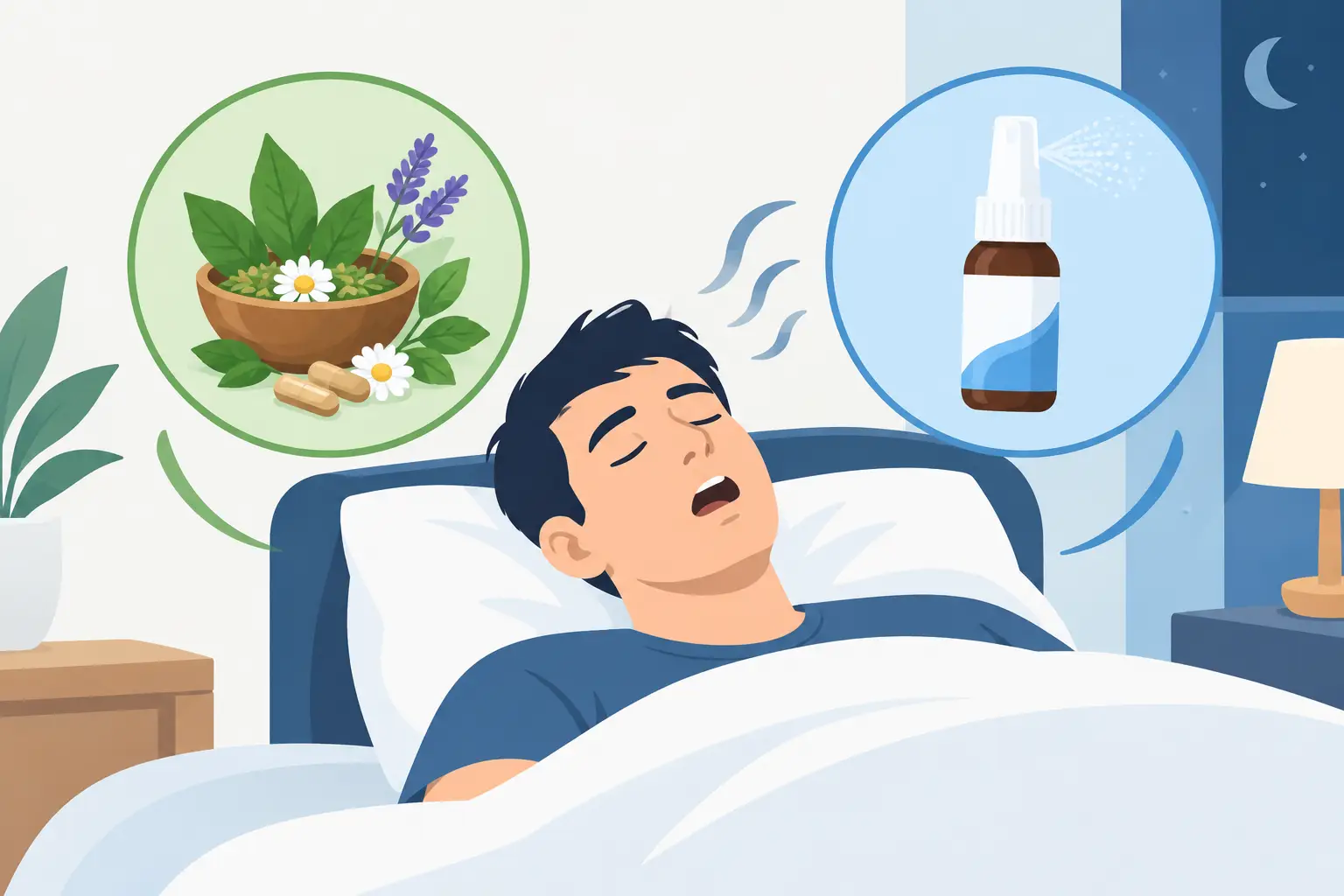
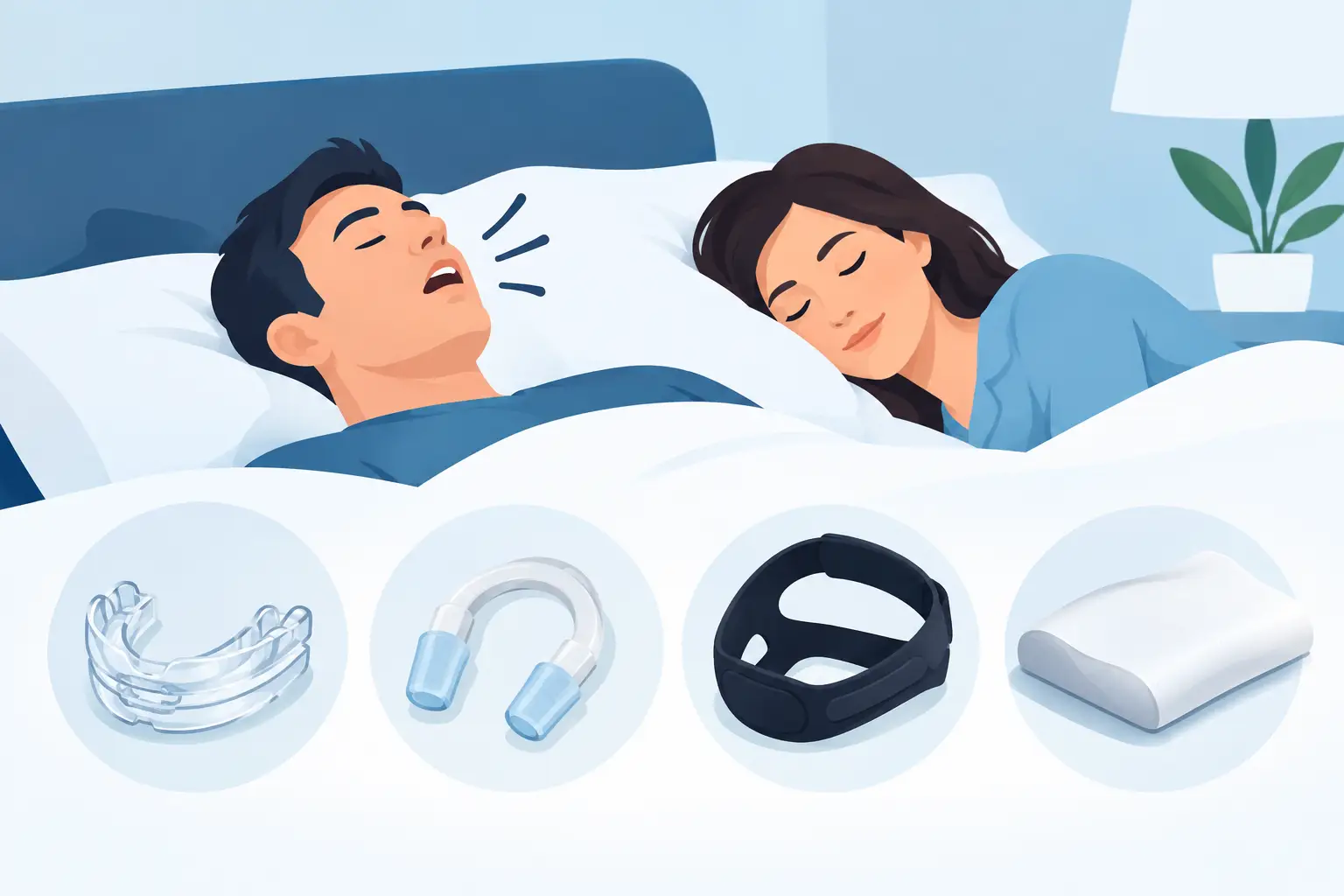
A mouthguard can sound like a sensible fix until you try to sleep in one. Many people find that a bulky device causes jaw ache, excess saliva, dry mouth or the feeling that bedtime has become another task to endure. If that sounds familiar, there are top alternatives to snoring mouthguards worth considering, especially when comfort, discretion and a simple nightly routine matter to you and your partner.
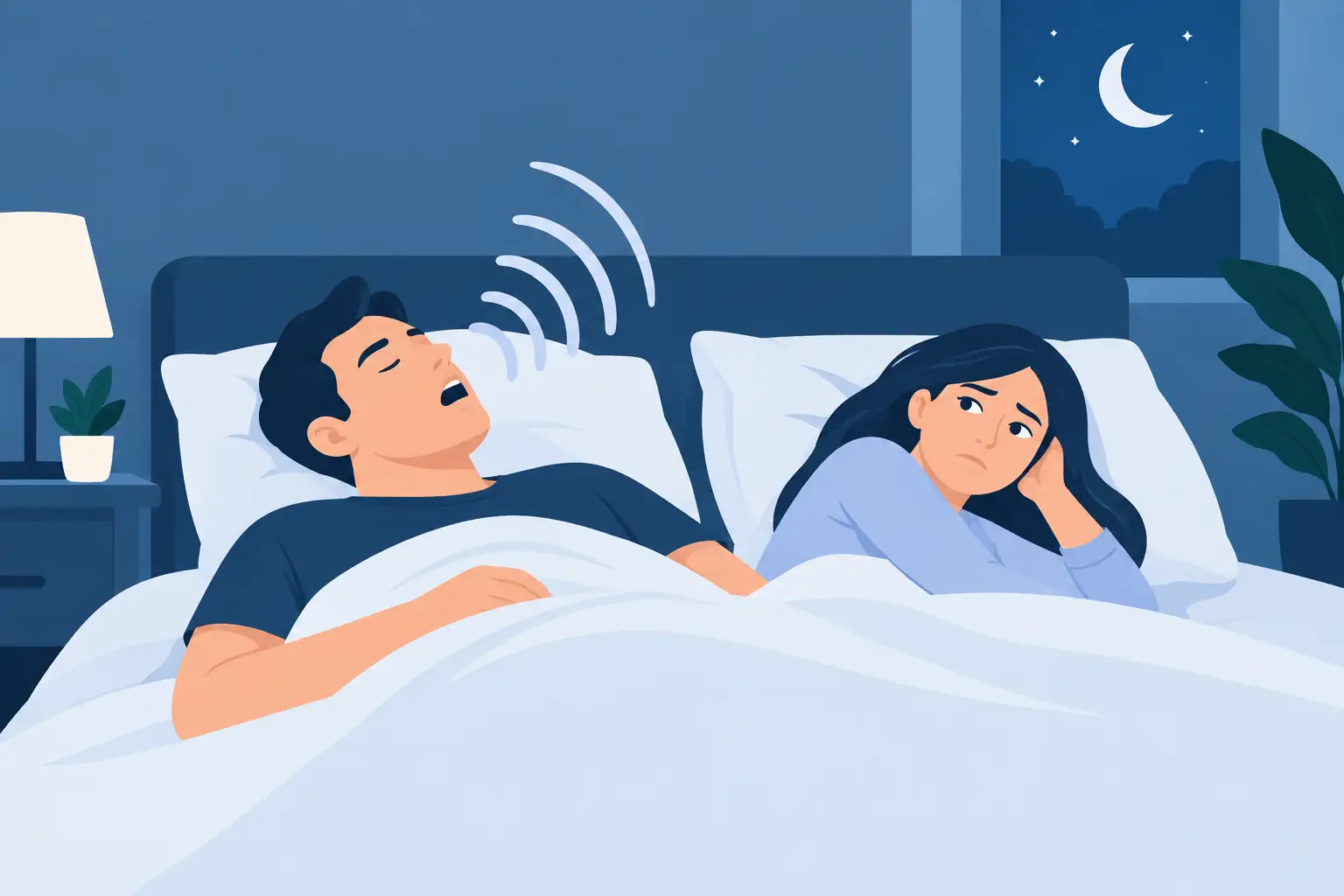
The right choice depends on why you snore. Simple snoring often happens when soft tissues relax and vibrate as air passes through the throat. Nasal congestion, sleeping position, alcohol and excess weight can make it worse. But loud, persistent snoring can also be a sign of obstructive sleep apnoea, which needs proper medical assessment rather than a one-size-fits-all product.
Why mouthguards do not suit everyone
Most anti-snoring mouthguards are mandibular advancement devices. They hold the lower jaw slightly forward, which can help keep the airway more open. For some people, that approach is effective. For others, it is uncomfortable enough that the device ends up in the bedside drawer.
A poorly fitted mouthguard may leave you with sore teeth, jaw tension or a bite that feels different in the morning. People with dentures, dental work, temporomandibular joint problems or sensitive gums may need particular caution. Boil-and-bite versions are usually less expensive, but they do not offer the same fit as a dentist-made appliance.
The point is not that every mouthguard is a bad option. It is that a solution only works when you can comfortably use it night after night. If you have already given one a fair try, there are less intrusive routes to explore.
Top alternatives to snoring mouthguards
A discreet acupressure ring
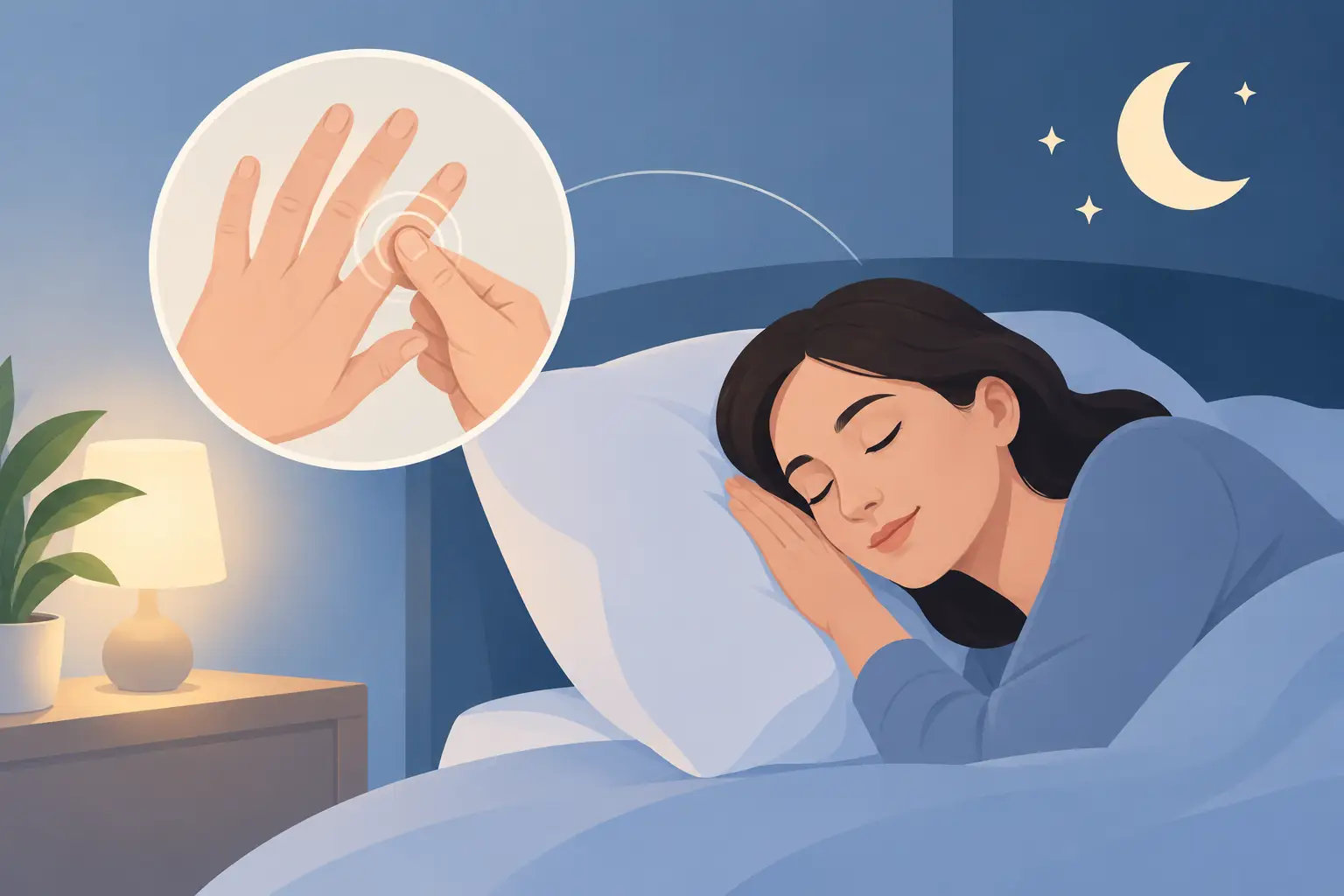
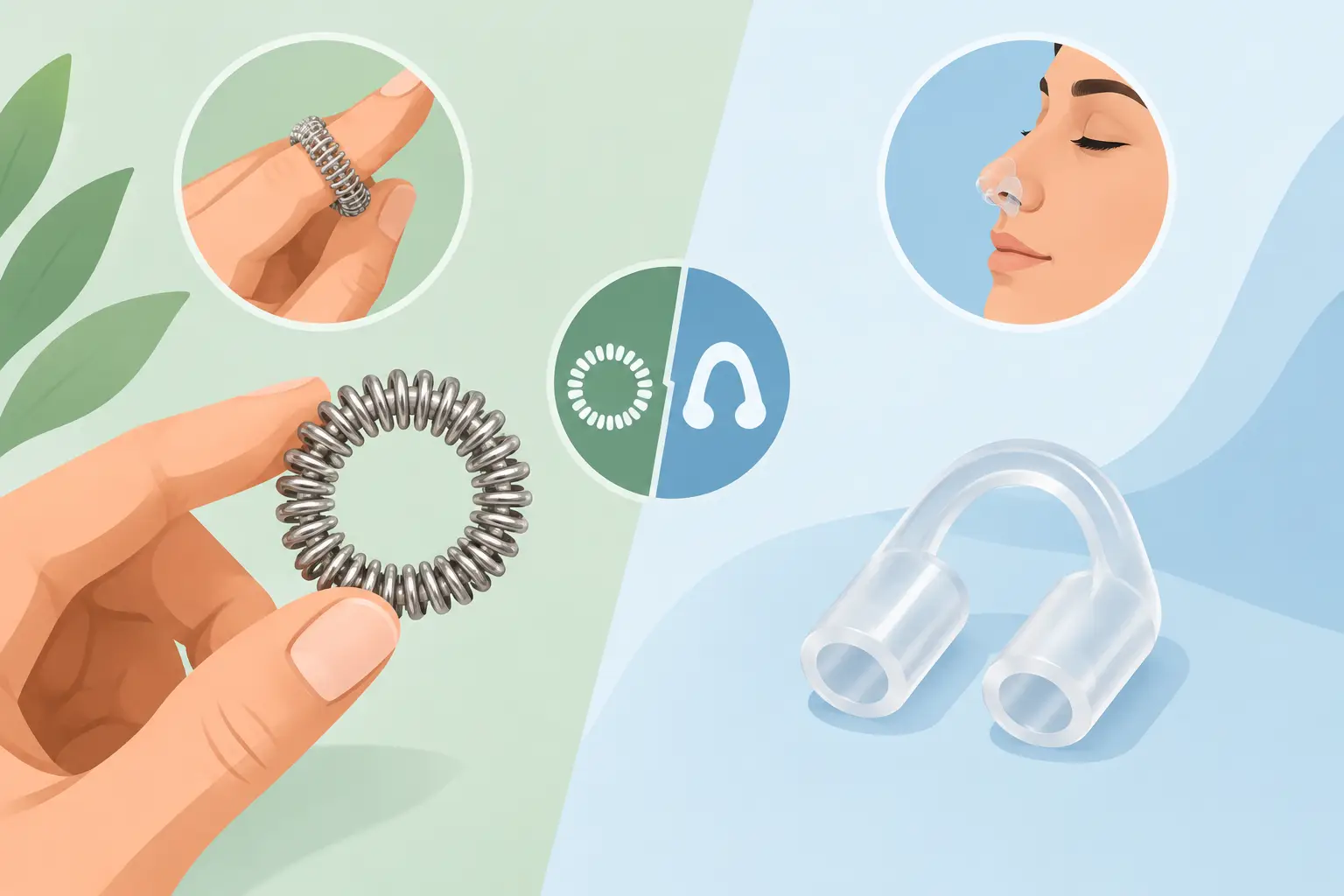
For people who do not want anything in their mouth, a small ring worn on the little finger is a very different approach. Acupressure rings are designed to apply gentle pressure to specific points during sleep, with no straps, batteries, medication or dental fitting involved.
This option appeals to couples because it is simple and unobtrusive. Put it on before bed and remove it in the morning. There is no moulding, cleaning tablet or adjustment mechanism to manage. It may be particularly suitable for simple snoring when you want to try a natural, non-invasive option before moving on to more involved devices.
Good Night Health’s original stop snoring ring is clinically trialled and backed by a 30-day money-back guarantee. That matters because acupressure is not a guaranteed answer for every snorer, and an honest trial at home is the only way to know whether it suits you. Be wary of cheap lookalikes that make sweeping promises without clear product information or a meaningful refund policy.
Nasal strips and internal nasal dilators
If your snoring gets worse during a cold, hay fever season or when one nostril always feels blocked, your nose may be part of the problem. External nasal strips gently pull the sides of the nose open. Internal nasal dilators sit just inside the nostrils to support airflow.
These products can be inexpensive and easy to test. They are often most useful for nasal resistance, not for snoring that comes mainly from the throat. A strip will not stop soft tissue vibrating at the back of the airway, so do not be discouraged if it gives only partial relief.
People with sensitive skin may find adhesive strips irritating. Internal dilators can feel odd at first, although many users adjust quickly. Clean reusable dilators carefully and replace disposable options as directed.
Positional therapy
For some people, the noise is noticeably worse on their back. Gravity allows the tongue and soft tissues to fall backwards, narrowing the airway. Side sleeping can reduce this effect without putting anything in your mouth.
A supportive body pillow, a purpose-made positional belt or a simple adjustment to your pillow arrangement may help you stay on your side. This is one of the least expensive alternatives, but it requires consistency. If you naturally roll onto your back several times a night, the initial improvement may not last unless you use something that makes the position easier to maintain.
Positional therapy is often a good starting point for snorers whose partner has already noticed a clear pattern: quiet on the side, noisy on the back.
Addressing nasal congestion
Congestion can turn light snoring into an all-night problem. Dust, pet dander, seasonal allergies, a dry bedroom and irritants such as smoke can all affect nasal breathing. Practical changes may include washing bedding regularly, keeping the bedroom comfortably ventilated and discussing persistent allergy symptoms with a pharmacist or GP.
Saline rinses can help some people clear the nose before bed. Medicated decongestant sprays are not a long-term nightly solution, as overuse can lead to rebound congestion. If you regularly struggle to breathe through your nose, or suspect a structural issue, seek clinical advice rather than repeatedly buying another remedy.
Lifestyle changes that target common triggers
This is not the quick fix people want to hear, but certain evening habits genuinely affect snoring. Alcohol relaxes throat muscles, particularly when consumed close to bedtime. Sedative medication can have a similar effect, so speak with a clinician before changing prescribed medicines.
Keeping regular sleep hours may help too. Extreme tiredness can make the muscles of the throat relax more deeply. For people carrying extra weight, gradual weight loss can reduce pressure around the airway and improve snoring over time. These changes are not a judgement and they are not the only answer. They can, however, make a wearable or positional solution more effective.
Medical treatment for diagnosed sleep apnoea
If snoring comes with pauses in breathing, choking or gasping, morning headaches, unrefreshing sleep or severe daytime tiredness, do not treat it as simple snoring. Ask your GP about assessment for obstructive sleep apnoea.
Treatment may involve continuous positive airway pressure, known as CPAP, a professionally fitted dental device, or another clinician-led plan. CPAP is more involved than a ring or nasal strip, but for sleep apnoea it can be life-changing and protects more than a quiet bedroom. A partner who notices breathing pauses should take that observation seriously.
How to choose without wasting more money
Start with the pattern, not the packaging. If you only snore when lying on your back, positional support is a logical first trial. If blocked nasal breathing is the obvious trigger, try addressing that. If you want an option that avoids the mouth altogether and fits easily into a normal bedtime routine, an acupressure ring may be the better match.
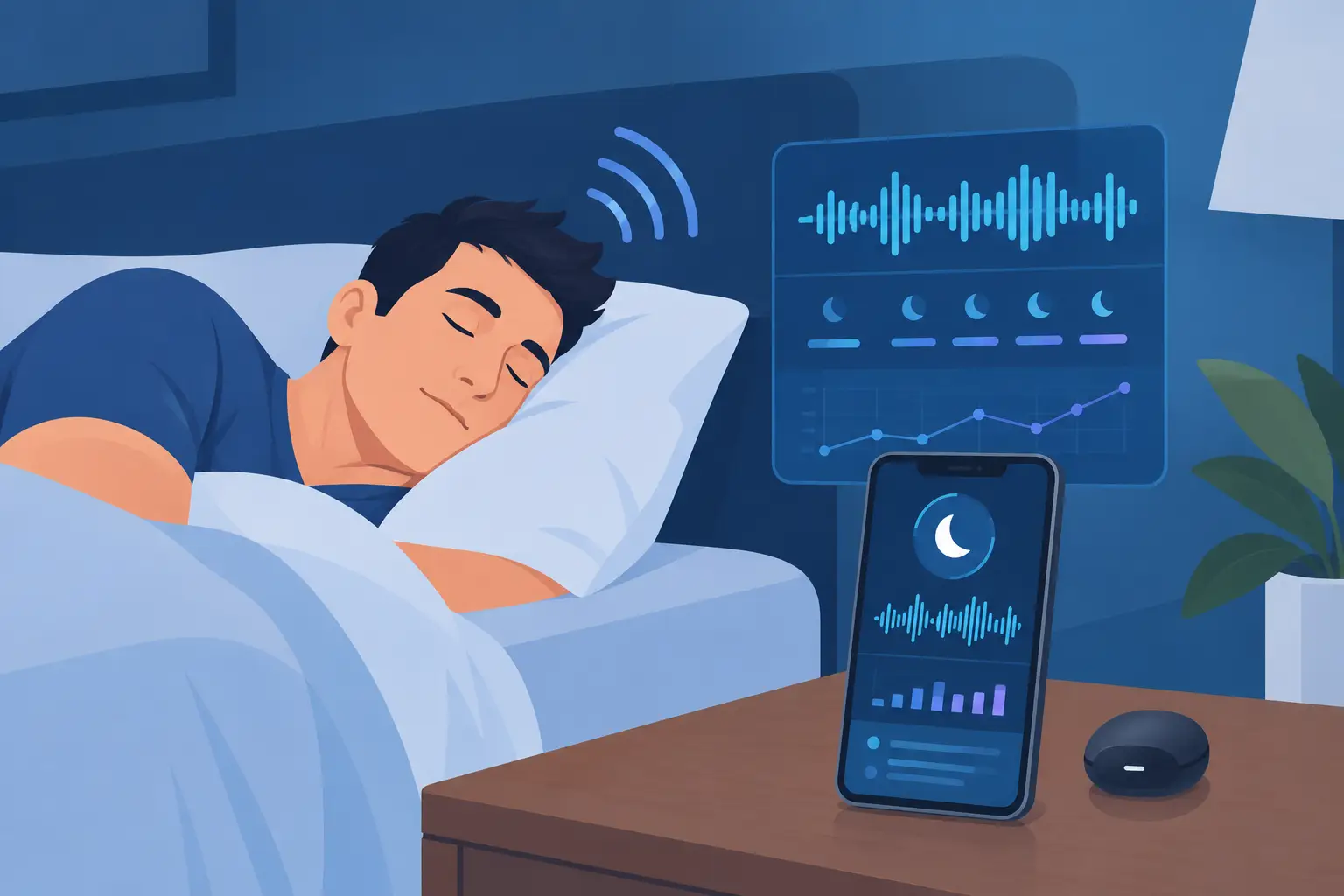
Give one change enough time to judge fairly. Switching between three products in the same week makes it hard to know what is helping. Ask your partner for honest feedback, or use a snore-recording app as a rough guide to patterns rather than a diagnosis.
Consider the practical trade-off as well. A solution can be clinically plausible and still be wrong for you if it causes discomfort, needs constant adjustment or makes sleep feel less restful. Look for clear instructions, credible product claims and a proper return policy. A full refund guarantee reduces the risk of trying a solution that may not suit your particular snoring.
A quieter night should not require gritting your teeth
Mouthguards have their place, but they are not the only route to better sleep. For simple snoring, the most effective option is often the one you can use comfortably and consistently, while keeping a close eye on signs that need medical attention.
Choose a sensible first step, give it an honest trial and let comfort count. Better sleep is not only about reducing the noise – it is about helping both people wake up feeling more like themselves.