Blog
Single Post
How Finger Pressure Supports Sleep and Quieter Nights
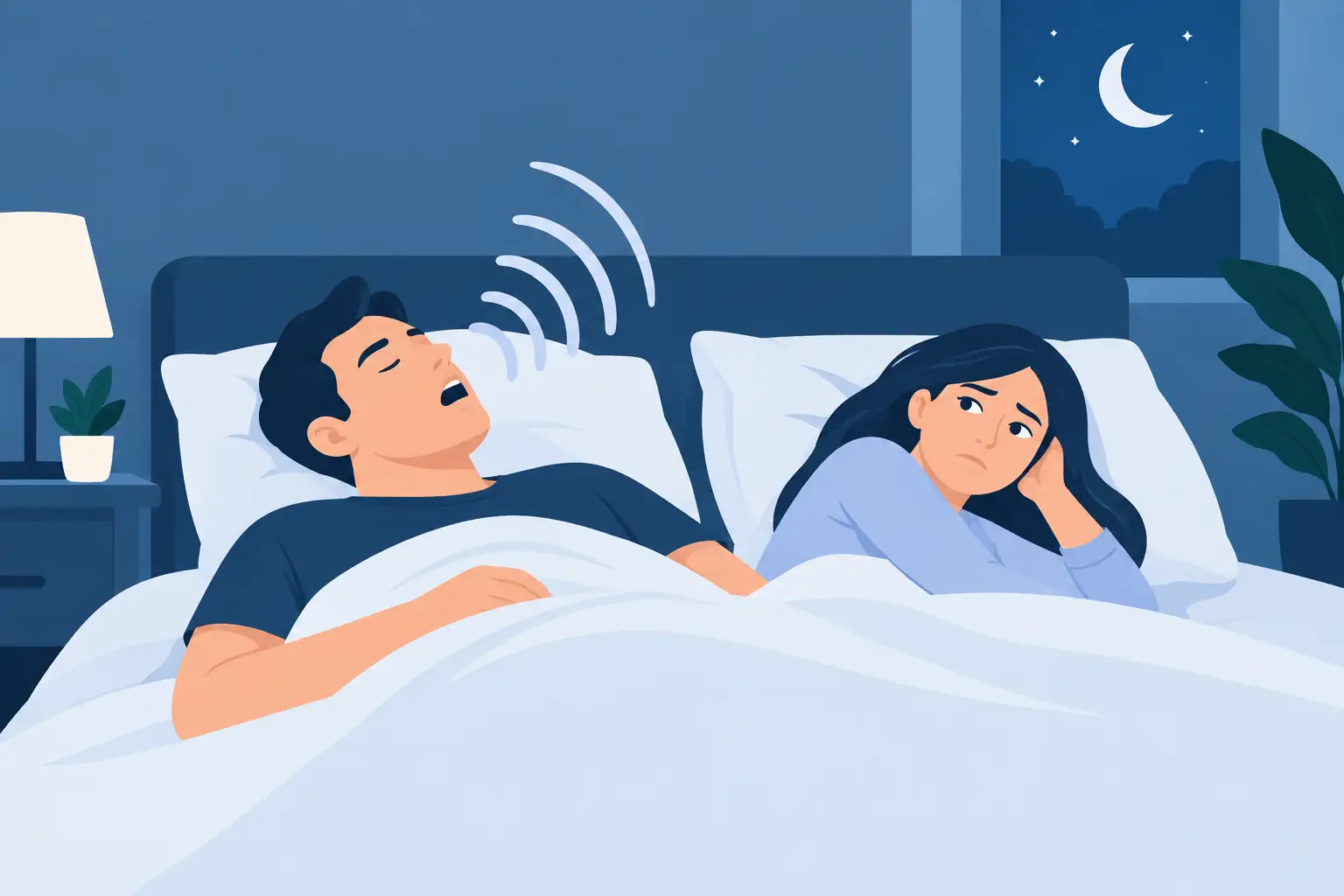
The sharp nudge at 2am. The separate bedrooms. The morning apology from the person who slept through every sound. Snoring does not only affect the snorer – it can leave both people tired, irritable and searching for a solution that does not involve medication, a bulky mouthguard or a complicated bedtime routine. Understanding how finger pressure supports sleep starts with a simple point: for some people with simple snoring, gentle, consistent acupressure may help encourage quieter breathing at night.
How Finger Pressure Supports Sleep
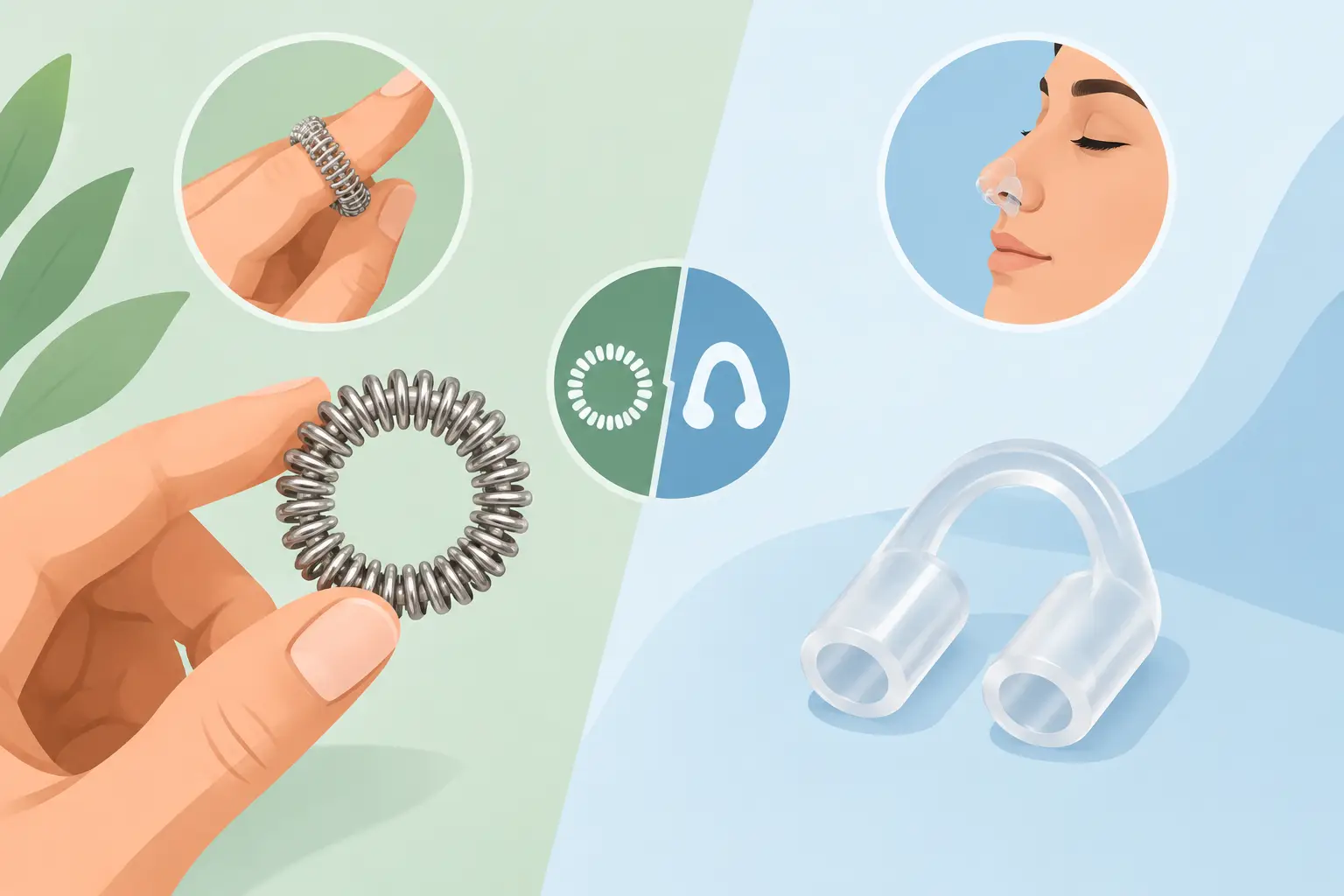
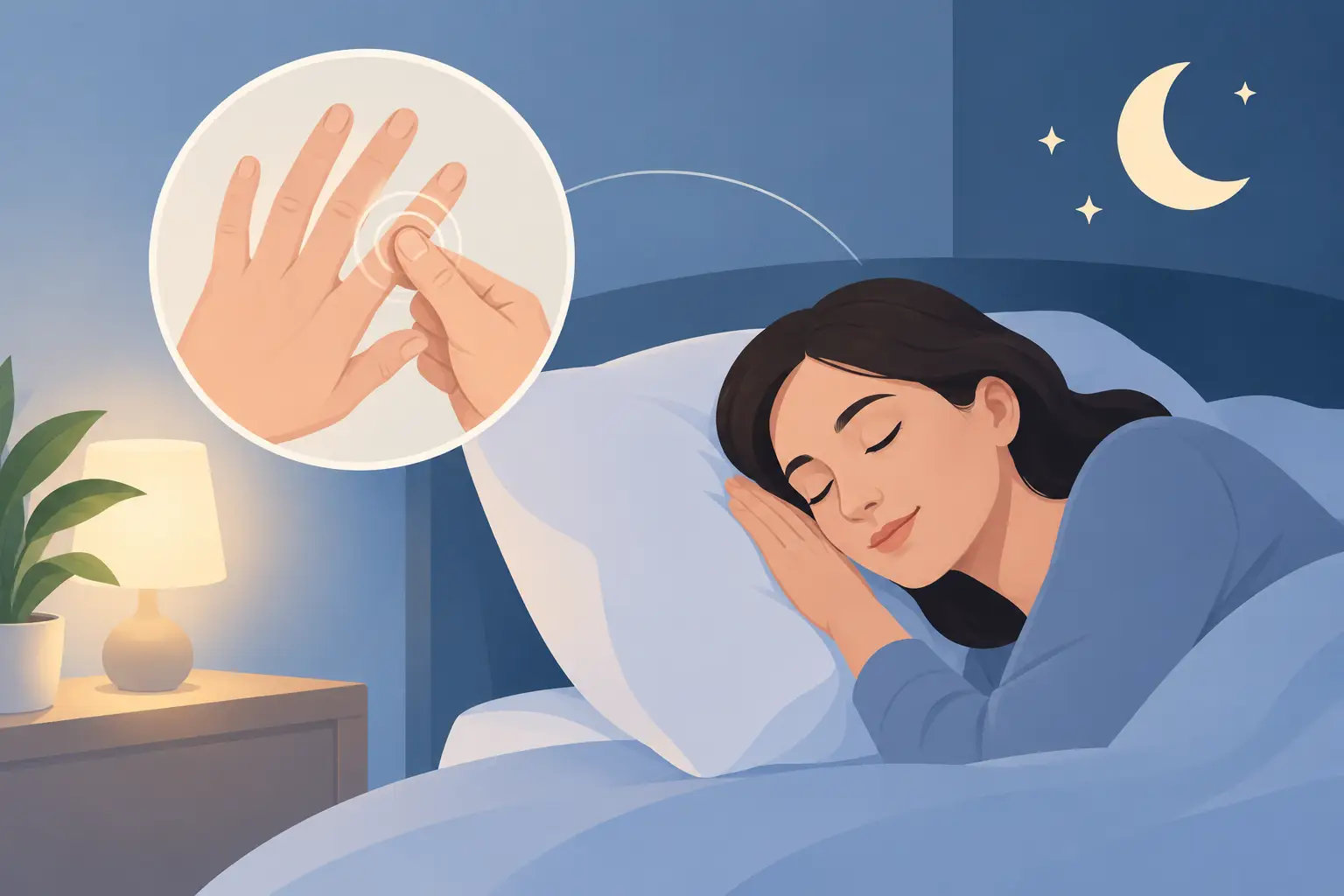
Finger pressure is based on acupressure, a practice that applies steady pressure to particular points on the body. Rather than using needles, acupressure uses touch. In the case of an anti-snoring ring, that pressure is applied to selected points on the little finger while you sleep.
The aim is not to sedate you or force your body into sleep. It is to provide a light physical stimulus that may support the body’s natural regulation of breathing and muscle tone. When simple snoring is reduced, the benefit can be significant: fewer disrupted nights for a partner, less broken sleep for the snorer and a calmer bedroom overall.
Simple snoring happens when relaxed tissues in the upper airway vibrate as air passes through. It is often more noticeable after alcohol, when sleeping on your back, during a cold, or when you are overtired. There is no single cause, so there is no single answer for everyone. That is why a non-invasive option that is easy to try appeals to many couples.
Why the little finger?
Acupressure traditions identify points on the little finger that are associated with the body’s wider systems. A correctly designed ring places gentle, targeted pressure on these areas for the hours when snoring usually occurs. Unlike pressing a point with your hand for a few minutes before bed, a ring keeps the pressure consistent without asking you to stay awake or change your routine.
This is a practical distinction. A bedtime remedy only helps if you can use it night after night. A small ring is discreet, portable and does not require a power source, adhesive strips, batteries or a face mask. You put it on, go to bed and see how your body responds over time.
What Better Sleep Can Look Like
The immediate goal for many people is less snoring. But the reason that matters is sleep continuity. A partner who is not repeatedly woken by noise may spend more time asleep. The snorer may also have fewer disturbances caused by repositioning, nudging or being asked to turn over.
That does not mean finger pressure is a cure for every type of poor sleep. Stress, shift work, pain, menopause, caffeine, anxiety and an unsuitable sleep environment can all affect rest. Acupressure can be one useful part of a better sleep plan, particularly when noisy breathing is the main issue, but it cannot replace good sleep habits or medical care where that is needed.
For couples, the value is often refreshingly ordinary. It may mean waking up together rather than one person retreating to the spare room. It may mean less resentment after another broken night. Those small changes can make a real difference to daily life.
A Comfortable Alternative to Intrusive Devices
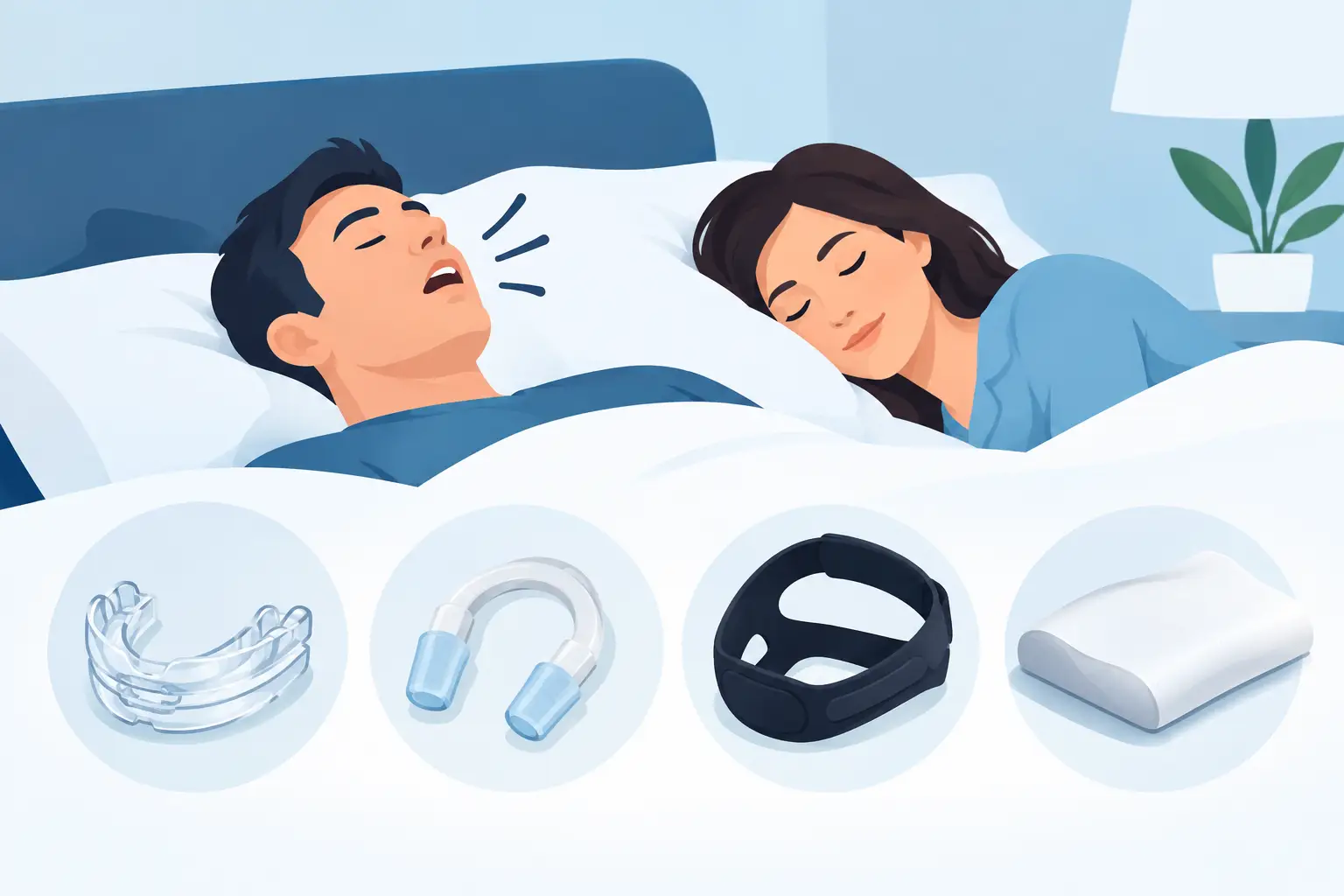
Many people have tried the usual suggestions before they look at a snoring ring. Nasal strips can be useful where congestion is the key problem, but some find them irritating or ineffective. Mouthpieces may help certain people, yet they can feel intrusive, affect the jaw or be difficult to tolerate. Lifestyle changes are worthwhile, but weight management, reducing alcohol and changing sleep position can take time and do not always solve the problem on their own.
Finger pressure takes a different approach. It is drug-free, non-invasive and designed to be worn during sleep. For someone who wants to avoid a large device in their mouth or on their face, that simplicity is the point.
Comfort still matters. Pressure should be gentle and the ring should fit securely without causing pain, numbness, tingling or skin irritation. If it is uncomfortable, remove it. More pressure is not better pressure. A quality ring should be made for overnight wear and used according to its fitting guidance, rather than squeezed on in the hope of a faster result.
What to Expect When You Try Acupressure for Snoring
Results vary. Some users notice quieter nights quickly, while others need a period of regular use to judge whether it suits them. Snoring can also fluctuate from one night to the next depending on congestion, alcohol, sleep position and tiredness, so a single night is not always a fair test.
Give the approach a consistent trial while keeping the rest of your routine broadly similar. If possible, ask your partner what they notice rather than relying only on how rested you feel. A simple note of noisy nights, wake-ups and likely triggers can make patterns easier to spot.
It also helps to deal with obvious contributors. Side sleeping can reduce snoring for some people. Treating a blocked nose, keeping alcohol modest in the evening and maintaining a regular sleep schedule may improve the chance of a quieter night. These are not glamorous changes, but they are often useful alongside a wearable acupressure option.
The original stop snoring ring from Good Night Health is designed around this straightforward idea: targeted little-finger pressure, without medication or cumbersome night-time equipment. It is a clinically trialled, non-invasive option for adults looking for a practical way to address simple snoring, with the reassurance of a 30-day money-back guarantee. It will not work for everyone, and that honesty matters. A refund policy gives you room to assess it in your own bed, with your own sleep patterns, rather than relying on promises alone.
When Snoring Needs Medical Advice Instead
Not all snoring is simple snoring. Loud snoring accompanied by pauses in breathing, choking or gasping, frequent waking, morning headaches or pronounced daytime sleepiness may be a sign of obstructive sleep apnoea. This needs proper medical assessment, not a self-treatment alone.
Speak to a GP if you or your partner notice these symptoms, especially if they happen regularly. The same applies if sleepiness affects driving, work, concentration or mood. A snoring ring may be appropriate for uncomplicated snoring, but it is not a replacement for diagnosis or treatment of sleep apnoea.
Children who snore regularly should also be assessed by a healthcare professional. Pregnancy, significant heart or lung conditions and new or rapidly worsening symptoms are further reasons to seek individual advice.
Questions people often ask
Can finger pressure make you fall asleep?
Finger pressure is not a sleeping pill and should not be viewed as one. Its potential benefit is more indirect: if it helps reduce simple snoring, it may support a quieter environment with fewer disturbances.
Is it safe to wear an acupressure ring every night?
A ring intended for overnight use should feel comfortable, not tight. Stop using it if you experience numbness, pain, discolouration or irritation, and follow the product’s fitting instructions carefully.
Will it work if I have a blocked nose?
It may still be worth trying for simple snoring, but congestion can be a major cause of noisy breathing. Addressing the blockage is sensible too. If symptoms persist or are severe, seek advice from a pharmacist or GP.
A quieter night rarely comes from one perfect trick. It comes from choosing a solution you can comfortably use, paying attention to what your body is telling you and getting medical support when the signs call for it. For simple snoring, gentle finger pressure may be the small change that helps both sides of the bed rest more easily.