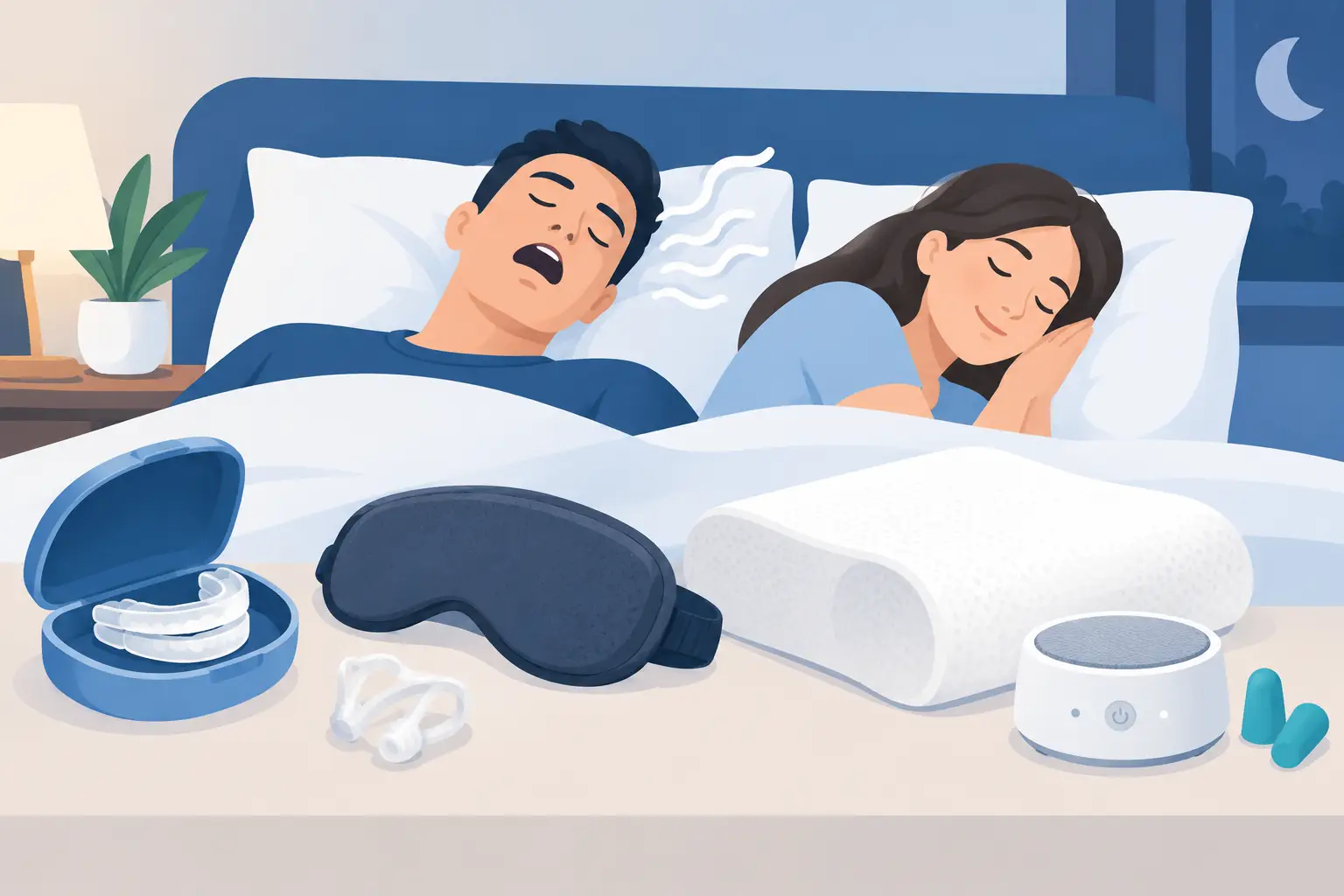
A mouthguard may seem like a sensible answer to snoring until you are lying awake with a dry mouth, sore jaw or the urge to take it out at 2am. If you are looking for alternatives to uncomfortable sleep mouthguards, you are not being fussy. A solution only helps if you can comfortably use it night after night.
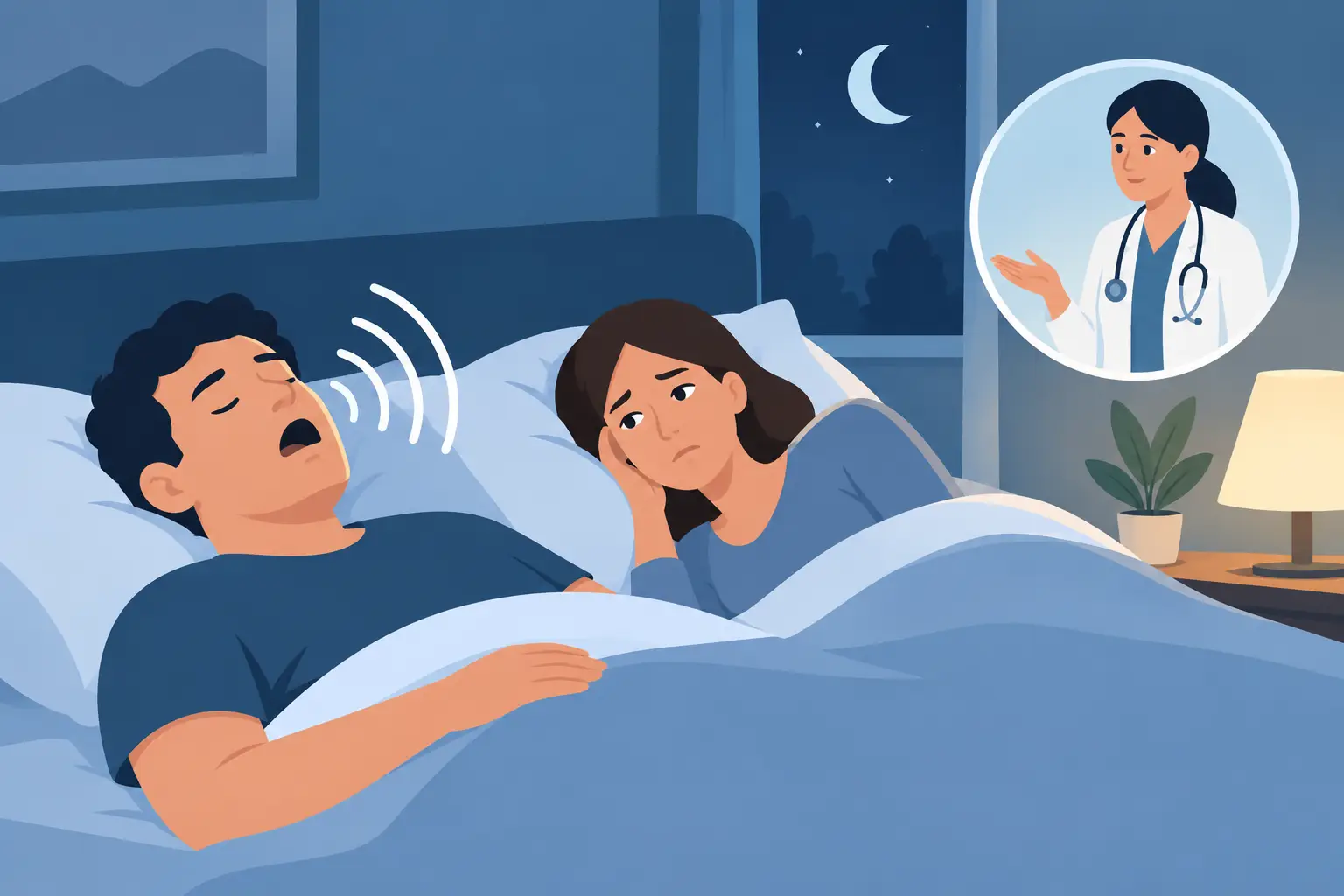
For many couples, snoring is not a minor annoyance. It breaks sleep, creates resentment and can leave both people exhausted by morning. The right alternative depends on why the snoring happens, but there are gentler options worth considering before accepting a bulky device as your nightly routine.
Why sleep mouthguards can be difficult to live with
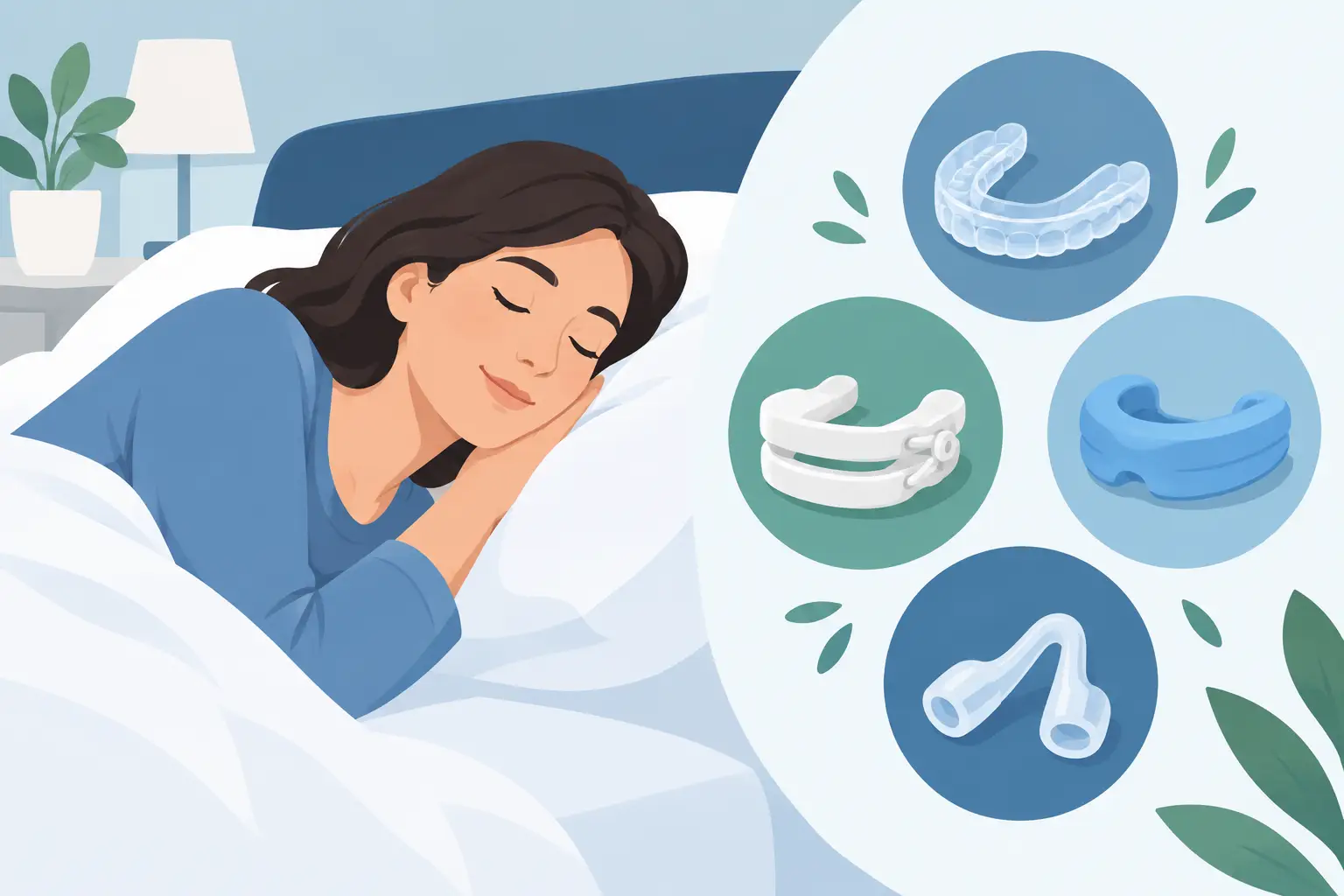
Anti-snoring mouthguards, often called mandibular advancement devices, work by holding the lower jaw slightly forward. This can help keep the airway more open for some people. When correctly fitted and well tolerated, they can be useful. The problem is that effectiveness on paper does not always translate into comfortable sleep.
Some people wake with jaw ache, tooth discomfort or excessive saliva. Others find that a mouthpiece makes breathing feel unnatural, particularly when they have a cold or naturally breathe through their mouth at night. A poorly fitted device can rub gums, shift during sleep or feel too restrictive to wear consistently.
There is also a practical issue: a mouthguard needs cleaning, storing and replacing. For someone who already feels frustrated by their snoring, another fiddly bedtime task can be the point where they give up altogether.
That does not mean every mouthguard is a bad choice. It means comfort, fit and the cause of your snoring should guide the decision. A device that stays in the drawer cannot improve anyone’s sleep.
Alternatives to uncomfortable sleep mouthguards
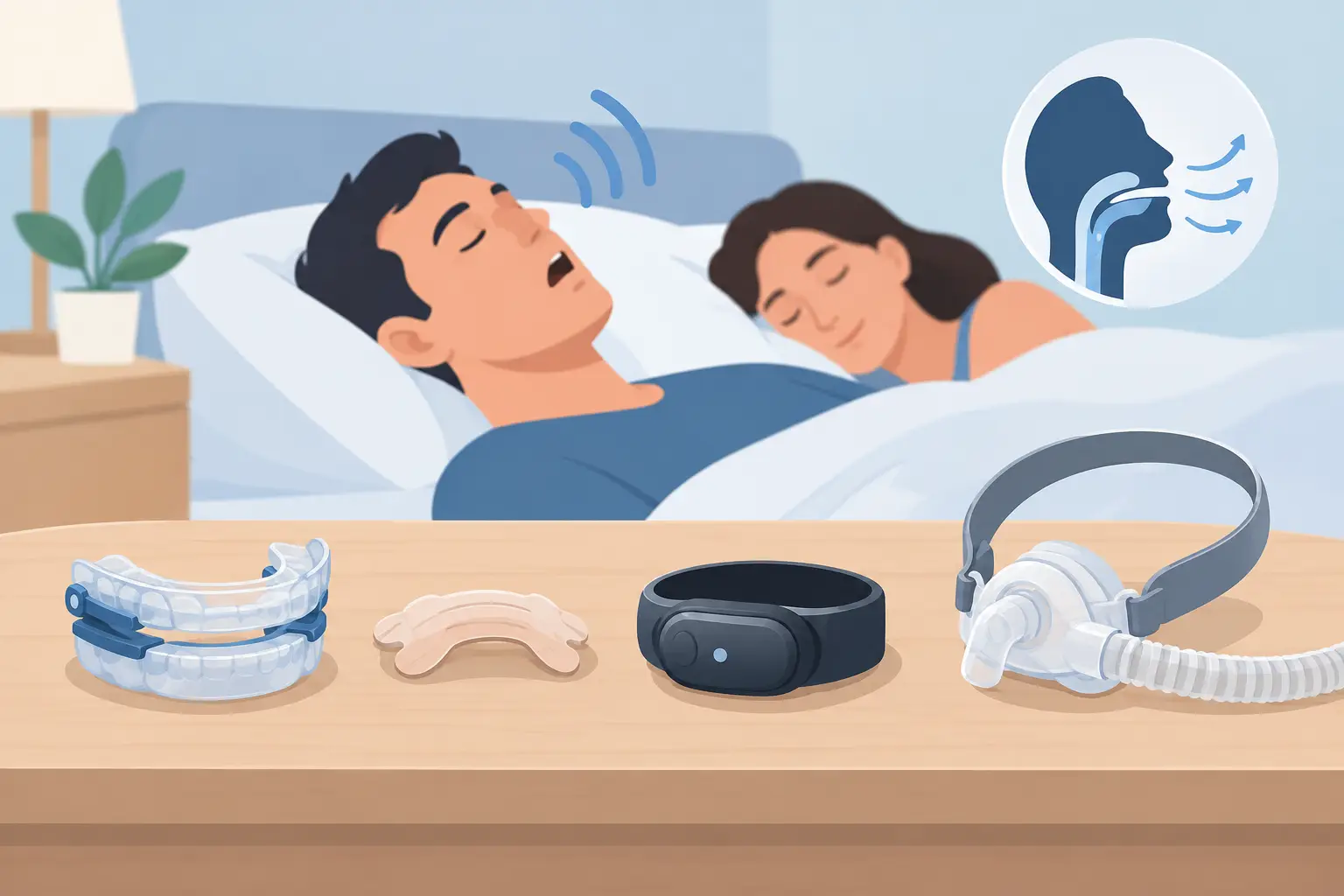
The best place to start is with a realistic question: is your snoring occasional, or is it a regular pattern that affects your sleep, your partner’s sleep and how you feel during the day? Simple snoring often responds to small changes or non-invasive aids. More serious breathing problems need medical assessment.
Positional changes for back sleepers
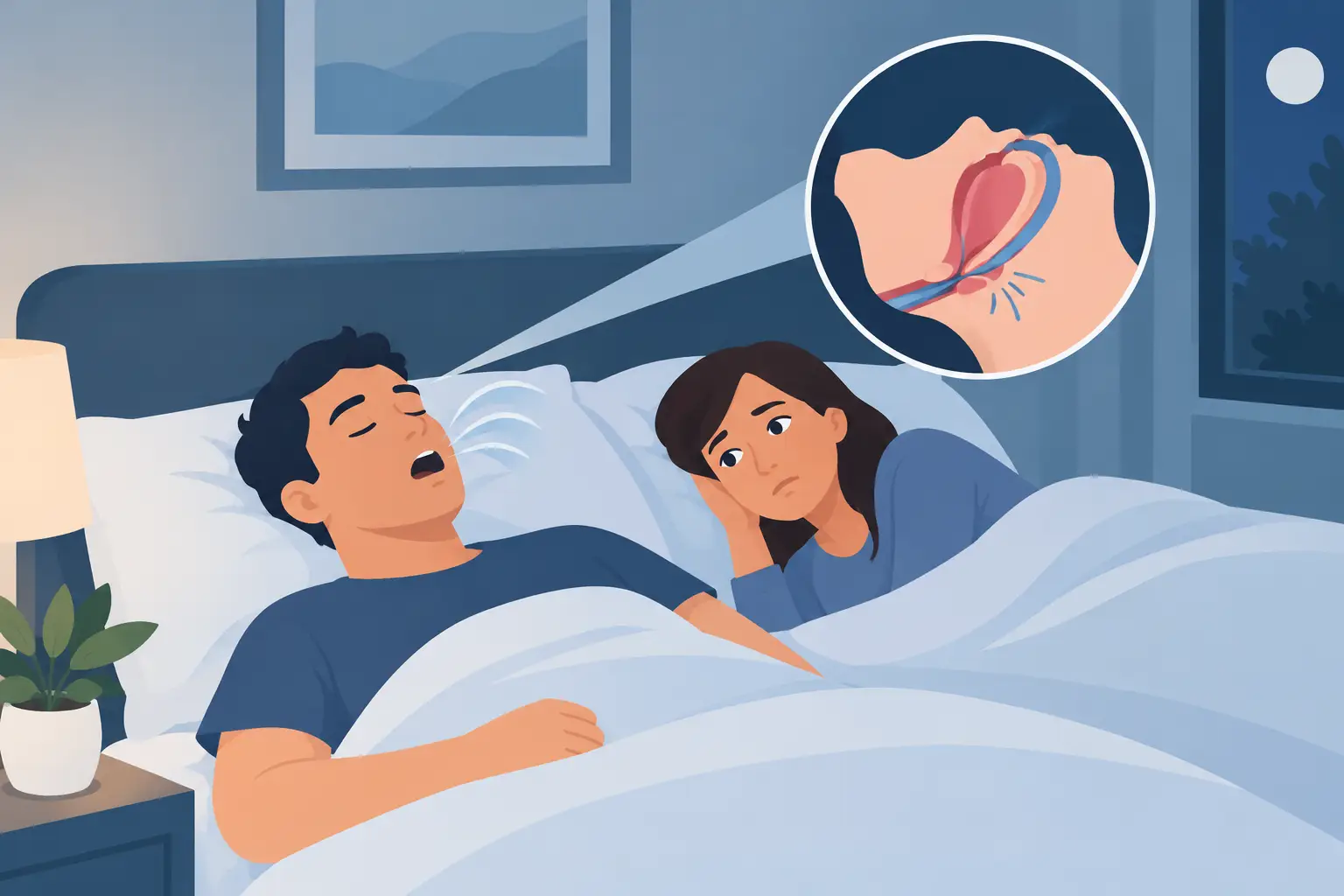
Snoring commonly gets louder when you sleep on your back. In that position, the tongue and soft tissues can fall backwards and narrow the airway. Side sleeping may reduce this for some people, without putting anything in your mouth.
A supportive pillow, a body pillow or a simple positional aid can make side sleeping easier to maintain. This option is affordable and low effort, although it is not a guaranteed fix. If you naturally roll onto your back repeatedly, it may take time to adjust.
Nasal support when congestion is the problem
If snoring becomes worse with hay fever, a cold or a blocked nose, nasal strips or an internal nasal dilator may help improve airflow through the nose. They are discreet and do not affect the jaw, which makes them an appealing option for people who cannot tolerate a mouthpiece.
However, nasal aids are not designed to solve every kind of snoring. If the sound comes mainly from the throat rather than nasal resistance, the result may be limited. Persistent congestion also deserves attention rather than endless purchases of quick fixes.
Lifestyle adjustments that support easier breathing
Alcohol in the evening can relax throat muscles and make snoring louder. Smoking can irritate the airway, while carrying extra weight may increase pressure around the neck and throat. Poor sleep routines can make matters worse too, especially when exhaustion leaves you sleeping more deeply and less steadily.
These factors are not a lecture and they are not the whole story. Plenty of healthy people snore. But reducing alcohol close to bedtime, keeping a more regular sleep schedule and addressing triggers you can control may make a noticeable difference, particularly alongside another solution.
A non-invasive anti-snoring ring
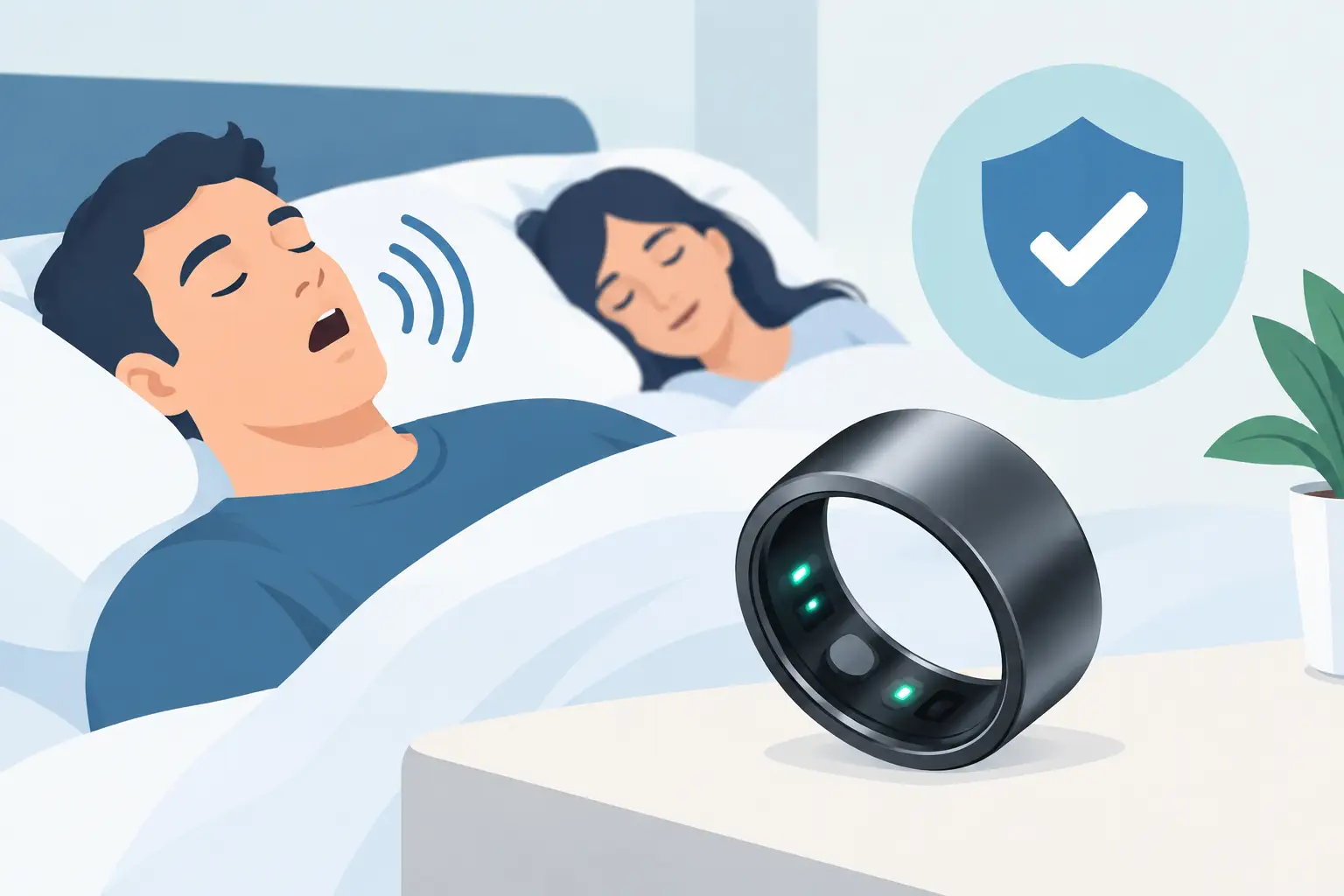
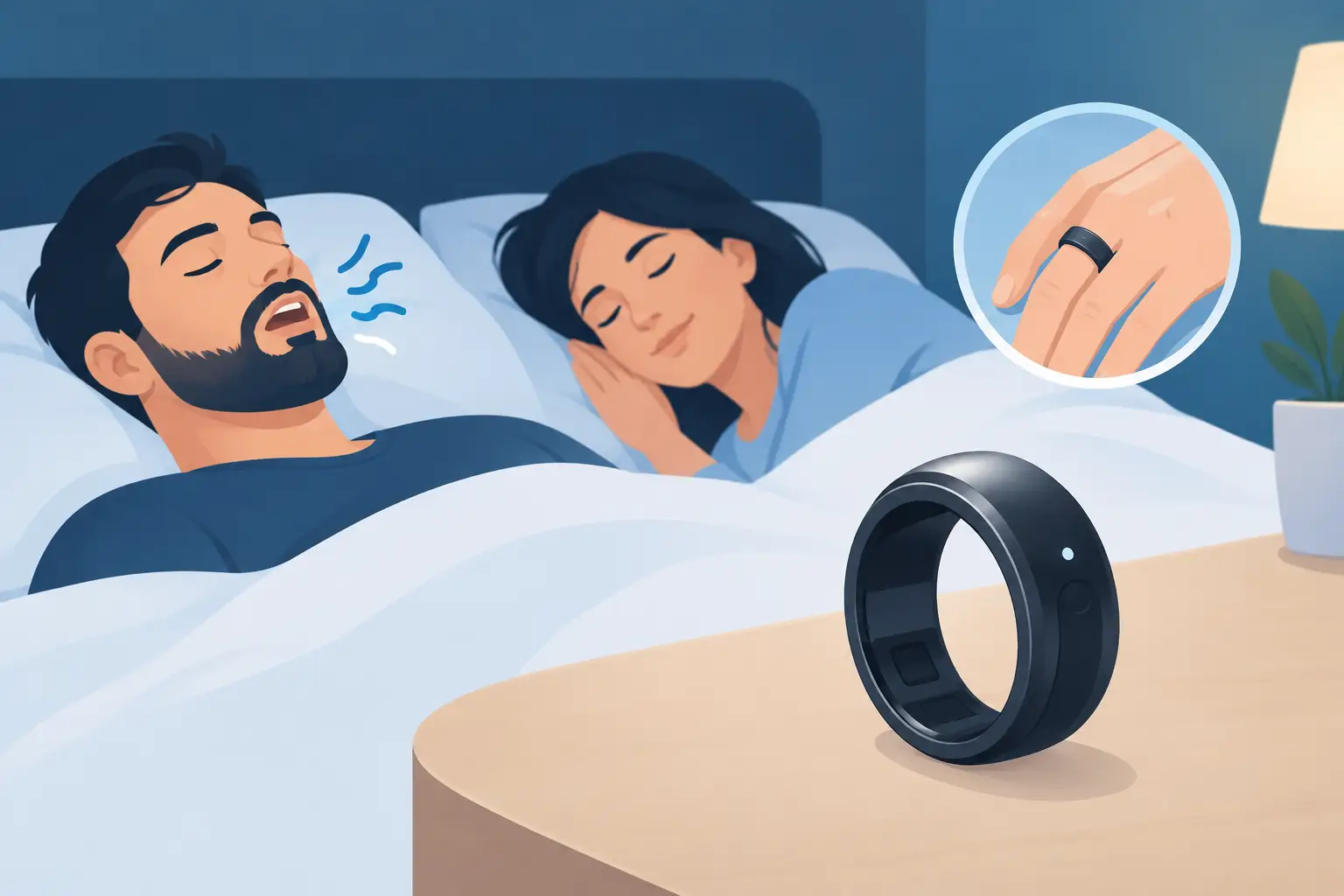
For people who want an alternative that does not sit in the mouth, a wearable ring can be a more comfortable route. The Good Night Anti-Snoring Ring is the original stop snoring ring, designed to apply acupressure to specific points on the little finger during sleep. There is no moulding, no jaw repositioning and no bulky equipment beside the bed.
It is designed for simple snoring and will not be right for everyone. That honesty matters. Snoring has different causes, and no legitimate product should promise the same outcome for every person. But for those who struggle with mouthguards, a clinically trialled, non-invasive option can be a sensible next step. A 30-day money-back guarantee also gives you the chance to judge comfort and results in your own bed, rather than relying on a single good night.
Professional assessment and clinically prescribed treatment
Loud, regular snoring sometimes points to obstructive sleep apnoea, a condition in which breathing repeatedly narrows or stops during sleep. In that case, a shop-bought mouthguard or ring should not replace medical advice. A GP or sleep specialist can assess the pattern and discuss appropriate treatment.
Warning signs include witnessed pauses in breathing, gasping or choking at night, waking with headaches, severe daytime sleepiness, difficulty concentrating or high blood pressure. Your partner may notice some of these signs before you do. It is worth taking their observations seriously.
How to choose a comfortable snoring solution
Comfort is not a luxury feature. It is part of whether an anti-snoring product has any chance of working over time. Before choosing an alternative, think about what made the mouthguard difficult. Was it jaw pressure, a dry mouth, the feeling of having something between your teeth, or the cleaning and fitting process? The answer points towards a better option.
Then consider the likely source of the problem. Snoring that appears only during congestion may call for nasal support. Snoring that is mostly worse on your back may respond to positional changes. If you want a drug-free, mouth-free nightly aid for simple snoring, a small wearable may be easier to keep using.
Be wary of products that claim to cure all snoring instantly. Better sleep products should be clear about their purpose, who they may help and when you should seek clinical advice. Look for clear instructions, credible evidence, a proper returns policy and a company that does not hide behind exaggerated promises.
Give the alternative a fair trial
One night rarely tells the full story. Your sleep position, stress level, alcohol intake, nasal congestion and room temperature can all change from evening to evening. Give a comfortable solution enough time to become part of your routine, while paying attention to patterns rather than expecting a miracle on night one.
If you share a bed, involve your partner in the process. They can often tell you whether the volume, frequency or intensity of snoring has changed. You may also notice improvements in how rested you both feel, how often either of you wakes, and whether bedtime starts to feel less tense.
You should never have to choose between treating snoring and getting comfortable enough to sleep. A gentler option that you can wear consistently may do more for your nights than a mouthguard you cannot wait to remove.