Blog
Single Post

Acupressure Sleep Aid Versus Medication
A partner’s elbow at 2am is not a long-term sleep plan. When snoring or restless nights become a regular feature of bedtime, it is natural to look for something that works quickly. The question of acupressure sleep aid versus medication matters because the two approaches solve very different problems – and one may suit your situation far better than the other.
Medication can have a place when a clinician has identified a condition that needs treating. But for many people with simple snoring, or for couples who want a more comfortable first step, a non-invasive acupressure aid can be a practical alternative to tablets, sprays and bulky night-time equipment.
Acupressure sleep aid versus medication: the real difference
Medication works through chemical effects in the body. Depending on the medicine, it may aim to encourage sleep, address allergies, reduce nasal congestion or treat an underlying health issue. It can be helpful when used appropriately, but it also comes with considerations: possible side effects, interactions with other medicines, morning grogginess, and the risk of relying on a short-term sleep aid for too long.
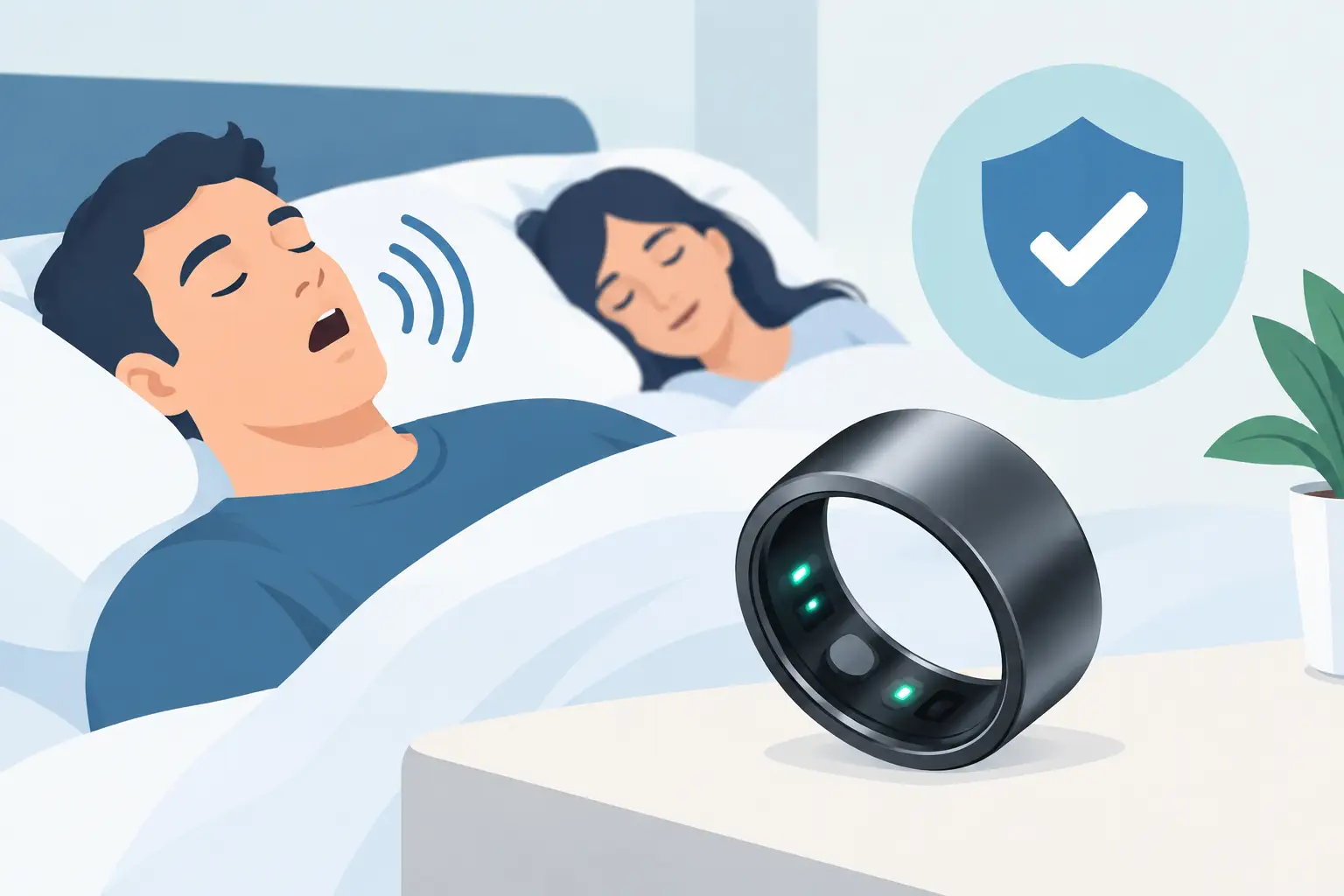
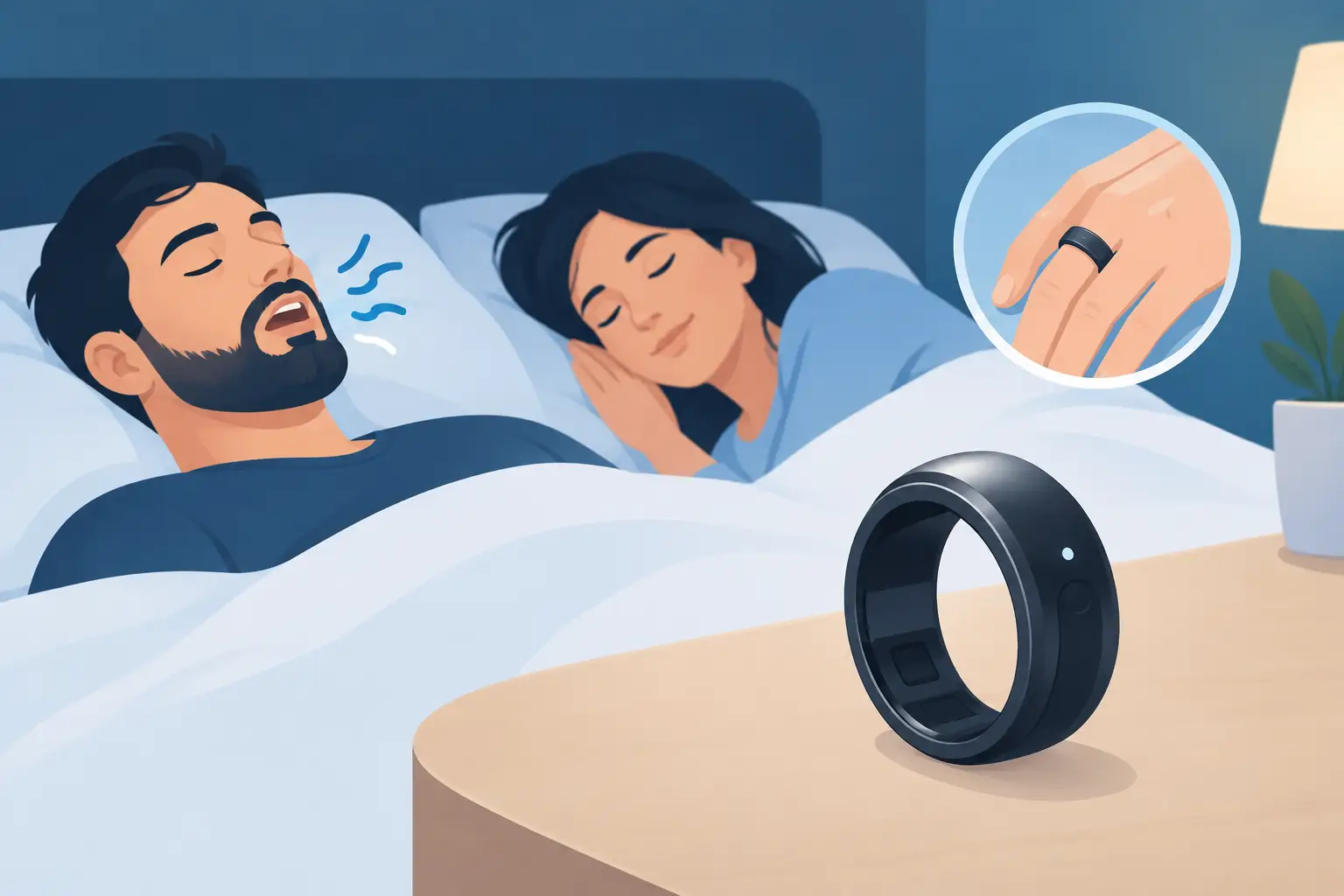
An acupressure sleep aid is different. It applies gentle, continuous pressure to a specific point while you sleep. The Good Night Anti-Snoring Ring, for example, is worn on the little finger and is designed to target acupressure points associated with simple snoring. There is no drug to swallow, no active ingredient entering your system and no complicated nightly routine.
That distinction is particularly useful for people who do not want to feel sedated, who are already managing prescriptions, or who simply want to try a low-intervention option first. It does not mean acupressure is the answer to every sleep problem. It means it offers a different route: one focused on comfort, simplicity and consistency rather than medication.
When medication may be the right choice
It would be misleading to suggest that every sleep difficulty should be handled with a wearable aid. If you are struggling with persistent insomnia, anxiety, pain, severe allergies or another diagnosed health condition, speak to a GP or pharmacist. Medication may be recommended as part of a broader treatment plan, often alongside changes to sleep habits and medical follow-up.
Some people also snore because of temporary congestion from a cold or hay fever. In those cases, a pharmacist may advise a short-term treatment for the congestion itself. That is not quite the same as treating snoring at its source, but clearing the nose can make breathing easier for some people.
The key issue is suitability. Sleeping tablets are not a casual solution for nightly disturbance. They may leave you drowsy the next day, can interact with alcohol or other medicines, and are not generally intended as a permanent fix for poor sleep. Even over-the-counter remedies deserve a proper conversation with a pharmacist if you use other medication or have ongoing health concerns.
For snoring, sedating medicine can be especially unhelpful if it relaxes the throat further. A person may fall asleep faster while their partner is still listening to the same, or louder, snoring. Better sleep is not only about getting to sleep. It is about breathing comfortably and waking feeling properly rested.
Where acupressure can make sense
Acupressure is most appealing when the priority is a gentle, drug-free intervention. A small wearable ring is discreet, easy to pack for a weekend away and less intrusive than a mouthguard or mask. There is nothing to charge, clean extensively or remember to take with water just before bed.
For couples, that simplicity can matter. Snoring does not affect only the person making the noise. It can mean separate bedrooms, interrupted sleep for both people and a growing sense of frustration around something neither partner can simply will away. A comfortable option that can be used night after night gives couples a reasonable place to start.
The original stop snoring ring from Good Night Health is clinically trialled and designed as a non-invasive acupressure-based option for simple snoring. It is not a sedative and it does not claim to treat every cause of snoring. That honesty matters. No anti-snoring solution works for everyone, particularly when there is an untreated medical condition behind the noise.
Comfort, side effects and effort compared
The practical trade-off between an acupressure aid and medication is often clearer than the science feels at first glance. With a ring, the main question is whether it fits comfortably and whether you can use it consistently. Some people need a little time to adjust to wearing something on their finger at night. Others barely notice it after the first few nights.
With medication, convenience can look appealing – take a tablet and wait for it to work. Yet the consequences may continue into the morning. Dry mouth, dizziness, headaches and next-day tiredness are possible with certain sleep medicines, while nasal products and allergy treatments have their own instructions and cautions. The right medicine for one person may be inappropriate for another.
Acupressure is not entirely effort-free. It needs correct placement, regular use and realistic expectations. It is a supportive sleep aid, not an emergency answer after one terrible night. But for someone who wants to avoid adding another medicine to the bedside table, that trade-off is often worthwhile.
Start by identifying what is disturbing your sleep
Before choosing any solution, consider the pattern. Simple snoring is often linked with sleeping position, alcohol close to bedtime, tiredness, nasal blockage or relaxation of the tissues in the throat. An acupressure ring may be a sensible option to try when snoring is the main issue and you otherwise feel well.
However, loud snoring combined with gasping, choking, pauses in breathing, waking with headaches, extreme daytime sleepiness or difficulty concentrating needs medical attention. These can be signs of obstructive sleep apnoea, which should not be self-treated with a ring, spray or sleeping tablet. A clinician can assess the cause and discuss appropriate treatment.
The same applies if sleeplessness lasts for weeks, affects your mood or ability to work, or comes with depression, severe anxiety or pain. A proper assessment can save months of trial and error.
How to make a fair comparison at home
If your snoring appears to be simple and you want to try an acupressure aid, give it a fair chance. Wear it as directed, use it consistently and ask your partner to notice changes over several nights rather than judging it only after one evening. Sleep can vary with stress, alcohol, illness and even room temperature, so a short pattern is more informative than a single result.
At the same time, support the basics. Try sleeping on your side, keep alcohol to a minimum in the hours before bed, avoid heavy late meals and make your bedroom comfortably cool and quiet. These measures do not make an acupressure aid less useful. They give it the best conditions to do its job.
If you are considering medication, do not borrow tablets from someone else or combine products without advice. Ask a pharmacist or GP what the medicine is intended to treat, how long it should be used and what side effects to watch for. Clear answers are part of safe treatment.
A lower-risk first step for simple snoring
For many adults, the choice is not really between a ring and essential medical care. Medical care should always come first when warning signs are present. The more relevant choice is whether simple, everyday snoring should first be met with another drug-based product or a comfortable, non-invasive aid.
An acupressure ring offers a modest, practical approach: wear it at bedtime, see how your body responds and judge the result by the quality of sleep in your household. It will not be right for everyone, which is why a full refund guarantee is more meaningful than exaggerated promises. You deserve the chance to try a solution without being trapped by it.
A quieter night may begin with something surprisingly small. If the signs point to simple snoring, choose the option that feels safe, comfortable and realistic enough to use every night – then let better rest do the talking.